Leather Conditioning

Professional Leather Conditioning

Why Professional Conditioning Instead of DIY

Leather dries out over time — heat, sunlight, daily use, and cleaning products can strip natural oils and cause stiffness, dullness, and cracking.

Our professional leather conditioning service restores softness, improves appearance, and helps protect your furniture from premature wear.

Why DIY Products Can Be Risky

  • Many over-the-counter conditioners leave residue on the leather surface.
  • Some products can darken leather or create an unnatural slippery shine.
  • Incorrect application may cause uneven results or over-conditioning.
  • We use professional-grade products selected for your exact leather type.
  • Application is adjusted for aniline, semi-aniline, and pigmented/protected leather.
Professional Leather Care

Why DIY Conditioners Can Damage Leather

Many over-the-counter conditioners leave residue, darken the leather, or create a slippery shine. We use professional-grade products and apply the correct amount based on your leather type — aniline, semi-aniline, pigmented, or protected leather.

Leather Care Process

What Leather Conditioning Includes

Call Now

Our Leather Conditioning Process Is Designed To Safely Refresh And Protect Genuine Leather Furniture:

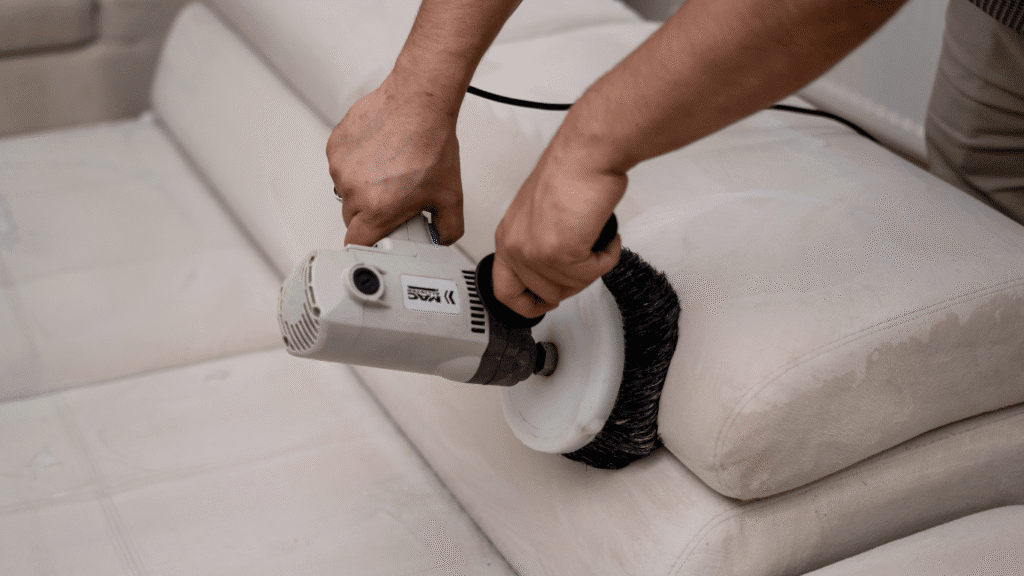
  • Gentle surface cleaning to remove body oils, residue, and light buildup
  • Leather-safe conditioning to replenish moisture and flexibility
  • Buffing to restore a natural, even finish without a greasy feel

Optional protective treatment available upon request. Best for dry leather, dull finish, light stiffness, minor surface dehydration, and general maintenance.

Leather Care Guide

Leather Types, Conditioning Questions & Maintenance Tips

Leather Types We Work With

  • Aniline & semi-aniline leather
  • Protected / pigmented leather
  • Corrected grain leather
  • Most leather blends — inspection required

Will conditioning fix cracks?

Conditioning helps prevent cracking and can reduce the appearance of early dryness lines, but deep cracks usually require color restoration or filling.

Will it change the color?

No — proper conditioning should not change color. We test in a small area first.
Leather restoration result
Leather furniture care result

Leather Maintenance Tips

  • Keep it out of direct sunlight whenever possible — sun can dry and fade leather.
  • Wipe weekly with a dry microfiber cloth to remove dust and prevent buildup.
  • Avoid harsh cleaners — no baby wipes, alcohol sprays, bleach, or all-purpose cleaners.
  • Condition regularly: every 6–12 months for normal use, or every 3–6 months for high-traffic pieces.
Best for long-term protection

Regular professional conditioning helps maintain softness, reduce dryness, and protect leather furniture from premature wear caused by daily use, kids, pets, sunlight, and cleaning products.

Our work follows industry standards recommended by the International Furnishings and Design Association , ensuring professional and long-lasting results.

Leather conditioning is not just “shining” leather — it’s a maintenance step that helps prevent drying, stiffness, and early cracking. If your sofa or chairs feel dry to the touch, look dull, or start developing light surface lines, conditioning can restore softness and improve the overall look. For deeper issues (scratches, peeling, fading, or color loss), you may need leather repair or a full leather restoration instead.

Our process typically includes gentle cleaning, safe moisturizing, and protection to reduce future drying. If you want to see real results on couches, chairs, and cushions, check our Before & After gallery. If you’re unsure what your leather needs, request an estimate here: Get a Quote.

When referencing care guidance, we recommend sticking to reputable sources and avoiding harsh cleaners or products containing alcohol, bleach, or silicone that may cause long-term damage. Helpful references: Good Housekeeping’s leather cleaning guide and Leather CPR’s care basics. These resources explain safe cleaning and maintenance habits that extend the life of leather furniture.

Tip: conditioning frequency depends on usage and indoor conditions (sun exposure, heat, AC). High-use seating usually benefits from regular maintenance. If your leather is already fading or uneven, conditioning alone won’t fix color — in that case a color service is the better option.

Scroll to Top