

Most Leather Never Reaches a Workshop
Search for a leather repair shop NYC wide and you picture crating a sofa off to a bench somewhere. That is the exception, not the rule — fading, cracking, scuffs and a split seam are all repaired in the room the piece already sits in.
Two Kinds of Job, Two Different Places
A leather repair shop NYC listing implies one route for everything. The real split is by damage type, and it is decided before anything is booked — so you know which of these two you have from the first photo you send.
Stays exactly where it is
Anything that lives in the surface of the hide. No wrapping, no elevator booking, no time without your furniture.
- Color loss and sun fade
- Cracking along arm rolls and seat fronts
- Scuffs, scratches and pet damage
- Tears, splits and punctures
- Dye transfer from denim and newsprint
- One failed panel among sound ones
Comes to the workshop
Structural work, where the piece has to be opened up and put back under tension. Quoted with its own collection and return.
- Broken or racked frames
- Collapsed springs and webbing
- Full reupholstery of a movable piece
- Rebuilding a seat from the deck up, cushions refilled

What Leather Actually Fails At
Six faults account for nearly everything we are called out to. Each one has a different cause and a different fix, and knowing which you are looking at is most of the estimate. They are also the six behind almost every leather repair shop NYC search.
Color loss
What it isThe finish wears off high-contact areas first — seat fronts, arm tops, headrests. The hide underneath is usually still sound.
What it takesCleaned back to a stable surface, re-pigmented in a color mixed against your hide, then sealed.
Cracking
What it isDry fibers split along the lines the leather flexes on. Most common on the front edge of a seat cushion and over arm rolls.
What it takesFed and softened first, filled level where a split has opened, then regrained and refinished.
Scuffs and scratches
What it isSurface damage that has not gone through the finish. Moving day, keys, and claws.
What it takesBurnished and touched in. On an aniline hide the grain is worked back rather than coated over.
Tears and holes
What it isA clean cut or a punctured panel where the edges are still present and can be brought together.
What it takesBacked from behind, filled flush, grained to match the surrounding texture, then colored in.
Dye transfer
What it isDenim and newsprint moving color onto pale hides. It sits in the finish rather than in the leather.
What it takesLifted with a solvent matched to the finish type, then resealed so it does not take hold again.
One failed panel
What it isA single cushion face or one arm has gone while every other panel on the piece is sound.
What it takesReplaced in matched hide, or the panel and its neighbors recolored together so the repair does not read as a patch.
Every Frame Here Is the Original
Six jobs, two kinds. The first pair kept their original surface — cleaned back, rebuilt where it had worn through, and recolored. That is the ordinary leather repair shop NYC outcome when what sits underneath is still sound. The rest had lost the covering past saving and were rebuilt over their own frames.
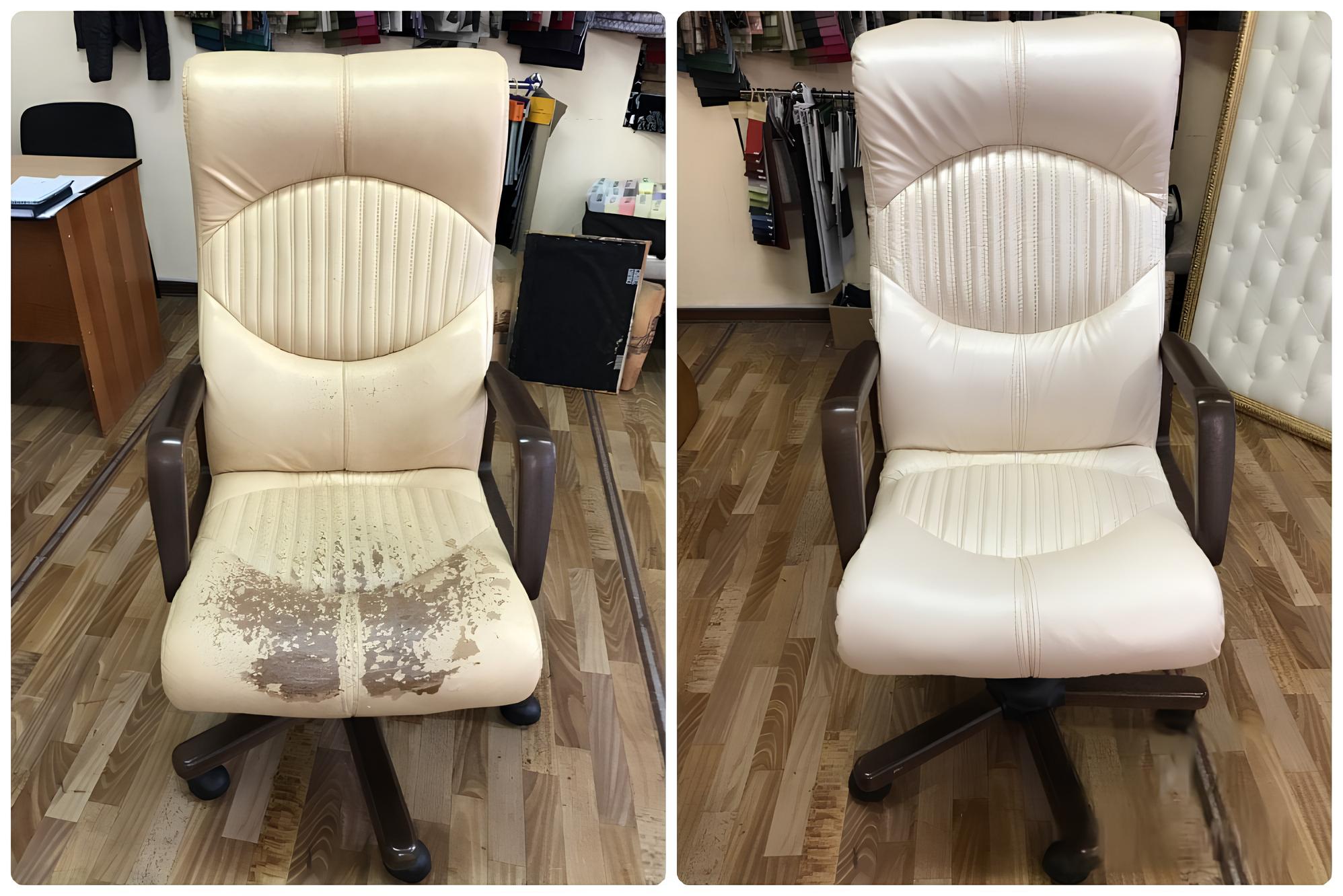
Cream office chairThe finish had worn through across the seat and the front edge, down to a darker patch where the coating had gone entirely. Cleaned, rebuilt and re-pigmented; the arms, base and stitching are the originals.
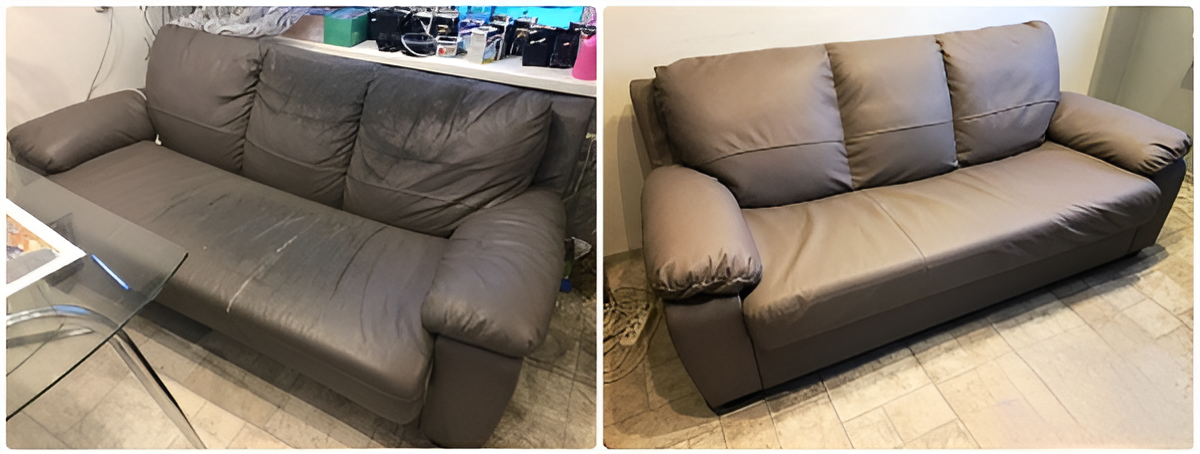
Taupe three-seat sofaColor had gone patchy and uneven across the seat and back cushions, with the sheen worn off where people sat. Recolored across the whole piece so the panels read as one, and the cushions refilled to sit level.
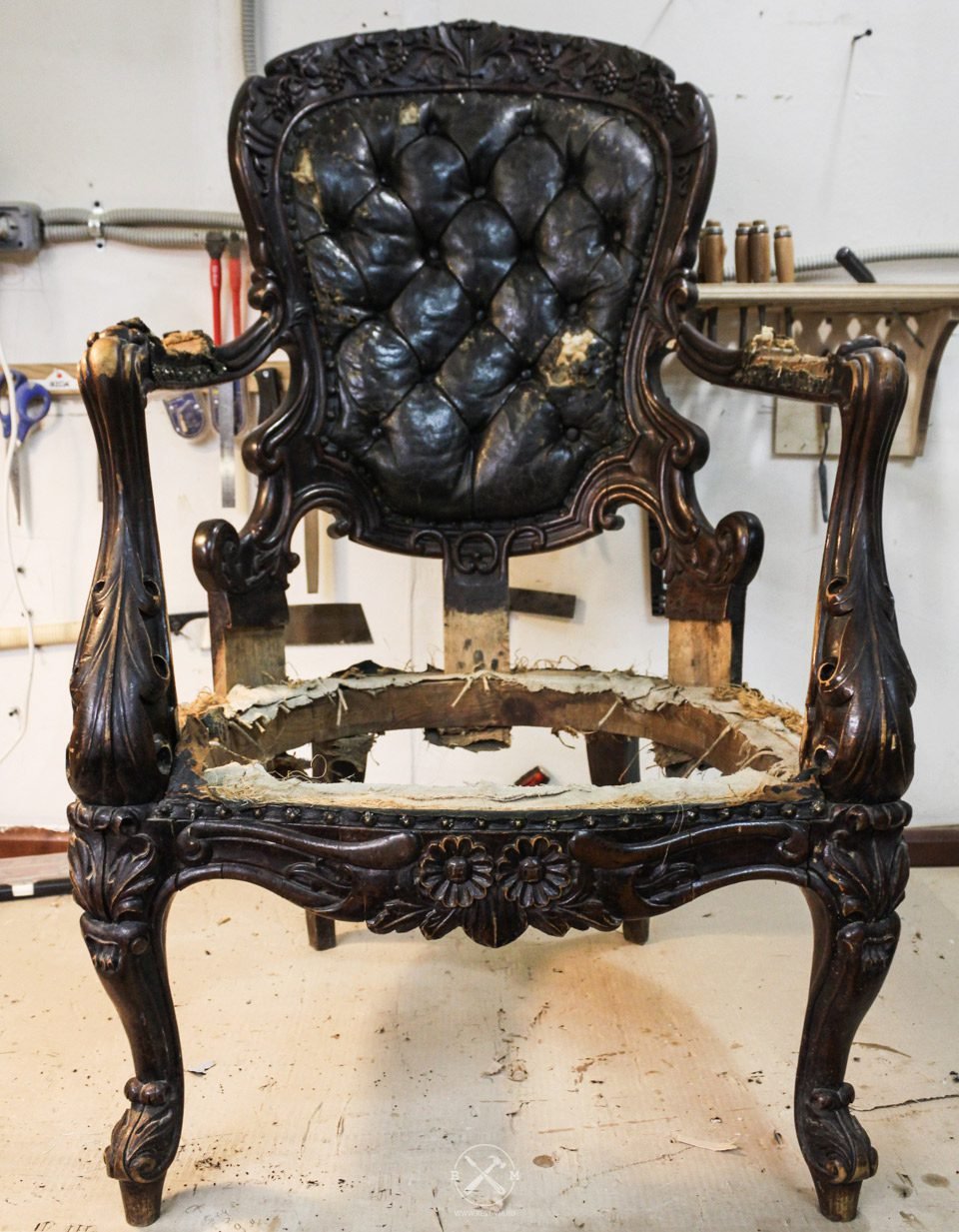

Carved Victorian armchairThe buttoned back had perished and the seat was down to bare frame and webbing, with both arm pads gone. Re-buttoned in black leather, a new leather seat and arm pads fitted with close-nailed studs, and the carved frame repolished.


Giltwood scroll-arm sofaThe green cut-velvet cover had gone slack and rumpled across the seat and back. Re-covered in green antiqued leather with a deep-buttoned back; the giltwood frame is the original, cleaned and touched in.
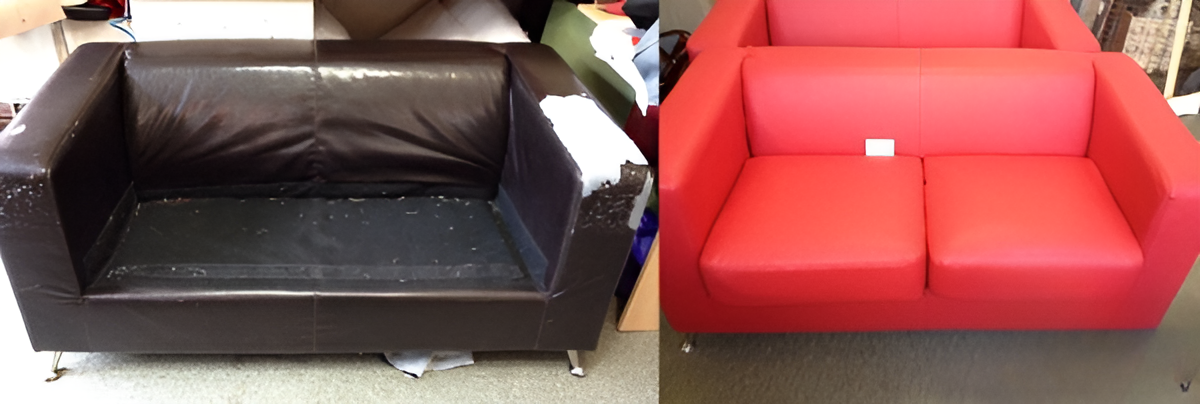
Square-arm two-seaterThe dark covering had begun lifting off its backing across the arms, the back and the deck — the point where refinishing buys a year rather than fixing anything. Recovered in red on the original frame and chrome legs, with the seat cushions rebuilt.
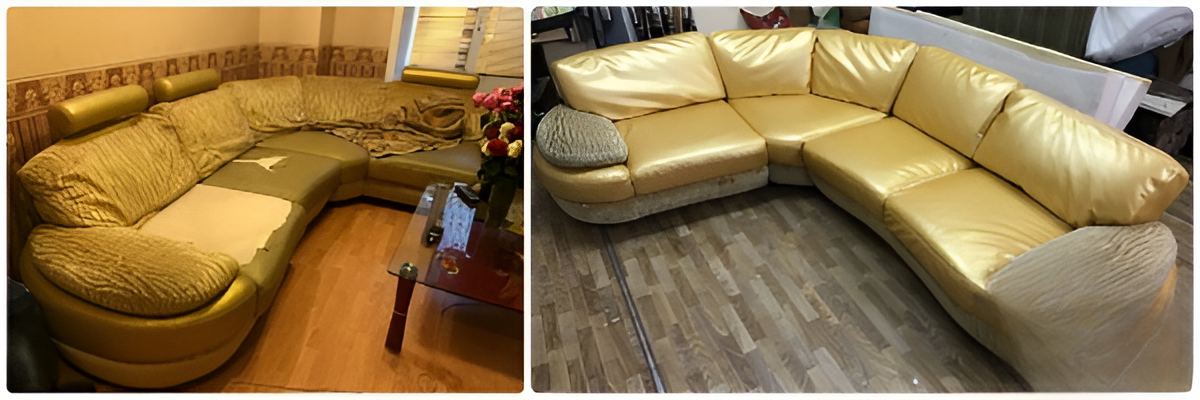
Gold corner sectionalThe seats and the curved chaise end had gone slack, with the covering rucked up along every line people sat on. Recovered in gold over the same frame and the cushions refilled, so the run reads level from end to end.
More finished pieces are on the before and after gallery, and the full method is set out under leather furniture restoration.
The Finish Decides the Repair
Two sofas can be the same color and need completely different work. What matters is how the hide was finished at the tannery, because that governs whether color sits on the surface or runs through the fiber. Reading it wrong is the most common reason a leather repair shop NYC job ends up looking like a patch.
A pigmented hide carries a coating, so it takes a surface repair and is the most forgiving. An aniline hide is dyed through with no coat to hide behind, so damage is worked back into the grain instead of covered.
Semi-aniline sits between the two. Nubuck and suede are napped and are never coated — they are cleaned and re-napped.
Bonded and faux leather are the honest limits: once a bonded surface starts lifting from its backing, refinishing buys time rather than fixing it, and we say so. Every finish type is compared on the materials guide.
Start With What You Own
Most people arrive at a leather repair shop NYC with one piece in mind rather than a service. Pick yours and you land on the page for that furniture, which covers what fails on it first and what putting it right involves.
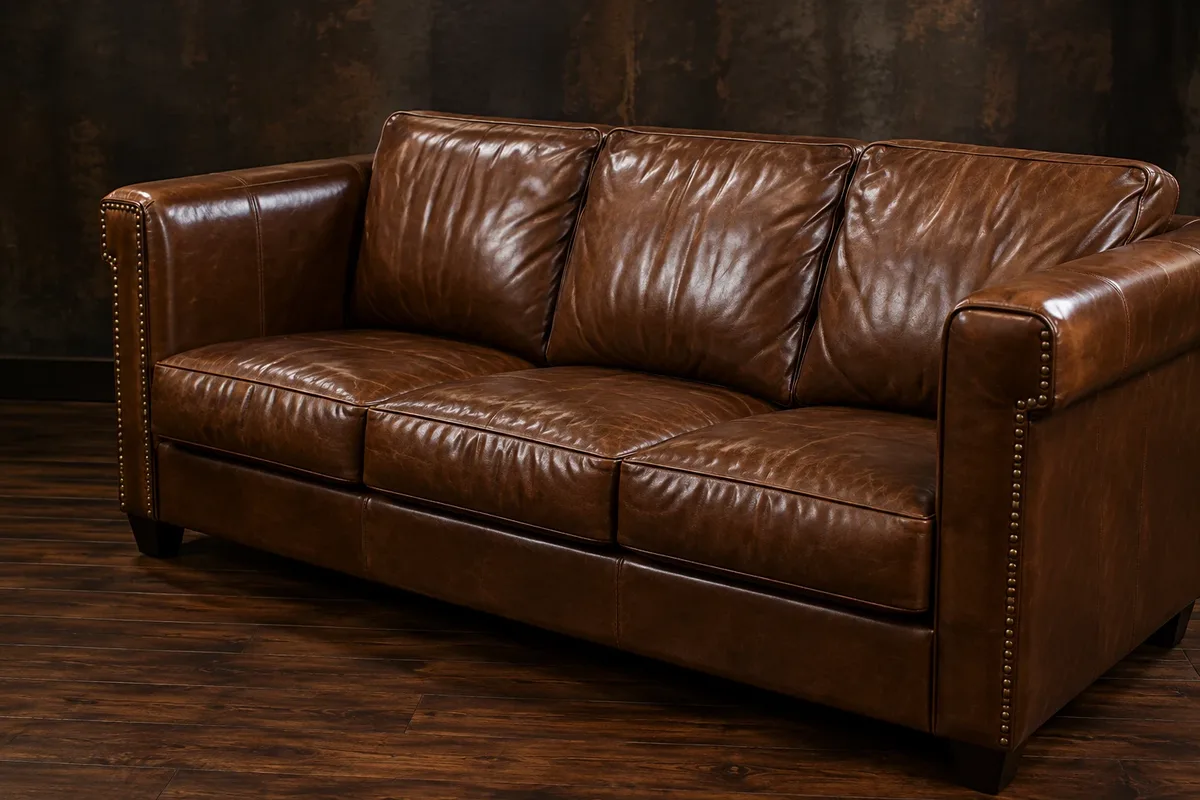
Leather sofas
Seat fronts and arm rolls give out first.
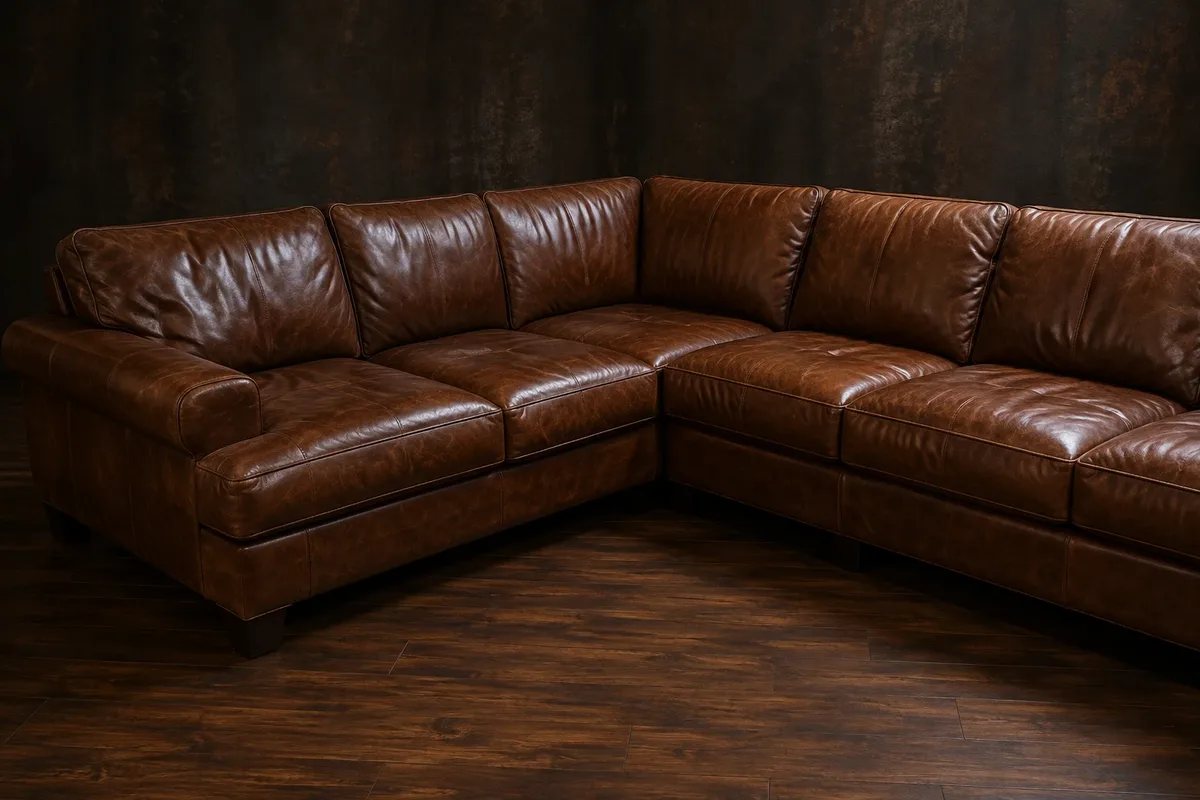
Sectionals
The corner unit wears ahead of the rest.
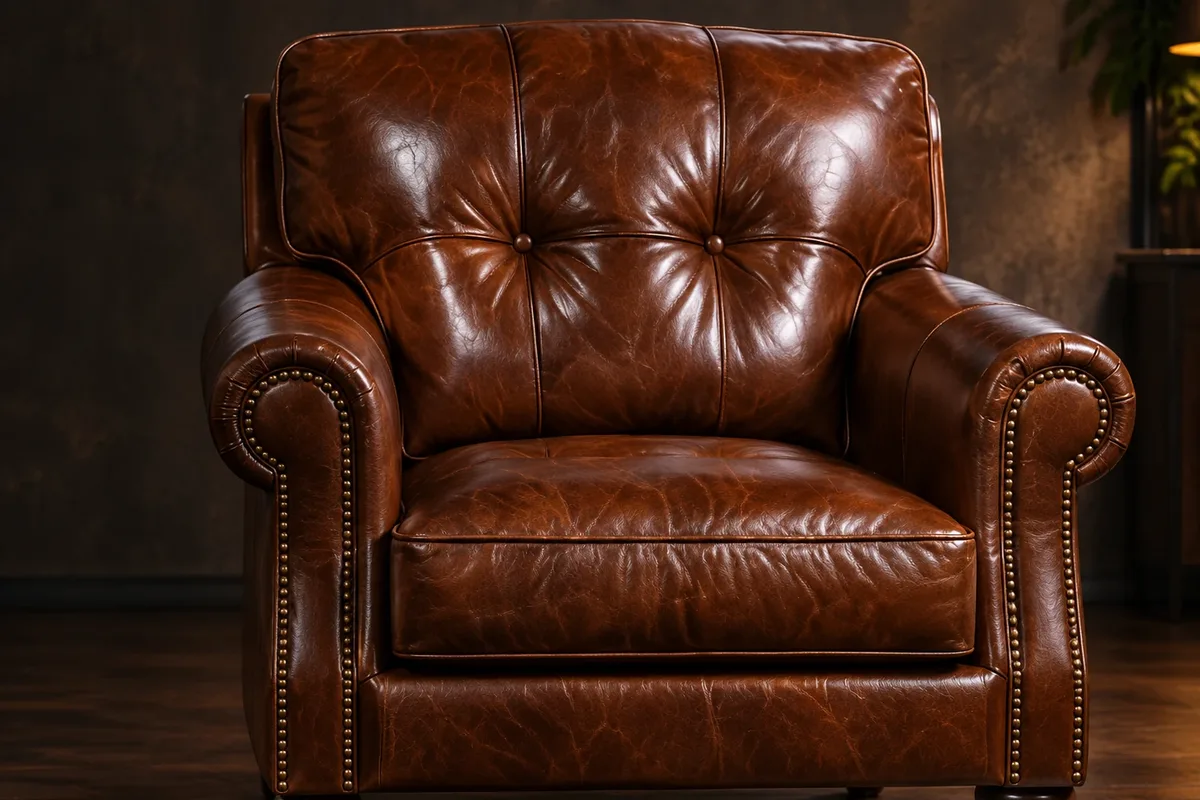
Armchairs
Arm tops go, then the seat cushion.
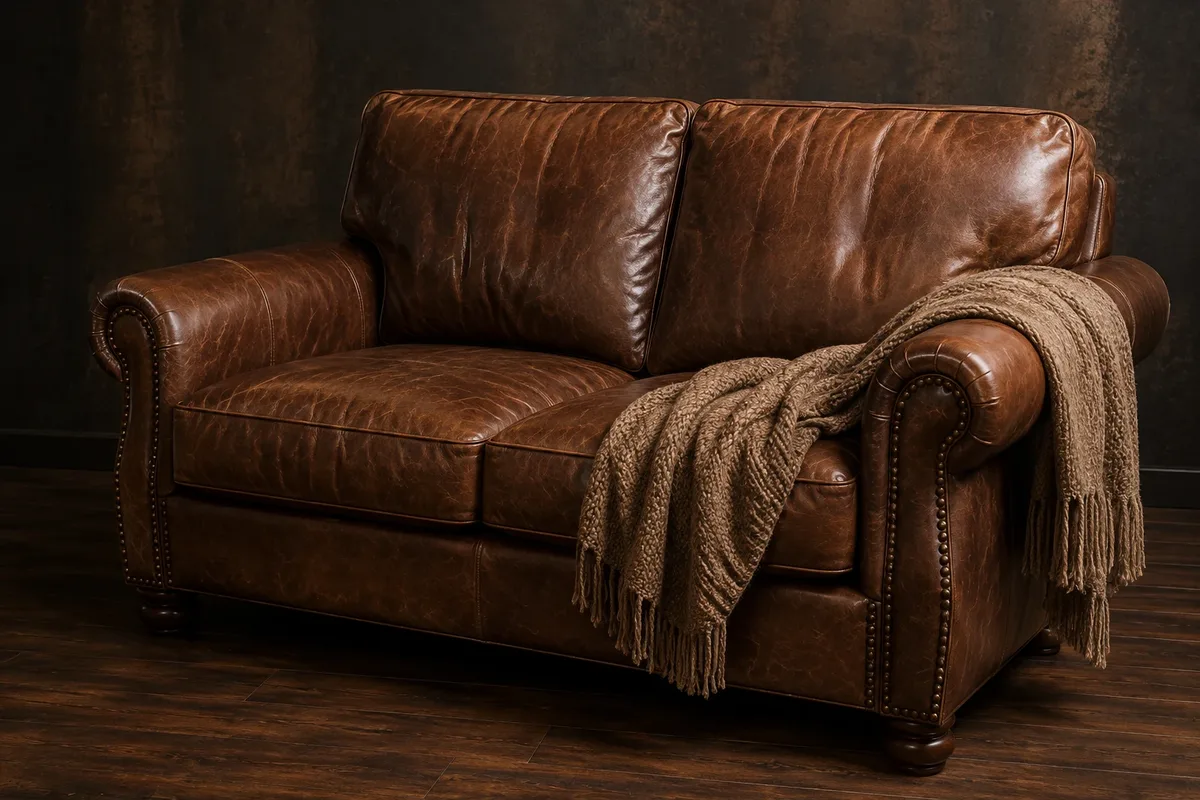
Loveseats
Two seats, so the wear lands in one place.
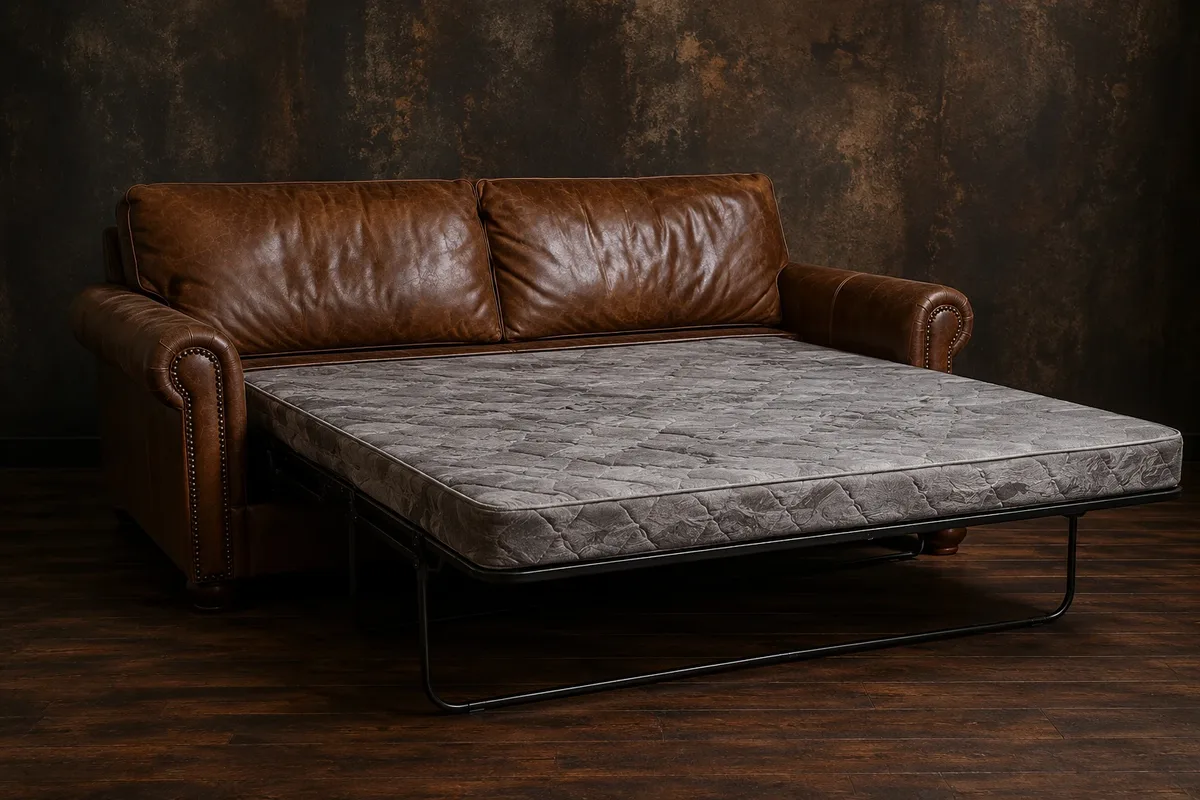
Sofa beds
The fold line cracks before anything else.
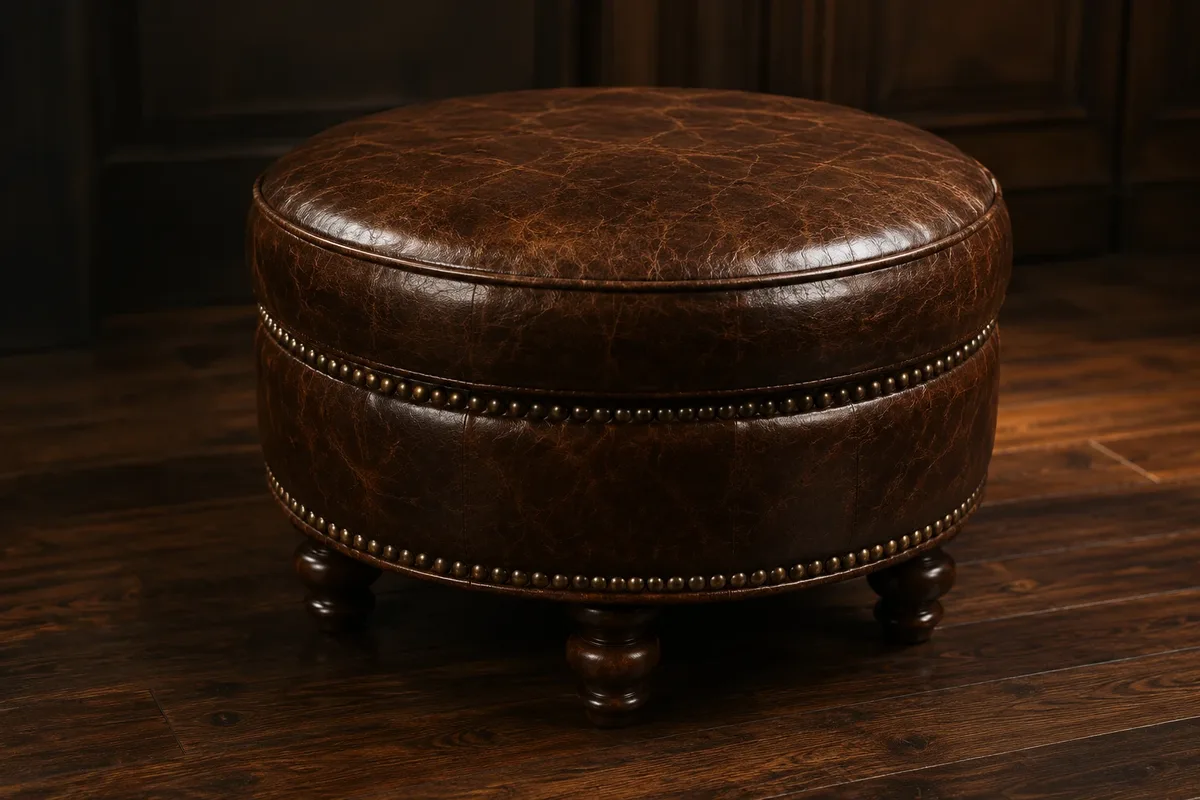
Ottomans
Used as a footrest, so the top scuffs.
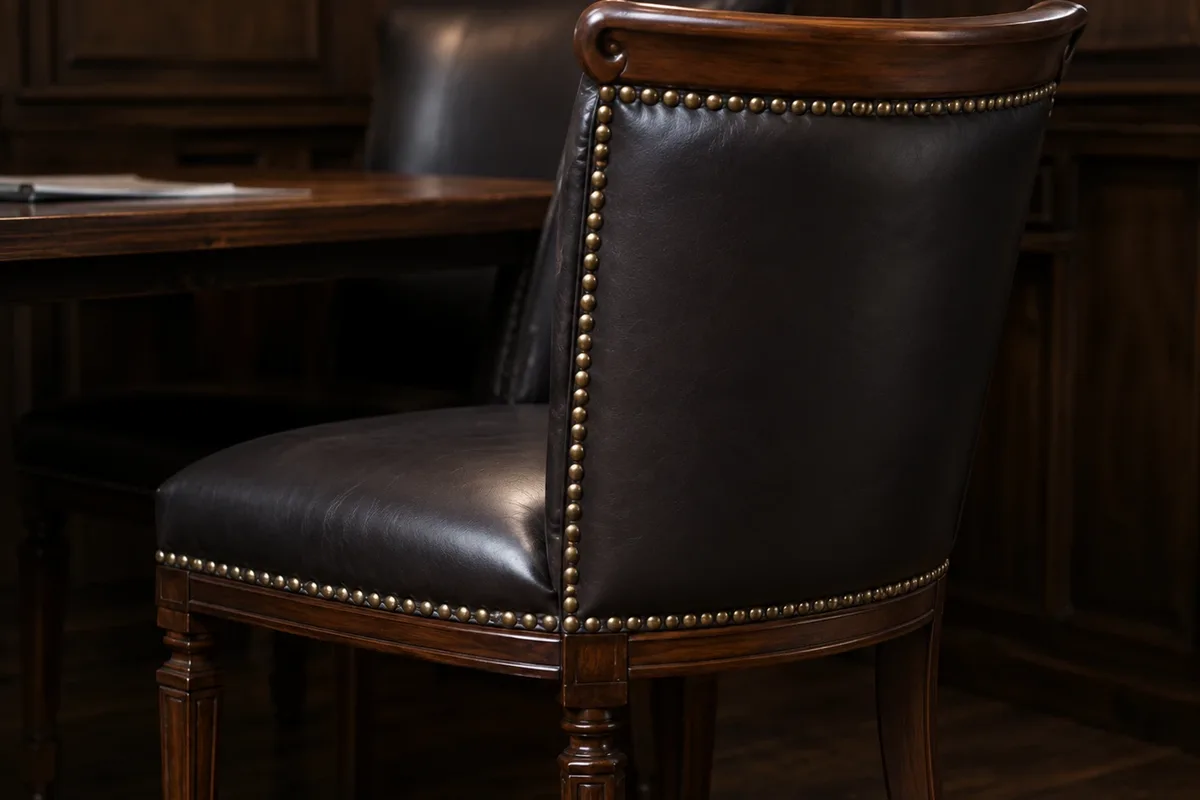
Dining chairs
Backs rub the table edge, seats crack.
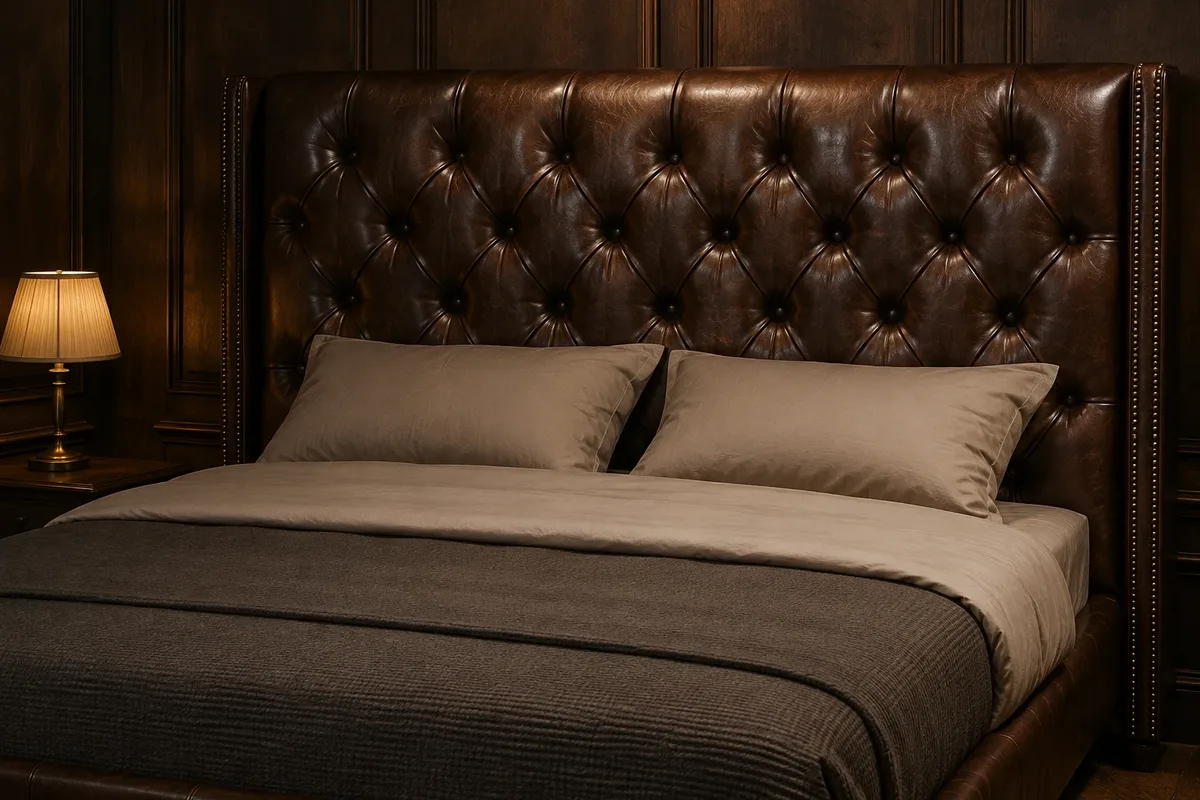
Headboards
Hair oils darken the buttoning.
Leather Repair Shop NYC: Borough by Borough
Each borough has its own page, because what changes between them is access rather than the repair — the walk-up, the service elevator window, the certificate of insurance the managing agent wants on file. Together they are the whole leather repair shop NYC service area.

Manhattan
Pre-war co-ops, doorman buildings and 15 neighborhood pages from Tribeca to the Upper East Side. Manhattan Leather Repair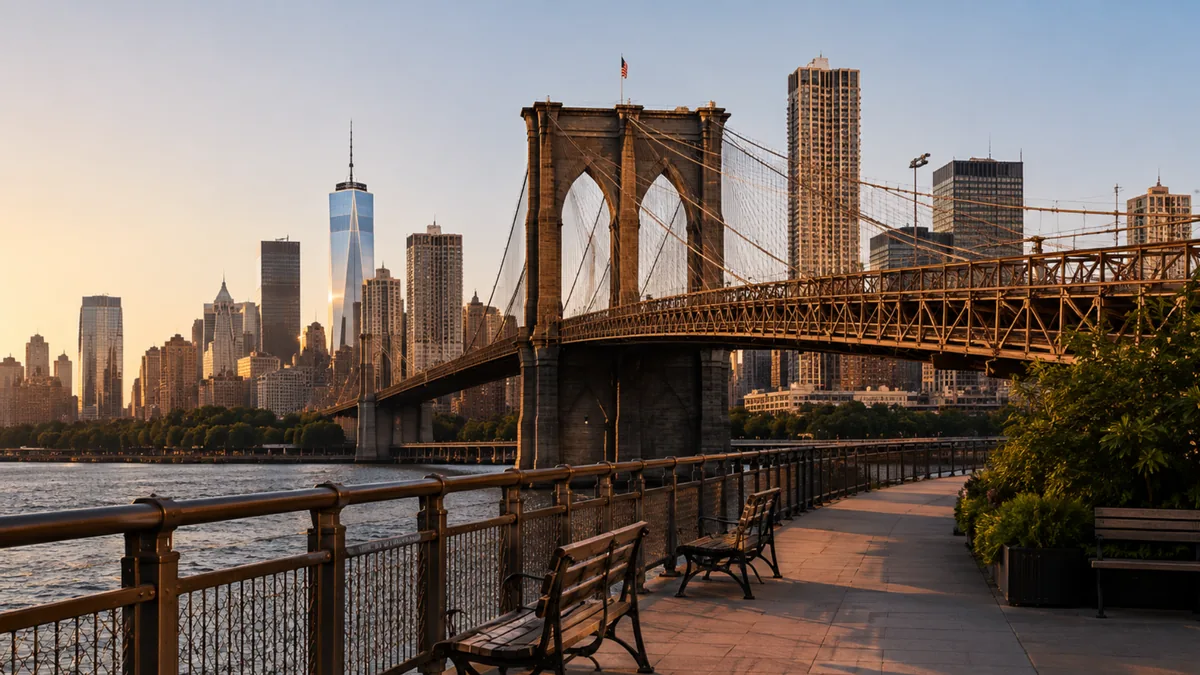
Brooklyn
Brownstone walk-ups and converted lofts, where getting a sofa out is often the harder half of the job. Brooklyn Leather Repair
Queens
Houses and low-rise buildings, so on-site work runs without an elevator booking in most of the borough. Queens Leather Repair
The Bronx
Riverdale and Throggs Neck, plus everything served on the way through the borough. Bronx Leather Repair
Staten Island
Covered on the same on-site basis, with reupholstery handled from the borough page. Staten IslandAsked Most Often
Do I have to bring my sofa to a leather repair shop?
For most damage, no. Color loss, cracking, scuffs, dye transfer, tears and a single failed panel are all repaired in the room the furniture already sits in. The work that genuinely needs a bench is structural — a broken frame, collapsed springs, or full reupholstery of a piece light enough to move. We tell you which of the two you have before anything is booked.
How do you match the color of my leather?
The color is mixed against your hide rather than picked from a chart, and it is tested on a hidden area first — the back of a skirt or the underside of a cushion — so you see the match before it goes anywhere visible. Matching depends on the finish as much as the color: a pigmented hide takes a surface coat, while an aniline hide is dyed through and has to be worked back rather than covered.
Can cracked leather actually be repaired, or does the panel have to be replaced?
It depends on whether the cracking is in the finish or the hide. Fine crazing in the finish is cleaned back and refinished. Splits that have gone through the fibers are fed, filled level and regrained. Once a panel has separated along a flex line and the fibers have gone brittle across the whole area, replacement in matched hide is the honest answer, and we will say so rather than sell a refinish that fails in a year.
How long does a leather repair take?
Most leather repair shop NYC work is a single on-site visit. Refinishing needs the coats to cure between passes, so the piece is usable the same day but should be left unloaded for a period we tell you on the day. Panel replacement and anything going to the bench is quoted with its own timeline, because the hide has to be sourced and matched before the work starts.
Do you repair faux leather and bonded leather?
Bonded leather and faux leather behave differently from hide and are honest about their limits. Surface coating can be rebuilt on both, but once a bonded surface has begun to flake away from its backing the delamination continues and refinishing buys time rather than fixing it. On those pieces recovering in a new material is usually the better spend, and we will tell you which situation you are in.
Send a Photo. Get a Number.
One clear shot of the damage and the address is enough to tell you whether it stays in your room or comes to the bench, and what it costs either way. The estimate is free, and that one photo is the whole leather repair shop NYC booking process.