
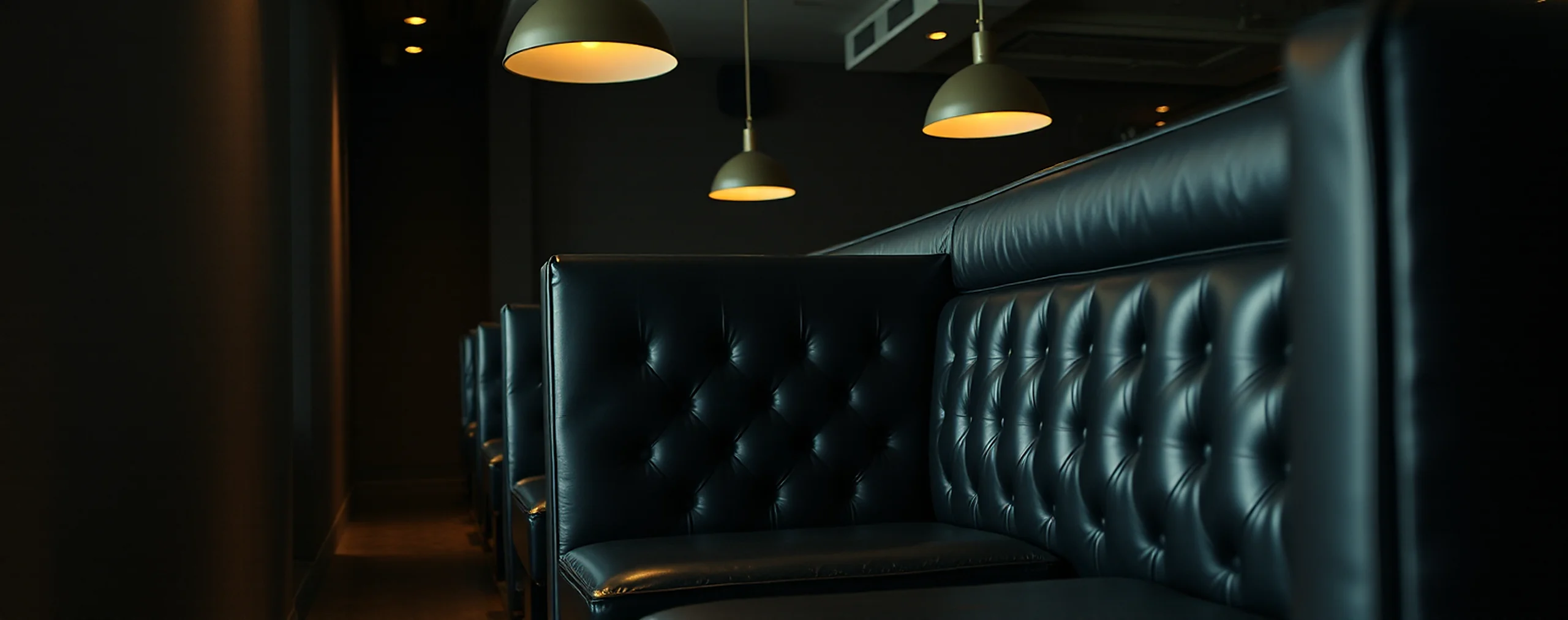
Commercial Vinyl: The Spec Sheet Is the Product
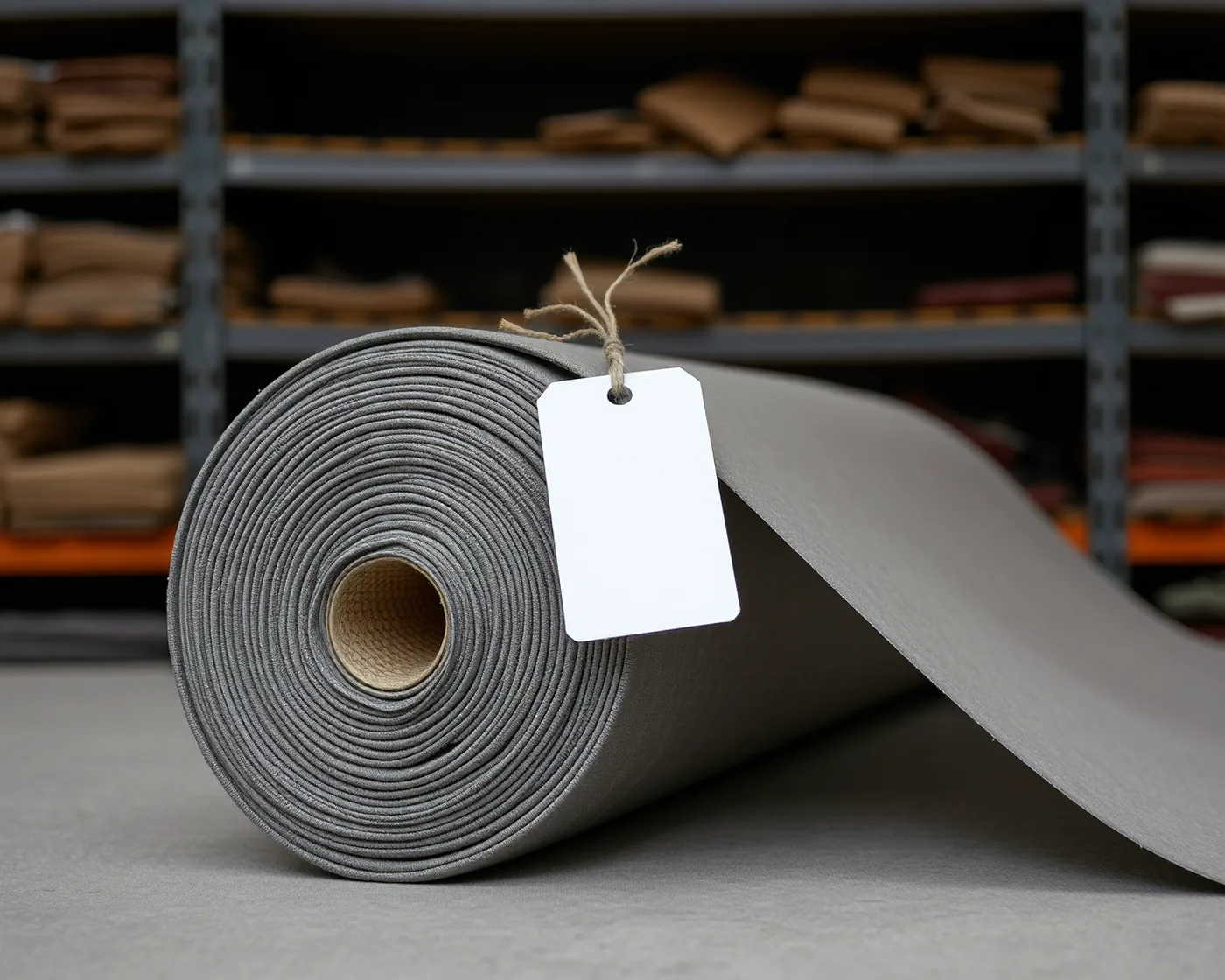
Commercial grade vinyl upholstery is the same film on the same backing — but this roll was tested, and somebody wrote down what happened.
Commercial Vinyl at a Glance
Commercial grade vinyl upholstery is the same material as the vinyl on a domestic sofa, explained on our vinyl upholstery page. What makes a roll commercial is that the mill tested it and wrote the results down.
“Commercial grade” on a listing is unregulated. The test data behind it is not.
The Five Tests Behind the Words “Commercial Grade”
Every claim about commercial grade vinyl upholstery reduces to these five. We name the units, not thresholds — the right number depends on the setting.
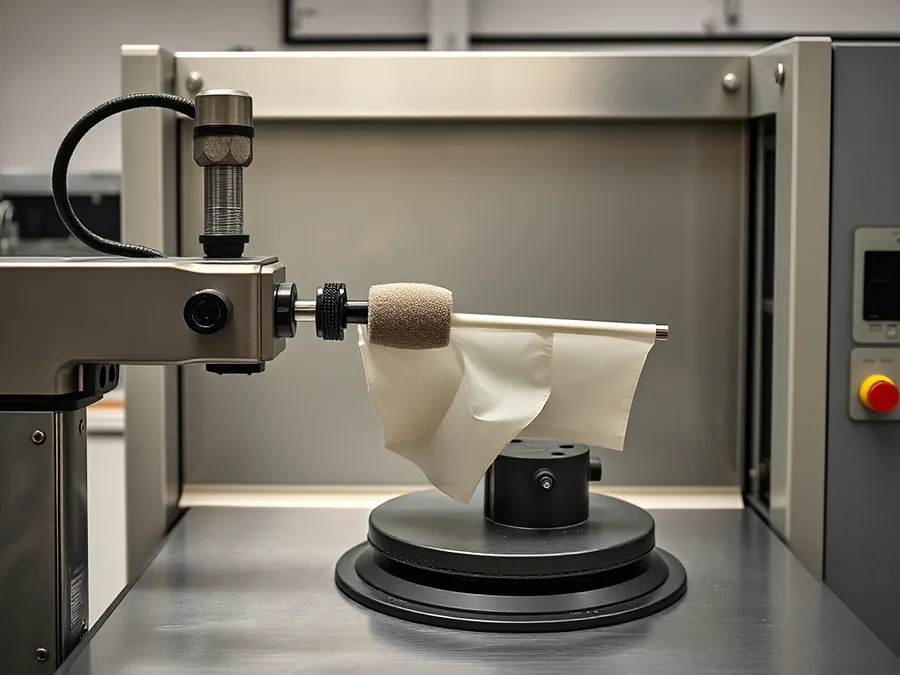
Abrasion resistance
A weighted pad dragged across a stretched sample. One pass is a double rub.
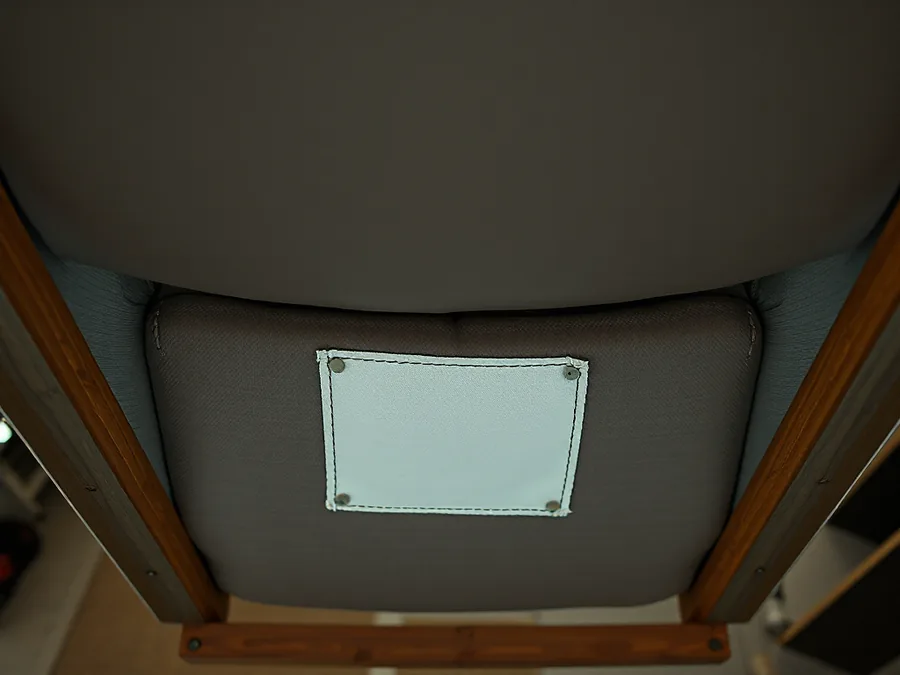
Flammability
A standard ignition source applied to the covering over its filling; the assembly is graded.
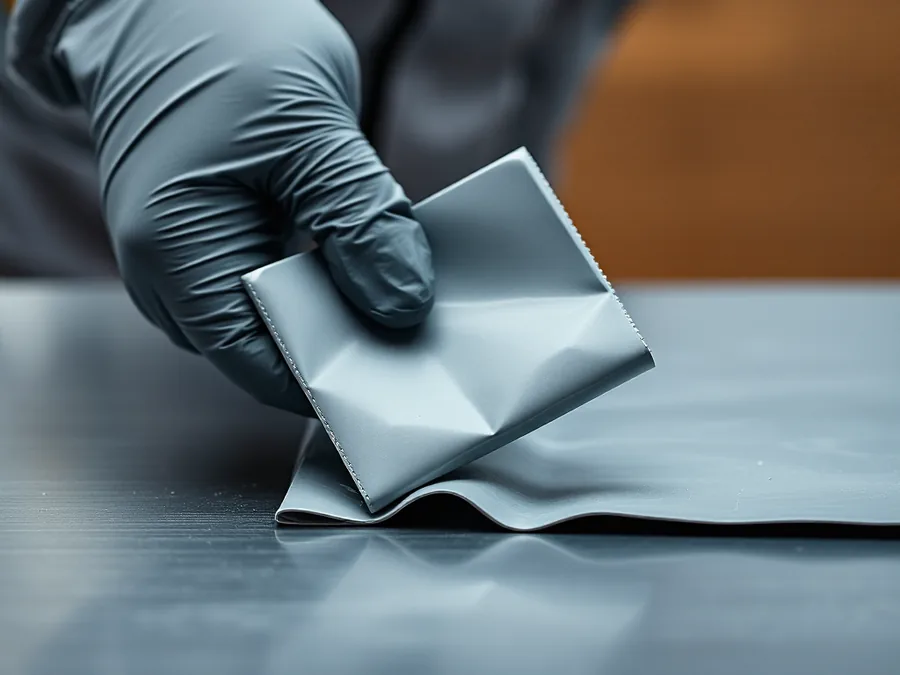
Cold crack
The coldest a chilled sample took a sharp fold without splitting.
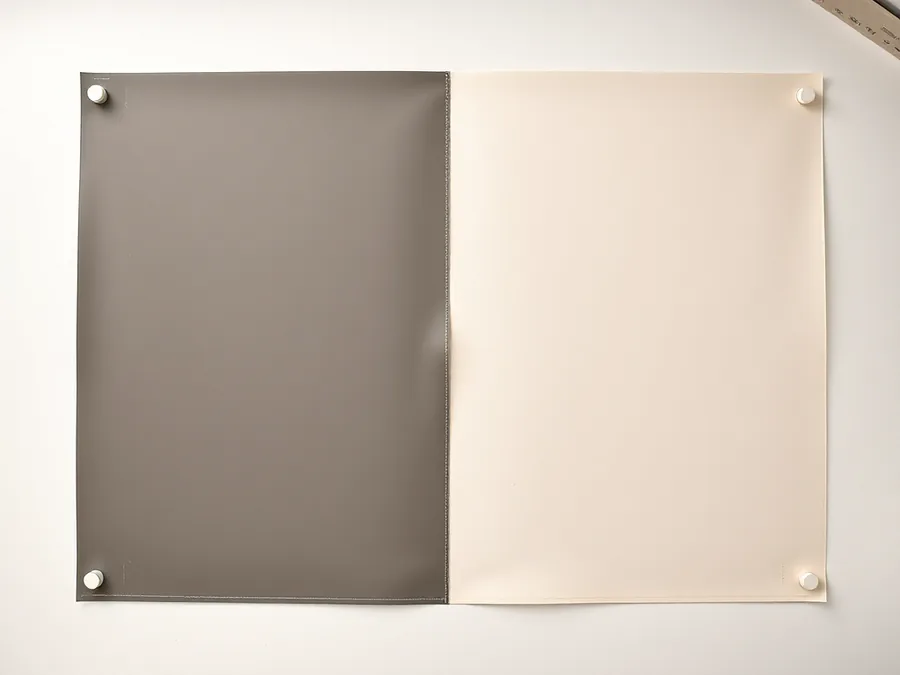
Lightfastness
Half masked, half lamped. The grade is how far the exposed half shifted.
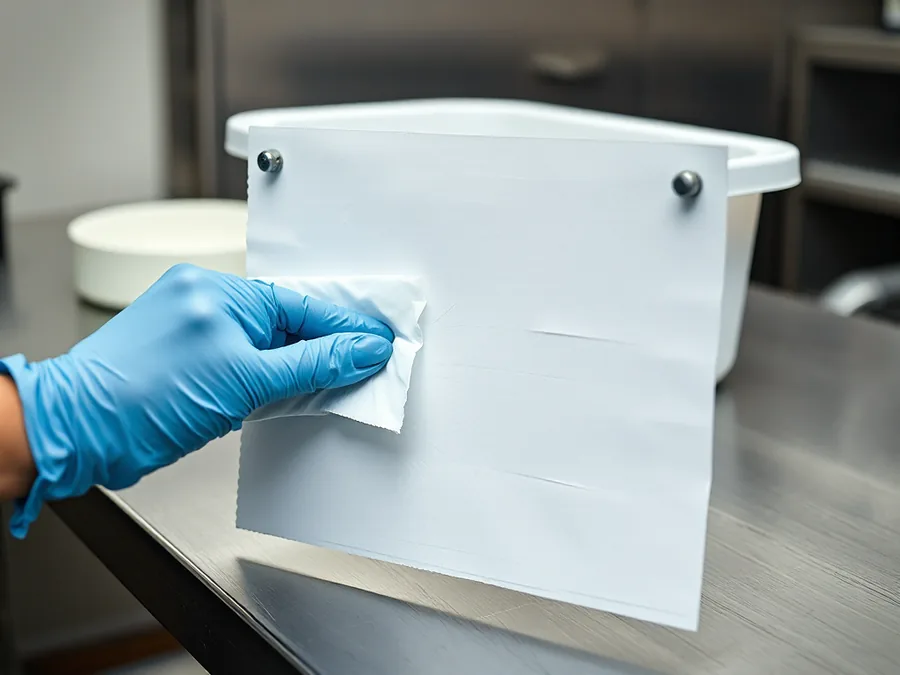
Cleanability
Named agents at stated dilutions, applied repeatedly, then inspected.
Two of these are routinely misread. An abrasion figure means nothing without its machine, and a cleanability claim covers only the agents tested. Flame codes are set by your authority having jurisdiction, usually citing the National Fire Protection Association or the California Bureau of Household Goods and Services.
Where Each Grade Actually Belongs
What commercial grade vinyl upholstery has to survive is not how hard people sit, but how many different people sit — and how often it is wiped.

Waiting rooms and offices
Frequent disinfection kills this surface long before seat time does — the pattern behind most waiting room furniture and office seating work.
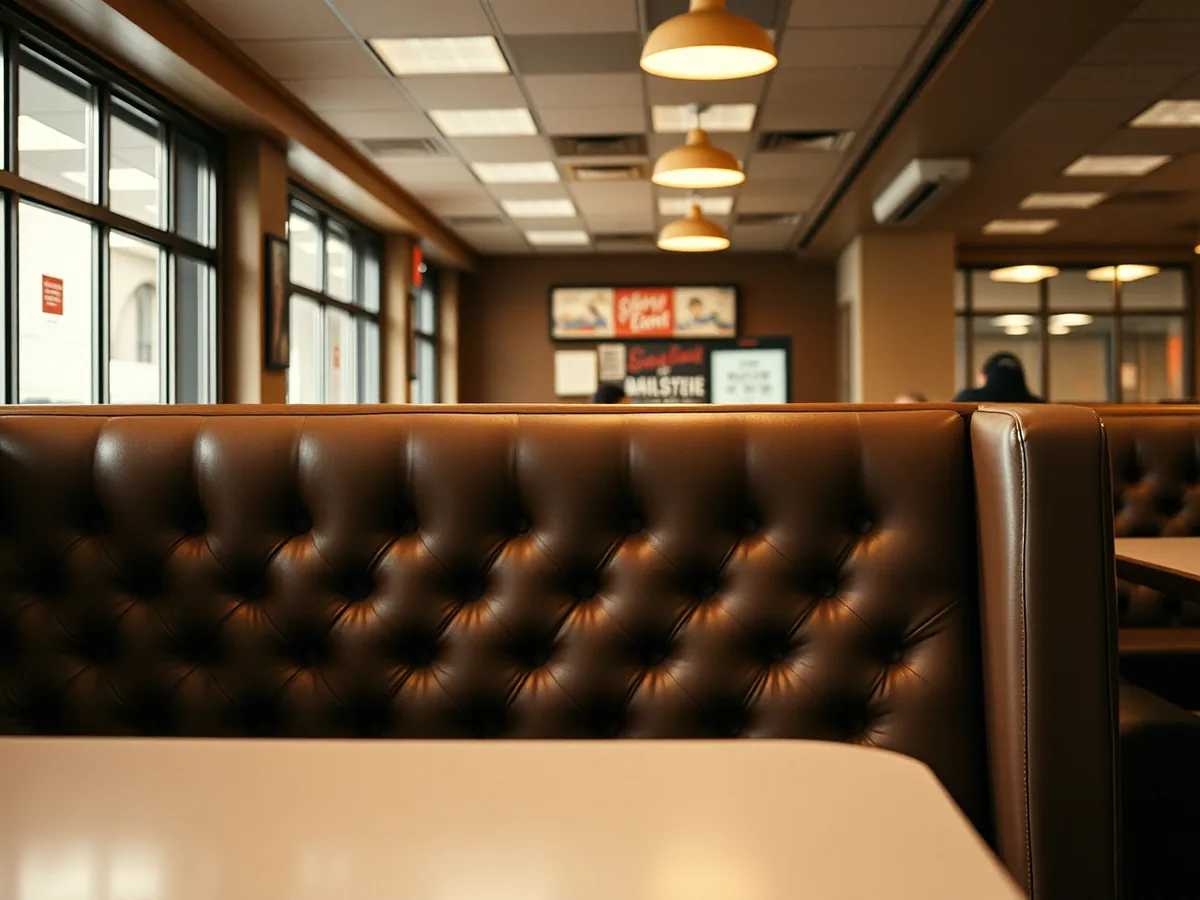
Restaurant booths and banquettes
People slide in sideways, so wear lands on the front edge and pivot corner, which is why booth and banquette reupholstery often starts at one edge.
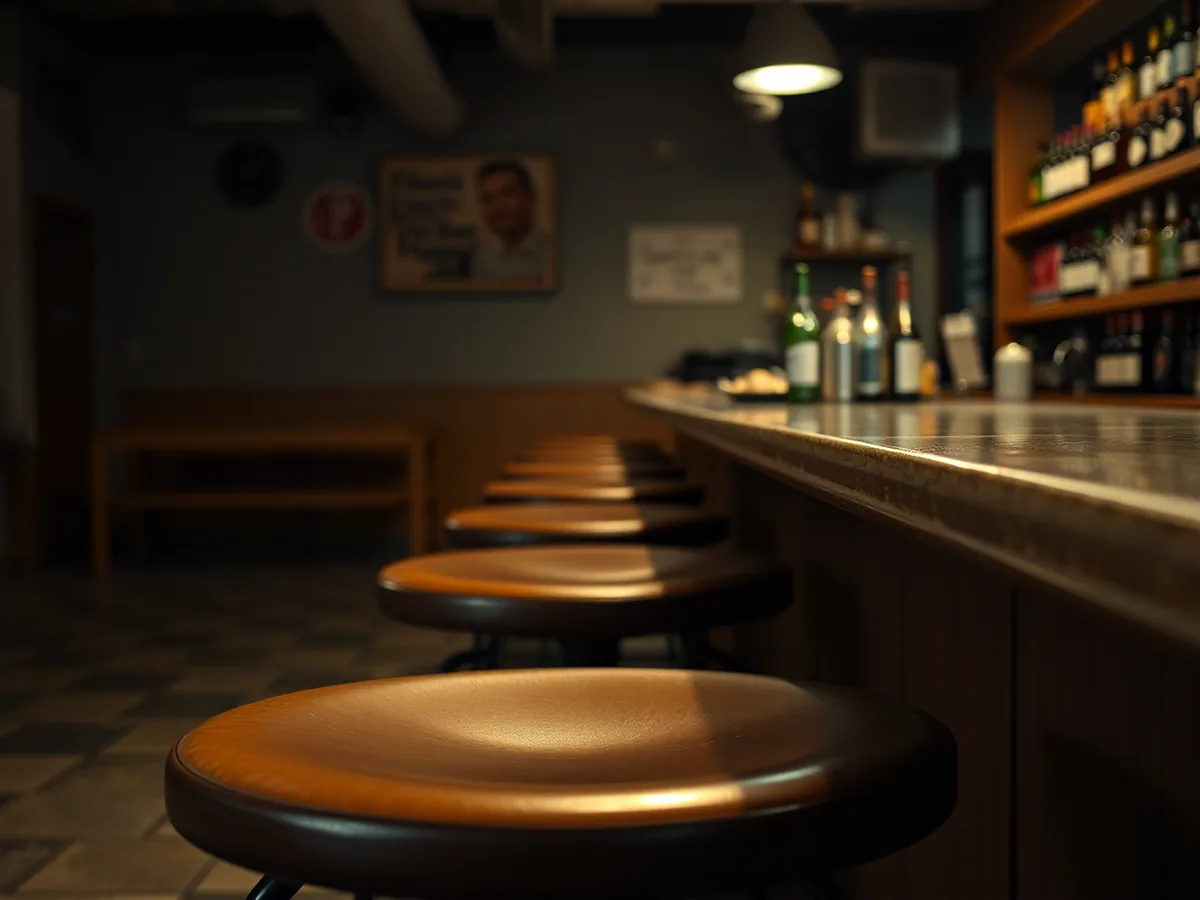
Bar stools, gyms and high turnover
Constant change of user, heavy twisting, a hard edge underneath — the hardest abrasion case in a building, and why bar stool reupholstery comes round fastest.
What Actually Destroys Commercial Grade Vinyl Upholstery
In most buildings we are called to, the commercial grade vinyl upholstery did not wear out. It was chemically attacked years before its abrasion rating was spent, by a cleaning routine nobody checked.
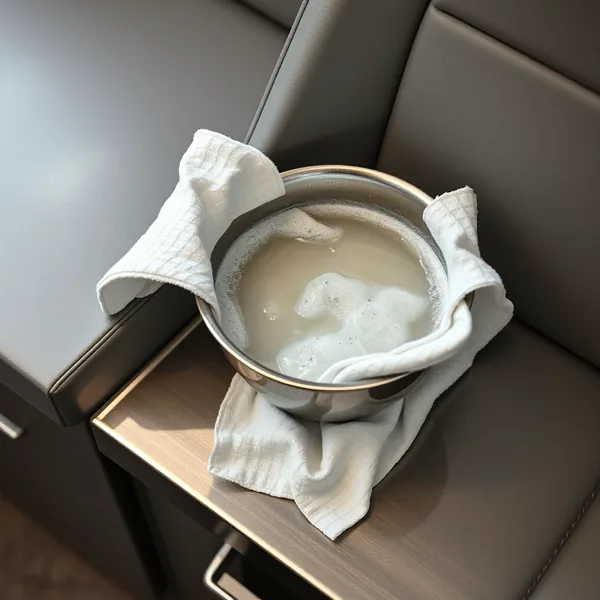
Mild soap and warm water
The routine clean almost every mill specifies. It keeps the film supple.
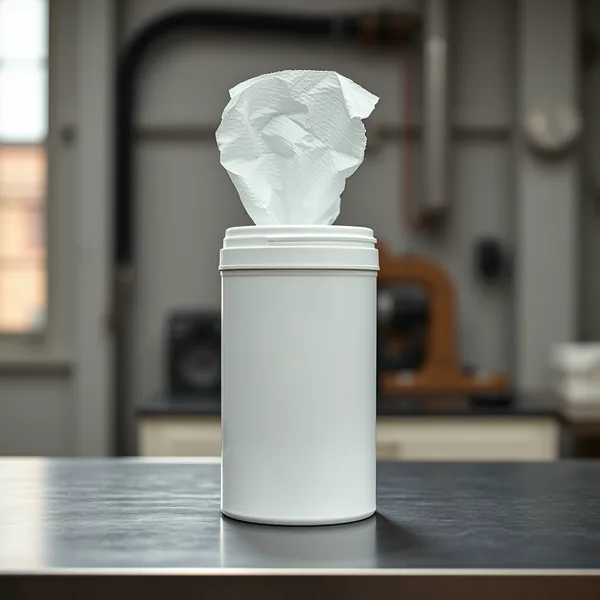
Quaternary disinfectant wipes
Fine if the roll was tested against them and contact time respected. Unrinsed residue does the damage.
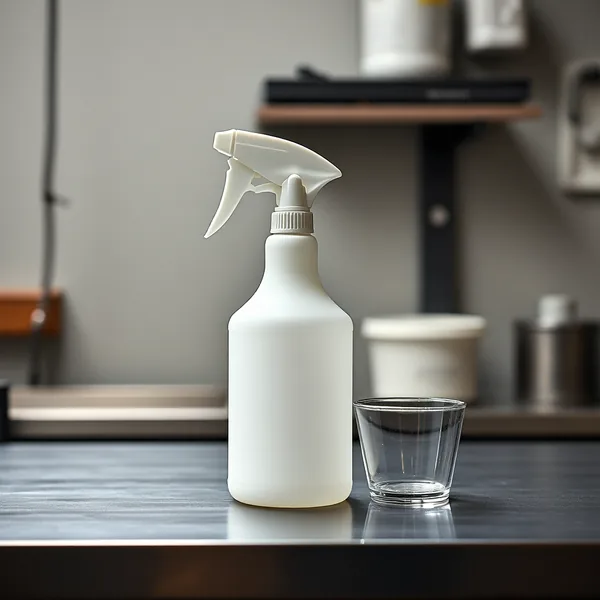
Bleach solution
“Bleach cleanable” names a dilution and a contact time. Mixed by eye and left to dry, it is a different exposure.
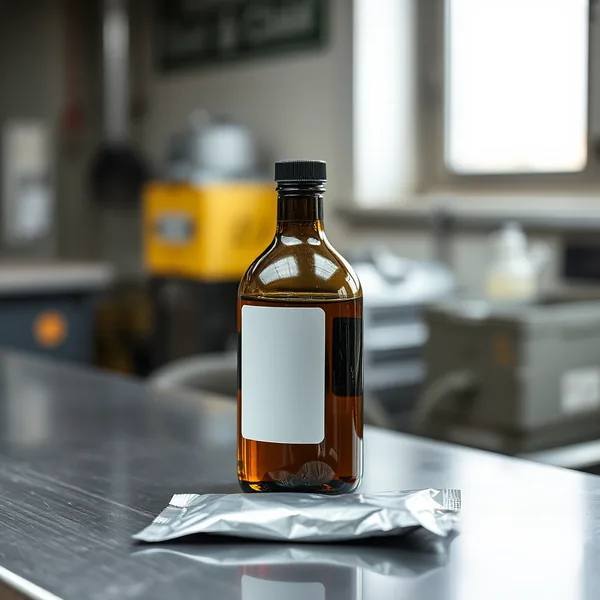
Solvents, degreasers, alcohol
These pull the plasticiser straight out. The surface looks clean and is brittle from then on.
Wear appears where people sit; chemical damage appears where people wipe. Give the mill's instructions to whoever cleans, and check the trolley against the EPA's register of disinfectants.
Two Kinds of Damage, Two Different Answers
Sort the damage by cause, not by how bad it looks.
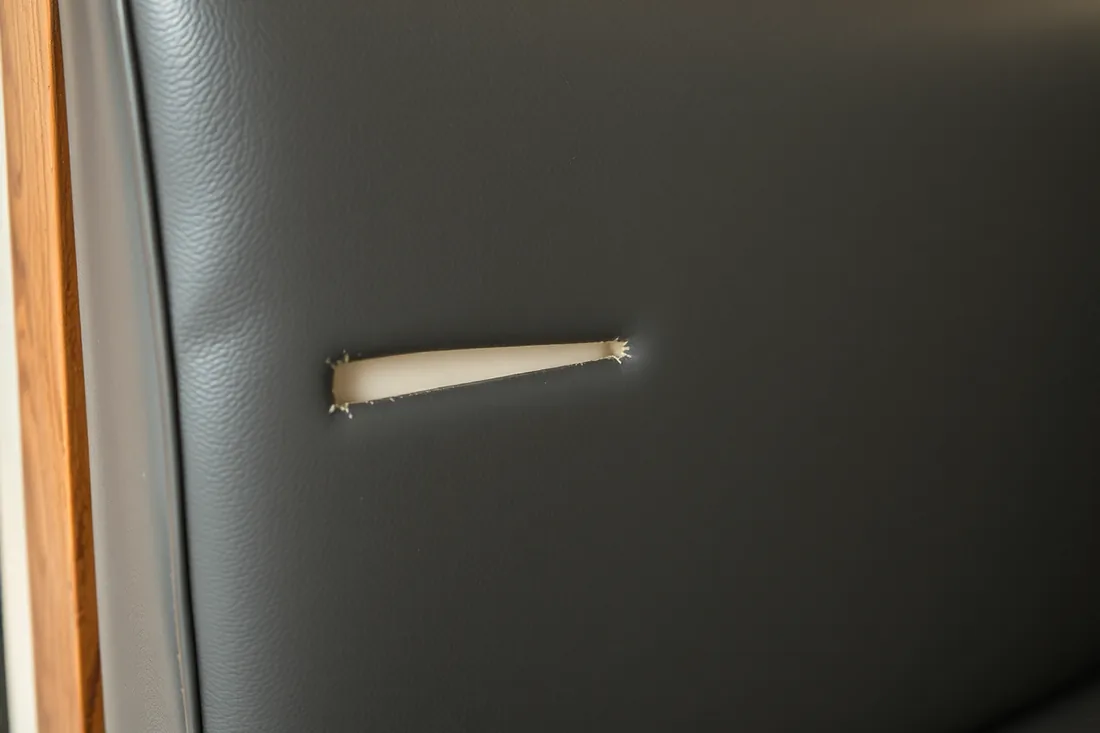 Mechanical — something happened to it
Local, and the film around it is healthy
One event, one place, and the surrounding film is still flexible — which is what a repair needs to hold.
- A cut, a puncture or a cigarette burn
- A seam opened along the stitch line
- A split at a fold or tufted button
Usually repairable in place
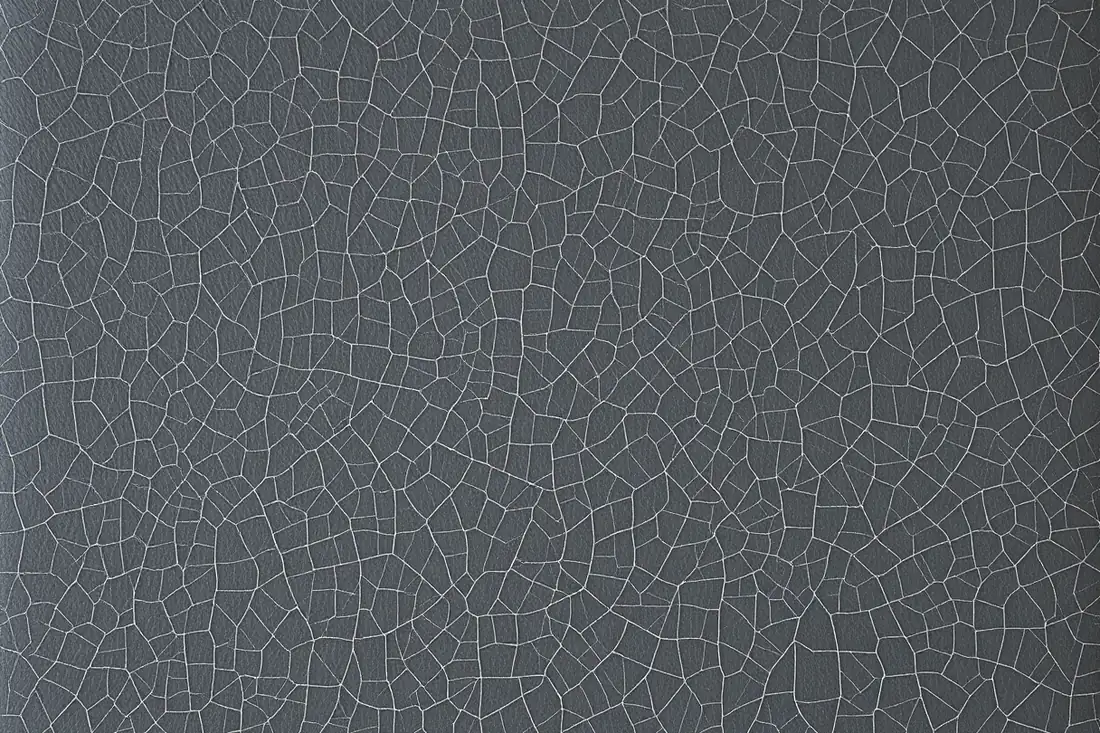 Chemical — the film itself has changed
Spread across an area, and gone hard
Nothing hit it. The film has lost its plasticiser, so it breaks rather than moves.
- Fine crazing over a whole panel or armrest
- A chalky or powdery feel to the surface
- Stiffness — the panel creaks when flexed by hand
Panel replacement, not repair
You can sort it yourself. Press a sound-looking area with your thumb: healthy commercial grade vinyl upholstery springs back, spent film feels board-like. Coloring over a hardened panel fails within months.
If It Turns Out Not to Be Contract Vinyl
Four materials sit close enough to be confused with this one.
Vinyl
The same construction, without the tested specification.
Read the page →
Faux Leather
The umbrella term — vinyl, PU and “vegan leather” told apart.
Read the page →
Bonded Leather
Real leather fiber that behaves like none of it. Fails by separating.
Read the page →
Performance Fabric
The woven answer to the same problem — tested the same way, but not a film.
Read the page →Commercial Vinyl Questions
What is the difference between commercial vinyl and regular vinyl?
None in kind — both are a colored film on a fabric backing. Commercial grade vinyl upholstery has been made to a published specification and tested against it, so the mill can state how it performed on abrasion, flame, cold crack, lightfastness and cleaning chemicals.
What are double rubs and how many do I need?
One back-and-forth pass of an abrading pad; the count is how much rubbing the surface took before showing wear. We publish no target figure, because the right number depends on the setting and on which machine produced it — Wyzenbeek and Martindale do not convert.
Can commercial vinyl be repaired, or does it have to be replaced?
It depends which layer failed. Local mechanical damage — a cut, a burn, a split along a stitch line — is usually repairable in place. Chemical damage is not: once the film has hardened or crazed, nothing holds on it and the panel is replaced.
Find Out Which Failure You Are Looking At
In commercial grade vinyl upholstery, a repairable split and a spent panel look identical in a photograph. We assess the material first, across New York City and New Jersey, for businesses and homes alike.