
Color Back On, Matched To The Piece
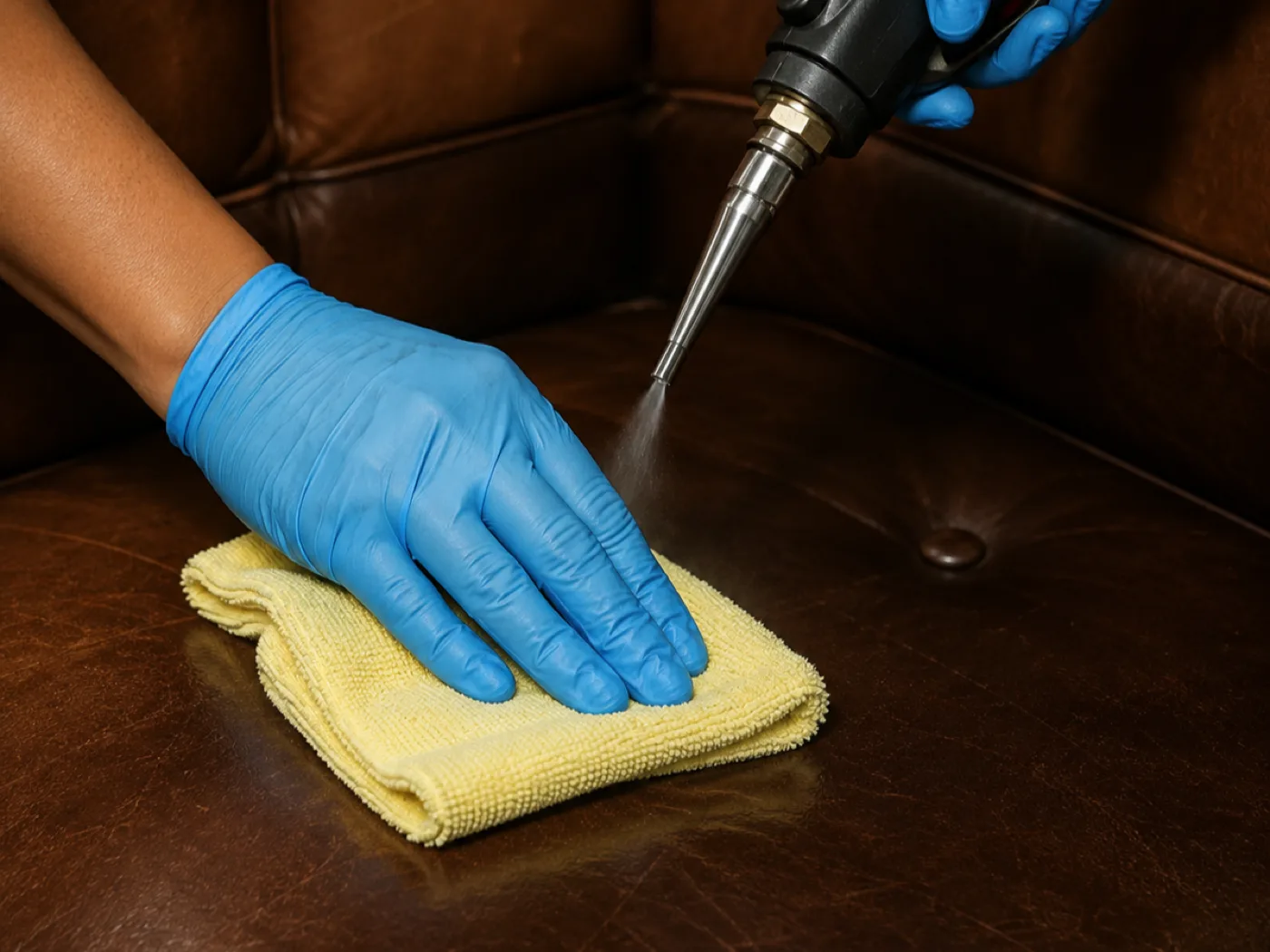
When the color has gone but the hide under it is still sound, nothing needs repairing. Leather color restoration NYC work mixes a finish to your piece, proves it on a cured card, and sprays it on where the piece stands.
What Leather Color Restoration NYC Fixes
All six are damage to the finish, not to the hide. The leather under them is sound, so leather color restoration NYC refinishes the piece rather than repairing it.
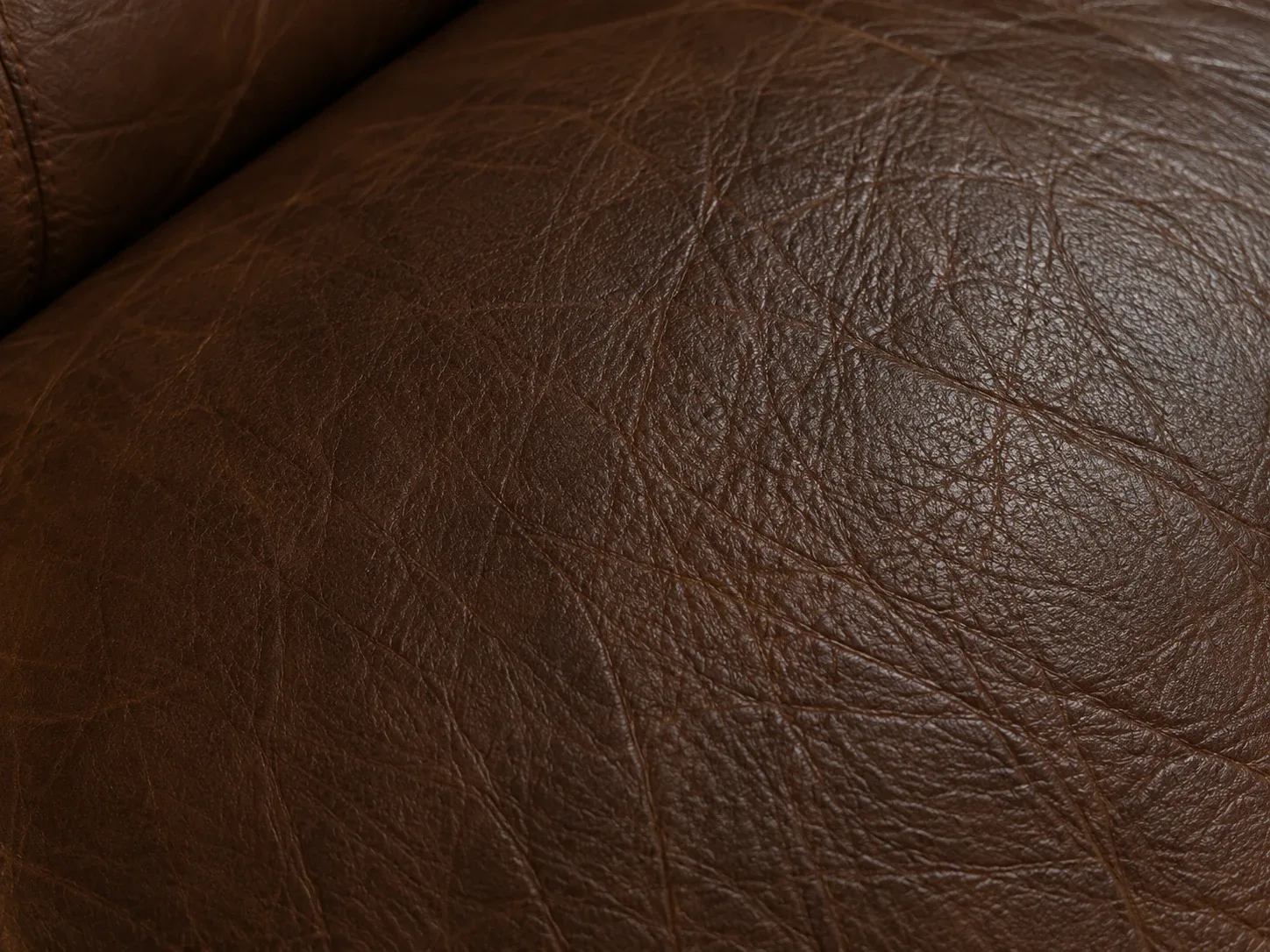
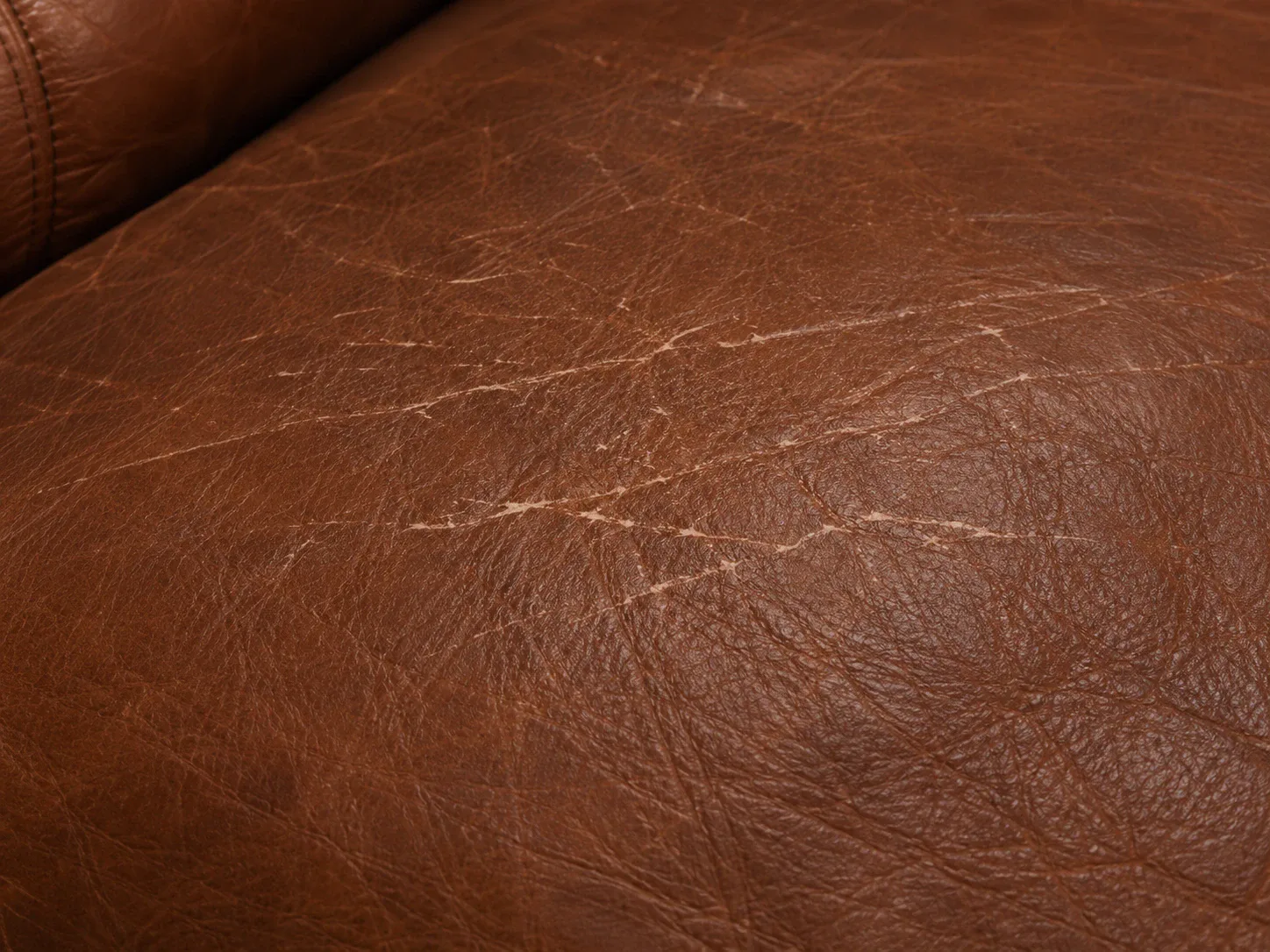
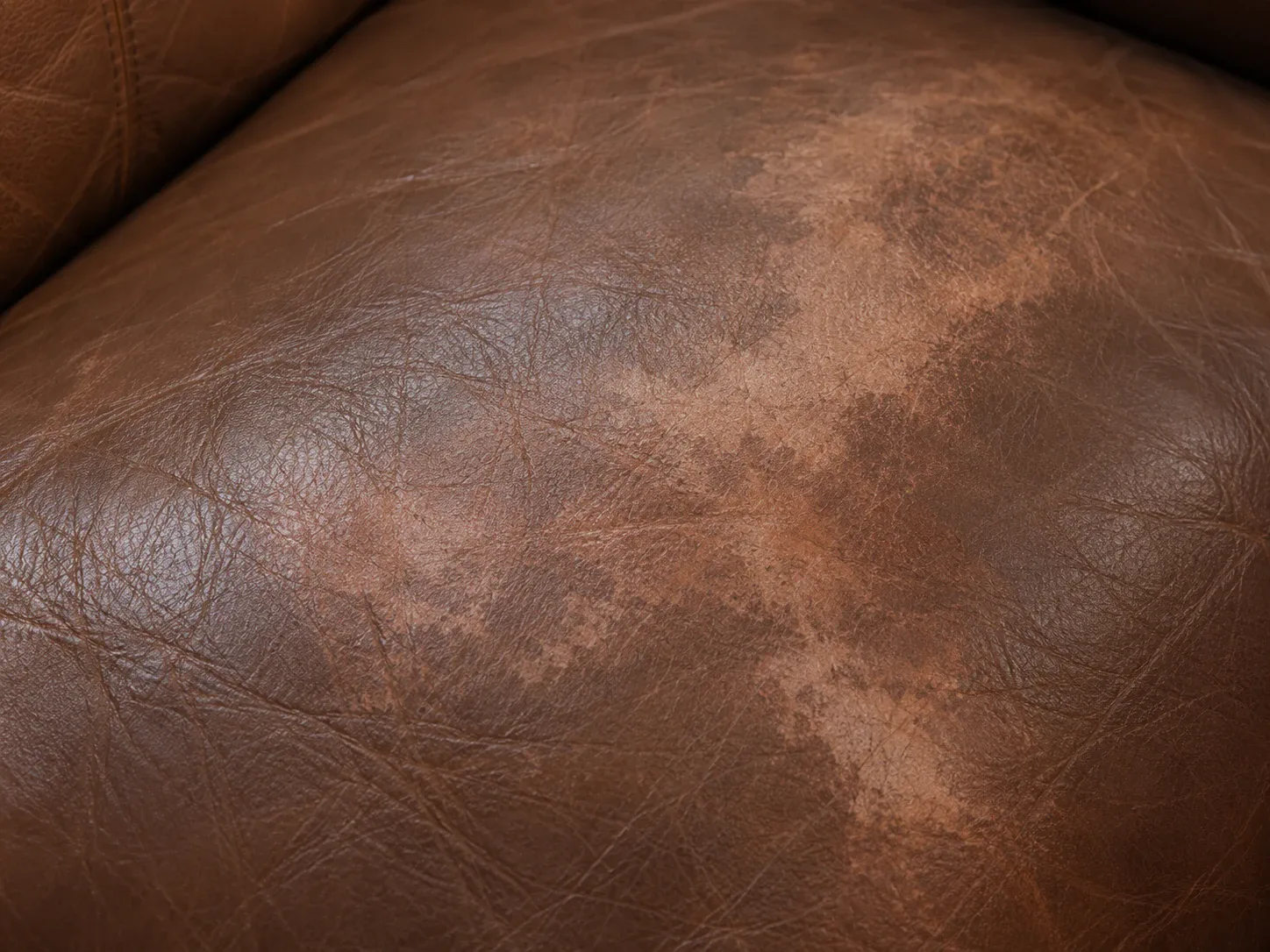
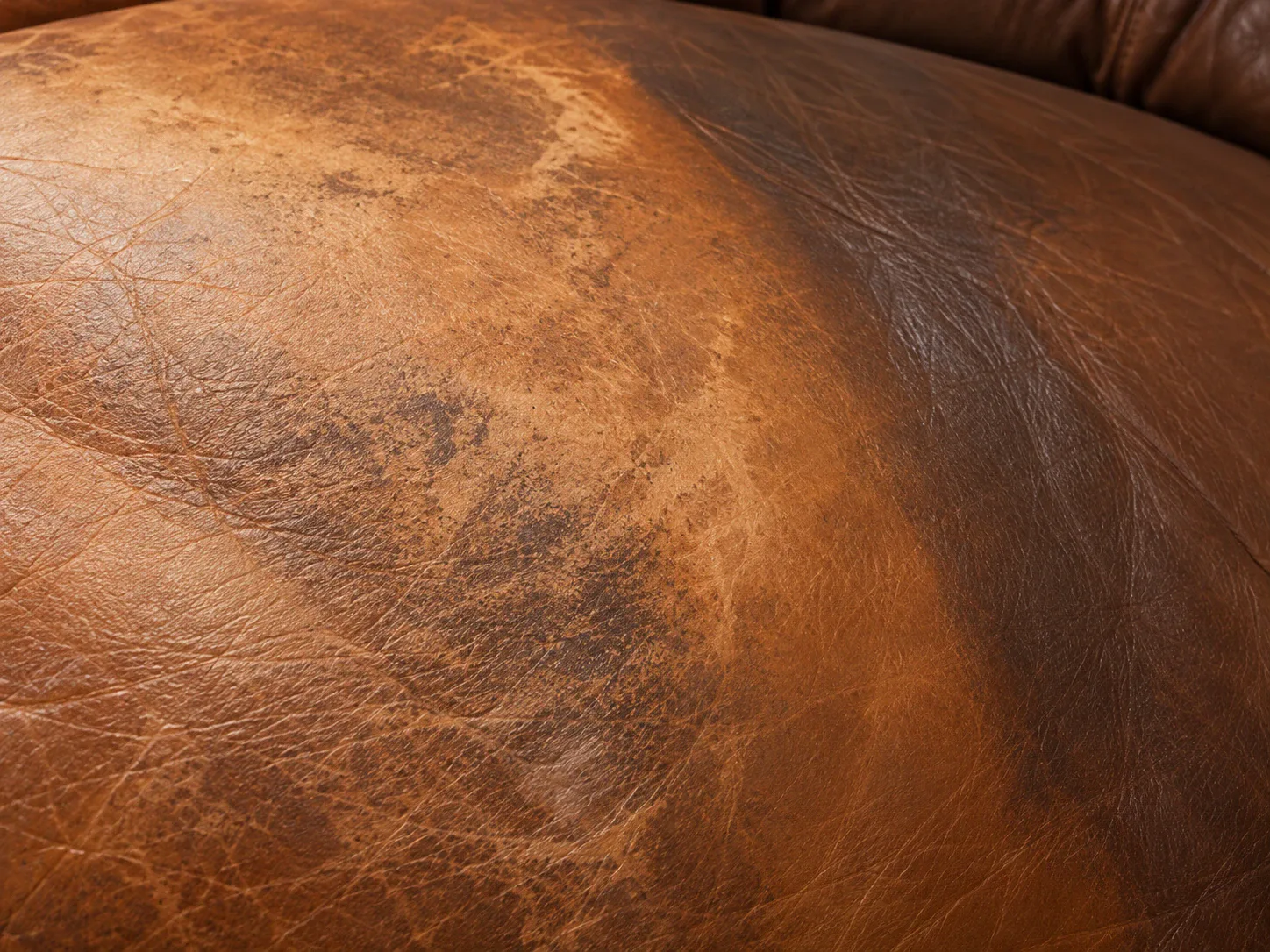
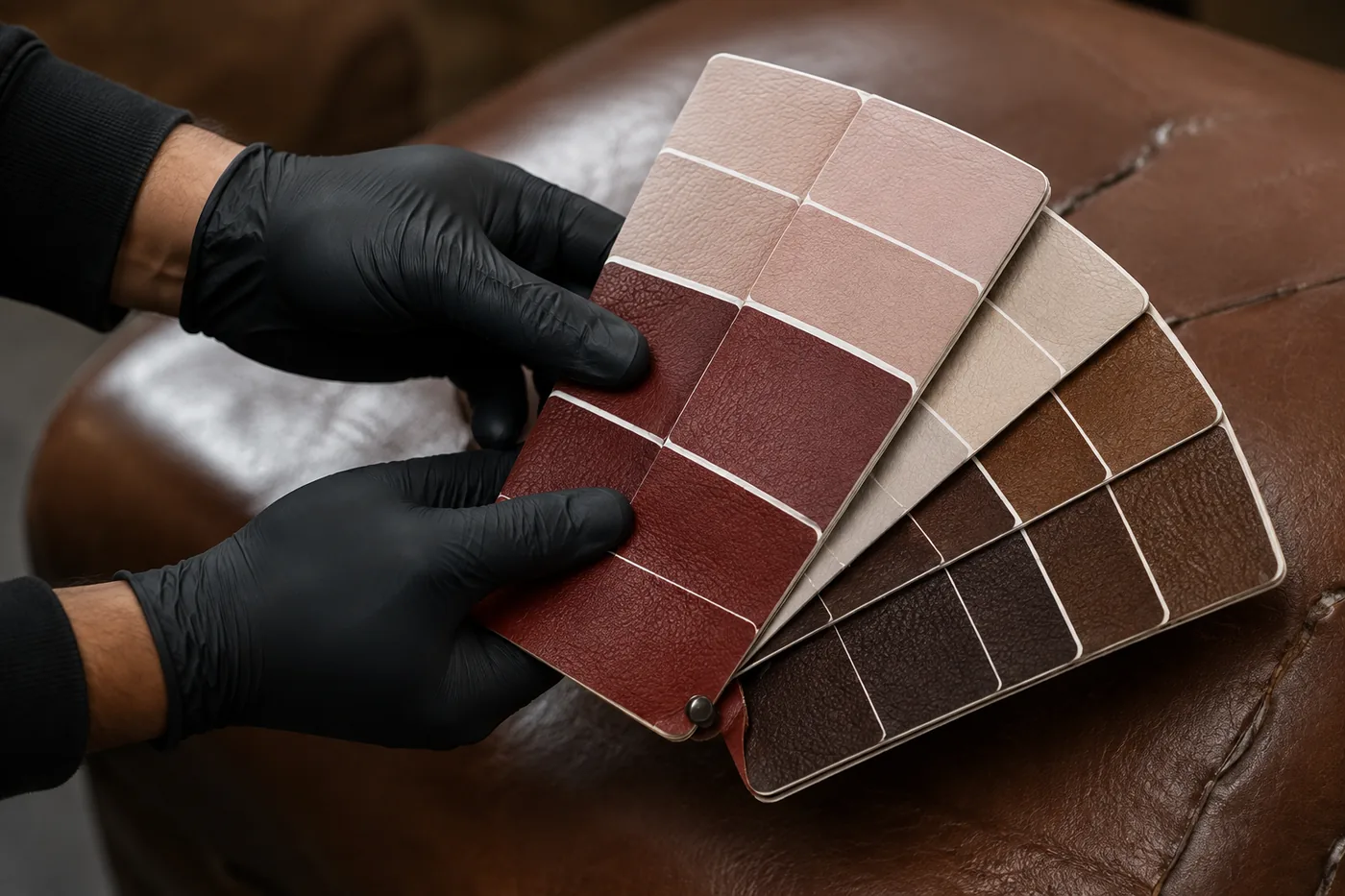
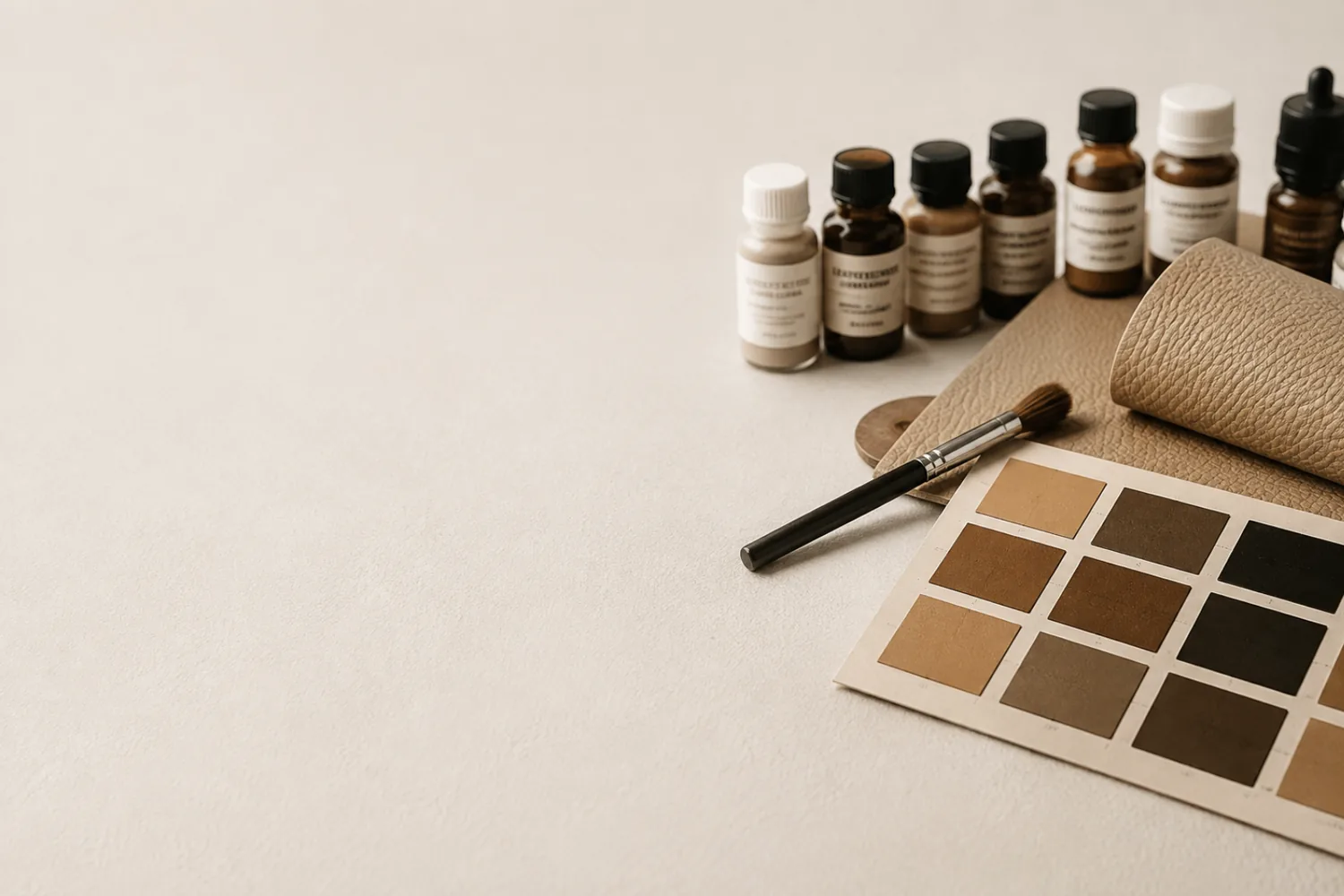
The color is mixed for your piece, not chosen from a chart
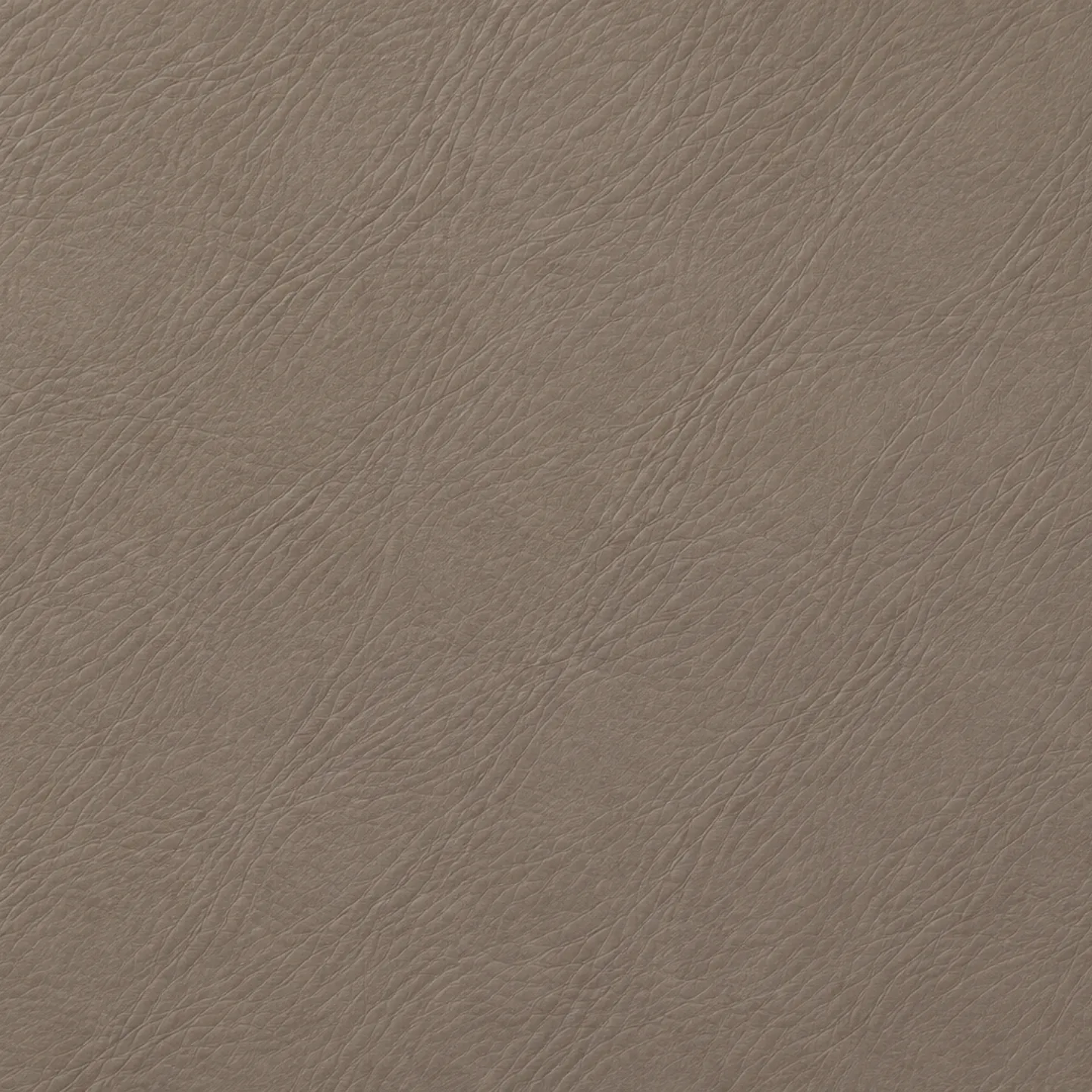
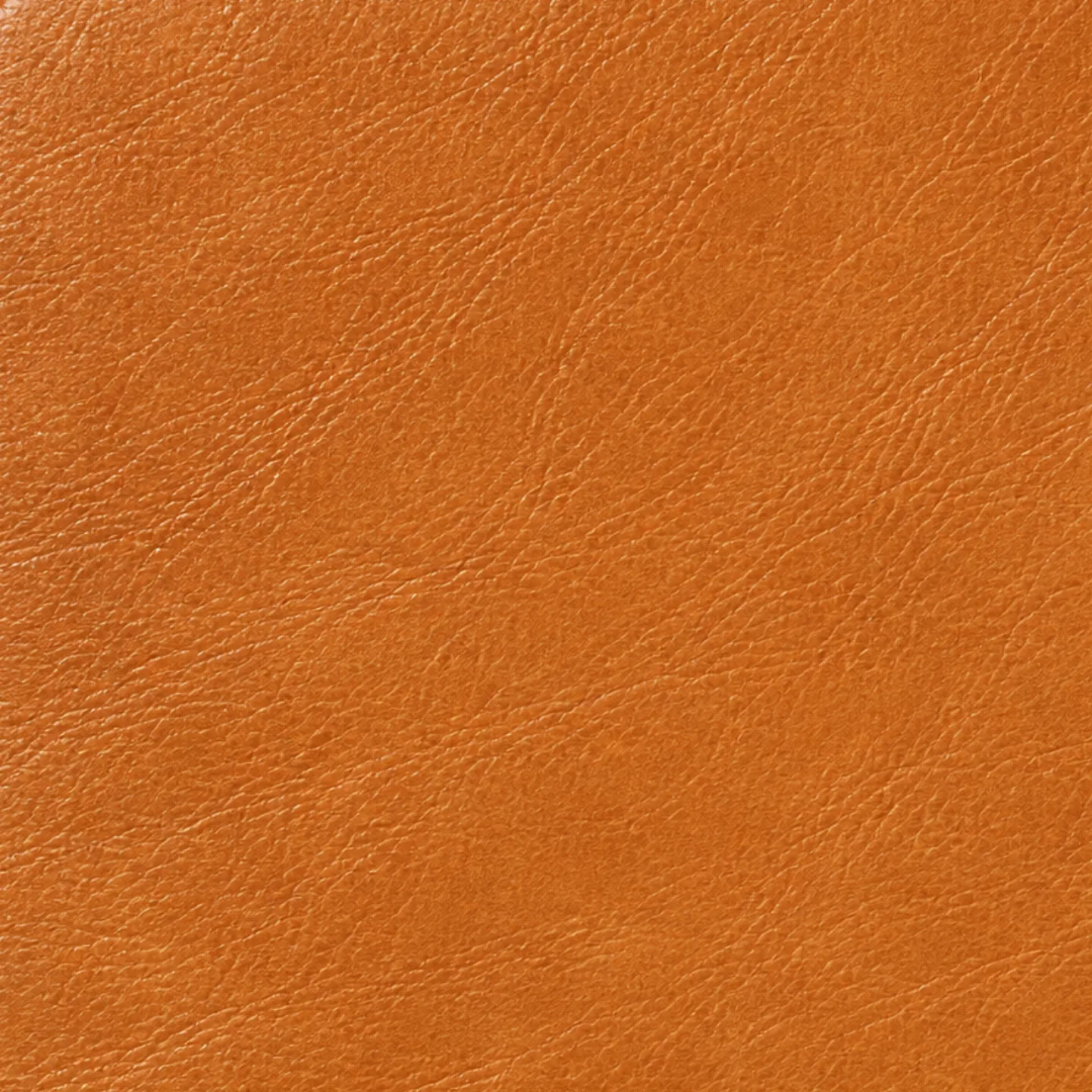
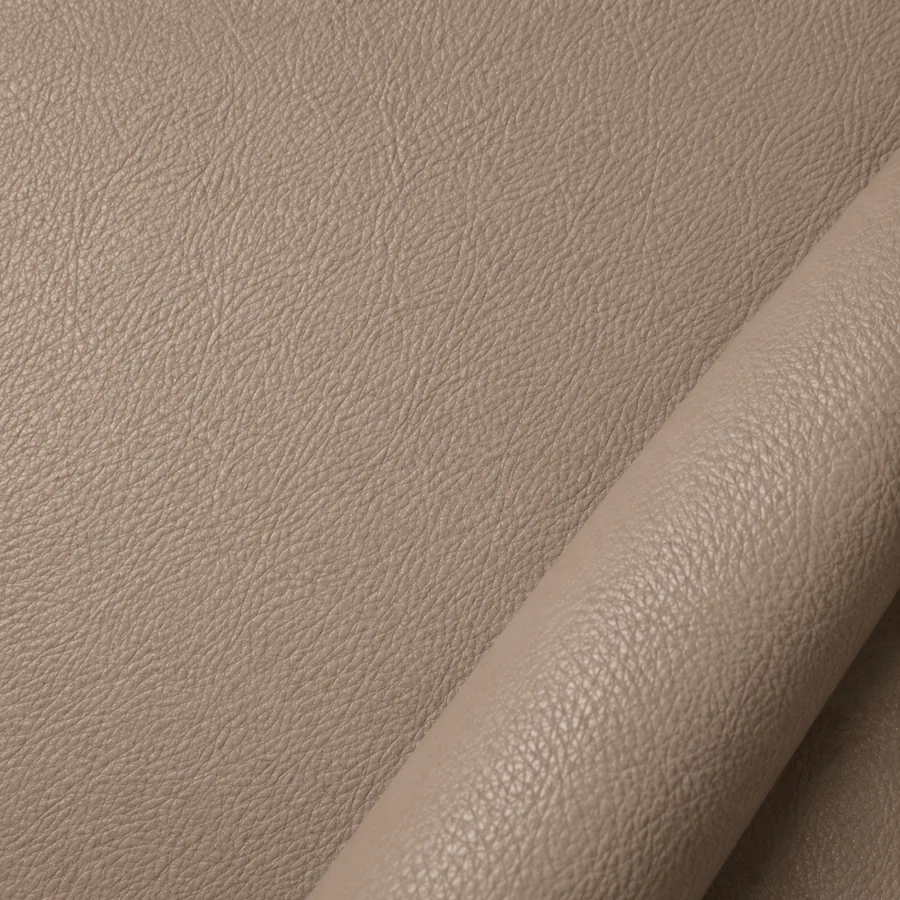
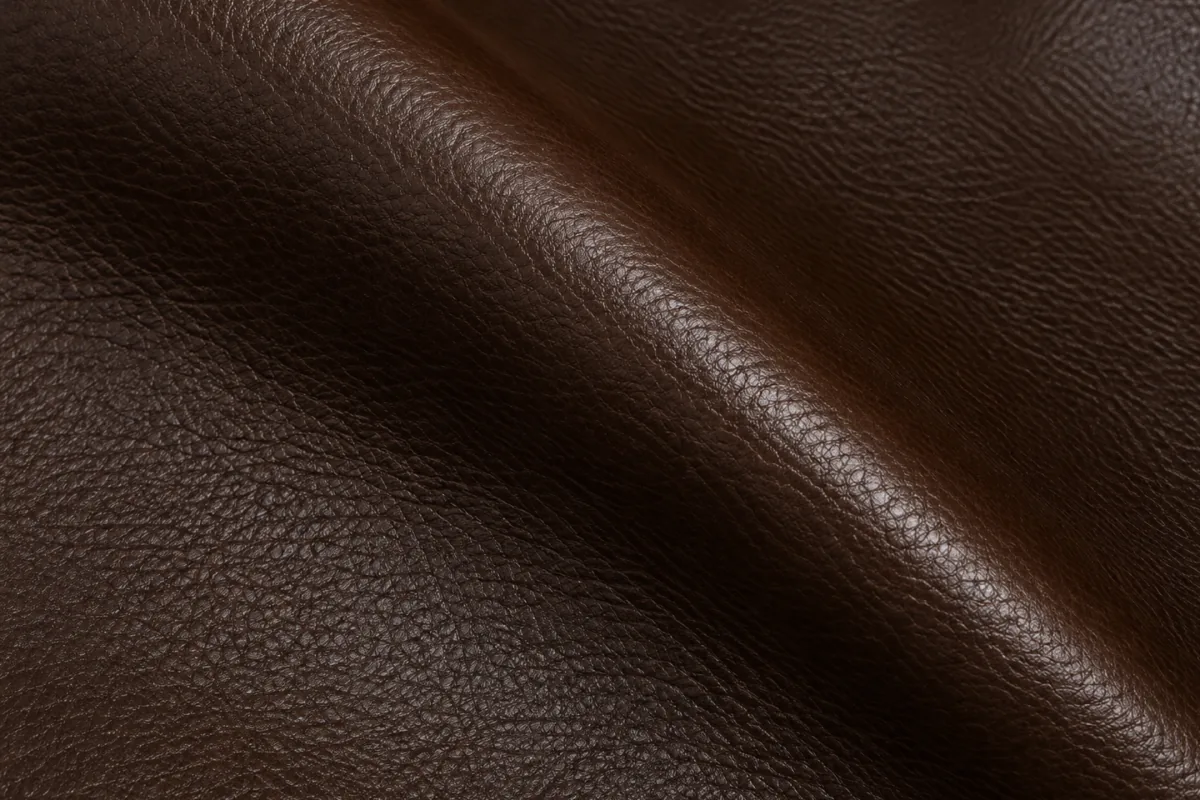
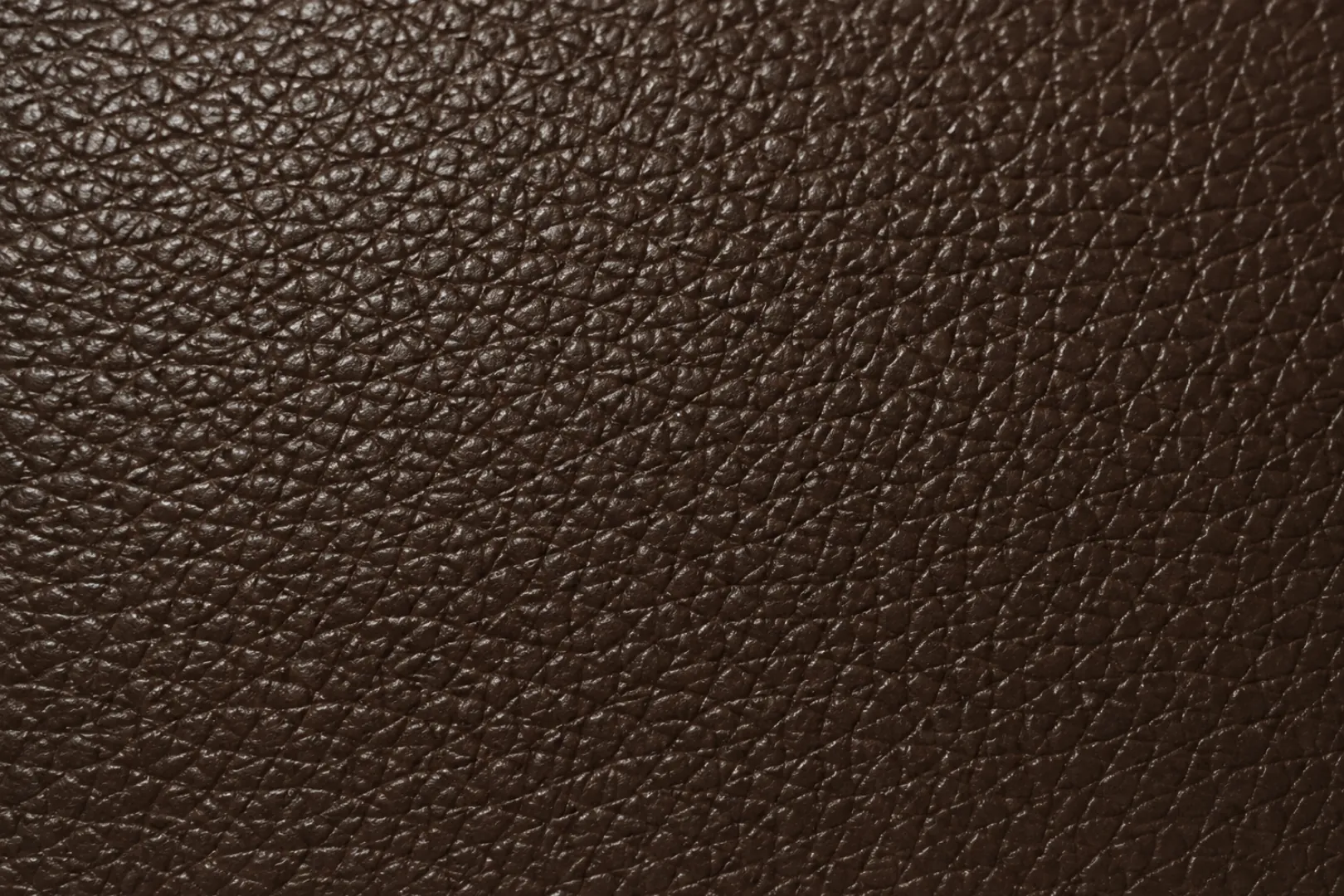
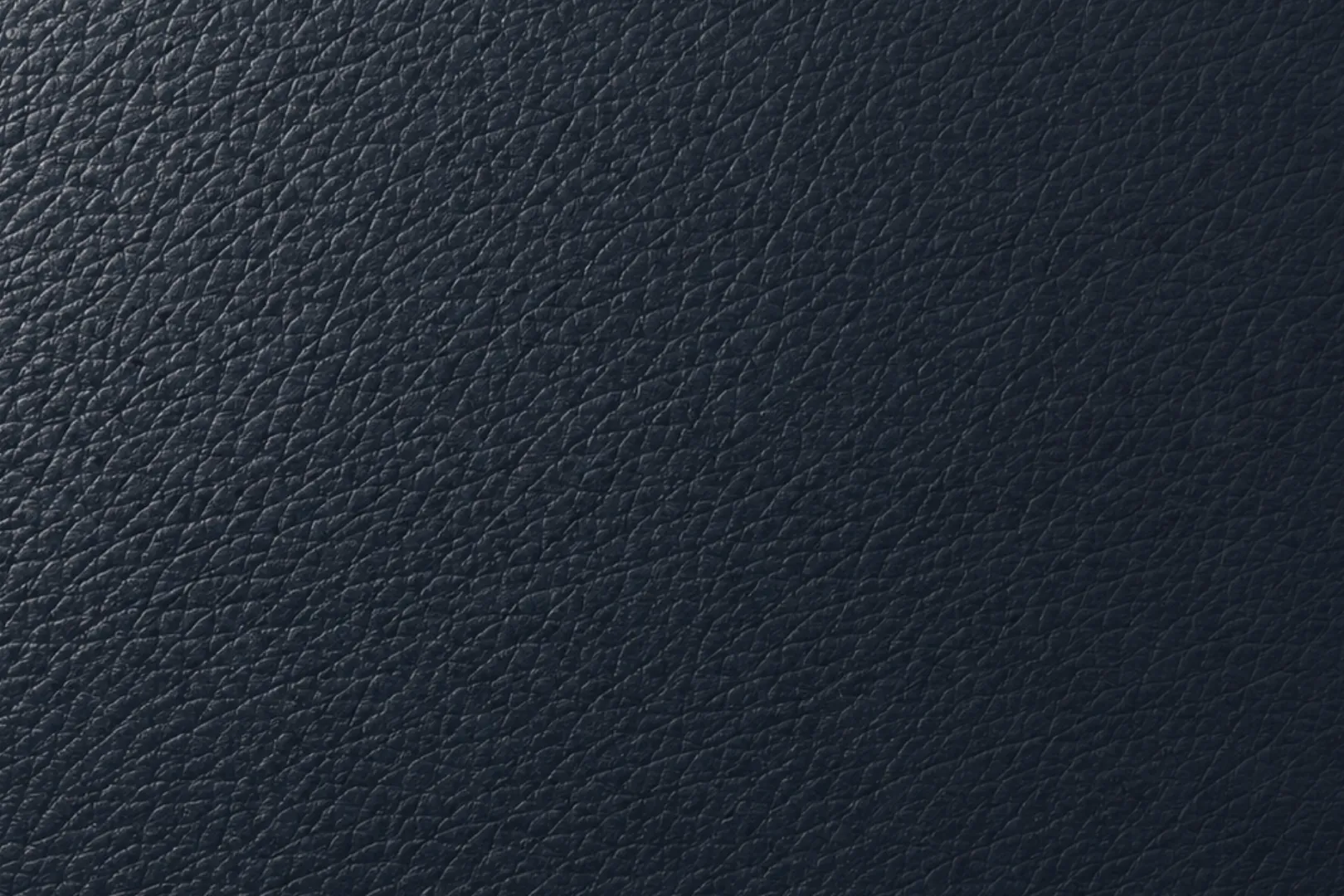
See finished work →These are families, not products. Each one is a starting point, shifted warmer, cooler, lighter or deeper until it disappears against the leather beside it. The last chip is the one that matters.



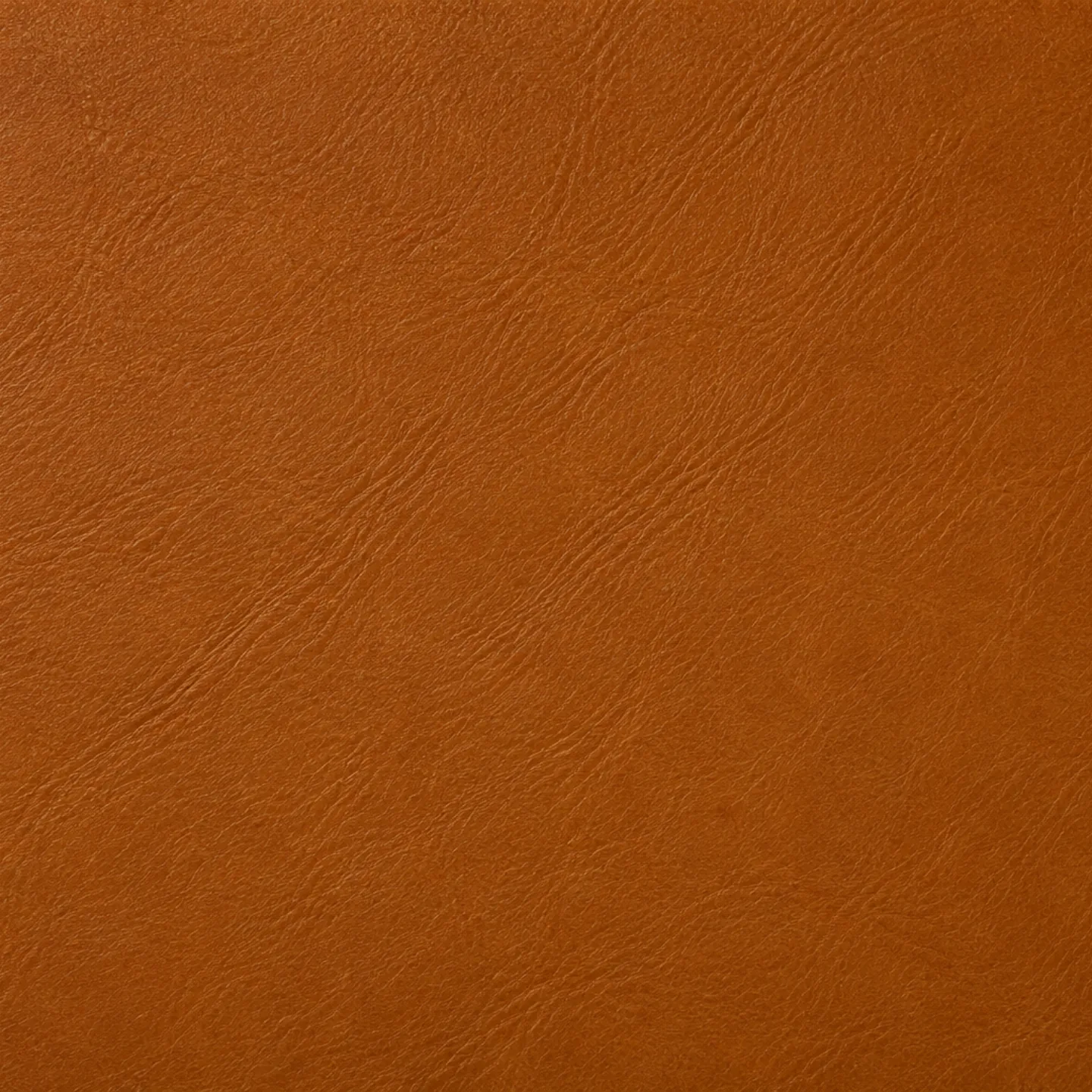
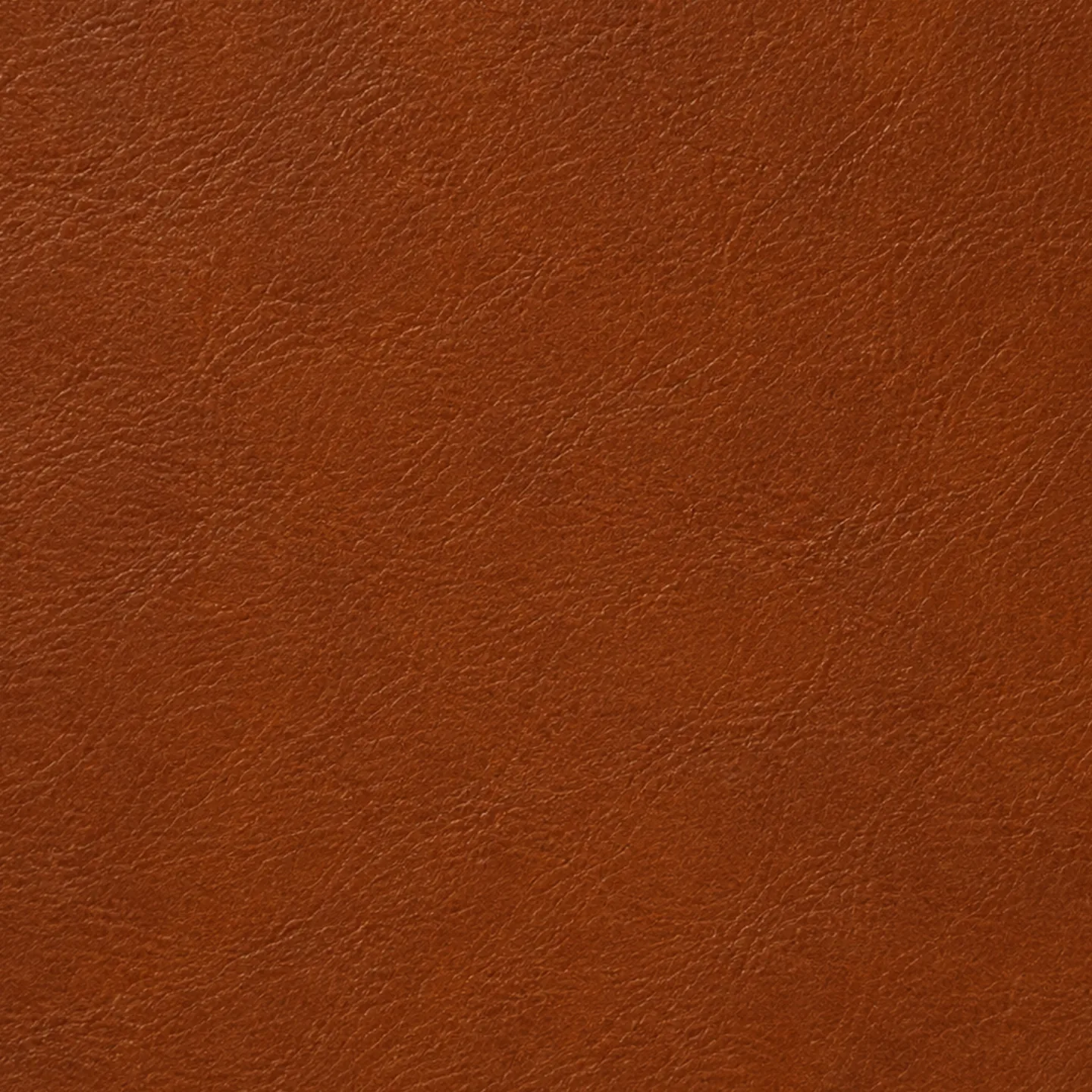
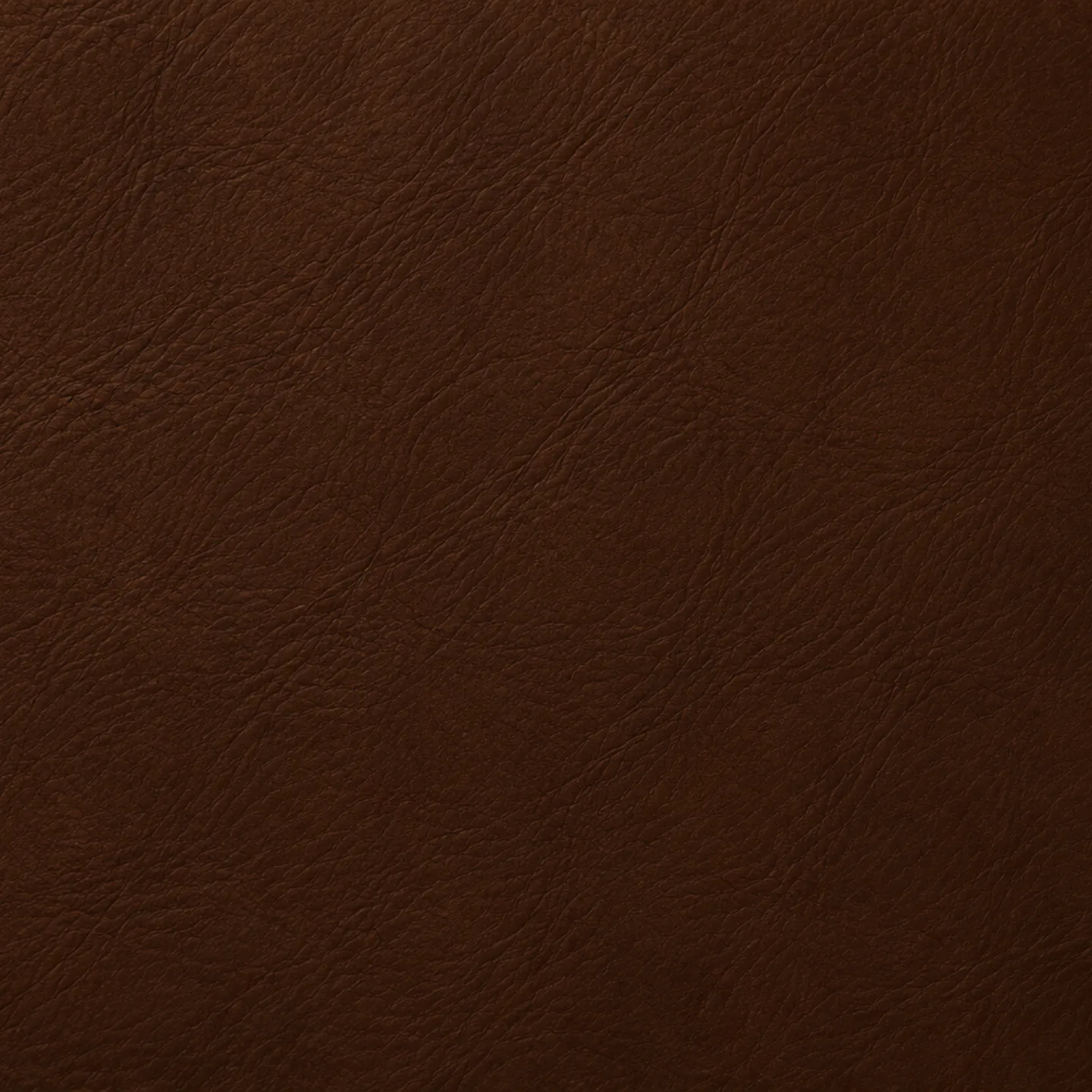

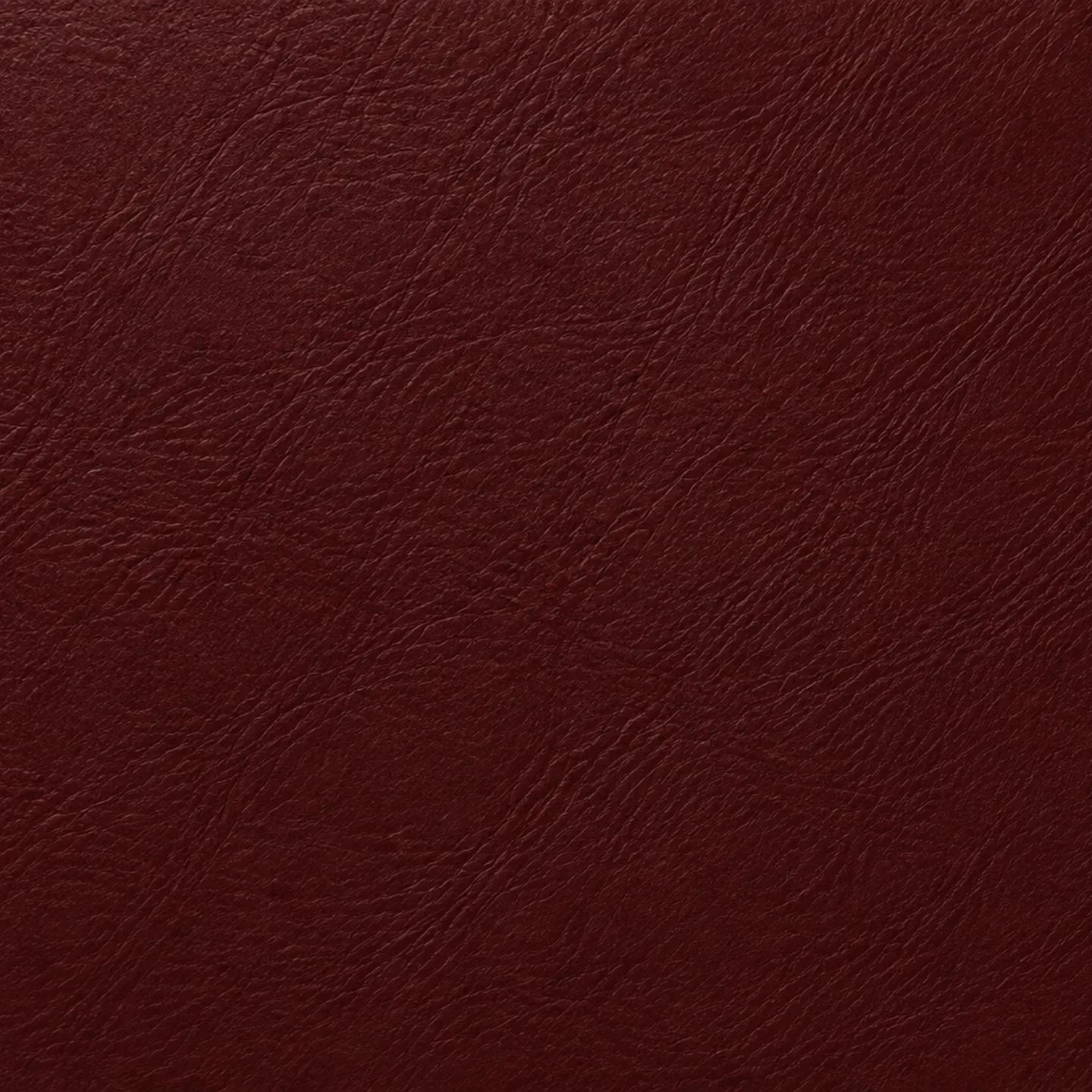




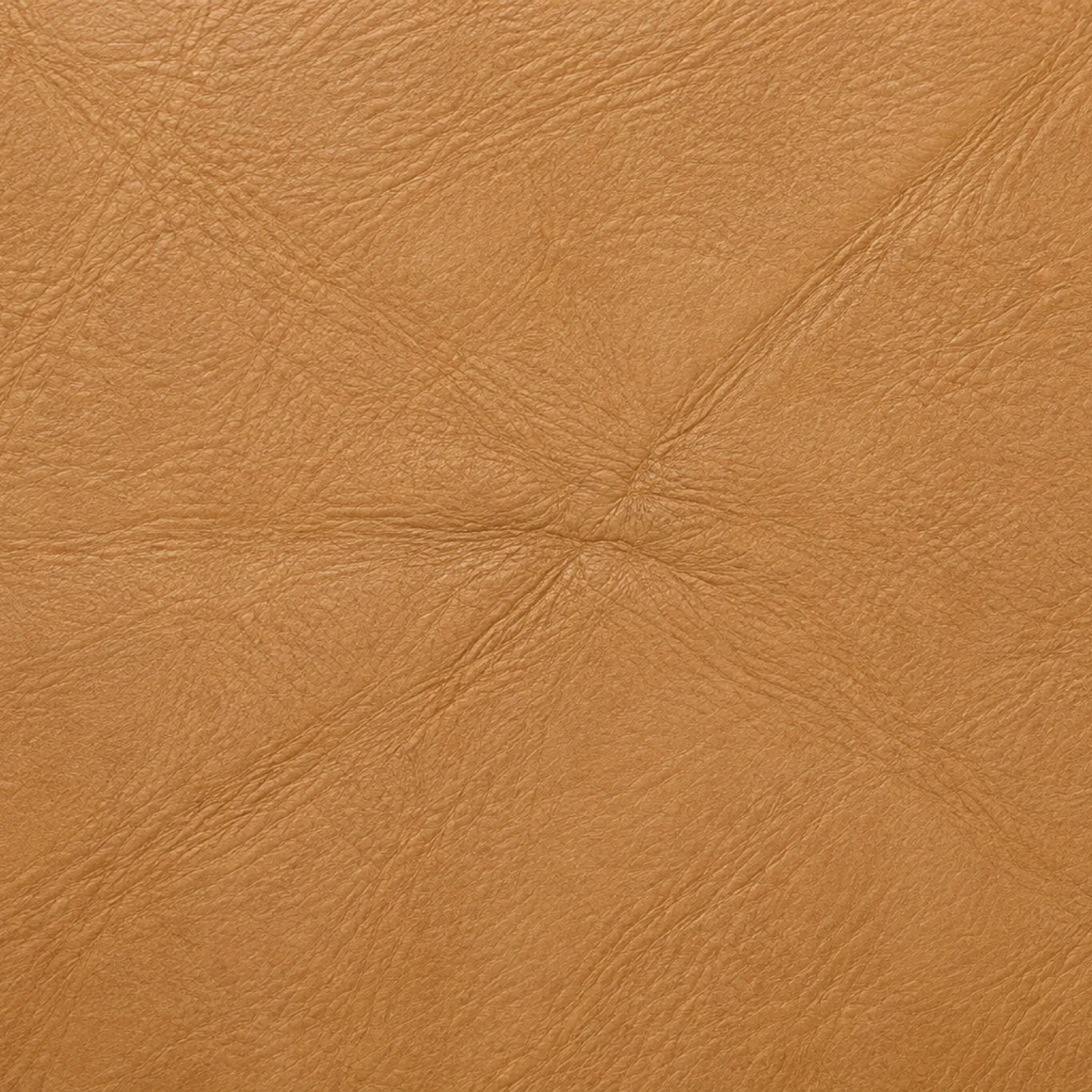
Nothing wrong with the sofa — you just want it a different color
That is a color change, and it does not need reupholstery. If the hide is sound, it is recolored where it stands. The piece is never taken apart.
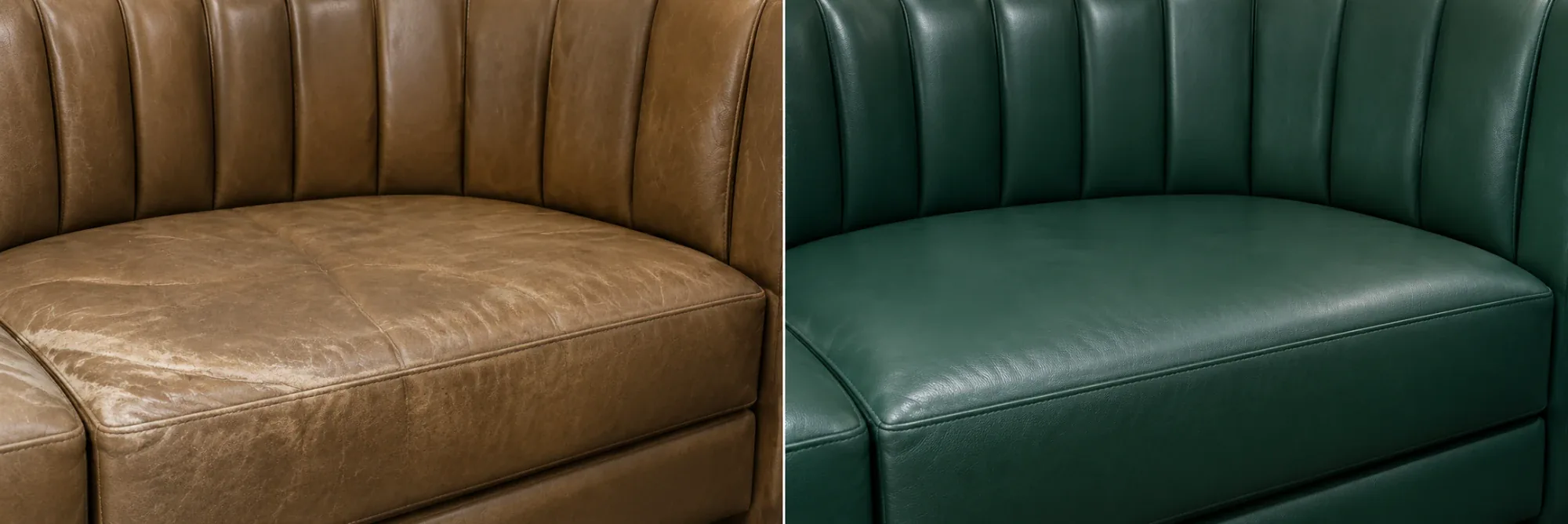
Going darker
The easy direction. A deeper color covers what is under it, so most pieces can move down the scale in one go.
Going lighter
Slower, and not always possible. The old color has to come off first, and some finishes will not give it up cleanly.
What does not change
Frame, foam, seams, shape. Nothing is unpicked, so the piece sits and feels exactly as it did.
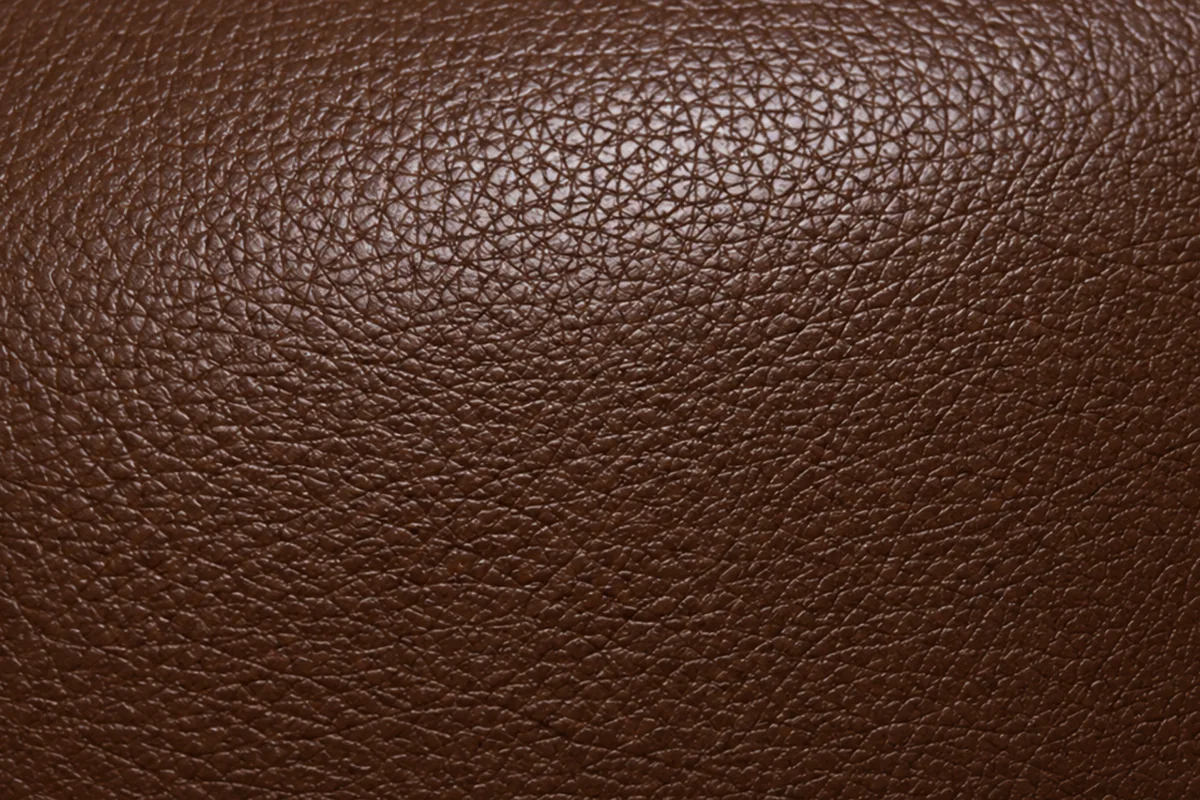
The color sits on the leather, not in it
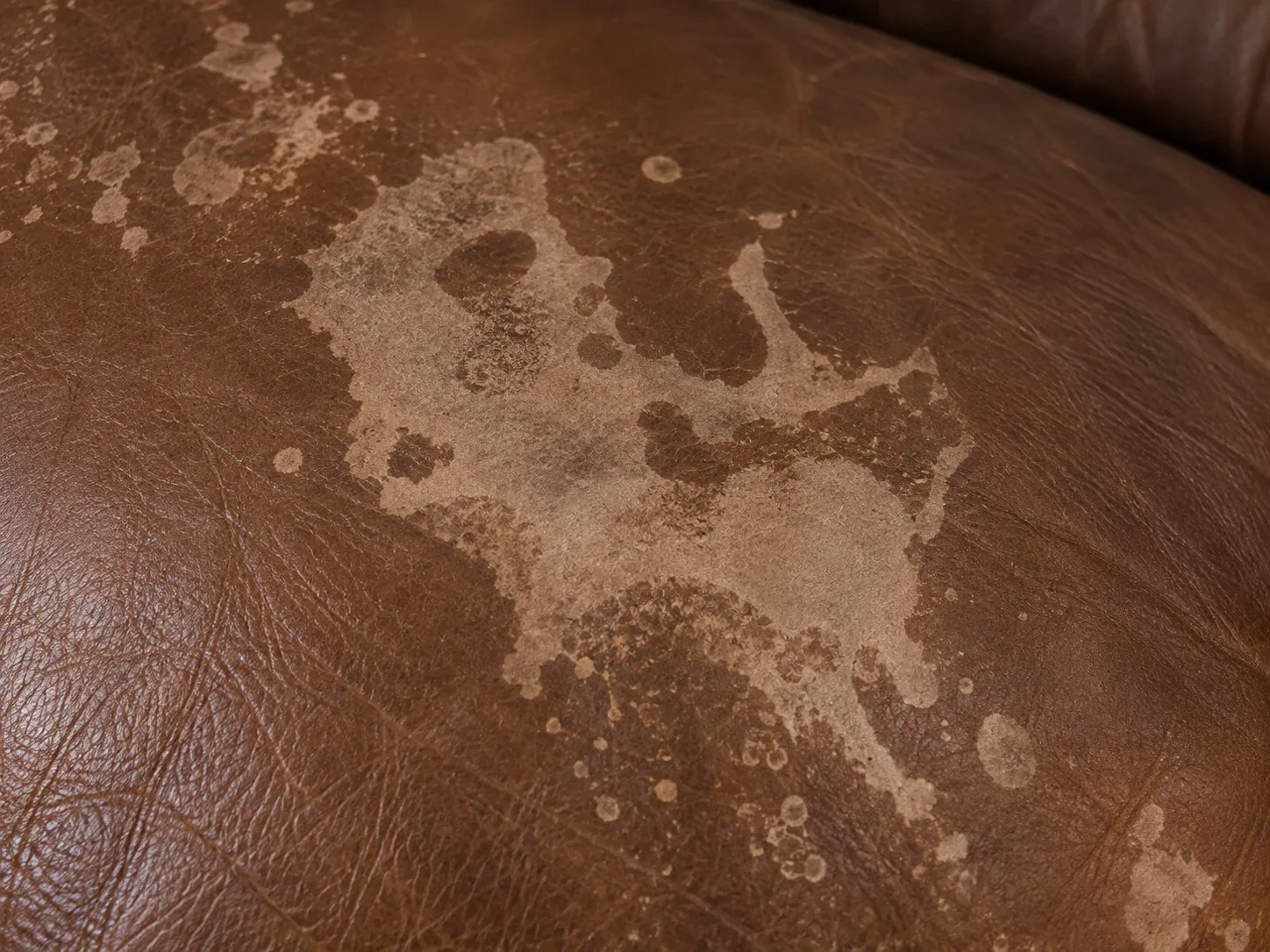
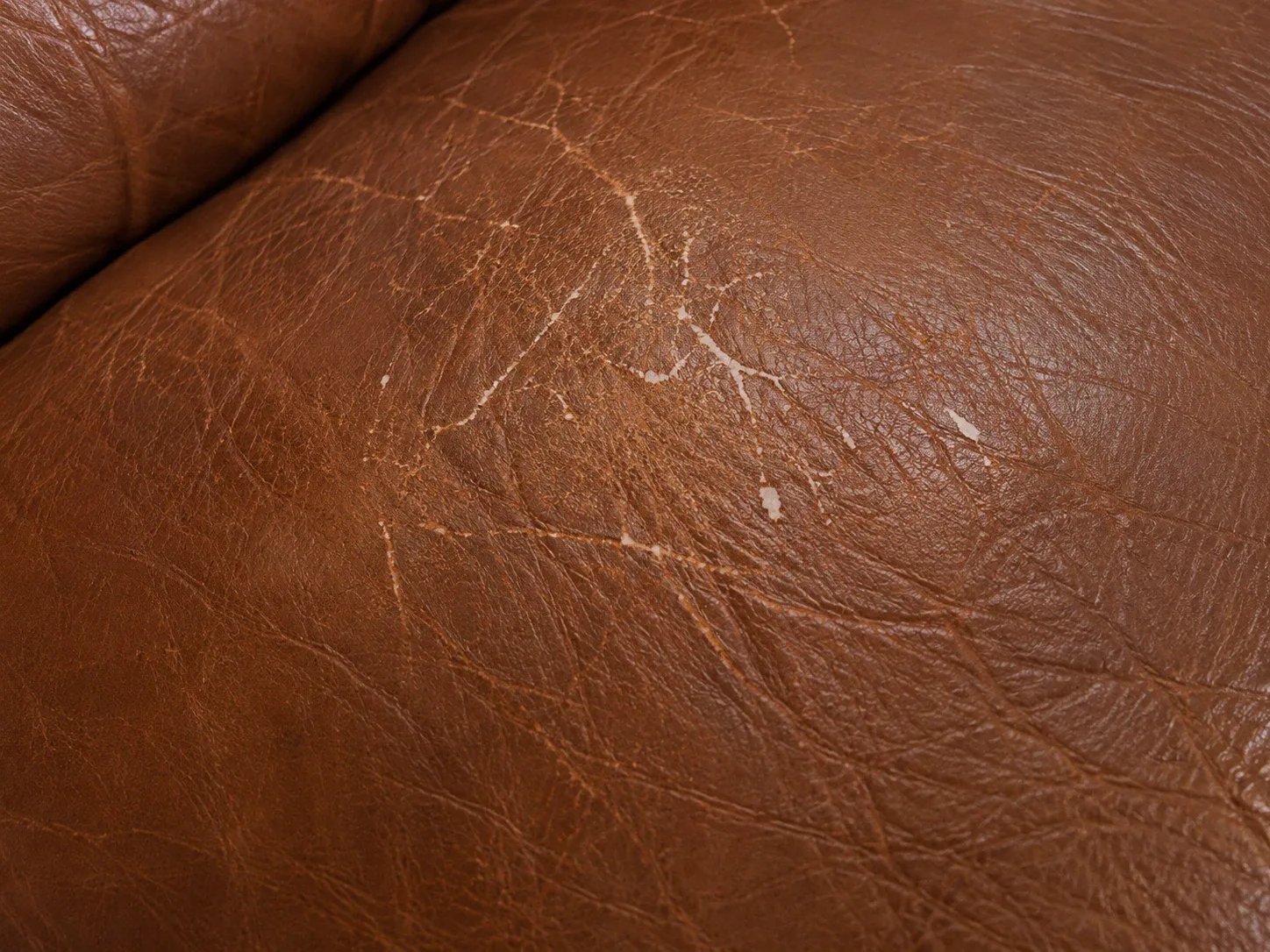
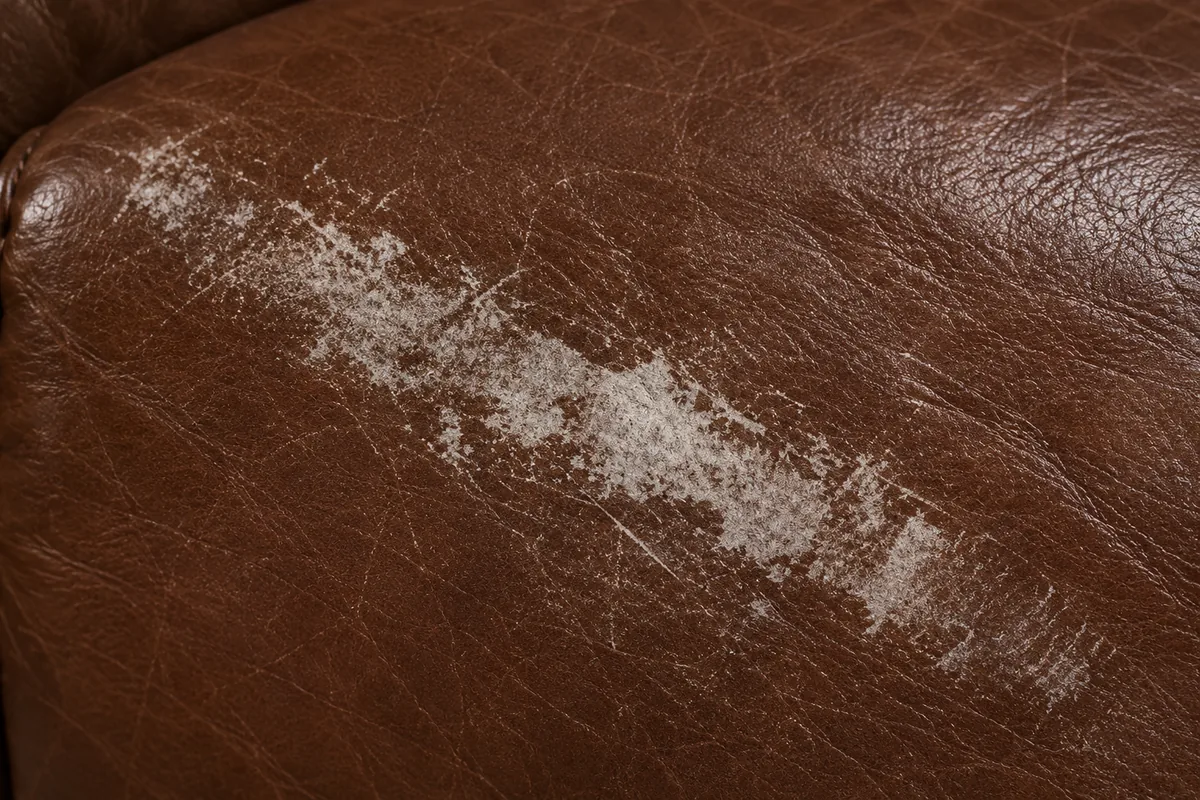
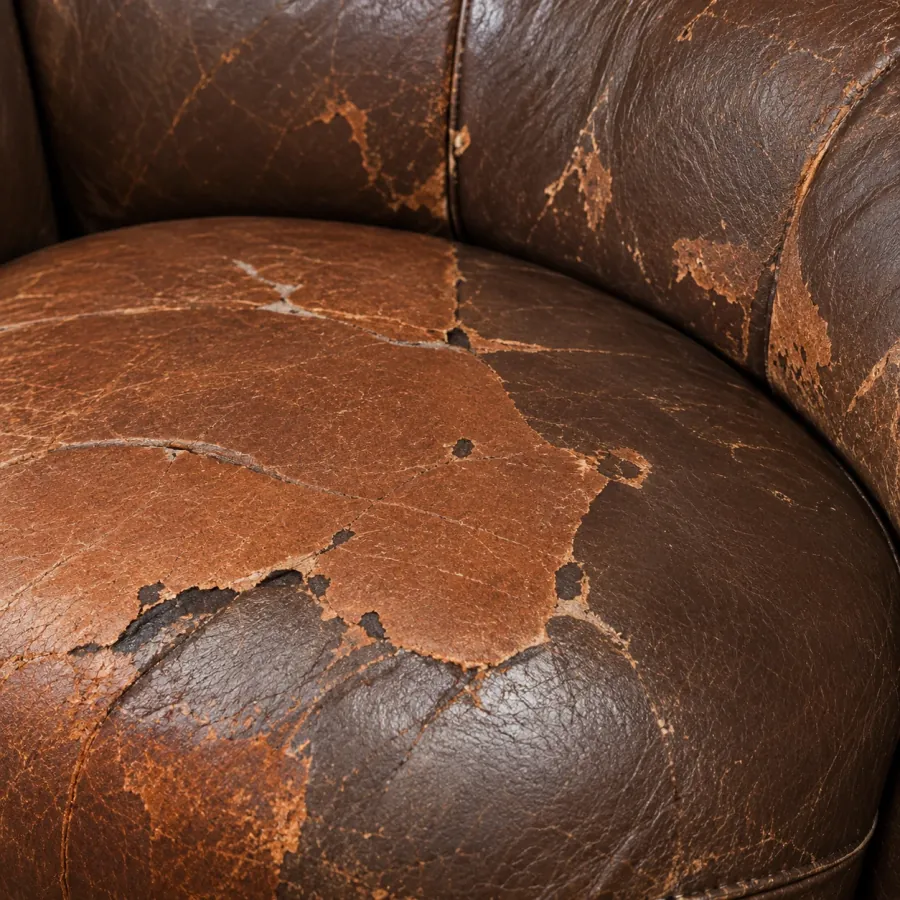
On almost every piece made in the last forty years the color is a thin pigmented coating. It is a surface, and surfaces wear.
So a tired seat usually wants leather color restoration NYC, not repair — nothing filled, no panel off.
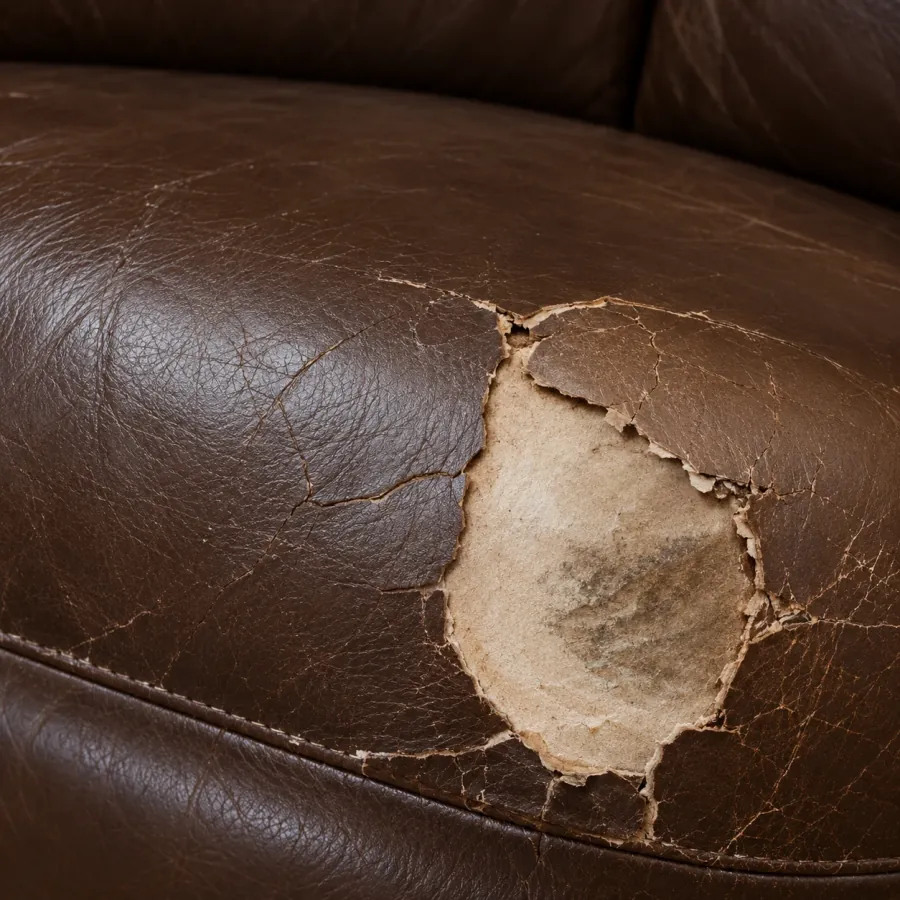
Once damage goes through the hide it stops being this job. Crack repair and tear repair rebuild the material first; past that it is reupholstery.
Color rarely wears off — usually something takes it off
Which one it was decides how much prep leather color restoration NYC needs before any color goes on.
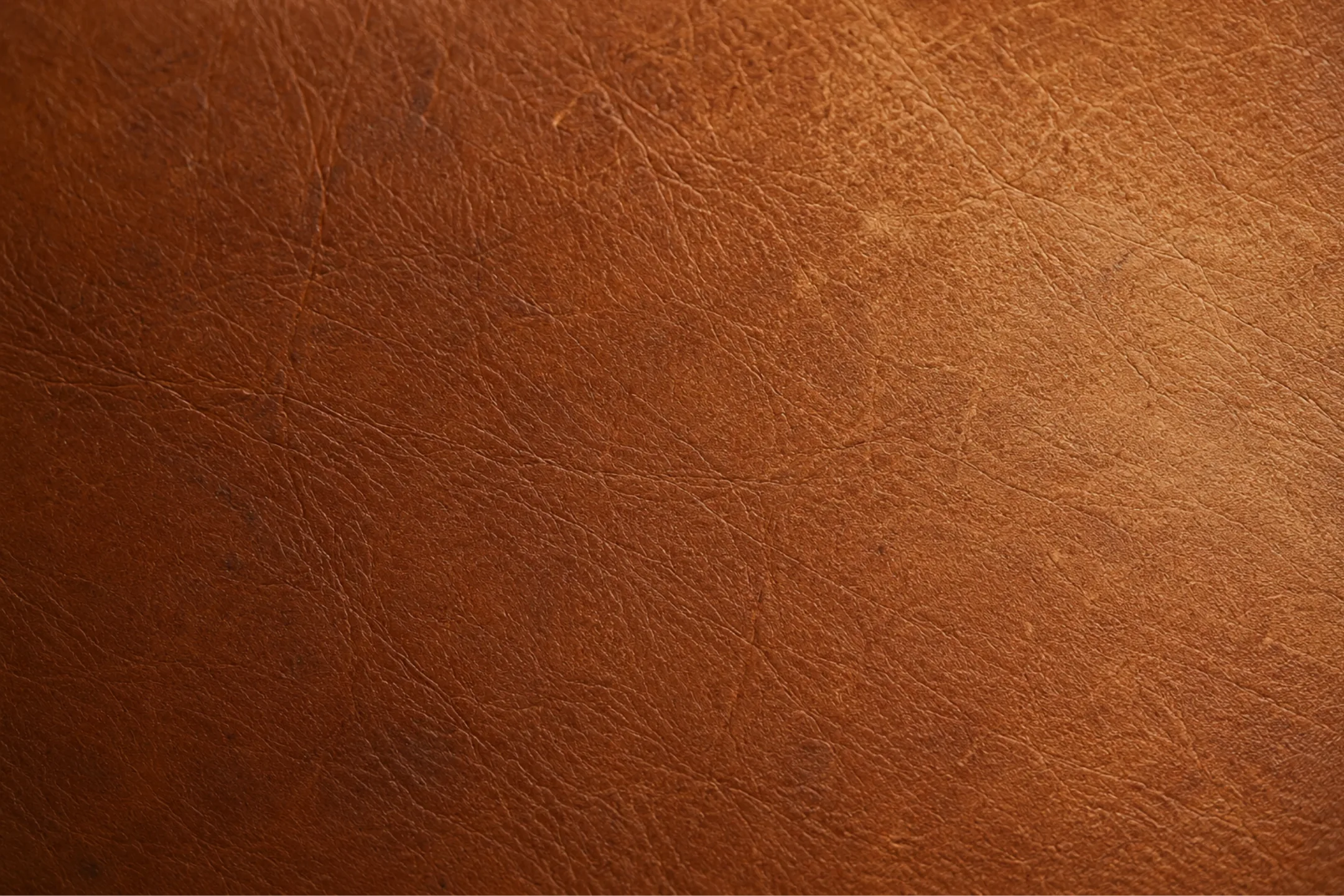

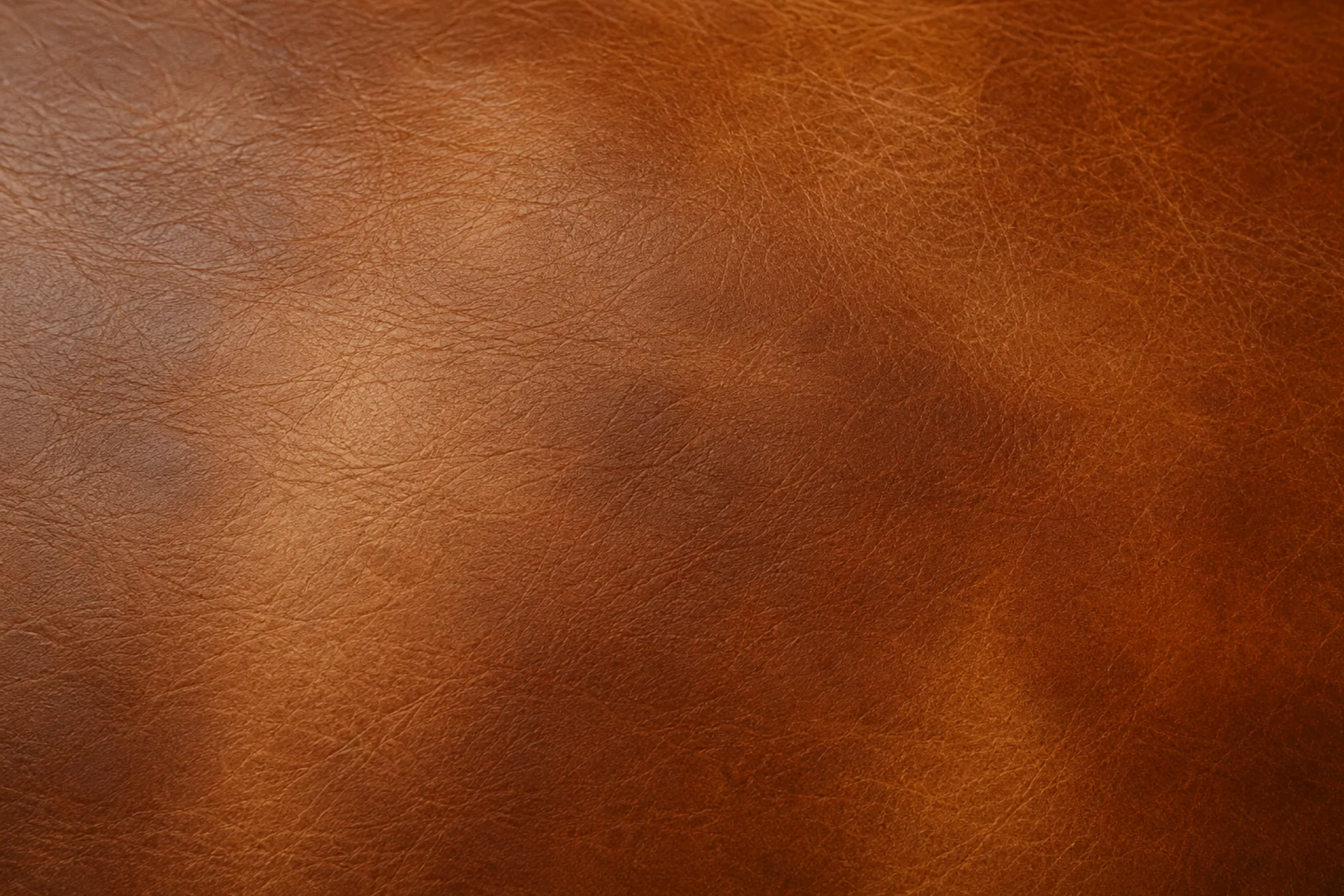
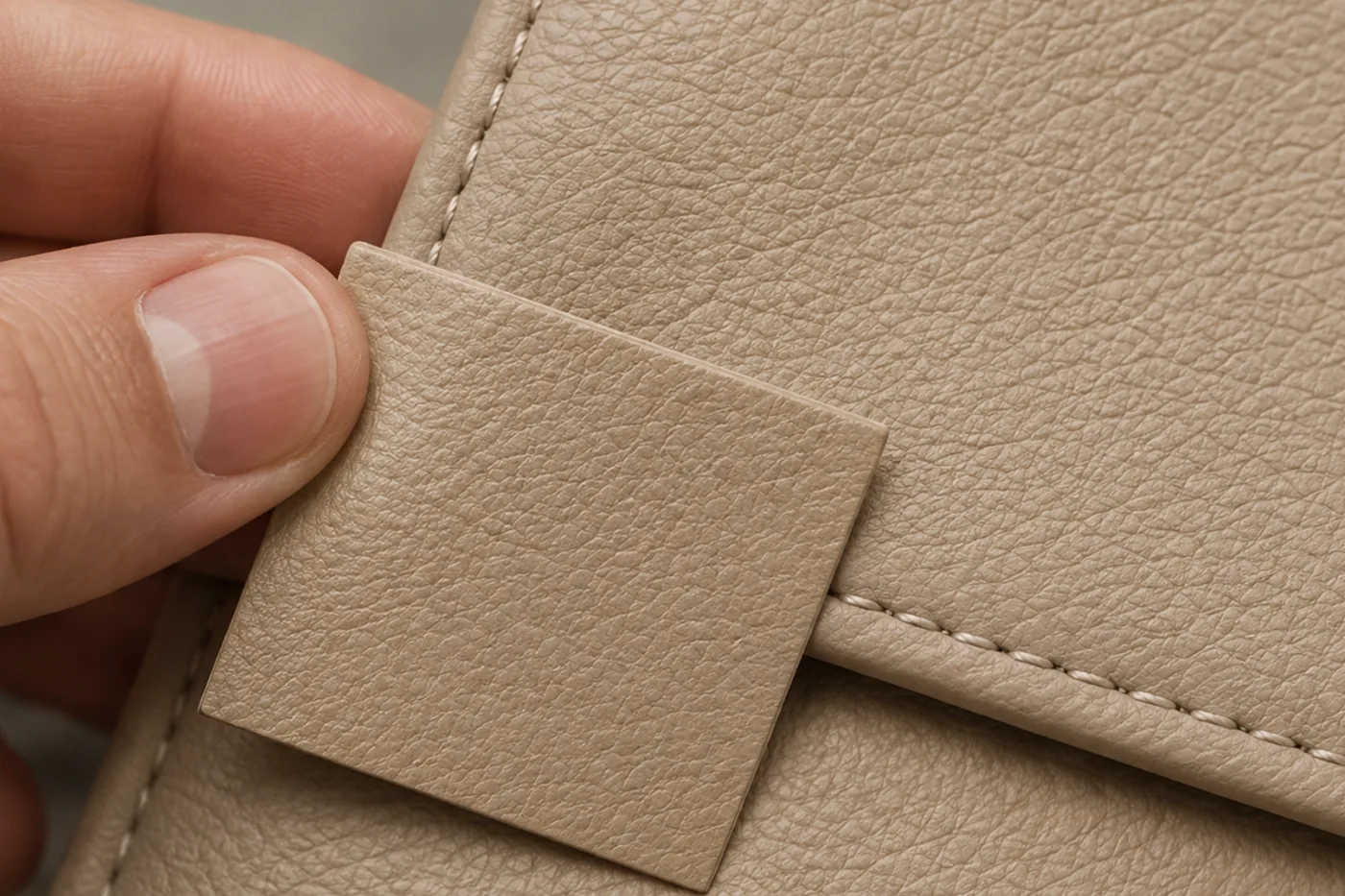
The match is proved on a cured card before it touches your furniture
Wet color reads shades off what it dries to, so a match judged in the pot is not a match. This is the part of leather color restoration NYC that decides how the finished piece reads.
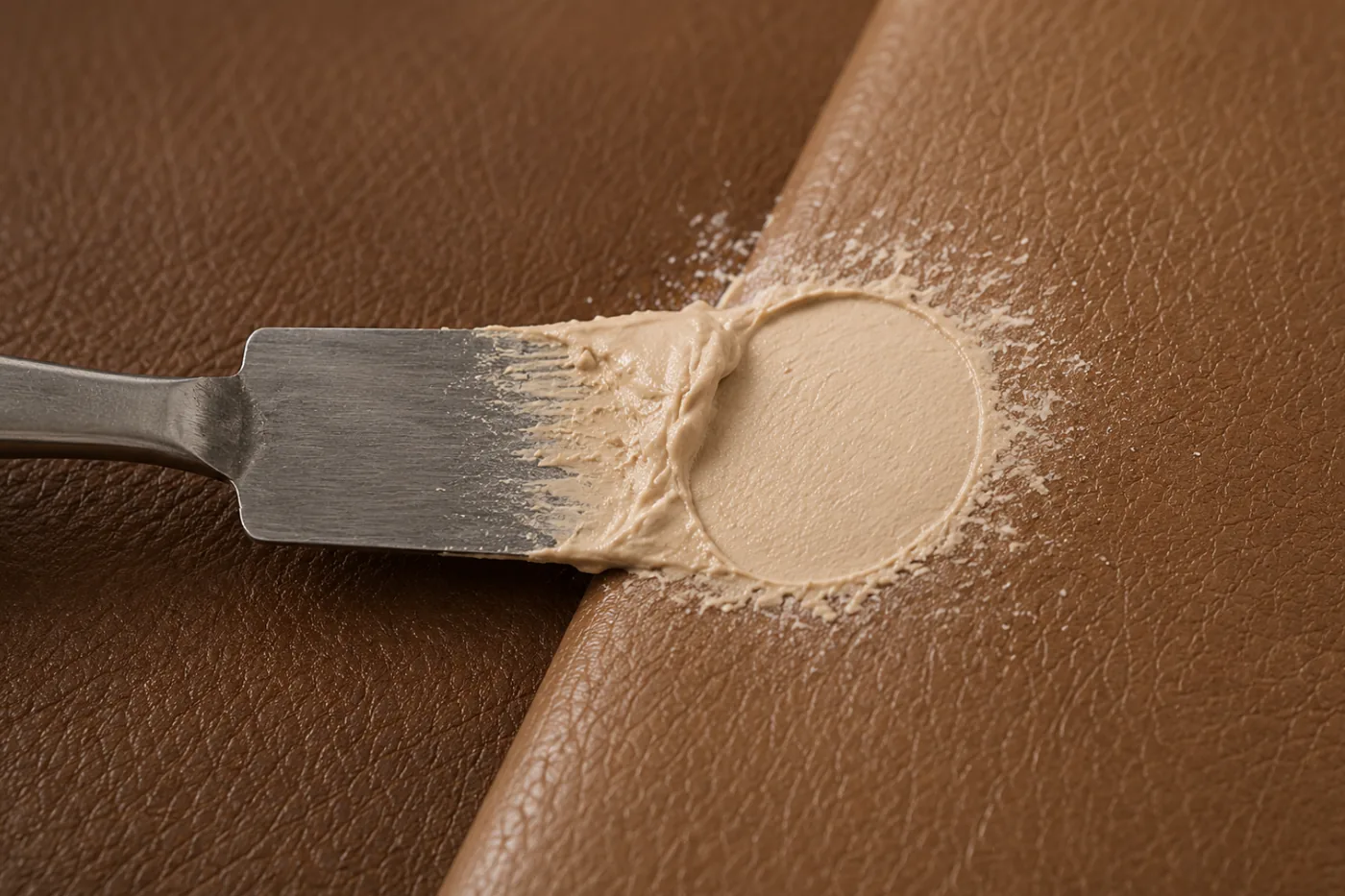
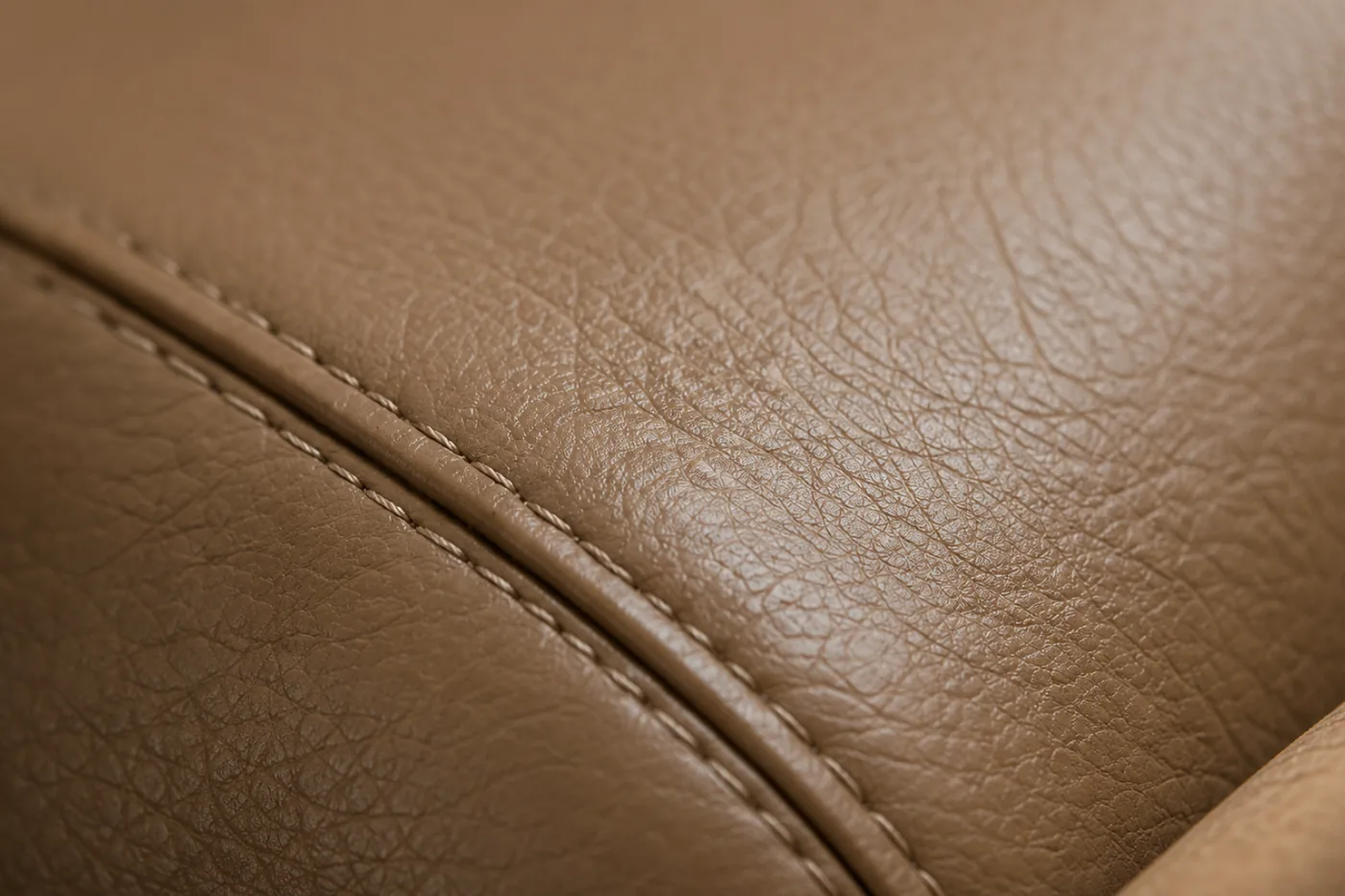
Color is only one of them, and it is the easy one
Get the shade perfect and miss either of the other two, and the eye still finds the repair from across the room — which is why leather color restoration NYC is judged on three things, not one.
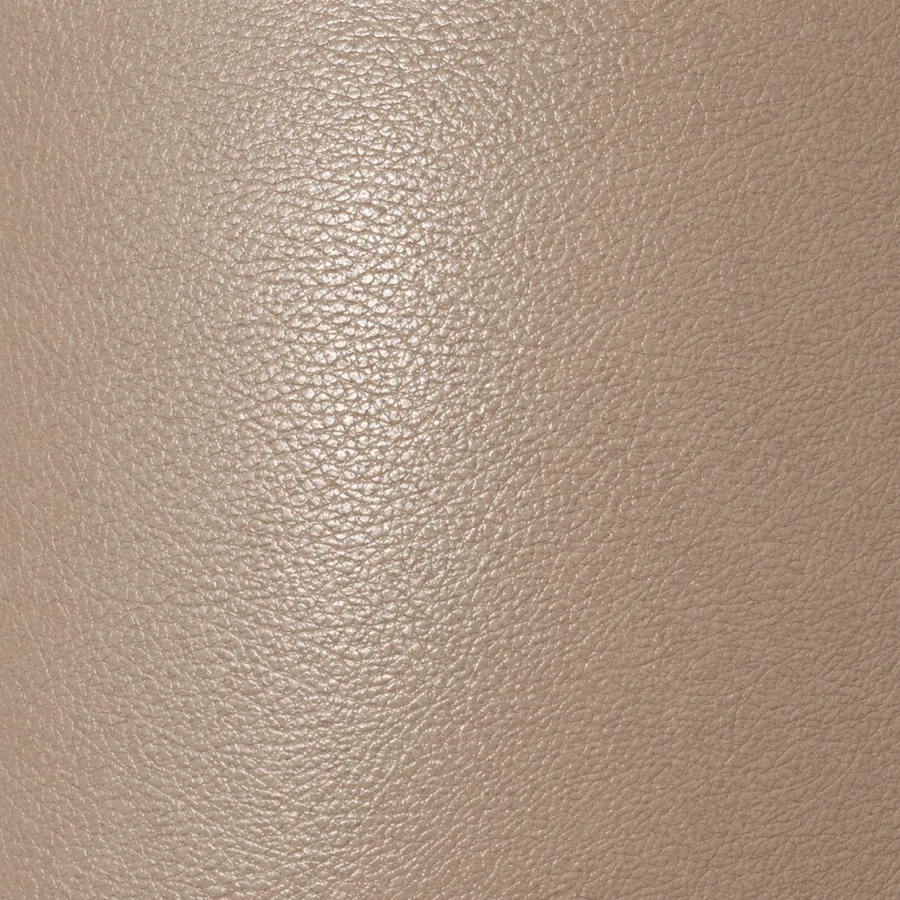
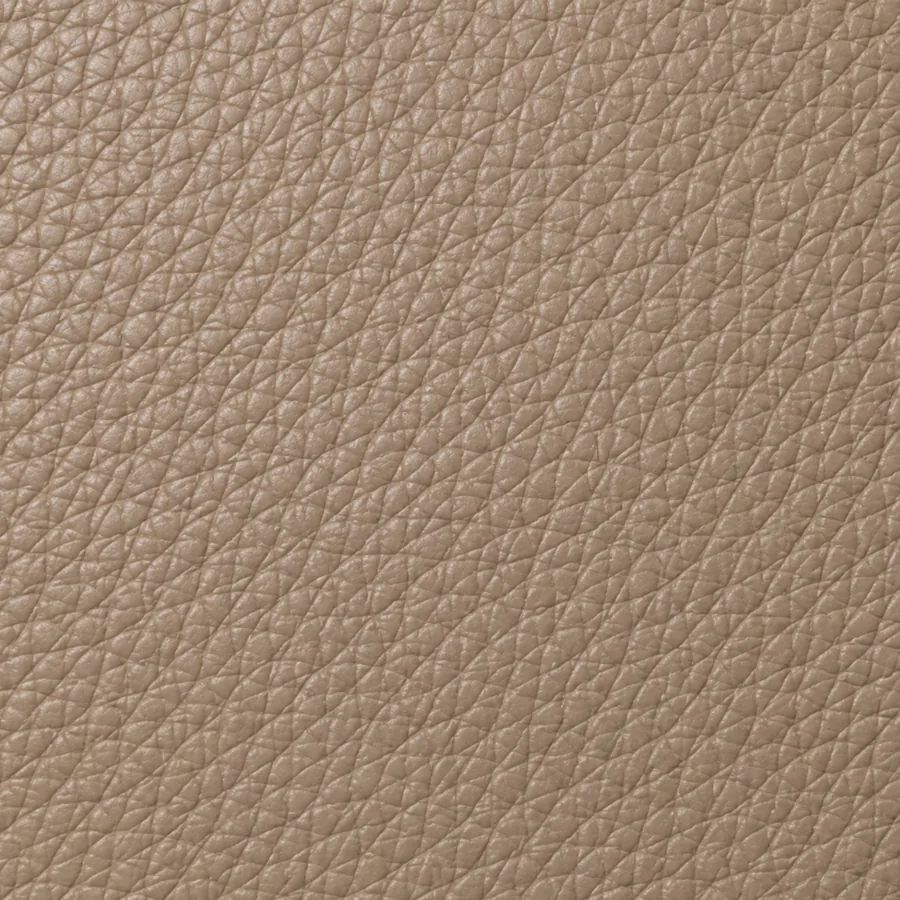
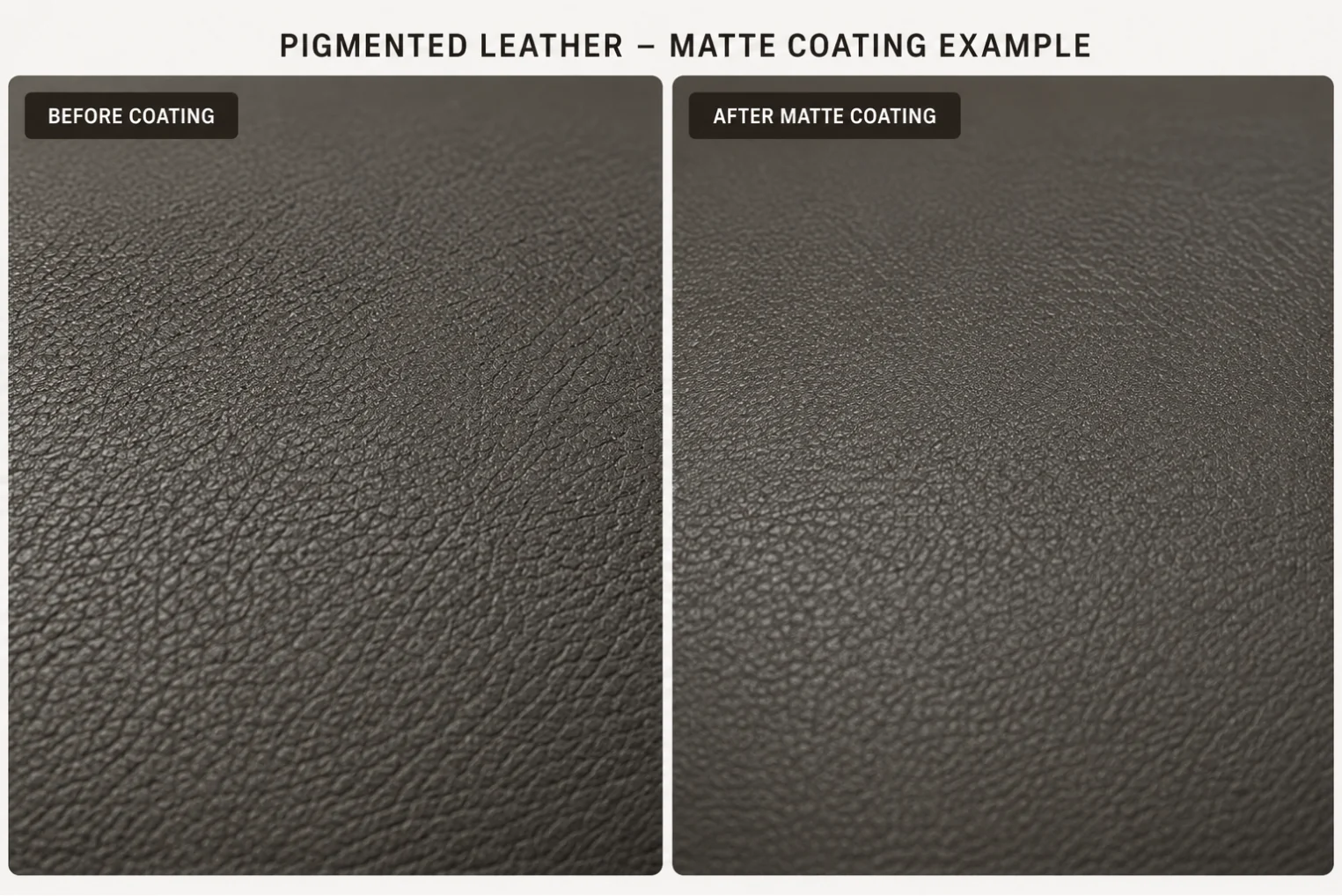
On a whole piece, the finish is a decision
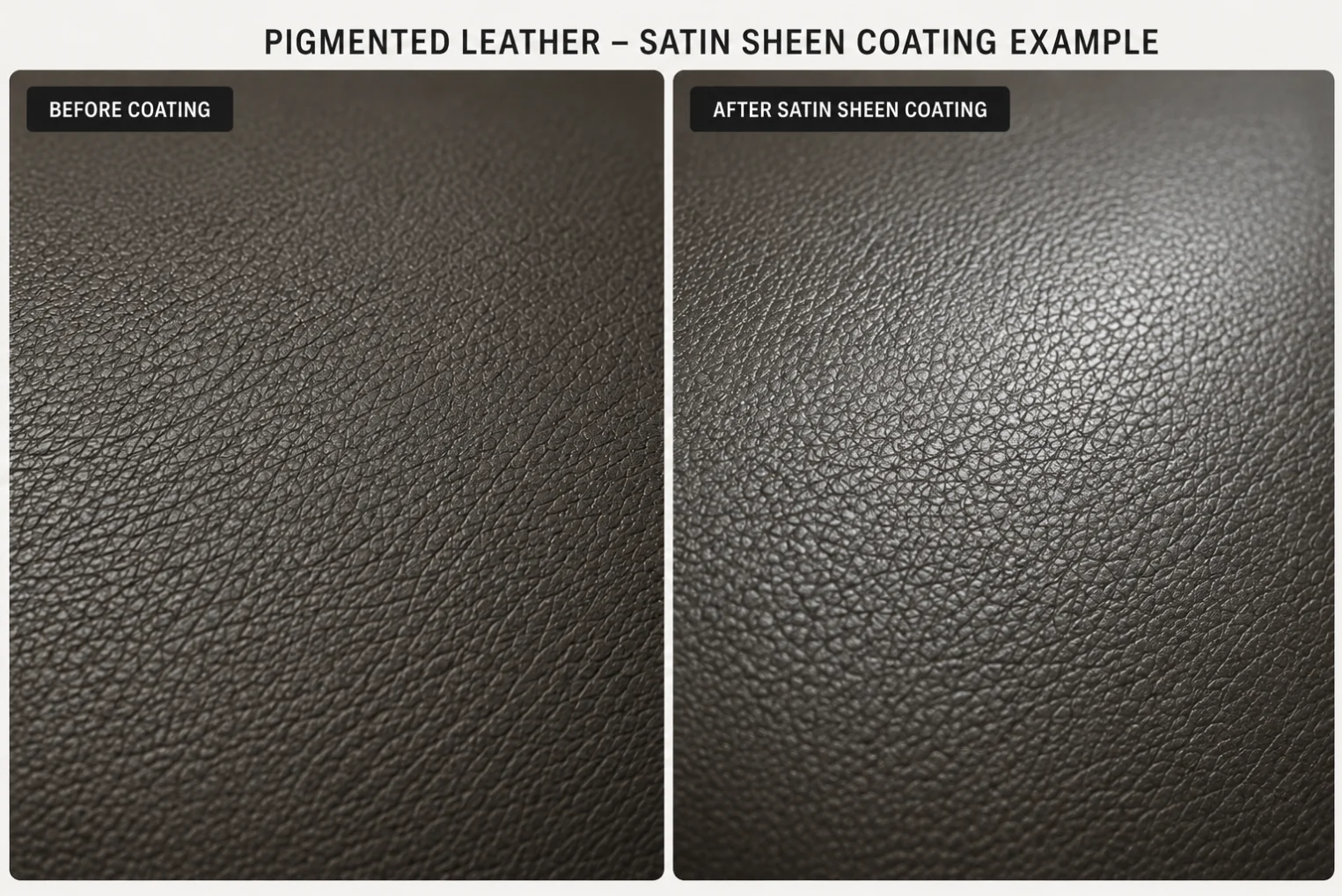
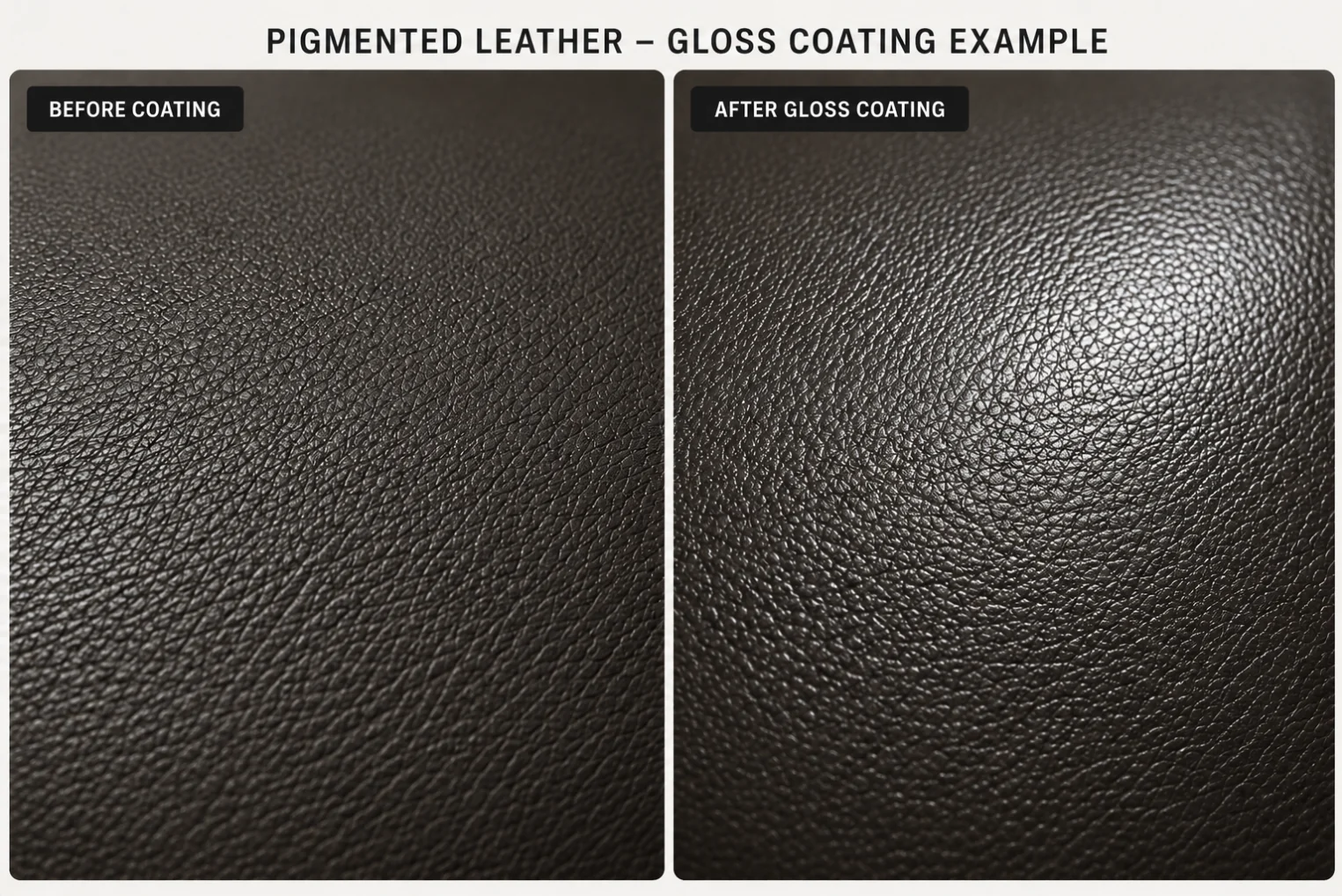
On a single panel, leather color restoration NYC copies the sheen already there. On a whole piece it is open — and sheen changes how a room reads leather more than the shade does.
The right answer is usually more than the part that bothers you
Leather color restoration NYC is quoted by the piece rather than by the panel, because the piece is the unit your eye judges.
Only when it stands alone
An outside arm against a wall, or one dining chair from a set that aged the same way.
Because contrast is what you notice
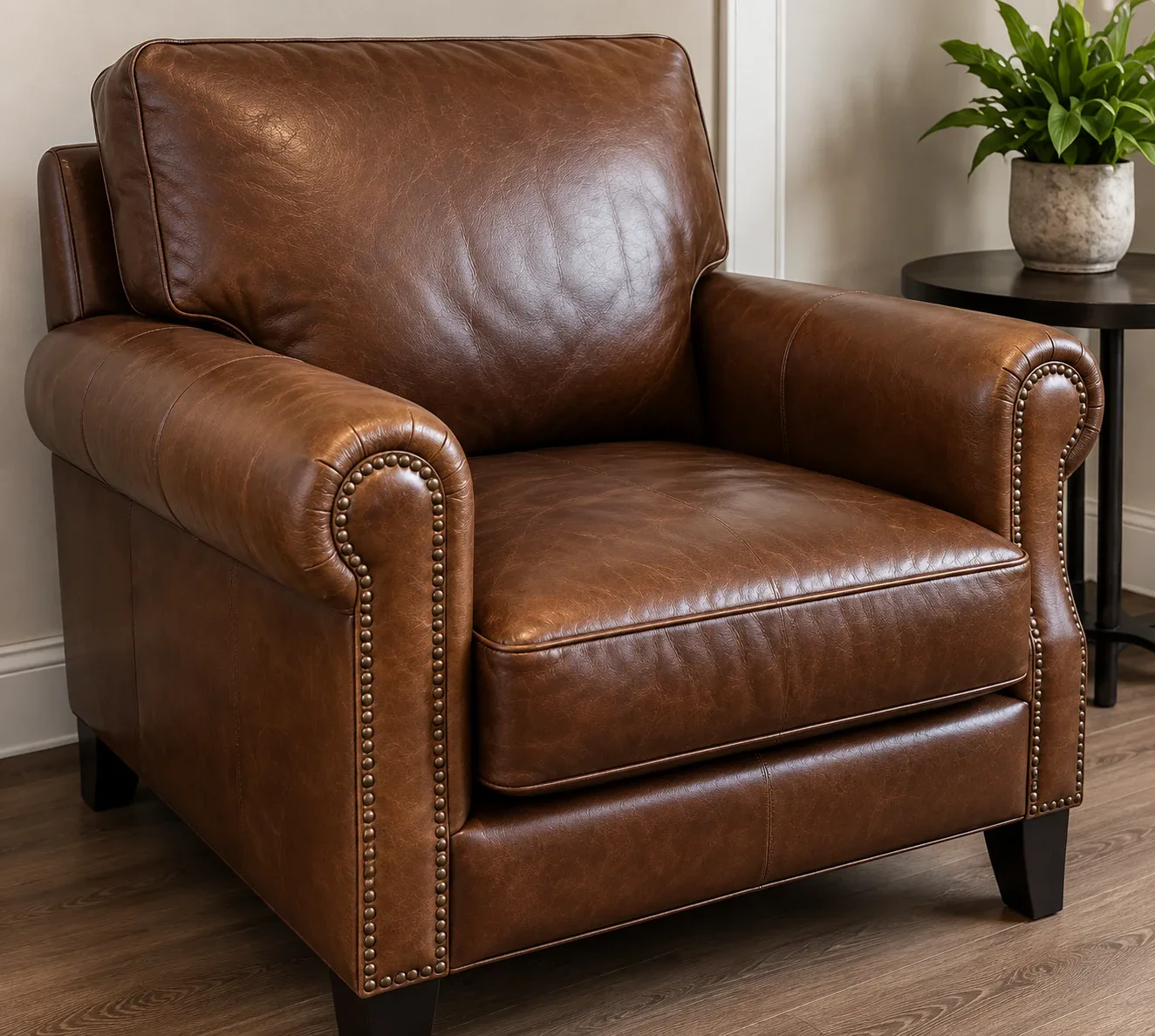
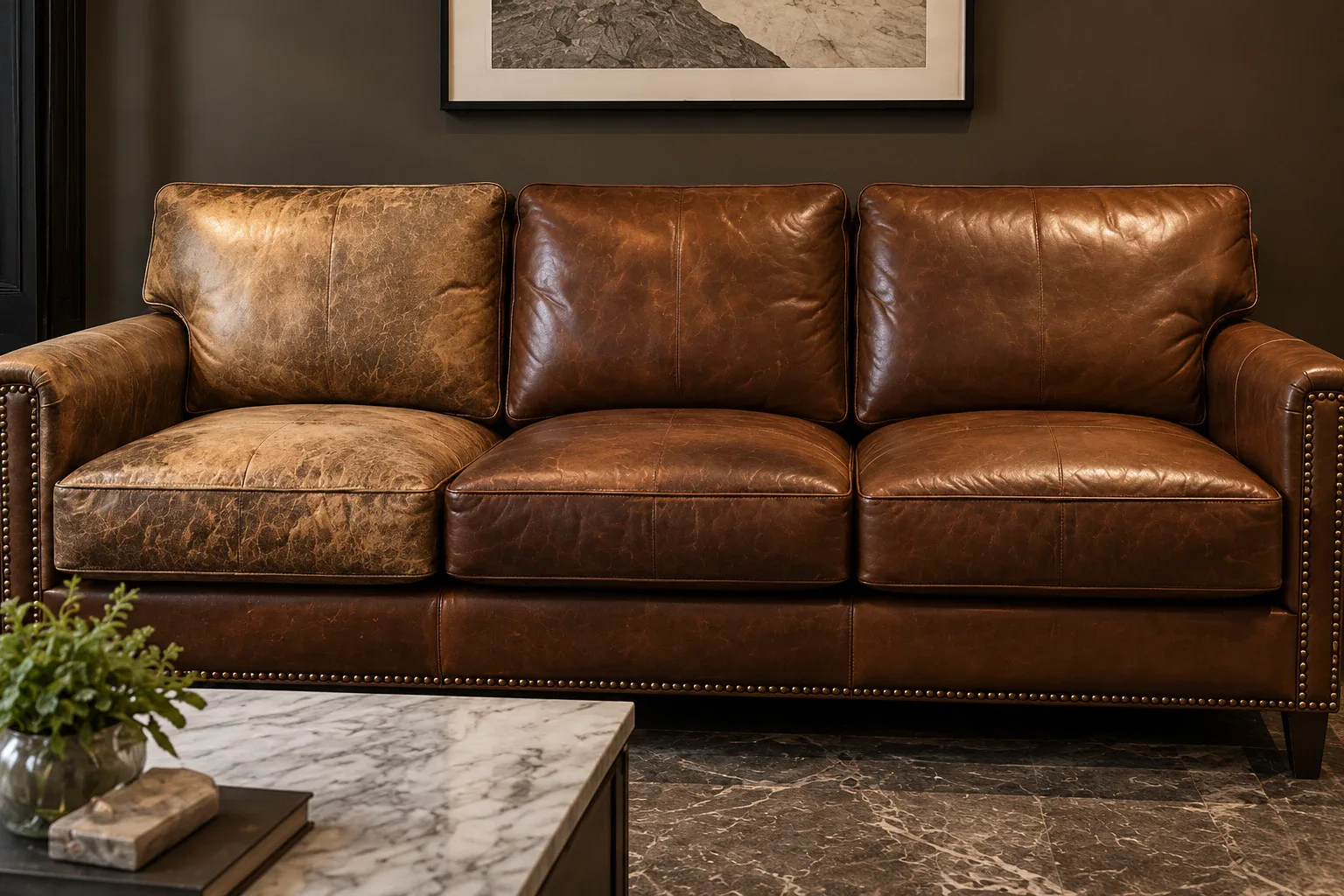
Correct one cushion on a three-seat sofa and the other two look tired. Doing all of it costs less. If the surface needs more than color, see full leather restoration.
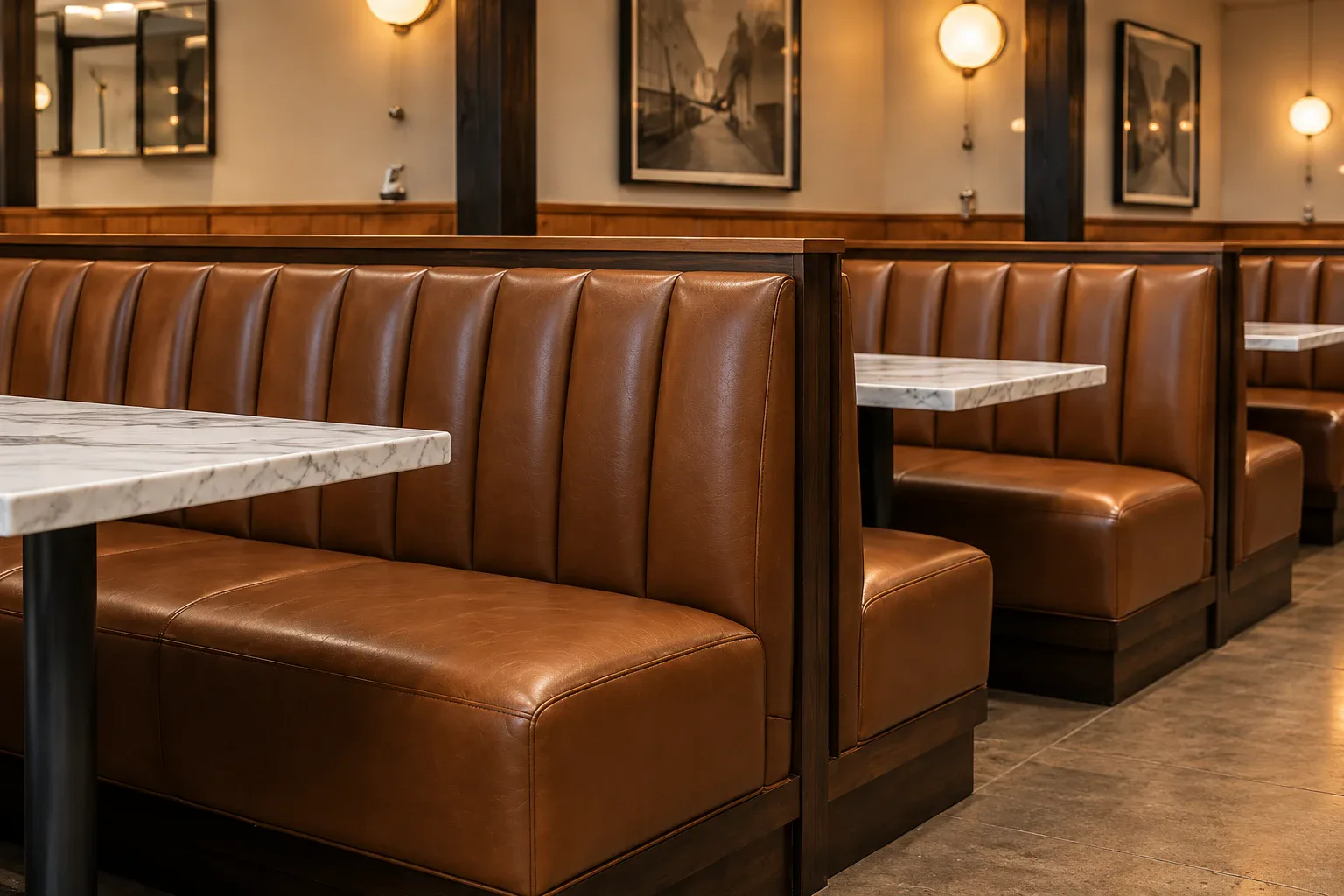
Booths, boardrooms, lobbies
Matched seating has to stay matched, so a run is done in one mix. See commercial color restoration.
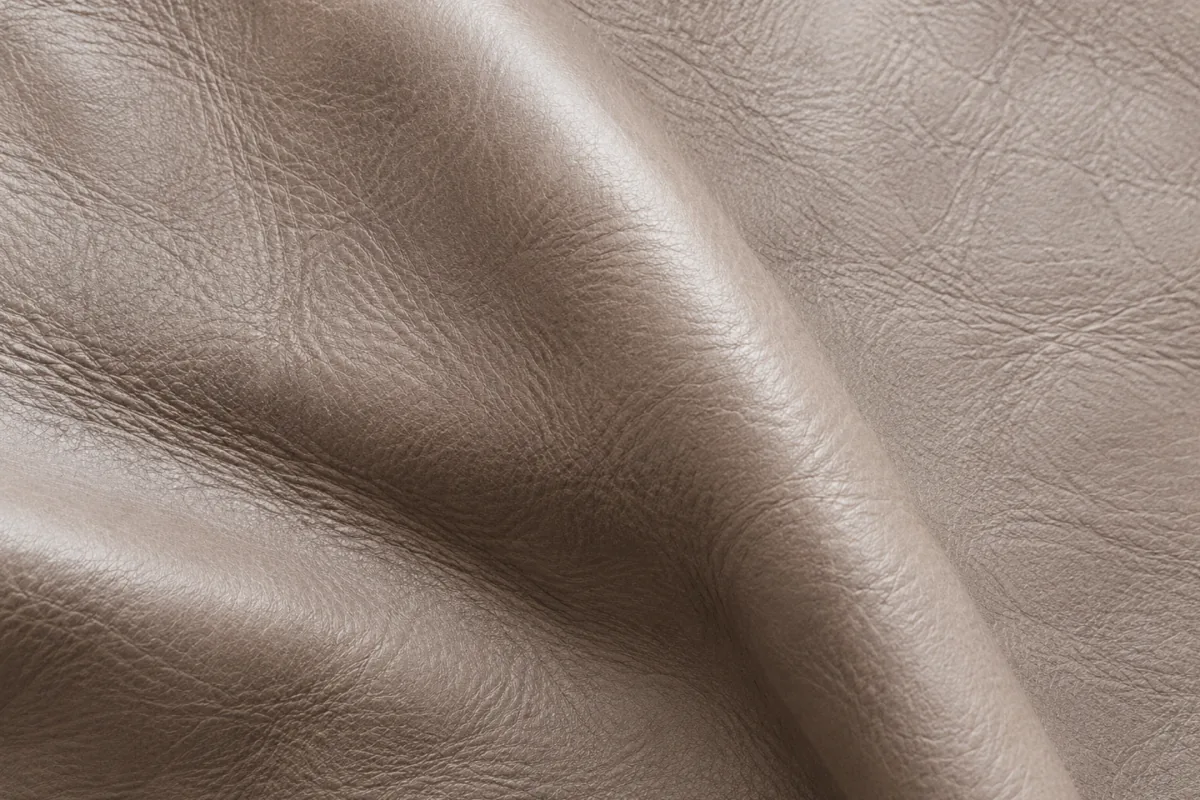
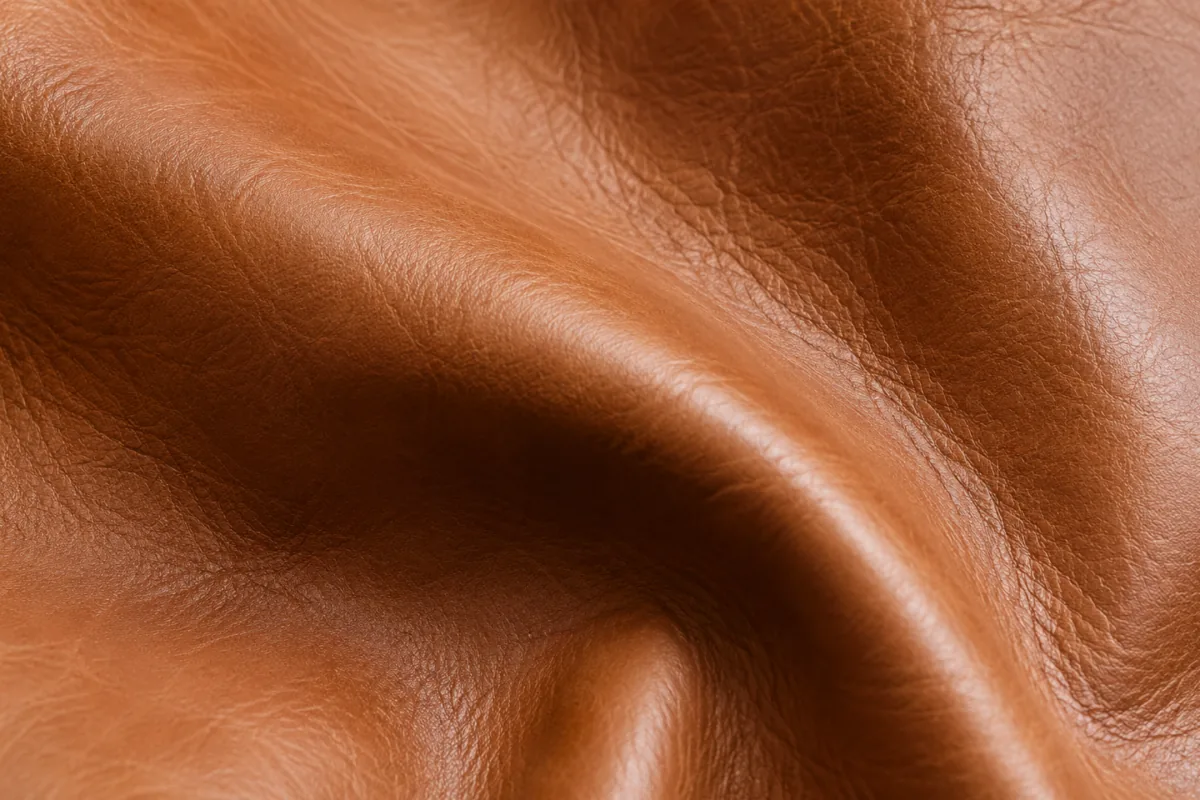
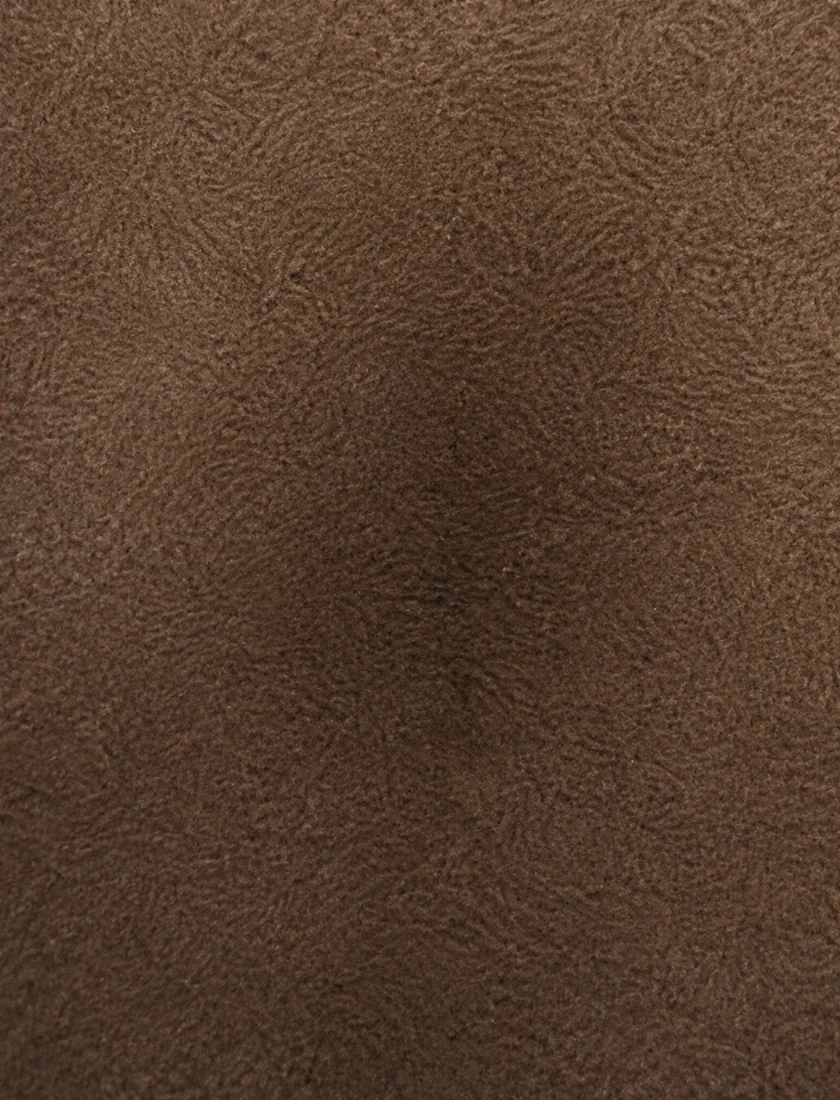
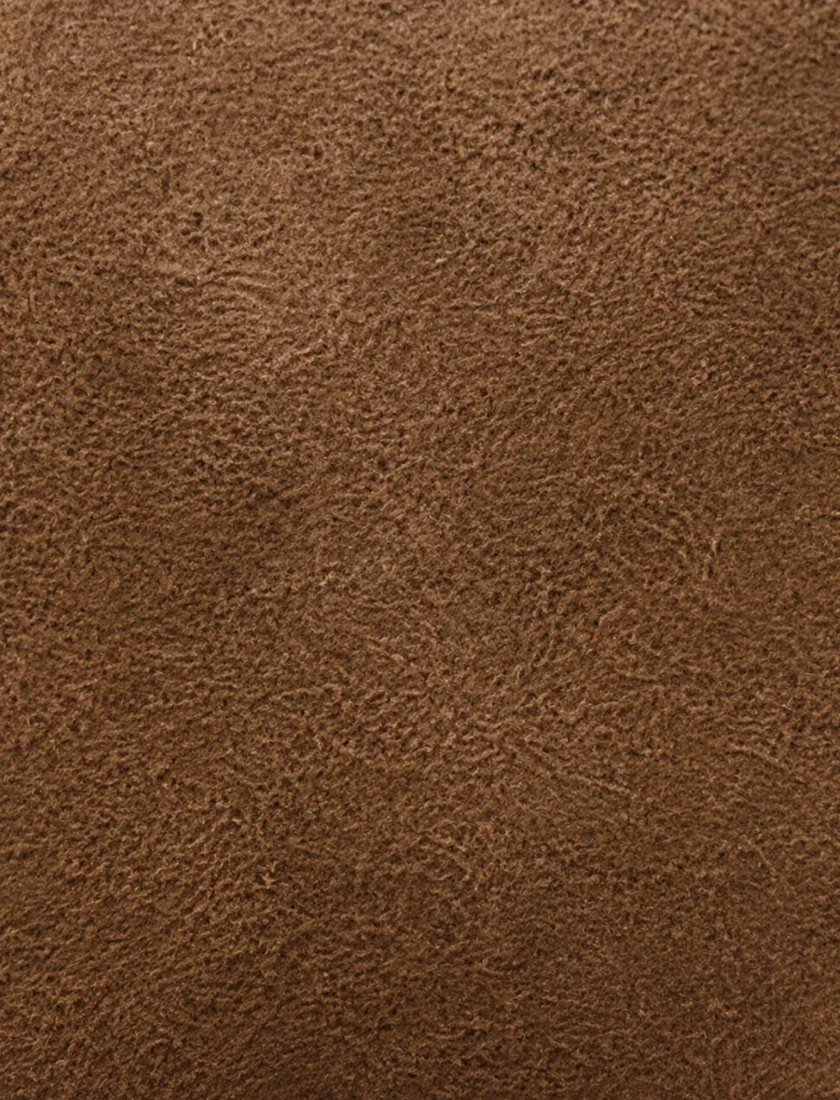
Which leathers can be color restored
Every leather color restoration NYC quote starts with what the piece is made of. Three take a new finish as the factory applied it. Five need a different route. One cannot hold color at all.
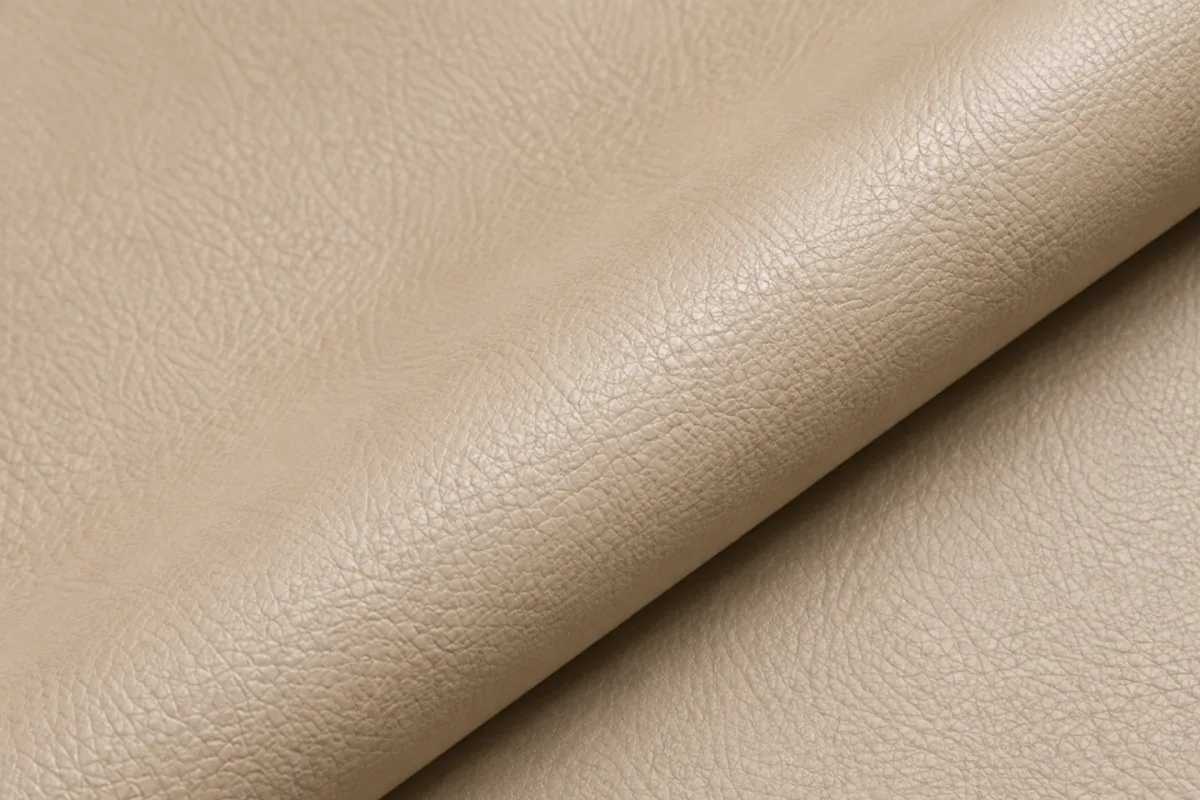
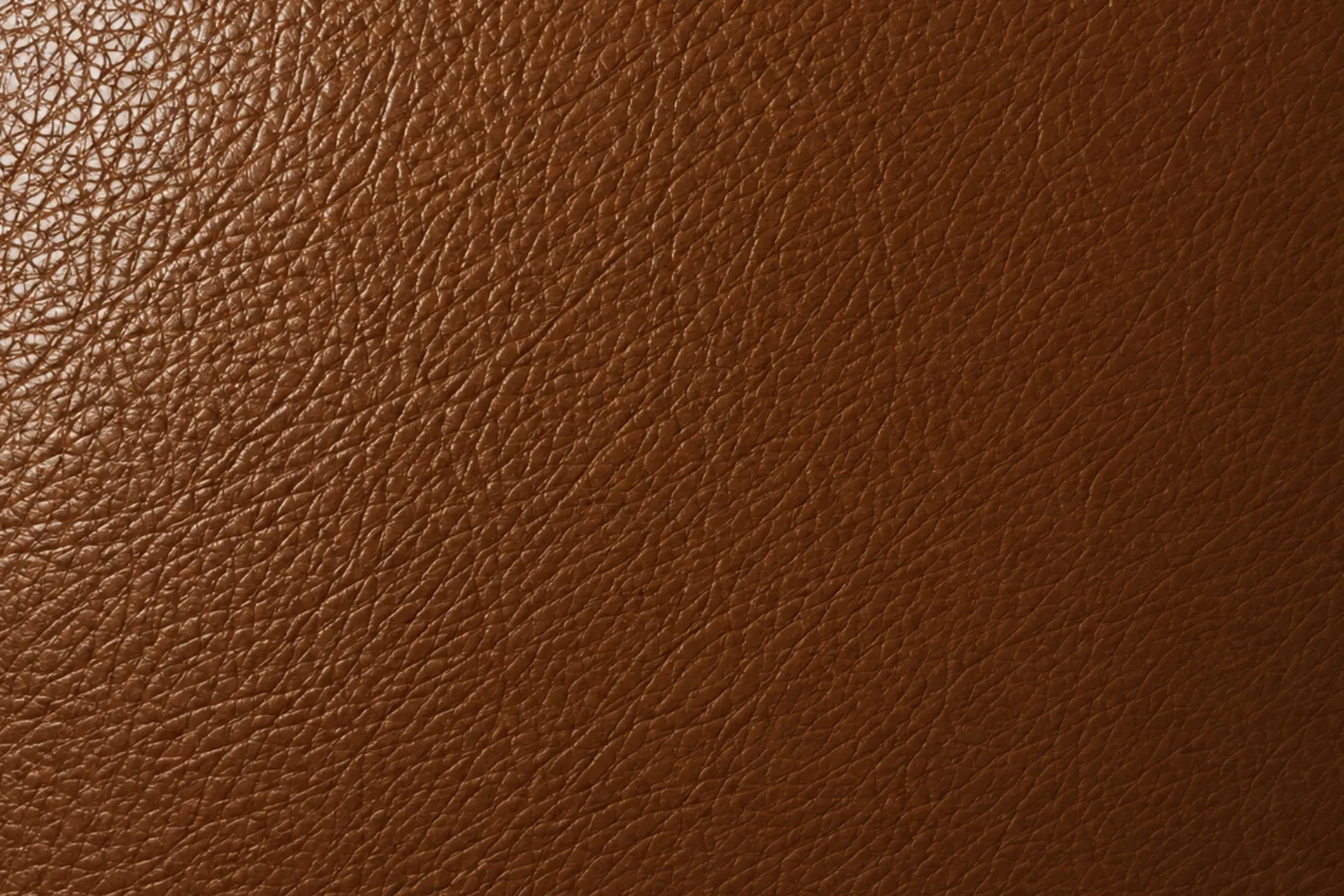
Material compatibility
| Material | Restore original | Full color change |
|---|---|---|
| Pigmented | ||
| Corrected-grain | ||
| Commercial vinyl | ||
| Semi-aniline | ||
| Aniline | ||
| Nubuck | ||
| Suede | ||
| PU & faux leather | ||
| Bonded | No | No |
Keep in mind
A starting point, not a quote. Condition moves every row. Leather color restoration NYC is quoted from your own piece and proved on your own test card.
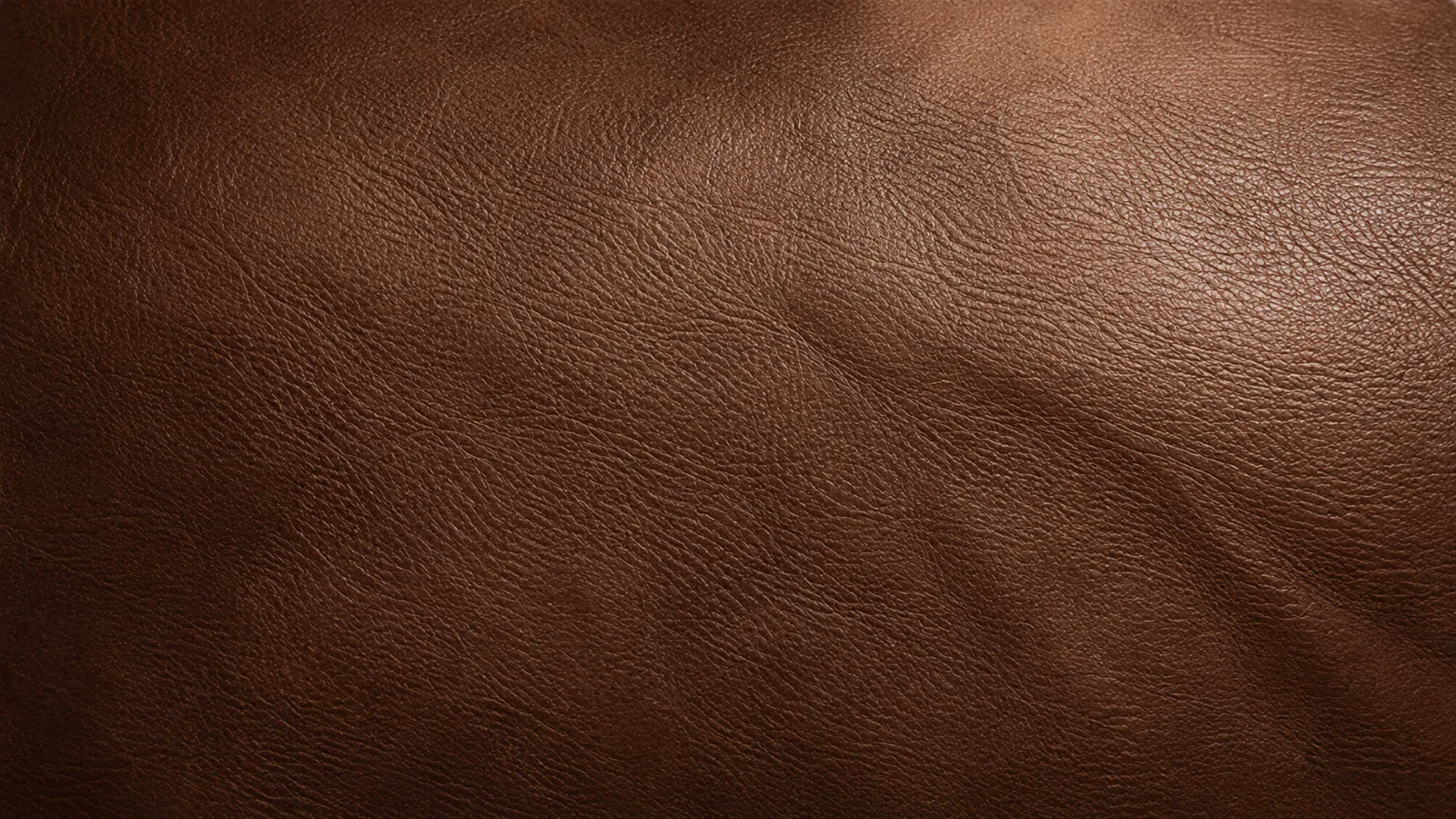
When color restoration is not the right solution
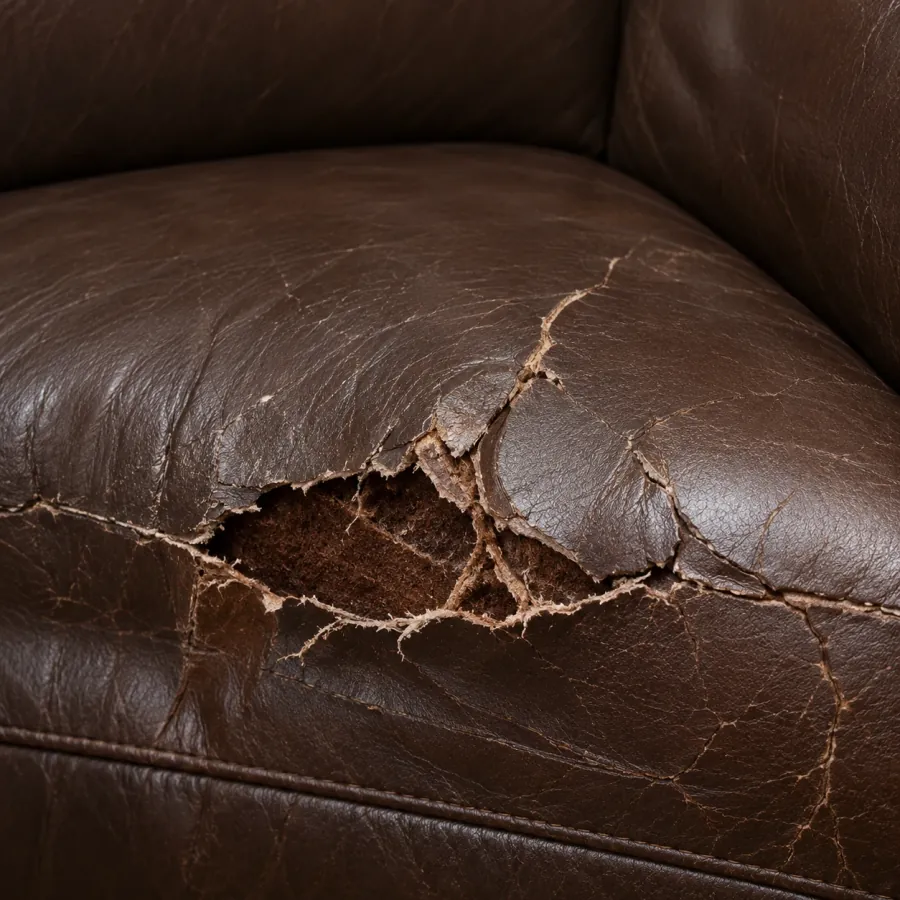
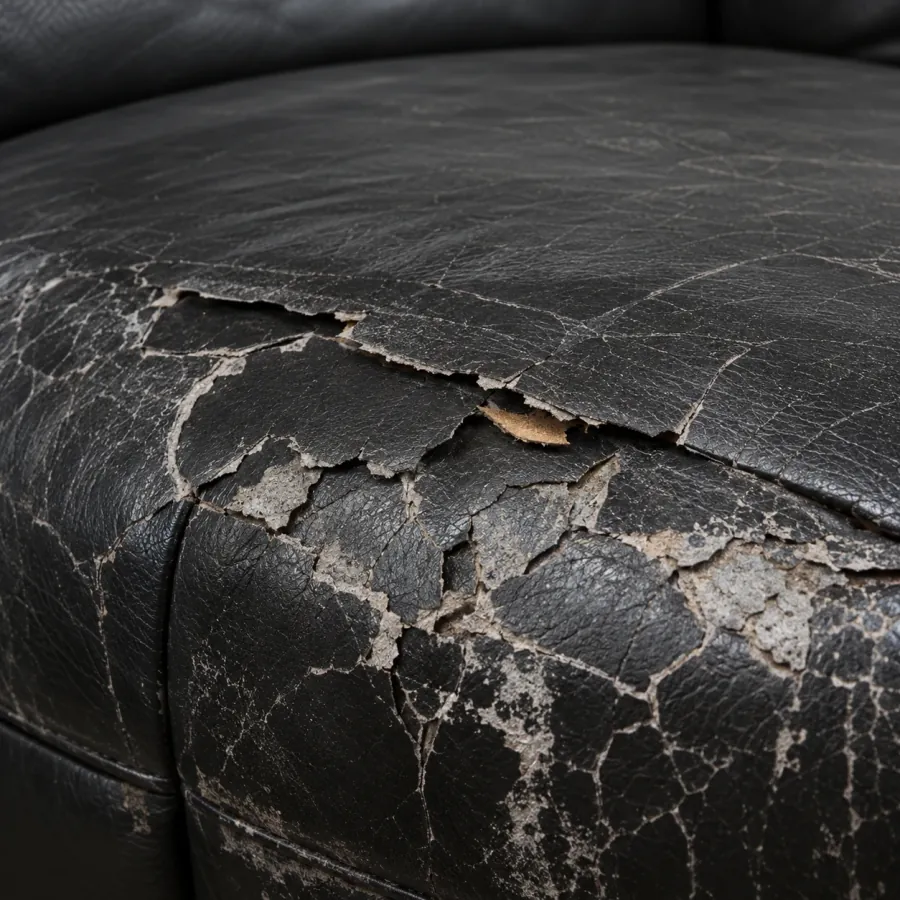
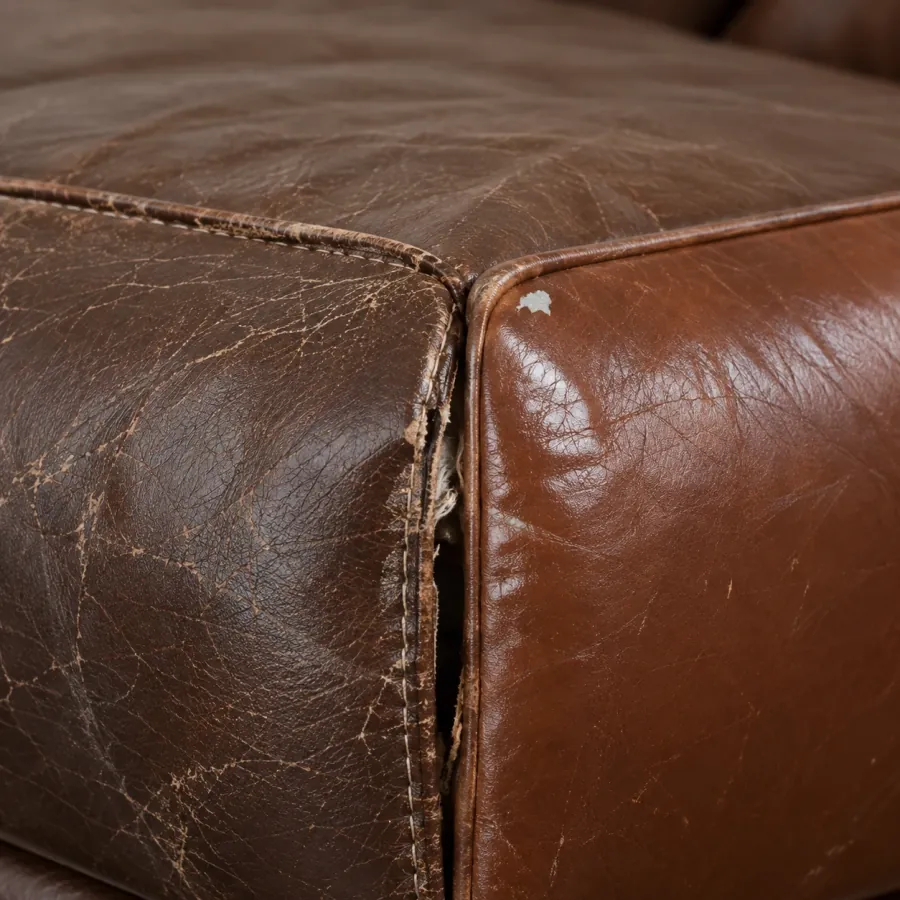
A finish needs sound leather to land on. On these six there is nothing left to hold it — new color comes away with the old.
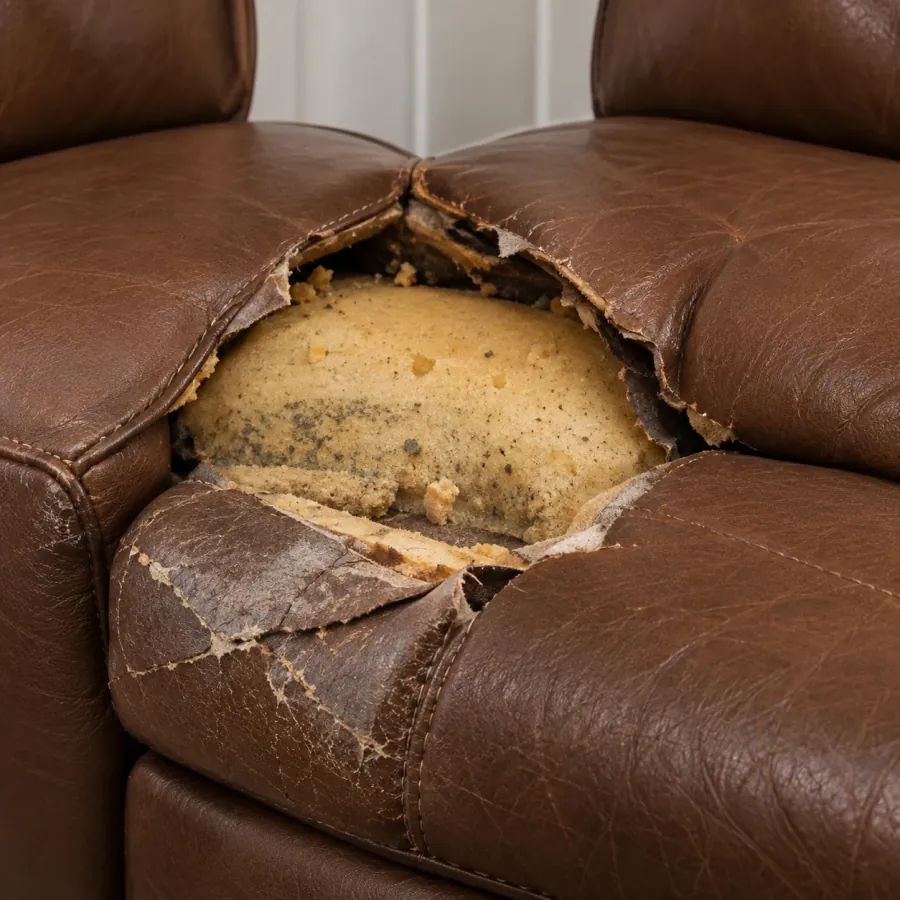
The leather is hard and dry
Color on a brittle hide cracks with the hide. Feeding it comes first — leather conditioning.
Something is still sitting on the surface
Ink, denim transfer, a grease mark. Colored over, it bleeds back up. It gets lifted first: stain removal.
One mark, on a piece that is otherwise fine
One scratch does not need a whole piece refinished. That is scratch repair or scuff repair.
The panel should stop being the thing you look at
View more examples →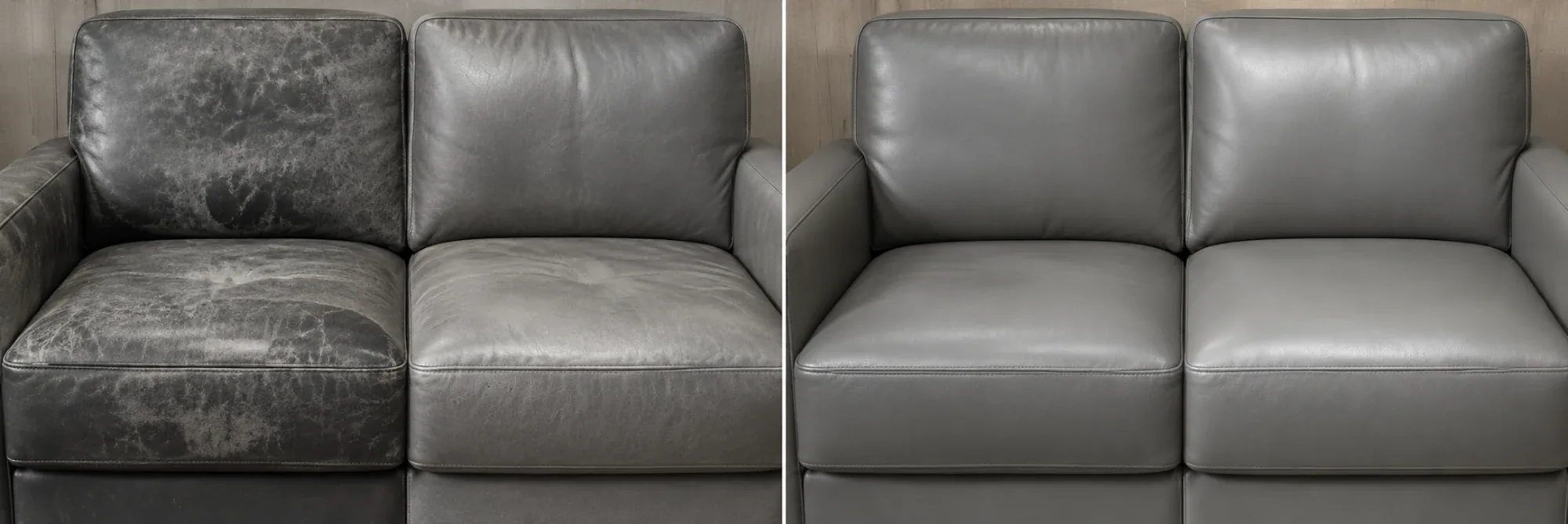
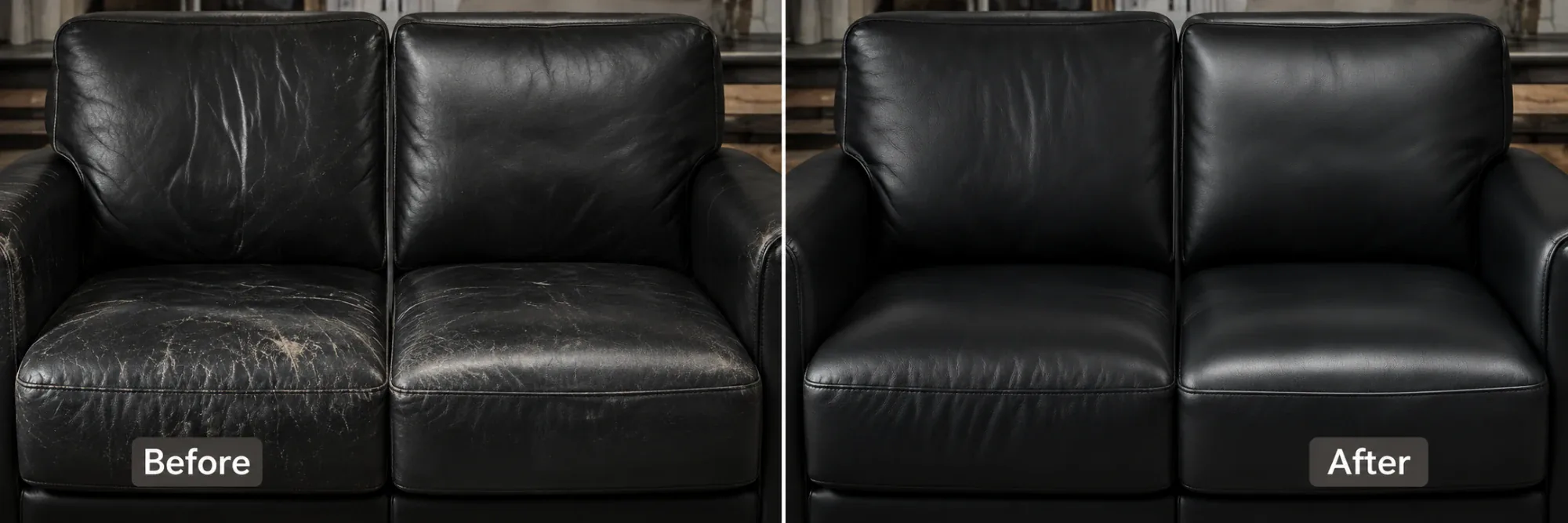
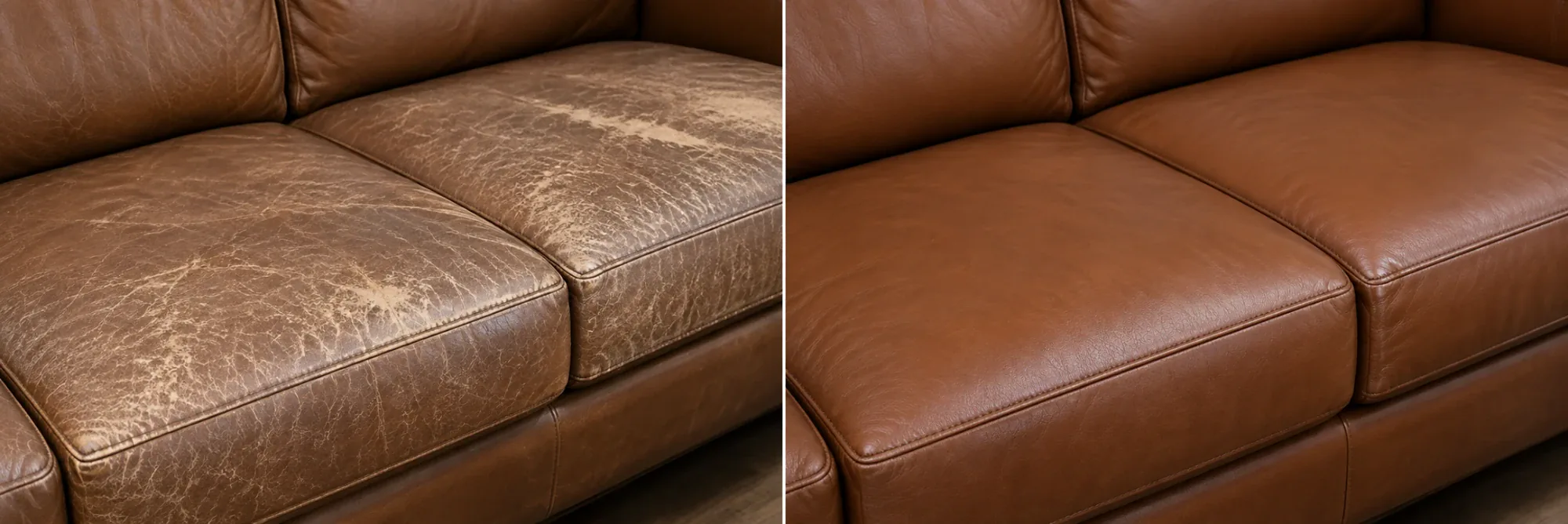
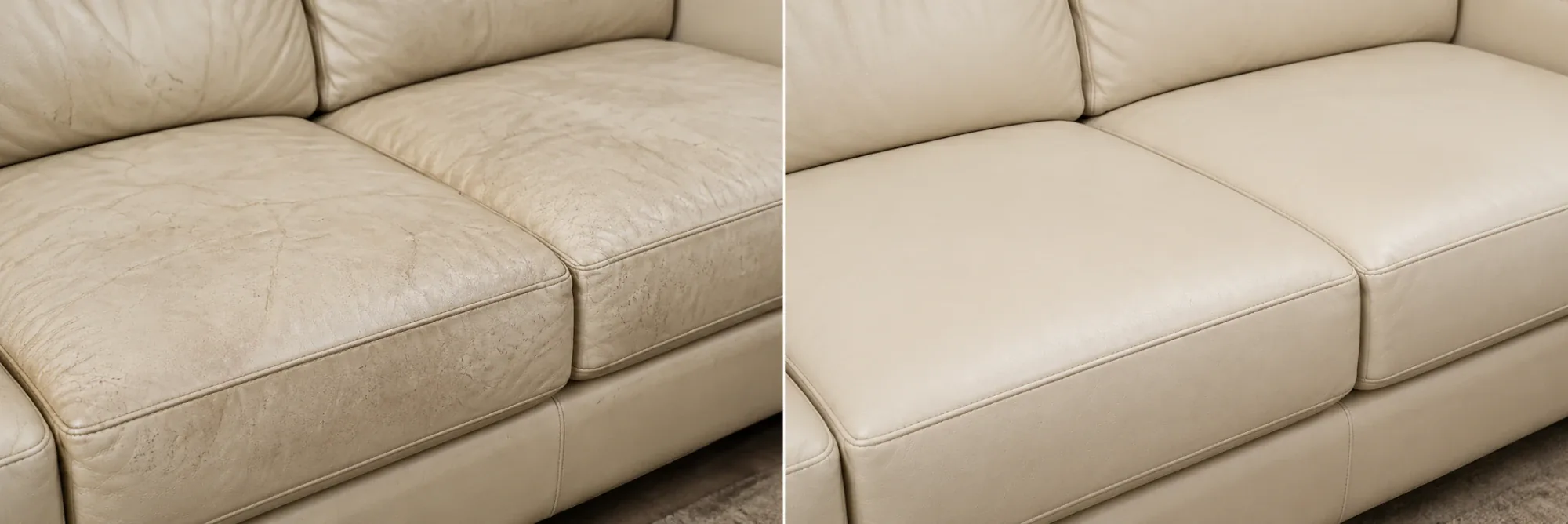
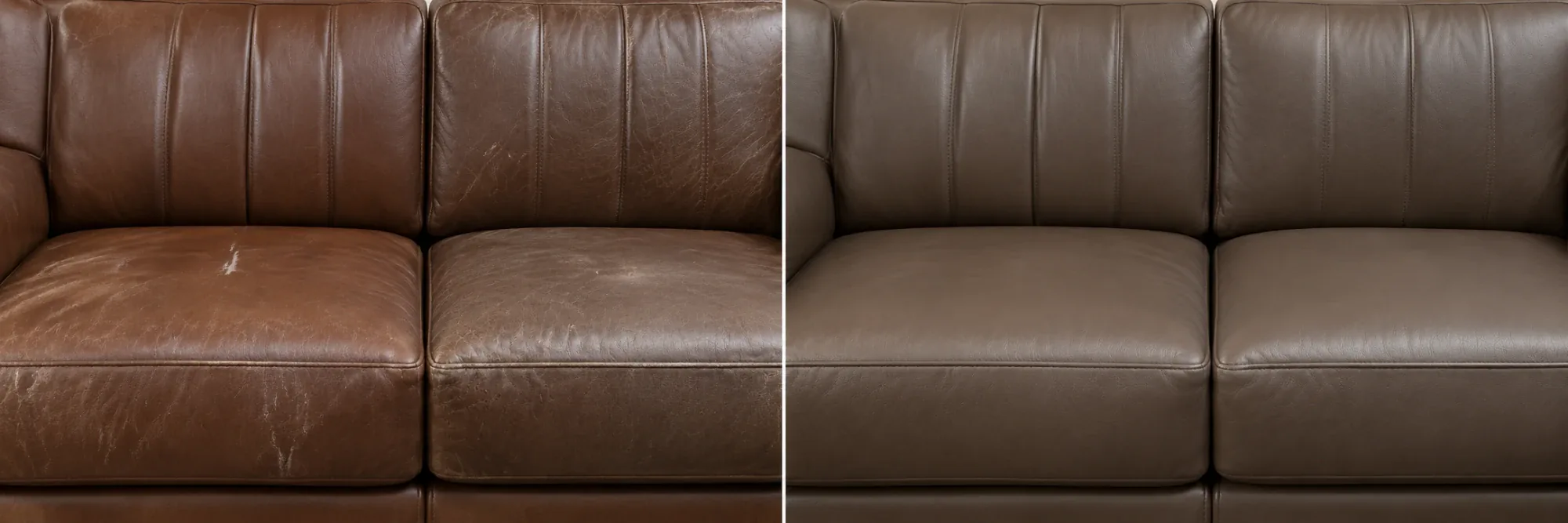
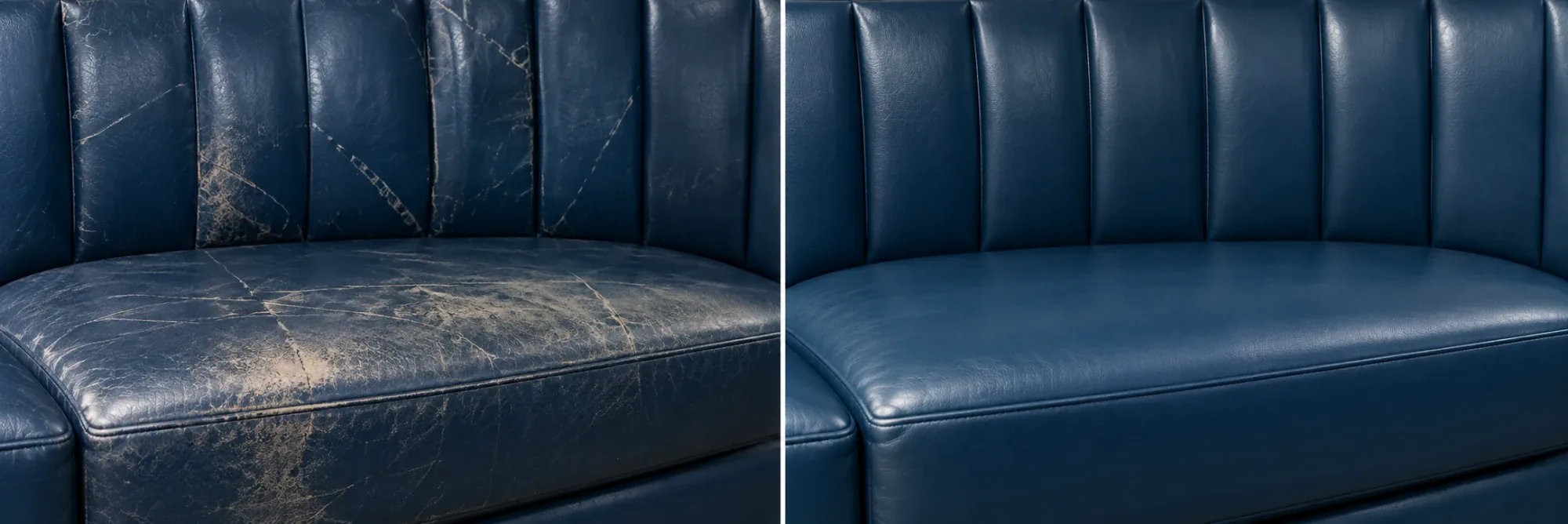
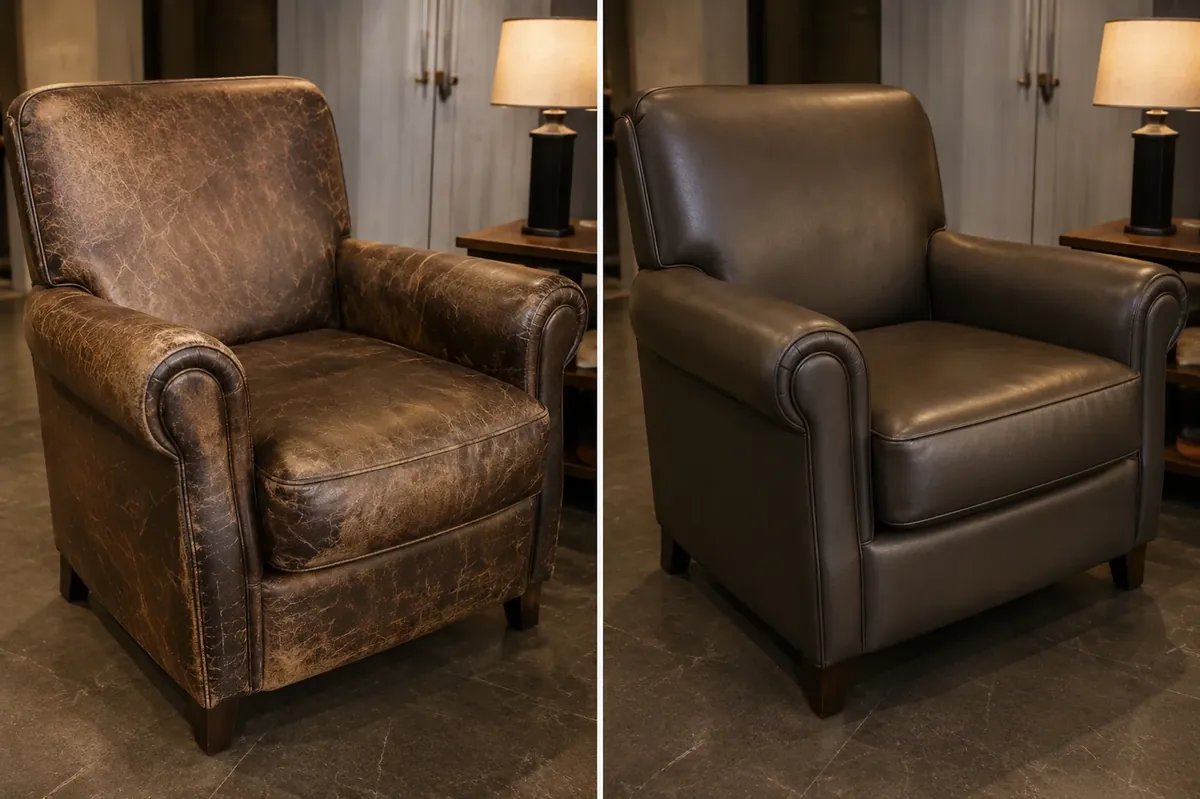
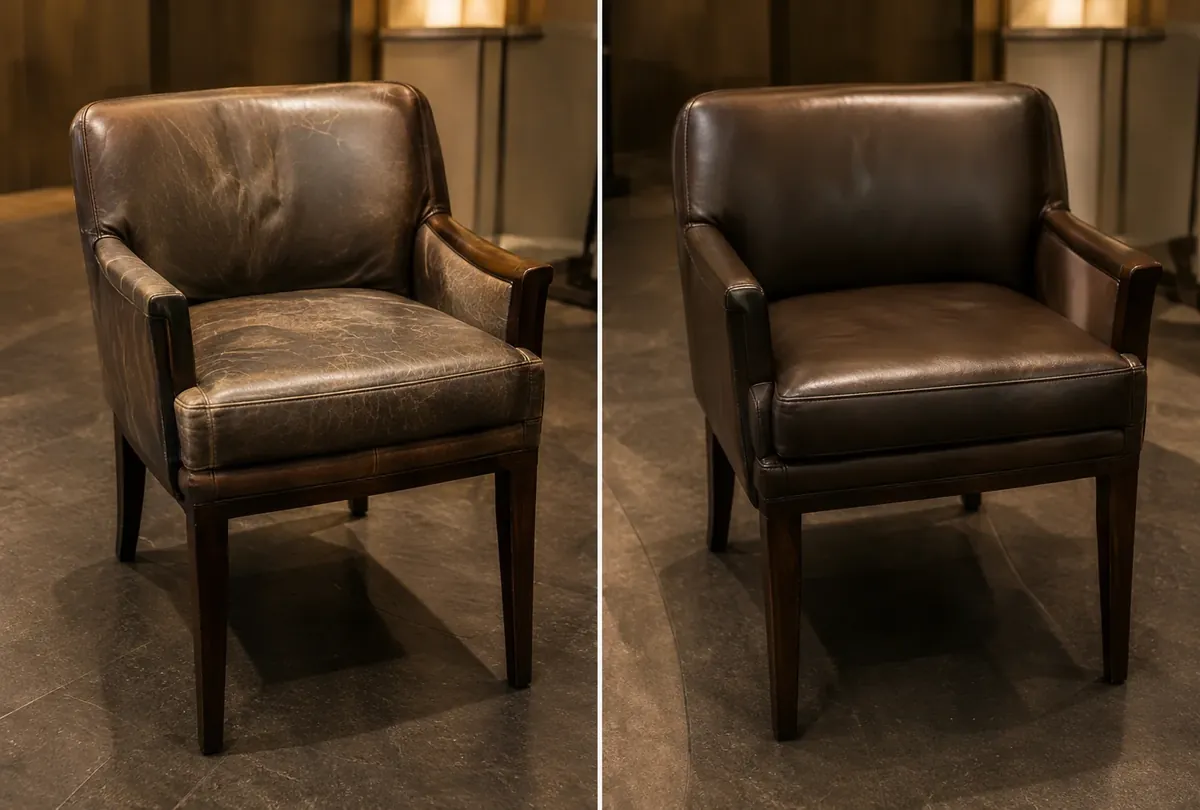
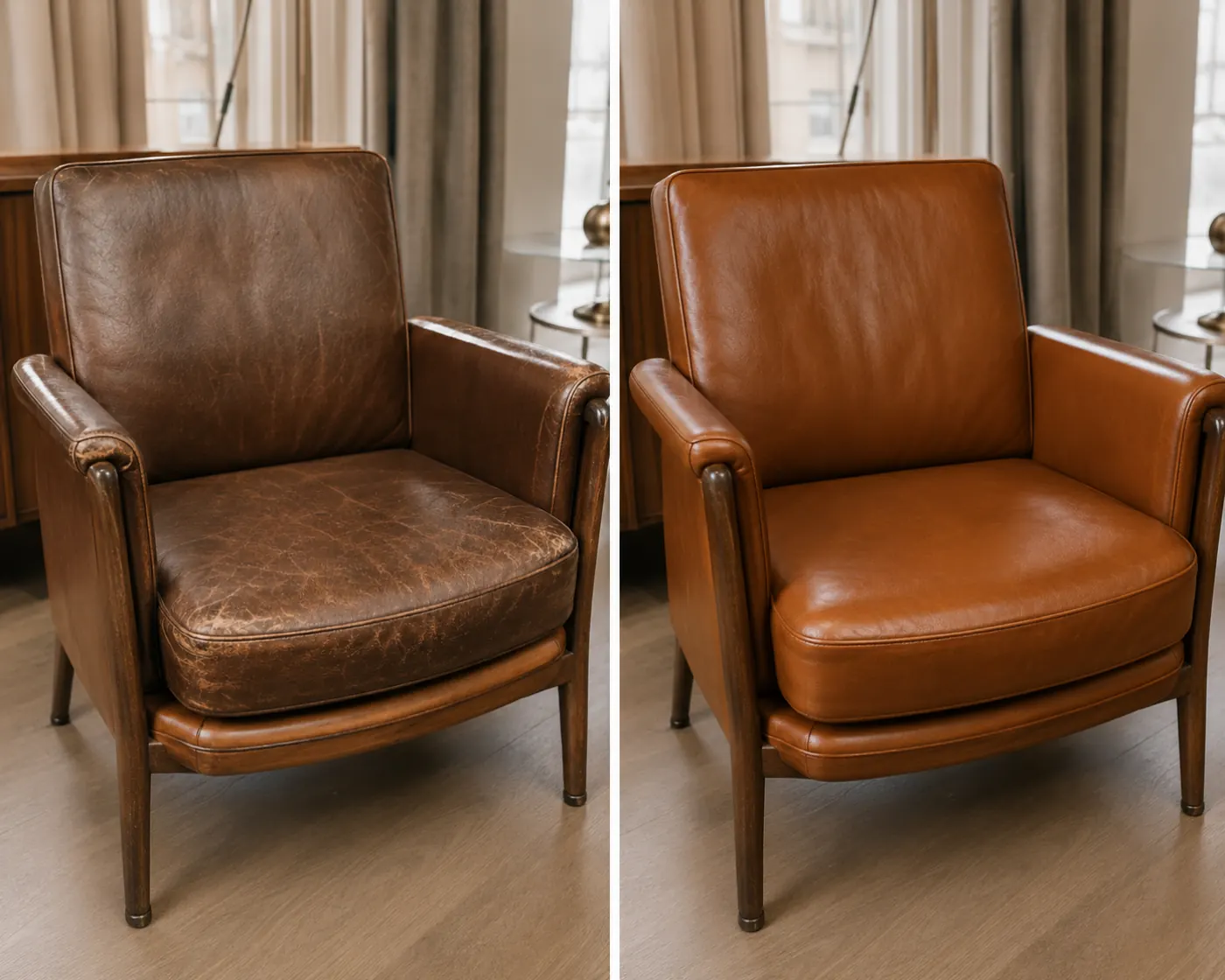
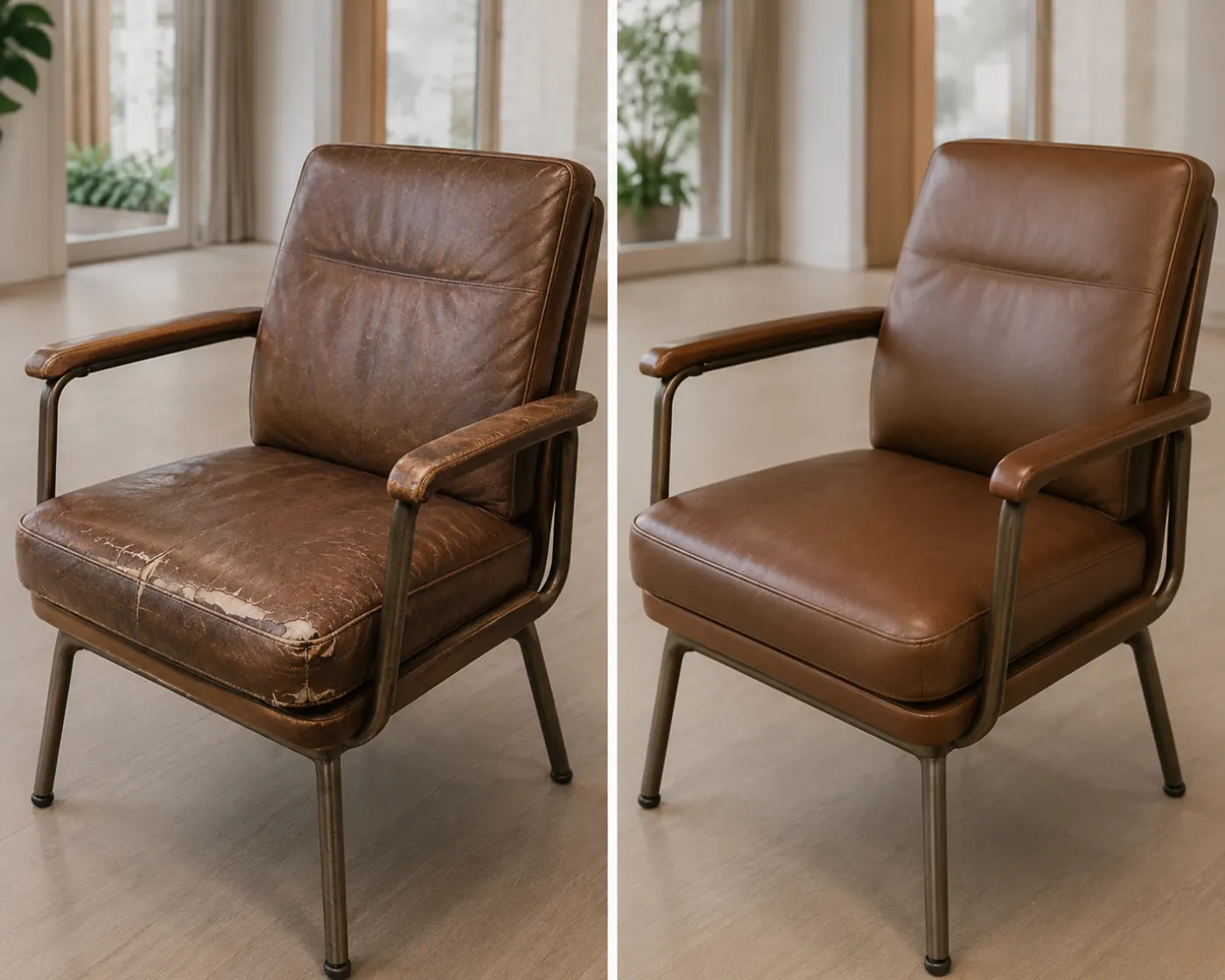
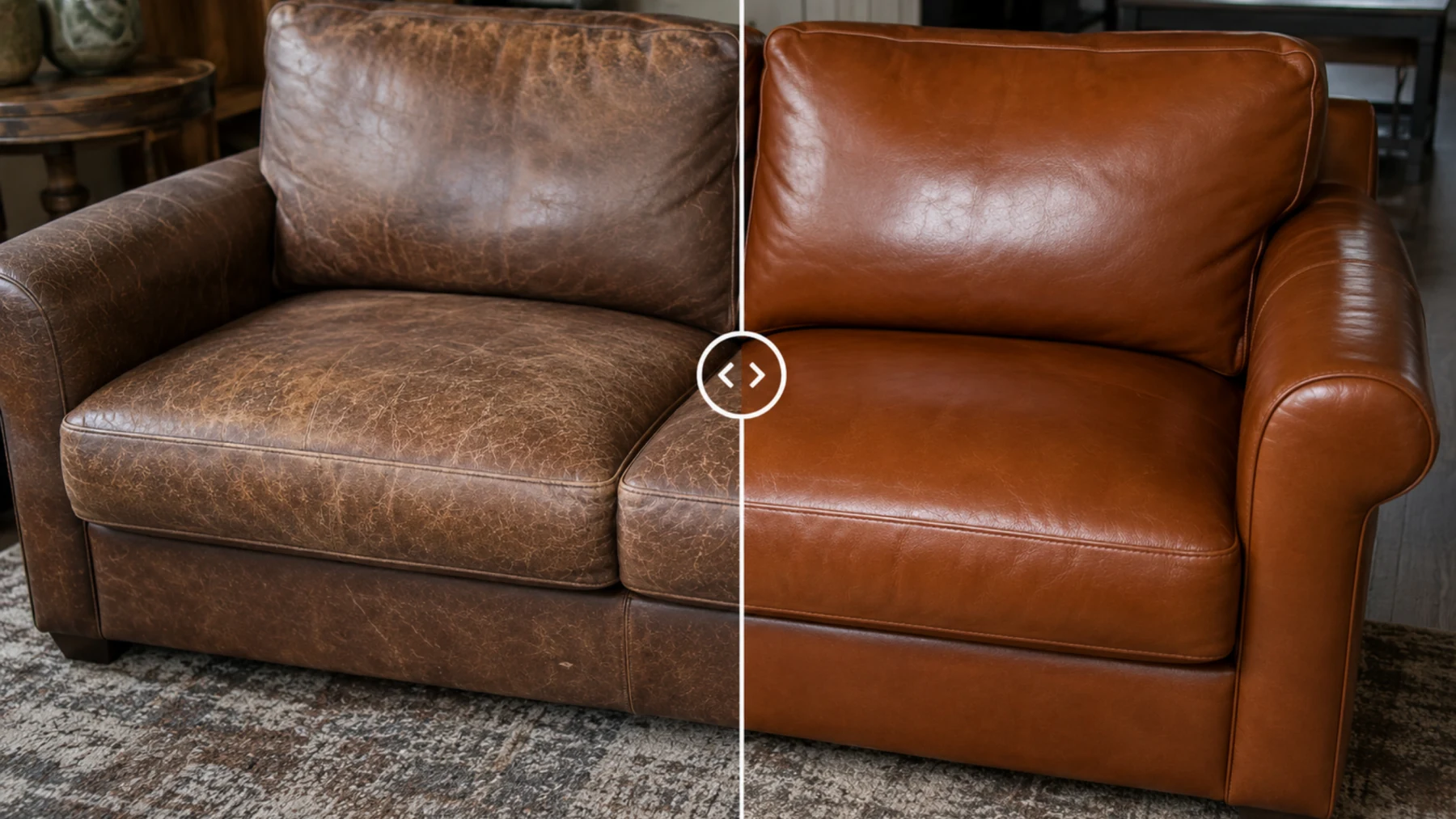
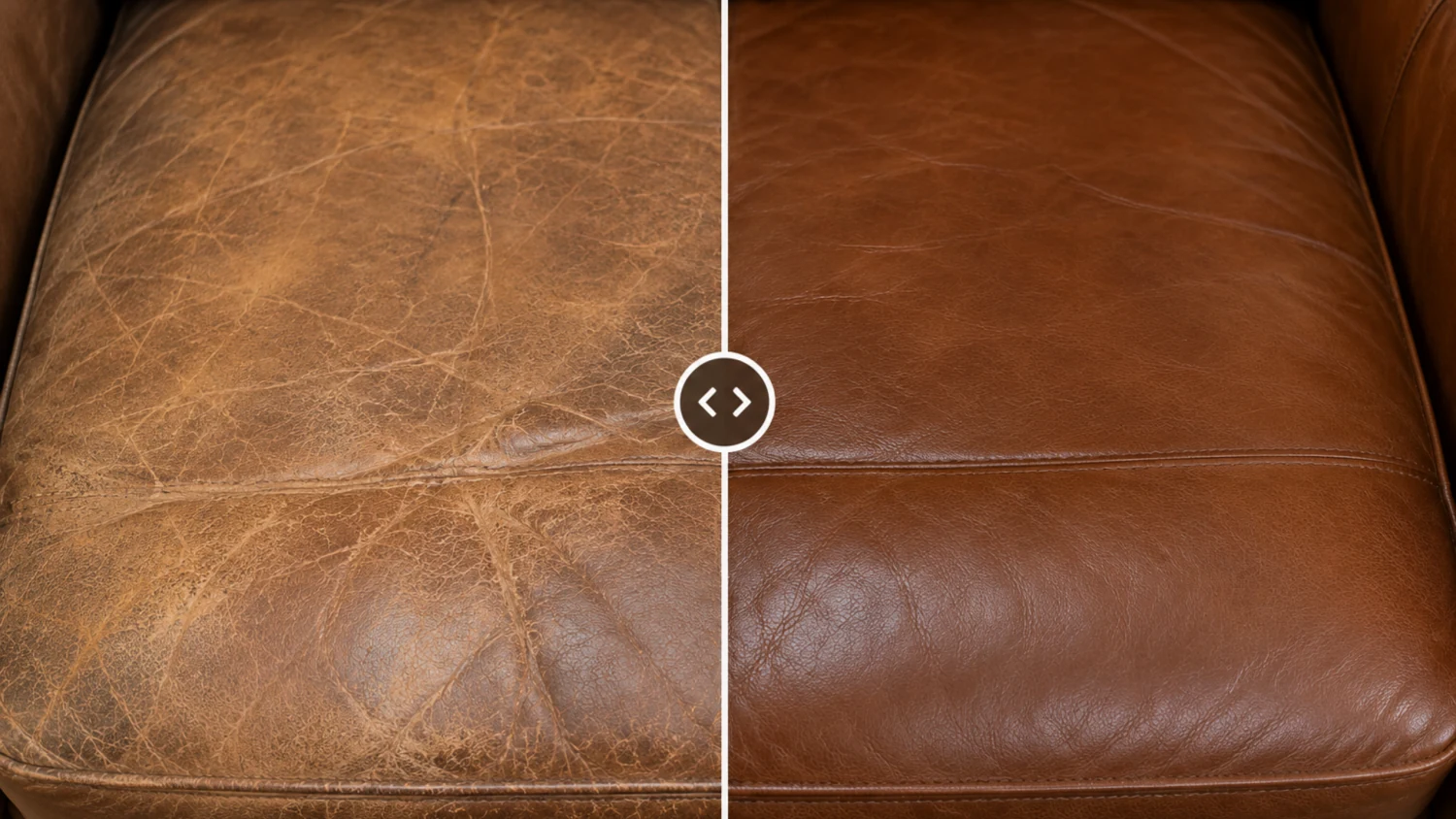
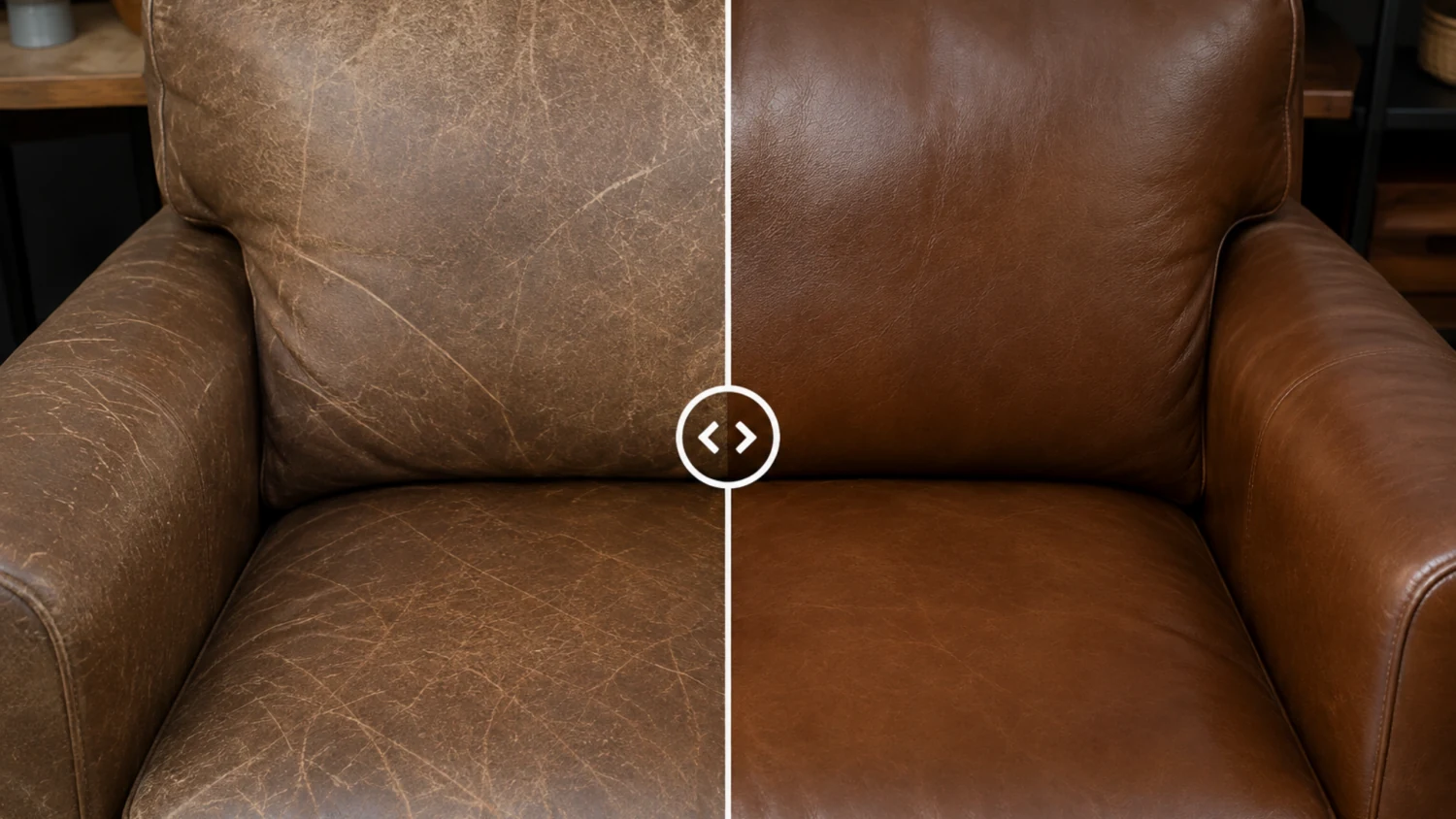
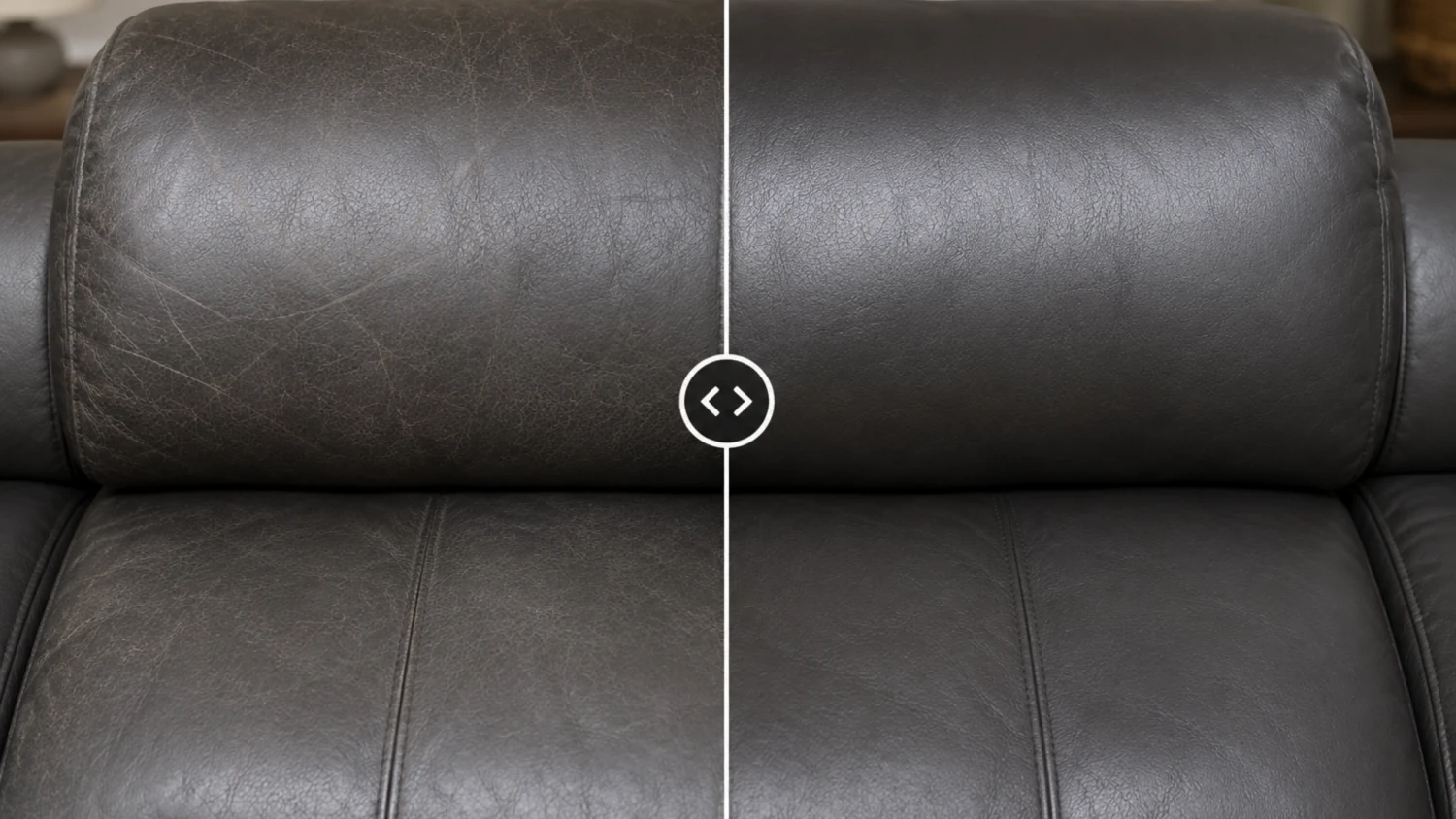
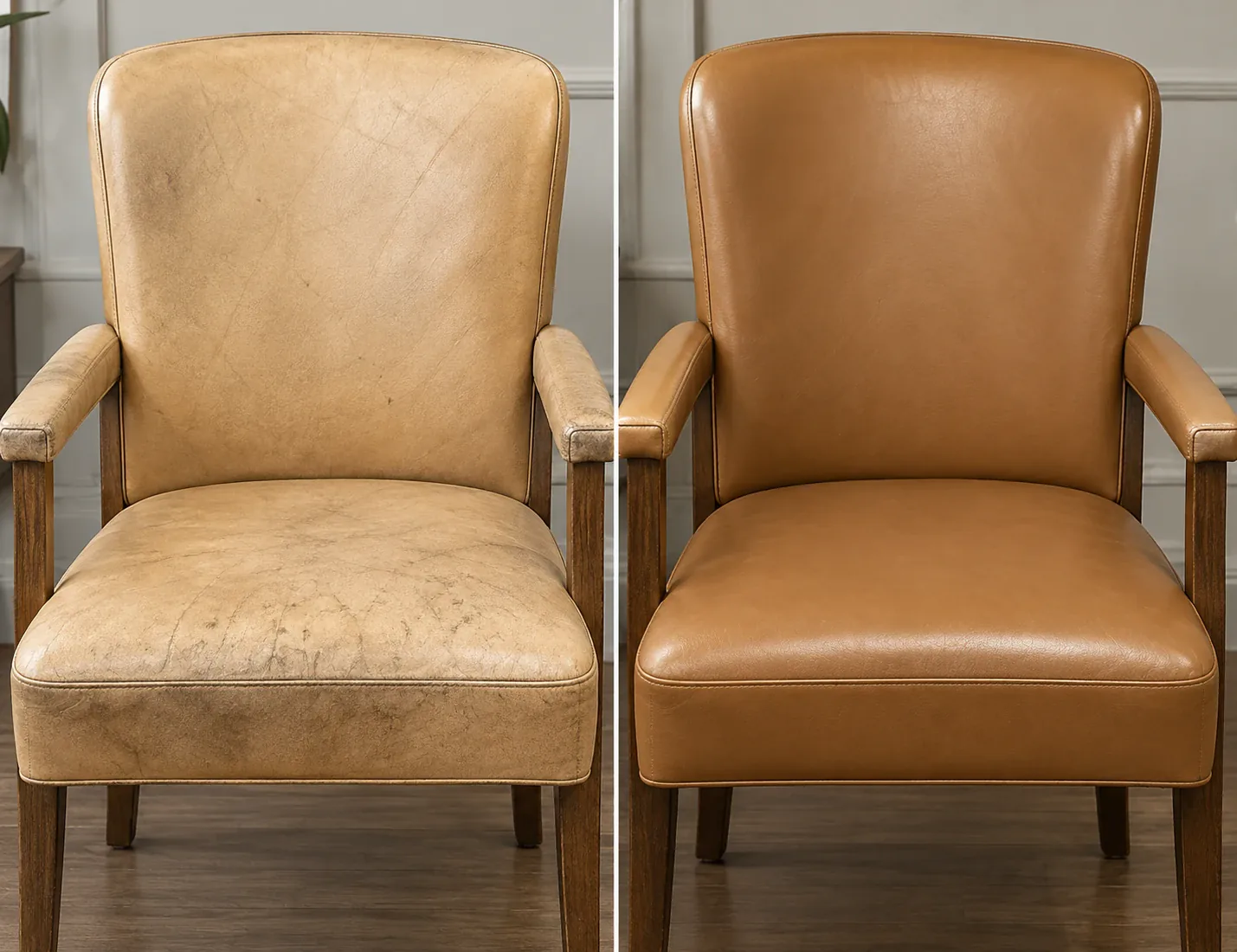
The whole chair, not the worn part of it
The seat and back had gone grey-tan; the sides had not. Coloring only the worn part leaves two shades on one chair, so every panel was sprayed together.