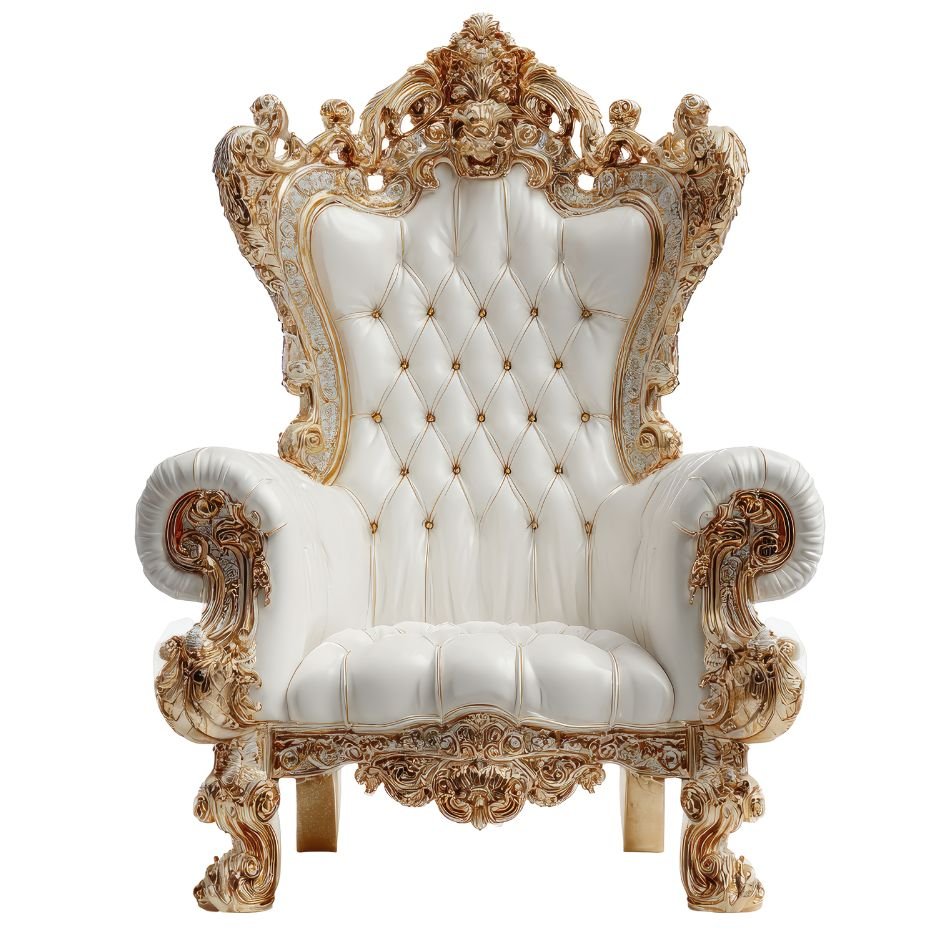
Get The Color Out, Keep The Leather
Denim, dark clothing and colored throws leave their dye behind on pale leather. Most of it comes off. Leather dye transfer removal is that part; blending is the rest. We tell you which one you are looking at before you commit to anything.
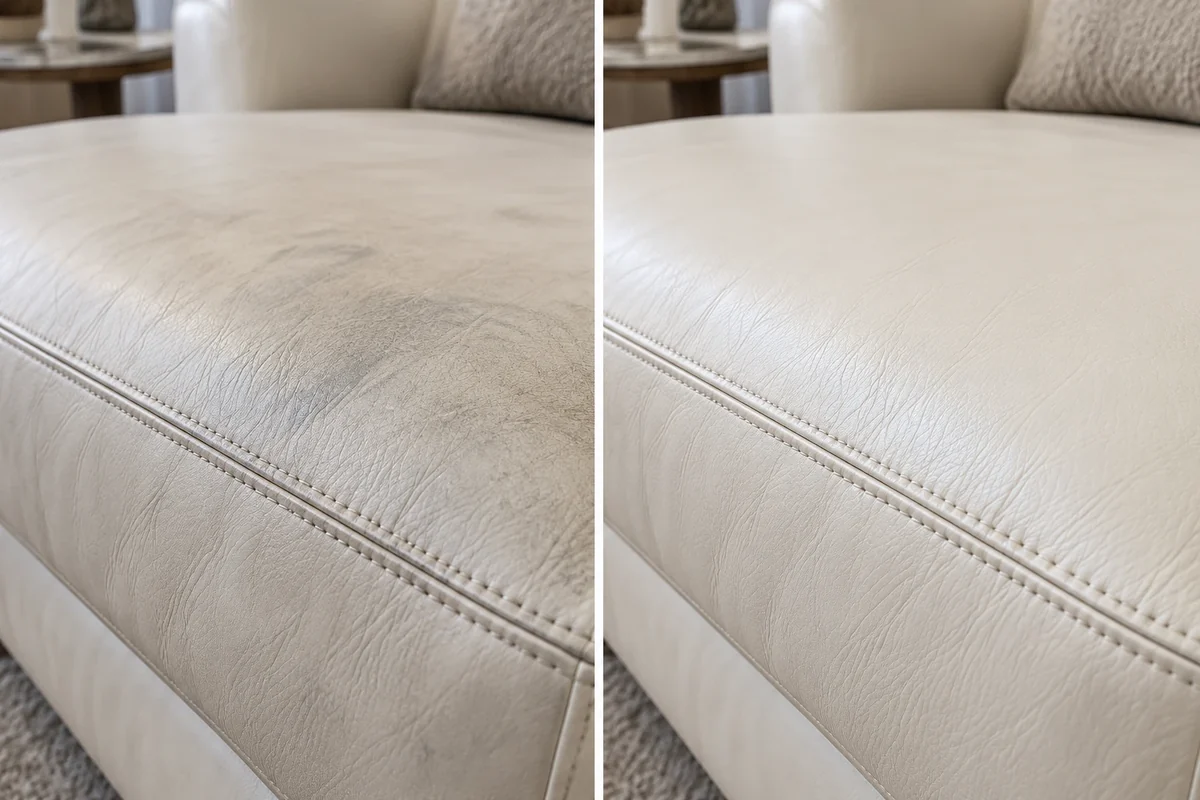
Does your leather look like this?
Six patterns account for nearly every leather dye transfer removal job we are called out to. They all share one cause: something colored sat against the leather and rubbed.
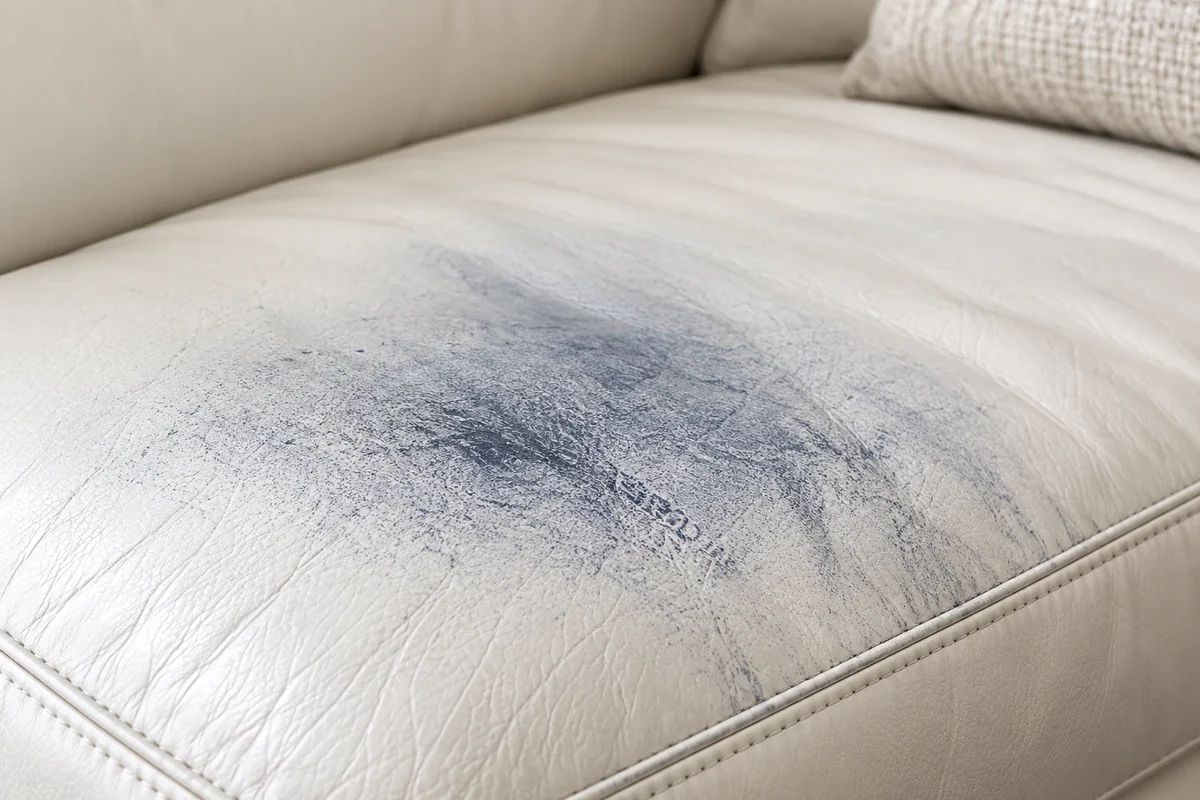
Blue denim transfer
The common one. Seats and high-contact areas.
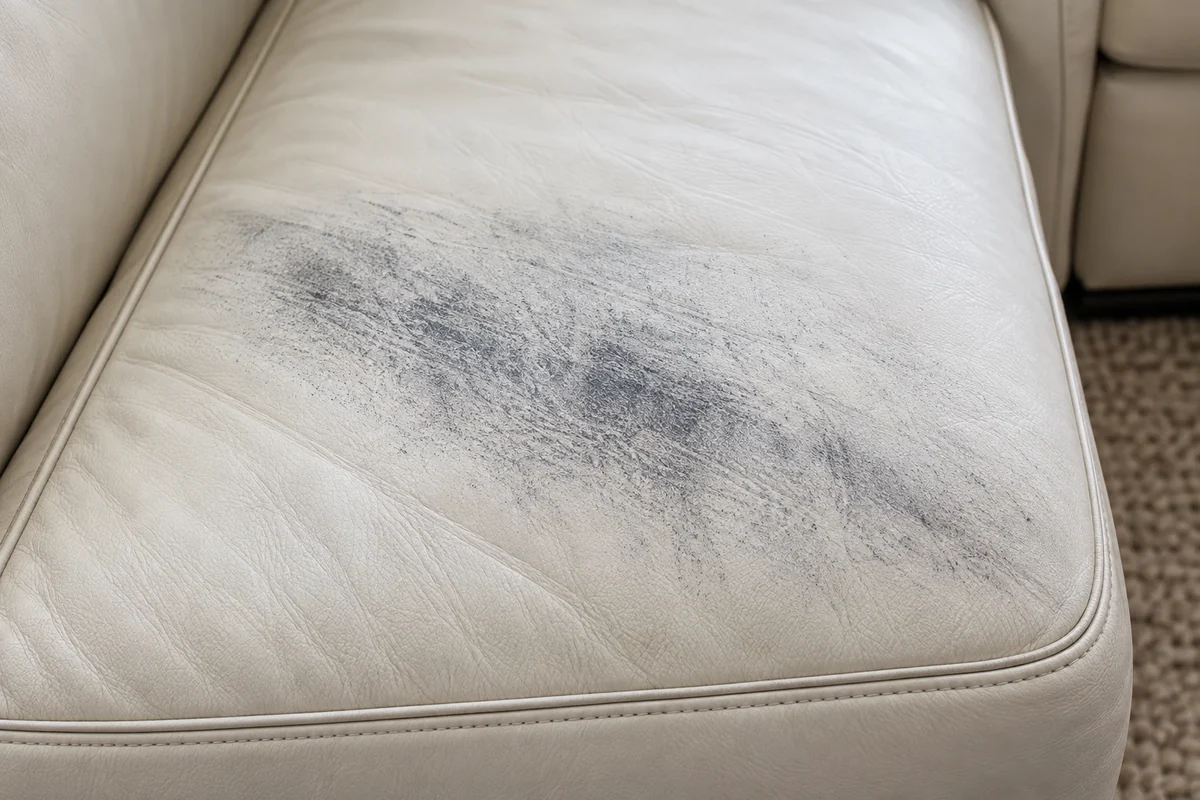
Dark clothing marks
Soft, diffuse, no clear edge. Builds up slowly.
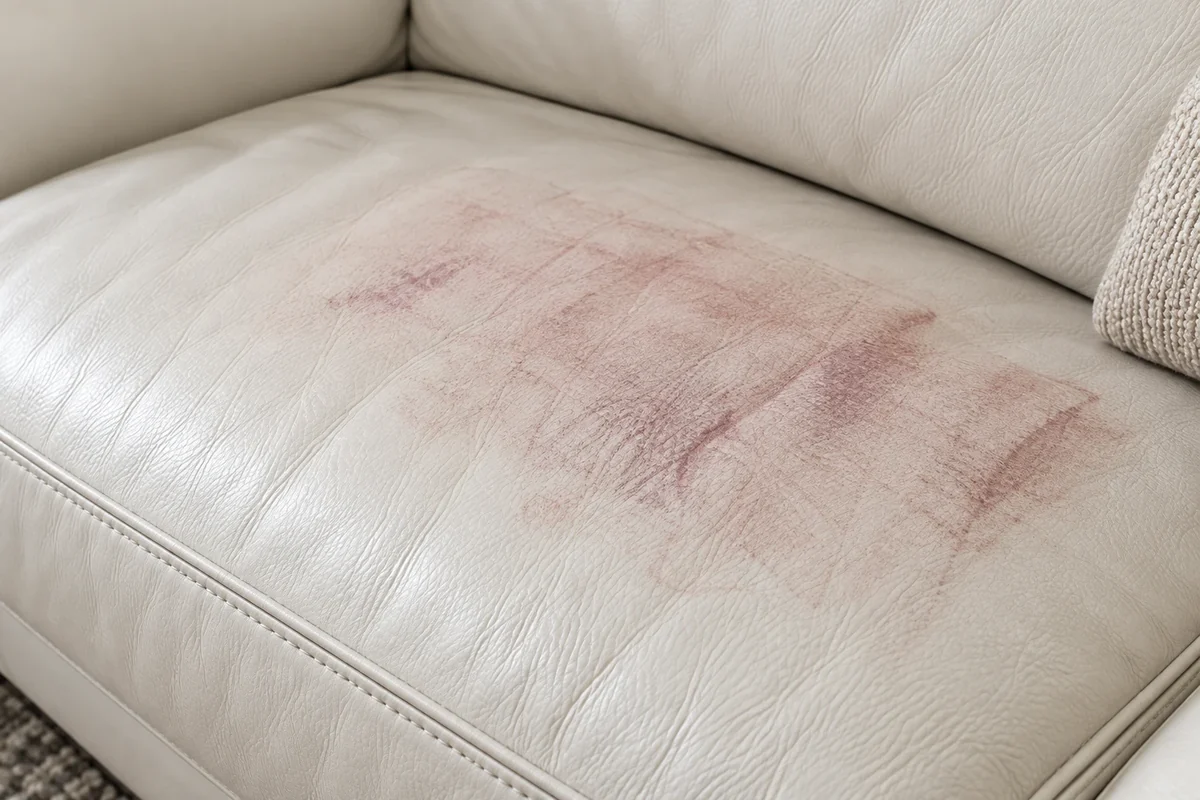
Colored cushion transfer
Throws and scatter cushions carry dye too.
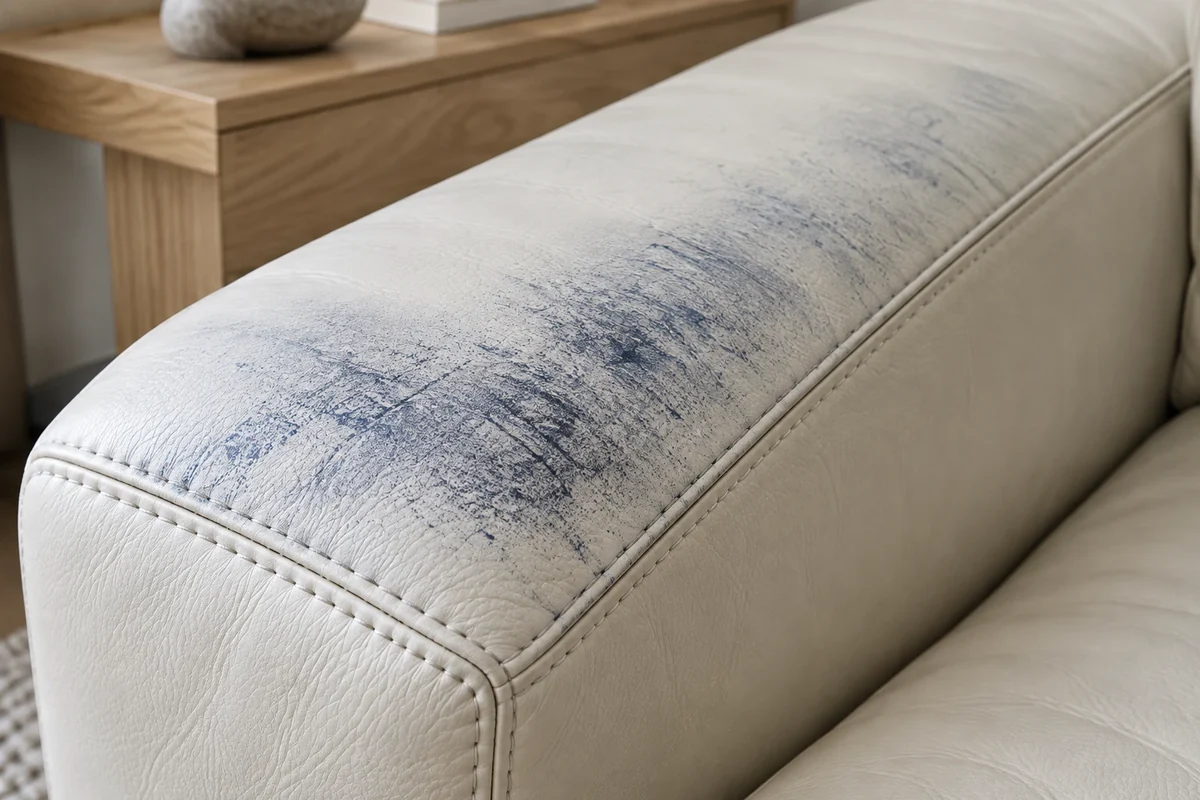
Armrest discoloration
Constant contact, so it arrives slowly and stays.
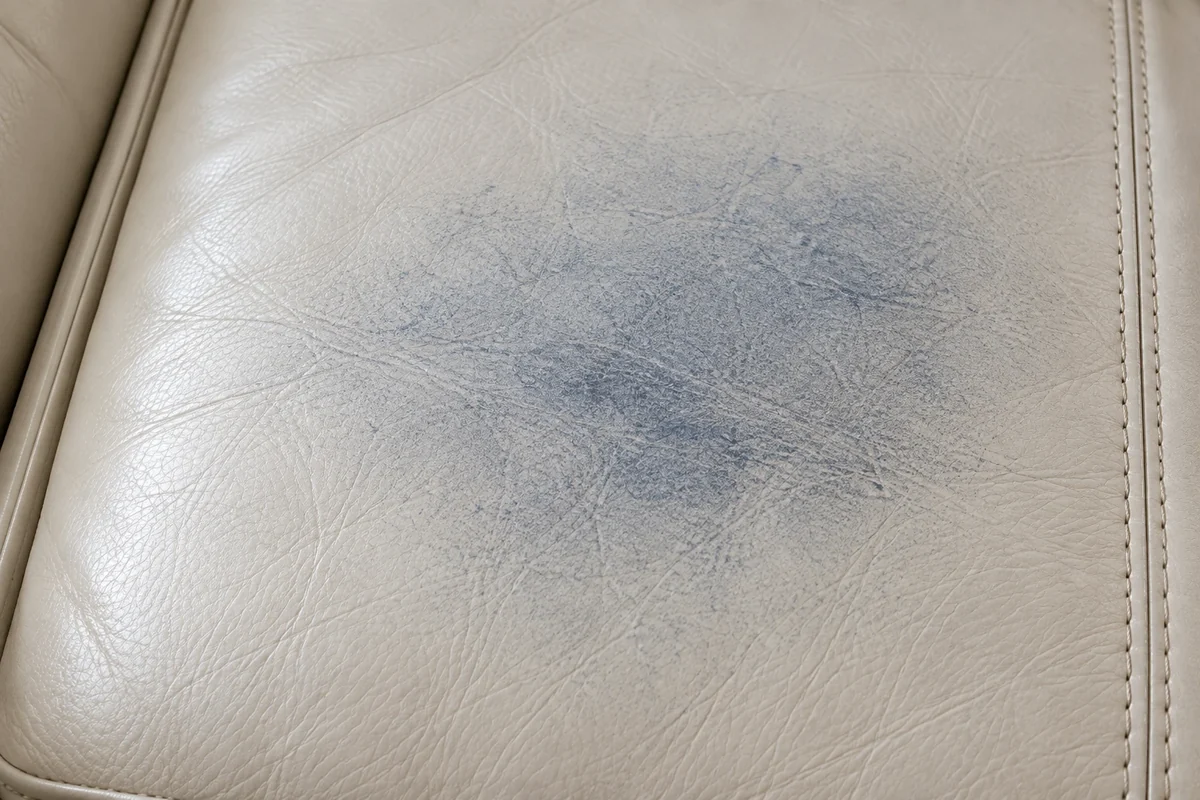
Older absorbed dye
Soft-edged and sunk in. Past sitting on the surface.
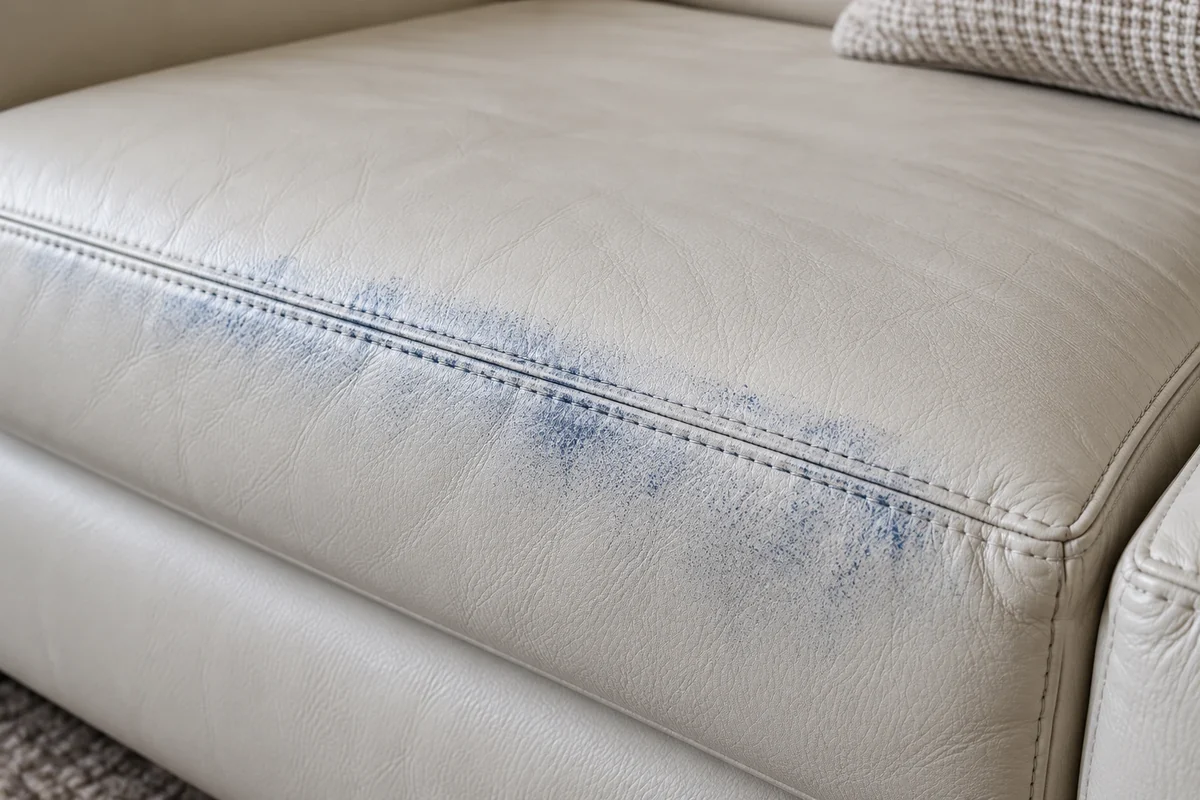
Seat-edge transfer
Follows the edge you sit over, along the piping.
Transferred dye or something else?
Three different problems look identical from across the room and need three different answers, and only one of them is leather dye transfer removal. This is the first thing we settle.
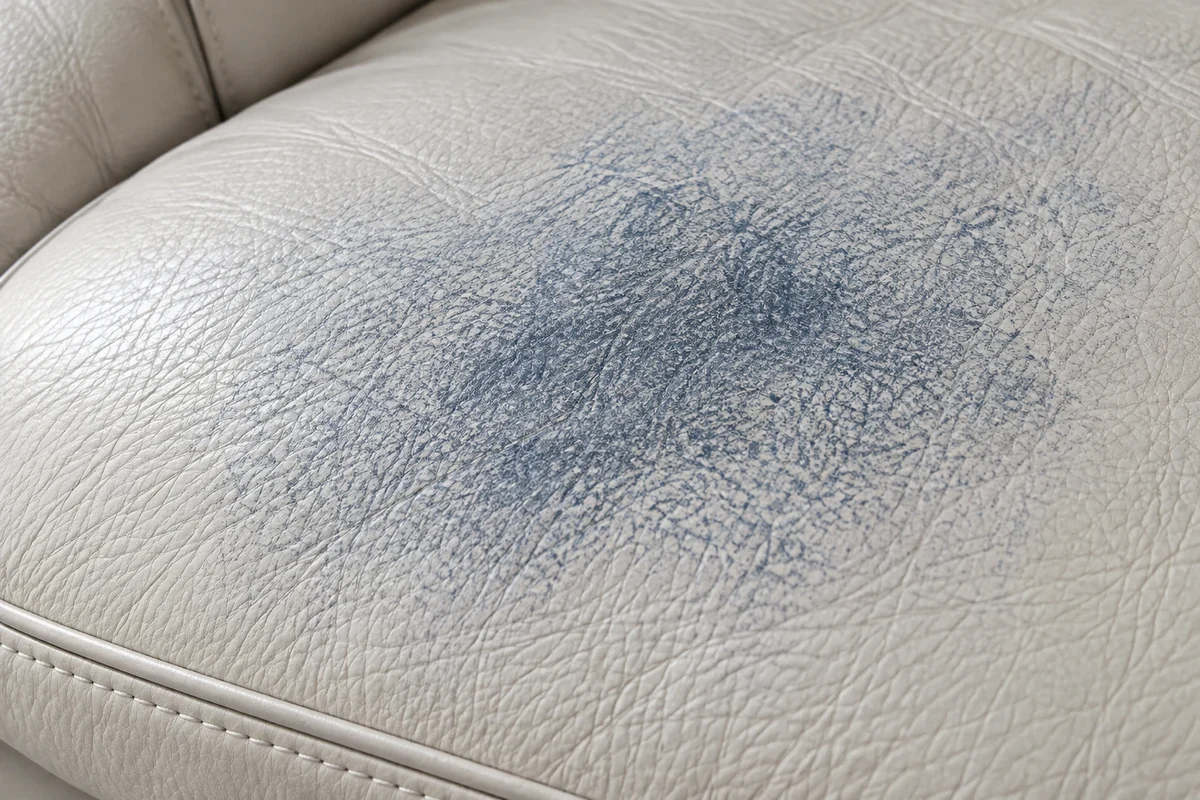
Dye transfer
Color from clothing or textiles, sitting in or on the finish. Something can be taken away.
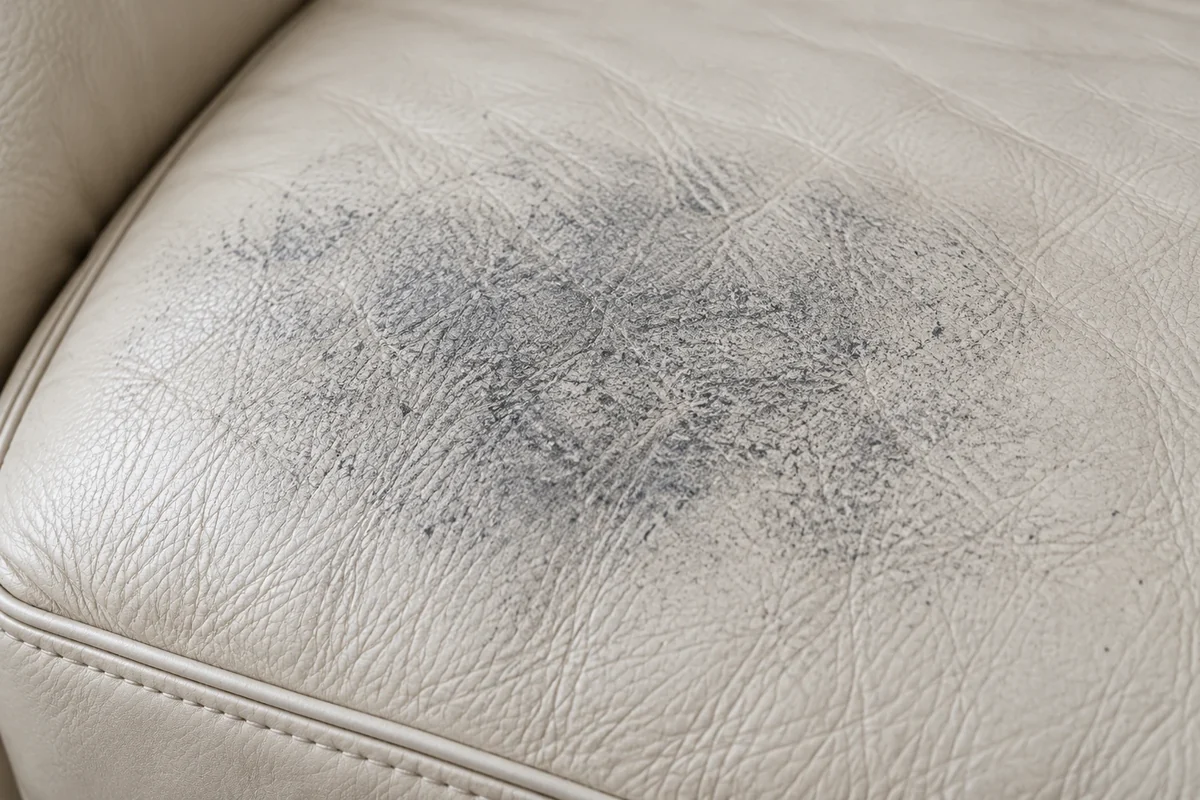
Surface dirt
Body oils and soil, not color. It cleans off, and dry leather afterwards wants conditioning, not correction.
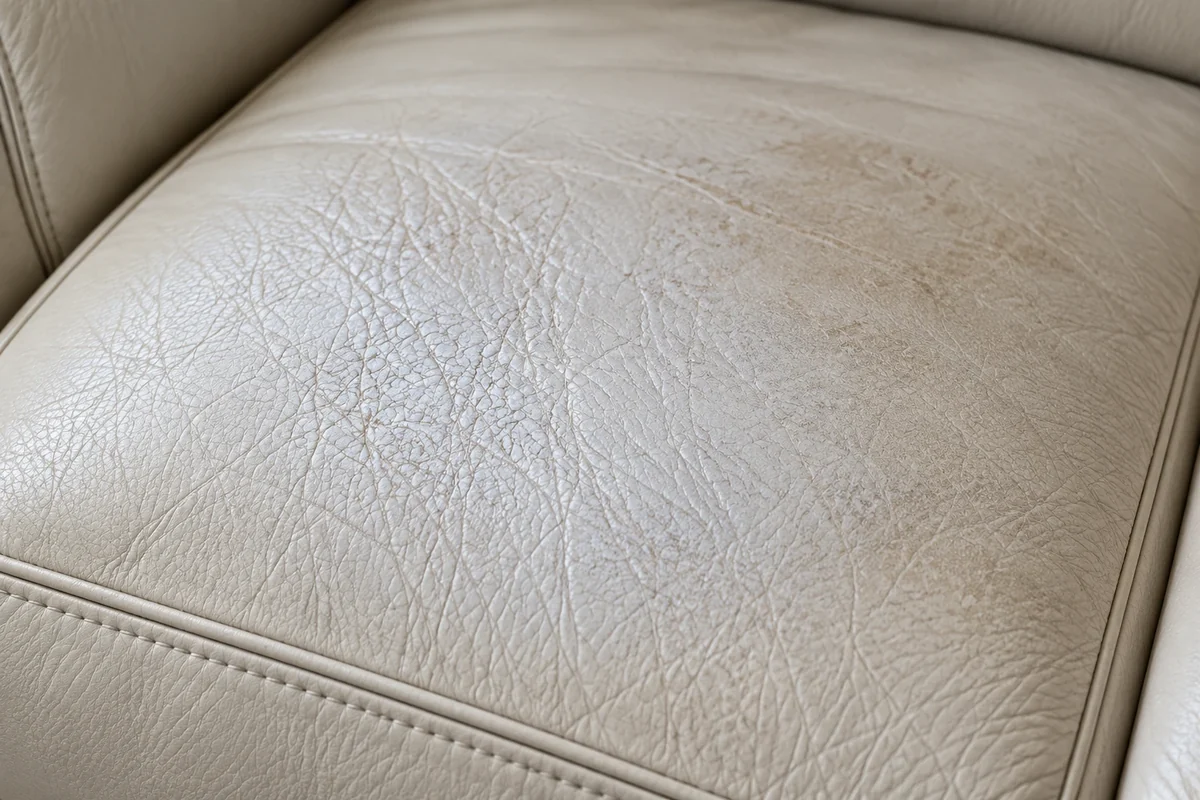
Color loss
Wear or damage to the finish. Nothing to remove — this one needs color put back, which is color restoration.
Nobody spilled anything
Dye transfer is a friction problem. Understanding that is what tells you whether the mark on your sofa is still coming off.
Pressure and rubbing
Loose dye sits on the face of new or dark-washed denim. Body weight plus movement abrades it onto the leather. That is why marks land on seats, arms and front edges rather than anywhere random.
Weeks matter, months cost
Early on the color is still held in the top coat and lifts. Body heat and repeated sitting drive it deeper, and after that removal becomes partial removal plus blending.
Home remedies lock it in
Alcohol, acetone and melamine sponges take the finish off with the dye and leave a dull, patchy ring. Spot testing out of sight first is standard conservation practice for good reason — that damage costs more to fix than the stain did.
Can the transferred color be fully removed?
Sometimes completely. Sometimes to a shadow you have to look for. We would rather show you both outcomes now than promise one.
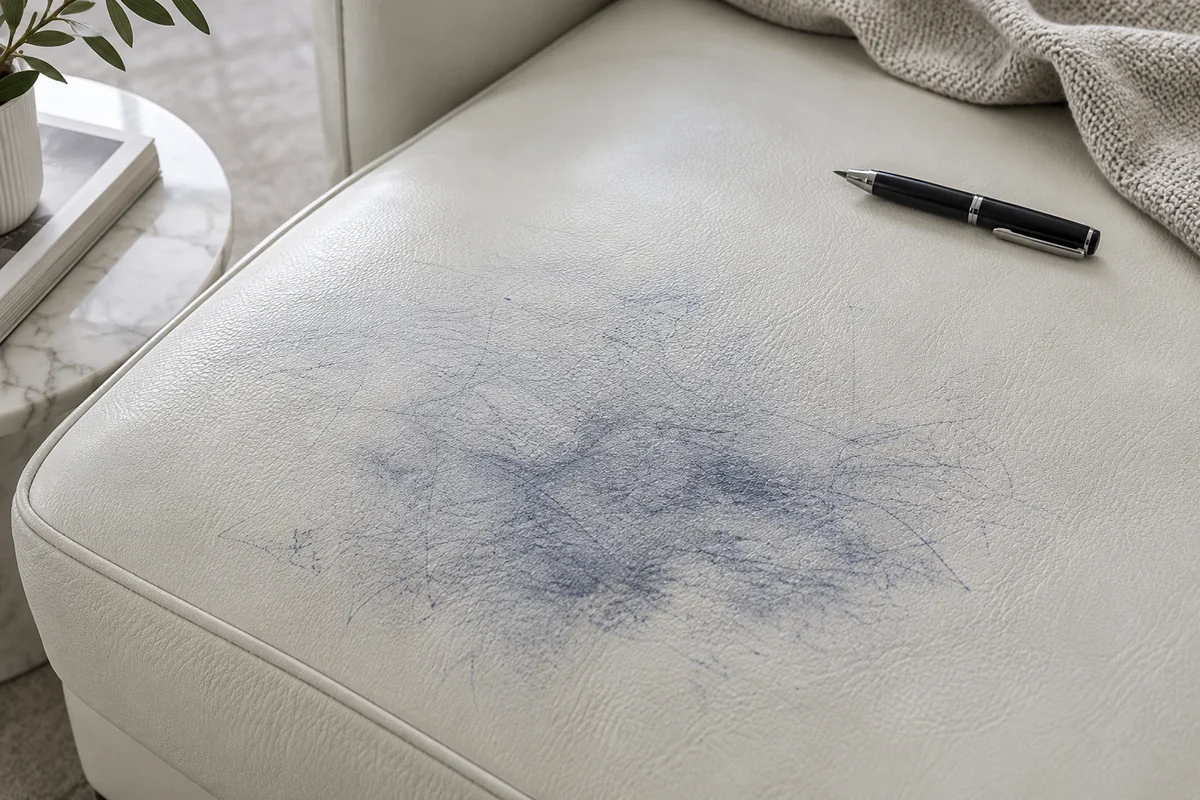
Surface dye
Held in the coating. Even a dark, dramatic mark can come away clean when the finish is intact.
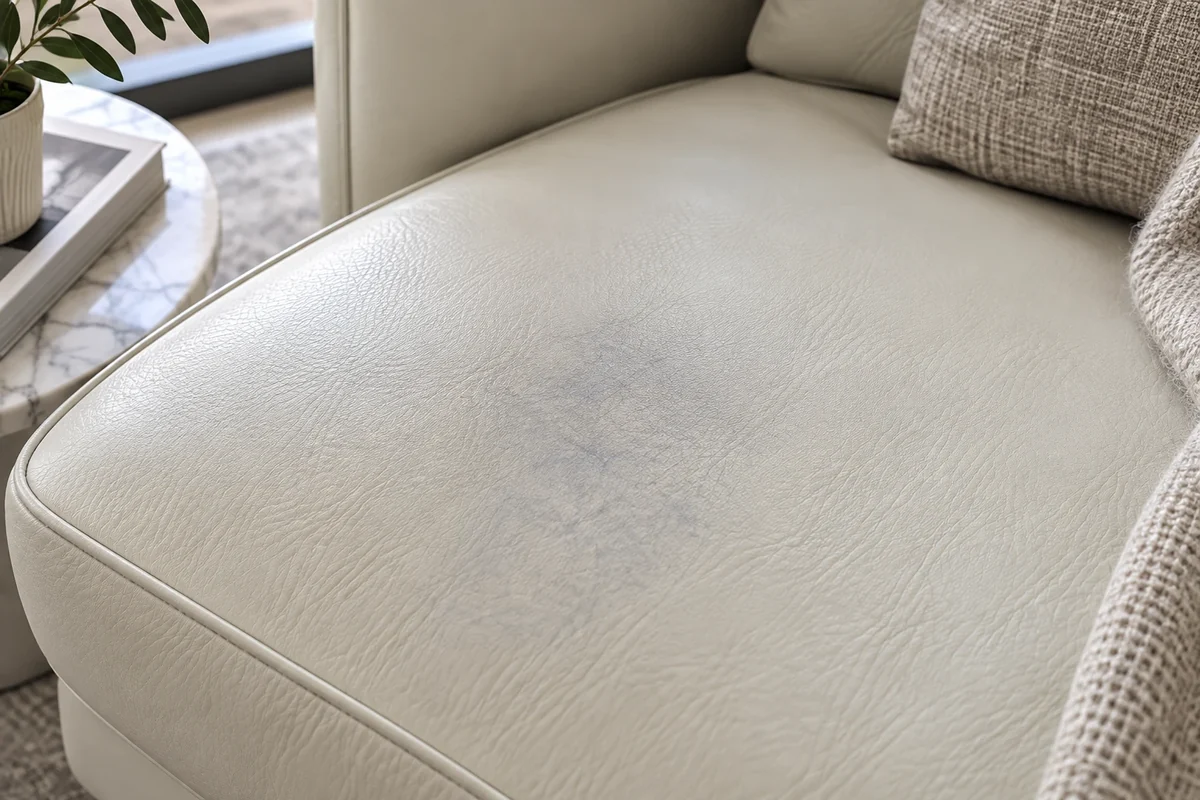
Faint residual shadow
Dye that reached the hide leaves a trace. It stops being a stain and becomes a tone — and tone is correctable.
Which leather dye transfer removal outcome you get is decided by two things, and neither of them is effort: how long the color has been there, and what the leather is finished with.
Your finish decides the outcome
Leather dye transfer removal is not one procedure. The same denim mark on three different sofas is three different jobs. Leather behaves by its finish, which is why specialists treat it as its own material class rather than as upholstery.
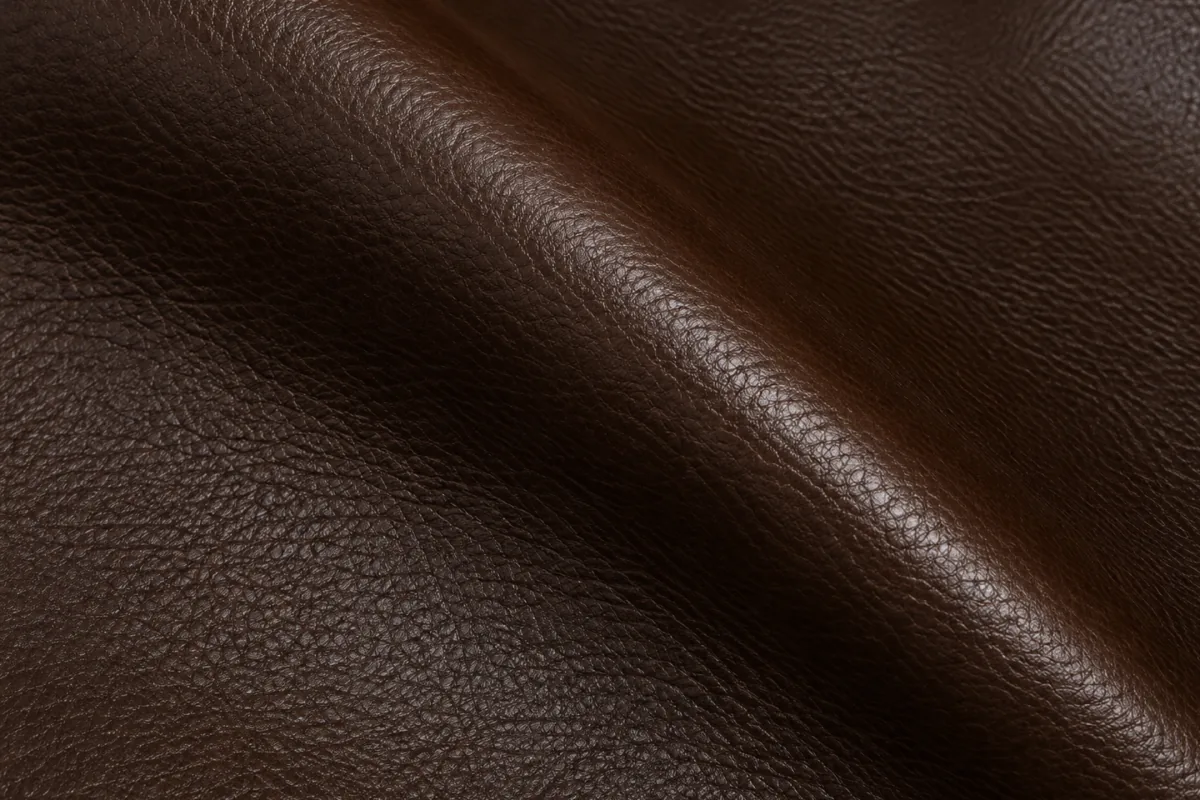
A coating between dye and hide
The most common furniture leather and the most forgiving. Transferred color usually sits on the coating, so it lifts without touching the hide underneath. Pigmented leather
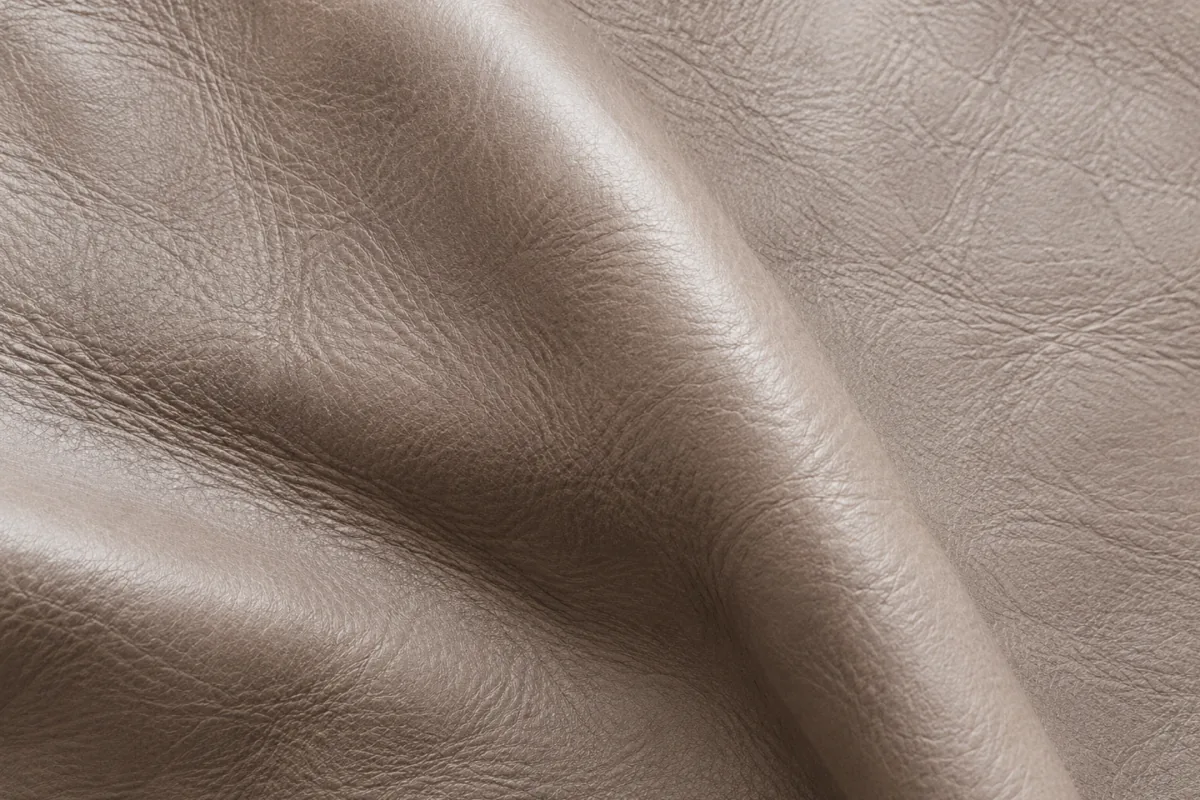
A light coat over dyed hide
Thin protection over color that runs through the leather. Some of the transfer lifts, some has already passed the coat, so blending usually finishes the job. Semi-aniline leather
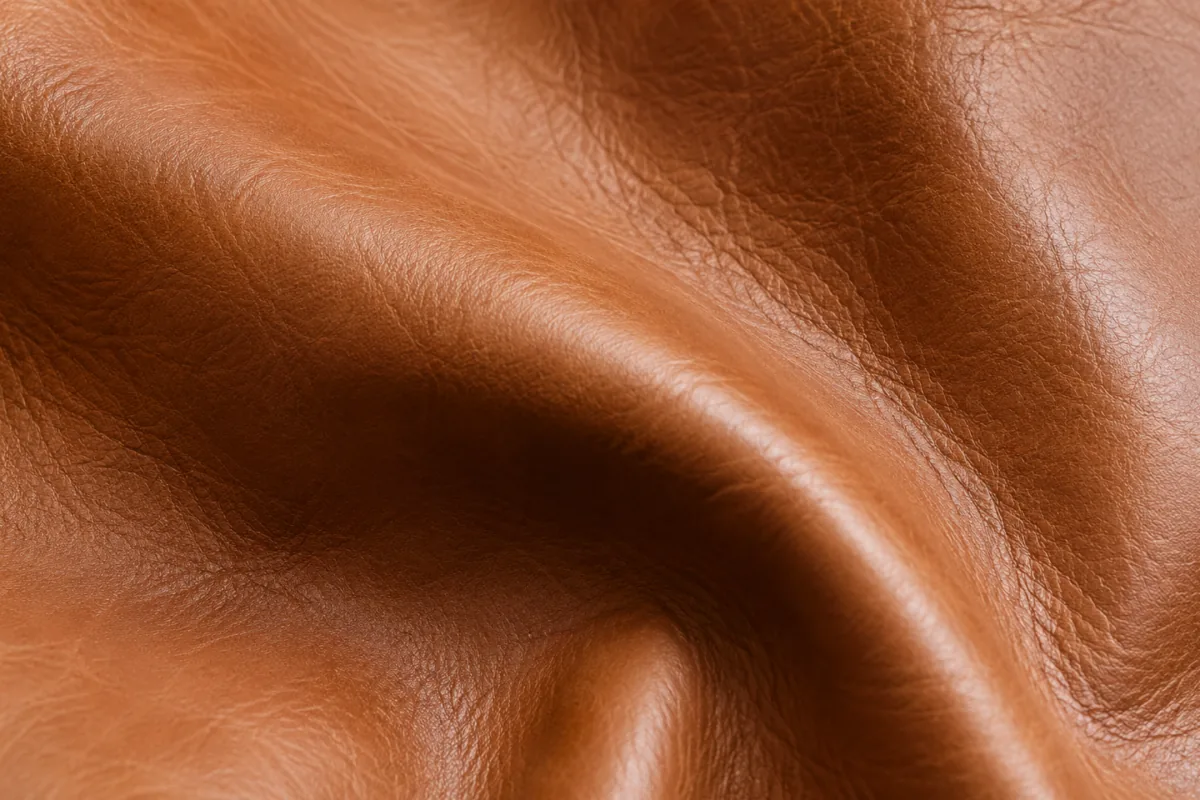
Nothing standing in the way
Uncoated and absorbent, which is what makes it beautiful and what makes it vulnerable. Dye goes into the hide, so correction does most of the work here, not removal. Aniline leather
Treatment, color restoration or replacement?
Every leather dye transfer removal quote lands on one of these three routes, chosen after we have seen the piece. Not a package.
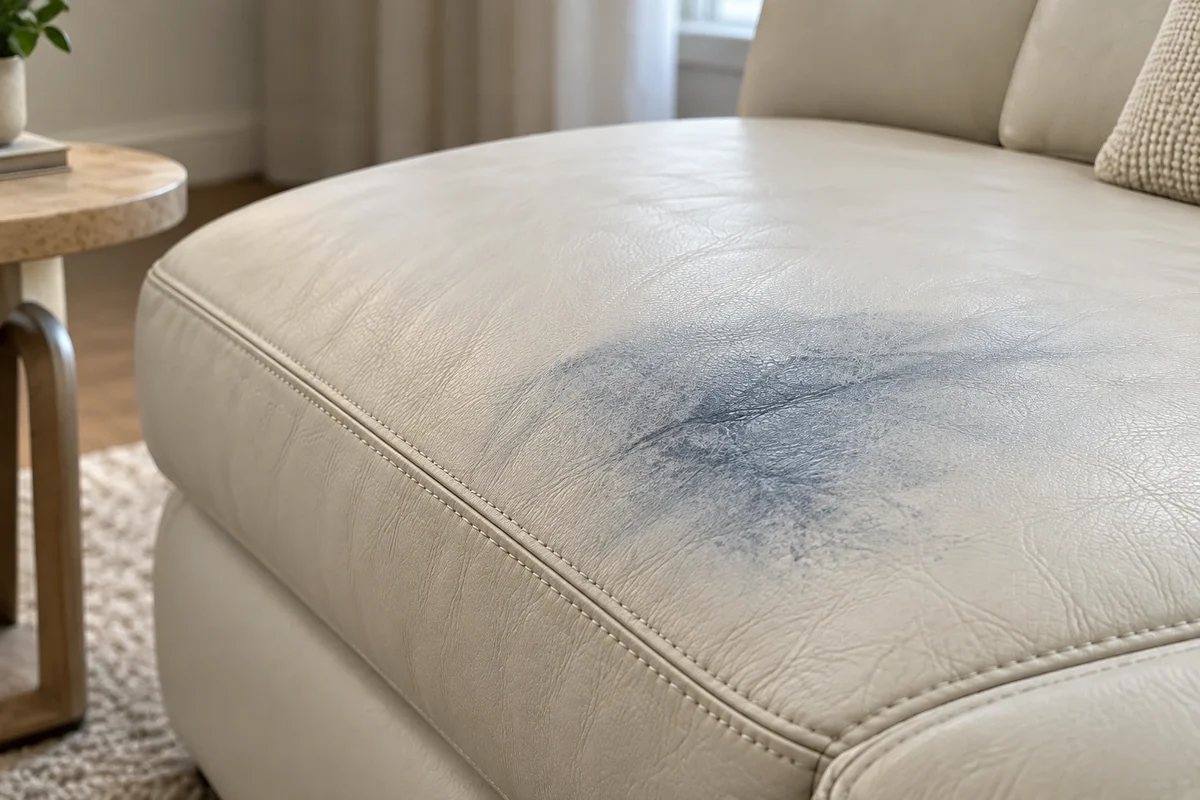
Targeted dye-transfer treatment
For surface stains on a sound finish. Localized, done in your home, and the surrounding leather is left alone.
Finish and color restoration
When a shadow stays, or the finish was already thin. The panel is evened out so nothing reads as a repair. Same craft as our faded sofa work.
Panel replacement
The last resort, and rare. When a panel cannot be treated we replace that panel — not the piece. That is reupholstery work, kept to the smallest area possible.
Furniture we assess
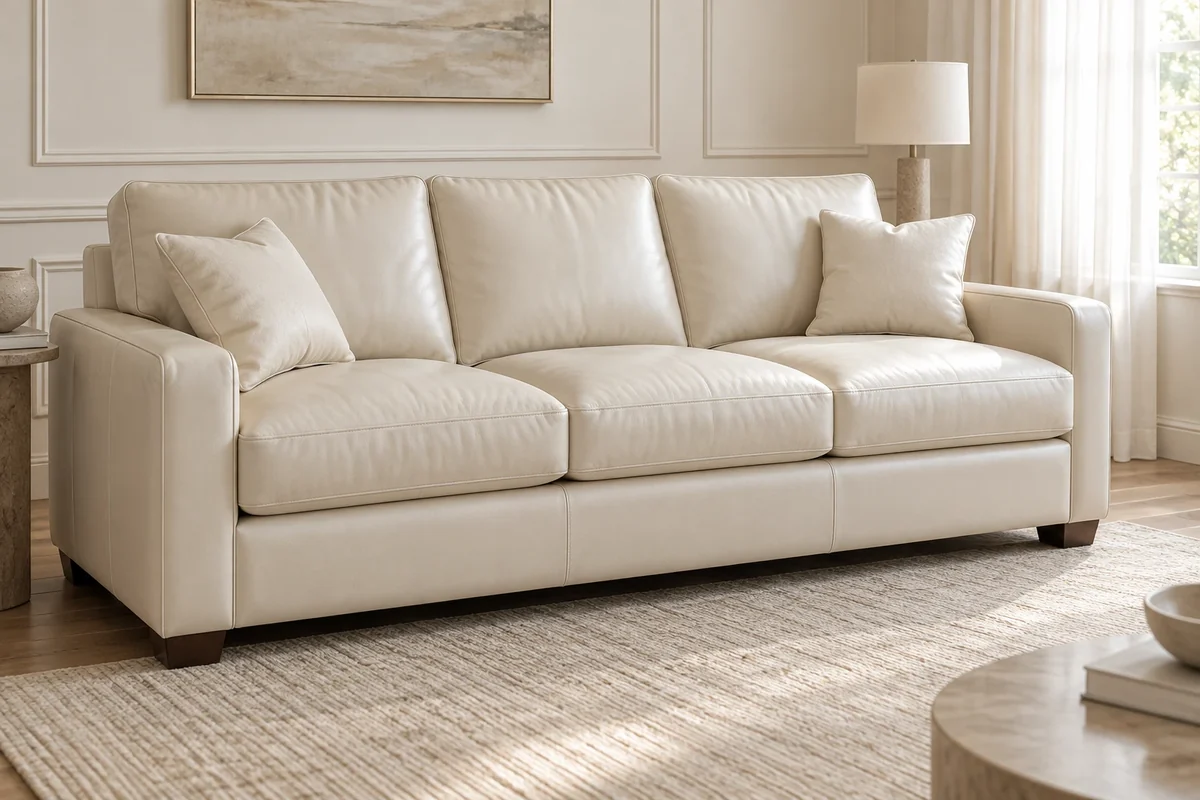
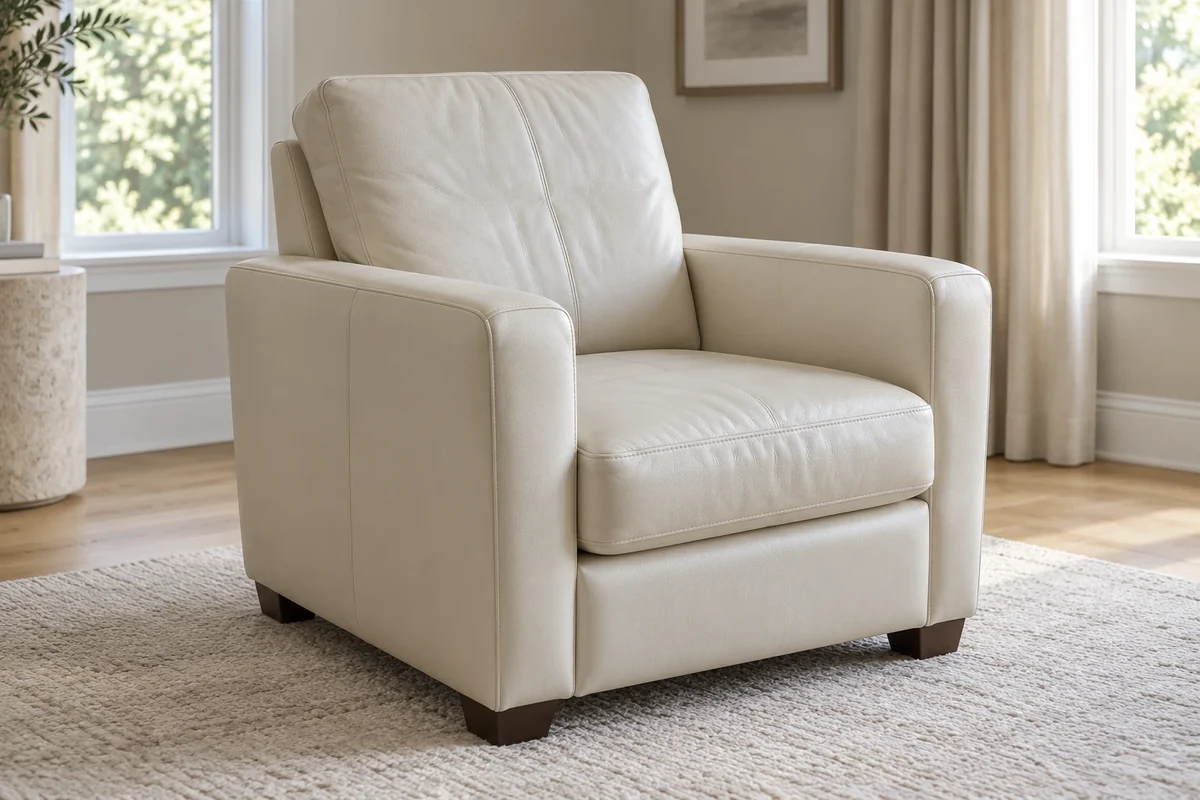
We take leather dye transfer removal on any upholstered leather piece. If the color came off something else, it is in scope. We cover the five boroughs and northern New Jersey.

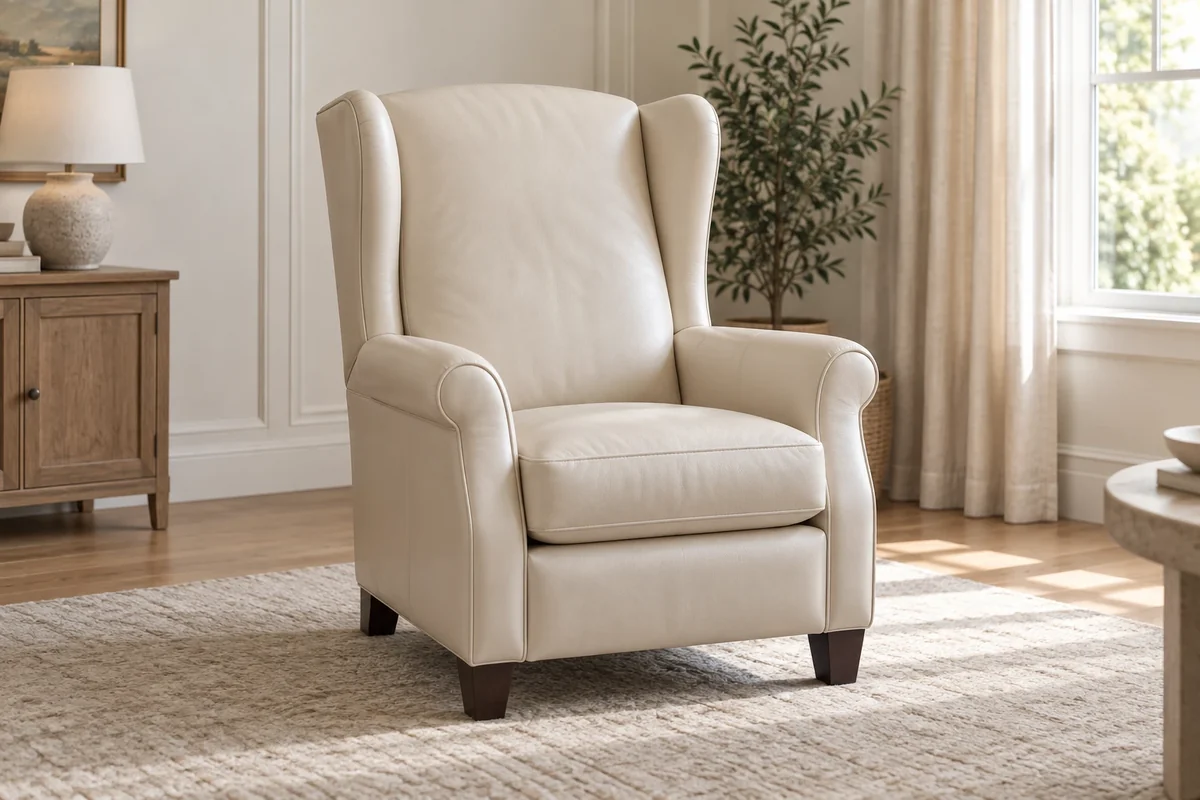
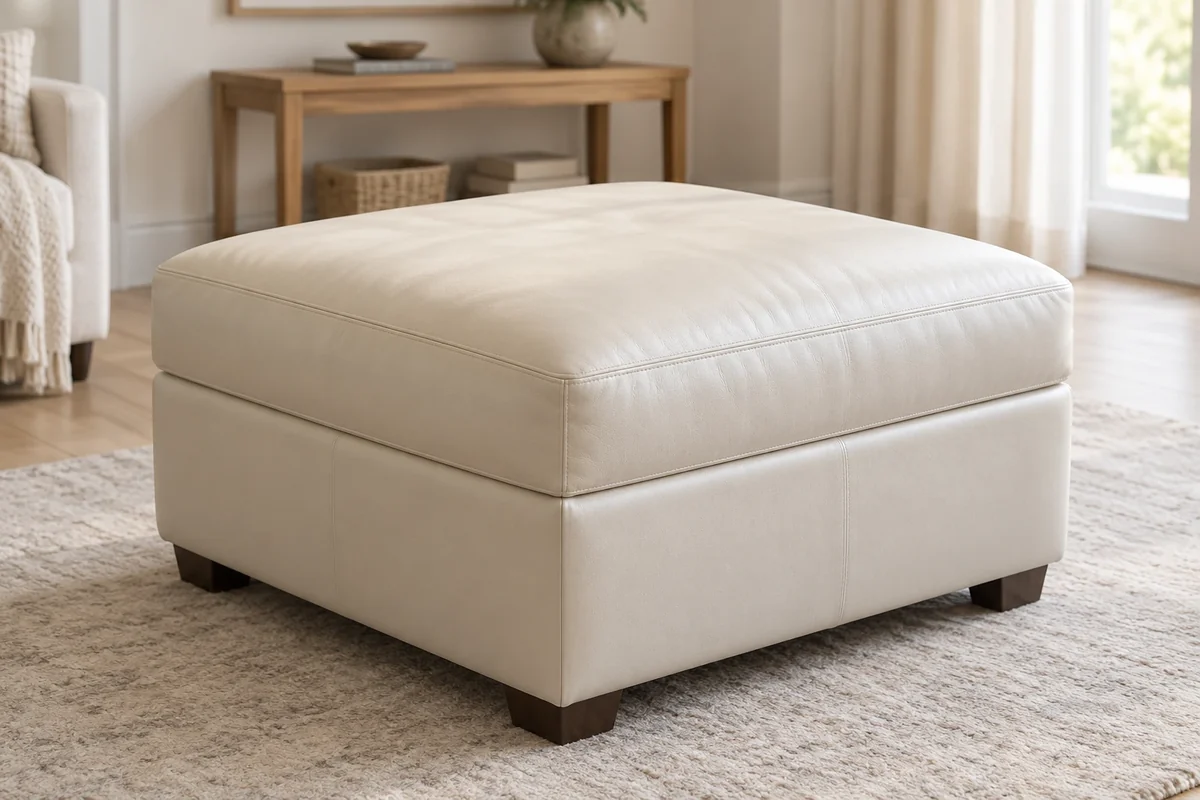
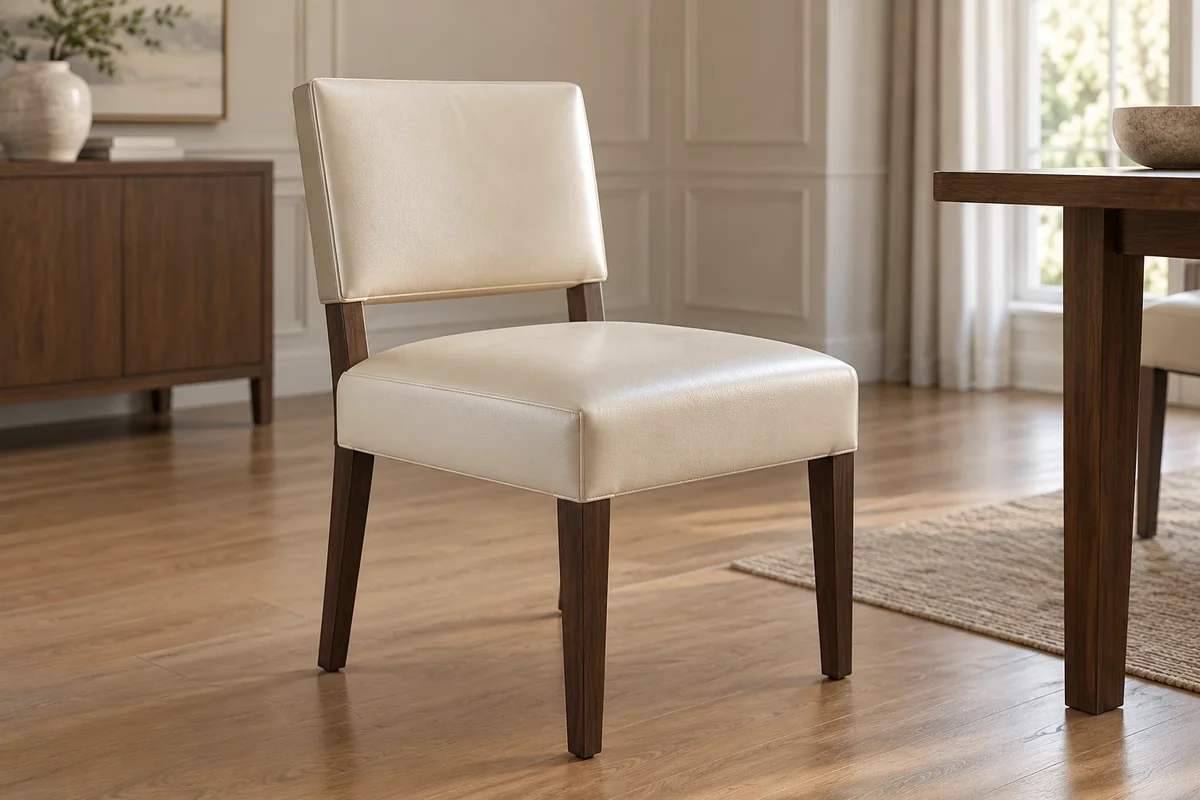
Explore the treatment possibilities
Illustrative before-and-after examples of the eight situations we are asked about most. Yours is quoted on its own photos, not on these.
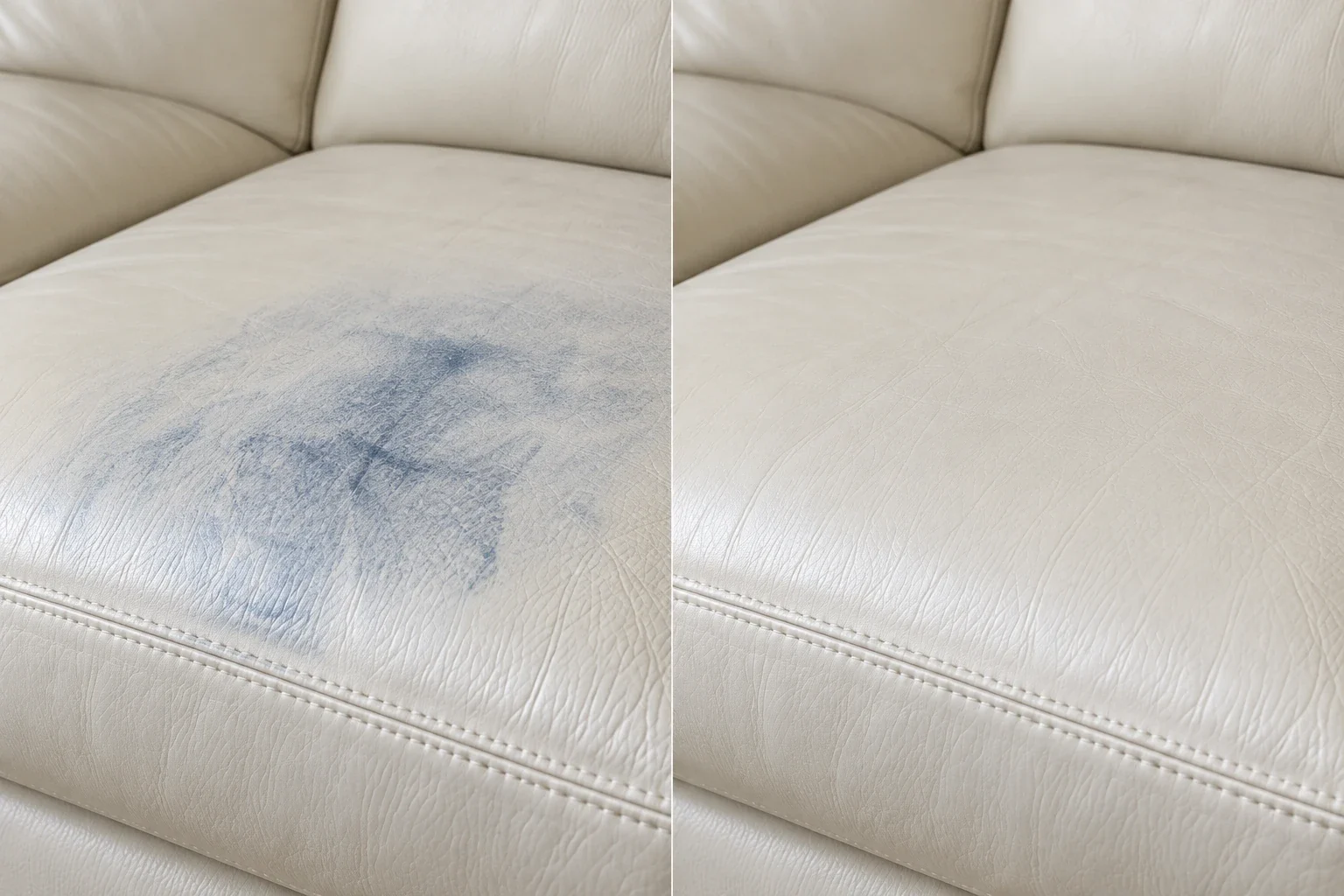
Blue denim transfer on ivory sofa cushion
Localized treatment
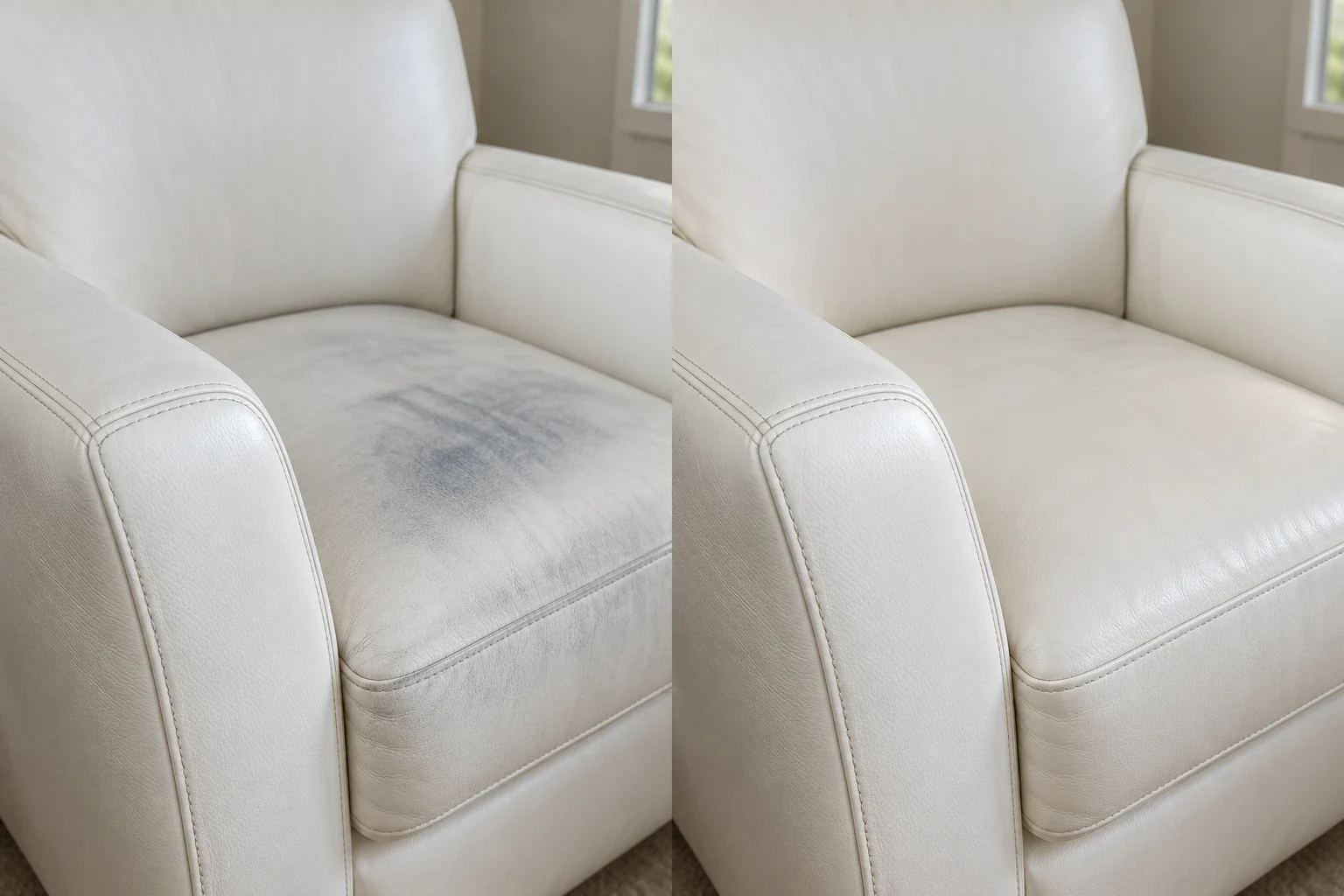
Grey garment transfer on white armchair
Localized treatment
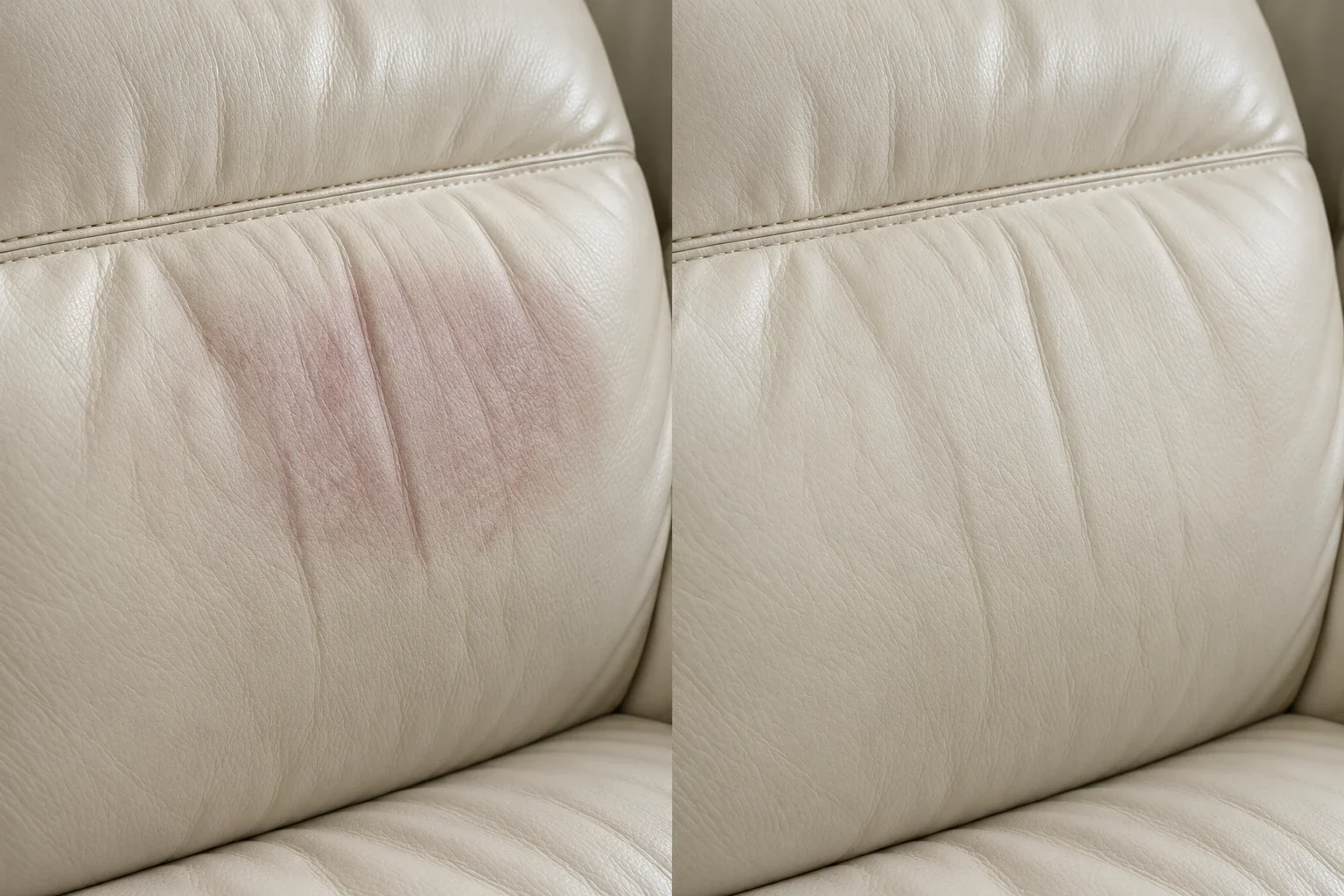
Muted red pillow transfer on cream backrest
Reduced discoloration
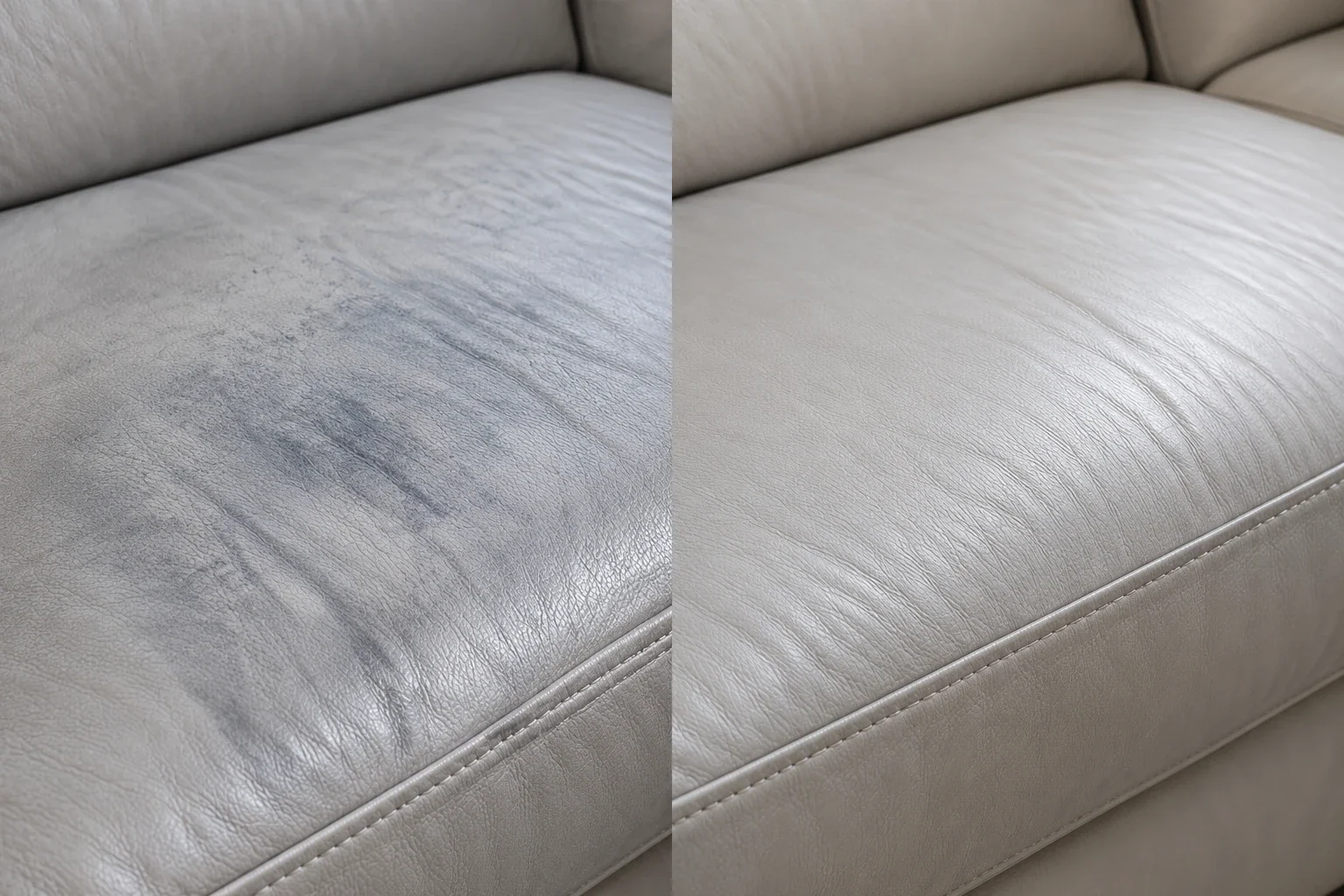
Dark denim transfer on light grey sectional seat
Localized treatment
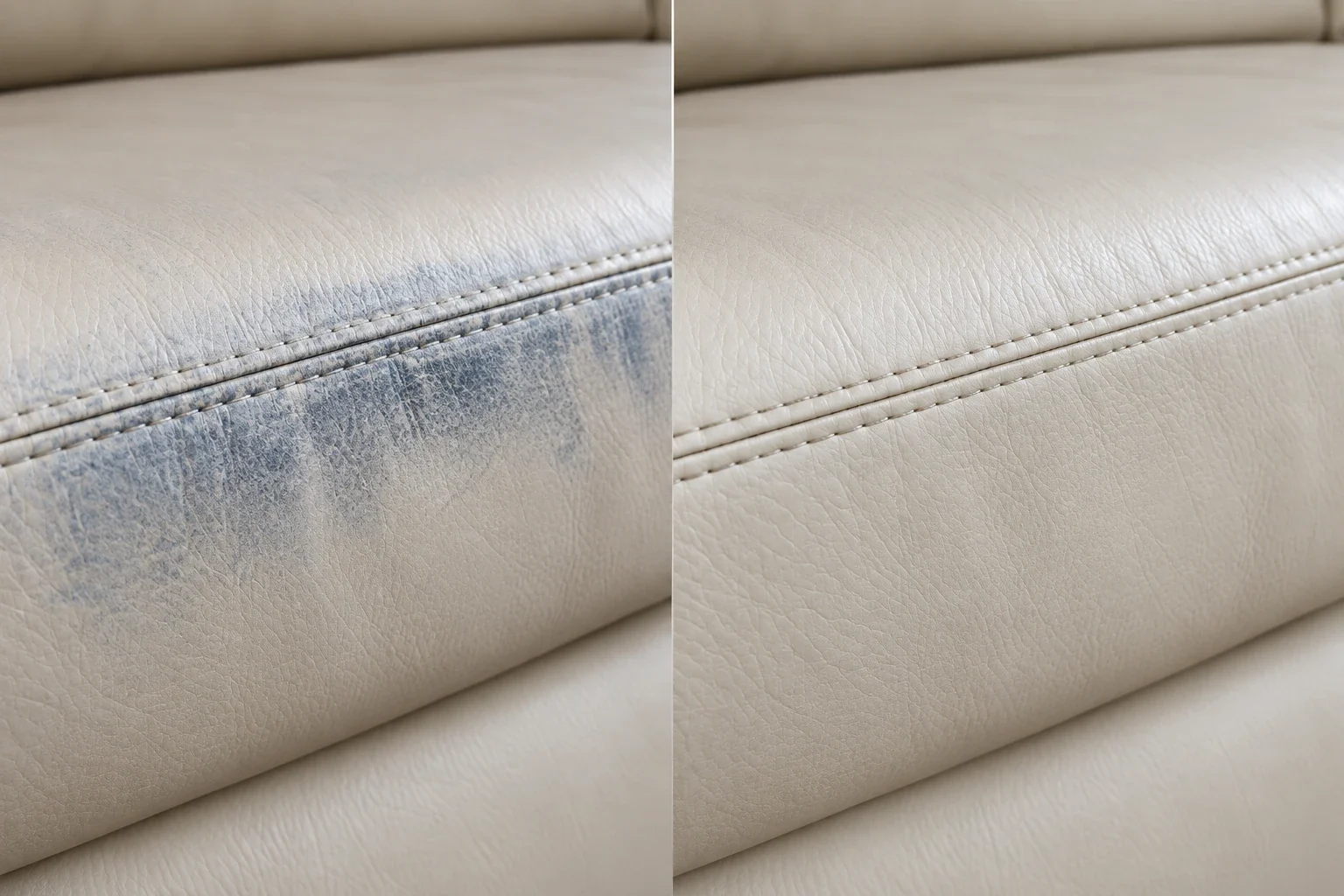
Blue denim along a beige seat edge
Localized treatment
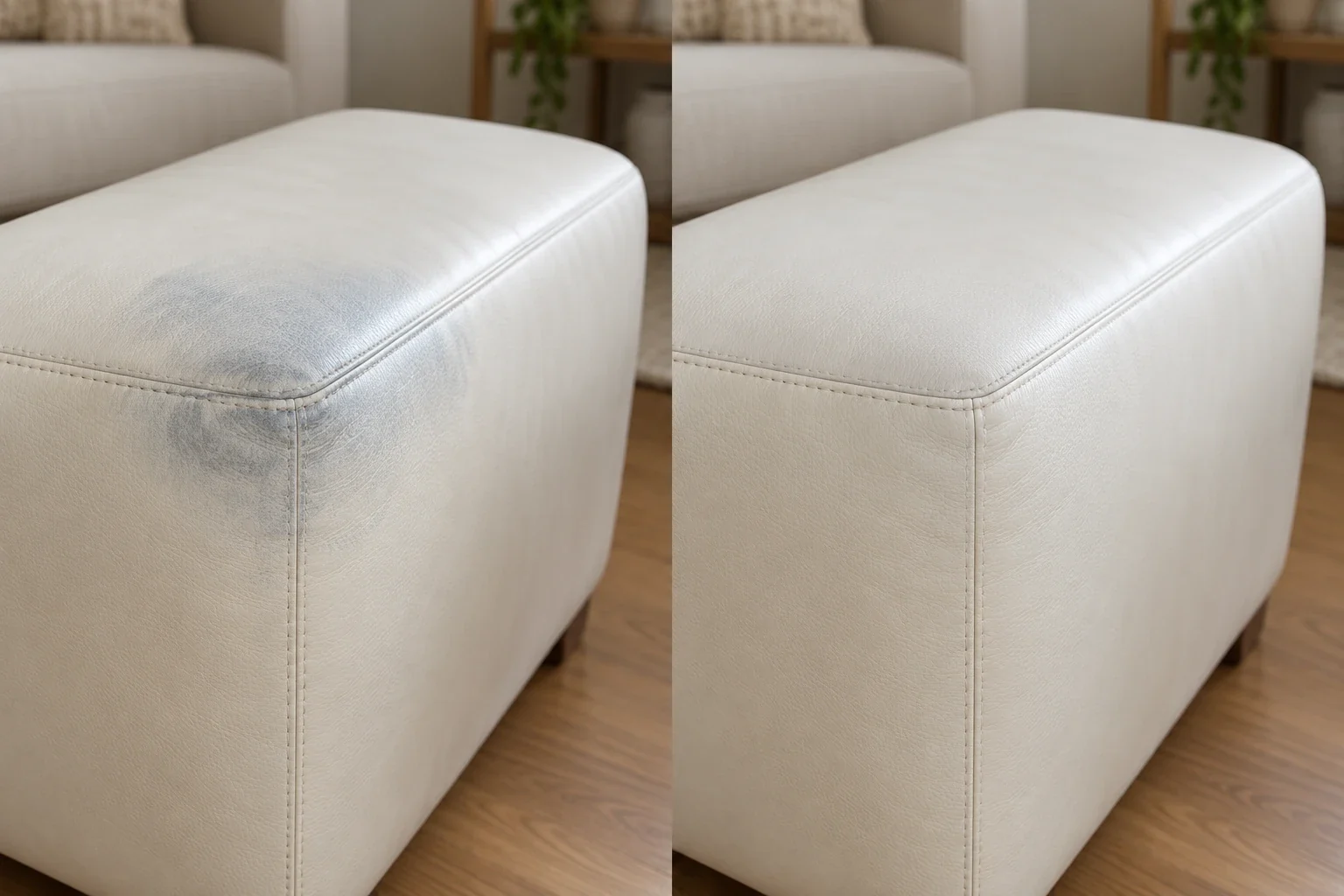
Blue-grey mark on an ivory ottoman
Reduced discoloration
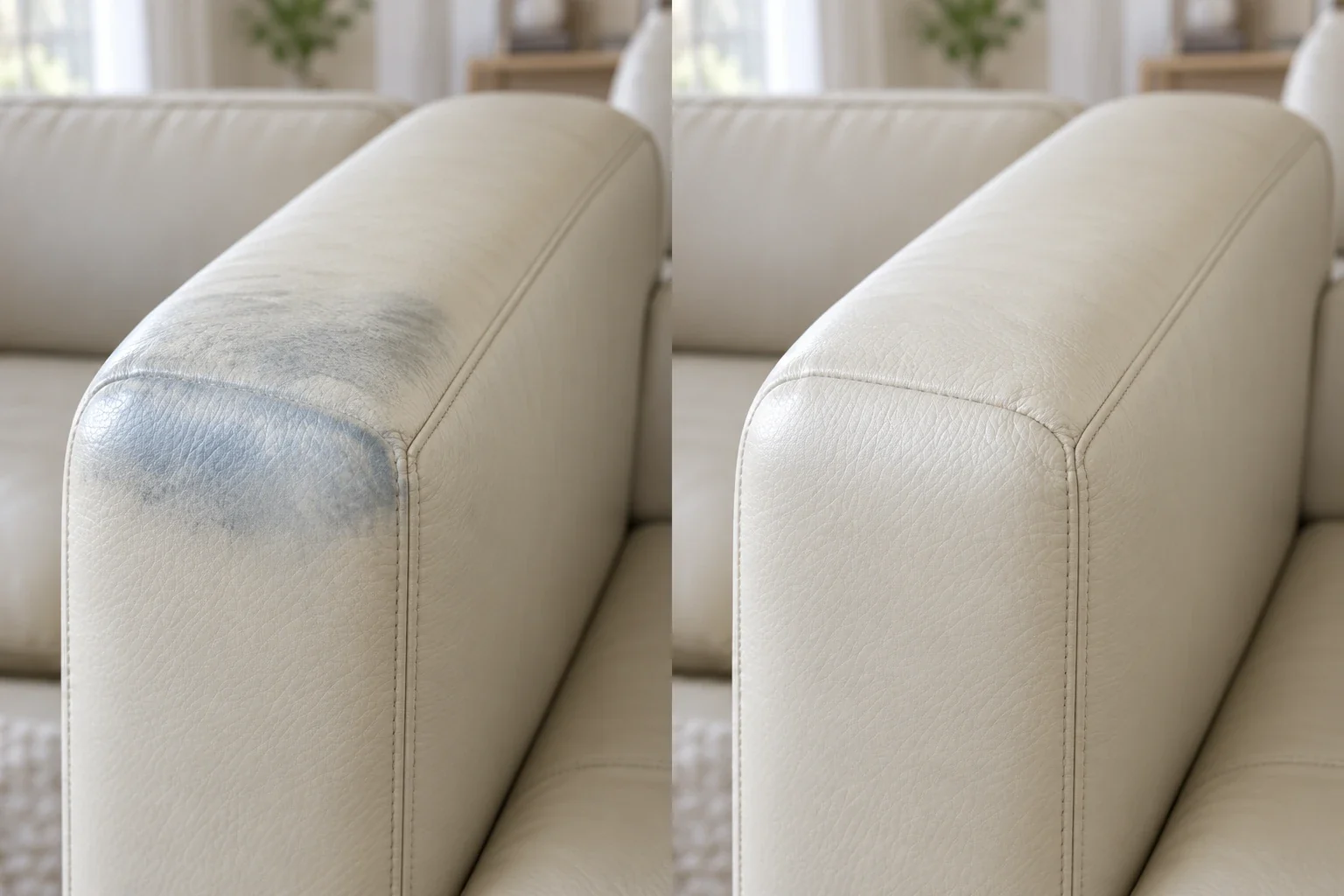
Old absorbed blue patch on a cream armrest
Treatment and color restoration
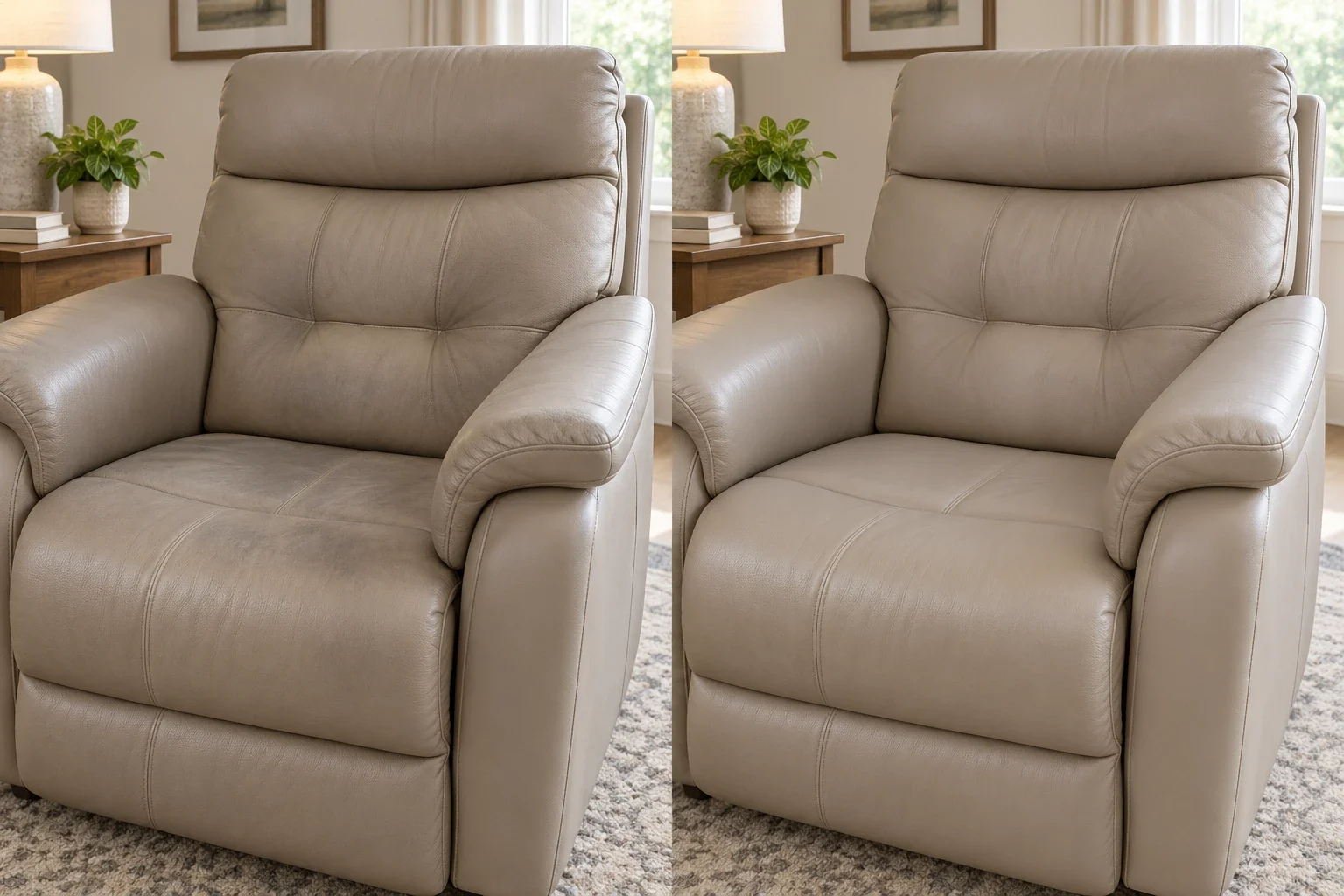
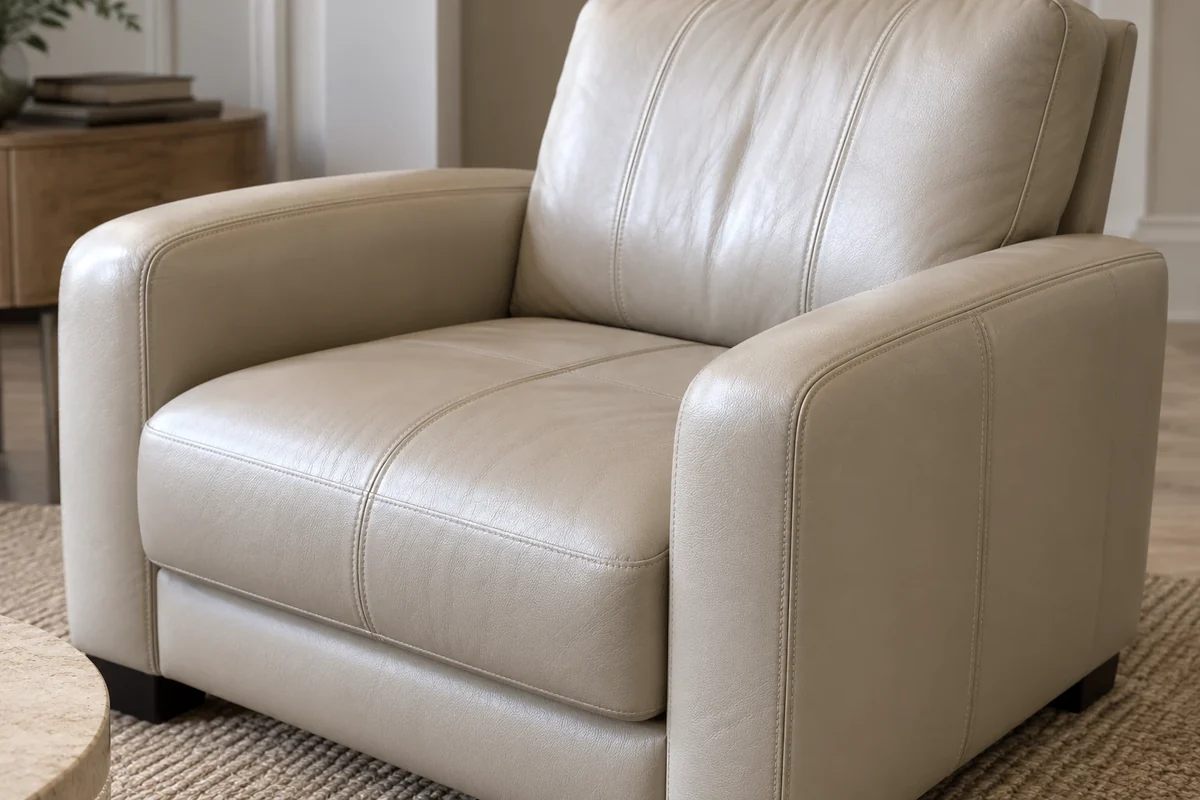
Discoloration on a light taupe recliner
Treatment and color restoration
What people ask before booking
Can dye transfer be removed from leather completely?
How does denim transfer onto a leather sofa?
Does the age of the stain matter?
Will a Magic Eraser or rubbing alcohol take dye transfer off leather?
Is dye transfer the same as an ink stain?
Can you treat white and cream leather?
Do you work on site or does the furniture have to leave?
How do I stop it happening again?