
The Material Goes All the Way Through
All the types of upholstery fabric share one thing: no coating. The fiber is the material at every depth — which is why fabric is cleaned rather than refinished, and why it thins instead of peeling.
Fabric Is More
Than Color.
Six variables separate the types of upholstery fabric. Color is only the first one you notice.
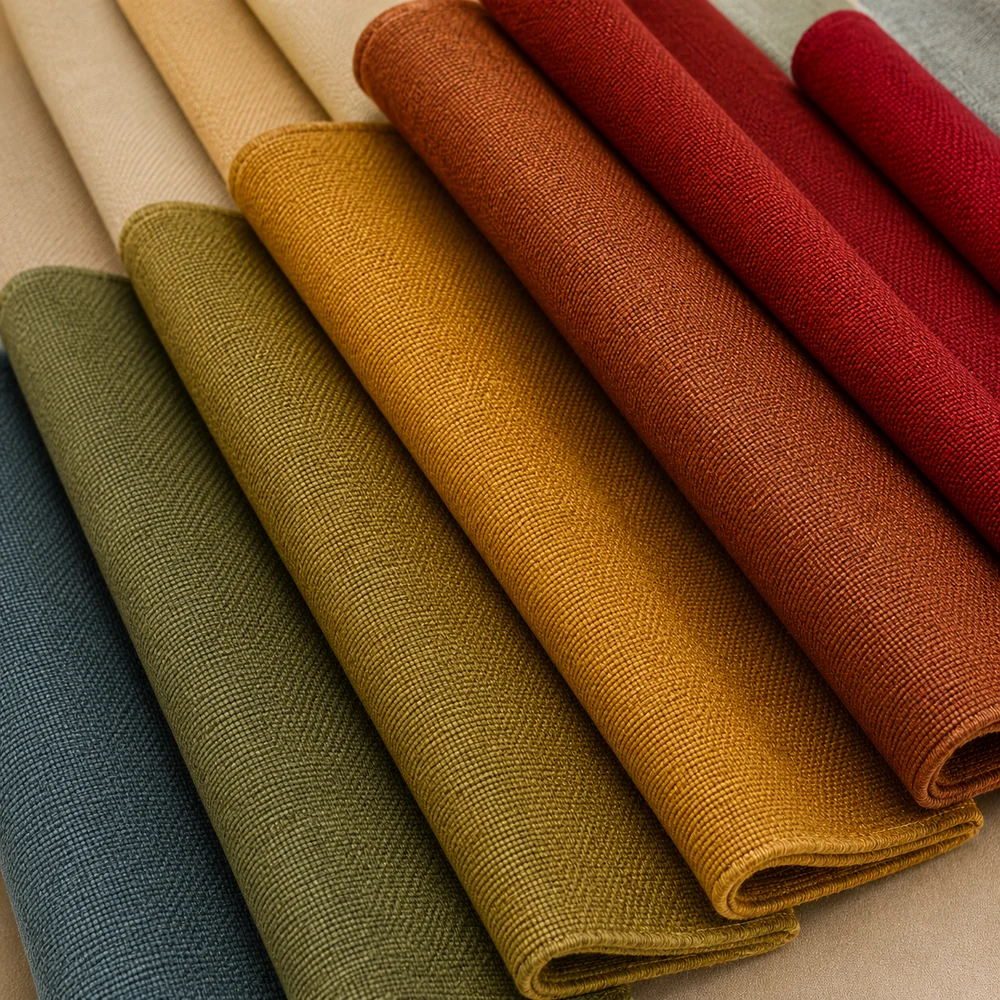
Explore the Types of Upholstery Fabric
Each of these types of upholstery fabric is a fiber choice crossed with a weave choice.
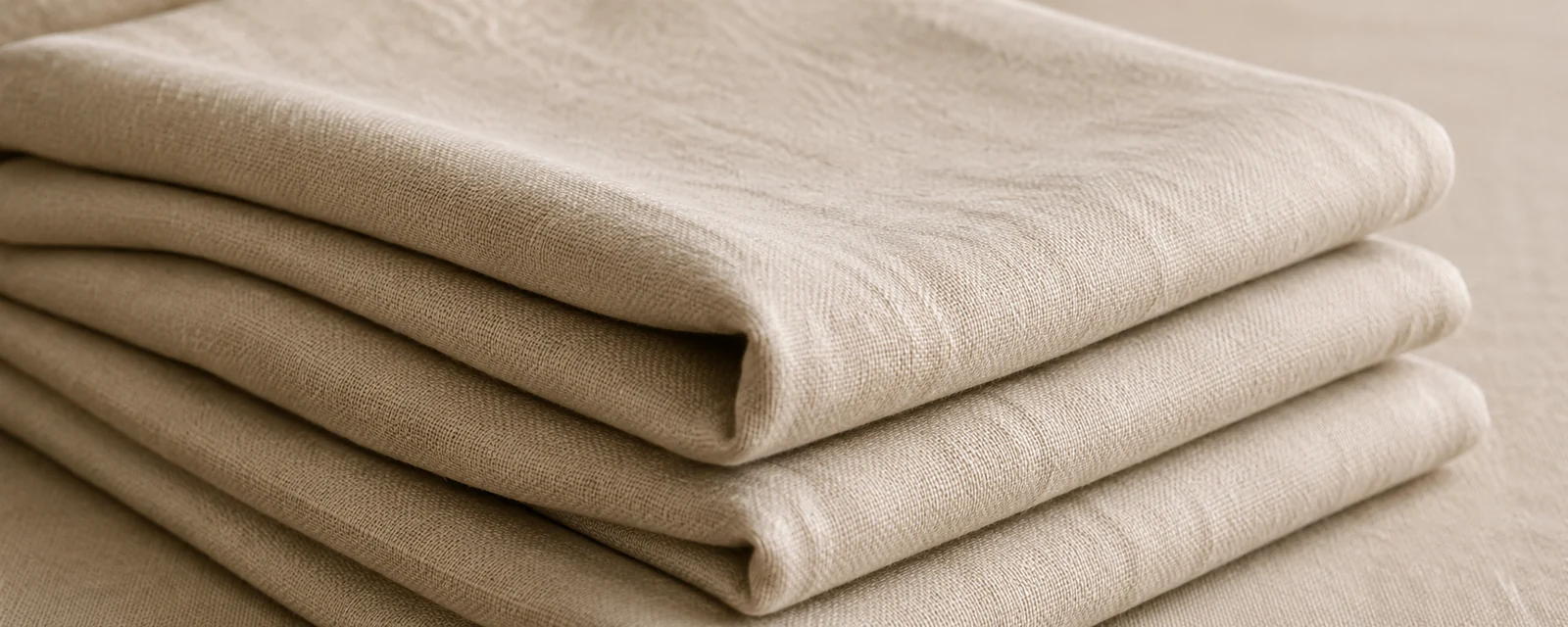
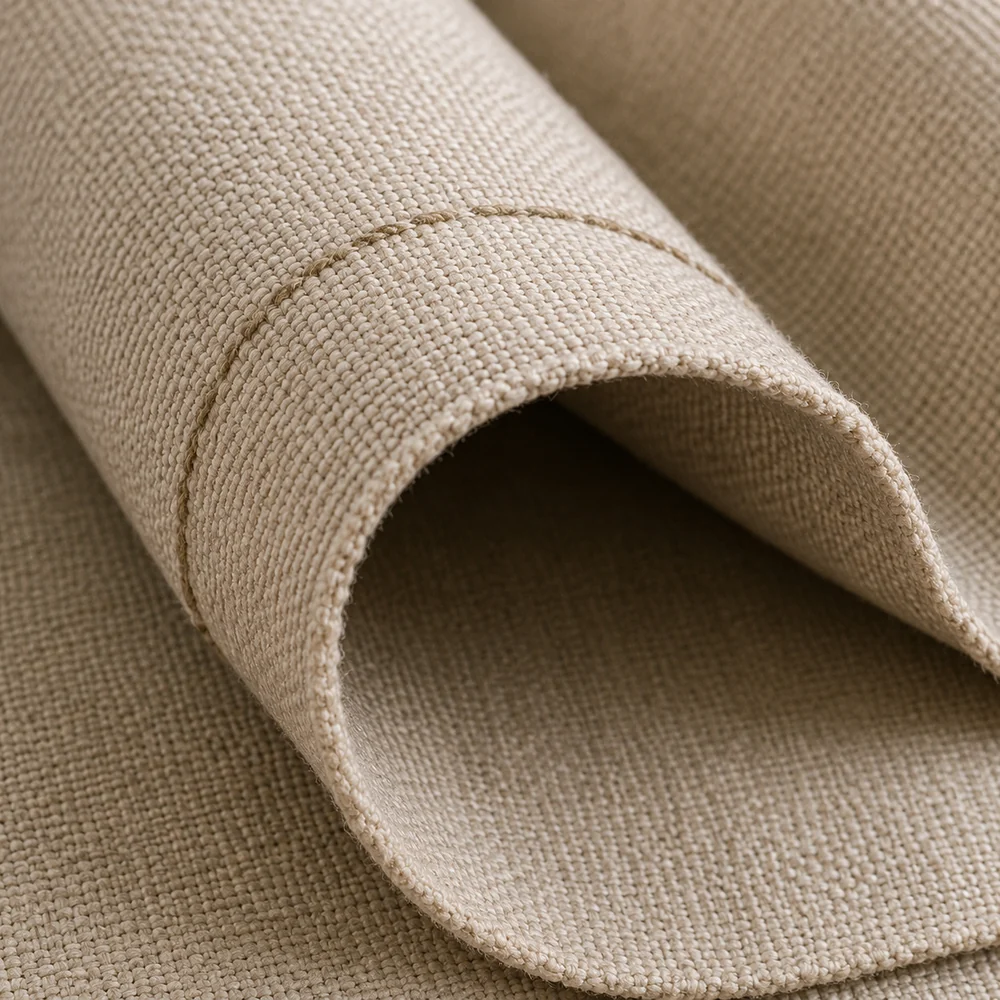
Linen & Linen-Look
Improves with use. Wrinkles, and weak on abrasion.
Cotton & Blends
Takes any shade. Absorbs fast, so spills go in.
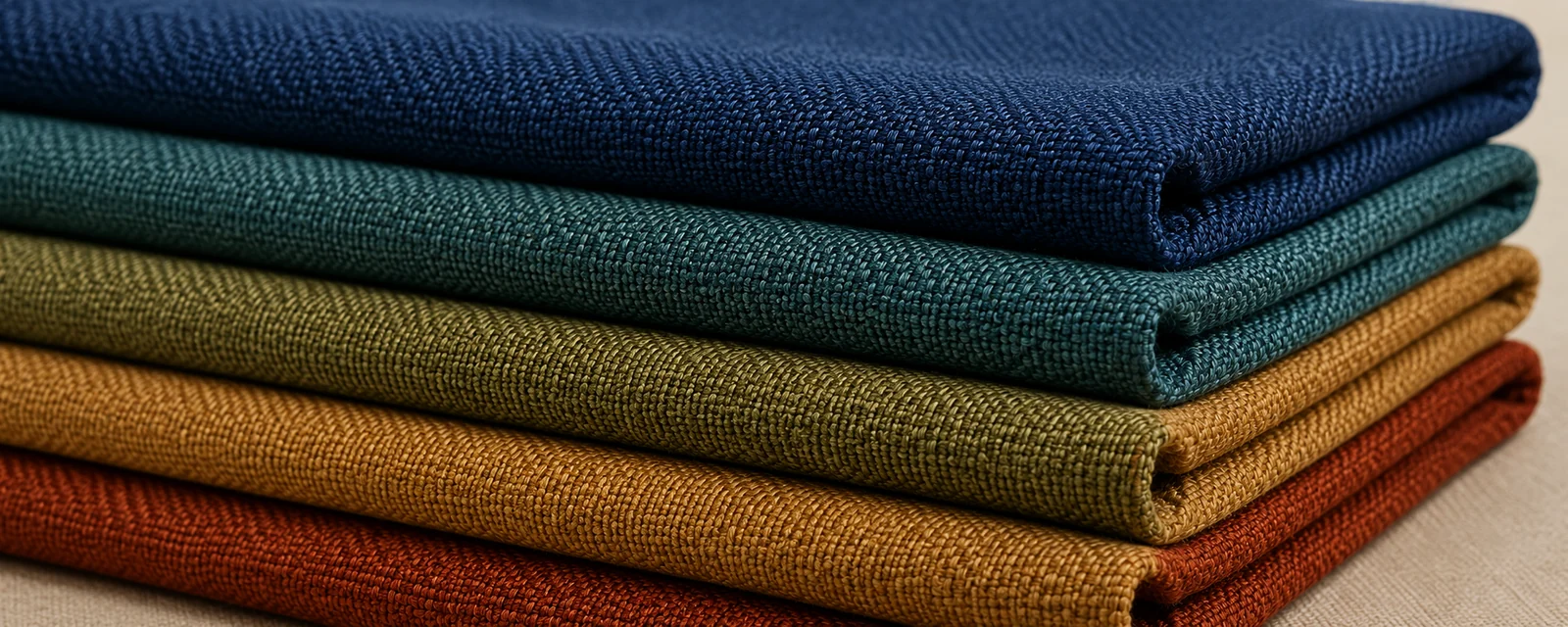
Polyester & Blends
Holds color and cleans predictably. Attracts oily soil.
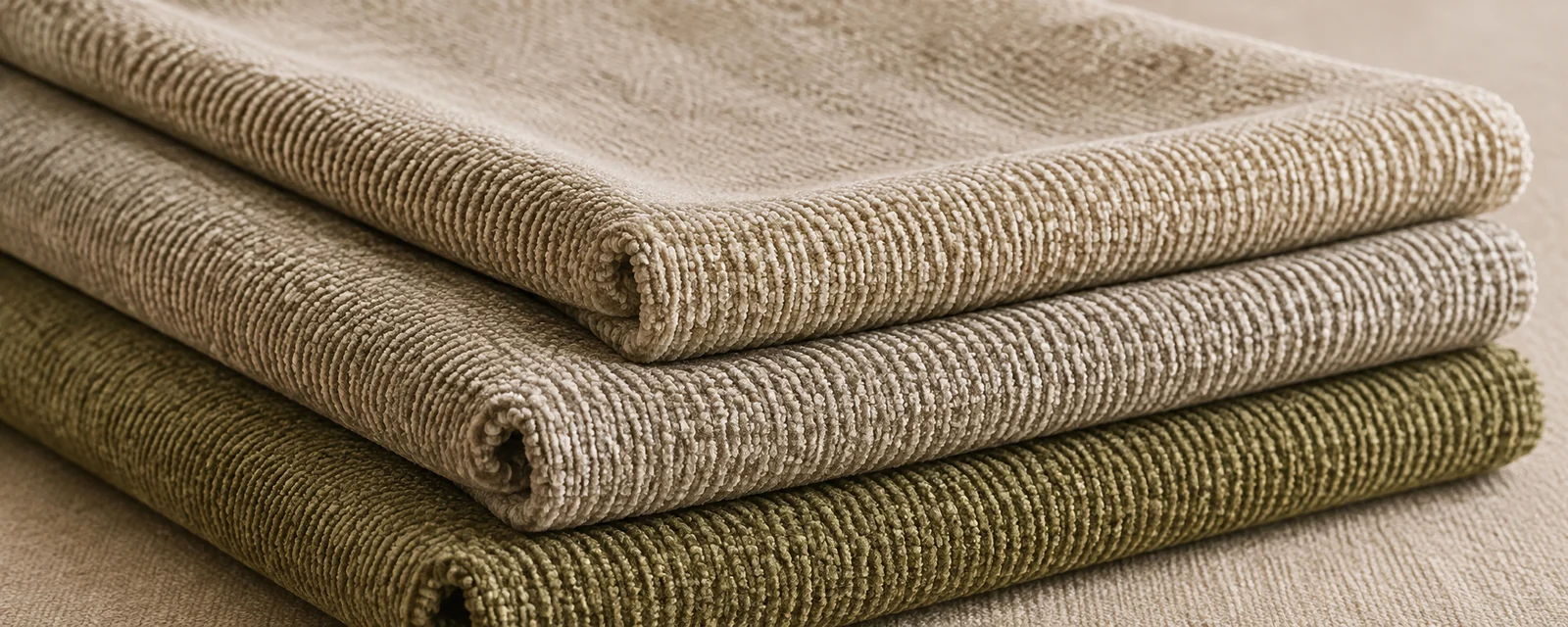
Chenille
Soft and dimensional. Pile, so it shades where people sit.
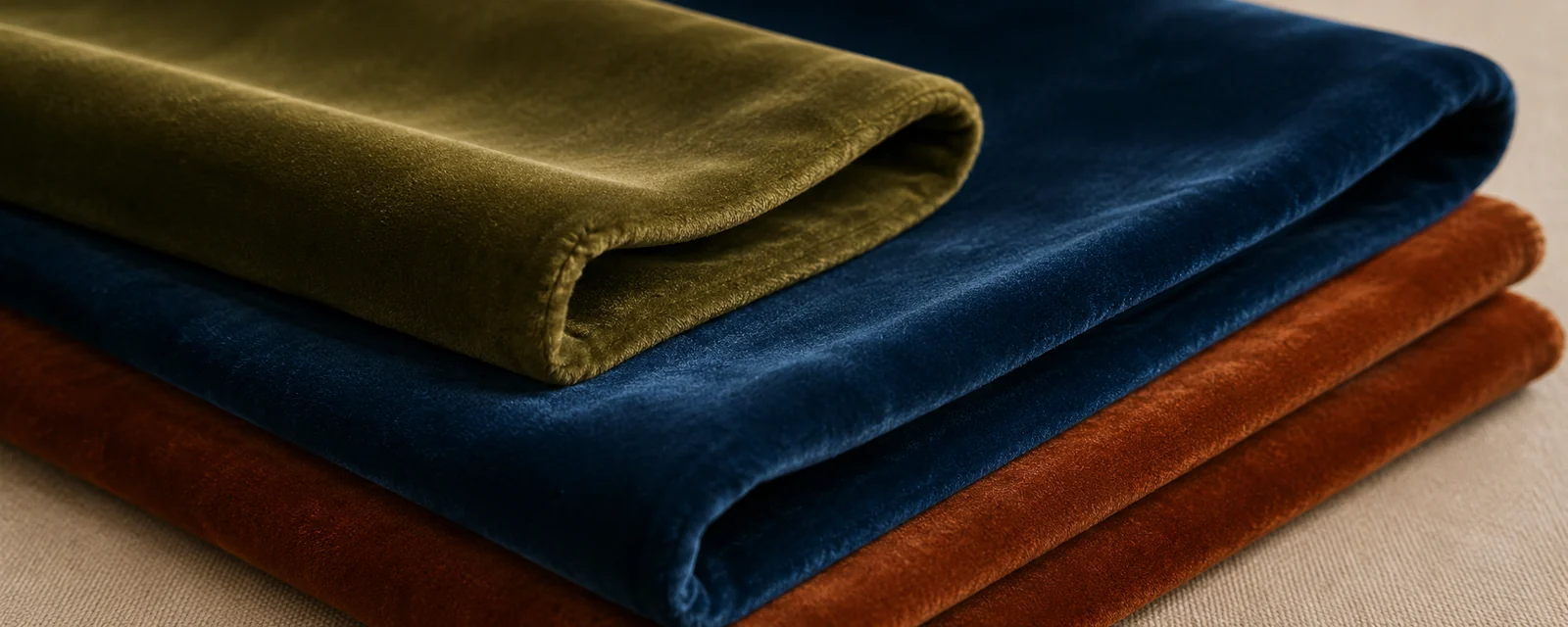
Velvet
Rich depth. The pile flattens long before the yarn wears.
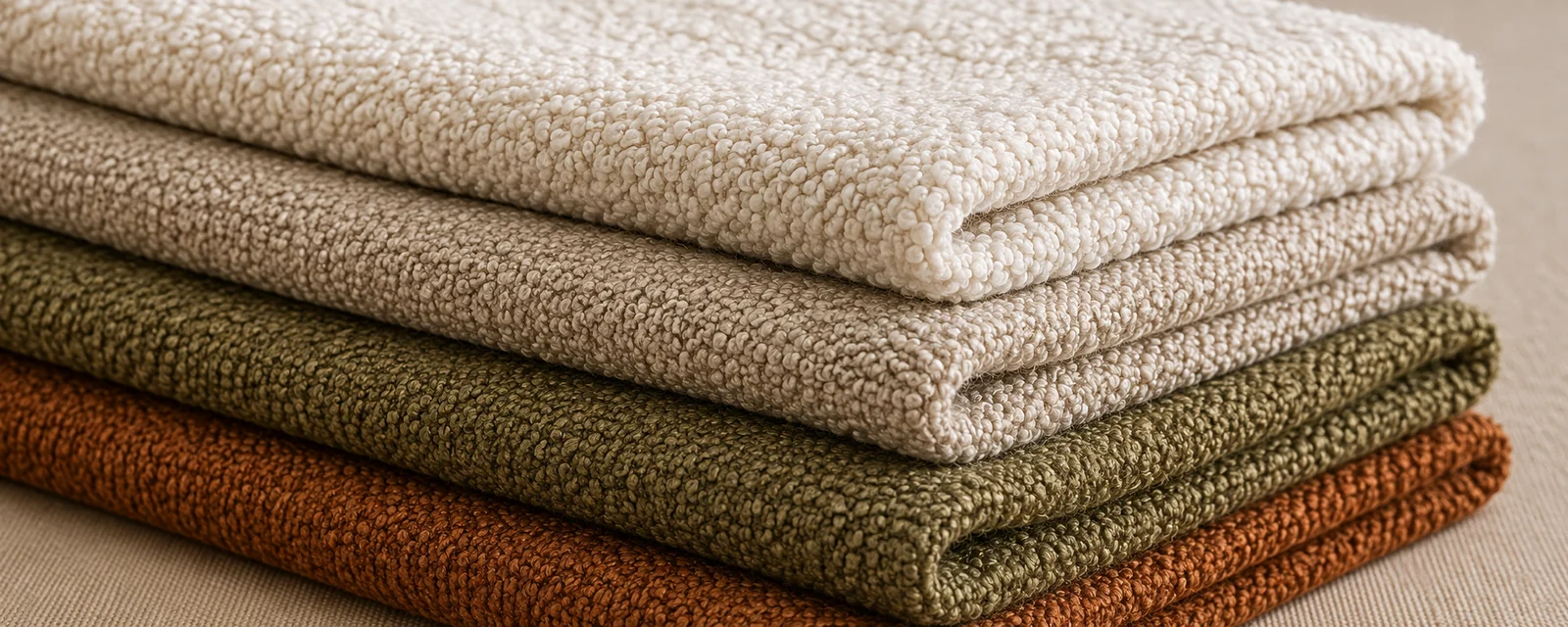
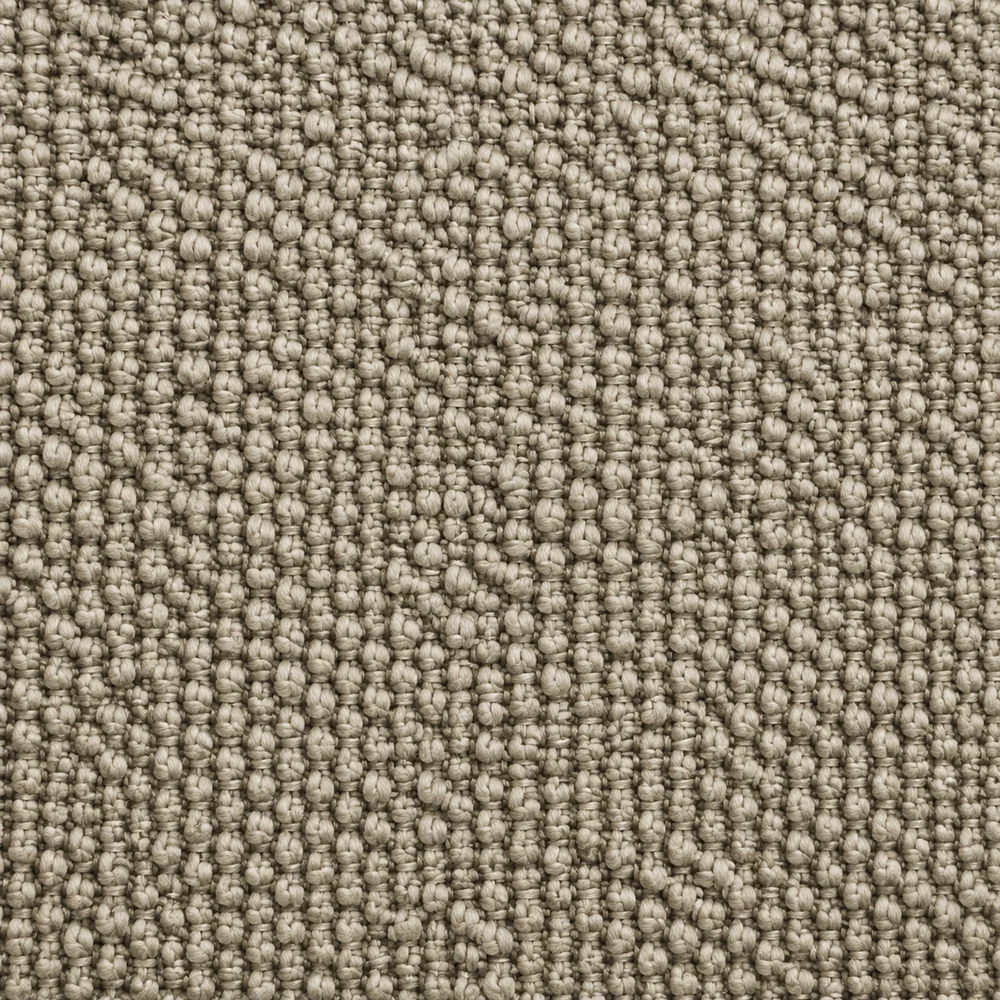
Bouclé
Real depth. The loops snag on claws, buckles and zips.
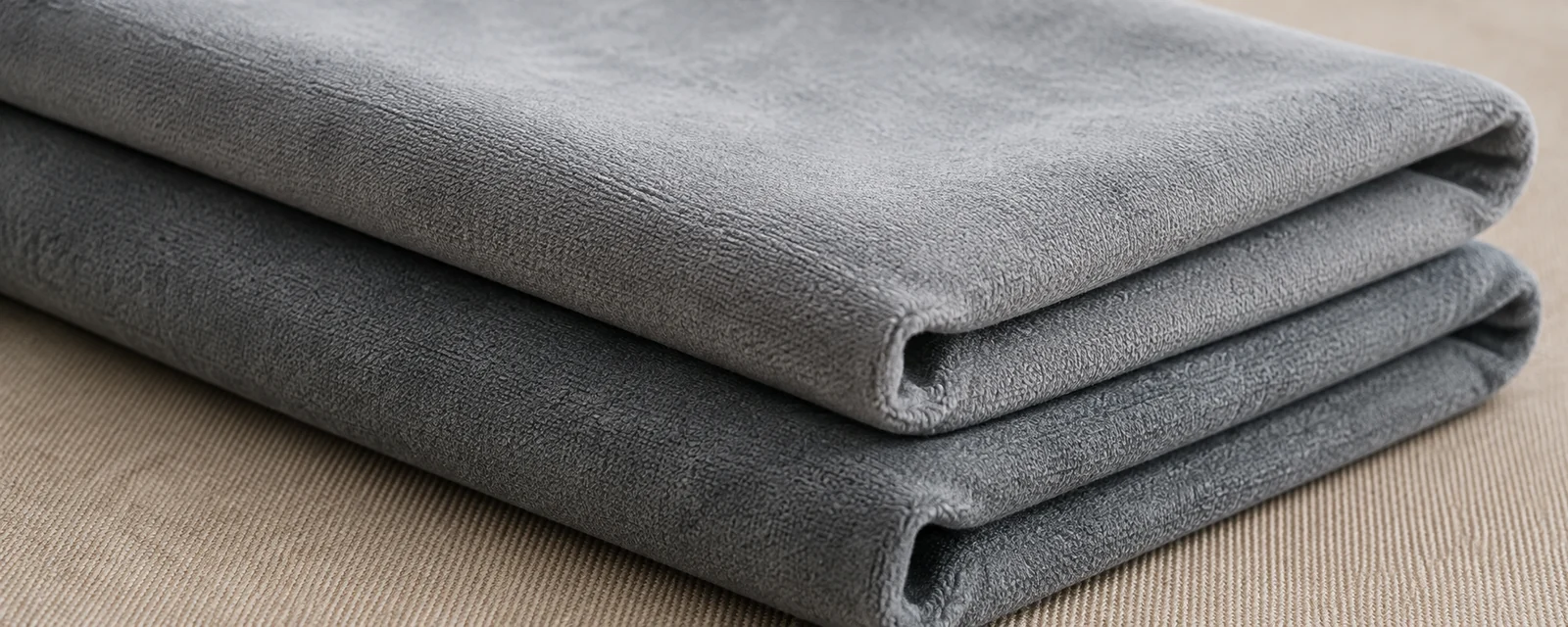
Microfiber
Dense enough that soil sits on top instead of sinking in.
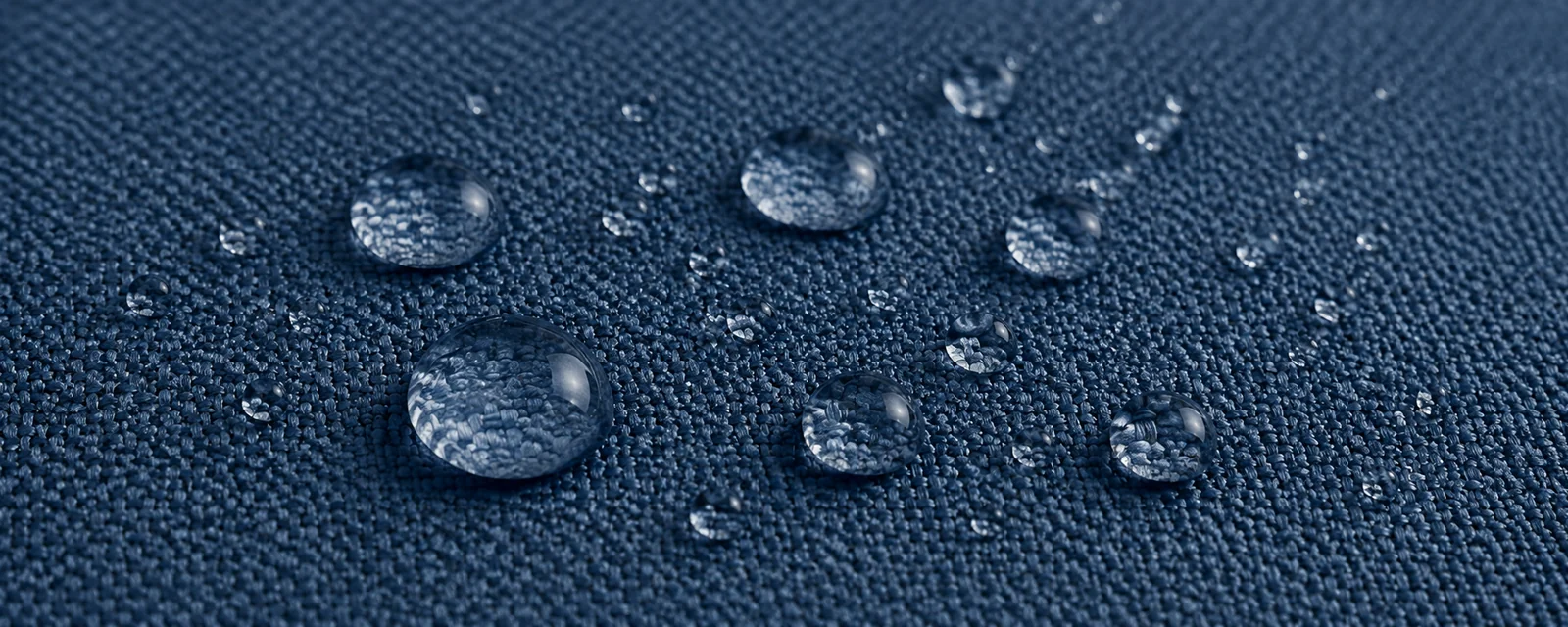
Performance Fabric
Engineered fibers and finishes built for spills, sun and claws.
Explore Performance Fabric →Same Color. Different Texture.
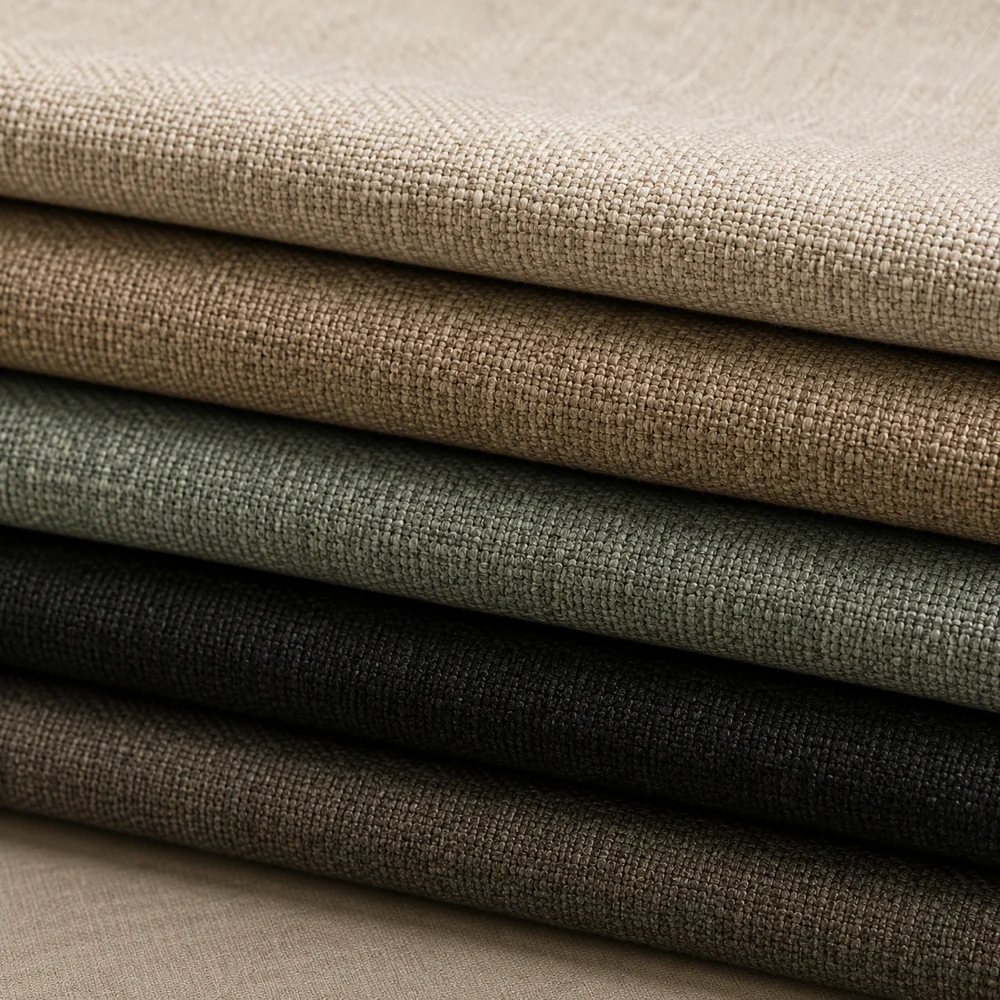
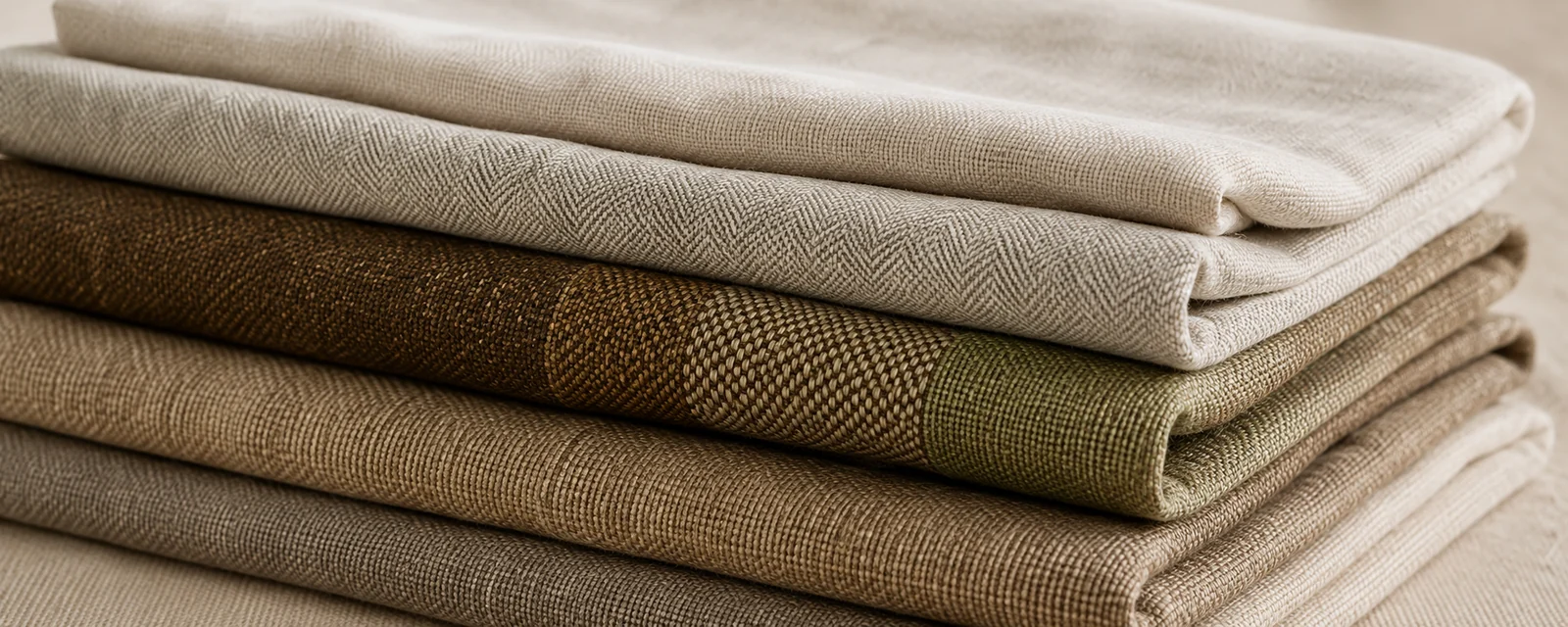
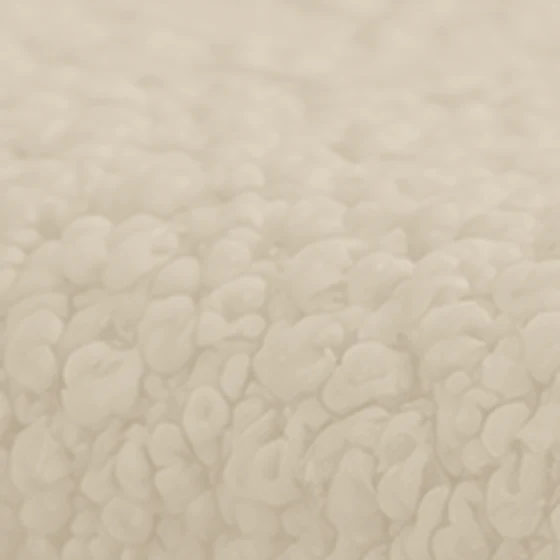
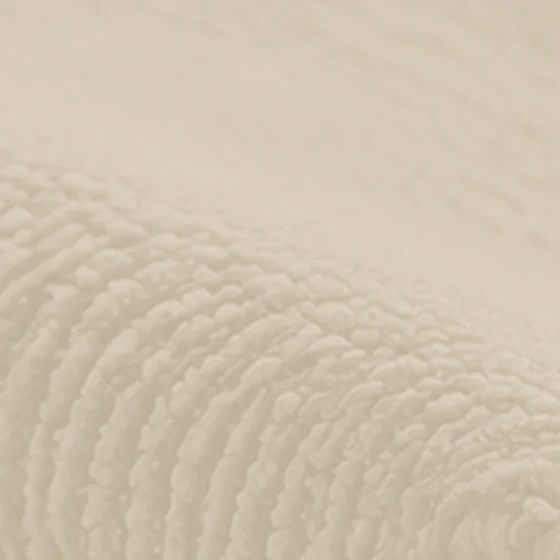
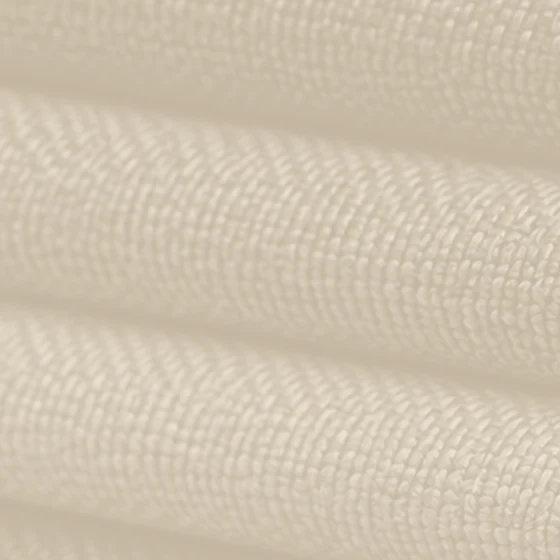
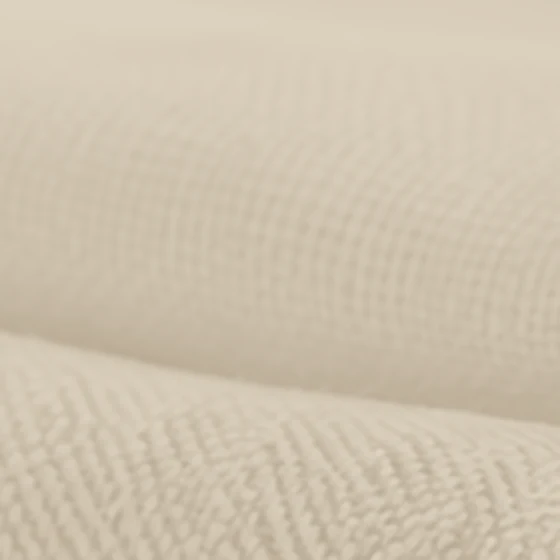
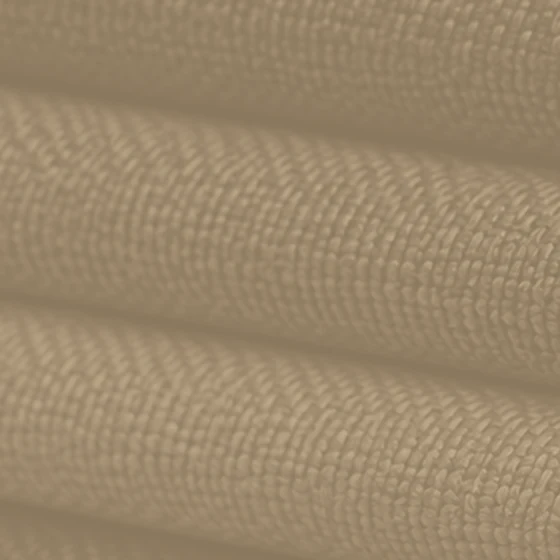
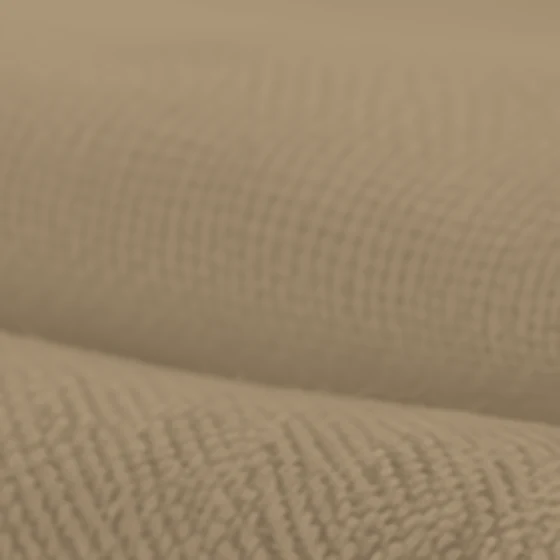
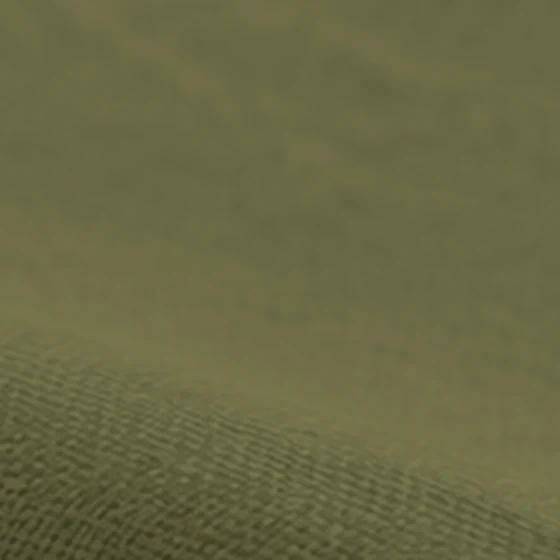
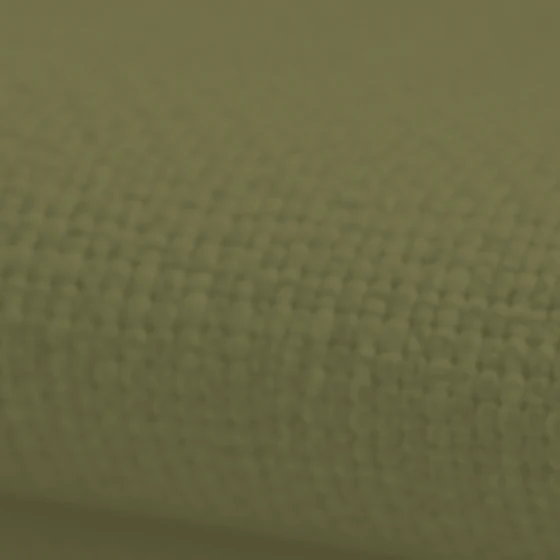
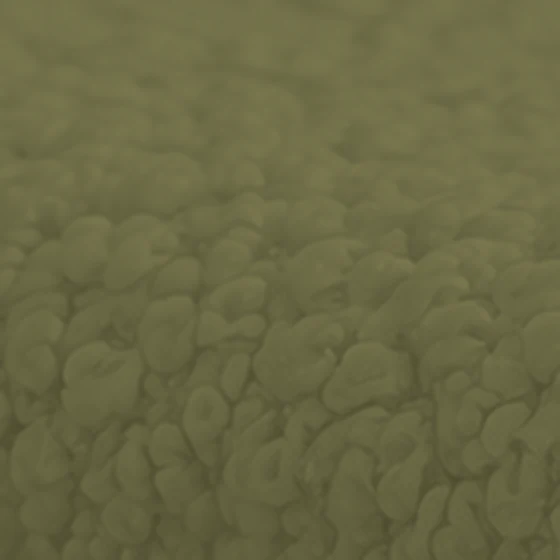
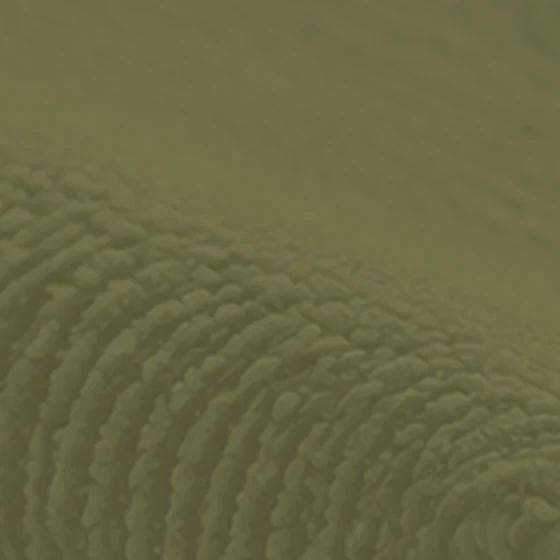
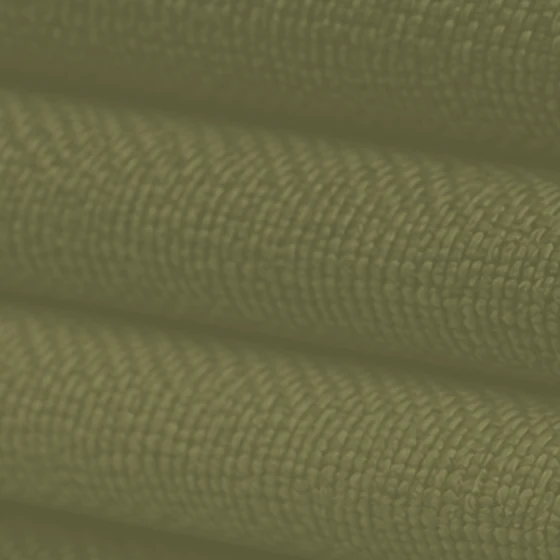
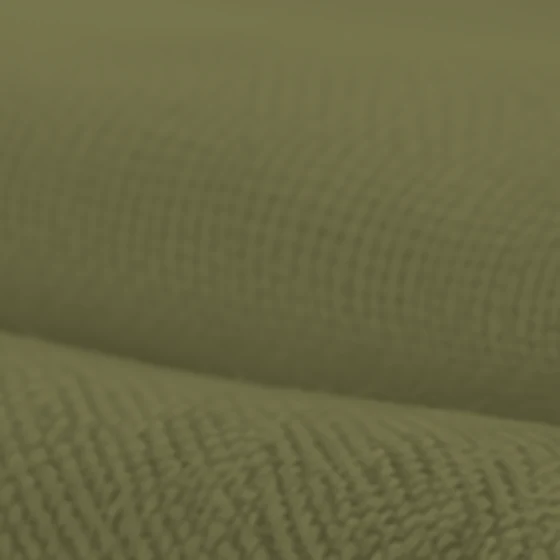
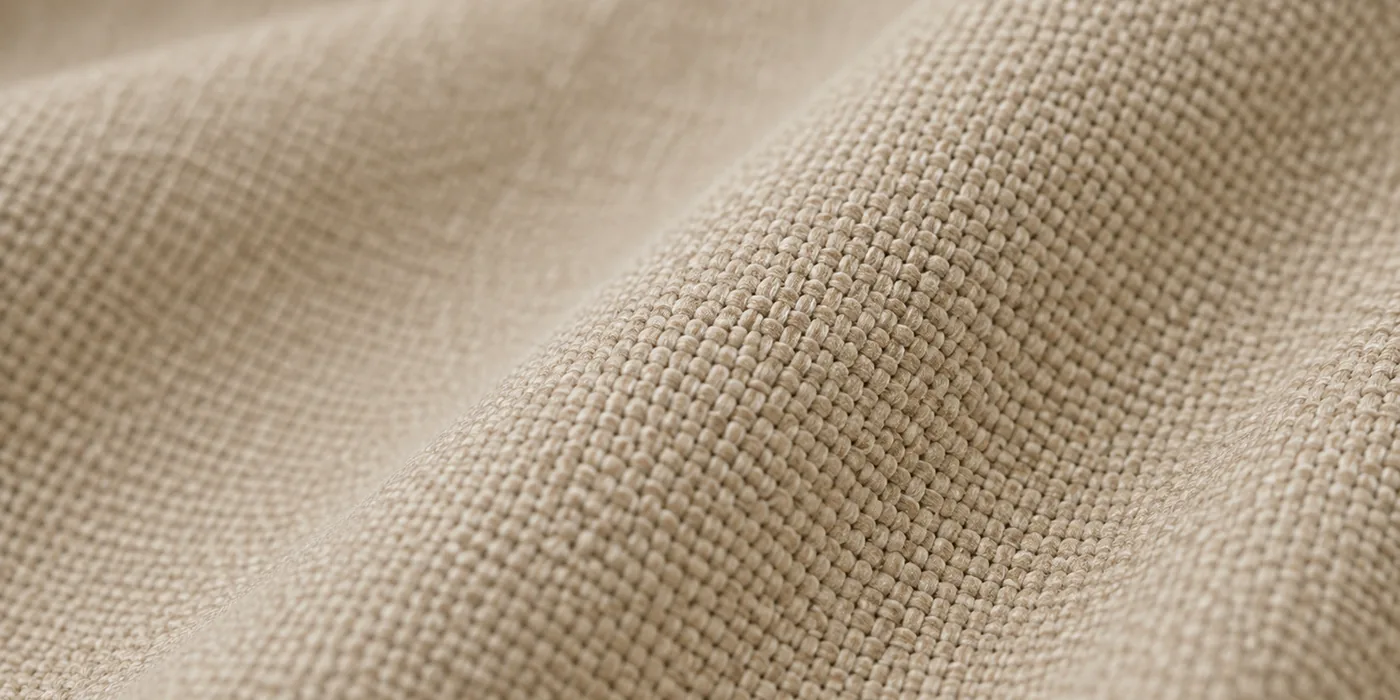
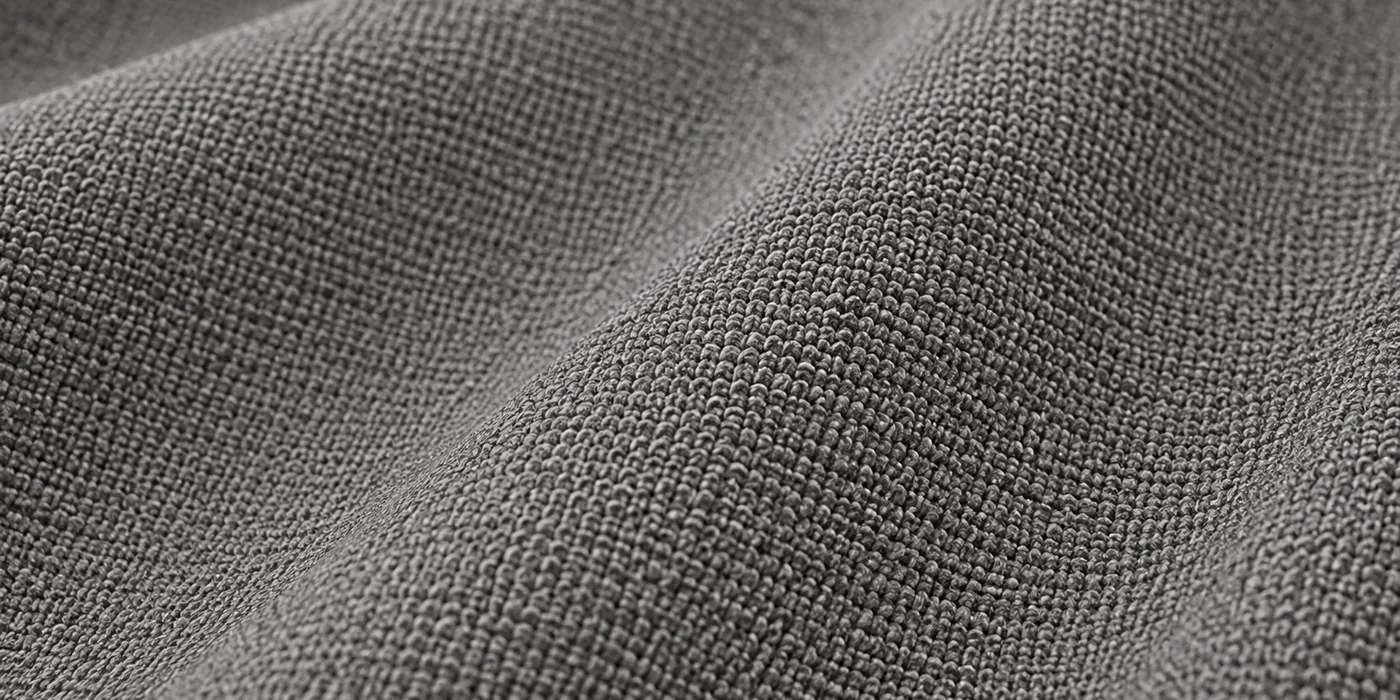
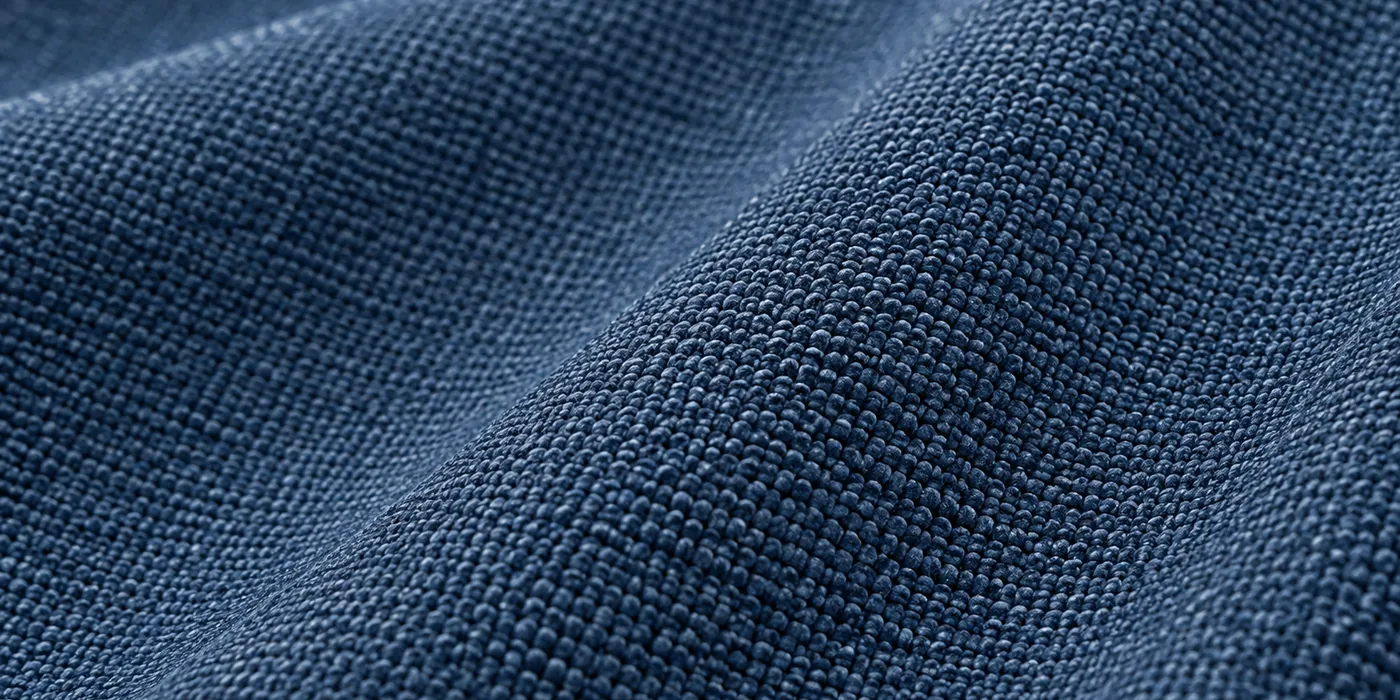
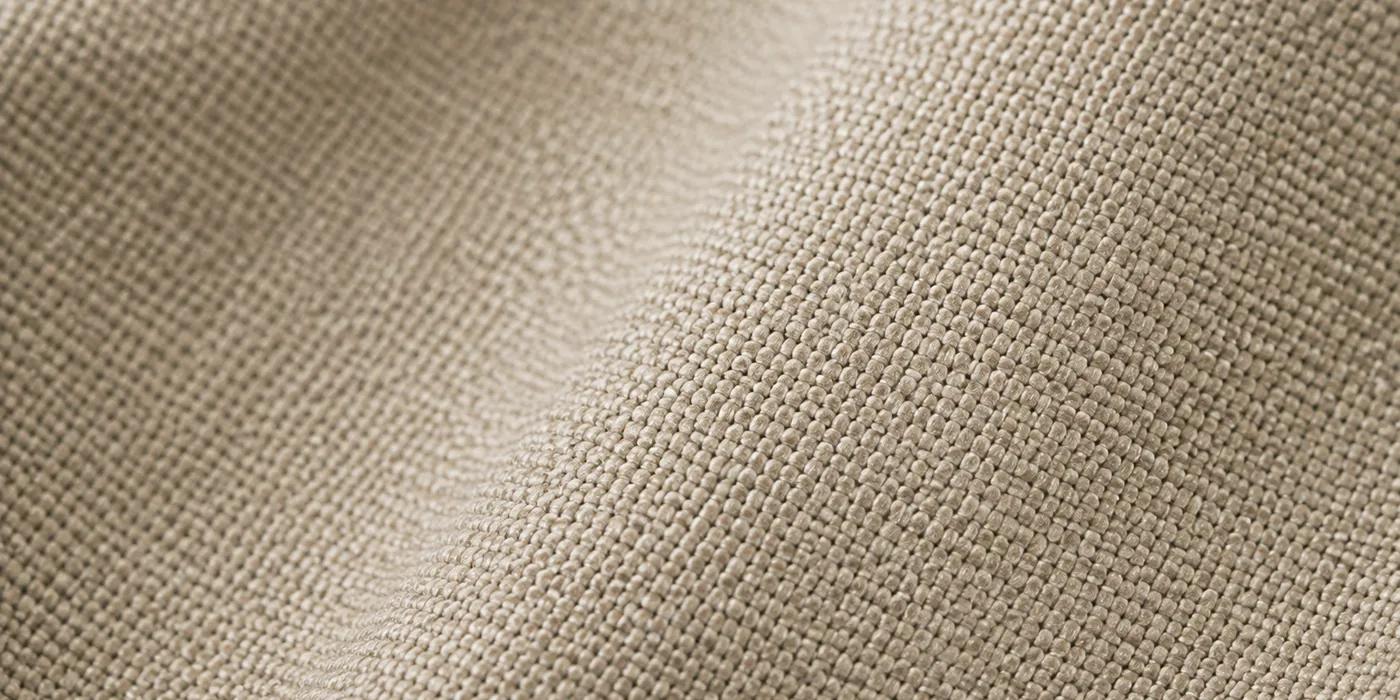
Every swatch below is the same color value. Only the weave changes — which is why a chip never predicts the finished piece.
Pale sand
Mid taupe
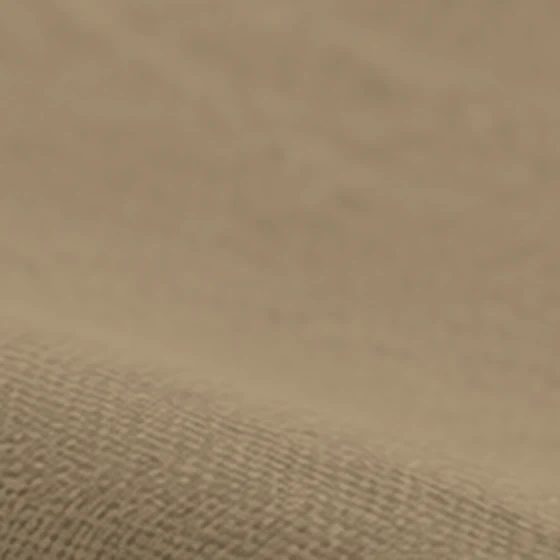
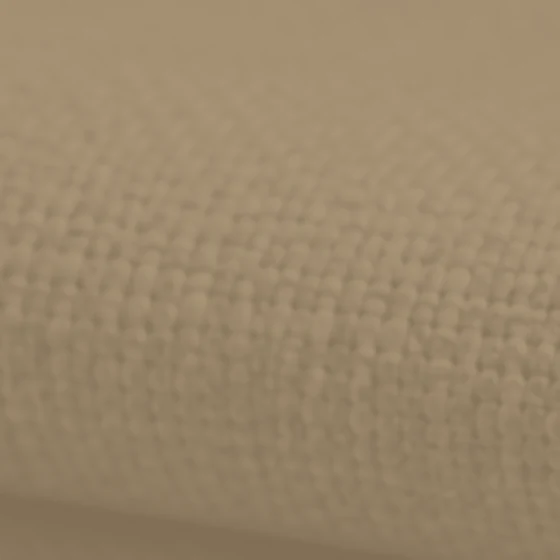
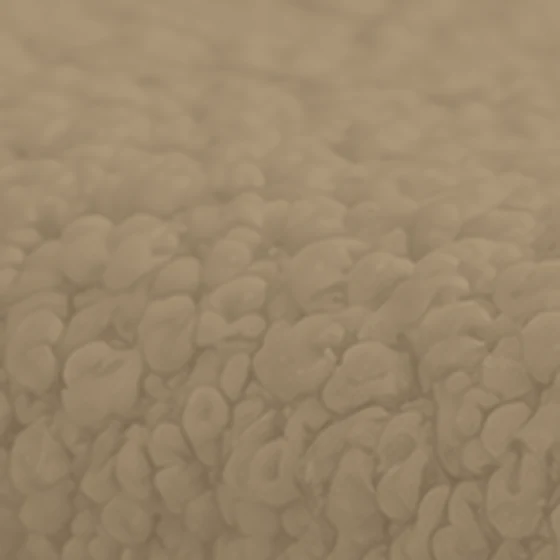
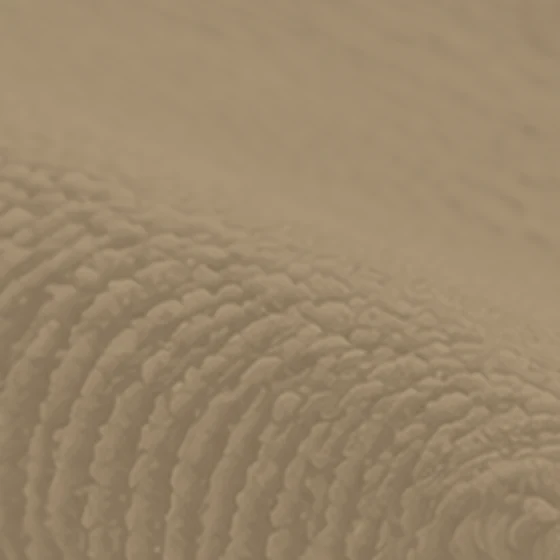
Deep olive
Fiber Content Decides Almost Everything
“Upholstery fabric” is a category, not a material. Fiber is what divides the types of upholstery fabric — it sets how a cloth takes color, sun, water and wear.
Natural fibers · grown
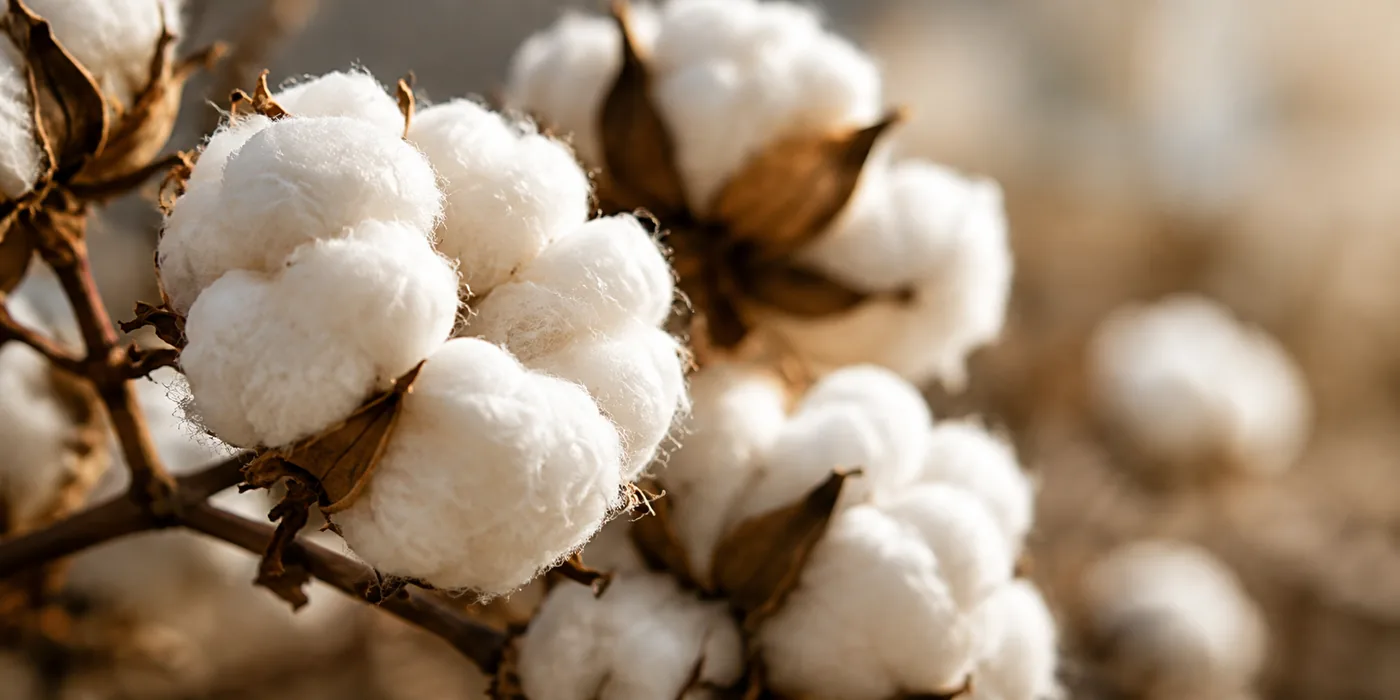
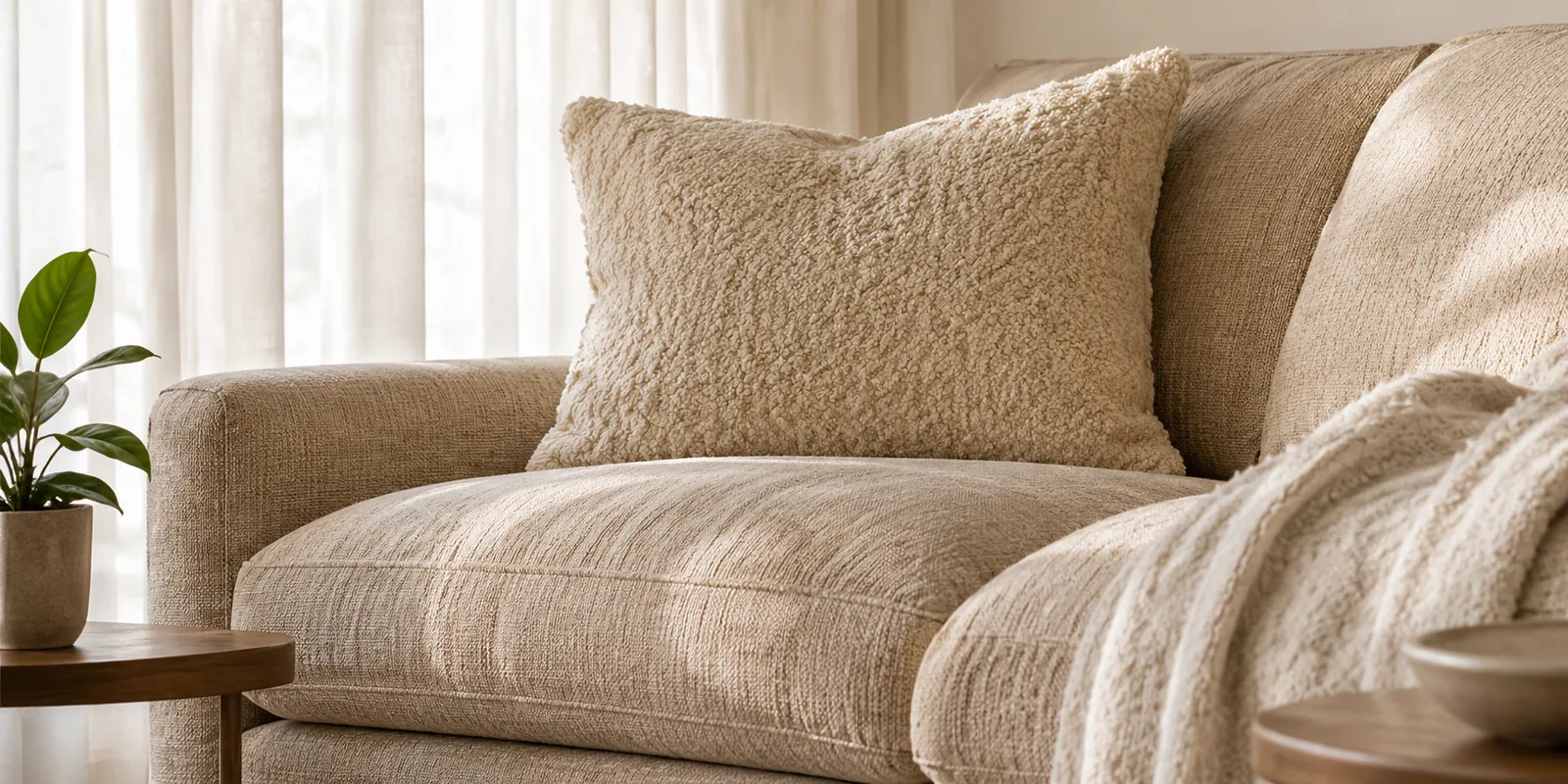
Cotton
Breathable, comfortable from day one, dyeable in almost any shade.
Strong at
- Breathability
- Deep dye uptake
- Everyday comfort
Gives up
- Absorbs spills fast
- Fades in direct sun
- Creases
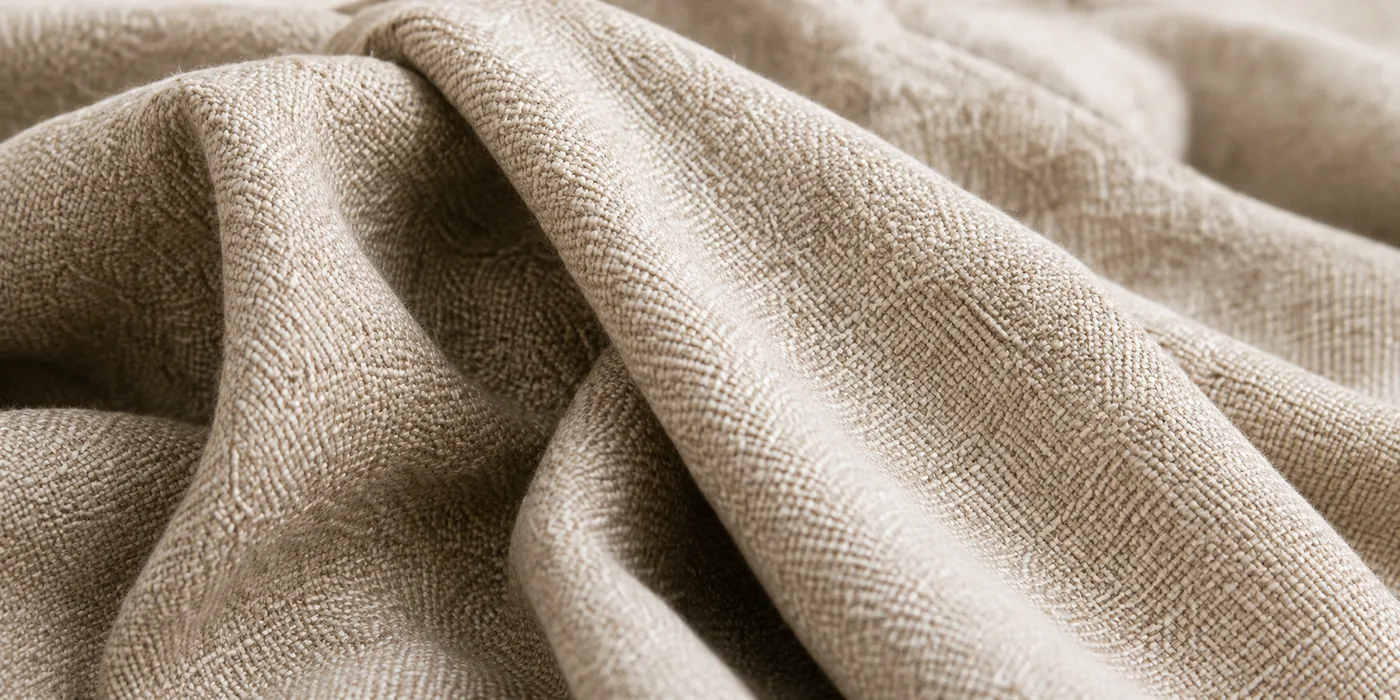
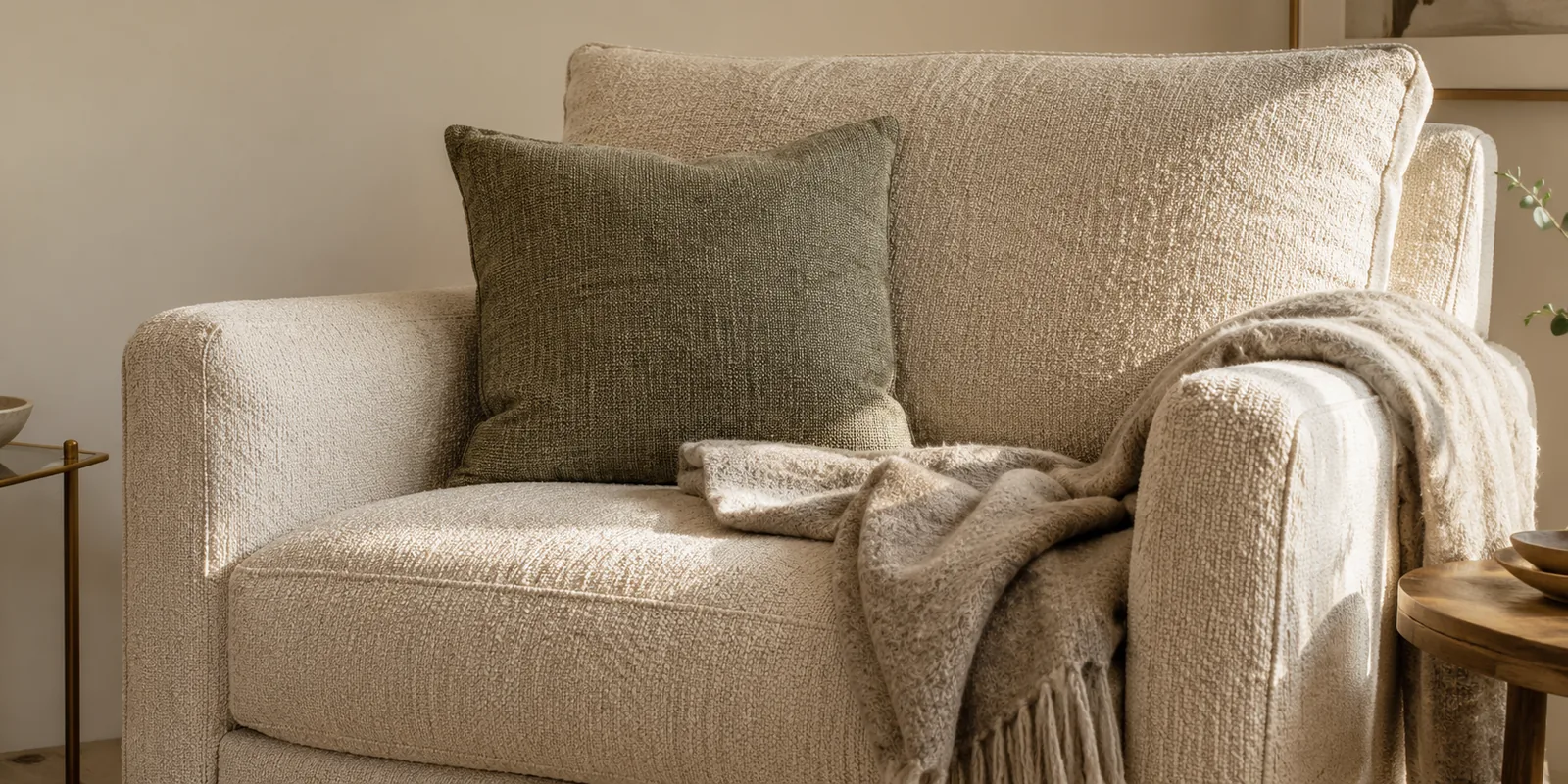
Linen
A cool, crisp handle, and a texture that improves with use.
Strong at
- Cool and crisp
- Improves with age
- Natural look
Gives up
- Wrinkles
- Shows water marks
- Weak on abrasion
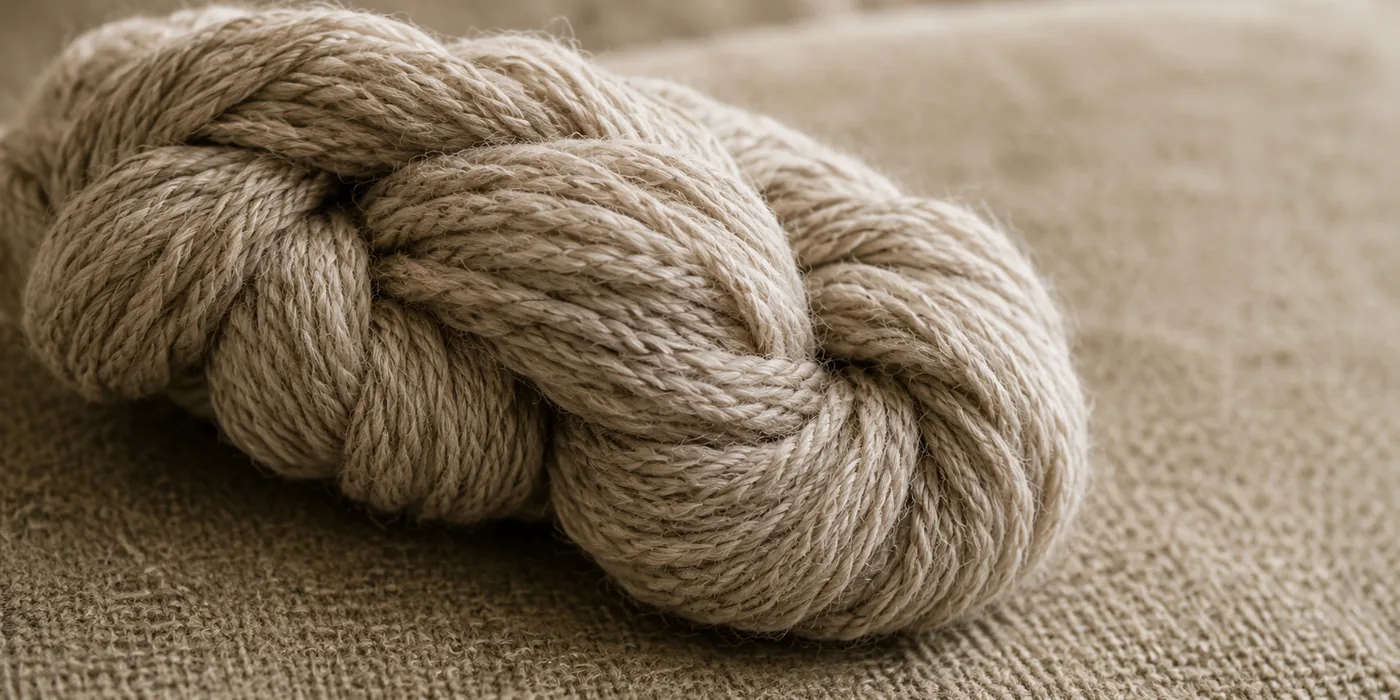
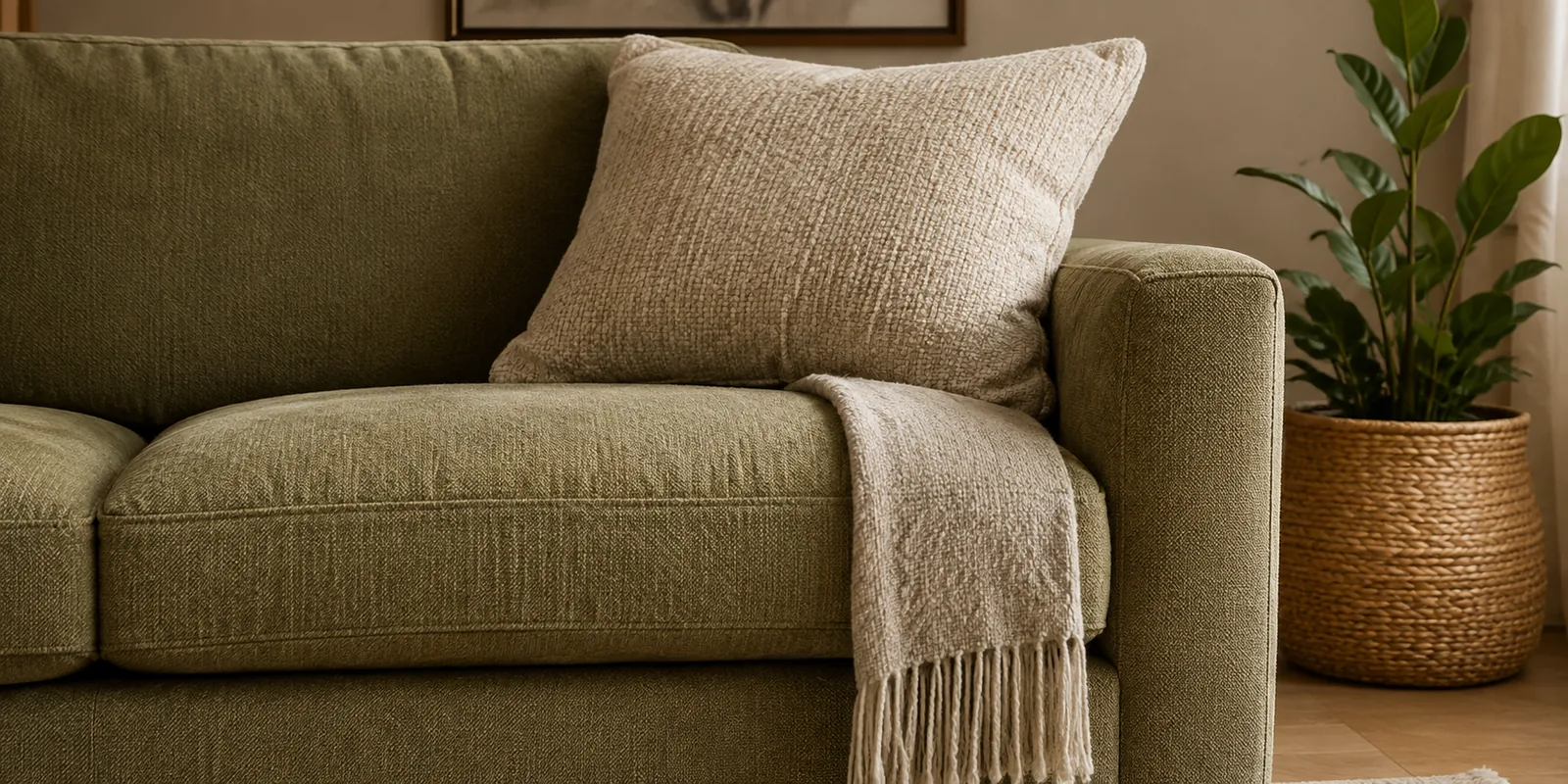
Wool
Springs back from crushing; resists soil and flame with no added finish.
Strong at
- Resilient
- Soil resistant
- Flame performance
Gives up
- Heat sensitive
- Dislikes agitation
- Moth larvae eat it
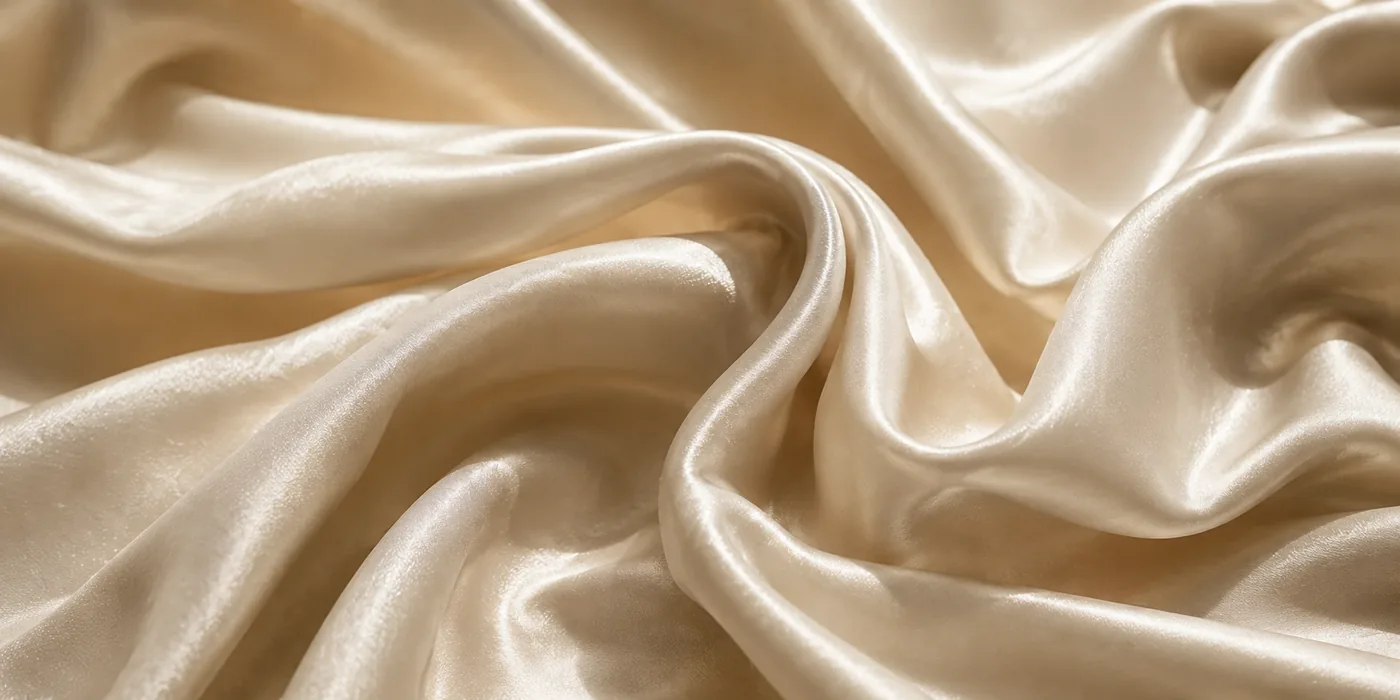
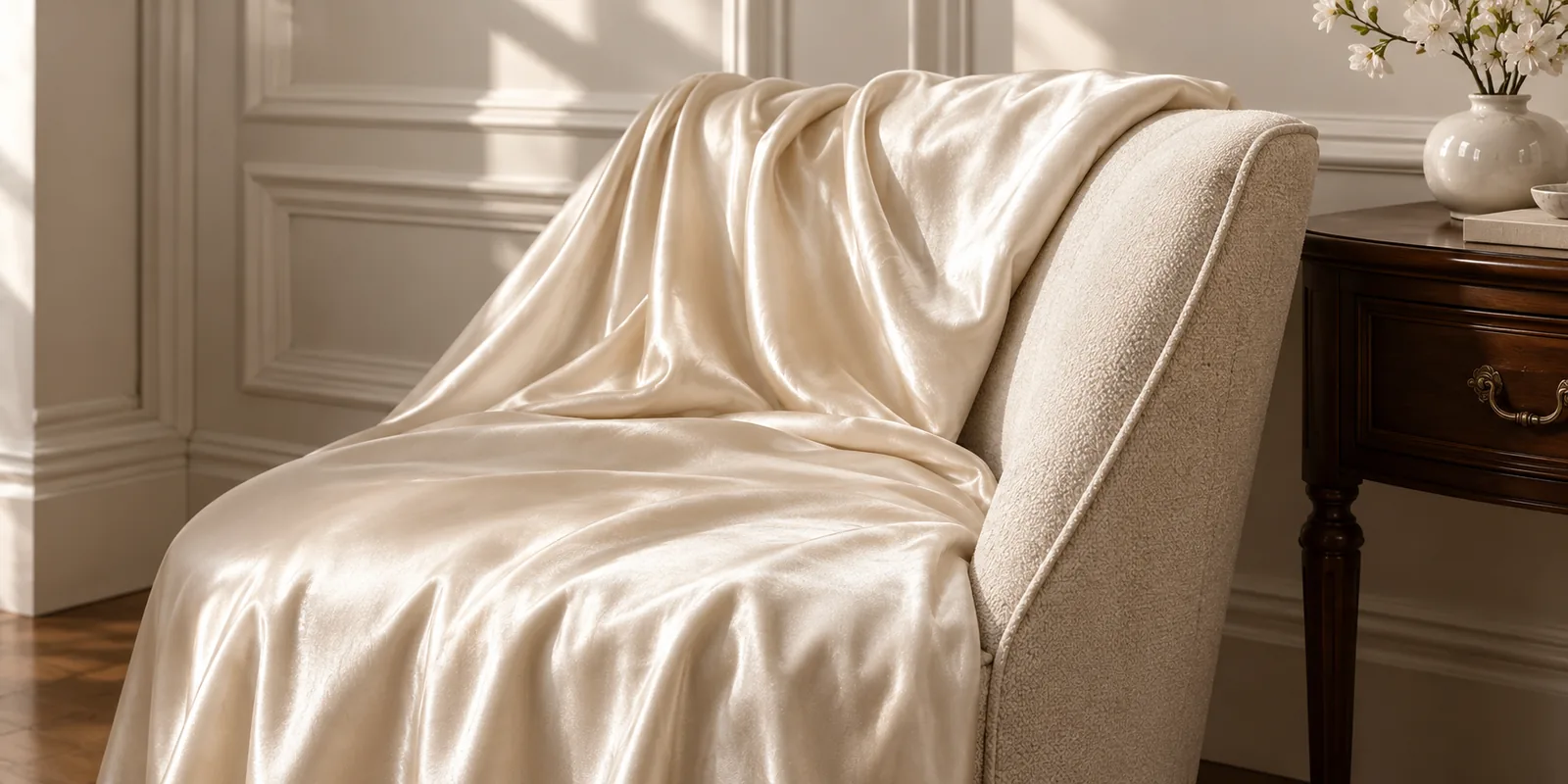
Silk
Lustre and drape nothing synthetic reproduces convincingly.
Strong at
- Lustre
- Drape
- Rich color
Gives up
- Water-marks
- Weakens in sun
- Not for heavy use
Manufactured fibers · engineered
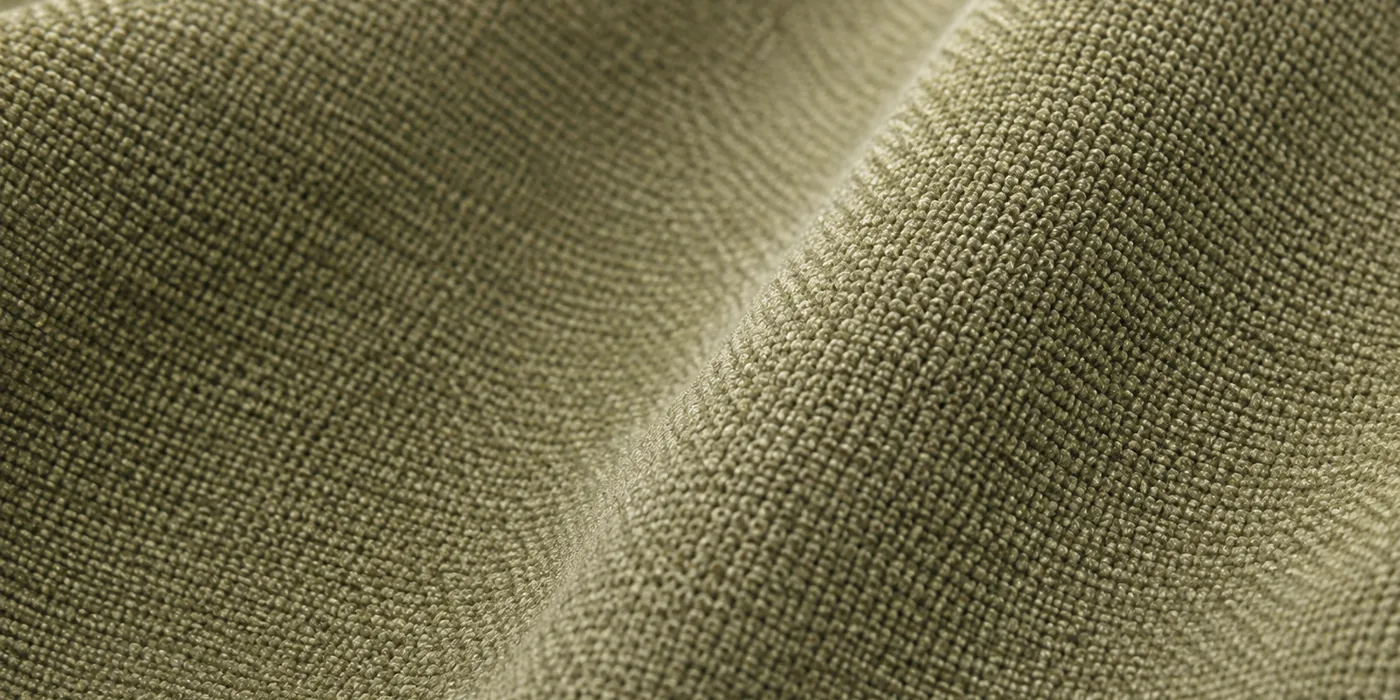
Most fabric is a blend. Read the percentages, not the trade name — a blend cleans like its most fragile component.
If Your Furniture Is Not Actually Woven Fabric
Four materials get mistaken for woven fabric. Each has its own page.
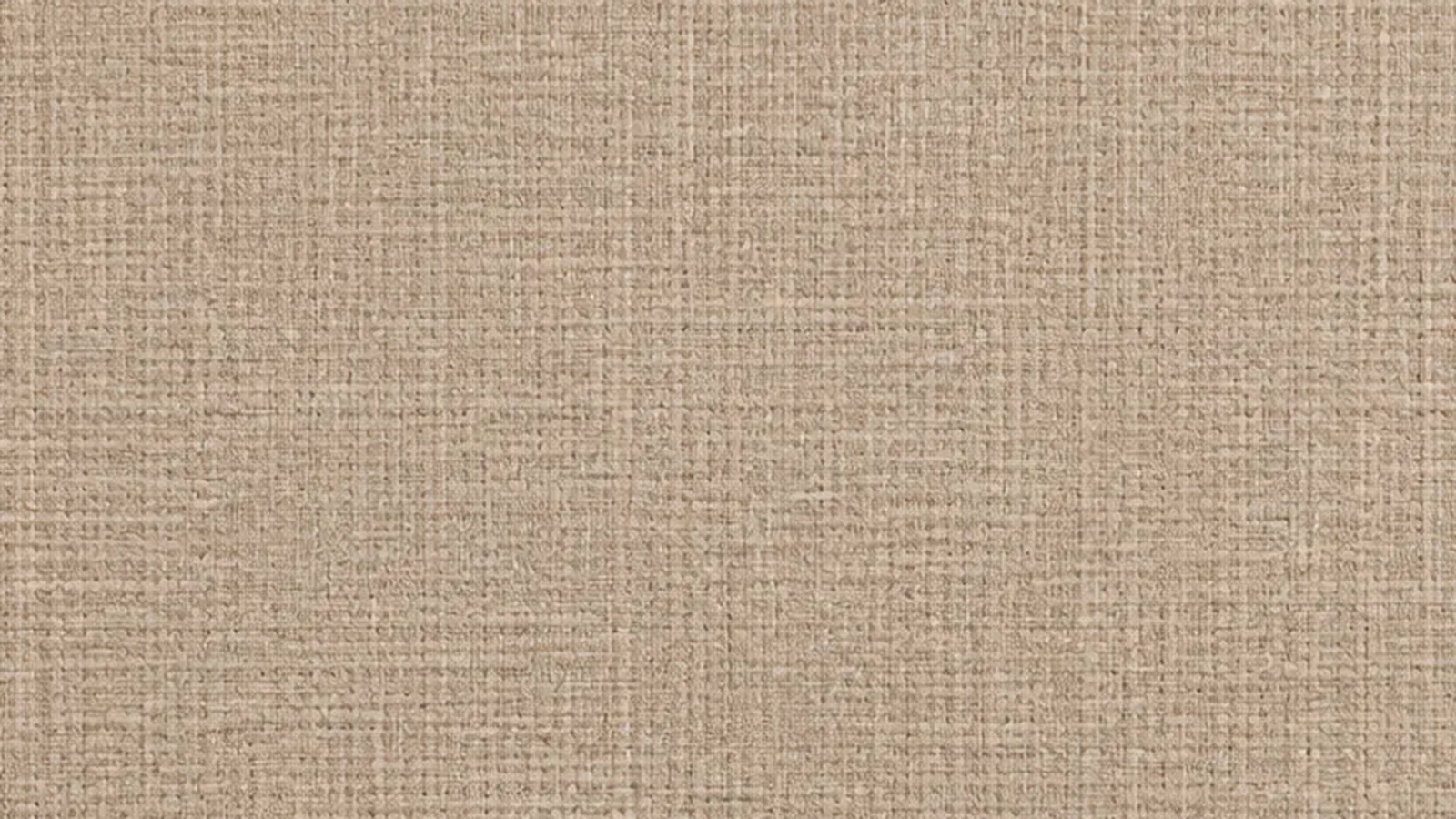
Performance Fabric
Engineered for spills, sun and claws.
Go to Performance Fabric →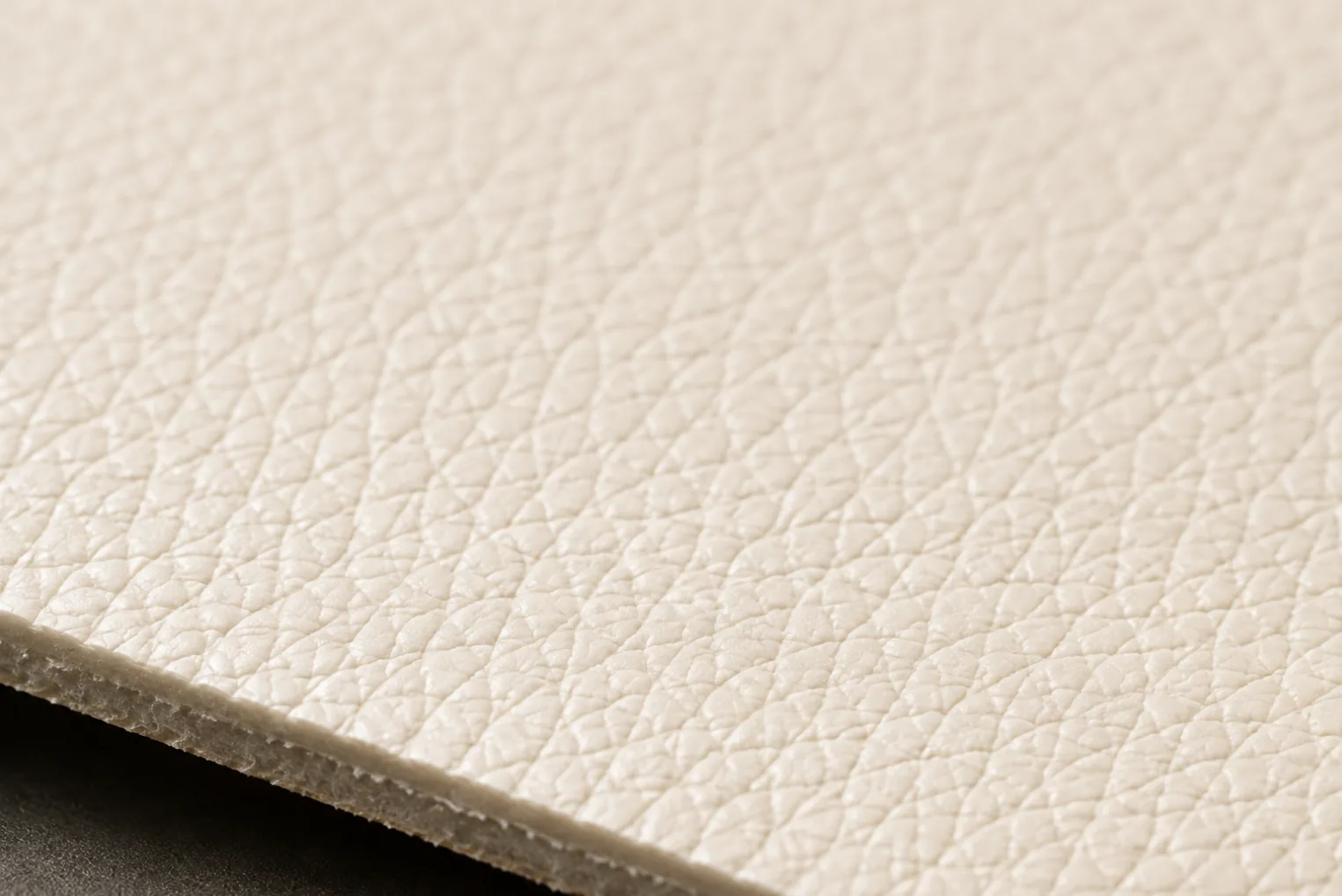
Faux Leather
A polymer skin over a fabric backing — a surface, not a textile.
Go to Faux Leather →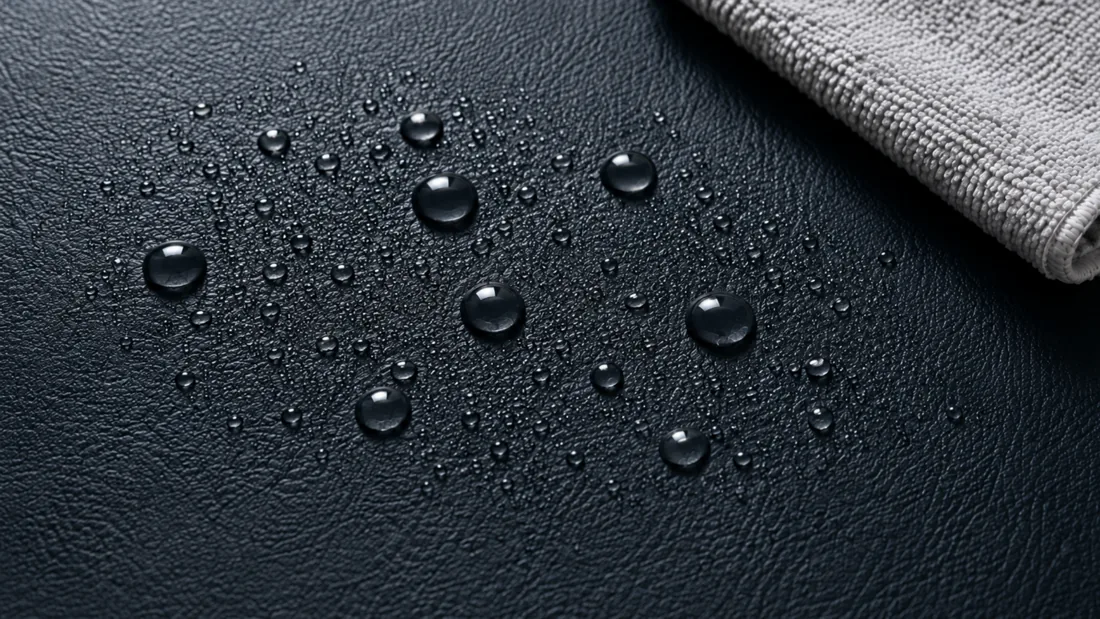
Vinyl
Non-absorbent by design; repaired, not cleaned.
Go to Vinyl →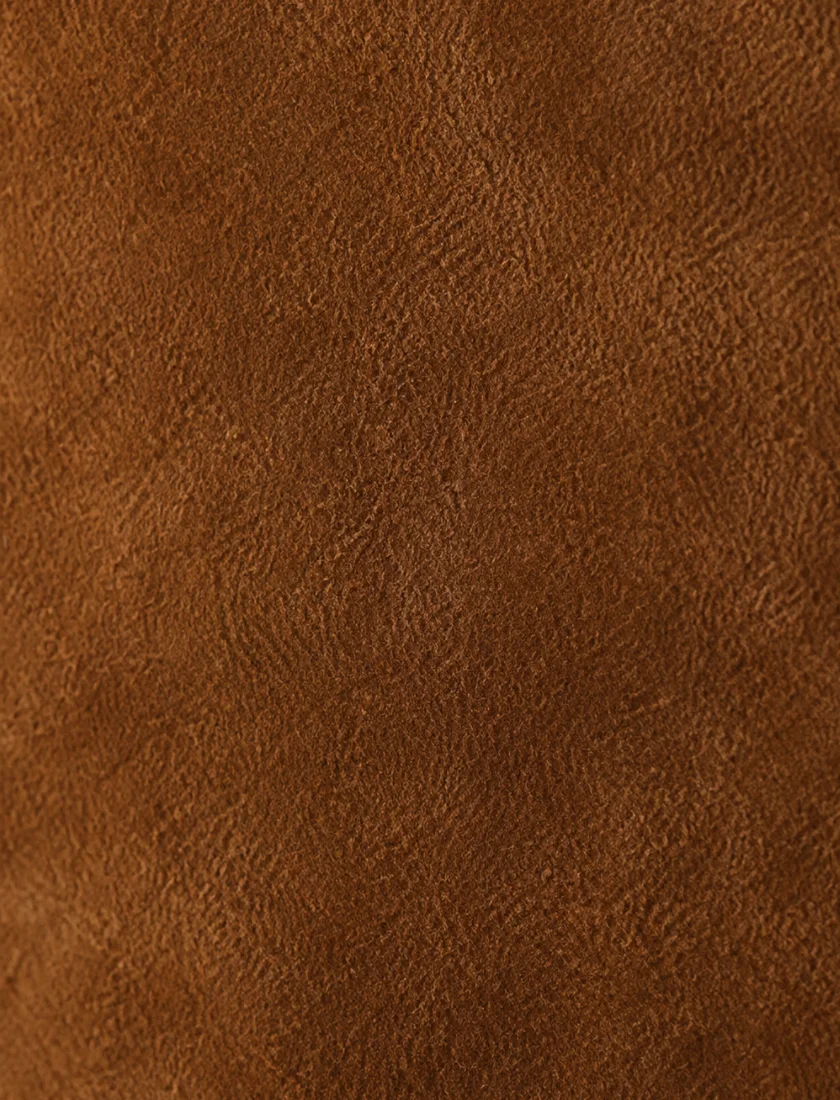
Suede & Microsuede
One is split hide with a raised nap. The other imitates it.
Go to Suede →Still unsure? The upholstery material types hub sets the types of upholstery fabric against every other material side by side — or send a close-up and we will identify it.
Related Pages
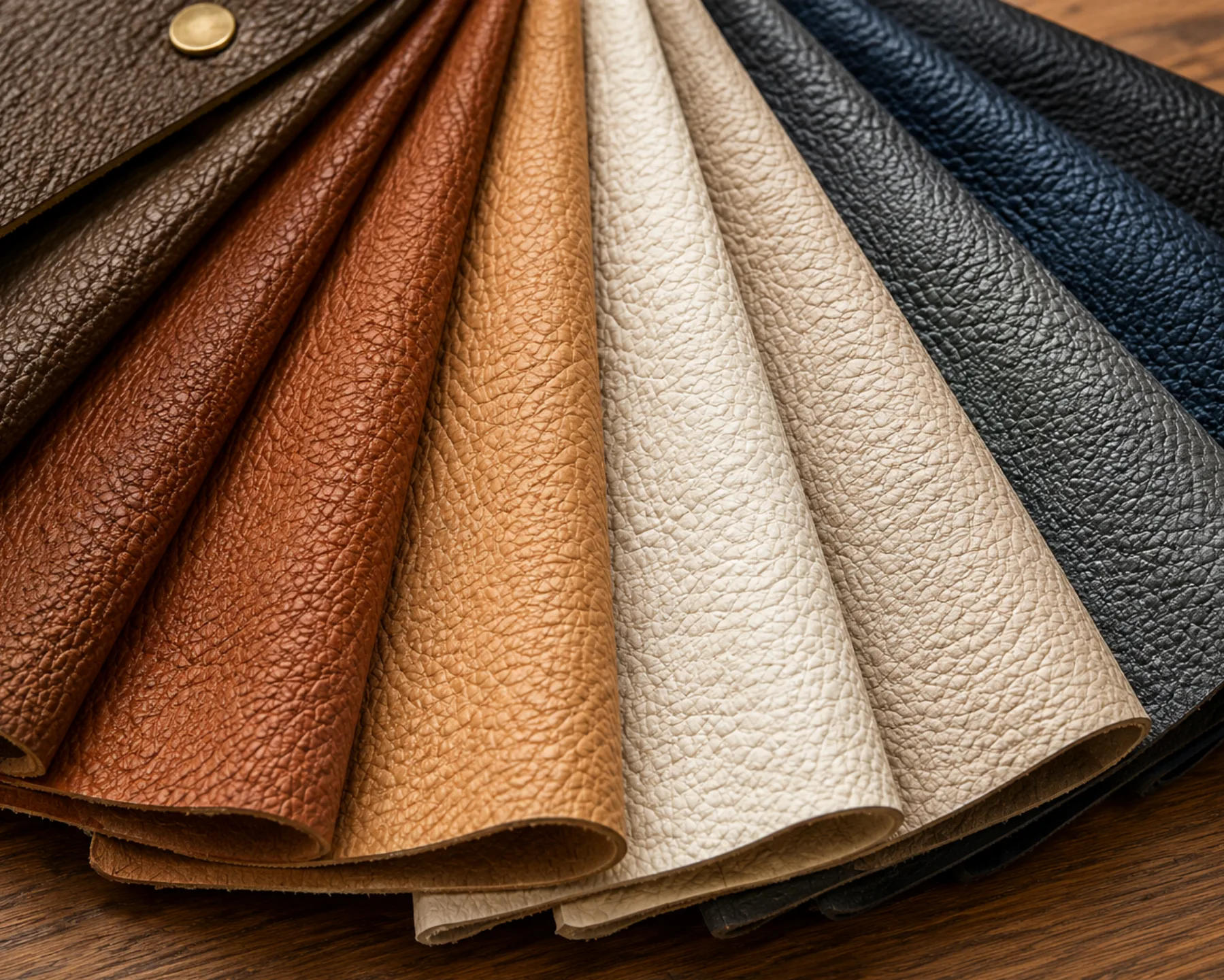
All Upholstery Material Types
Every material we work on, compared on the same four measures.
View the hub →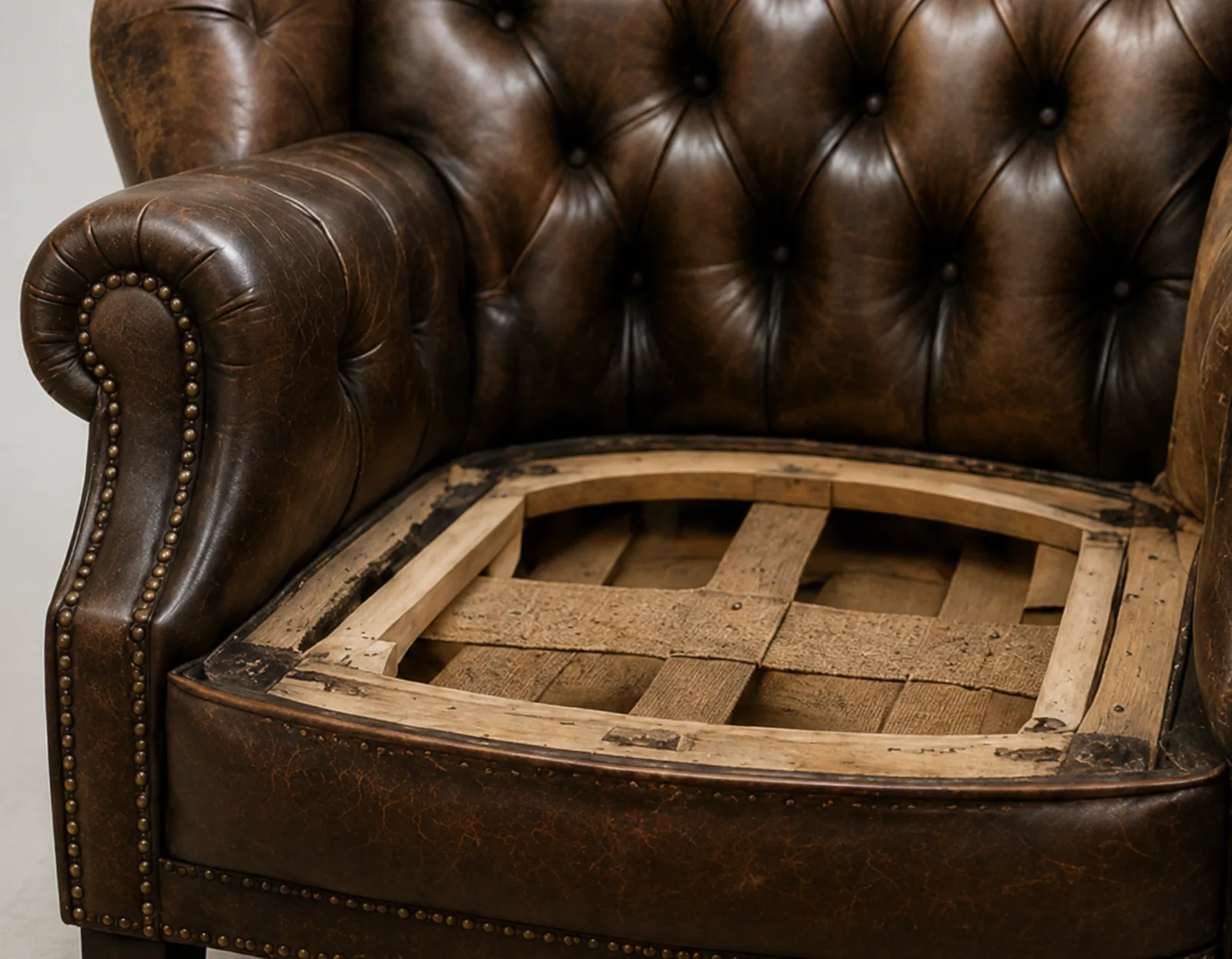
Full Reupholstery
New cover on the original frame, once the yarn has gone.
See the service →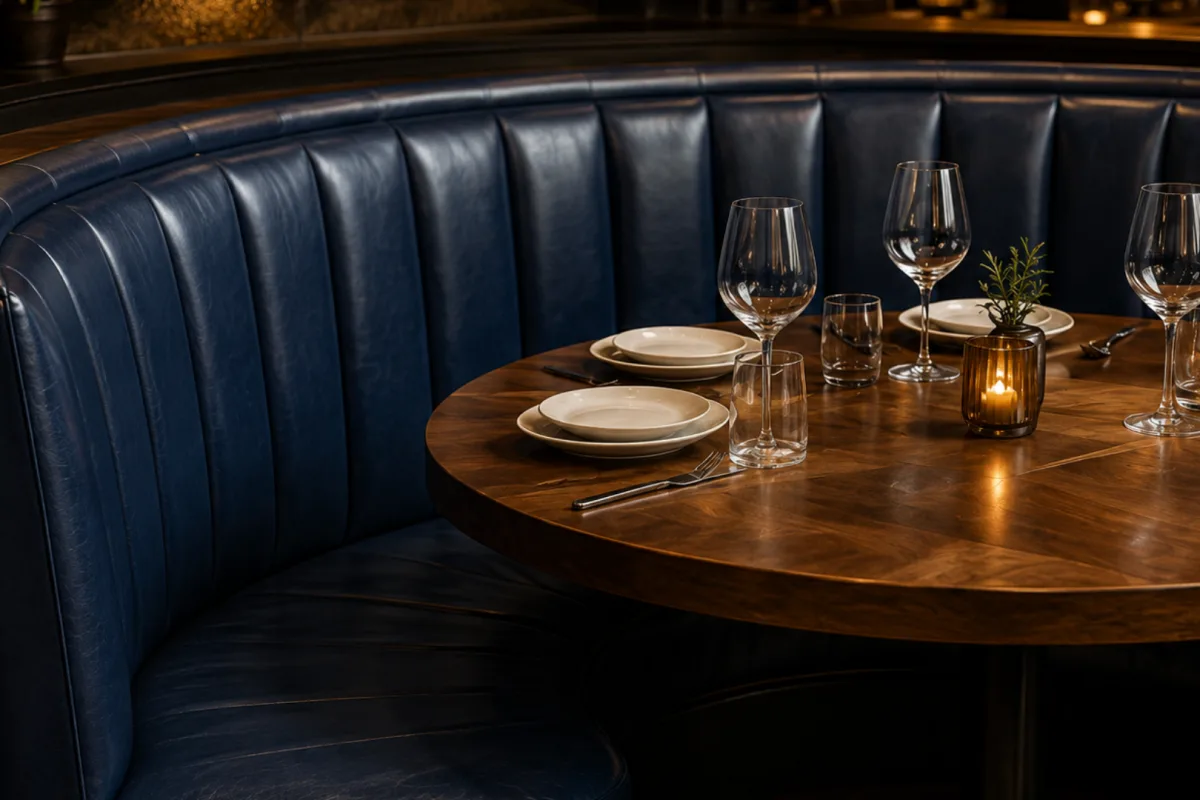
Commercial Fabric Reupholstery
Volume re-covering for restaurants, hotels and offices.
See the program →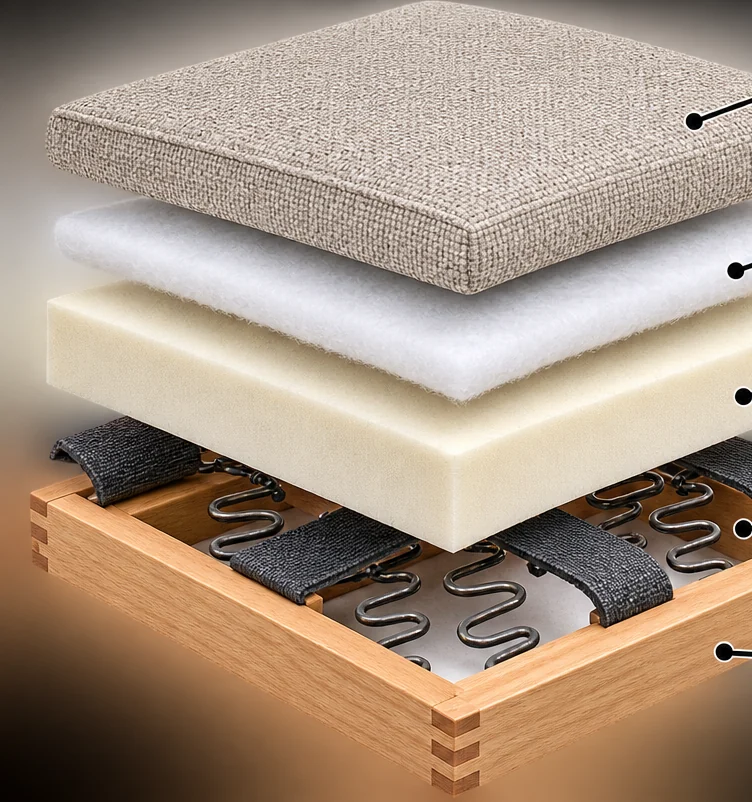
Cushion Re-Filling
When the cover is fine and the seat has simply collapsed.
See the service →Upholstery Fabric, Answered
What are the types of upholstery fabric?
The types of upholstery fabric divide on two variables rather than one long list. The first is fiber content — cotton, linen, wool and silk among the natural fibers, polyester, nylon, acrylic, olefin and viscose among the manufactured ones — which decides how the cloth resists abrasion, sunlight and water. The second is weave structure — plain, twill, jacquard and pile — which decides how wear shows once it starts. Any fabric is one fiber choice crossed with one weave choice, and both have to be read together before you can say how the piece will behave.
What is upholstery fabric?
Upholstery fabric is yarn woven or knitted into cloth and used to cover furniture. It carries no surface coating, so the fiber is the material all the way through. That is the structural difference from leather, faux leather and vinyl, which are all surfaces with something else underneath.
What is the most durable upholstery fabric?
There is no single answer, because durability is not one property. Nylon and polyester lead on abrasion resistance, solution-dyed acrylic leads on color retention in sunlight, and olefin leads on resistance to waterborne staining. A tightly woven fabric in any of those fibers will outlast a loosely woven one in the same fiber, and a pile fabric can look worn long before its yarn is anywhere near failing.
What do the letters W, S, WS and X mean on an upholstery label?
They are cleaning codes for the face fabric. W means clean with a water-based agent. S means water will mark it and a dry-cleaning solvent must be used instead. W-S means either class of cleaner is acceptable. X means neither — vacuum and light brushing only, because any liquid risks shrinking, staining or leaving a ring. The letters are a voluntary furniture-industry convention rather than a legal standard; the trade body behind it is the American Home Furnishings Alliance.
Can upholstery fabric be cleaned at home?
A fresh spill blotted immediately, and routine vacuuming, are both safely done at home on any code. Wet cleaning a whole piece is where home attempts usually go wrong: over-wetting drives soil deeper into the filling, then wicks it back to the surface as it dries and leaves a ring larger than the original mark. On an S or X coded fabric, water can shrink or watermark the cloth outright. Anyone wet cleaning a whole piece should be working to the upholstery standard the IICRC certifies against.
What are double rubs?
A double rub is one back-and-forth pass of an abradant across a fabric sample in a Wyzenbeek abrasion test. The count recorded is the number of passes the fabric survives before it fails. It measures abrasion resistance only — it predicts nothing about staining, fading, pilling or how well the fabric will hold its appearance.
Is fabric or leather better for a sofa?
They fail differently, which is the honest way to choose. Leather is a surface, so damage tends to be local and can often be repaired and refinished in place. Fabric is fiber all the way through, so it takes soil and sunlight into the yarn where nothing can be applied over the top, but it will not crack or peel. Fabric also carries pattern and texture that no leather can.
Why is my fabric sofa pilling?
Pills are short fibers that have worked loose from the yarn and tangled at the surface. Blends and staple-fiber yarns pill more readily than long filament yarns, and it concentrates wherever there is friction — seat fronts, arm tops, the backs of cushions. Pills can be shaved off and the fabric underneath is usually sound, but they return wherever the friction continues.
Can a stain be removed from upholstery fabric?
It depends on whether the stain has only deposited on the fiber or has dyed it. Fresh spills and body oils sit on the fiber and normally lift. A stain that has dried in, or a dye that has transferred from denim or a throw, has colored the yarn itself — and because there is no coating to work over, that is a change to the material rather than a deposit on it. Those cases are improved rather than removed.
Can faded upholstery fabric be restored?
No. Sun fade is dye that has broken down inside the fiber, not a film sitting on top that can be re-coated the way a pigmented leather finish can. Cleaning will lift the soil film and often makes a faded piece look brighter, but the color that is gone does not come back. Even fade across a whole piece reads acceptably; fade on one arm or one cushion does not, and that is usually a re-cover.
When should a fabric sofa be reupholstered instead of cleaned?
When the yarn itself has gone, rather than the fabric being dirty. The signals are thinning you can see light through at a seat front, open weave or a split along a seam, and color loss confined to one panel. Cleaning cannot add yarn back. If the frame and the springs are sound — and on older furniture they very often are — re-covering gives you the piece back rather than replacing it.
Clean It, Re-Fill It, or Re-Cover It.
Across all the types of upholstery fabric the answer is usually obvious from a close-up of the worst area and one shot of the whole piece. No charge for looking.
(347) 310-7483- Free, no obligation
- You send photos; nothing to schedule
- We say so when it is not worth doing
- New York City & New Jersey