Commercial Capabilities

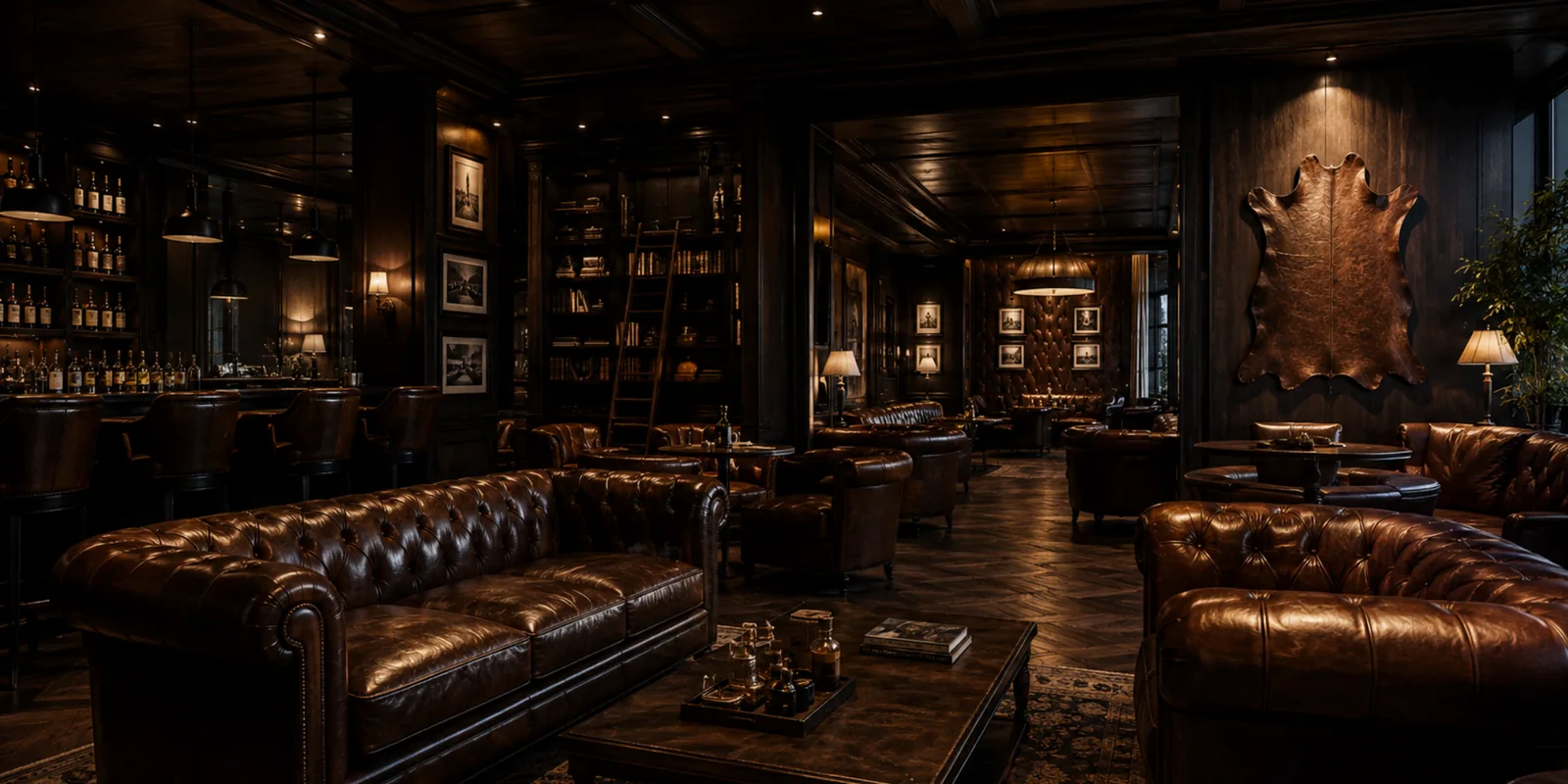
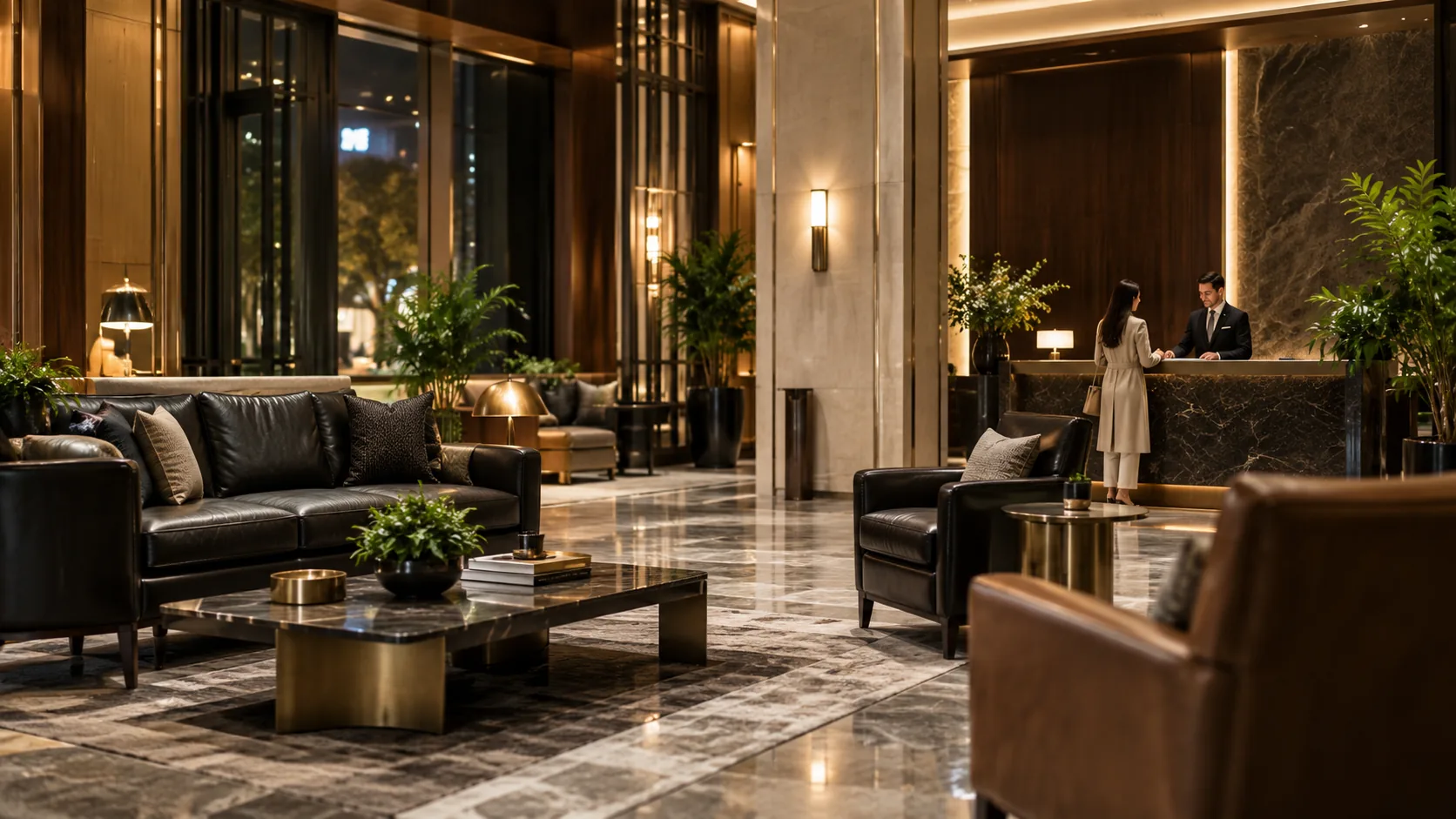
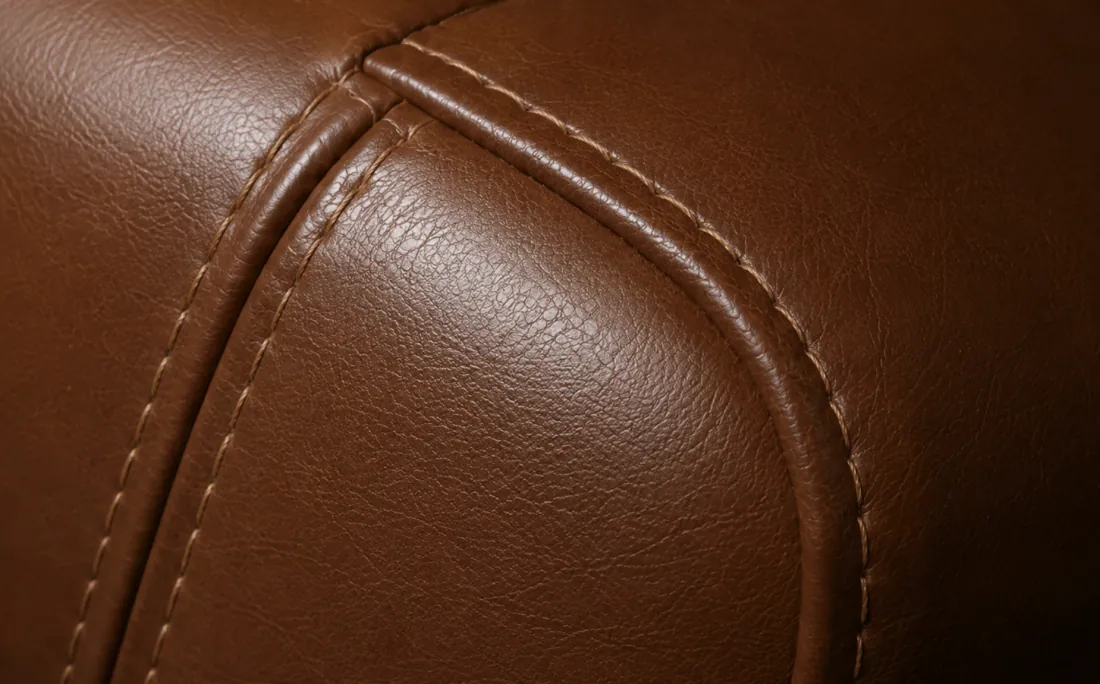
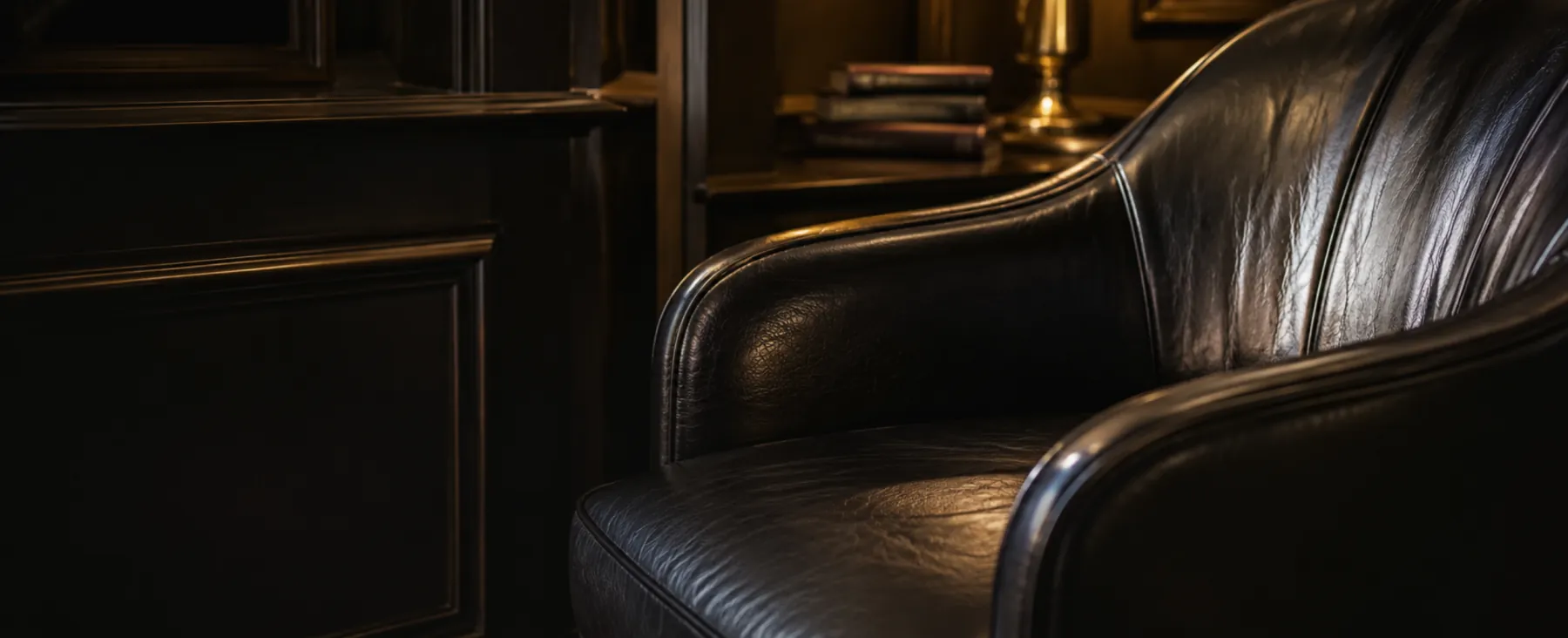
Commercial furniture repair capabilities — dark leather armchair and wood panelling in a New York City interior

Commercial furniture repair capabilities · New York City

The CapabilitiesNine things that decide whether the work can happen at all.

Three obstacles, one process

A capability is not a service.
It is the reason a service is possible.

Commercial repair, restoration, reupholstery and maintenance are the work performed on the furniture. Capabilities are what make that work deliverable in a building that is still trading. Commercial furniture repair rarely fails on craft — it fails on access, matching or admission. Eight capabilities answer those three. The ninth, project process, is the order the other eight are called on in.
01Access · four capabilities
02Match · two capabilities
03Admission · two capabilities
Raking light across a dark brown leather armchair and a leather-clad wall
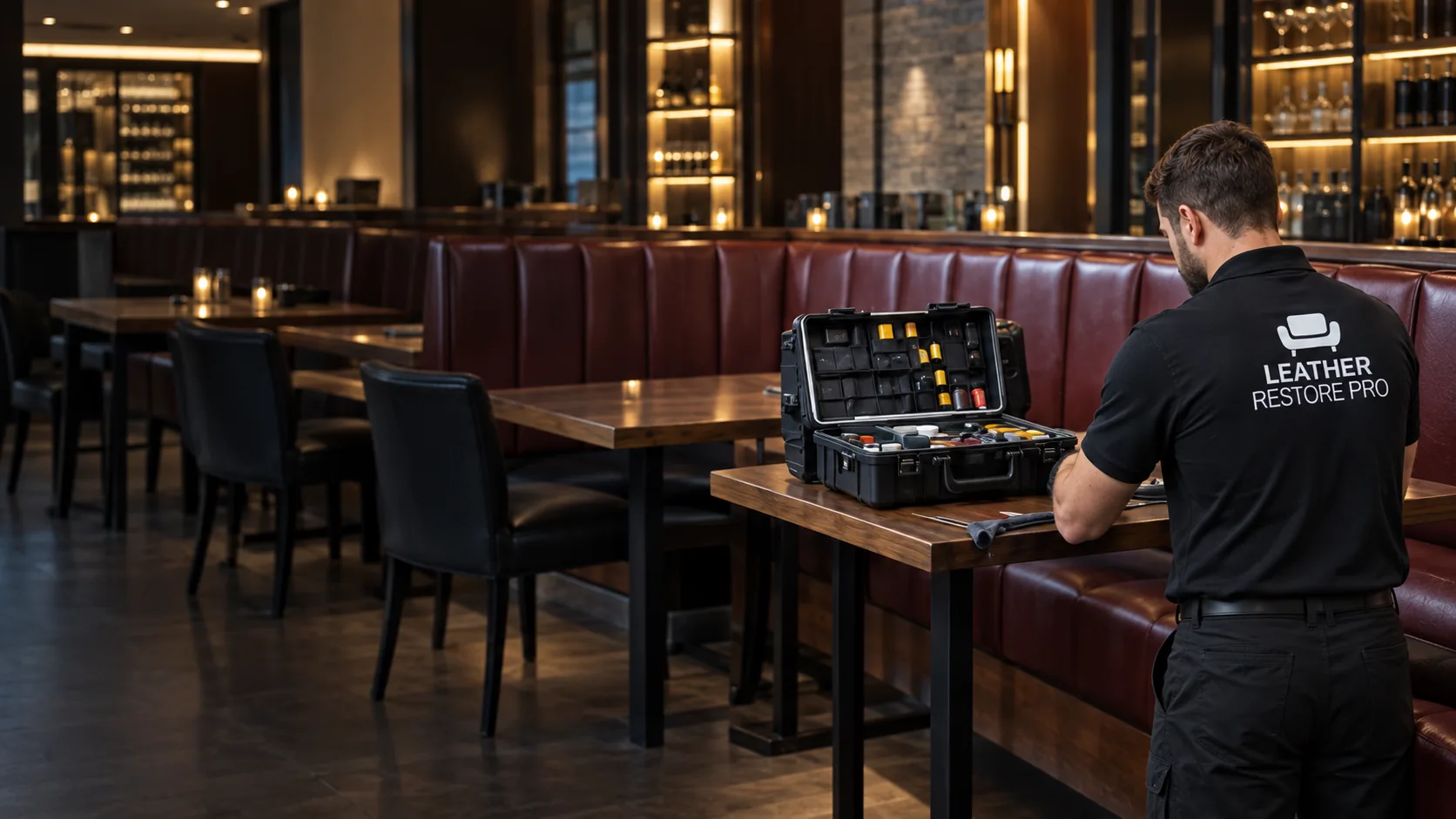
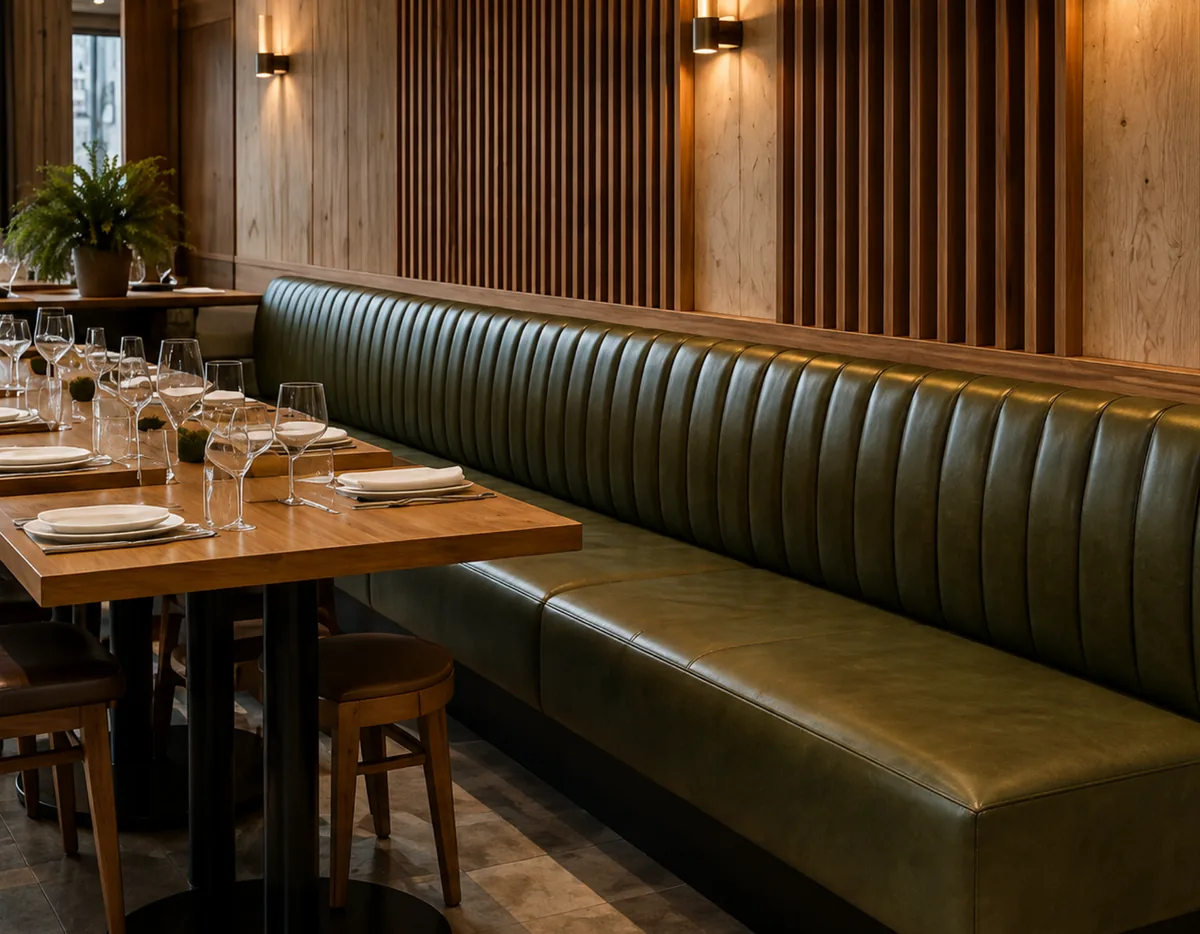
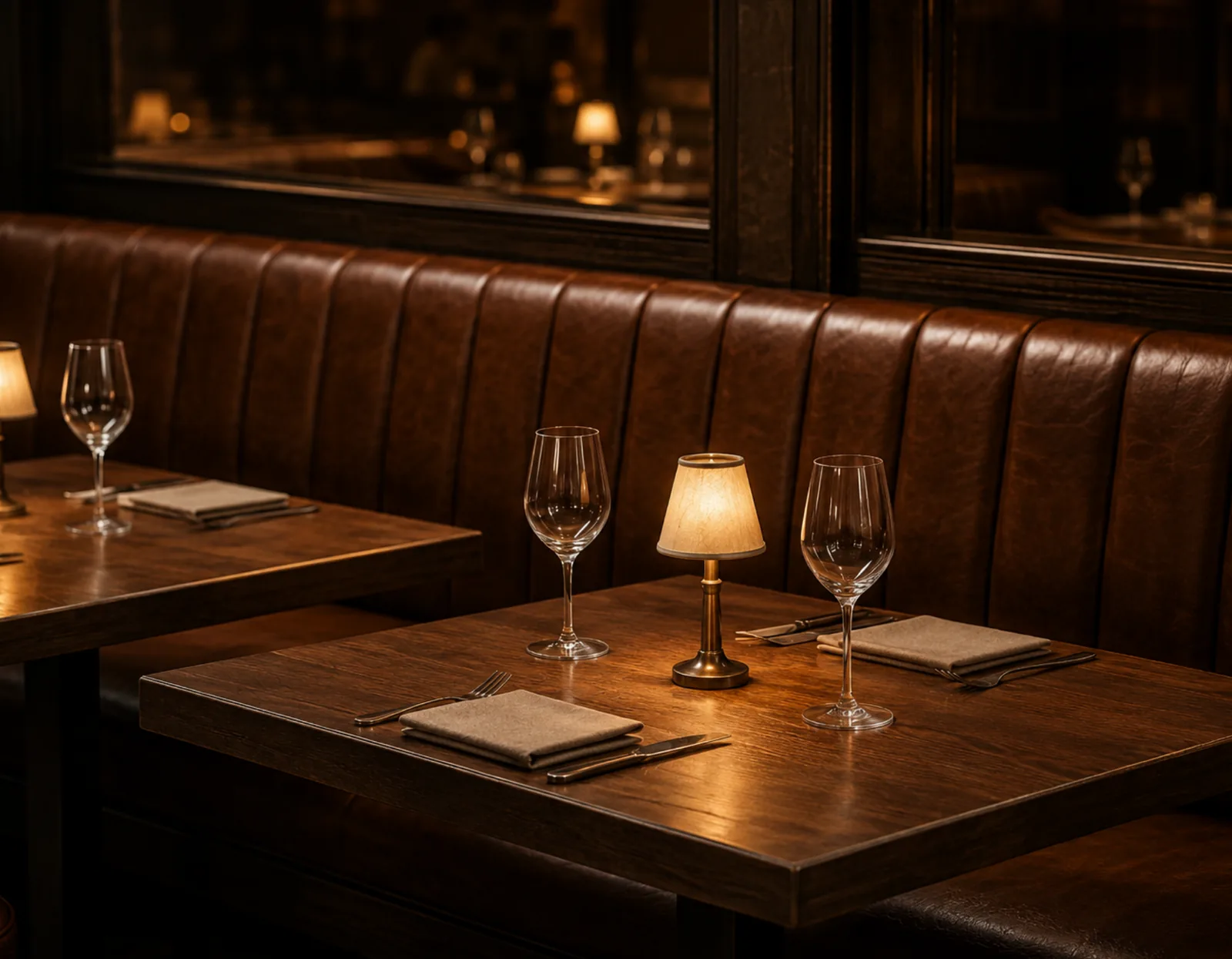
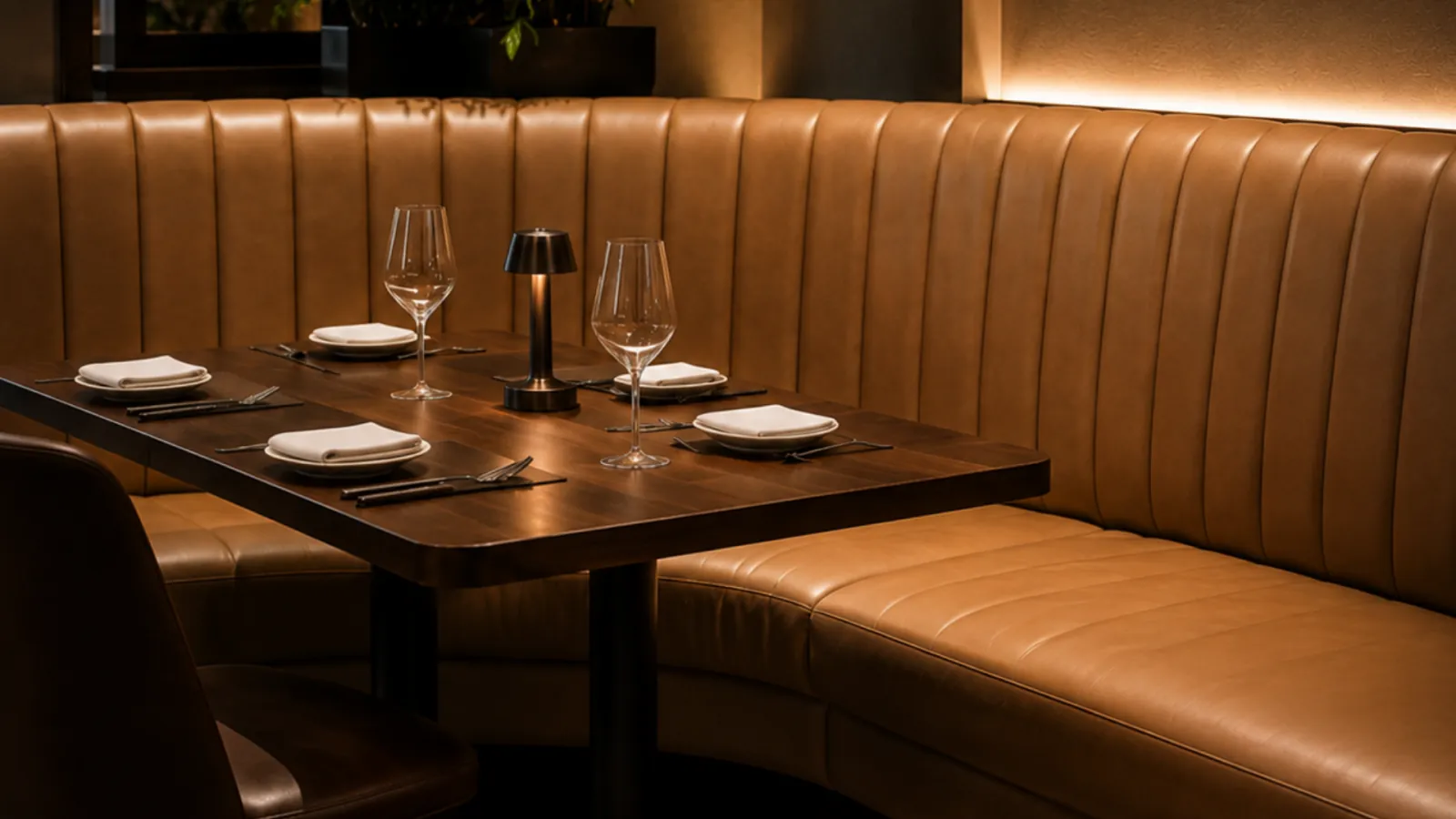
Fixed tan leather banquette seating in a restaurant, repaired in place without removal

In place

Most of it never leaves the room.

Built-in seating is joinery. A banquette run is screwed to a wall, a booth is fixed to the floor, and a bar front is part of the millwork — removing any of it means a carpenter before a technician ever touches leather. So it is repaired where it stands.

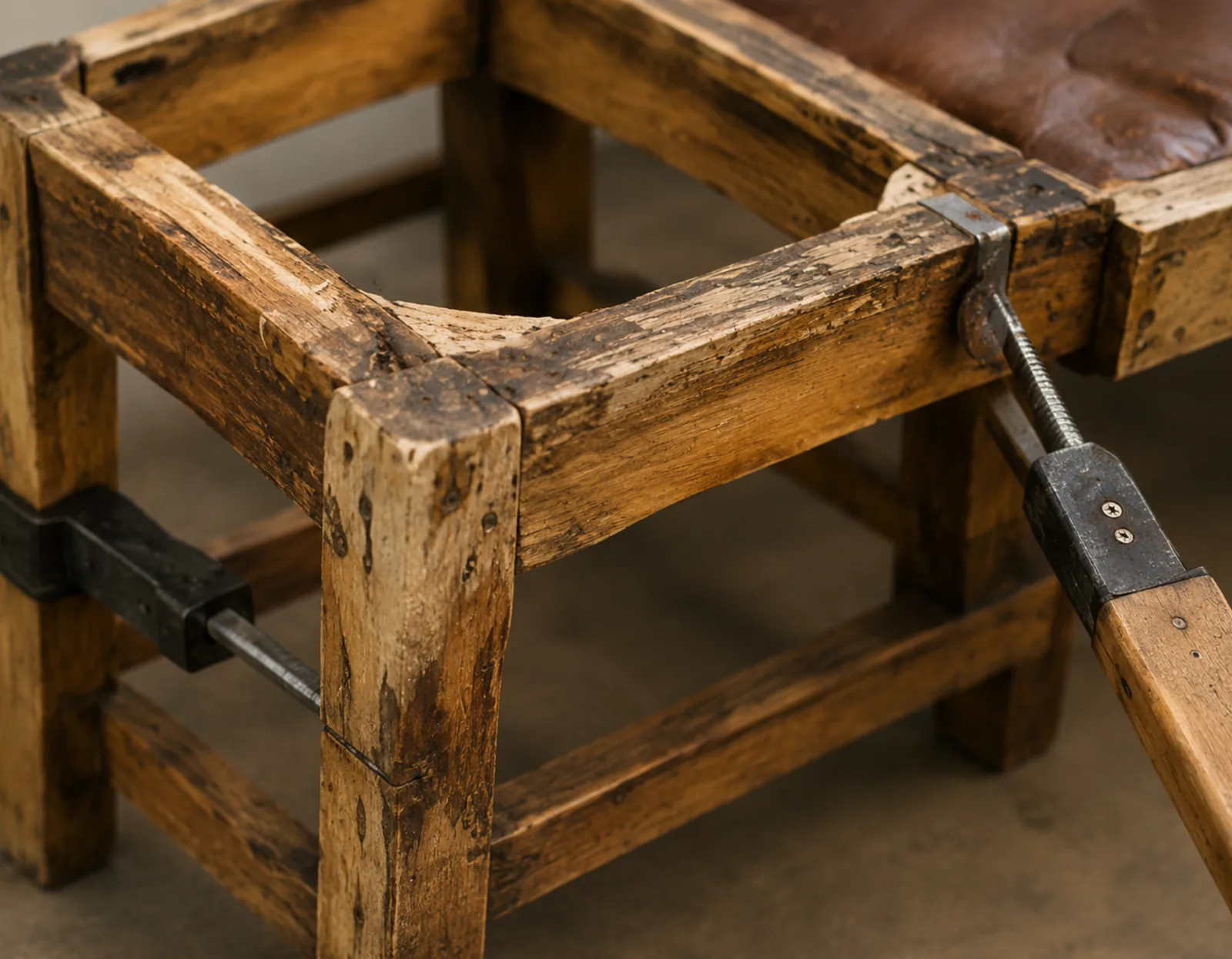
Only a narrow set of work genuinely requires a bench: a broken frame, foam that has to be cut to pattern, or a full recover. Those pieces are collected and returned. Everything else — colour loss, cracking, seams, tears, burns, panel replacement — is done on site.

The hours

We work in the gaps.Your trading day decides the schedule. Not ours.

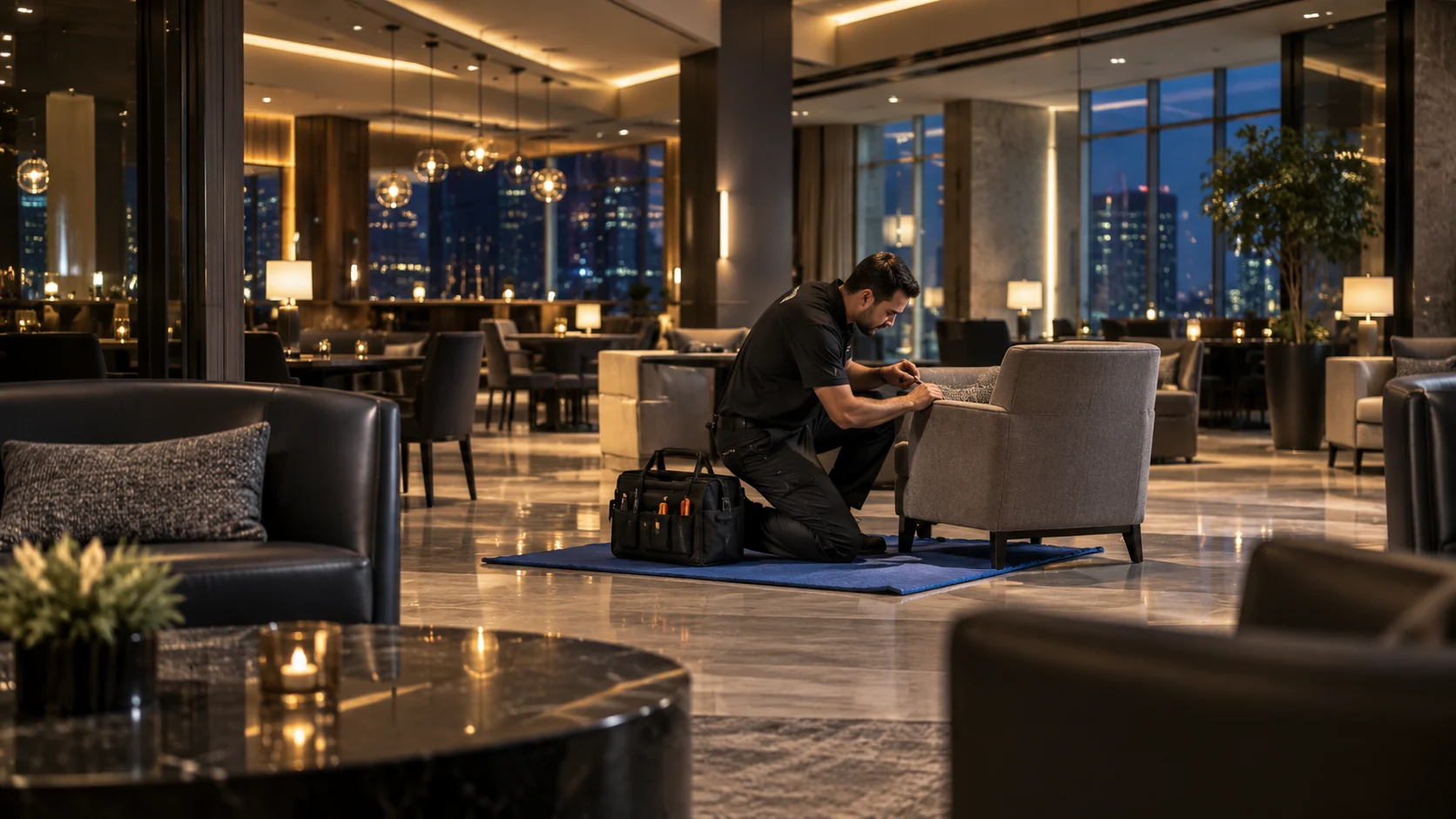
Three of the access capabilities are really one question asked three ways: when is this room empty? A restaurant's empty hours are not a hotel lobby's, and neither look like an office floor's. The window is chosen from your day, then written into the scope.

Example · a restaurant day
Guests in the roomService — nobody works
Trading
Overnight serviceClosed hours, handed back by opening
Crew on site
Off-hours serviceBefore opening, after closing, weekends
Morning window
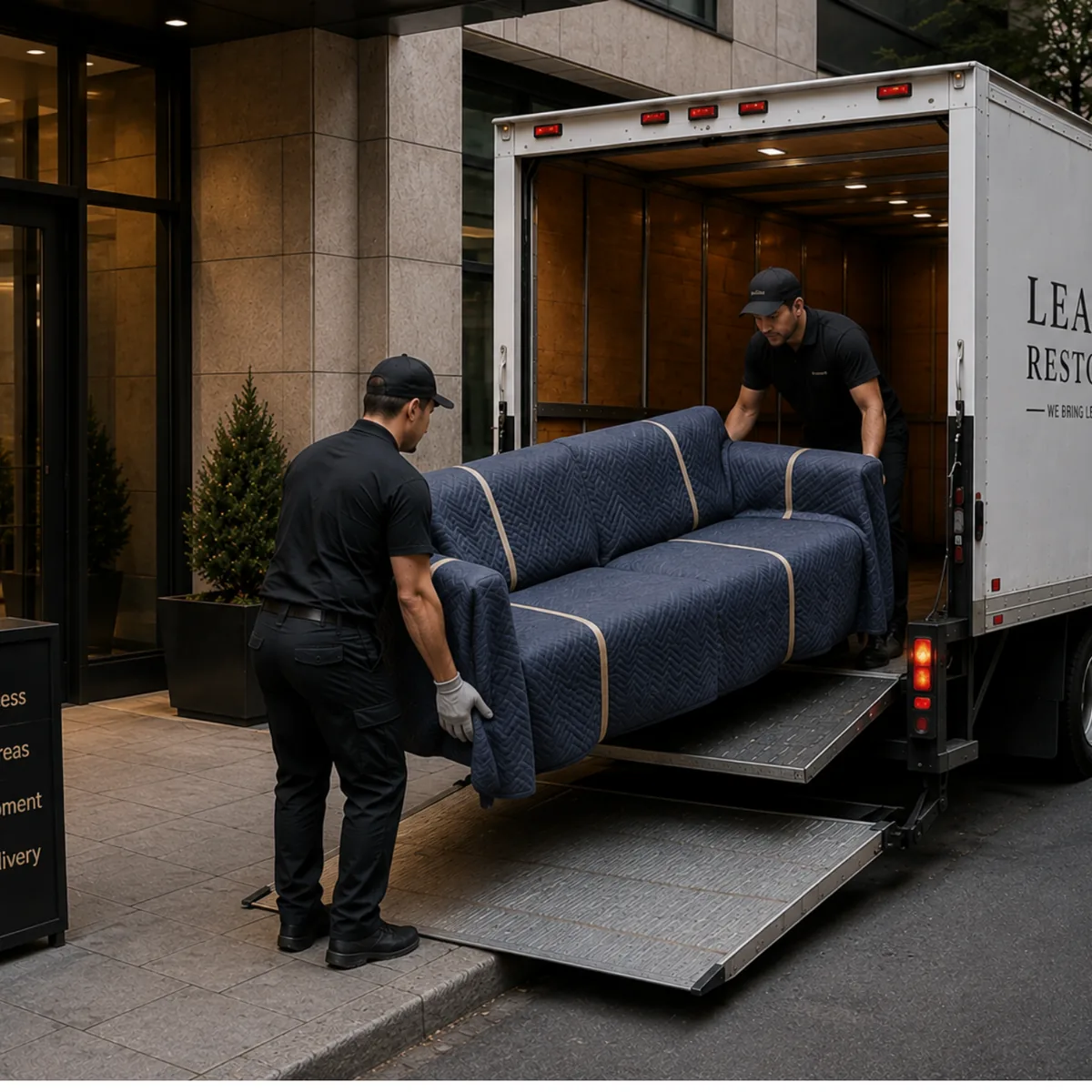
Pickup & deliveryDock and freight window, booked
Collection
On-site repairsAny hour, screened from guests
In place · any hour

One example day, drawn from a restaurant. A hotel lobby never closes, so the window is chosen around guest movement instead; an office floor is empty from early evening; a healthcare waiting room is scheduled around clinic sessions. What the window can hold depends on the number of pieces and the drying and curing times of the materials involved — which is settled in the written scope, never assumed.

Overnight Service Off-Hours Service

Scheduling is settled once under a B2B program, which is why short-notice night work is easy to arrange on a standing account and slower to arrange cold.

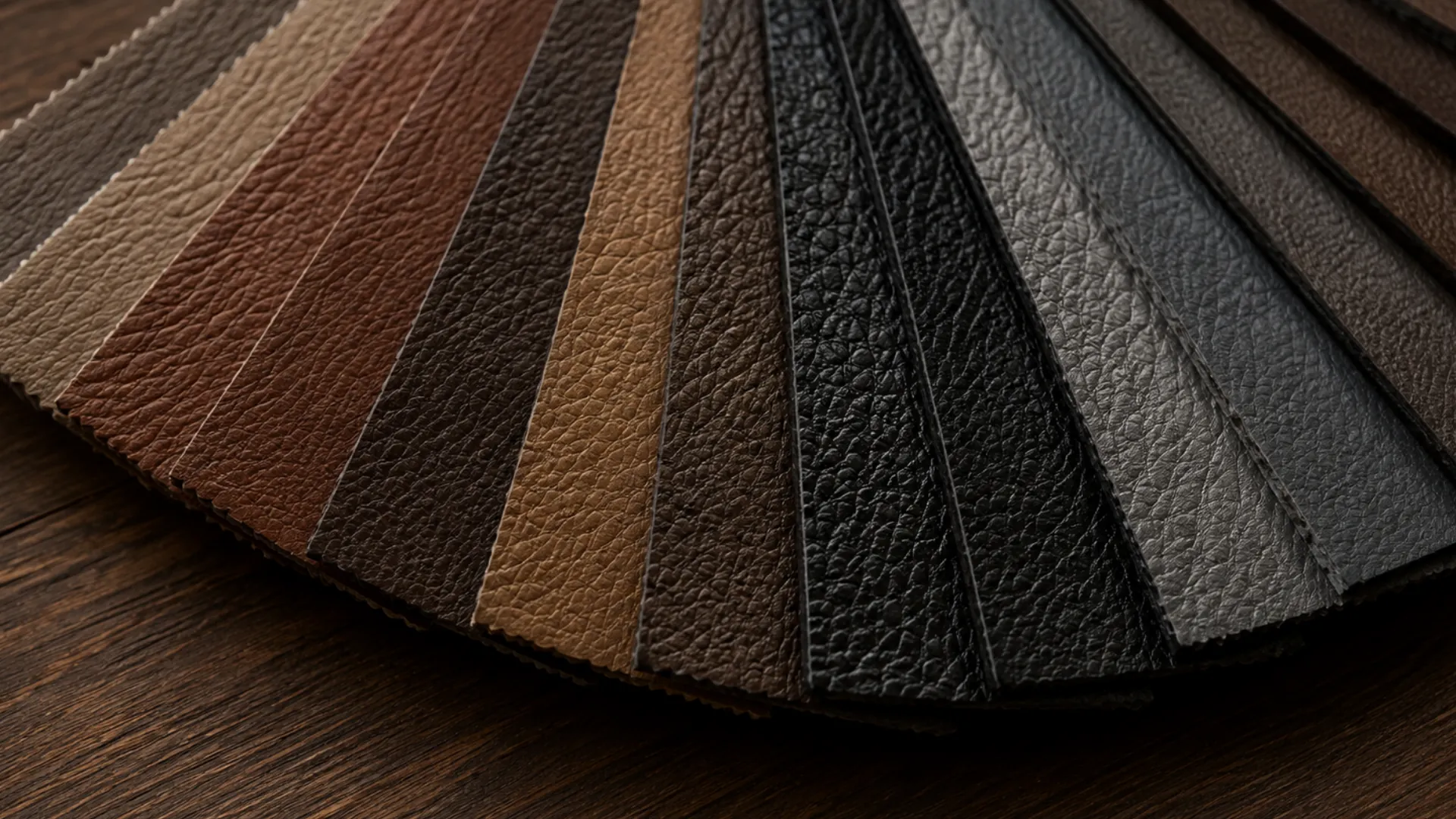
Leather sample cards and swatch fans laid out on a cream surface for matching

The match · leather & vinyl

The repair you are looking for.Matching is two problems, and they are solved in two different places.

Commercial leather and vinyl upholstery is almost always discontinued by the time it fails. That is normal, and it is not what makes a repair visible. What makes a repair visible is treating one problem as if it were the other — ordering a hide that is the right colour but the wrong weight, or mixing a colour to the original spec rather than to the piece as the room has aged it.

Close detail of the original aged leather panel and its seam on commercial seating Close detail of the restored leather panel, matched in grain, weight and colour to the original
Left, the panel as it came in. Right, the same panel restored — matched on grain, weight and finish before colour was ever discussed. That is why in eighteen months the two will still be reading as one piece: they wear at the same rate.
Original panel Restored panel

Problem A · the substrate

Material Matching

Answered at the leather house, with the original piece in hand. Colour is the last thing checked here, not the first.

Grain
Natural or embossed, and if embossed, which pattern and at what repeat.
Weight & temper
How thick and how stiff, so the new panel drapes and creases like its neighbours.
Finish
Aniline, semi-aniline or pigmented — which decides how the panel takes wear and light.
Performance
What the piece has to survive: a bar stool, a waiting room, a lobby bench.
Material Matching

Problem B · the finish

Custom Color Matching

Answered on the furniture, in the room, under the light the furniture actually lives in. A swatch book cannot see what a window has done to a sofa.

The aged tone
Matched to the piece as it is now, not to the colour it left the factory as.
Room light
Checked under the venue's own lighting, where two greys that agreed in daylight often do not.
Sheen
Matte, satin or gloss — the tell that gives a bad repair away long before the colour does.
Blend zone
How far the colour is carried past the repair so the edge has nowhere to show.
Custom Color Matching

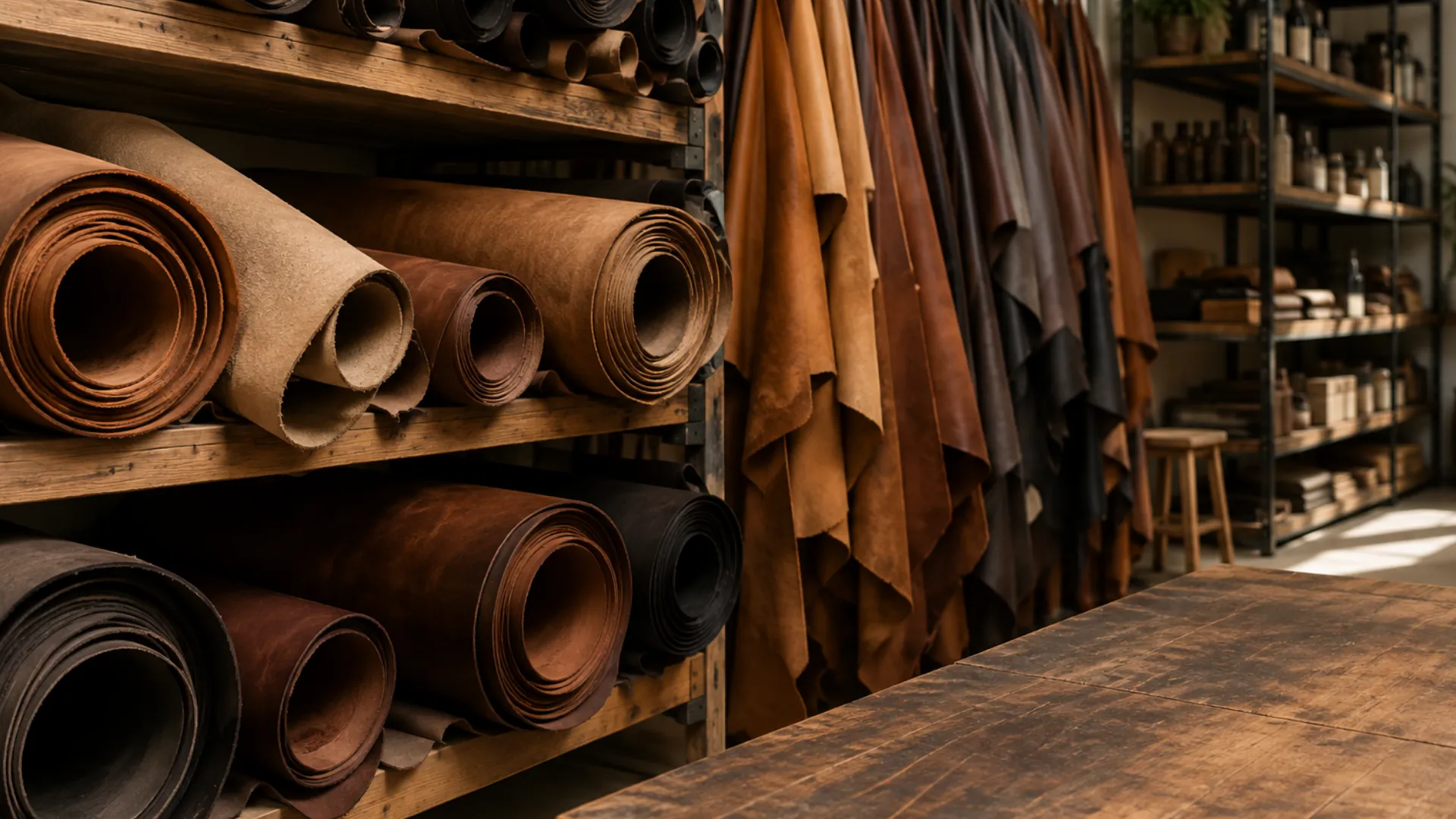
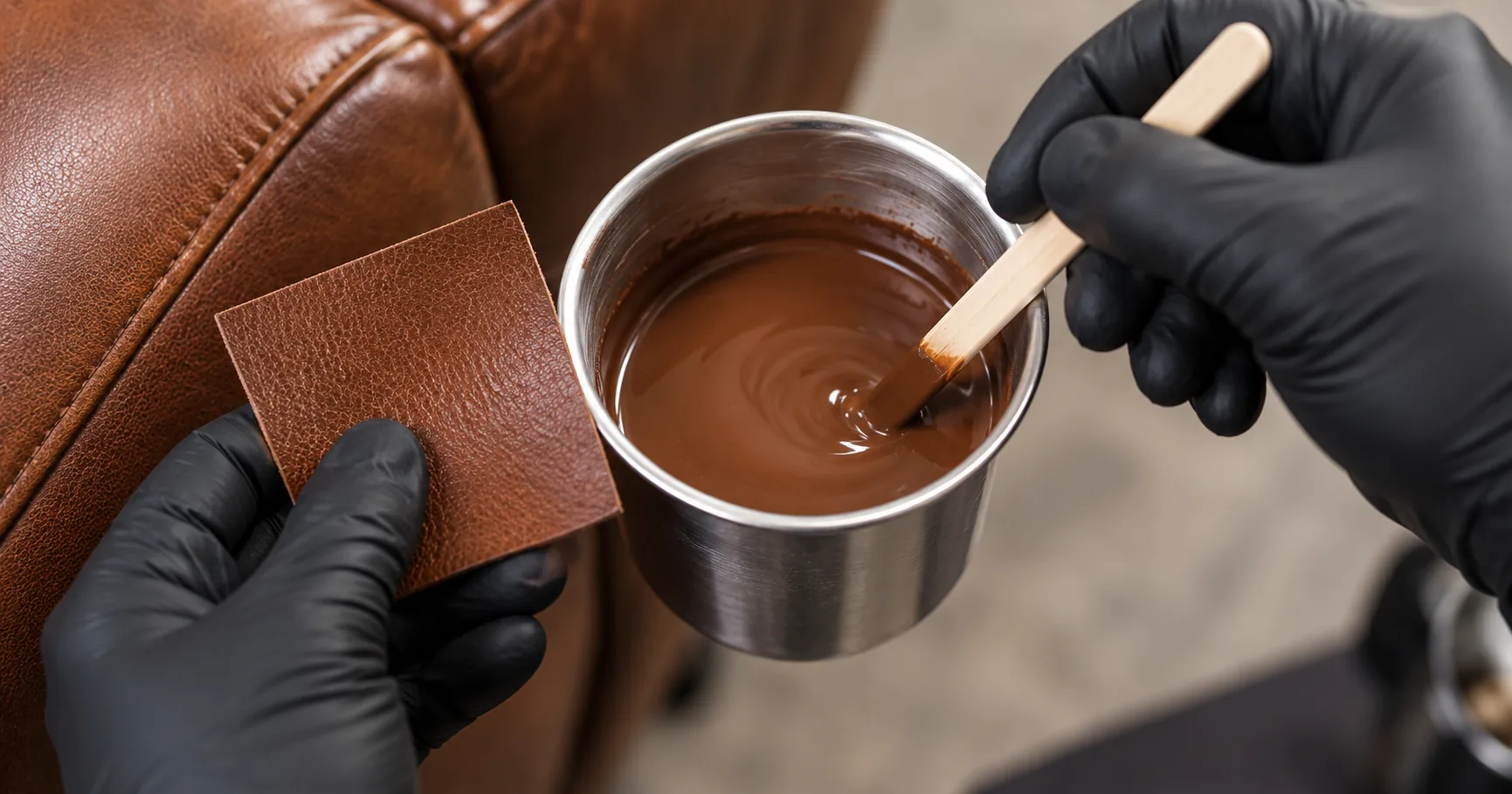
Where the material comes fromHides are specified and bought in person at Manhattan leather houses rather than ordered from an image — among them Global Leathers and District Leather Supply, with other tanneries and suppliers sourced on request. Grain, temper and finish are things you check with a hand, which is the whole reason the trip is made. Background on the materials themselves sits in the materials library.

Admission

The documents that decide it.In a managed property, this file is read before the quote is.

A managing agent does not evaluate craft. It evaluates whether a contractor is on the approved list, insured to the required limits, named to the correct entity and payable through the system already in place. Assembled once, none of it is ever anybody's job again.

DocumentWho asks for itWhen it is filed
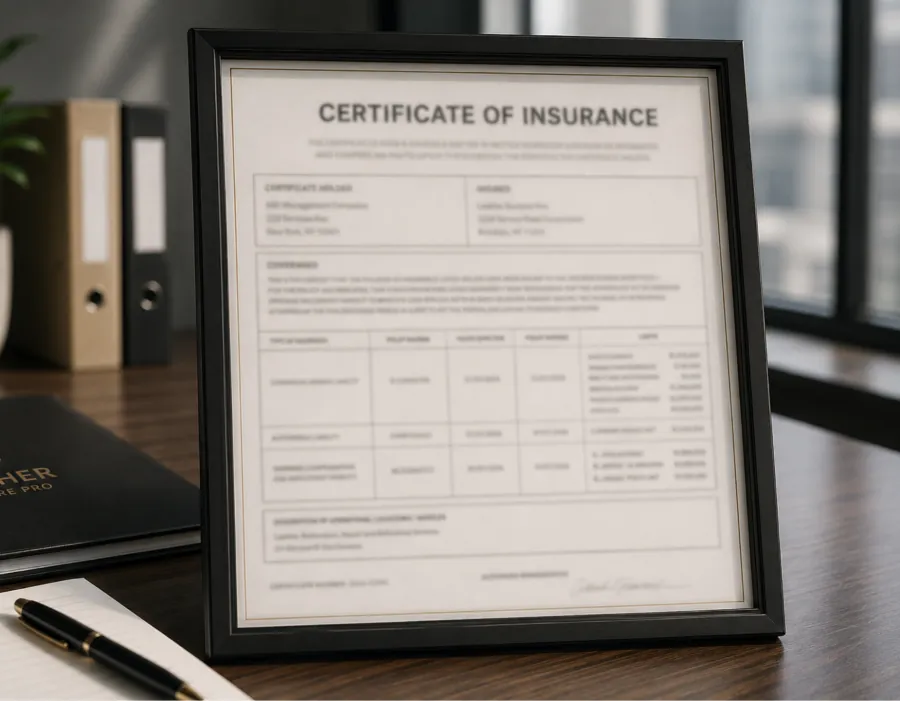
01Certificate of insurance Building ownership, managing agent, or both Before the first visit, then renewed on our side
02Additional insured endorsement Managed properties and most institutional landlords Issued with the certificate, to the named entities
03W-9 Accounts payable and procurement At vendor setup, before the first invoice
04Vendor or supplier form The client's own procurement system At onboarding, in whatever format the system requires
05Contractor rules acknowledgement Buildings with their own site rules and dock protocols Signed before access is granted, per building
06Job documentation and reporting Facilities, asset managers, and insurers on a claim Condition record before, work record after
COI & Insurance Vendor Services

Multi-site portfolios run on one file rather than one per building — see property & facility programs.

Process

Where each capability comes in.Five stages, and the capabilities each one calls on.

Nothing here is priced from a photograph. A commercial job runs the same way whether it is one lobby sofa or a floor of seating — and the capabilities are not options chosen at the start, they are the things the stages need in order to move.

01

Assessment

A technician walks the inventory, grades each piece, identifies the materials, and flags what is past the point of repair.

02

Written scope

Materials specified, colour approach settled and the work window proposed — priced, in writing, before anything is committed.

MaterialColour

03

Access & paperwork

Certificate filed with the building, vendor setup completed, dock and freight booked, contacts and approvals named.

COIVendor

04

The work window

In place wherever possible, scheduled into the hours the space is not in use. Larger volumes are phased a section at a time.

On-siteOvernightOff-hoursPickup

05

Sign-off

Walked with you, documented against the condition record, and the space handed back in service before the invoice is raised.

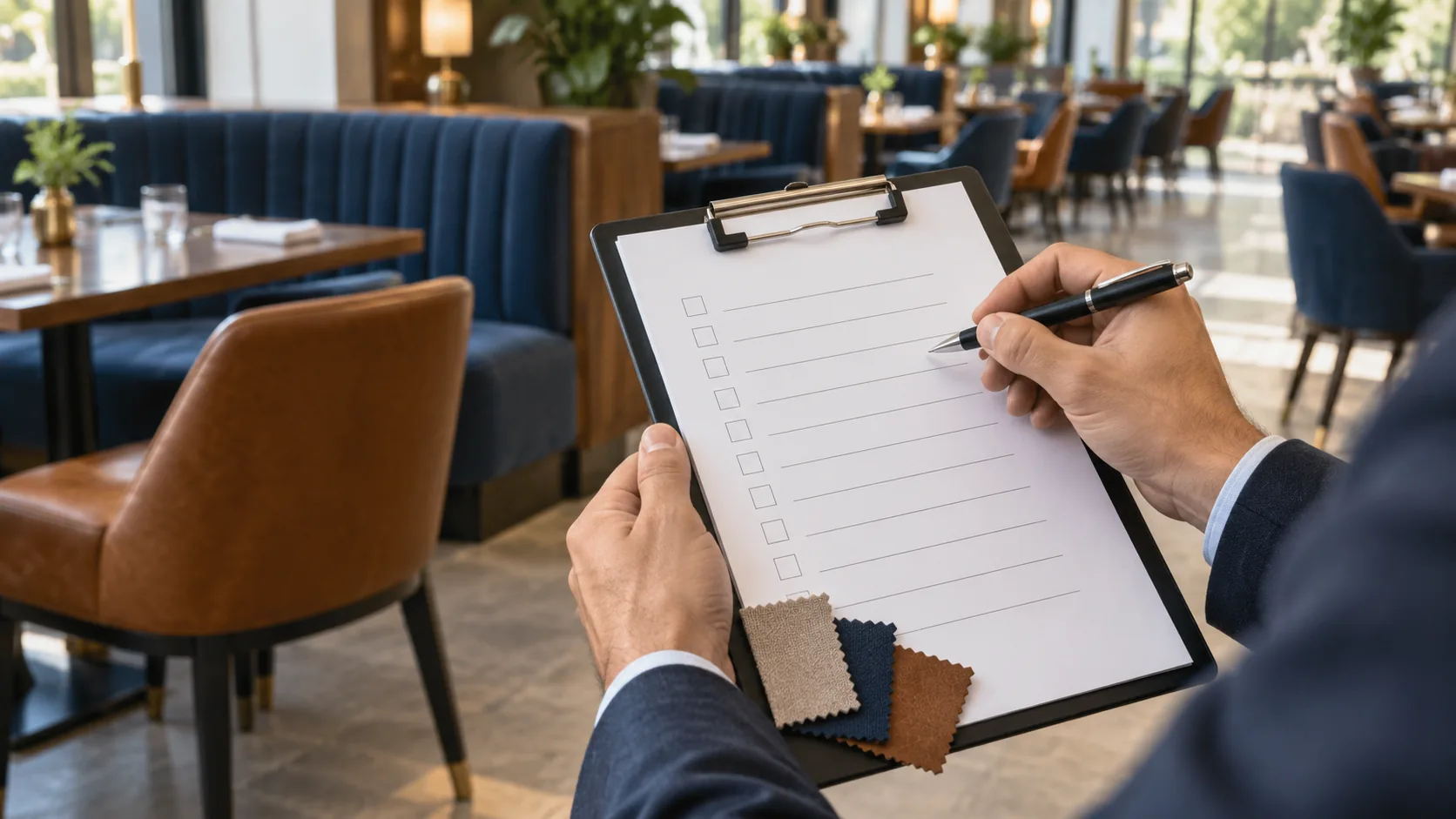
Tufted leather sofa in a hospitality lounge being scoped before commercial repair work begins

The ninth

Project Process

The other eight are things we can do. This is the order they are done in — assessment, written scope, access and paperwork, the work window, sign-off. It is not chosen at the start of a job alongside the others, because it is the thing that decides when each of the others is called on.

How a commercial job runs

Find yours

Start from the sentence you would say.Not from the name of the capability.

Trading hours“We open at eleven and we cannot lose a lunch service.”

Off-Hours Overnight

Building access“The managing agent will not admit a vendor without a certificate naming the owner.”

COI & Insurance

Discontinued material“The vinyl on these booths stopped being made years ago.”

Material Matching

A visible repair“Somebody replaced one panel last year and you can still see exactly which one.”

Colour Matching

Procurement“You have to be set up as an approved vendor in our system before we can raise a PO.”

Vendor Services

Fixed seating“The banquette is built into the wall. It is not coming out.”

On-Site Repairs

Structural damage“This one does not need a repair. It needs a new frame.”

Pickup & Delivery Foam Replacement

Scale“There are forty pieces across two floors and nobody knows where to start.”

Project Process Bulk Projects

Questions

Before the first visit.

What are commercial furniture repair capabilities?

They are the nine things that decide whether a repair can be carried out inside your building at all, rather than how the repair itself is done. Four of them govern access — working in place, overnight, around your trading hours, or collecting and returning the piece. Two govern matching, so the finished work is not visible. Two govern admission: insurance certificates and vendor onboarding. The ninth is the project process itself — the order the other eight are called on in. A commercial job that fails almost never fails on craft. It fails on one of these nine.
What is the difference between a capability and a service?

The services are repair, restoration, reupholstery and maintenance — the work performed on the furniture. A capability is what makes that work deliverable inside a building that is still operating: being able to work in place, to work at night, to match a discontinued material, to satisfy a managing agent's insurance requirement, or to be onboarded as an approved vendor. You do not buy a capability on its own. It is the reason a service can be carried out at all.

Can commercial furniture be repaired without closing?

In most cases yes. The majority of commercial work is performed in place and scheduled into the hours the space is not in use — after closing, overnight, before opening, or across a weekend. Fixed and built-in seating such as banquettes and booths is always worked on in place, because removing it means removing joinery. Only pieces that need a frame rebuilt, foam replaced or a full recover are collected and returned.

How do you match leather or vinyl that is no longer made?

By treating it as two separate problems. The material has to match in grain, weight, temper and finish, which is a sourcing question answered at a leather house with the original piece in hand. The colour has to match the piece as it is today, including the fading it has already taken, which is a mixing question answered on the furniture itself under the room's own lighting. A discontinued material is completely normal on commercial furniture and is not, on its own, a reason to recover a whole run.

Do you provide a certificate of insurance for our building?

Yes. The certificate is issued naming the correct entity — the ownership entity, the managing agent or both, depending on what the building requires — and filed with whoever holds vendor records. Under a standing agreement it is renewed on our side rather than being requested each time. In a managed property this single document frequently decides whether a contractor is admitted to the floor at all.

What paperwork do you need to become an approved vendor?

Typically a W-9, a certificate of insurance with the entities named as required, a completed vendor or supplier form from your procurement system, banking details for payment, and in some buildings a signed contractor rules acknowledgement. All of it is handled once through vendor services rather than being reassembled at the start of each job.

Do you work overnight in occupied hotels and restaurants?

Yes, and it is the normal arrangement for hospitality. Overnight work is planned around the building's own quiet hours, noise restrictions and guest floors, with the area sealed off, ventilated and cleared before the space returns to service. What can be completed in a single window depends on the number of pieces and the drying and curing times of the materials involved, which is settled in the written scope rather than assumed.

Can capabilities be used without a B2B program?

Yes. Every capability applies to a single one-off commercial job as much as to a standing account. What a program changes is that the paperwork, access and scheduling are settled once instead of being negotiated at the start of each job — which is what makes short-notice night work easy to arrange on an existing account and slower to arrange from cold.

Which areas do you cover for commercial work?

Manhattan, Brooklyn, Queens, the Bronx, Staten Island, Long Island and New Jersey. Multi-site portfolios across those areas run on one agreement, one point of contact and one insurance file rather than a separate arrangement per building.

Restored leather lounge seating in a New York City venue

Start here

Start with the constraint.The damage is the easy part.

Tell us when the room is empty, what the building requires of a vendor, and what the furniture is. Commercial furniture repair across New York City, Long Island and New Jersey runs on those three answers.

Or call (347) 310-7483
Mon–Fri 10–7 · Sat 11–4 · Sun 11–2
Serving NYC, Long Island & New Jersey

Scroll to Top