
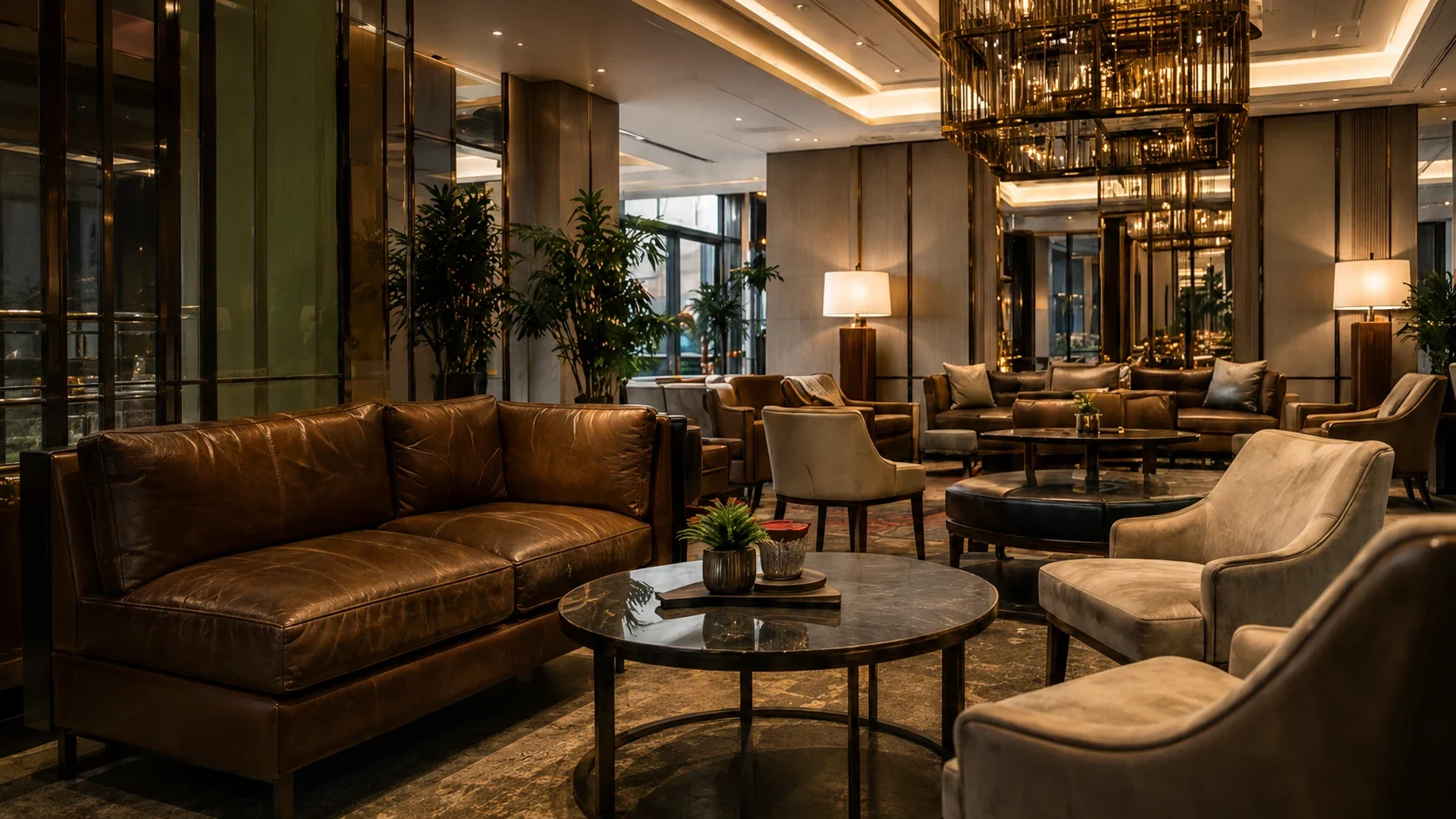
Home/Industries/Hotels/Furniture Restoration
New York City & New Jersey
The leather is sound. The color is what your guest sees.
Faded, dull, scuffed or patchy leather, vinyl and wood brought back on the pieces you already own. Hotel furniture restoration NYC is what operators book when nothing is torn — the finish has gone.
Which one you need
Three different jobs. Only one of them keeps your material.
Hotel furniture restoration NYC is the middle one. Most inventories need all three at once. The cover decides which.
Repair
Fix the damage.
Tears · Burns · Open seams · Broken stitching · Structural damage
Hotel furniture repair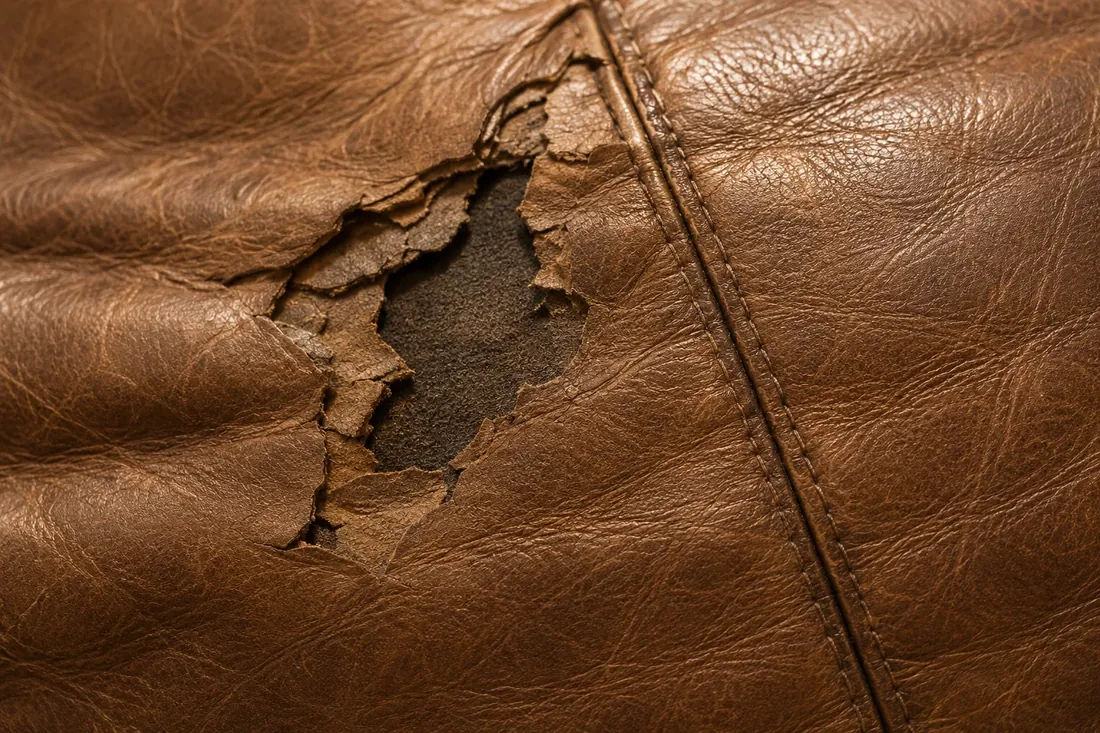
Restoration
Bring back the surface you have.
Fading · Color loss · Wear · Scratches · Stains · Finish failure · Dull appearance
You are here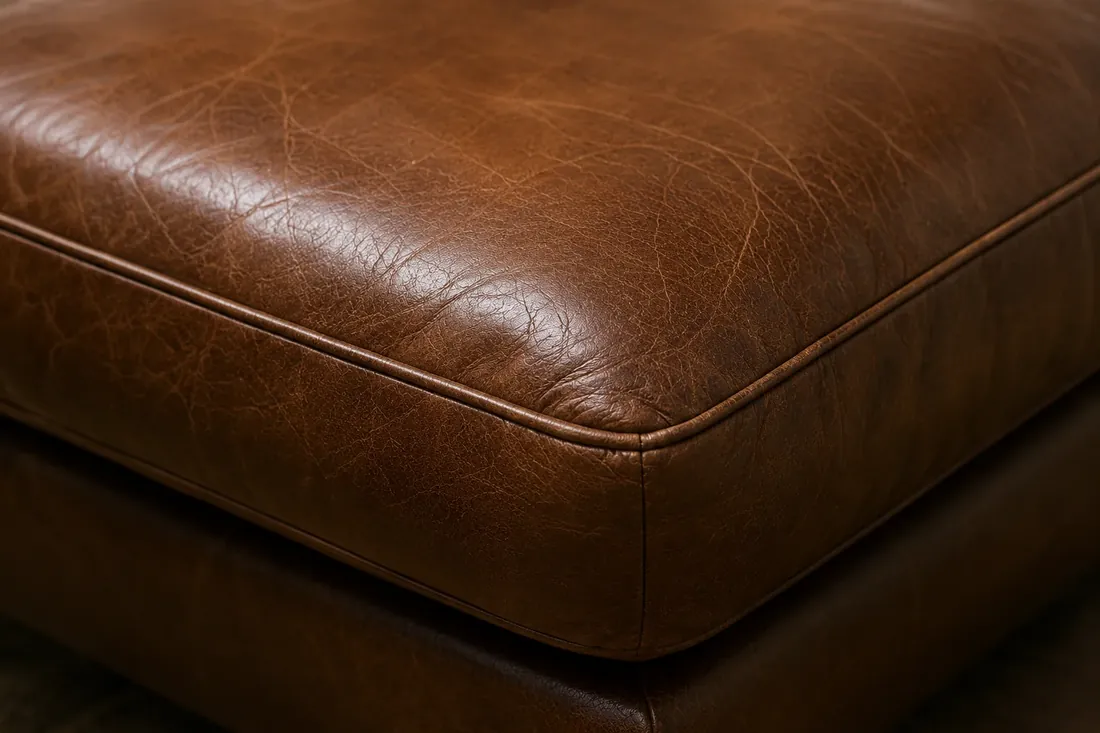
Reupholstery
Replace the material.
Widespread material failure · Peeling · Extensive cracking · Design changes
Hotel furniture reupholstery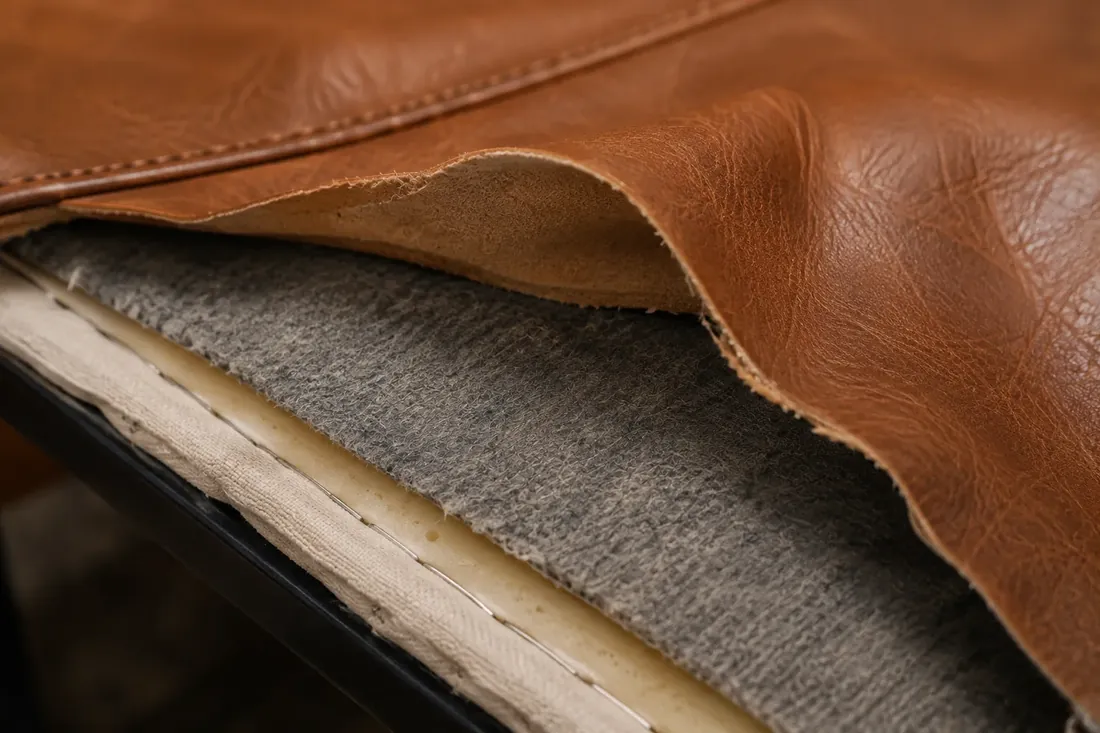
What we work on
Every finished surface in the building, not just the lobby sofa.
Hotel furniture restoration NYC covers seating, casegoods and panelling on the same visit, so one floor closes once rather than three times.
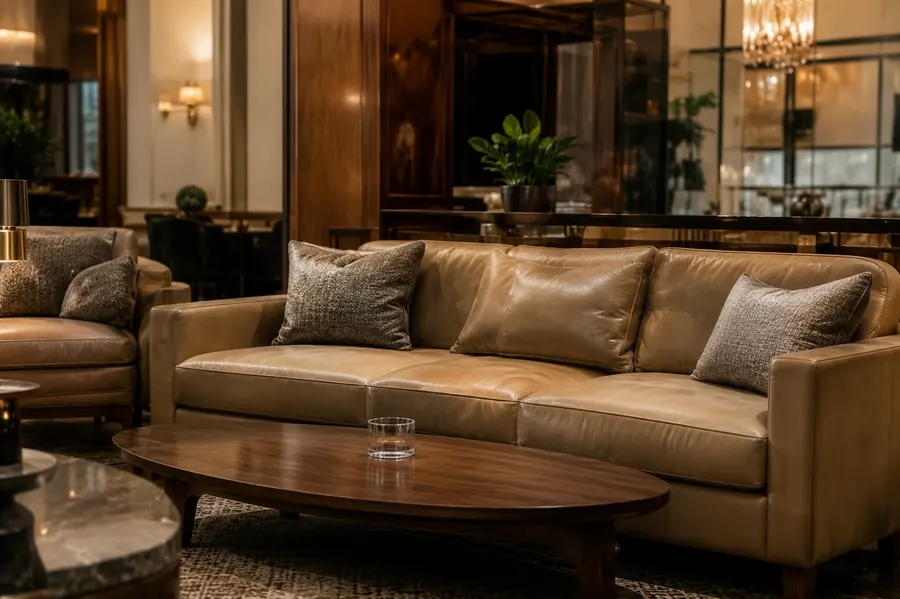
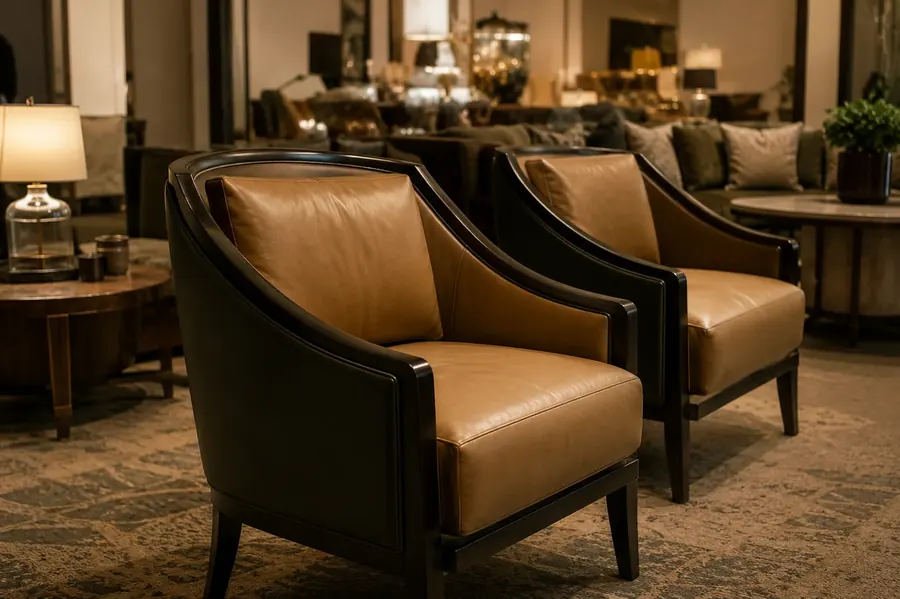
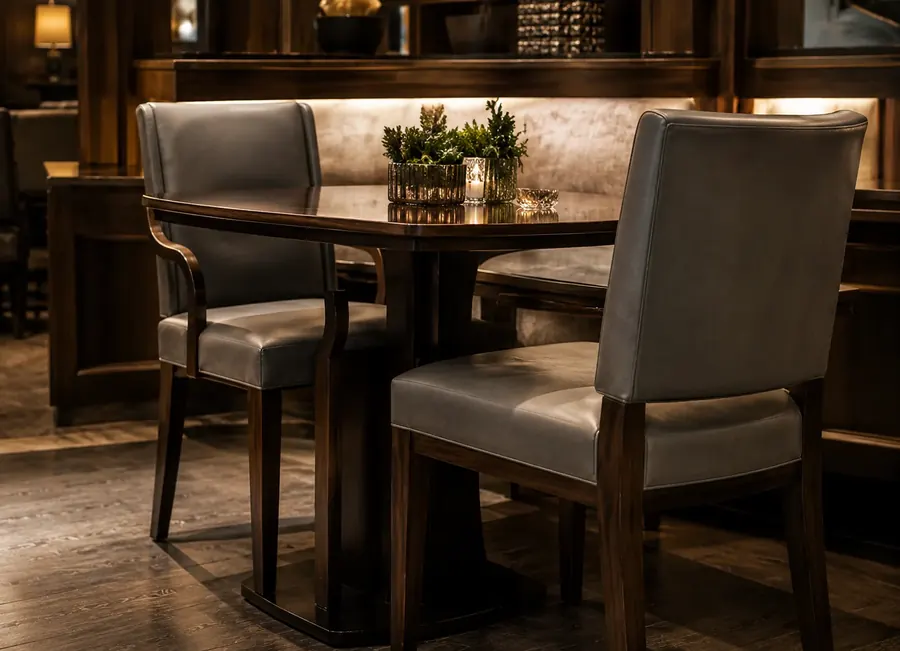
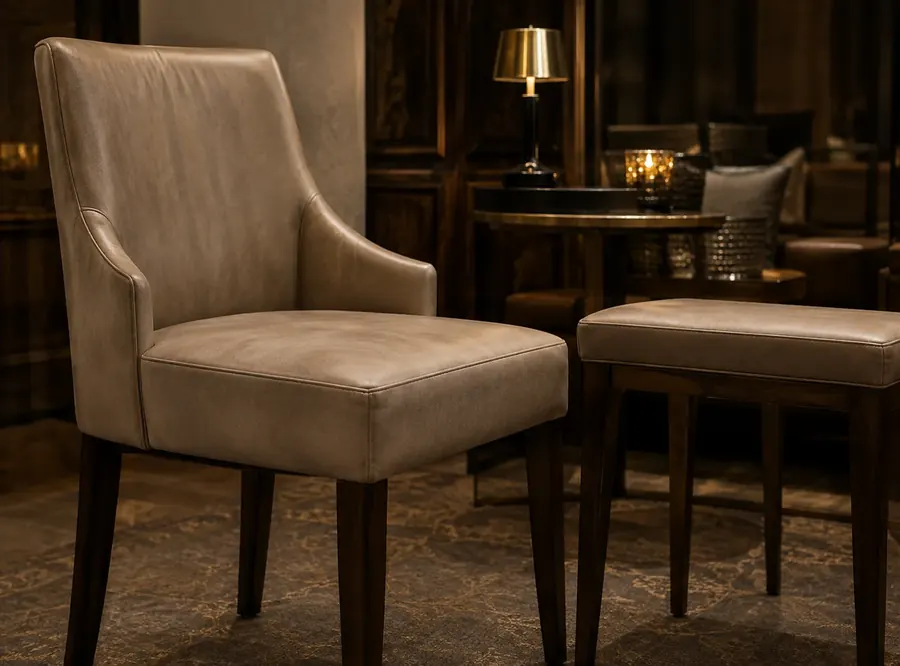
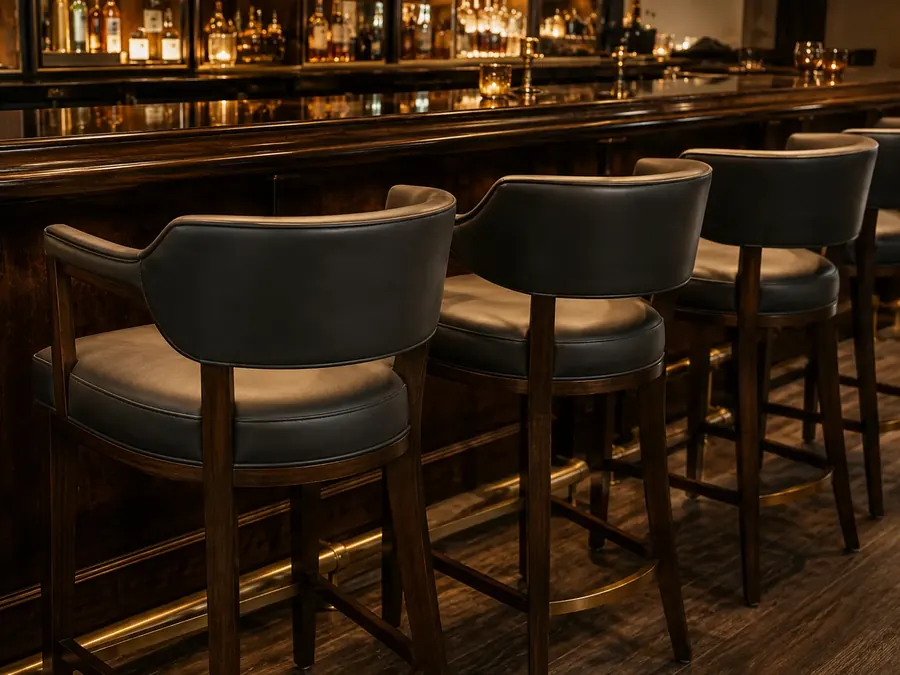
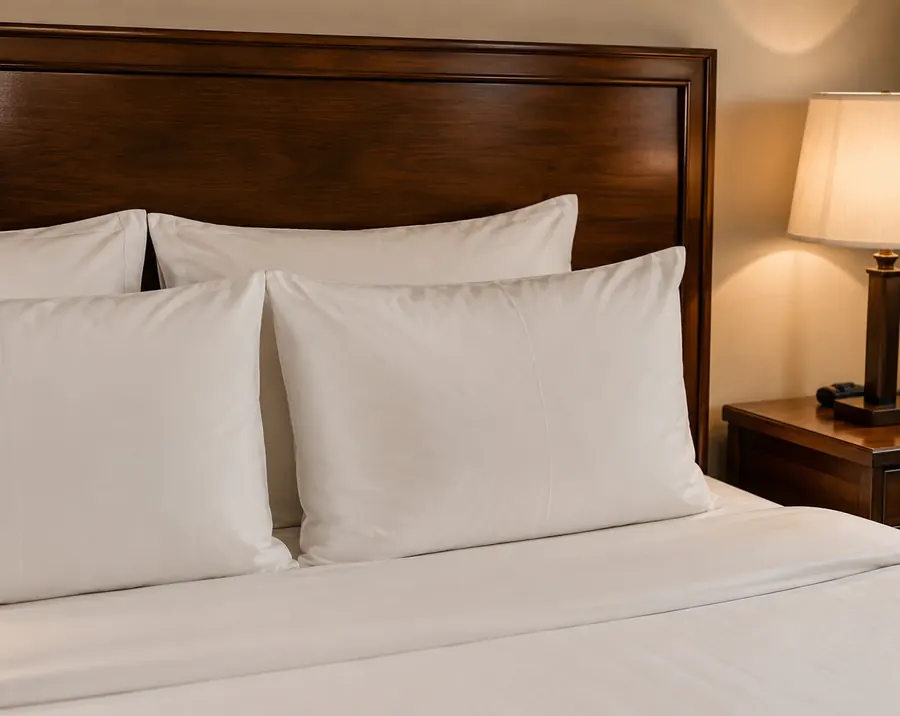
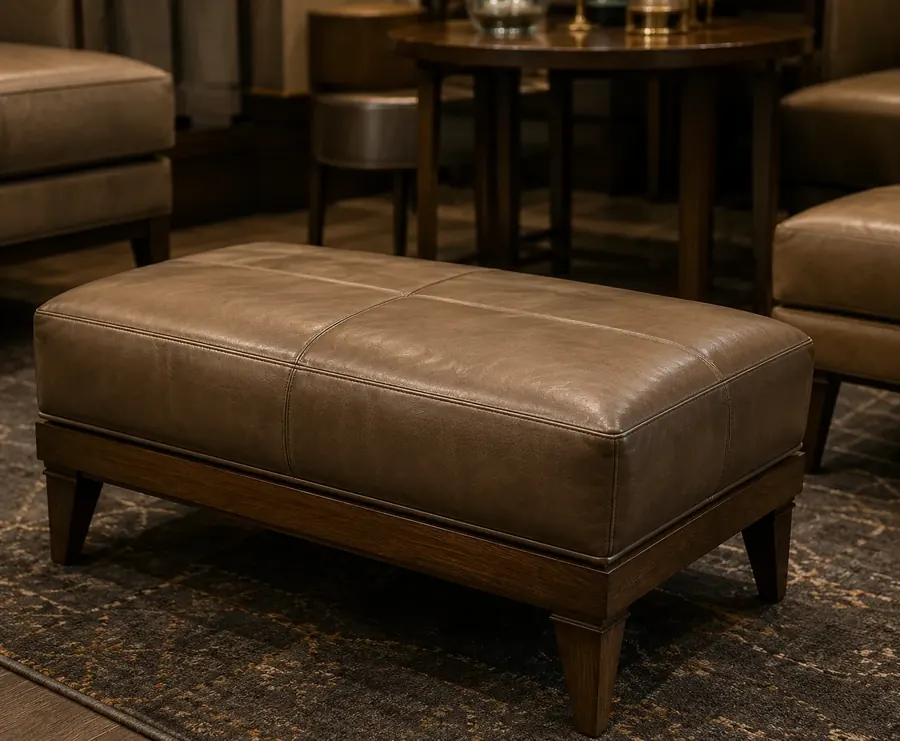
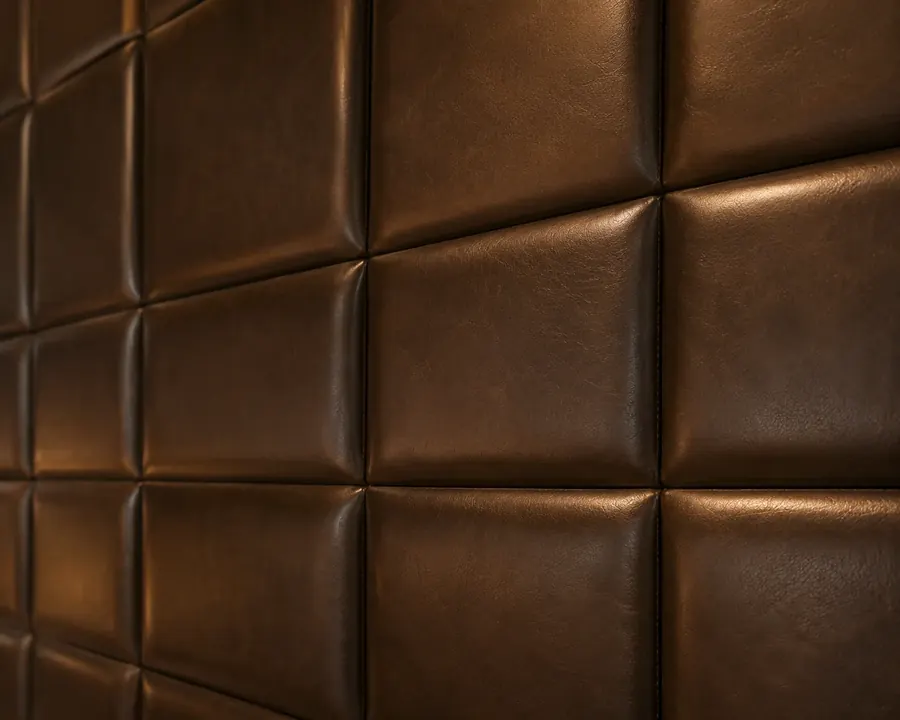
Leather wall panels
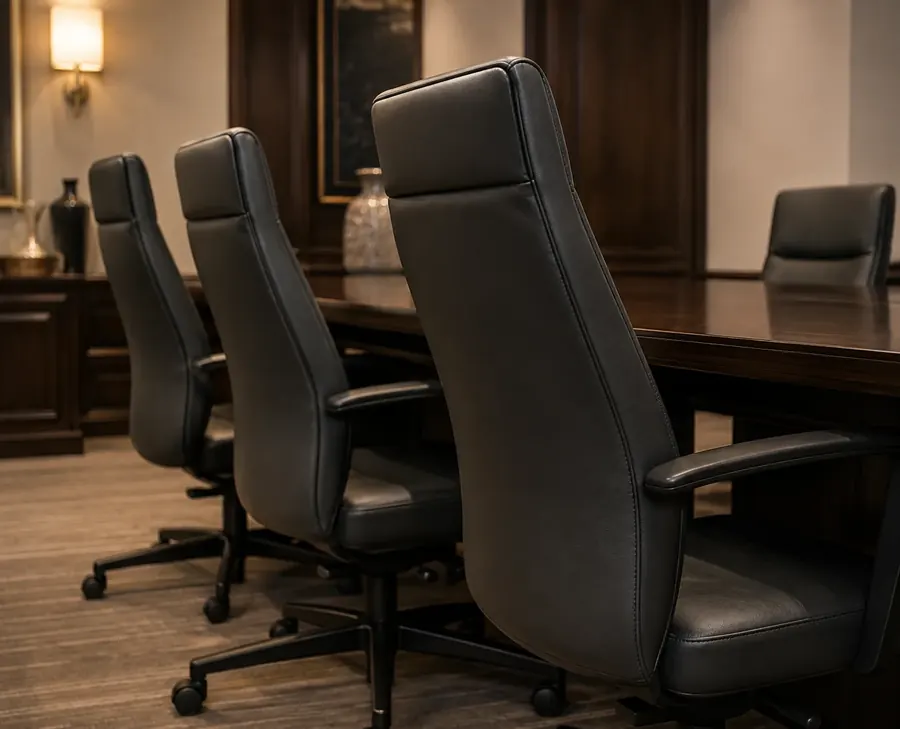
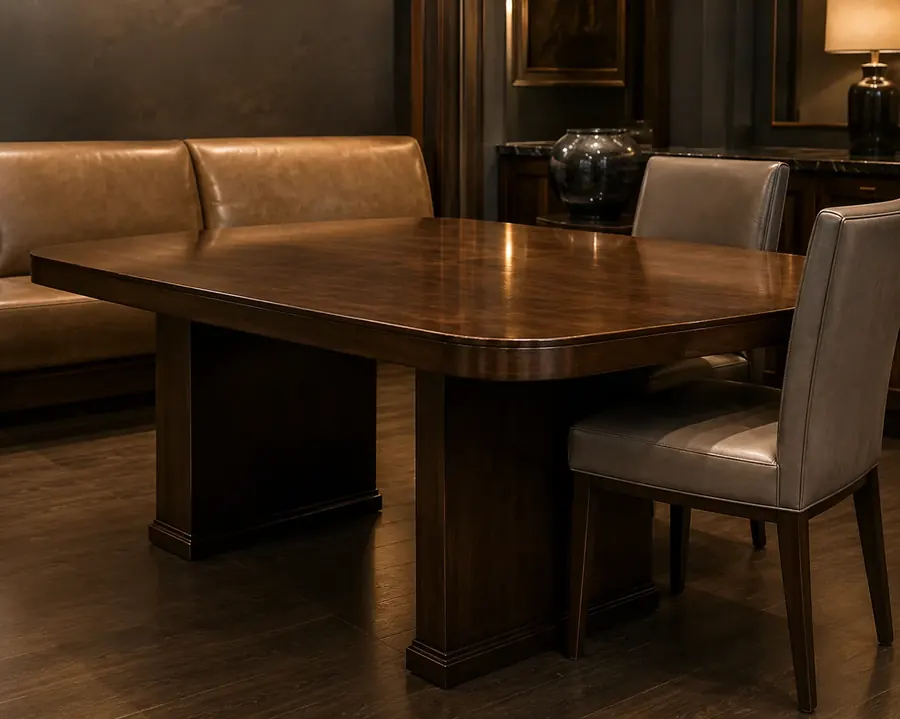
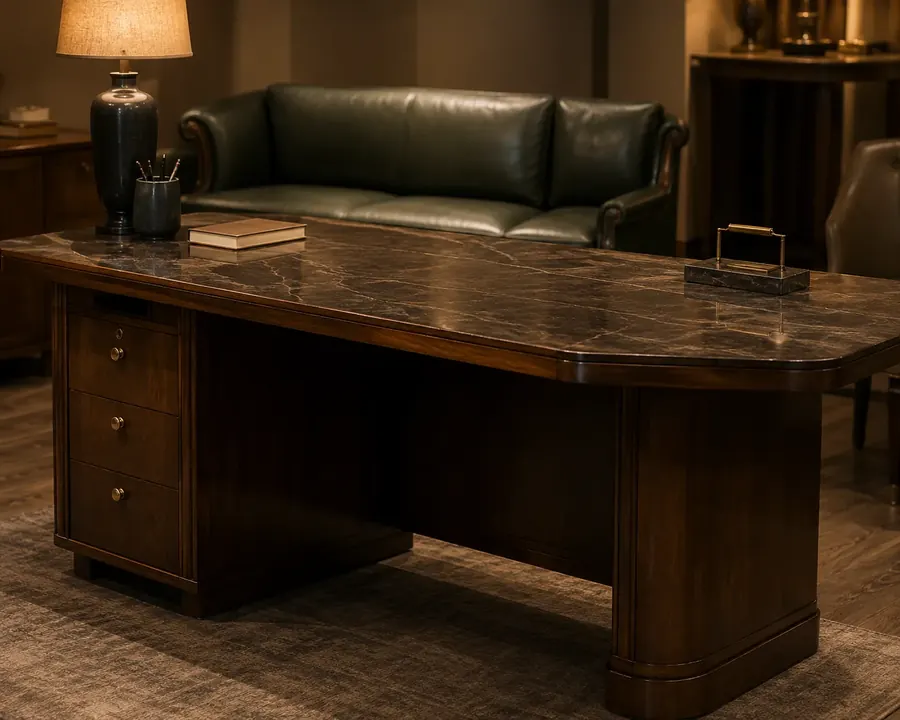
Desks
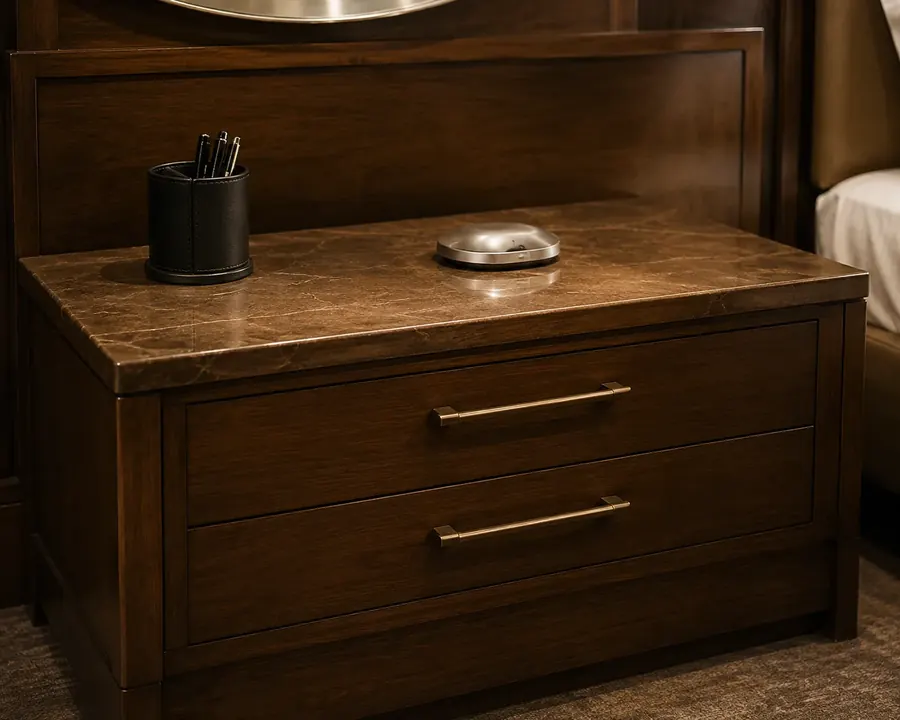
Nightstands & credenzas
The condition list
If the material is intact, the finish can usually come back.
Nine surfaces we get called out for.
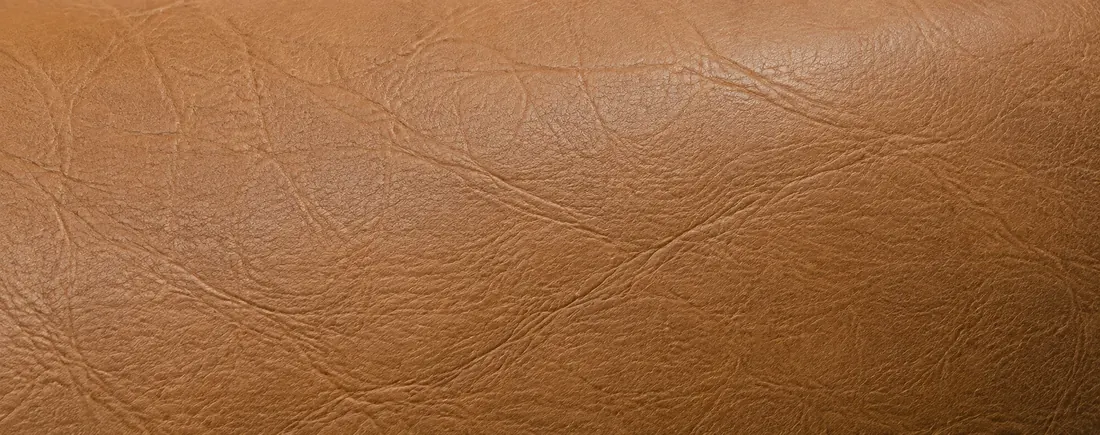
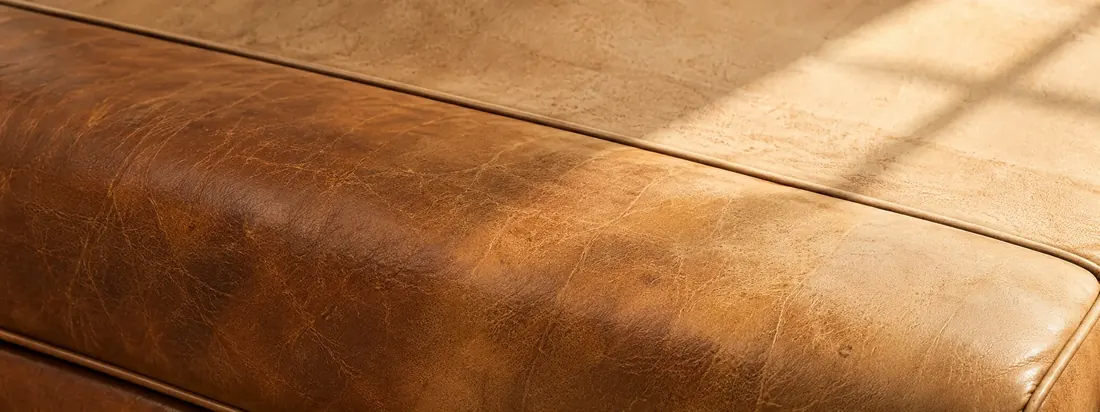
Sun-bleached band
A hard line where light lands; one end stops matching the other.
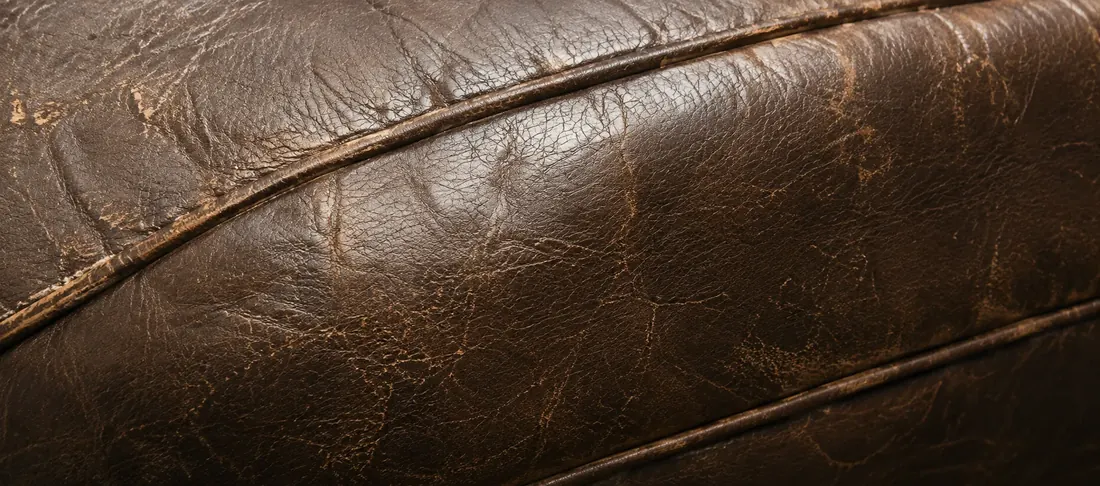
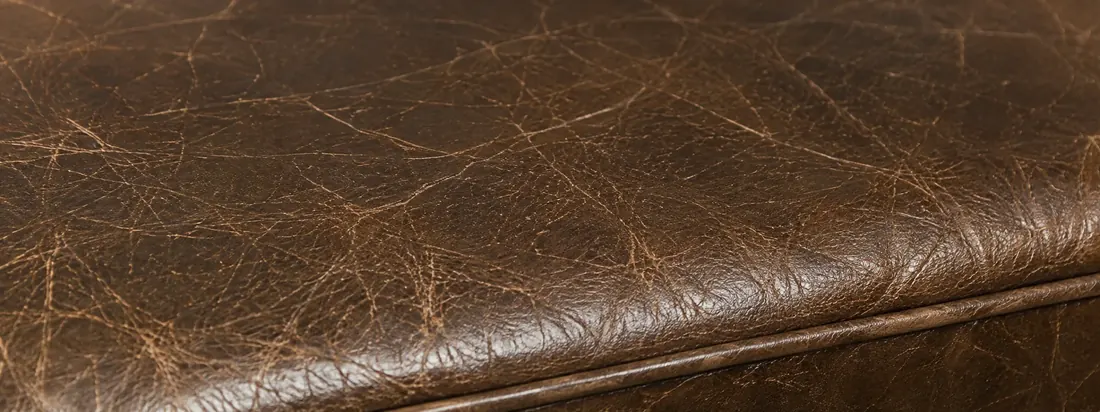
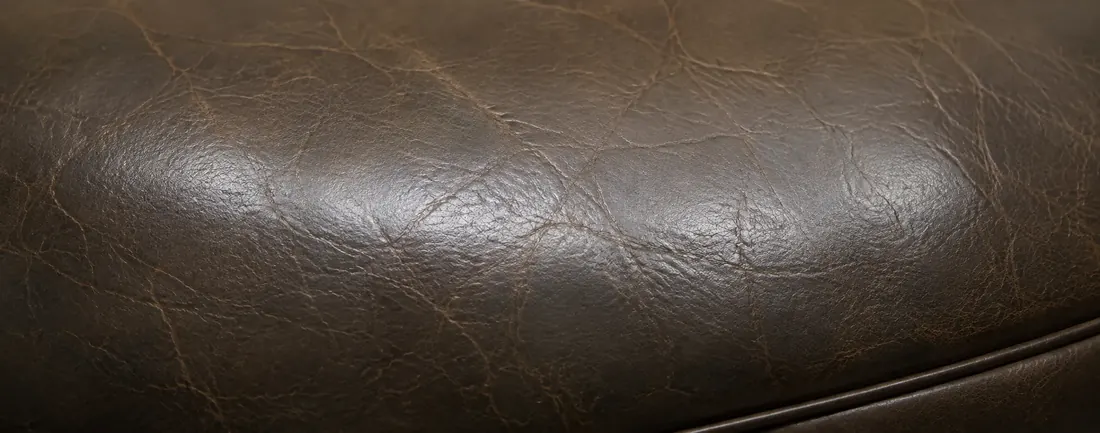
Worn high points
Pigment rubs off the grain and the piece reads gray.
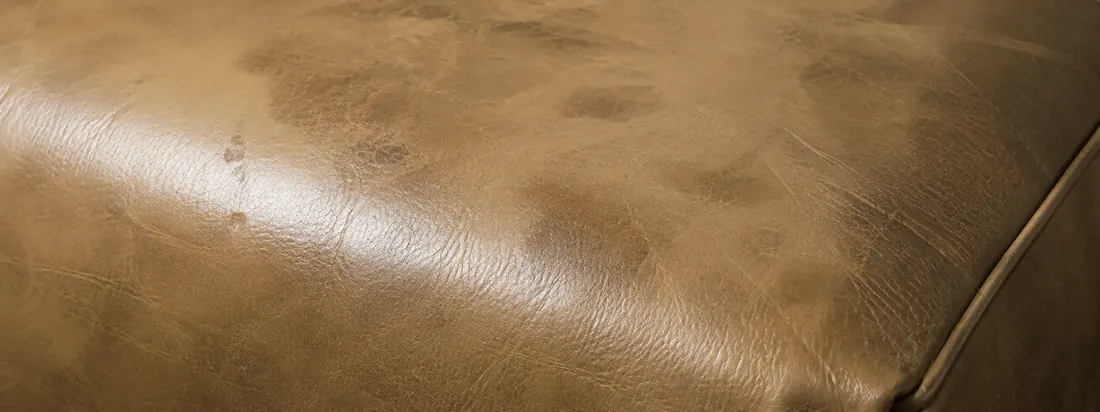
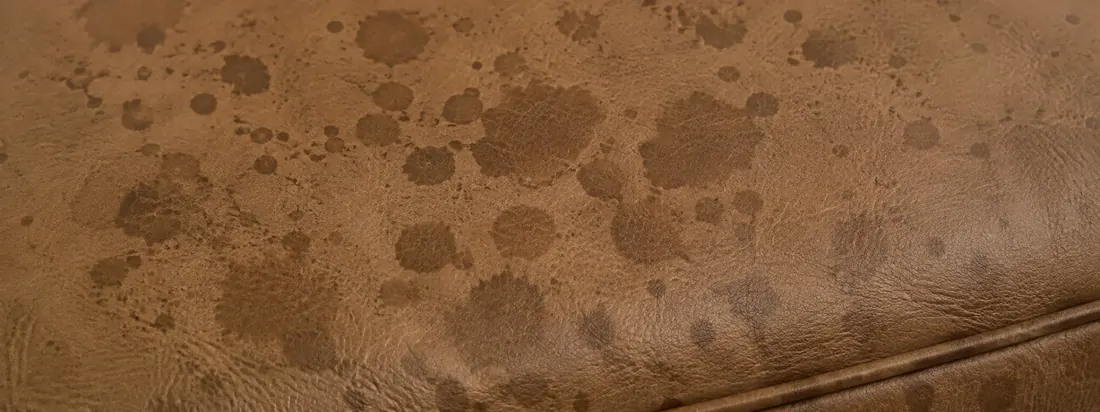
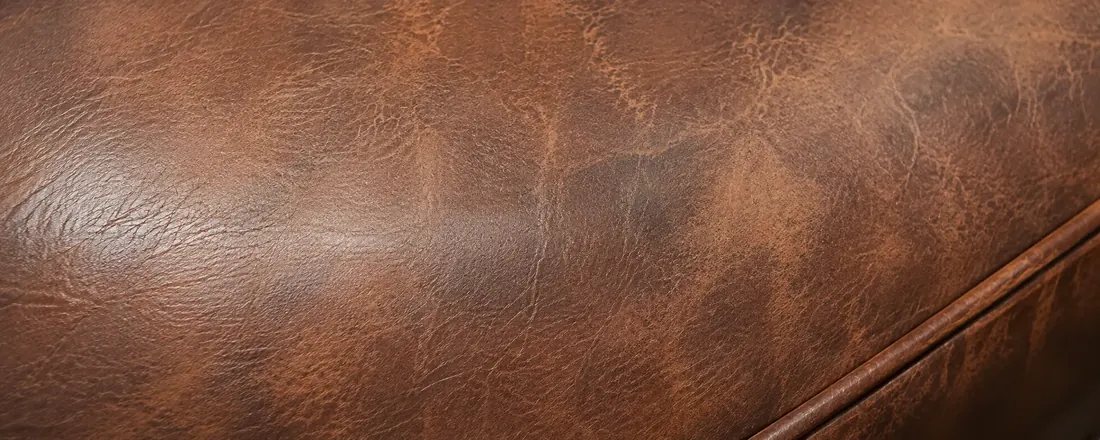
Blotchy color
Usually the wrong cleaner, which strips pigment unevenly.
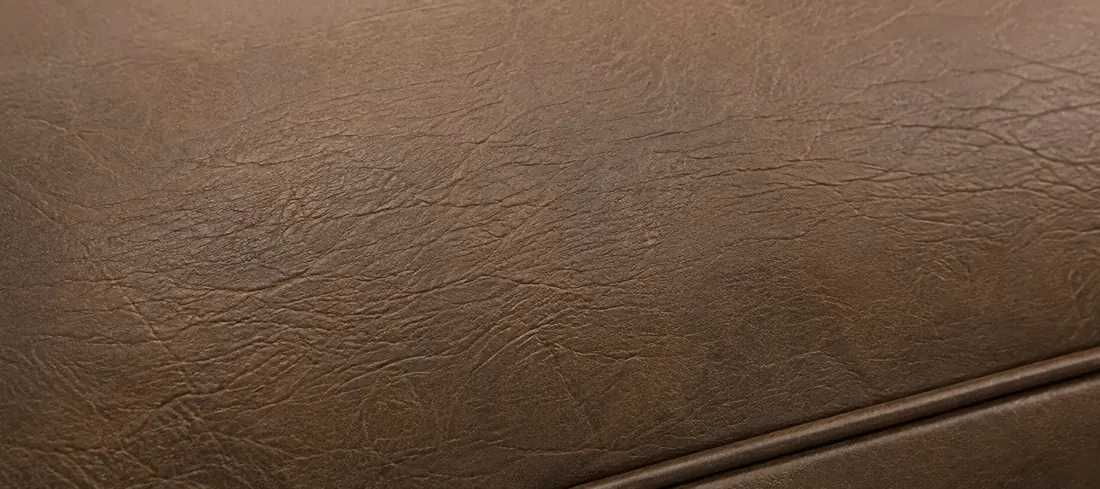
By material
Leather, vinyl and wood each take a different sequence.
Three separate trades, three sets of materials and cure times. Hotel furniture restoration NYC follows whichever the cover needs.
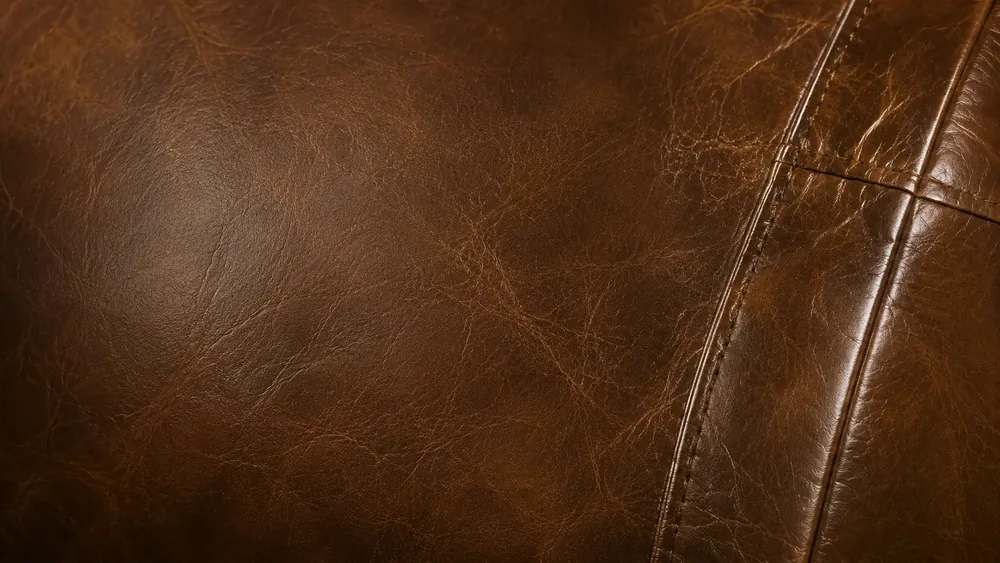
Leather restoration
Clean → Correct → Color match → Refinish → Protect
Fading · color loss · surface wear · scuffs · selected scratches · finish deterioration · dryness. Most hotel seating is pigmented leather, which takes color back readily.
Explore leather restoration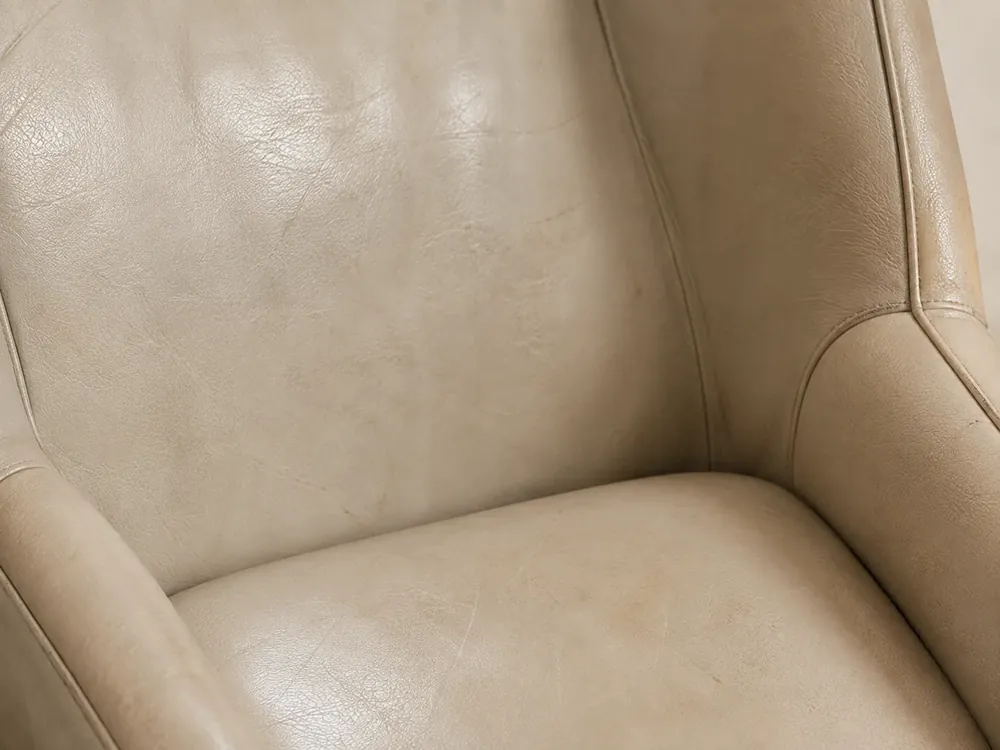
Vinyl restoration
Clean → Repair → Color restore → Refinish
Surface wear · color loss · scuffs · discoloration · localised damage · finish deterioration. Commercial vinyl is common on bar and poolside seating.
Explore vinyl restoration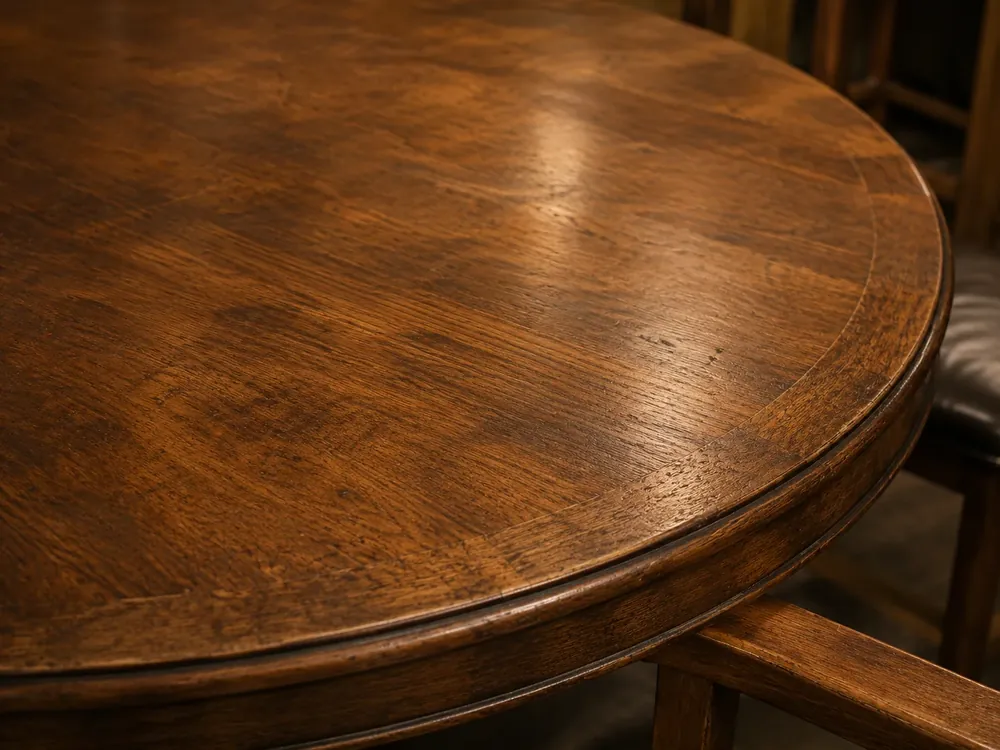
Wood restoration
Touch-up → Color match → Refinish → Protect
Scratches · scuffs · water marks · finish wear · fading · minor dents · color inconsistencies. Chair frames, table tops, casegoods and desks. Wood touch-up is a trade of its own, served by finish makers like Mohawk.
Explore wood restorationHow the work is done
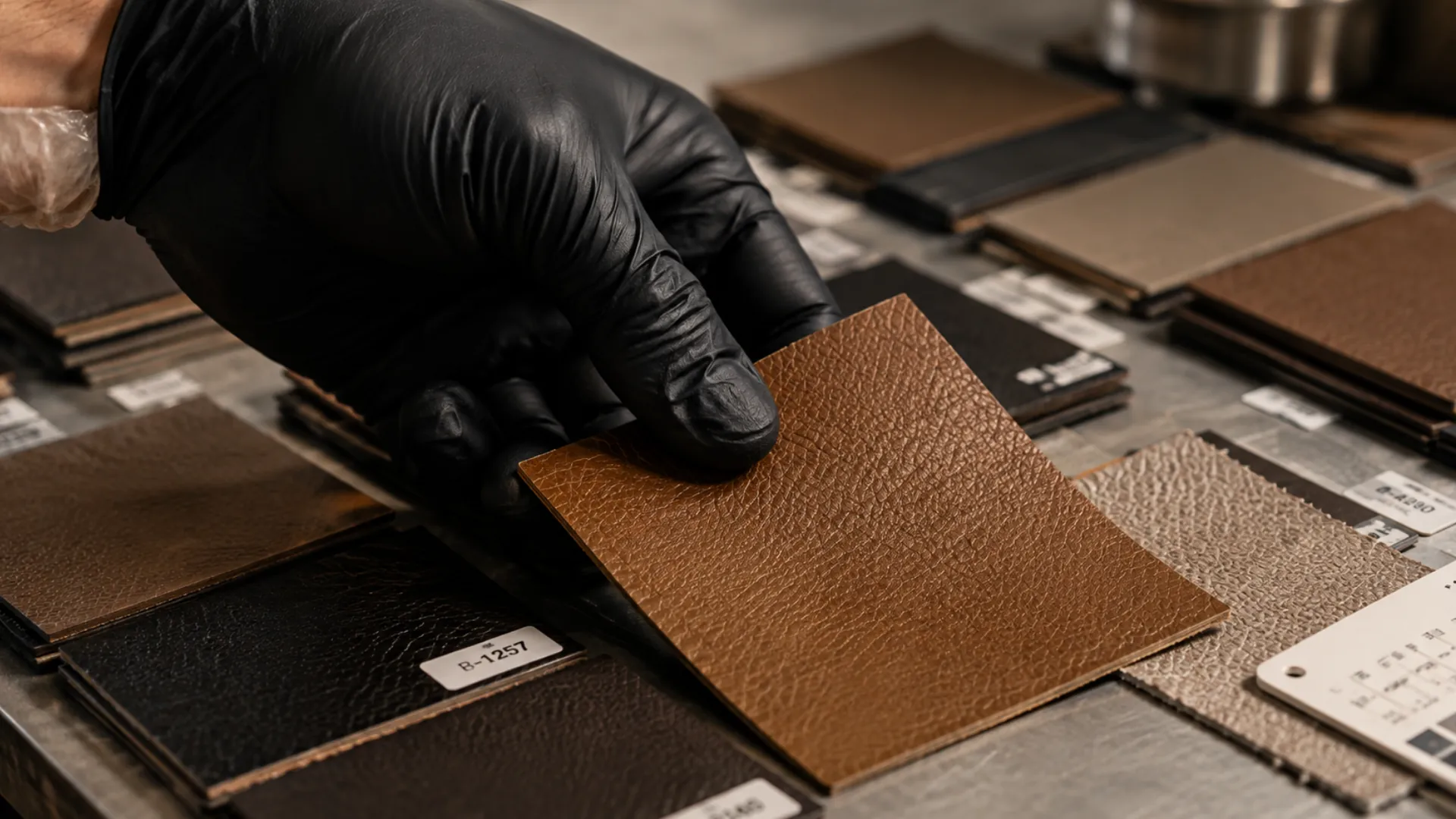
Color is mixed to the piece, not poured from a can.
A restored panel has to disappear into the ones beside it. Hotel furniture restoration NYC stands or falls on that match.
01
Read the color off the piece
Read off an undamaged panel on the same frame, never a chart alone. Color matching.
02
Mix and draw down
Blended by hand, then a trial coat cures — wet reads darker than dry.
03
Work the damage back level
Cracks and open grain filled and cut flush, so nothing telegraphs.
04
Build color in thin coats
Sprayed in passes, buffed between, so the grain stays visible.
05
Seal flexible and flex it
The topcoat bends with the hide. The seat is flexed by hand before it returns.
Before and after
Same frame, same material, finish brought back.
Eight pieces off hotel floors we have worked. Hotel furniture restoration NYC changes the finish, not the material.
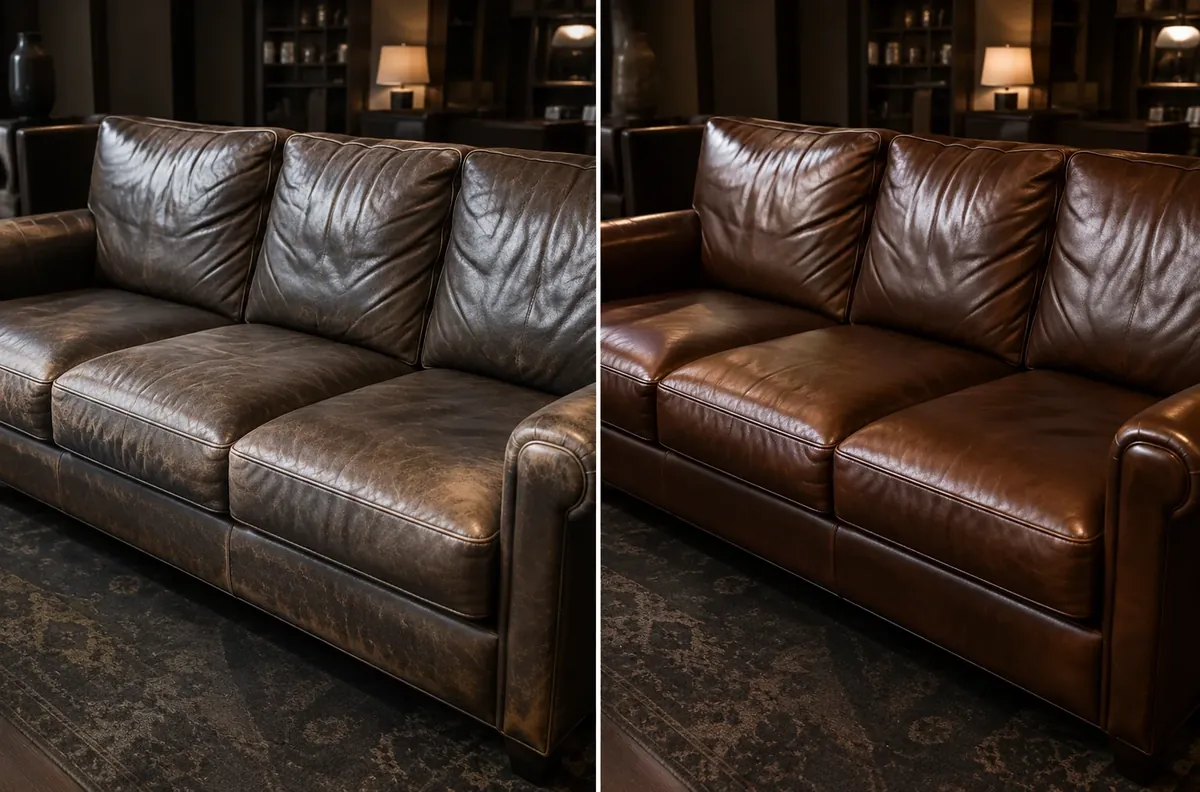
Lobby sofa. Color worn thin on the seats; recolored end to end.
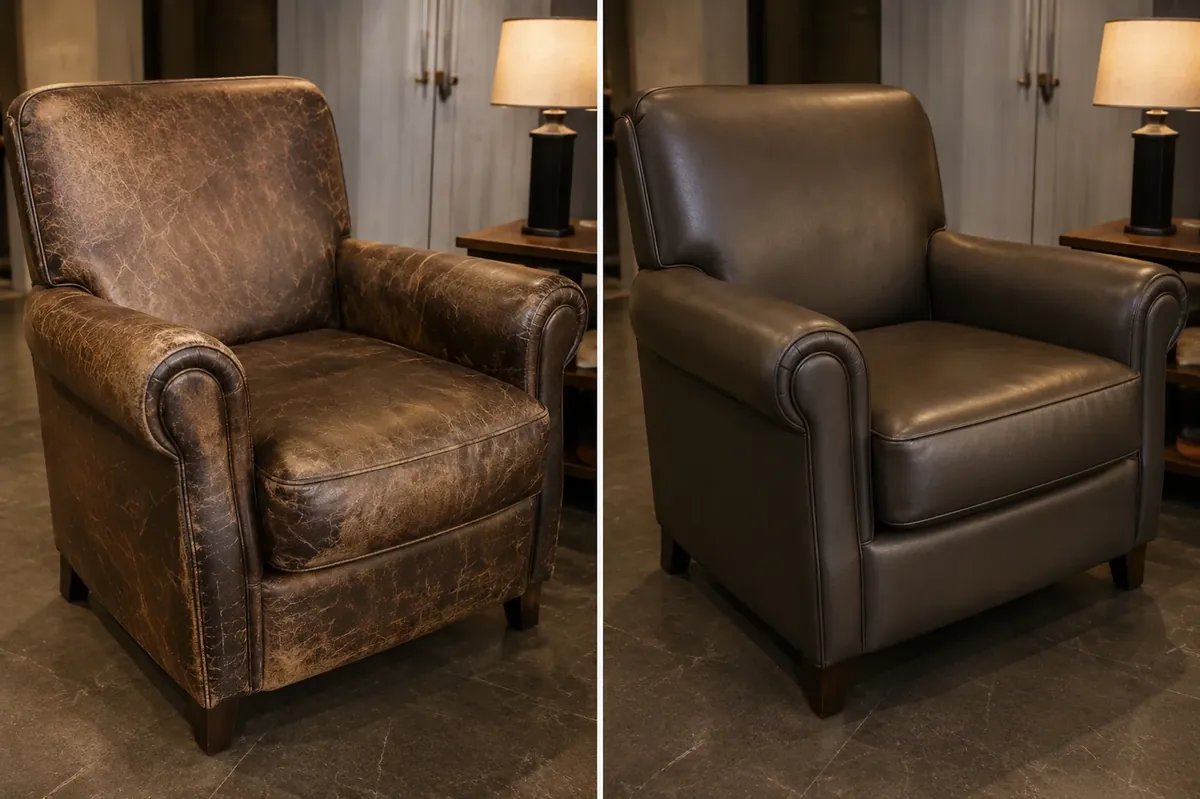
Club chair. Arms scuffed back to bare grain; re-pigmented and sealed.
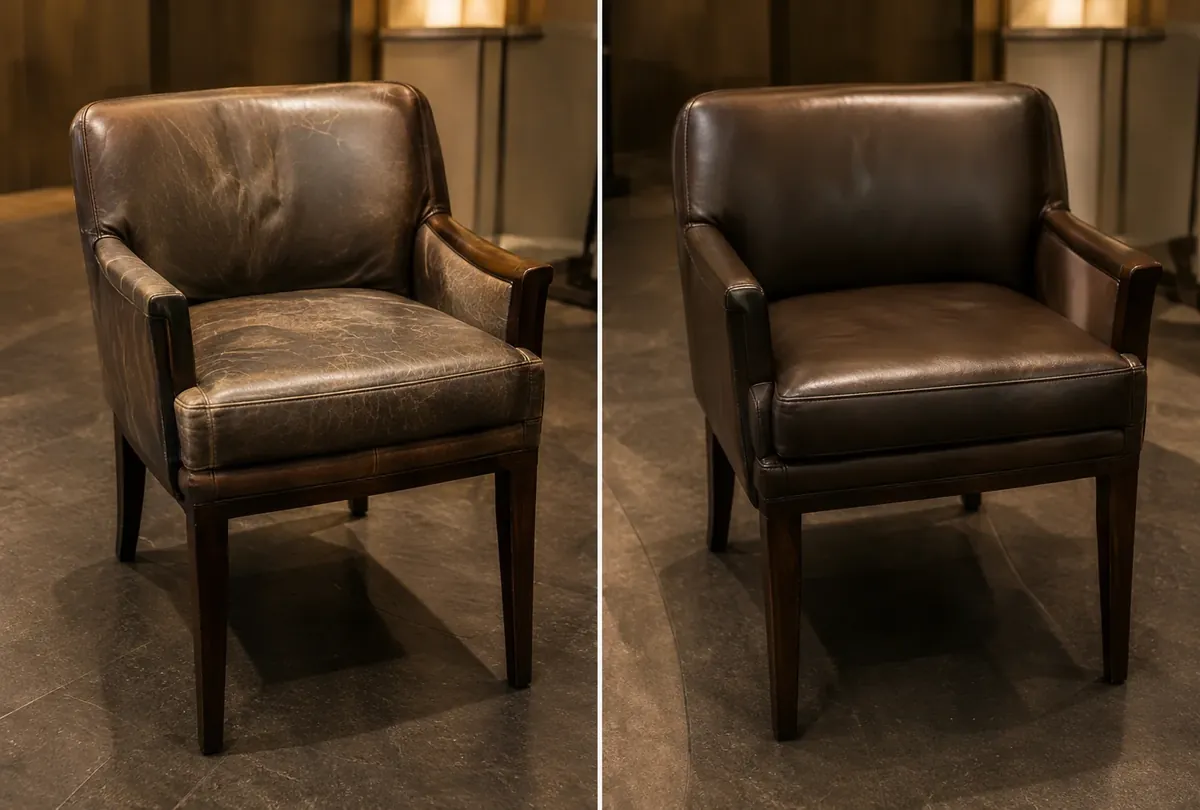
Wood-frame armchair. Upholstery recolored, frame finish touched in.
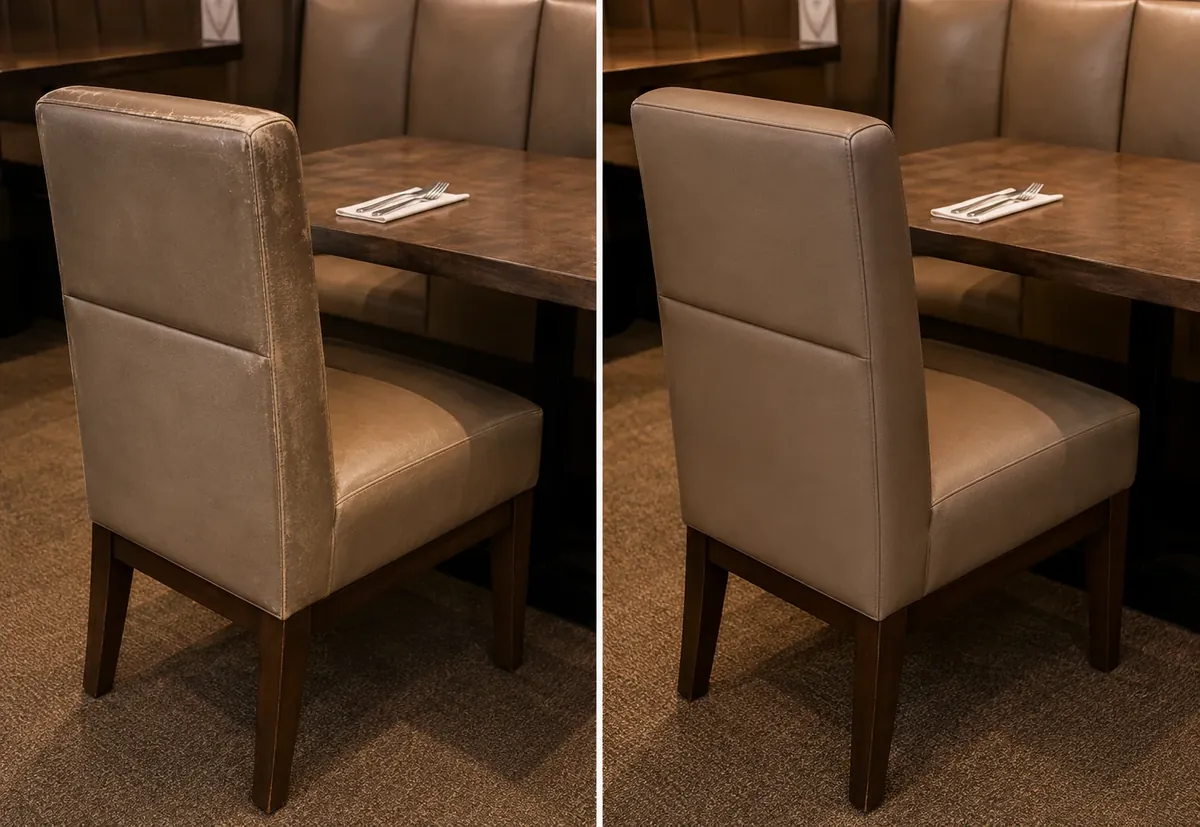
Dining chairs. Shine at the back rail; sheen levelled across the run.
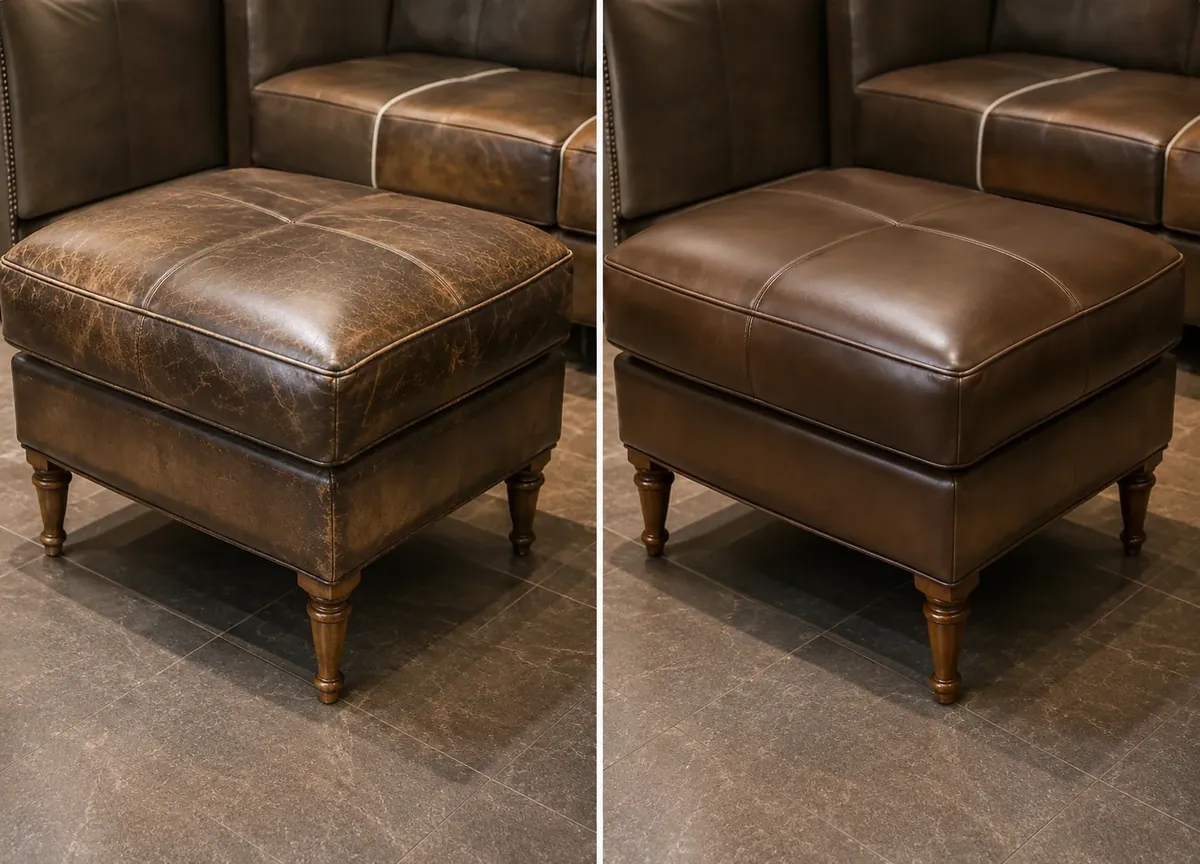
Ottoman. Top crazed from luggage; finish rebuilt, cover untouched.
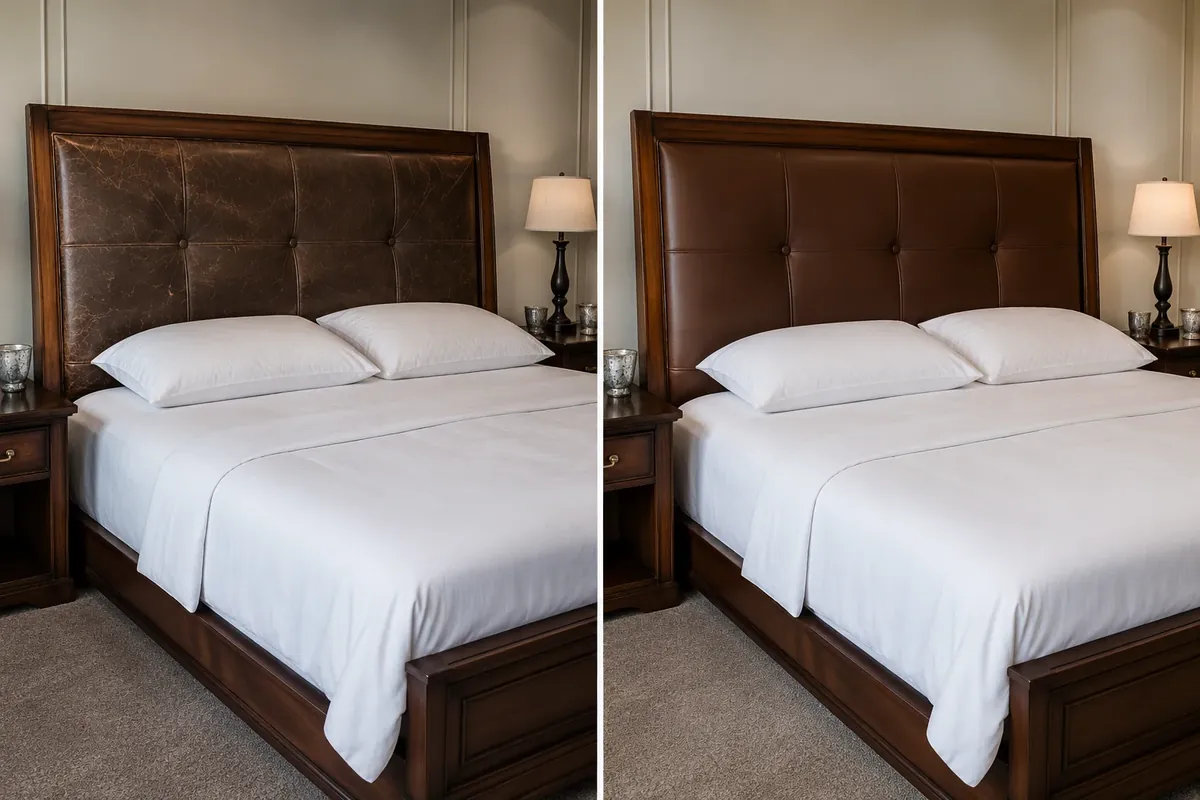
Headboard. Marking at head height, rub-through on the frame edges.
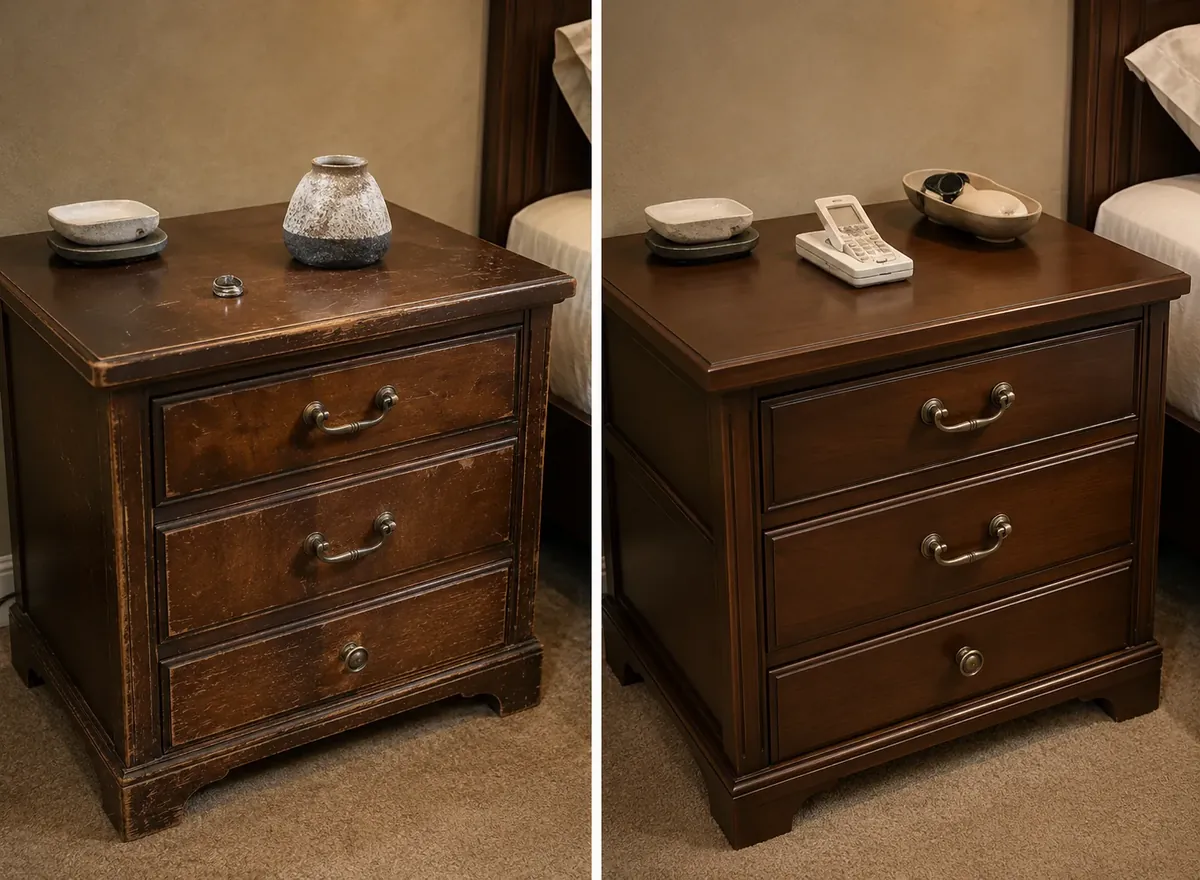
Nightstand. Water rings and chipped edges; color matched, finish re-laid.
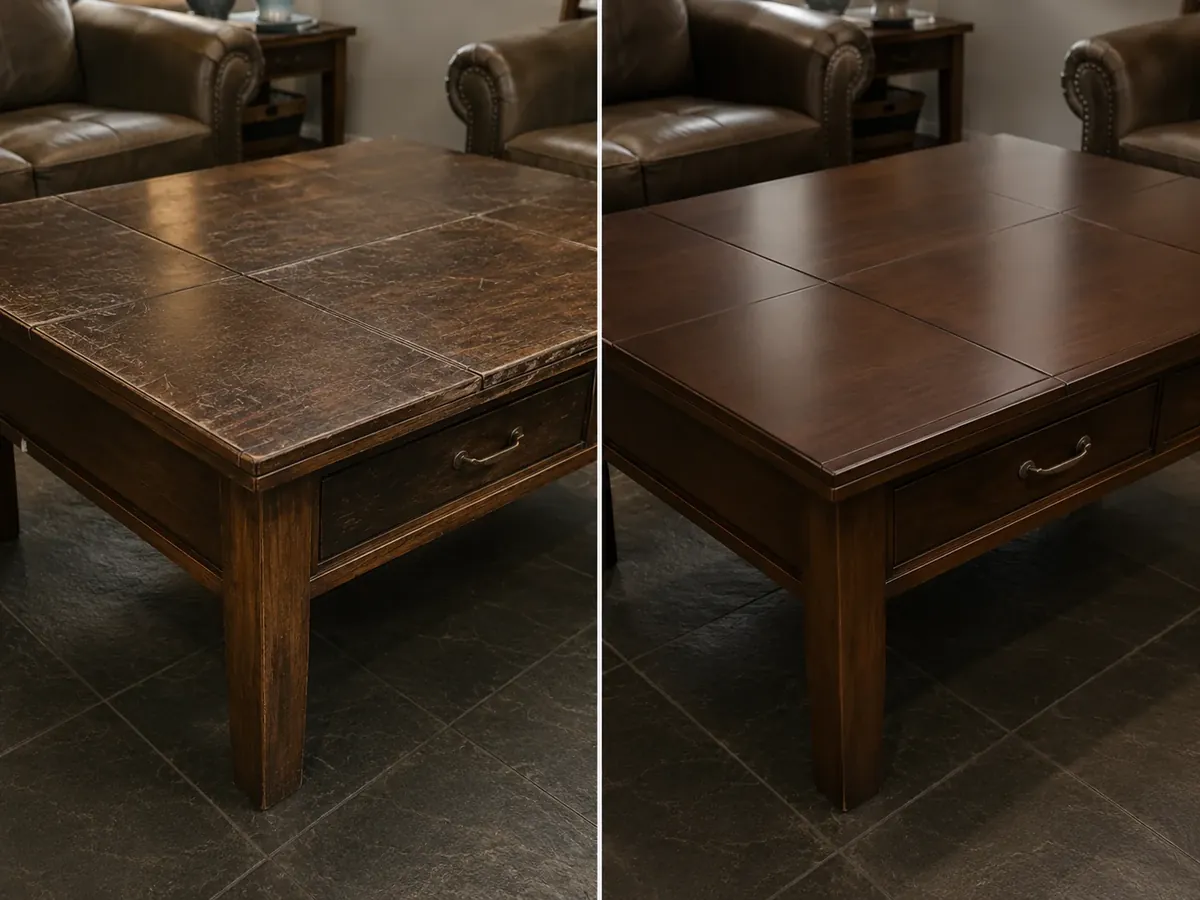
Coffee table. Hazed, scratched top; re-stained to the room’s casegoods.
Straight answers
Hotel furniture restoration NYC: timing, matching and cost
Can you restore one chair and have it match the rest?
Yes, and the match is read off an undamaged panel of that same chair, then checked against its neighbors under your own lighting before anything is sealed.
Does the furniture have to leave the property?
Usually not. Most hotel furniture restoration NYC color and finish work is done on site, in the room or in a back-of-house space you set aside. Pieces only travel when the work needs a bench.
When is restoration the wrong call?
When the material itself has failed rather than the finish — bonded leather peeling in sheets, splits opening along the panels, or cracking across a whole cushion. That is a reupholstery job, and we will say so. Where a panel has to be replaced, the new hide is matched to the surviving pieces on that floor rather than to the discontinued original.
Can you work on a whole floor at once?
That is the usual shape of it. Rooms and floors are priced together as bulk projects and worked in sections so the floor never goes fully out of service. Or put the cycle on a maintenance program.
How is hotel furniture restoration NYC priced?
Off the condition and the count. Send a photograph of the worst piece and one of an undamaged piece beside it, and the quote comes back against the actual inventory.
Start here
Photograph the worst piece, and the one next to it.
Two photographs price most hotel furniture restoration NYC work: the piece that has gone, and an undamaged one for the color. Add a count.
Or call (347) 310-7483.