
HomeIndustriesBarsStool reupholstery
Recovering a runThe odd seat out is the one you just paid for
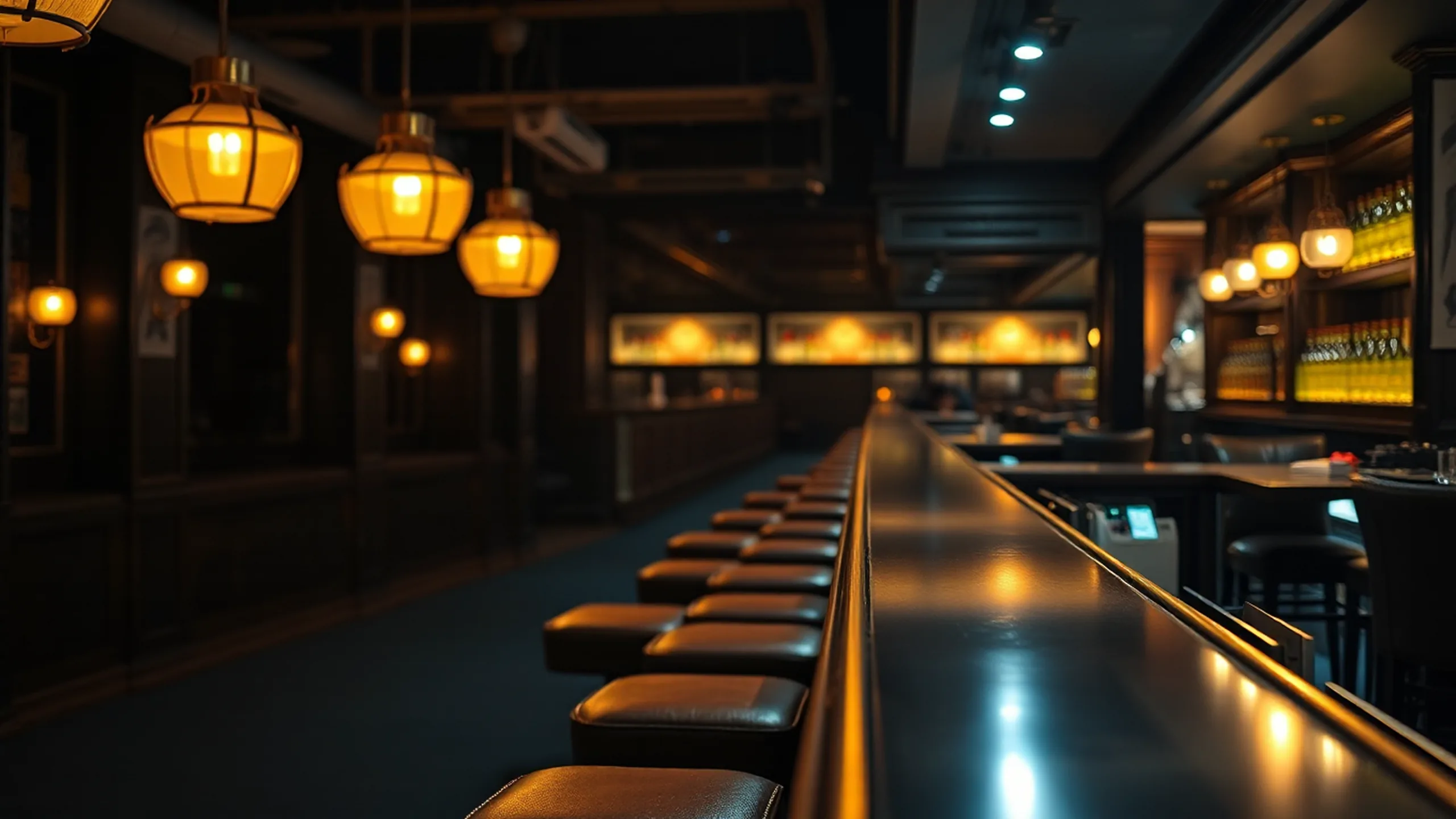
Order one seat at a time and it comes back tighter, brighter and half a shade off the seven beside it. Bar stool reupholstery NYC operators are happy with is priced and scheduled by the rail.
A rail reads as one object
Guests never look at one stool; they see the line of them. A rail is only as good as its worst seat, which is why bar stool reupholstery NYC venues get value from is quoted by the run, with one hide, one foam spec and one visit. Bar stool reupholstery NYC is ordered by the row, not by the seat; see bulk projects.
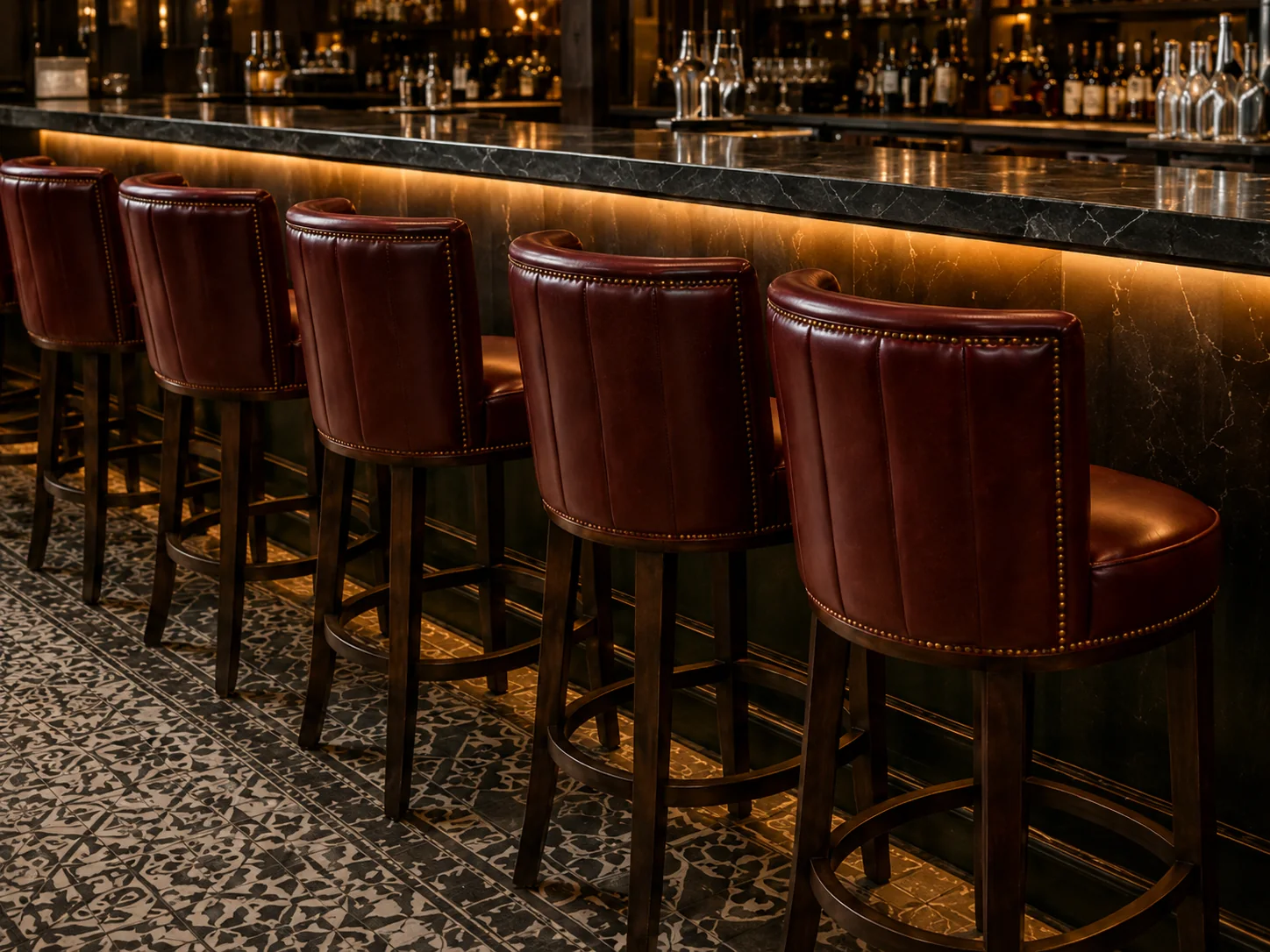

Pad stools we reupholster
Almost every bar stool reupholstery NYC order is one of six forms, and the form decides how much of the stool comes apart.
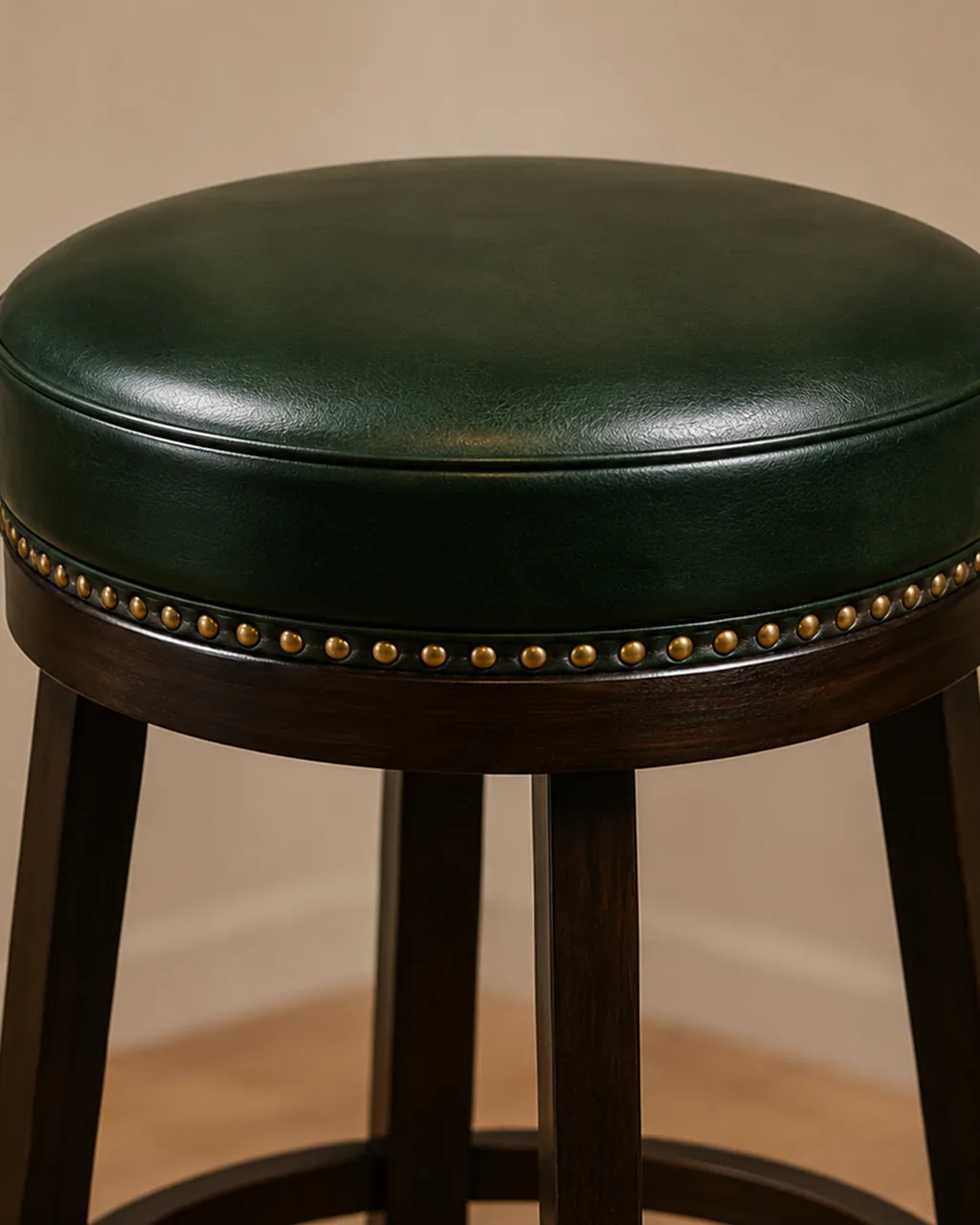
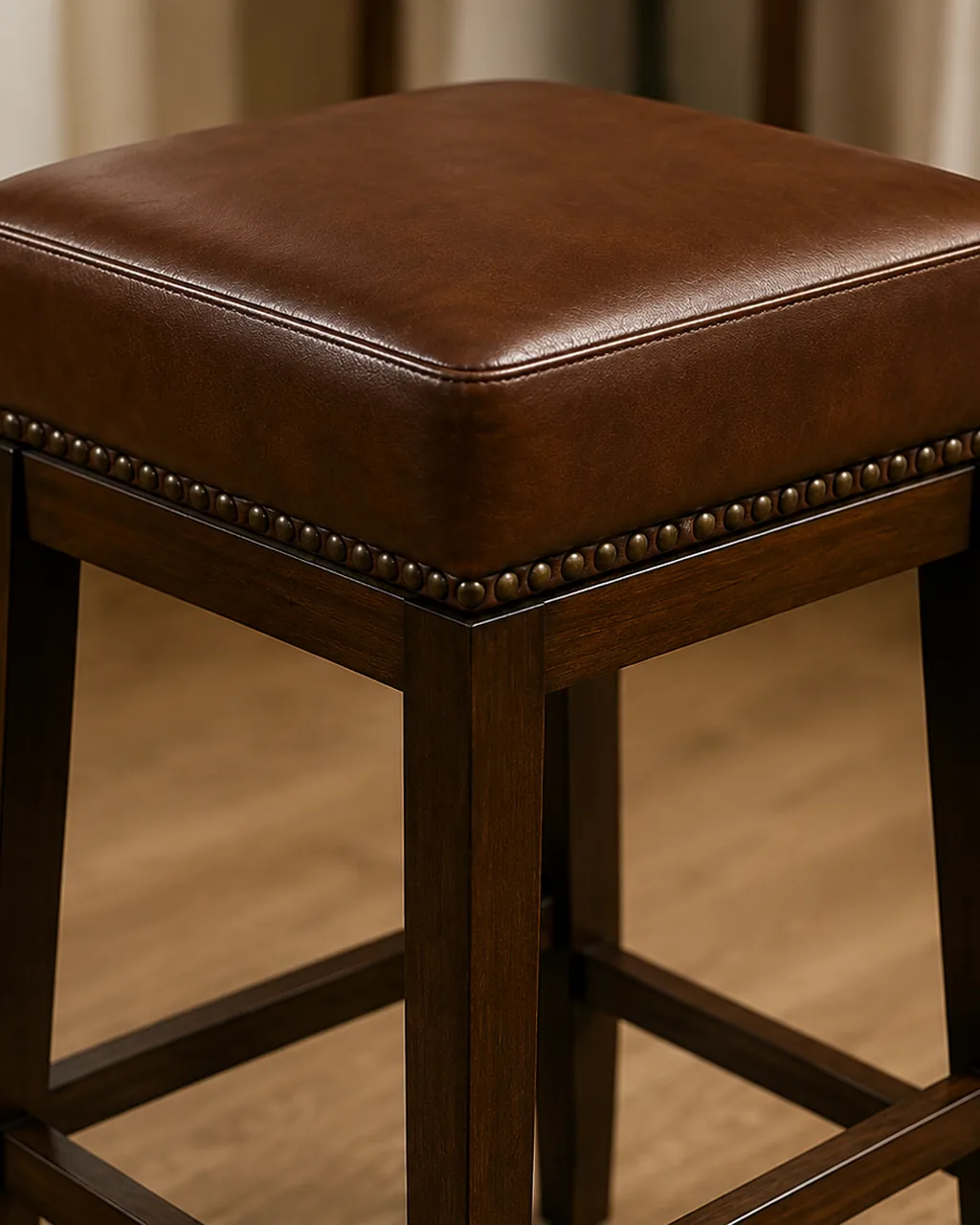
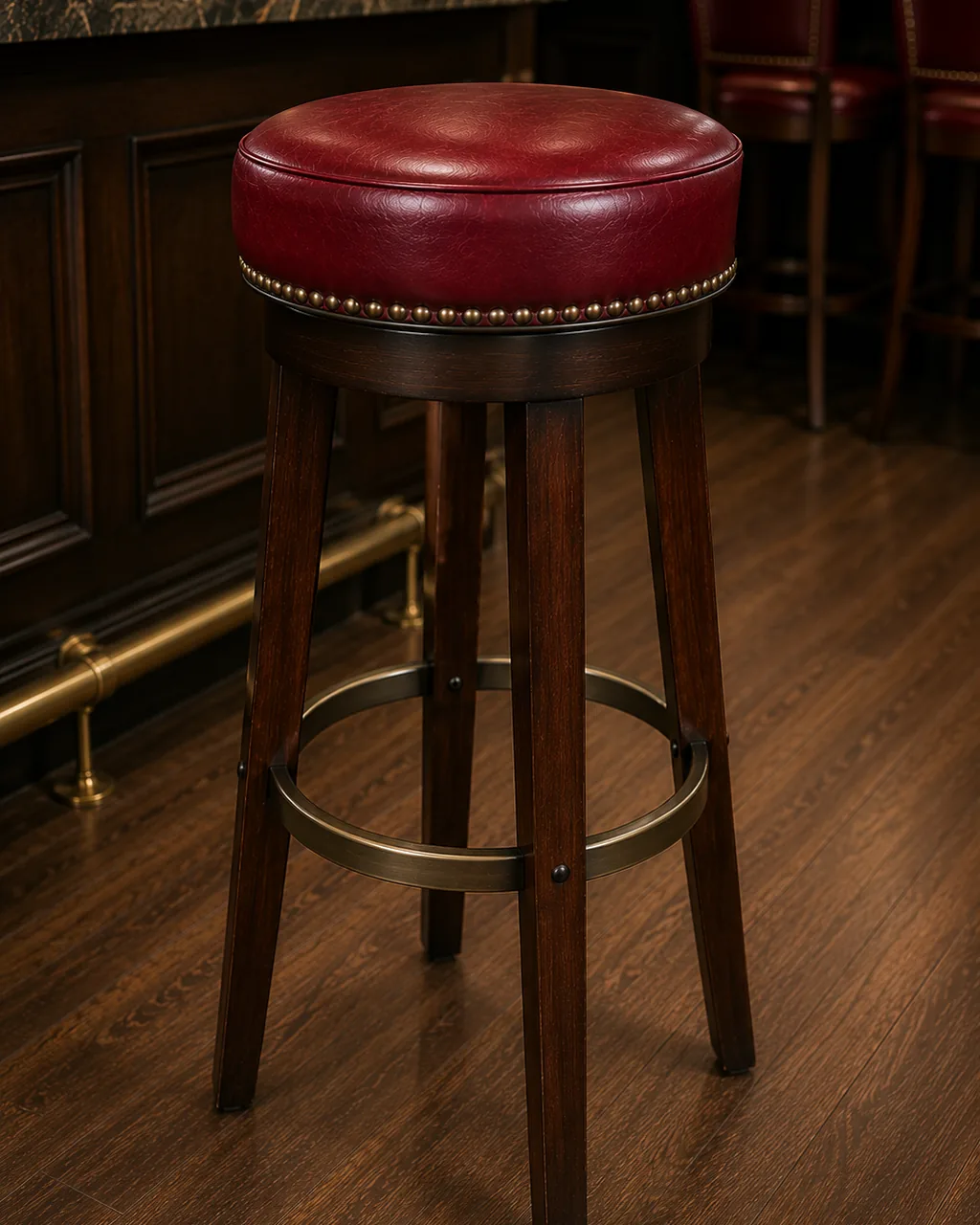
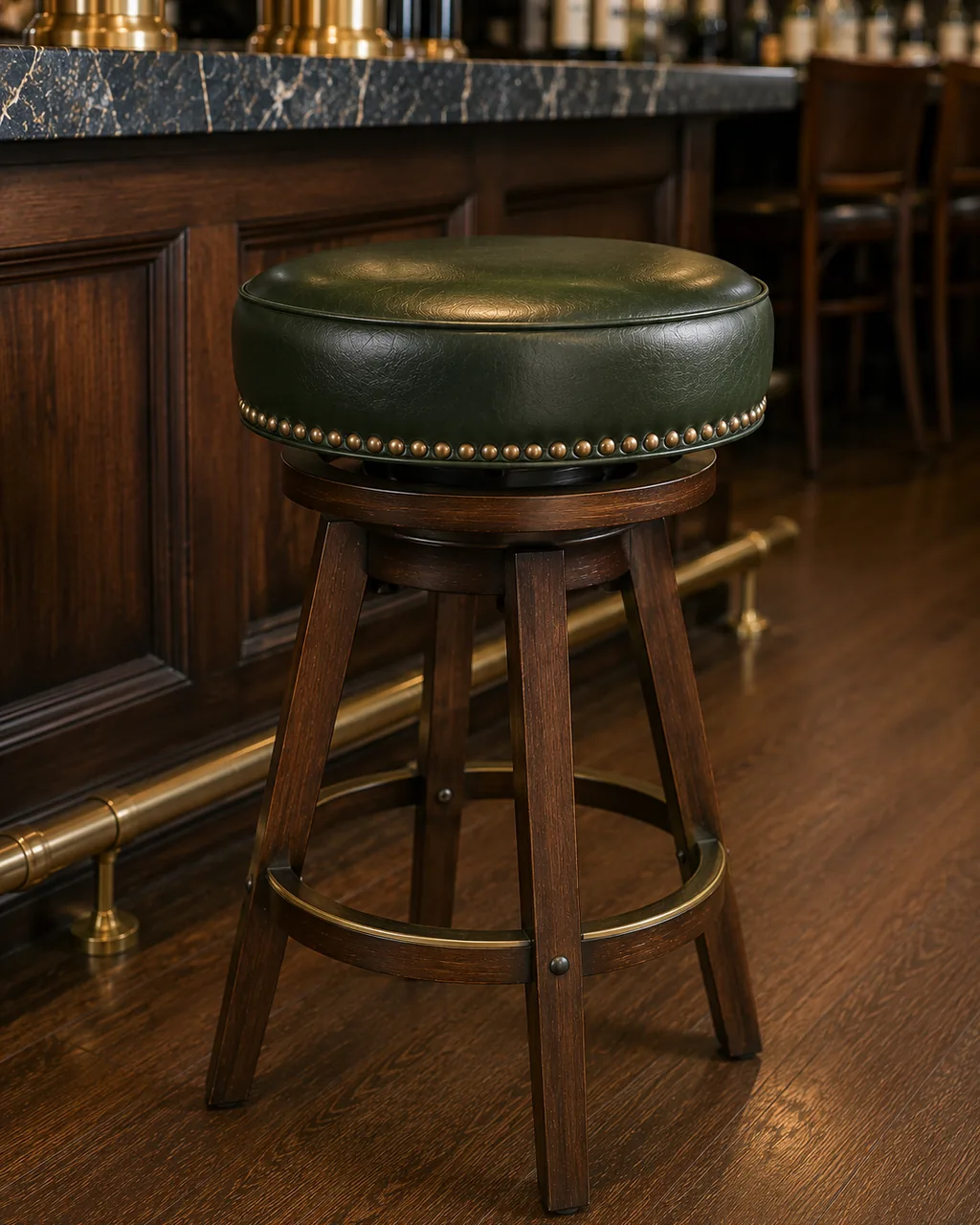
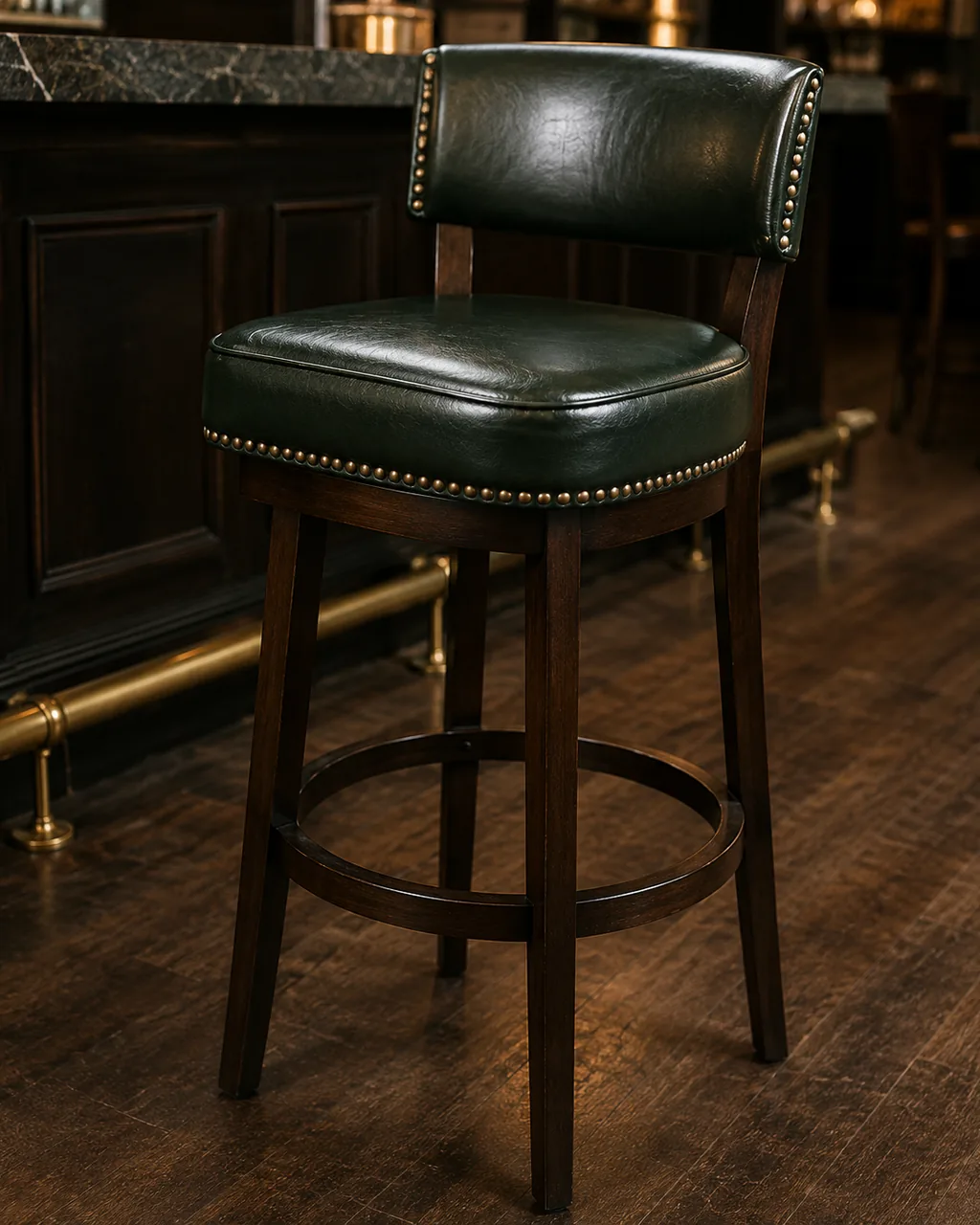
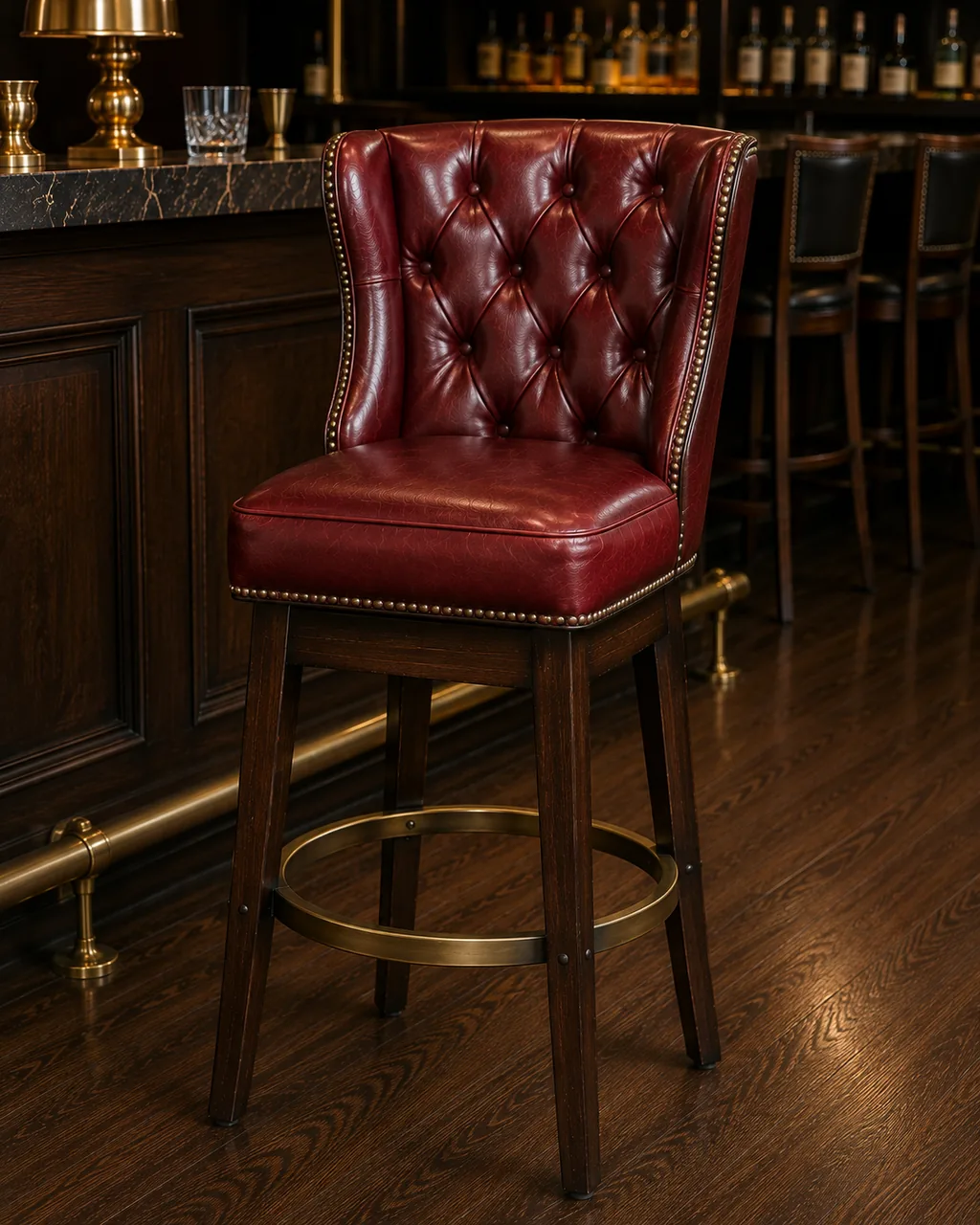
Illustrative forms, not stock we hold.
Five places a stool gives out
Stools fail in a fixed order, and the zone that has gone tells you what the job is. Every bar stool reupholstery NYC quote starts by naming it.
Front edge
Heels and the backs of knees drag across the same narrow band every service. The topcoat rubs pale first, then the grain splits along the roll.
Cover only if it is caught while the split is in the finish. Once it reaches the foam, the edge is rebuilt before anything is fitted over it.
Seat centre
Foam loses its recovery and stops pushing back. The cover dishes, then creases in a ring wherever guests settle.
New foam. A new cover over dead foam wrinkles within weeks, and opening the seat twice costs more than doing it once.
Backrest face
Belt buckles, bag straps and jacket zips score the panel that faces the bar. Damage is linear rather than worn.
Cover, and a good reason to move the run to a heavier material if the room keeps doing it.
Outer back
The panel nobody sits on takes every knock from the walkway side — service trolleys, other stools, shoulders.
Cover only, and the reason a rail can look far worse from behind than from the guest's side.
Seat pan
The plywood splits around its fixings and the staples pull. It presents as a loose seat or a squeak long before anything looks wrong.
Pan repaired or replaced. This is the zone that decides whether a stool is worth recovering at all.
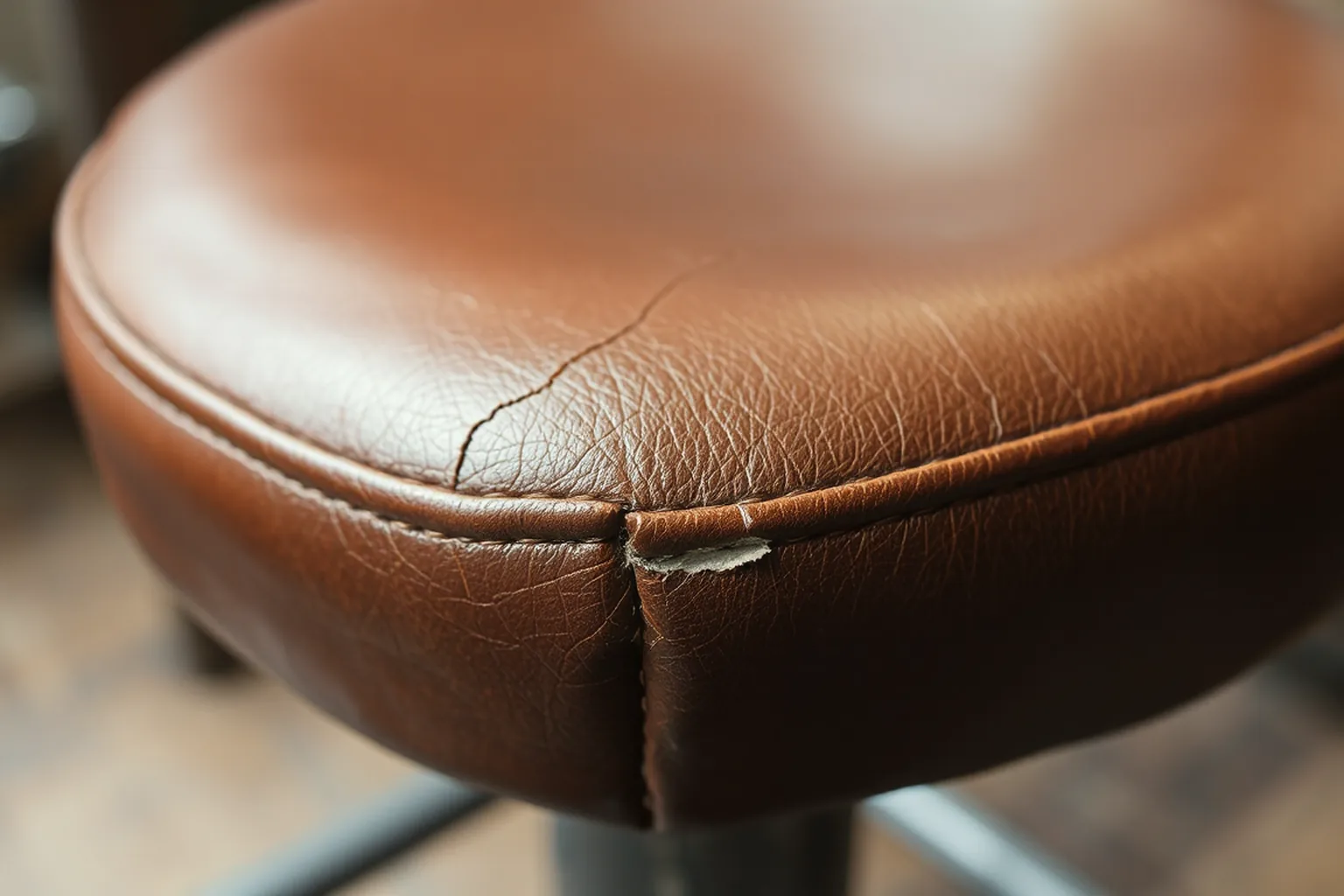
The front edge goes first, every time
It is the only part of a stool that takes abrasion rather than pressure. When an operator says the stools "look tired", this edge is what they are seeing. Caught early it is a recover; left a season it is a rebuilt edge first. If the pan has gone too, that is bar furniture repair before any cover is cut.
The same pad, opened up and closed again
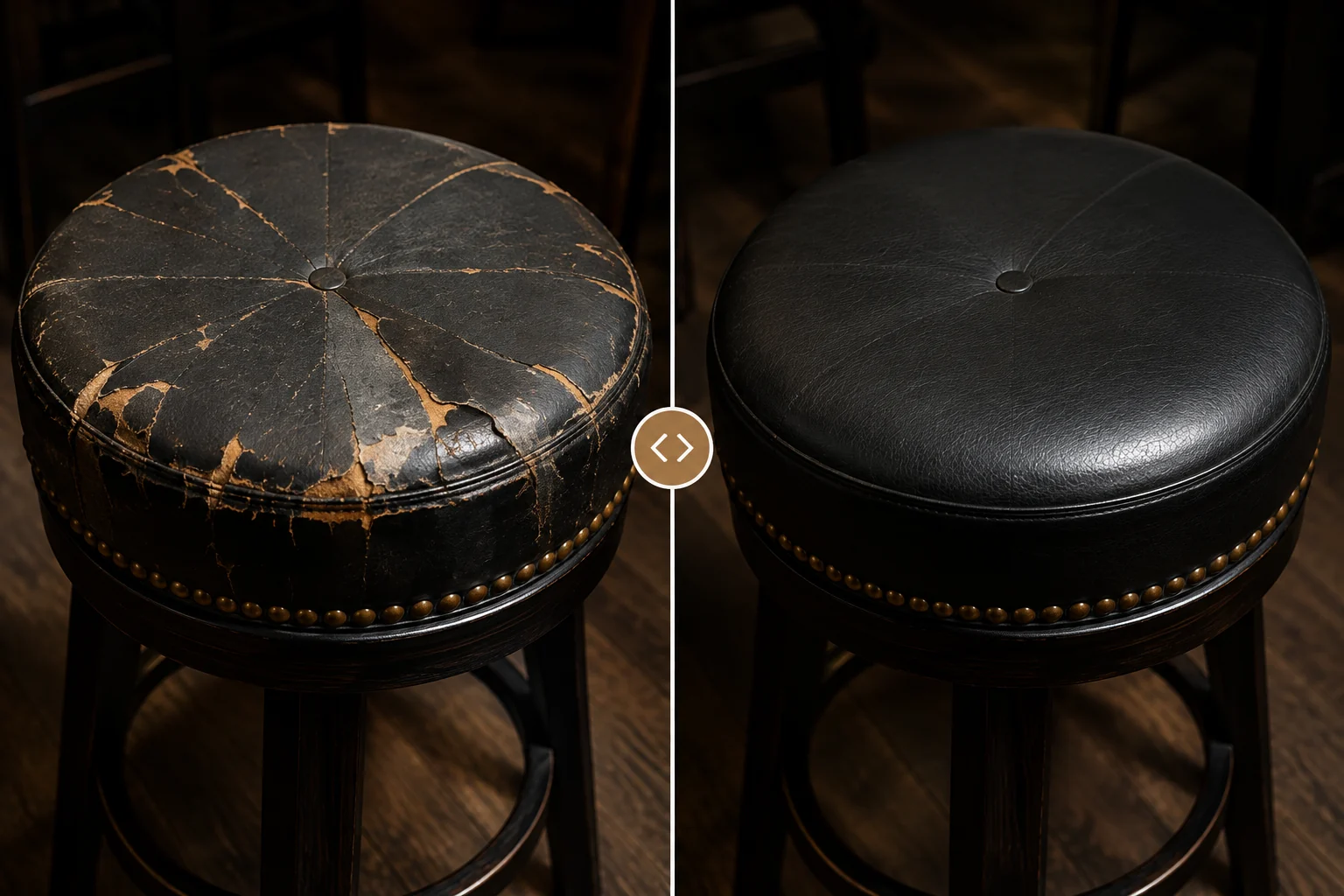
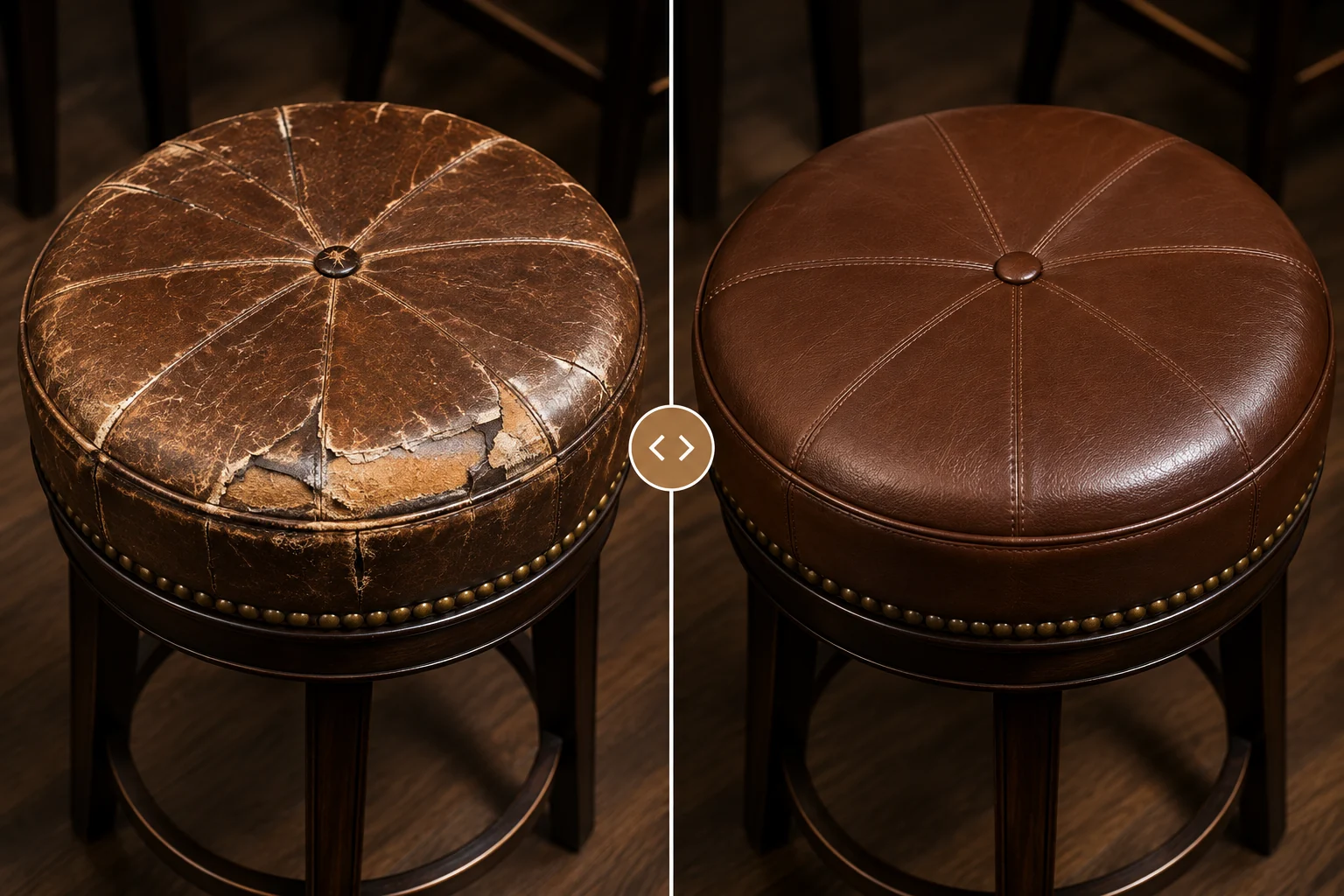
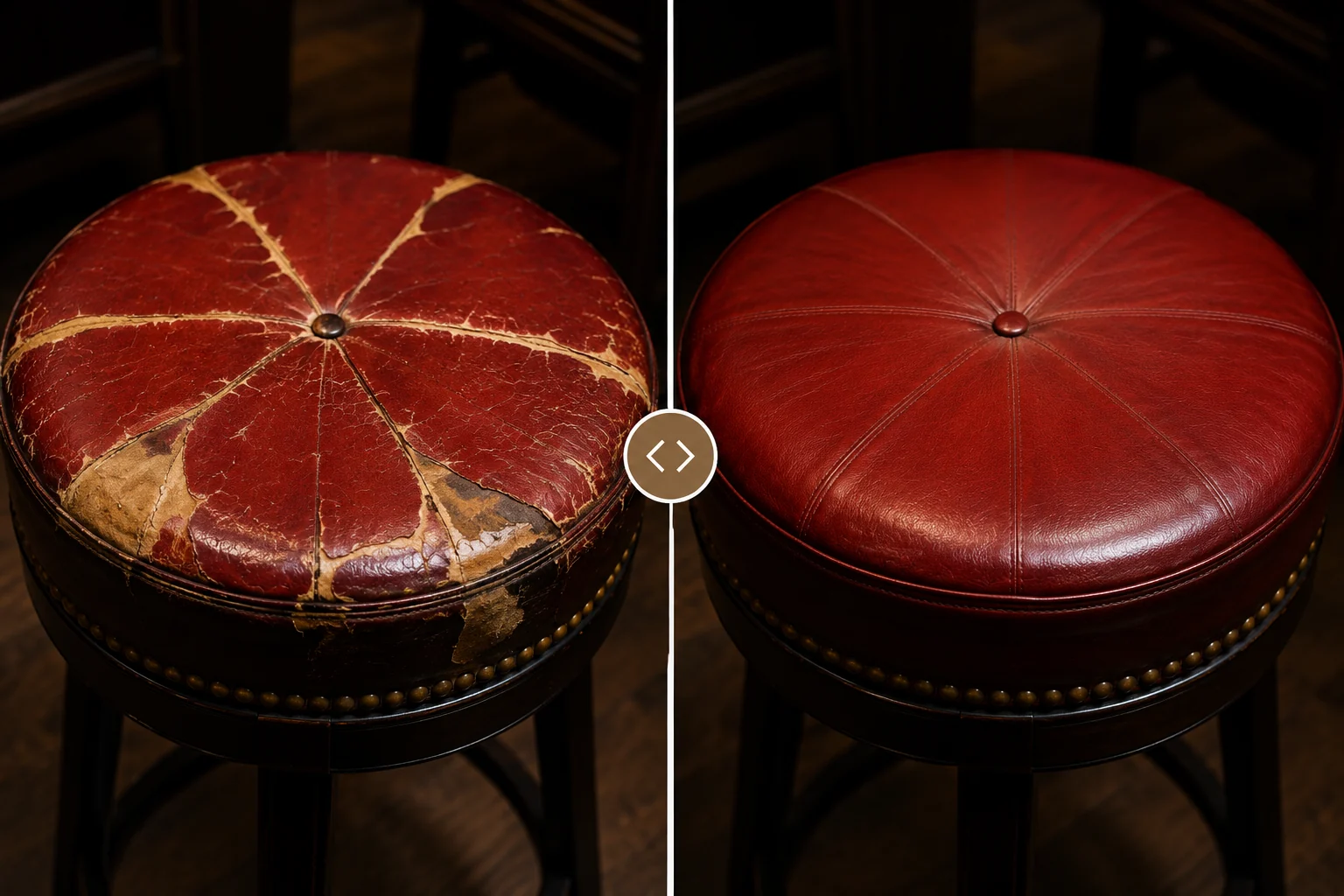
The fault types bar stool reupholstery NYC deals with most, each shown against its finished condition.
 BeforeAfter
 BeforeAfter
 BeforeAfter
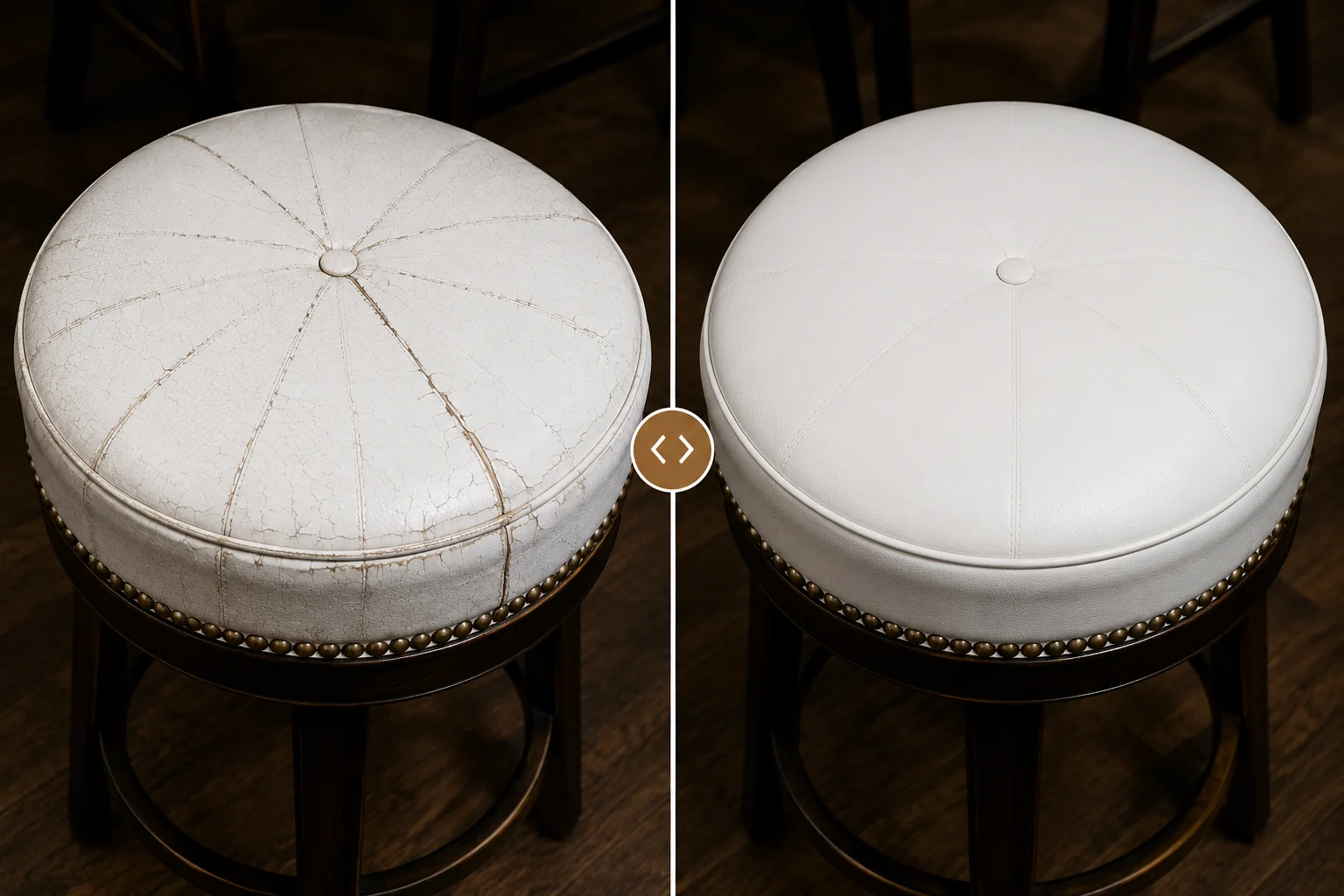 BeforeAfter
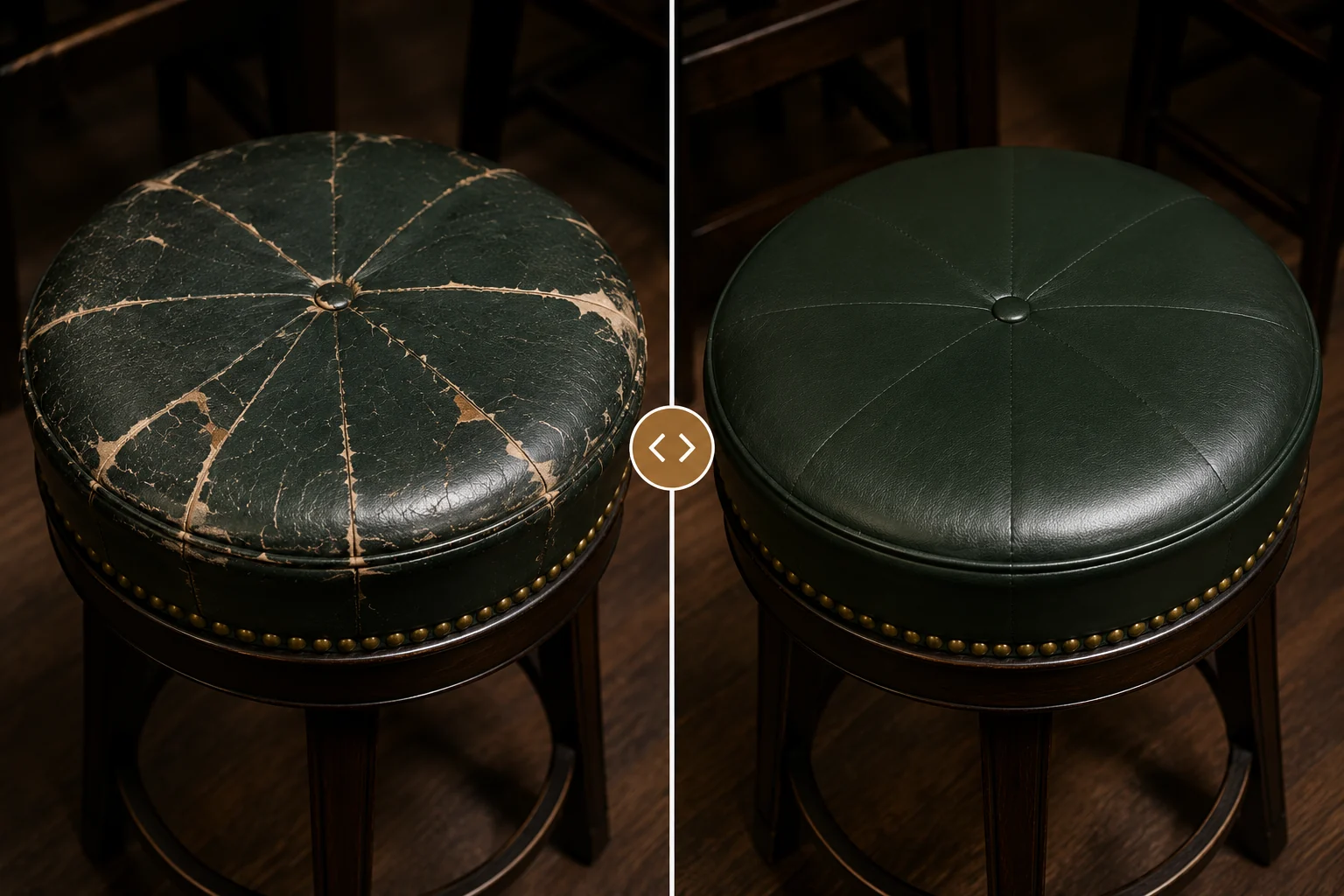 BeforeAfter
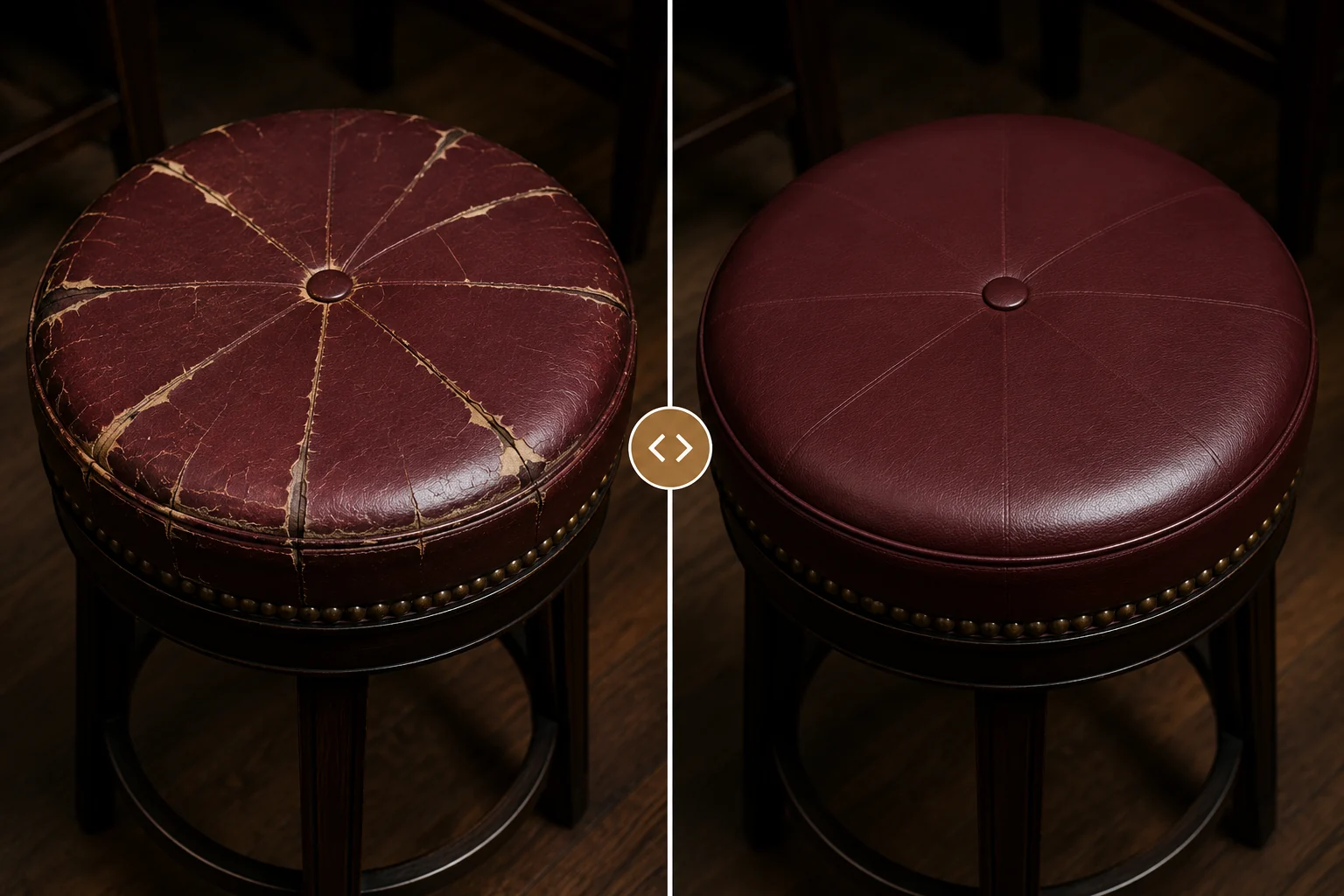 BeforeAfter
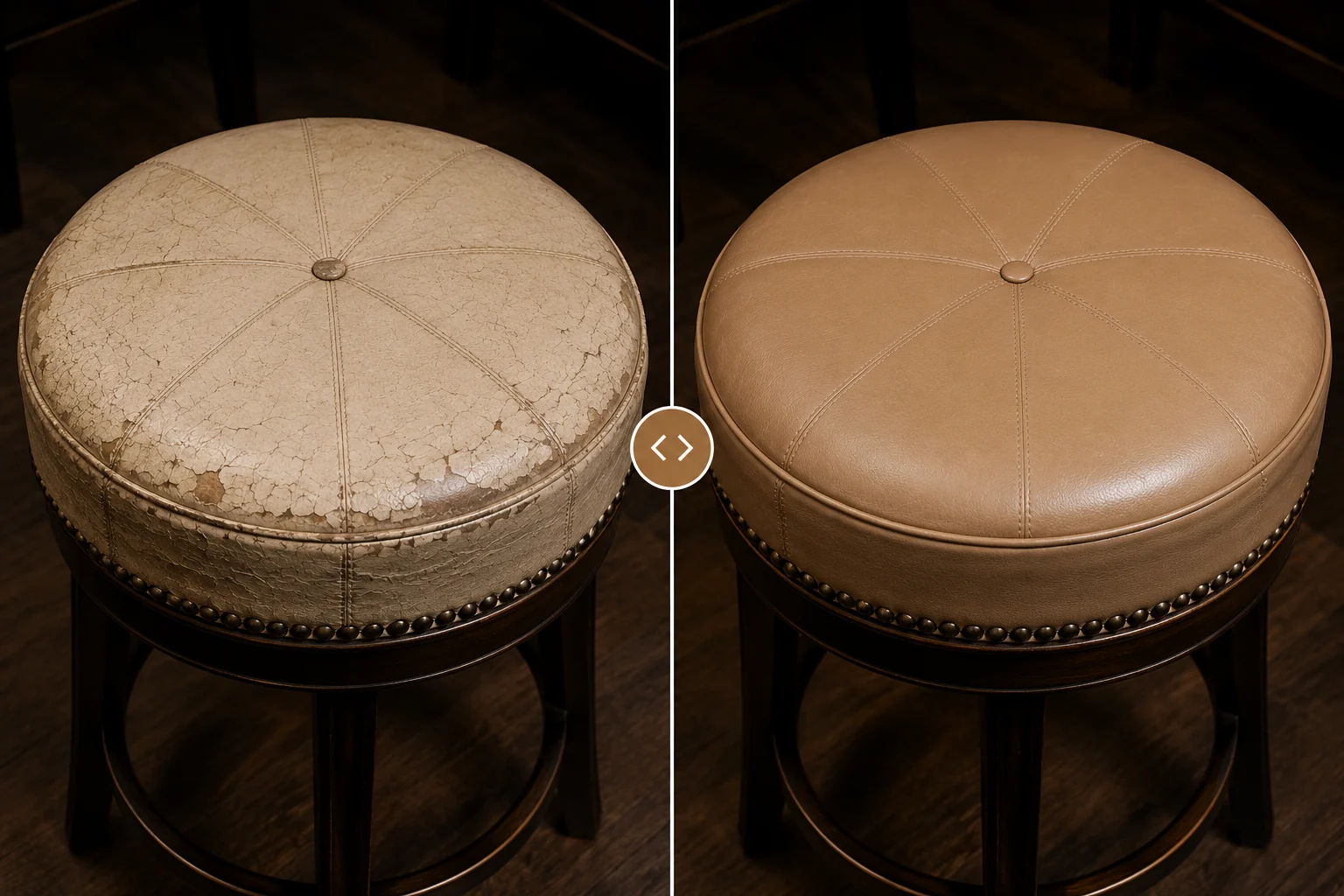 BeforeAfter
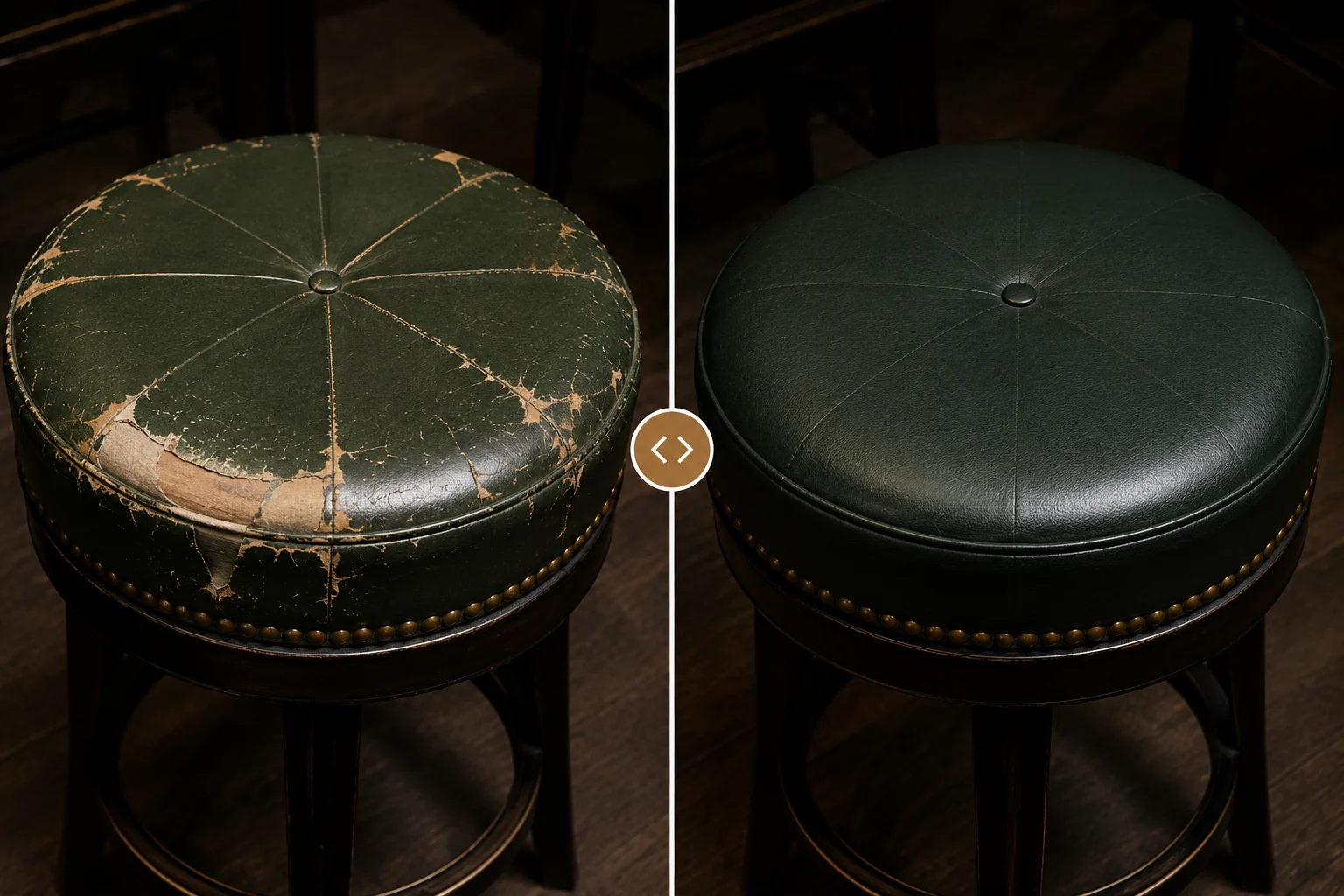 BeforeAfter
Illustrative pairs: fault types and finished condition.
Counter, bar and poseur are not one order
Most rooms run at least two seat heights. They are different frames with different foam depths, so a bar stool reupholstery NYC quote prices each height, while the material stays identical across all three.
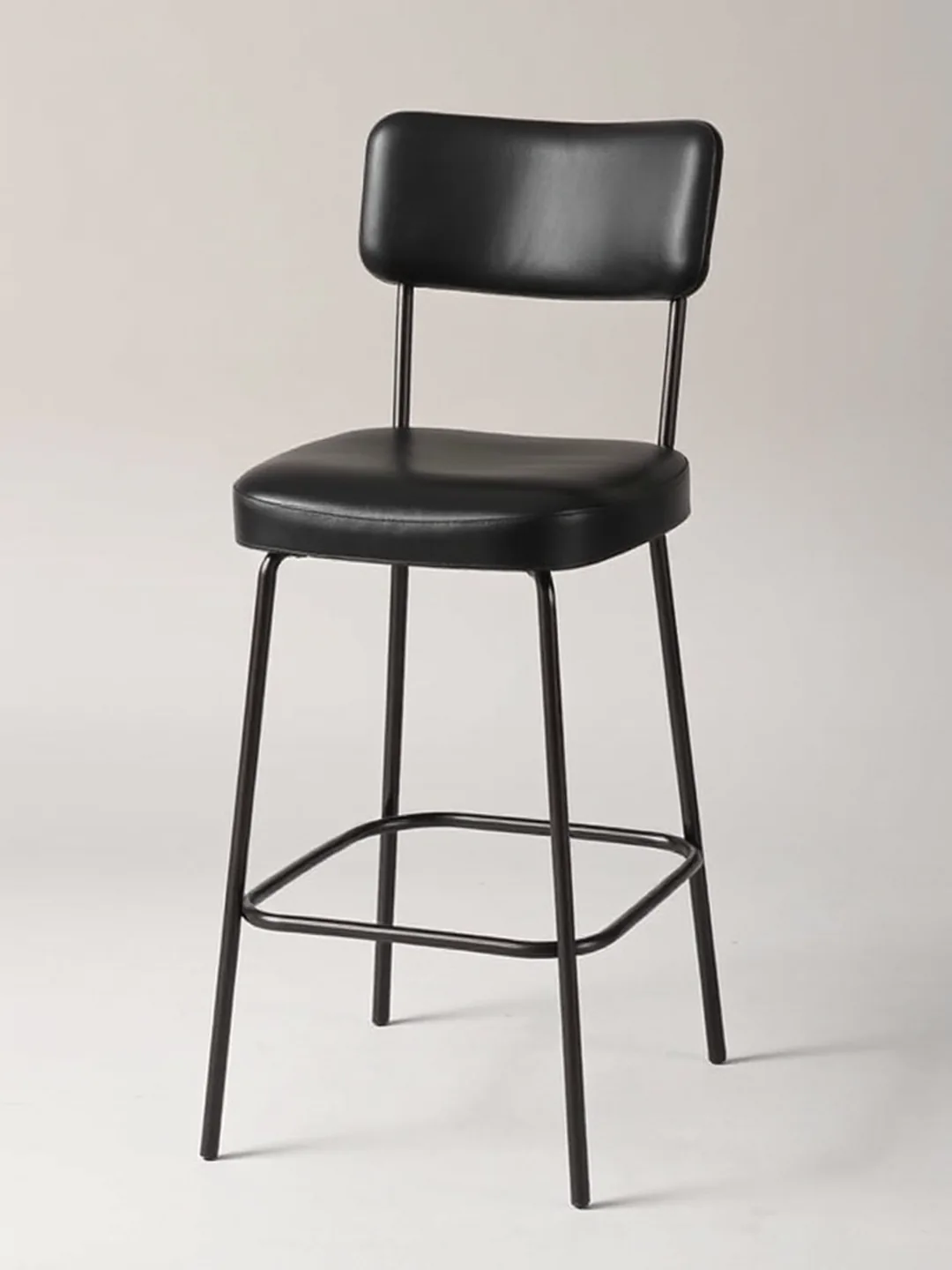
Counter
Roughly 24–26 in seat
Shallow pans, wide seats, and the heaviest turnover of the three because they sit where guests wait for service.
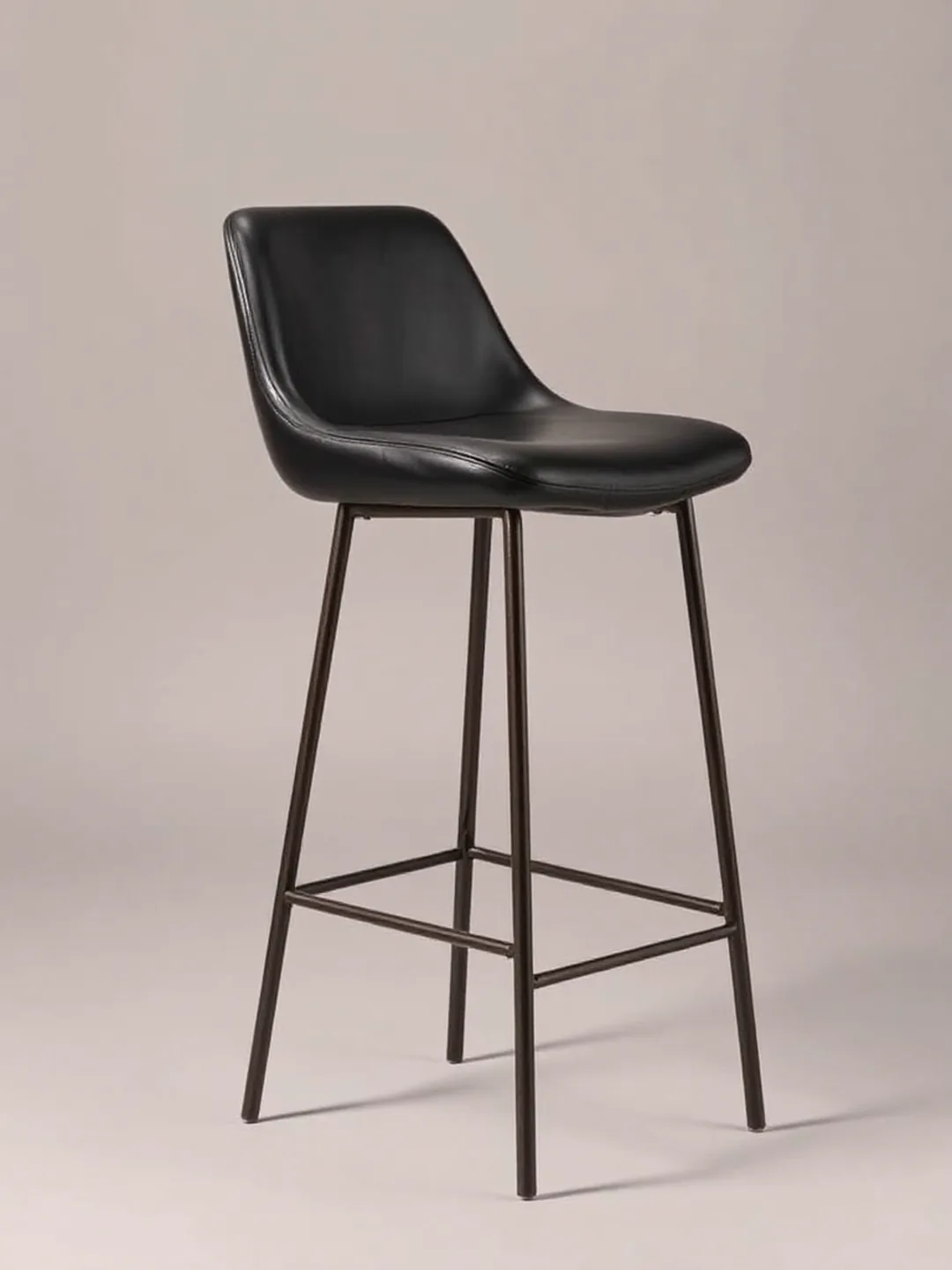
Bar
Roughly 29–31 in seat
The long rail, and the seats guests stay on for hours. Most bar stool reupholstery NYC orders are counted here first. Deeper foam, and the foot ring puts a second wear line low on the frame.
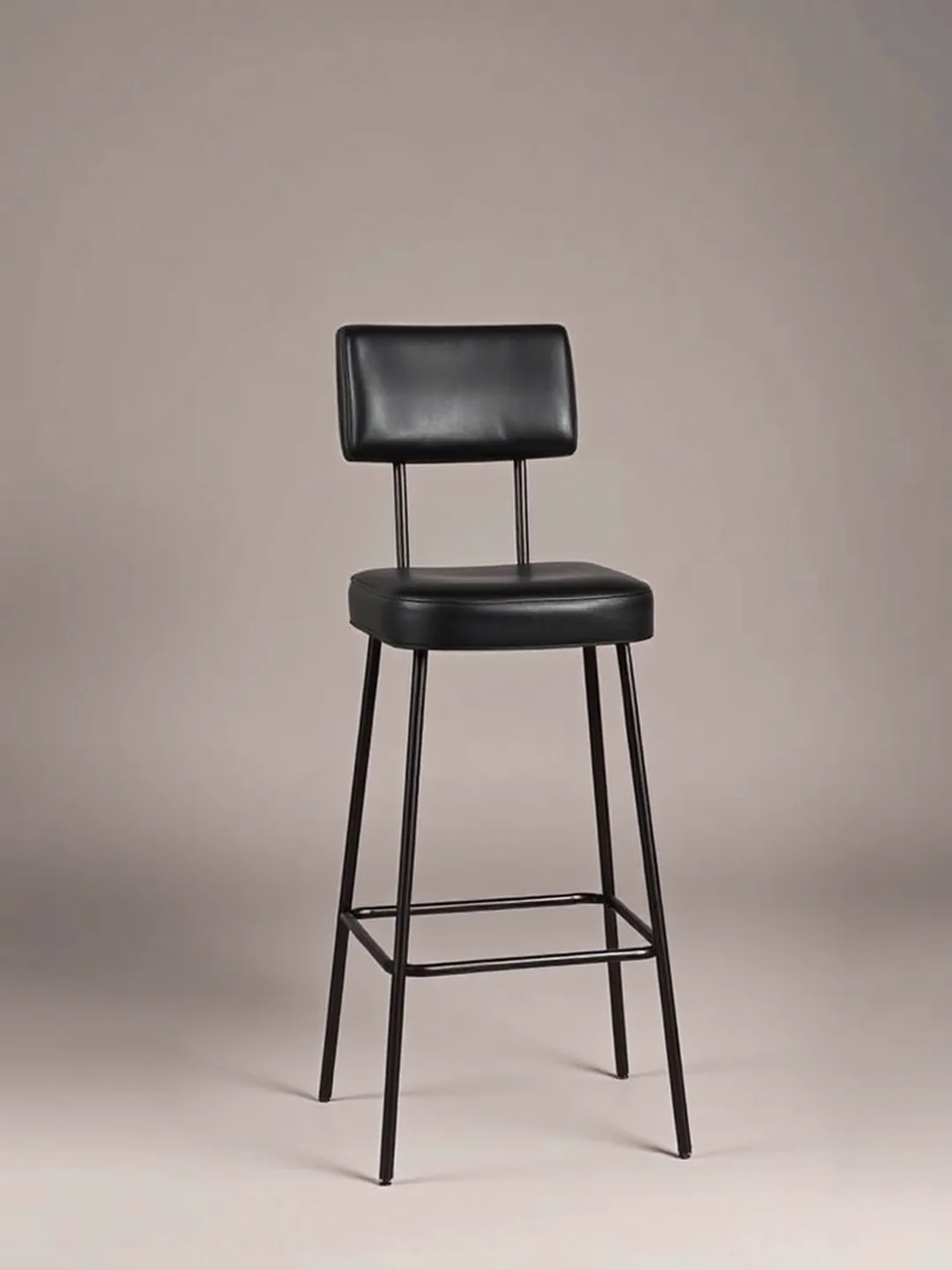
Poseur
Roughly 33–36 in seat
High tops and window ledges. Fewest in number, most often forgotten in a bar stool reupholstery NYC count, and the ones that stand out first when they are missed.
What a stool actually gets covered in
One material carries the whole run, so it is the first decision in any bar stool reupholstery NYC order. The same colours come in hide, commercial vinyl or faux leather, and samples come to your room before anything is cut.
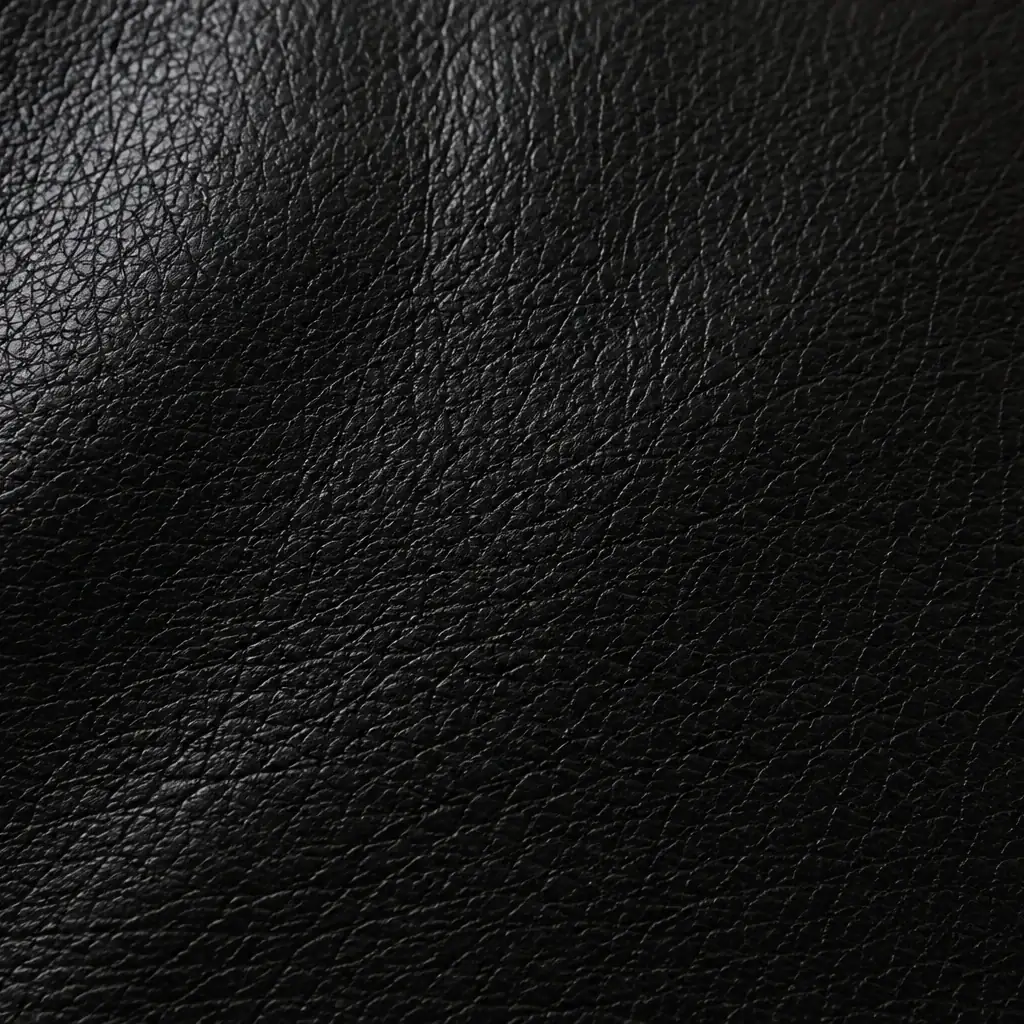
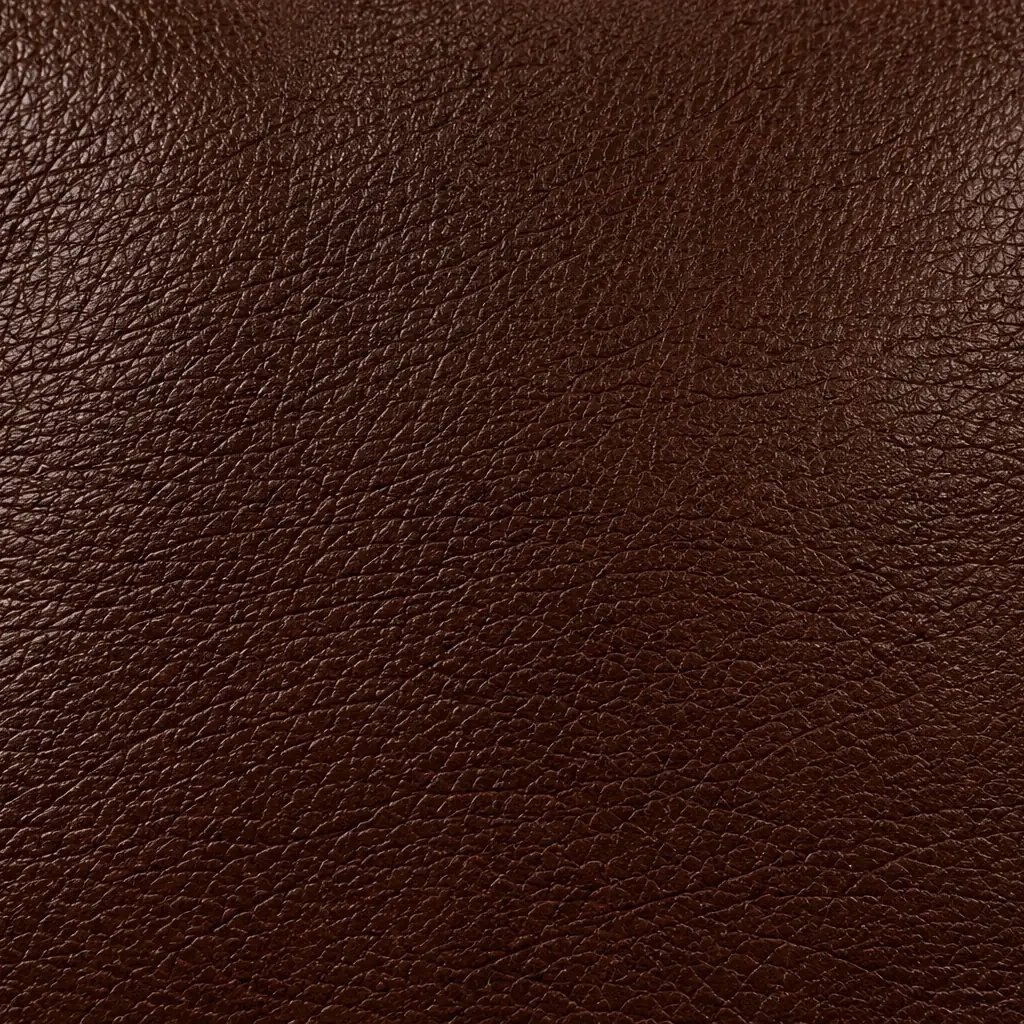


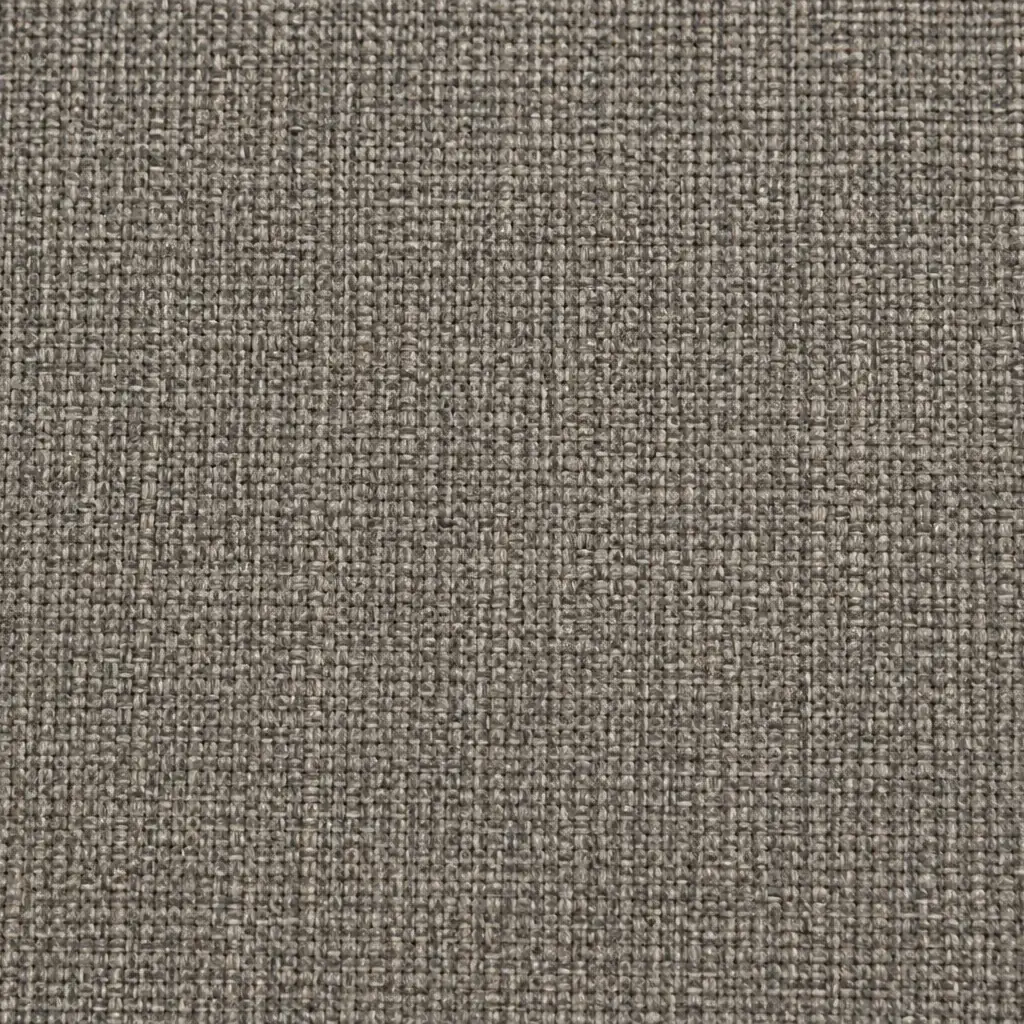
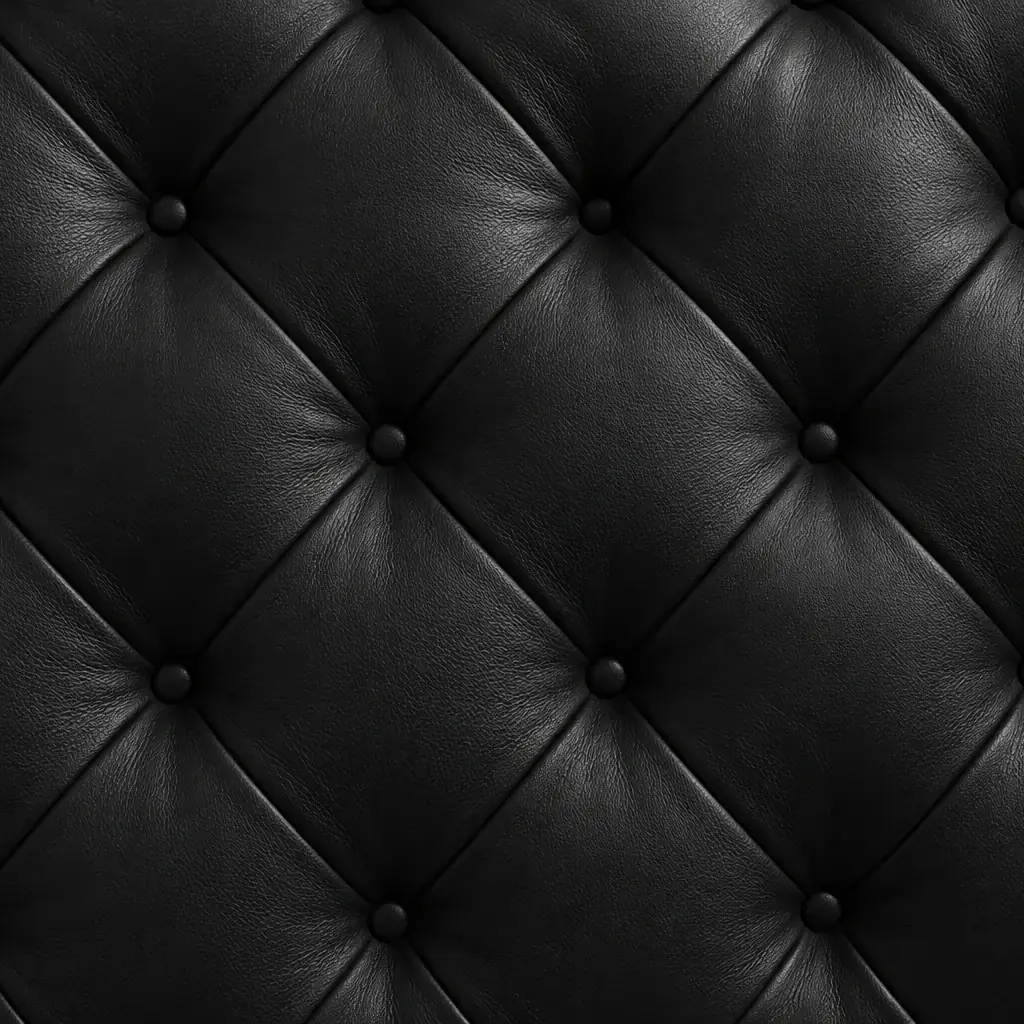
Illustrative swatches. Actual ranges are shown physically on site.
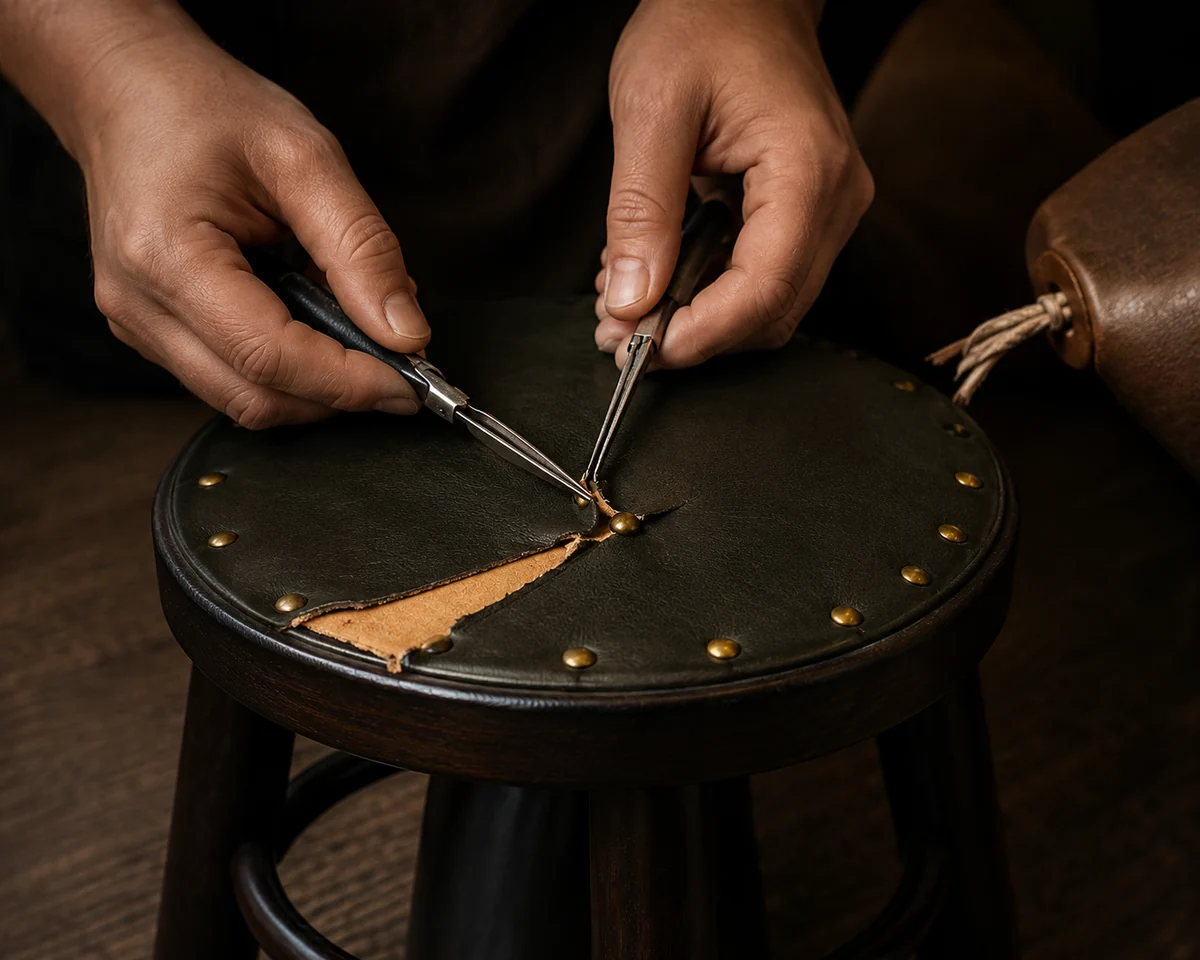
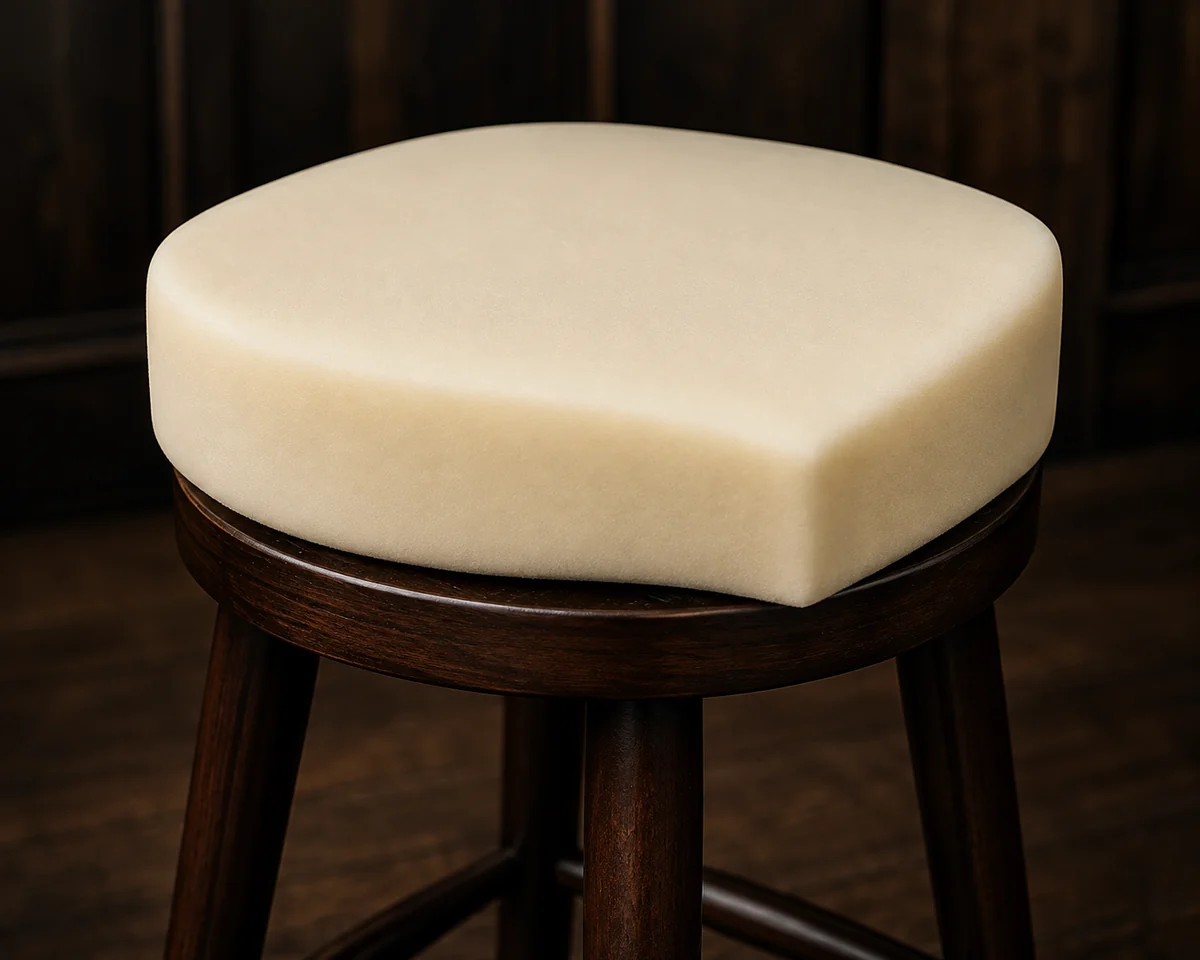
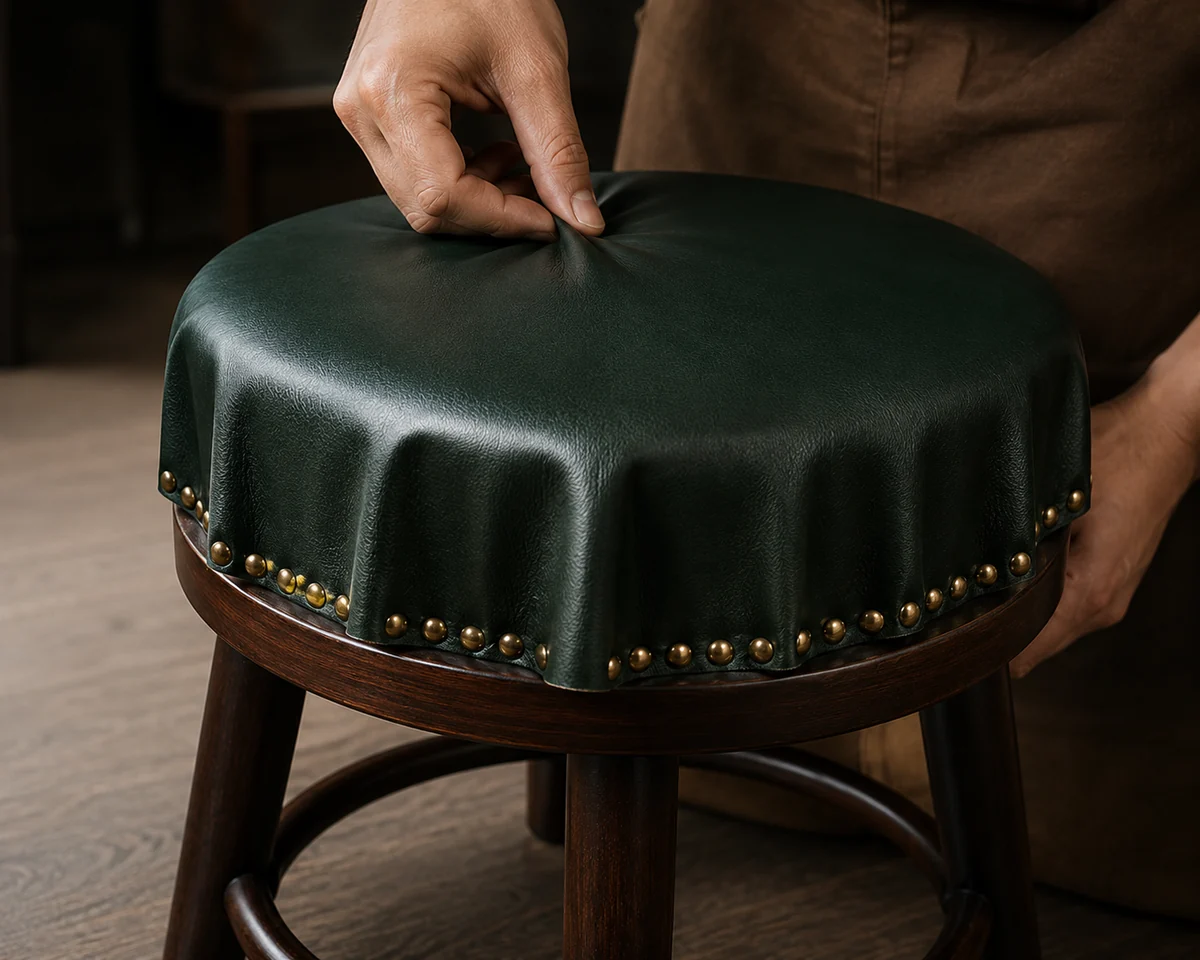
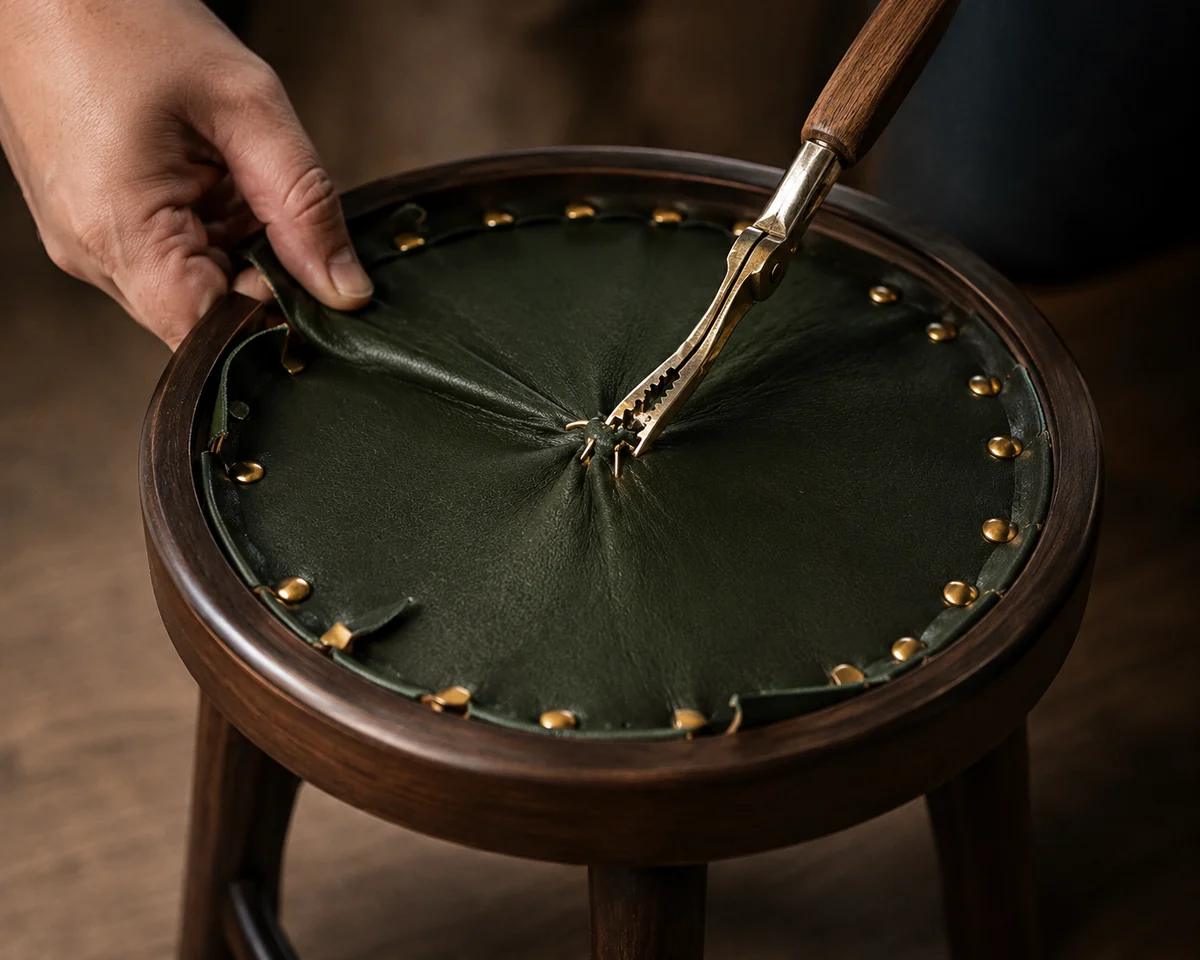
Five moves from strip to reset
A bar stool reupholstery NYC job is the same five moves for four seats or forty, each done to the whole batch before the next, so the rail comes back matched.
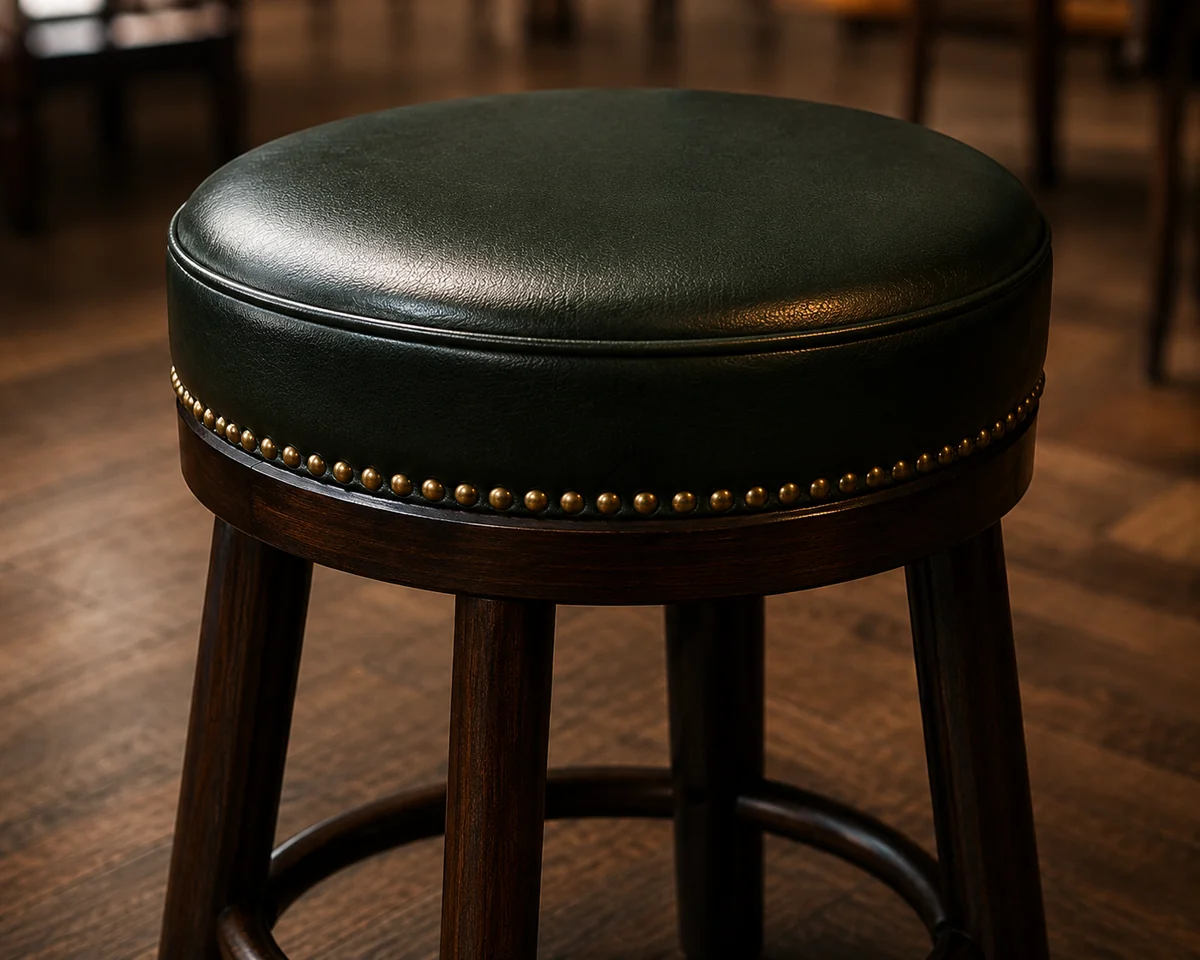
Restored, recovered, ready for the rush
What a finished bar stool reupholstery NYC run looks like back on the floor, which is the only place the work is ever judged.
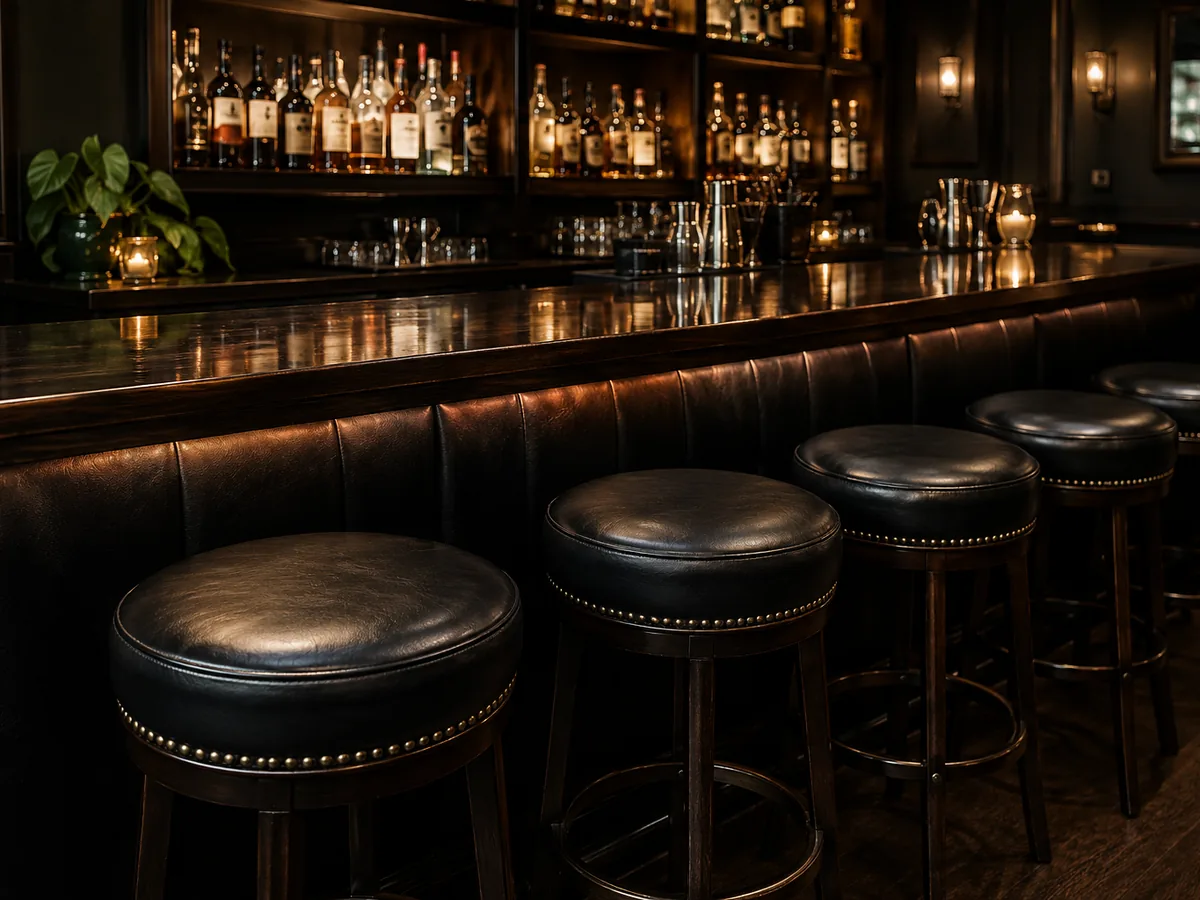
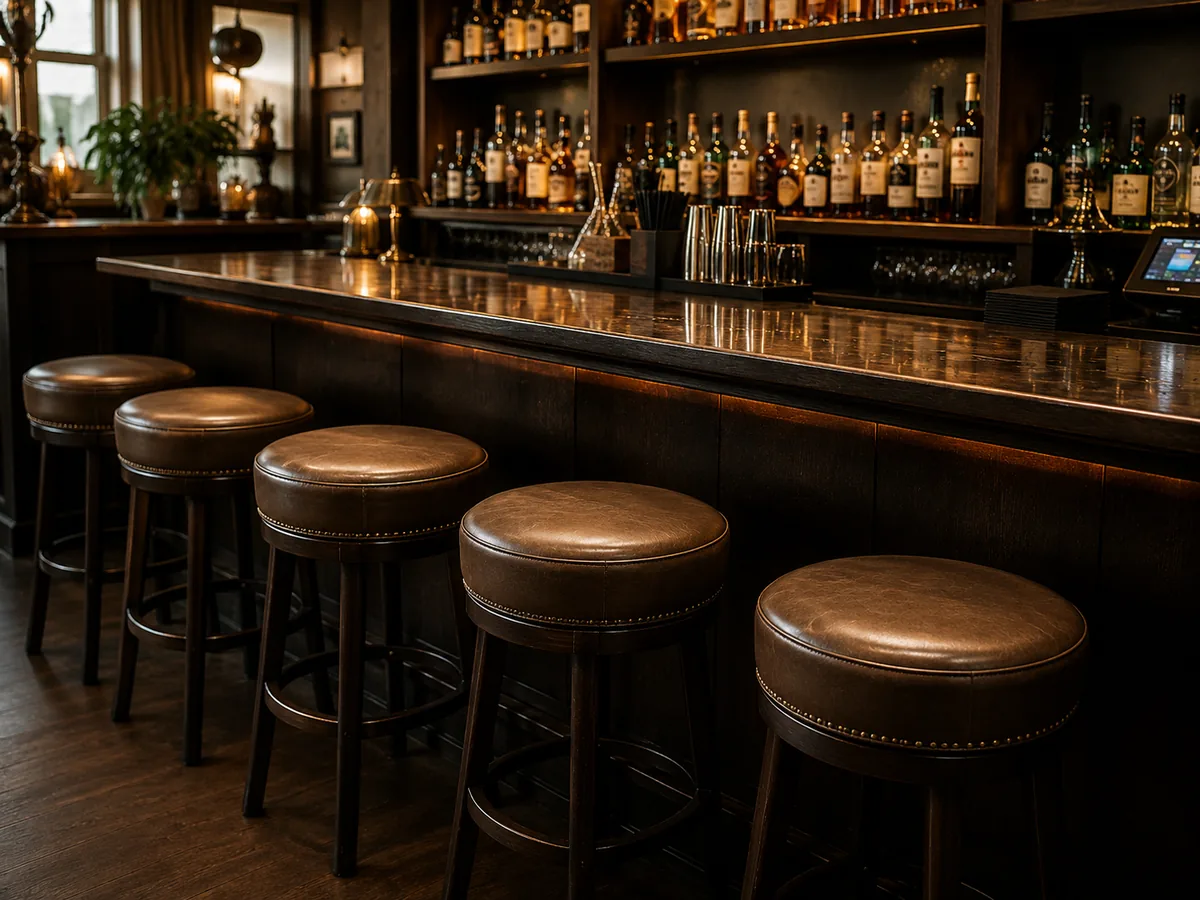
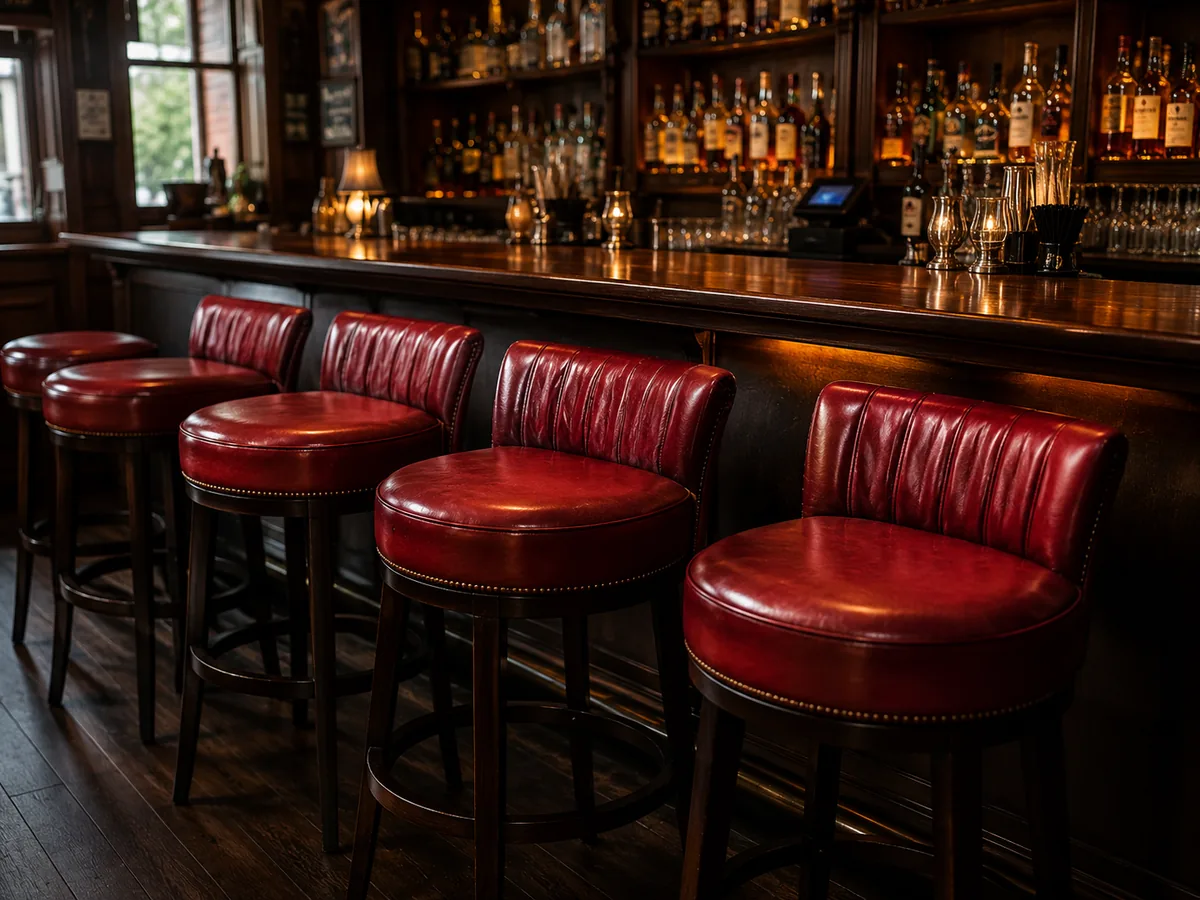
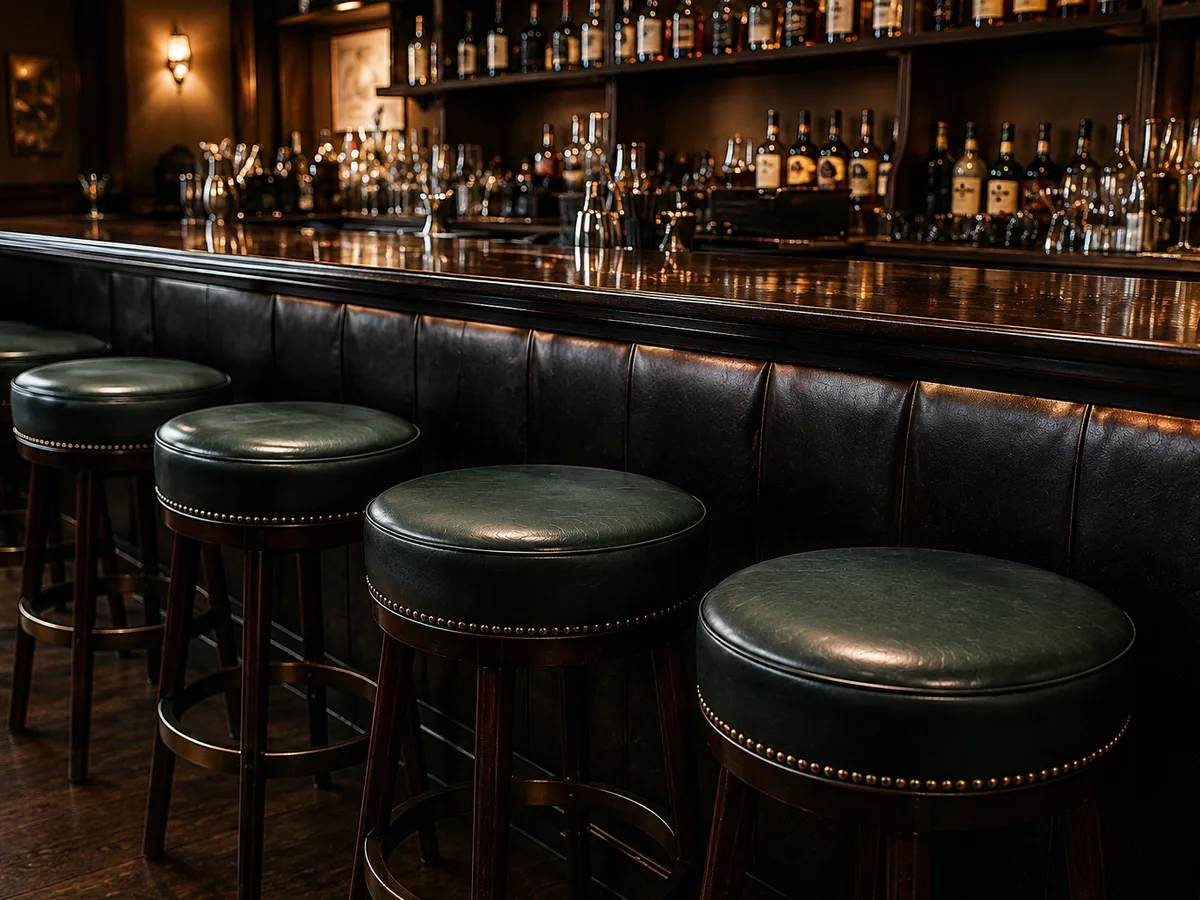
Illustrative finished condition.
Questions operators ask first
Can you recover only the seat tops and leave the frames alone?
Yes, and it is the most common form bar stool reupholstery NYC takes. If the frames are sound and the finish on them is acceptable, the seat tops and back panels come off and the frames stay exactly where they are. It is the cheapest way to change how a rail looks. We will tell you when a frame is not sound enough to leave, because a new seat bolted to a wobbling column is a complaint waiting to happen.
How is bar stool reupholstery NYC quoted — per stool or as a run?
Per run, with a per-seat figure inside it. The material, the templating and the visit are shared across every stool in the order, so the eighth seat costs meaningfully less than the first. Quoting a single stool is possible and we do it, but we say plainly on the quote that one recovered seat in an unrecovered rail tends to make the rest look worse rather than better.
Do the stools have to leave the building?
Usually only the seat tops do, not the whole stool. Most bar stool reupholstery NYC jobs never take a frame out of the building; the frames stay on the floor. Where a room has nowhere to store the frames or the stools are one-piece and cannot be split, the whole stool travels — that is still handled inside your closed hours as off-hours service, and we work in batches so the rail is never entirely empty during trading.
Which material lasts longest on a bar stool?
On seats that take constant abrasion, a good commercial vinyl or a heavily pigmented leather outlast an aniline every time, because both carry their colour in a surface layer built to be scrubbed. Performance fabric is the choice where a room wants texture rather than sheen. Whichever it is, one material has to carry the whole bar stool reupholstery NYC order. We bring physical samples into your room and look at them under your own lights, since every one of these reads differently under warm pendants than under a workshop lamp.
Is recovering worth it, or should I just buy new stools?
It comes down to the frame and the pan. A welded steel or solid timber stool with a good column is worth recovering several times over, and recovering keeps a set matched that you could not re-buy today. A flat-pack stool with a chipboard pan is usually not worth the labour, and bar stool reupholstery NYC is not worth doing on a frame that will not outlast the cover. We tell you which of the two you own before quoting, and we have talked venues out of recovering more than once.
Send the worst one and one you think is fine
Two photographs and a seat count are enough to price a rail. The stool you think is fine shows how far the whole run has moved.
Bar stool reupholstery NYC work is scheduled around service, never through it. If the room also has fixed seating going the same way, say so on the quote and both are surveyed on one visit. Fixed runs are covered under bar seating reupholstery and bar furniture reupholstery; see bars for everything we handle in a venue.