

The Shell Stays. The Insert Changes.
Bus seat reupholstery for NYC fleets: pads come out of their shells at your depot, get new foam and covers, and clip back in.
Three Parts, One of Them Wears
A commercial bus seat is a shell, an insert pad and a frame. Only the pad ever needs replacing, which is why a whole bus can be recovered without a single seat leaving the floor.


Six Seats in a Fleet
Every seat in a commercial vehicle comes apart differently. Bus seat reupholstery starts with which of these you are running.

Transit insert seats
- Stays
- Shell and frame
- New
- Insert pads, one per seat
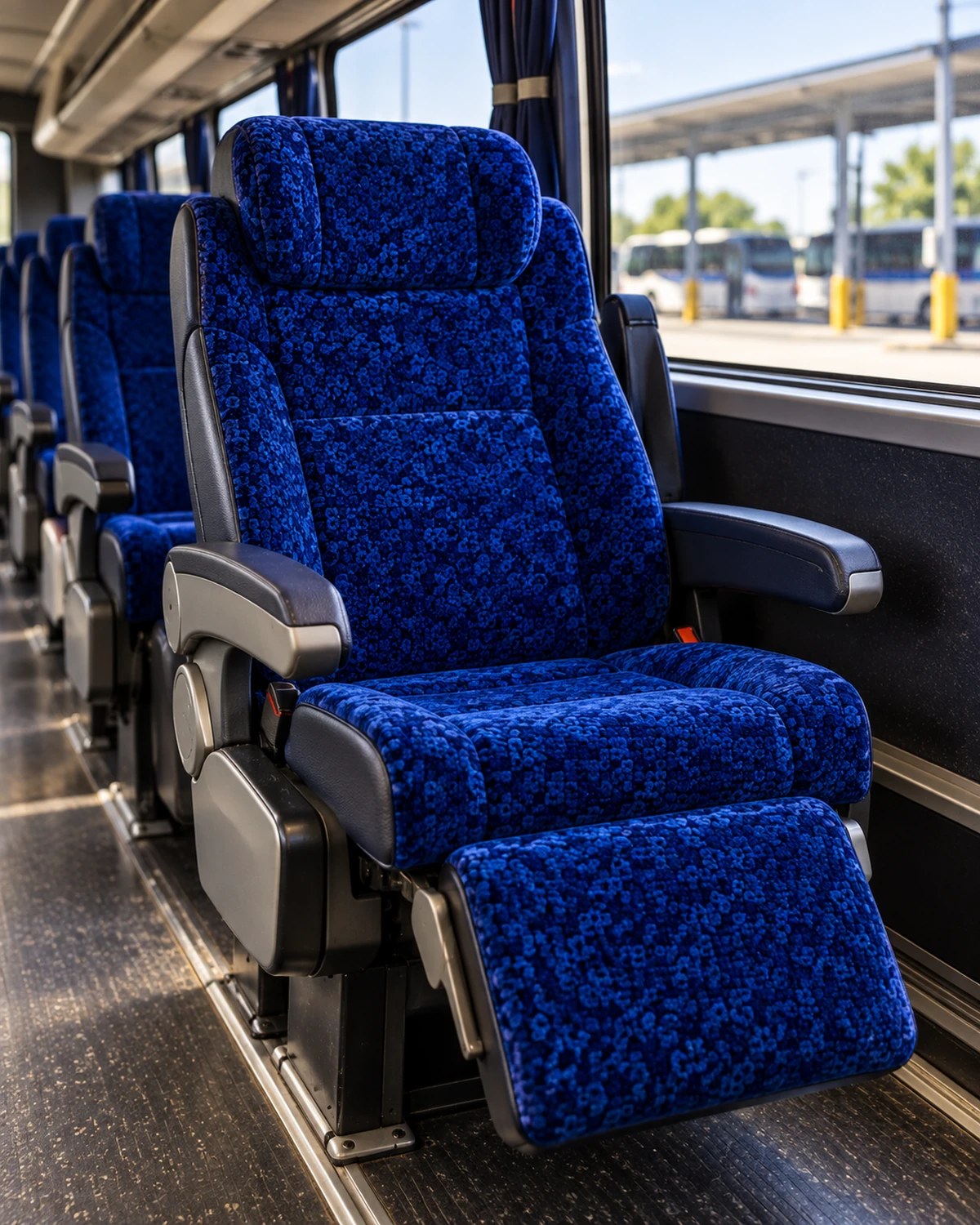
Motorcoach seats
- Stays
- Recline mechanism and frame
- New
- Seat, back, headrest and armrest covers
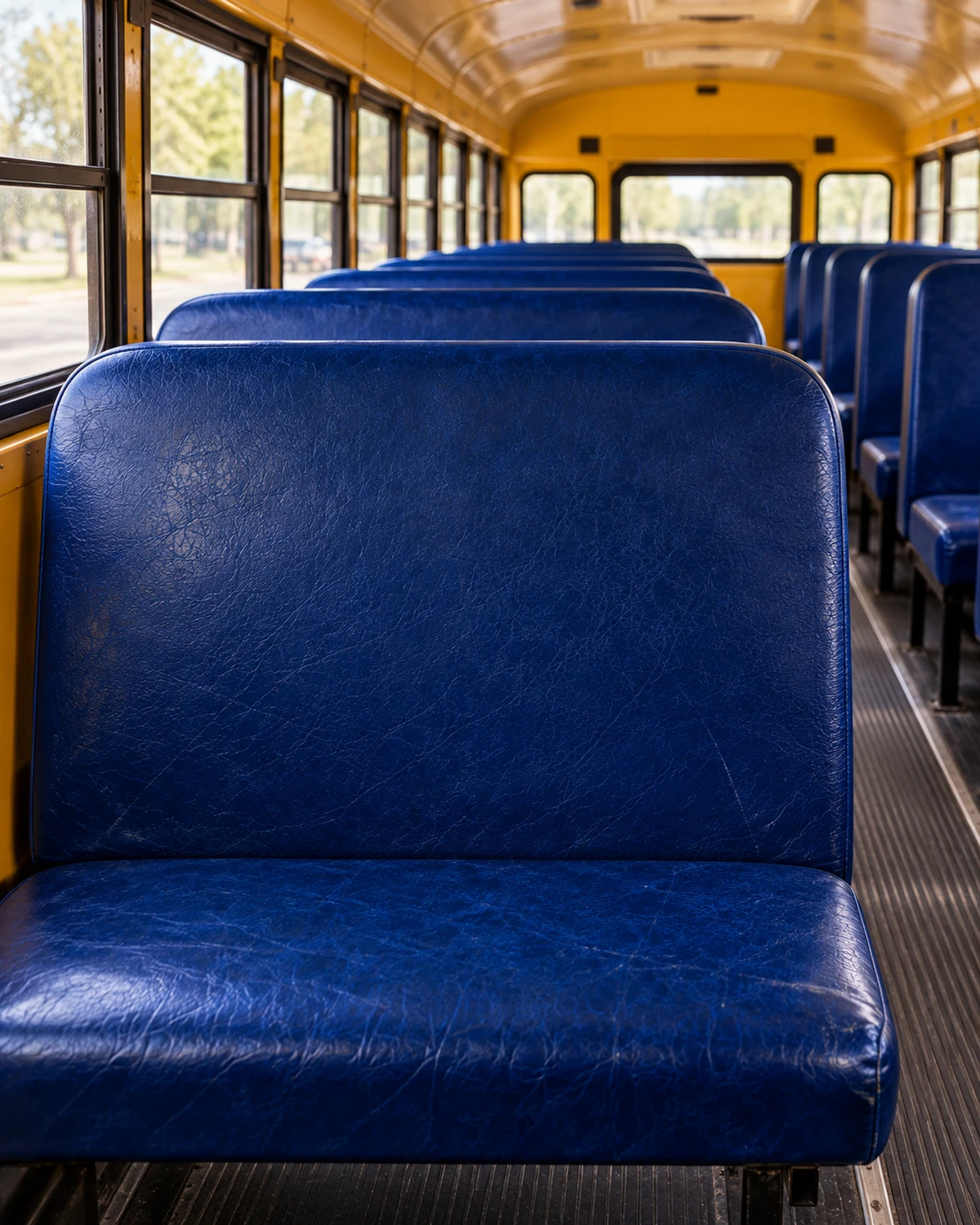
School bus benches
- Stays
- Steel frame and back panel
- New
- The full bench cover and foam

Paratransit seats
- Stays
- Grab handles and brackets
- New
- Seat and back pads
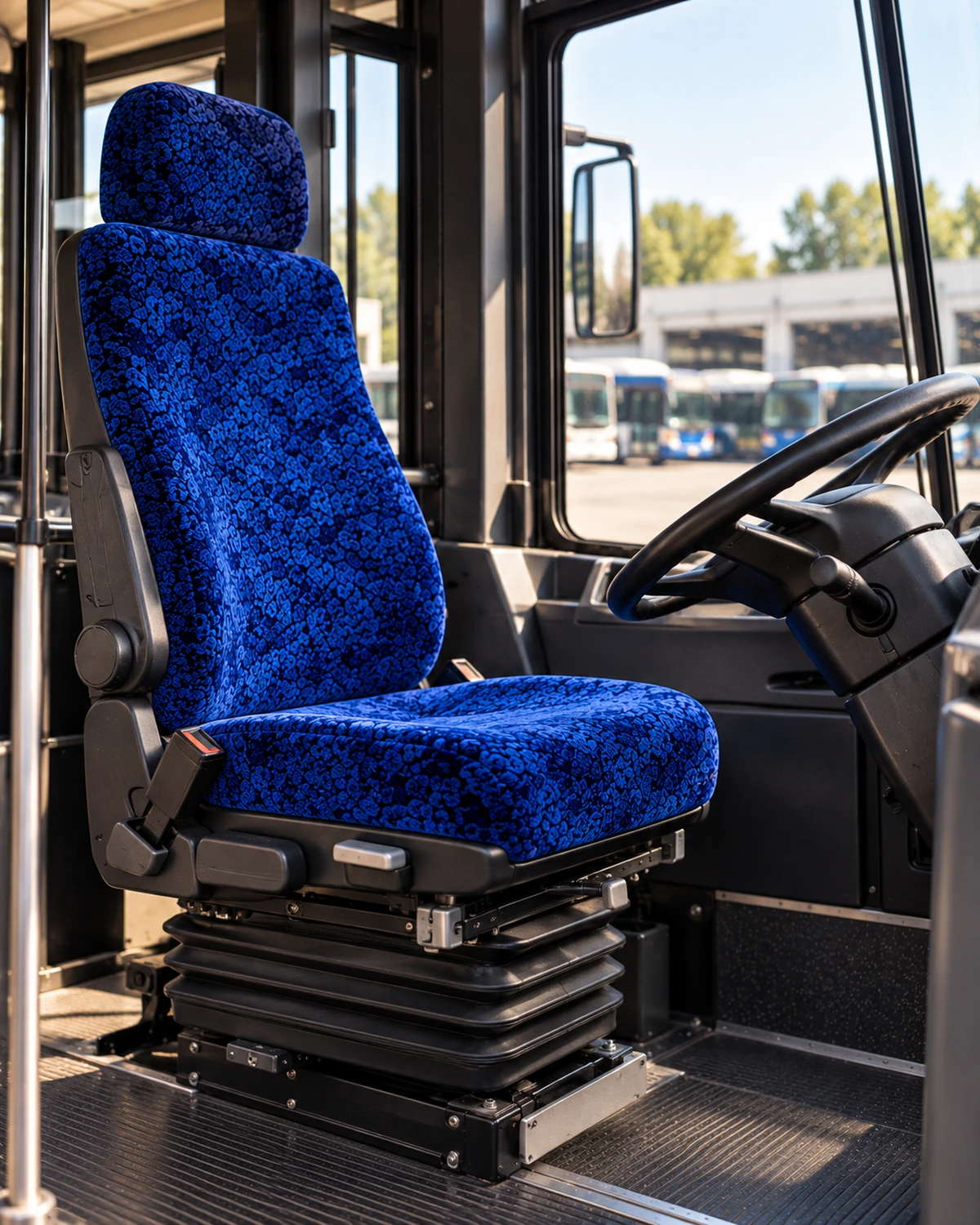
Driver seats
- Stays
- Air-ride base and suspension
- New
- Cushion, back and bolsters
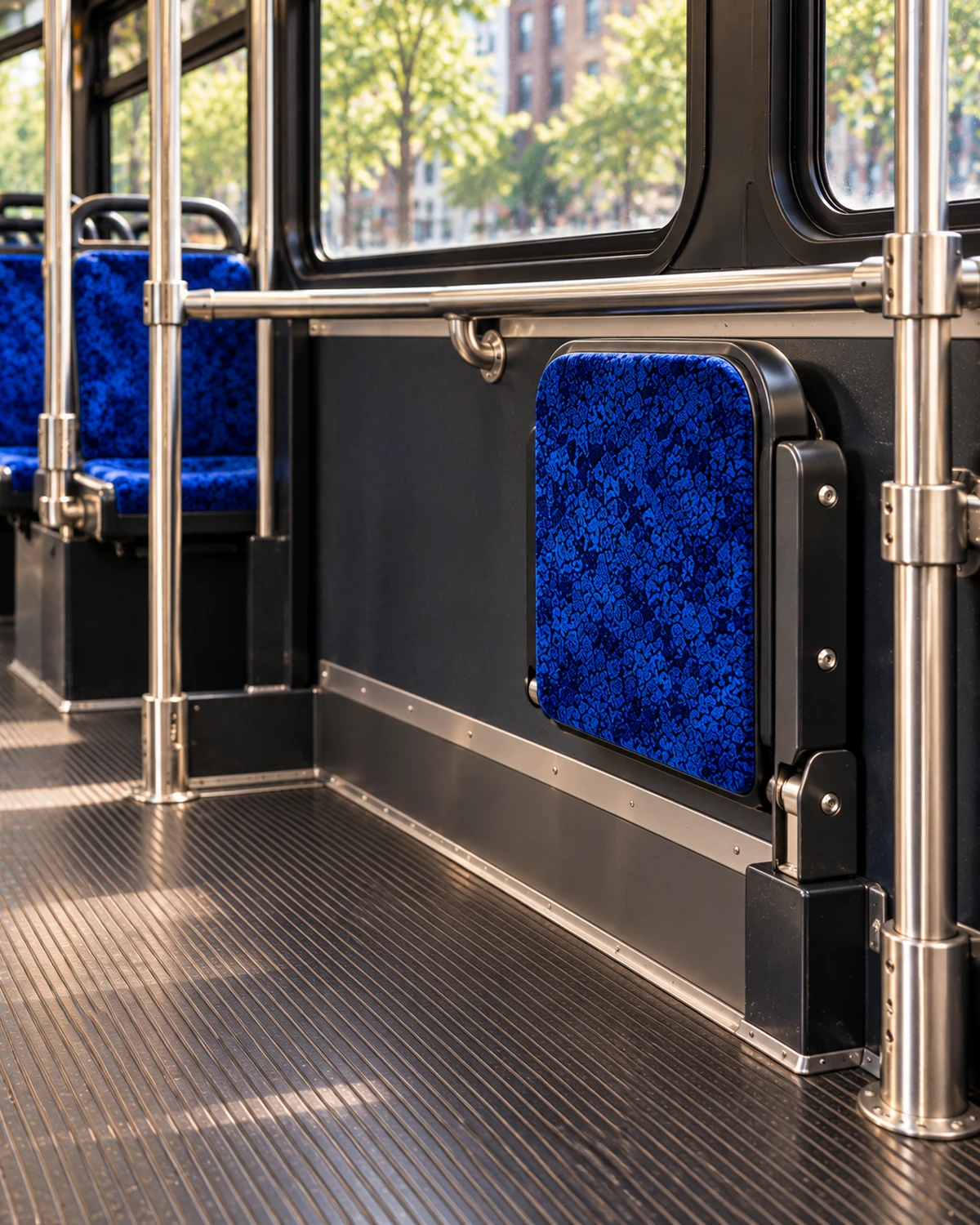
Flip-up ADA seats
- Stays
- Hinges and wall mounts
- New
- Pads, cut to fold flat again
Five Things Passengers Do
Bus covers rarely wear out quietly. Most of what we replace was done in seconds.


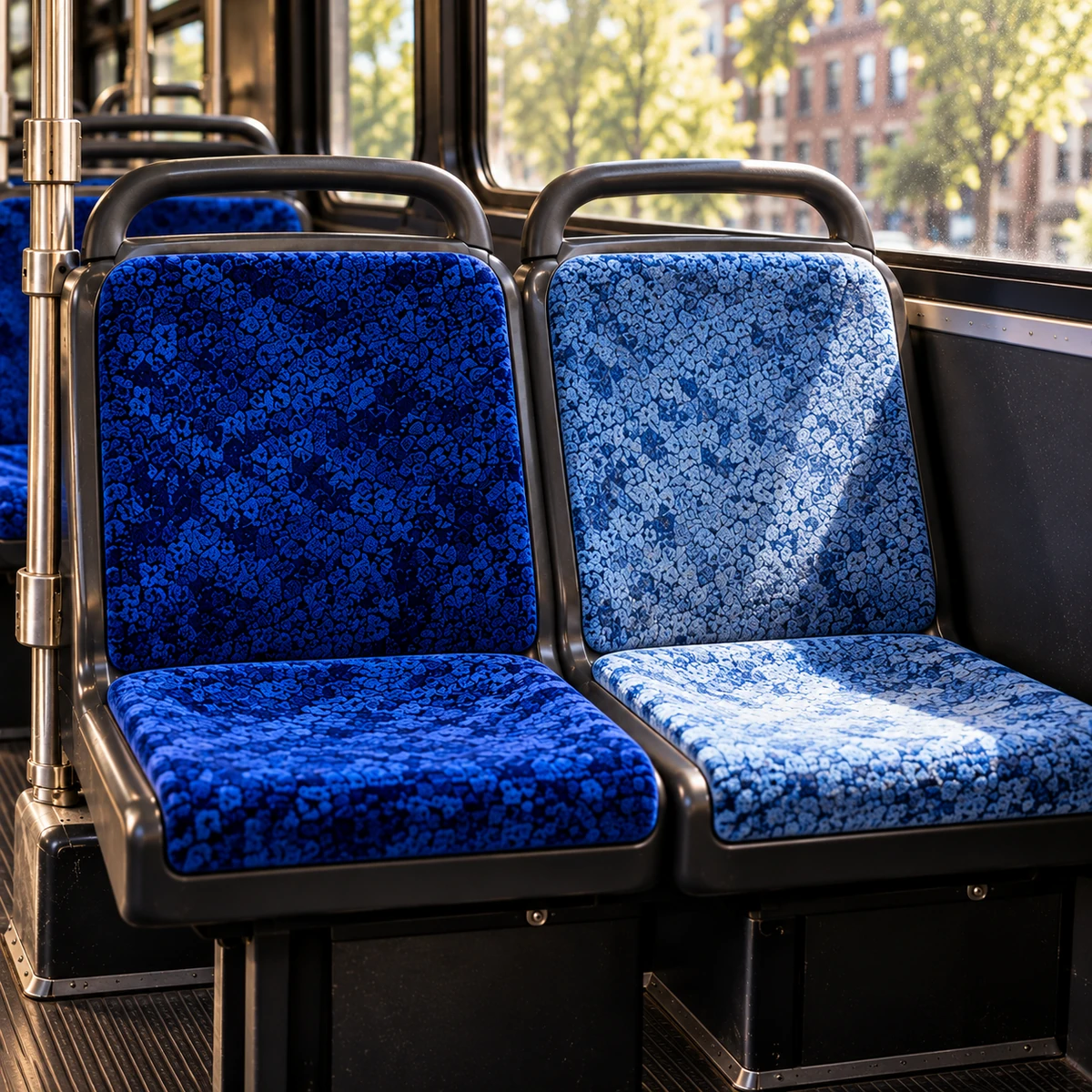
Out of the Shell and Back
A single bus seat reupholstery job, in five moves. Multiply it by the rows you want done.
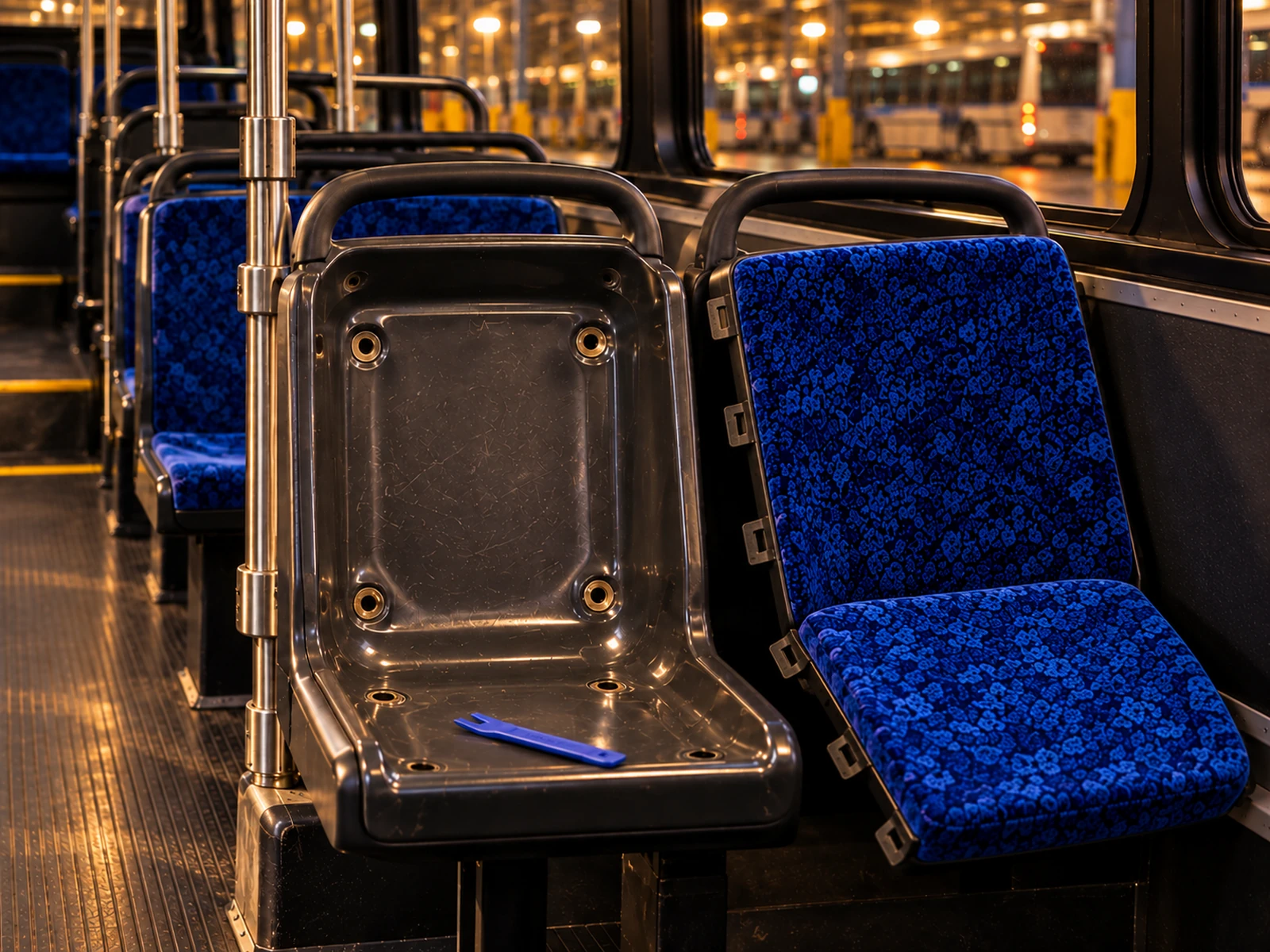


What Goes Back On
Route traffic decides the cover, not the catalog photo.


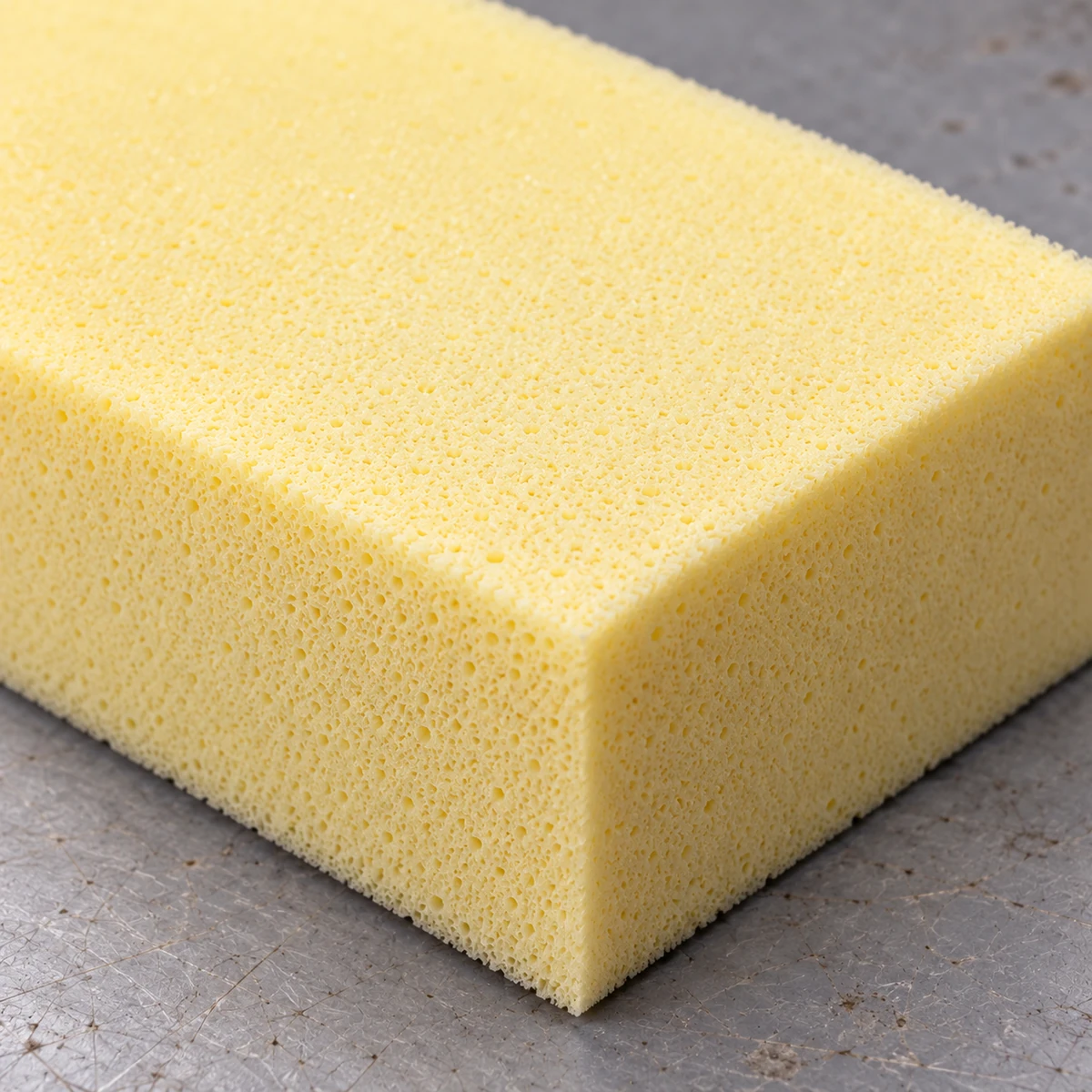
Same Shell, New Pad
Two seats kept in service. More in the before and after gallery.
 Before
 After
AfterTransit insert. A slashed, worn cover. New foam and cover on the same board, back in the same shell.
 Before
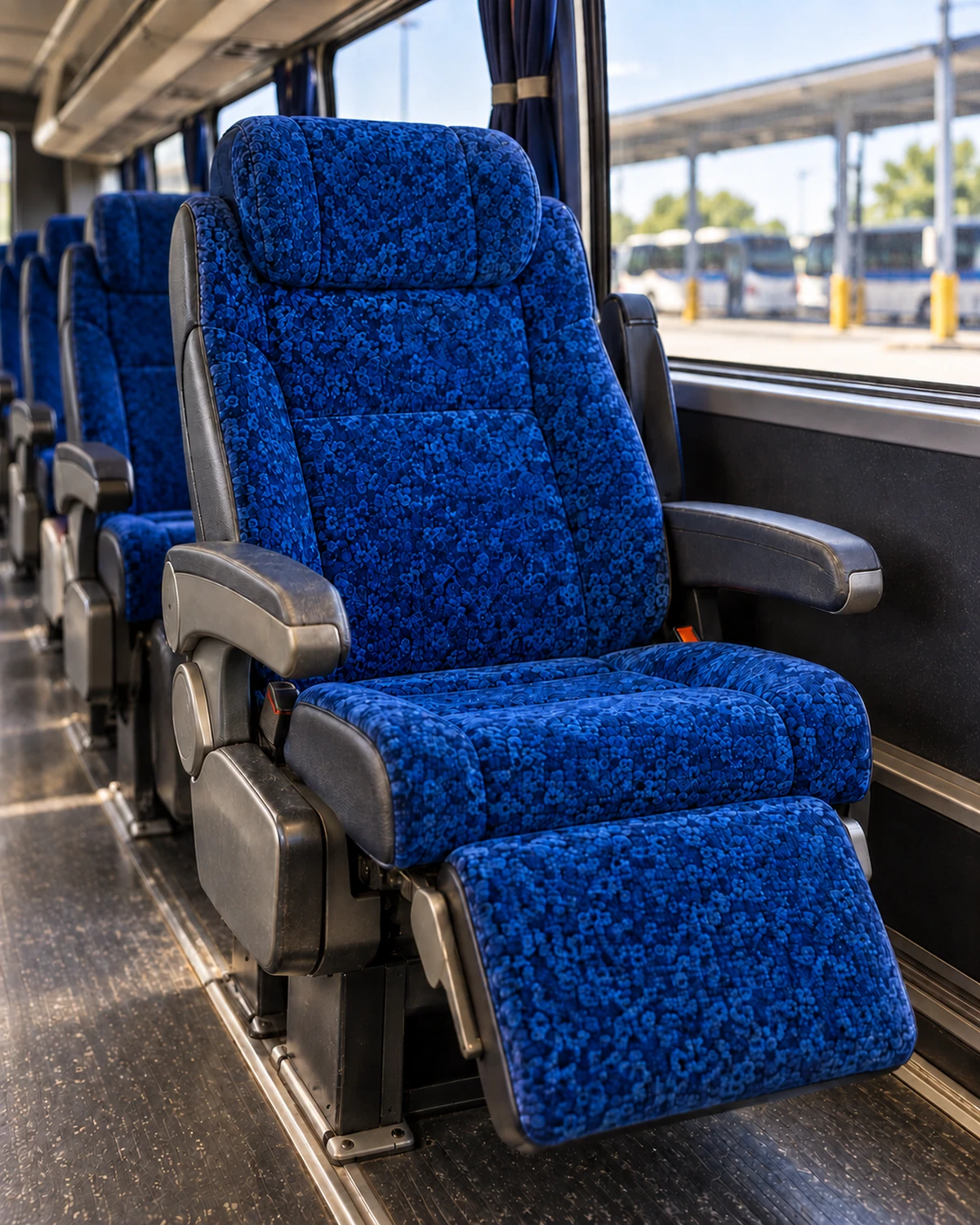 After
AfterMotorcoach seat. A worn headrest and back. Recovered on the same recline mechanism.
Between Pull-Outs
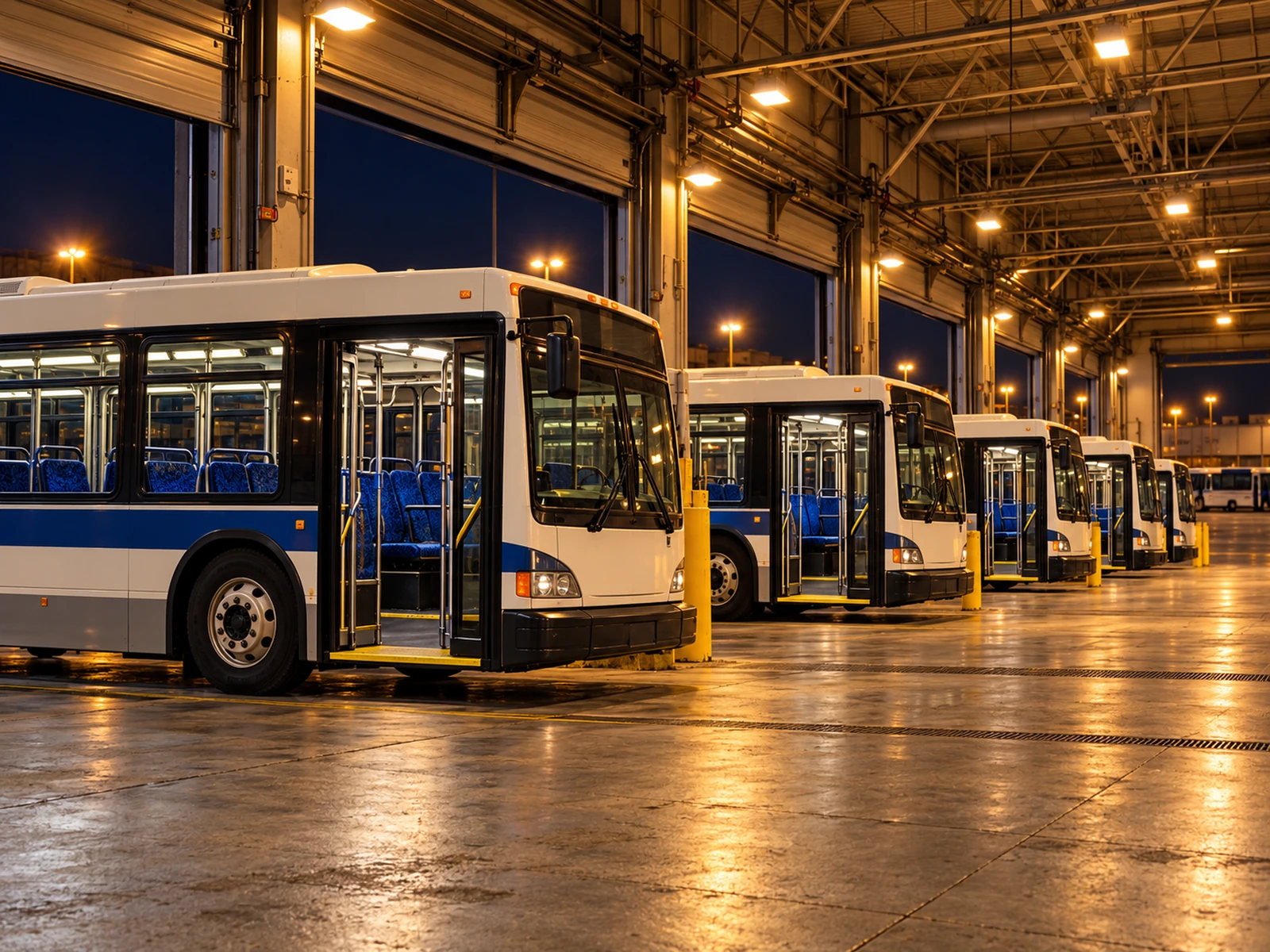
Buses do not come to us. We work in the hours they are already standing, and the rows go back before the morning run.
- Seat by seat, overnight. Pads leave the shells while the bus sits. See overnight service.
- A few buses at a time. The rest of the roster keeps running. See bulk projects.
- Paperwork first. Your certificate of insurance reaches the depot before we do.
Bus seat reupholstery questions
What does bus seat reupholstery cost?
Bus seat reupholstery is quoted per seat after we see the fleet, in person or from photos. A cover-only pad and a pad that needs new foam are different jobs. We do not quote off a list. Start with a free estimate.
Do the buses have to leave the depot?
No. Inserts come out at your depot and go back the same night. Only heavy sewing happens at our shop, through pickup and delivery.
Can you match the seats we are keeping?
Yes. Pattern, color and grain are matched to the untouched rows with color matching.
Which cover material should a transit fleet use?
Moquette hides wear on high-traffic routes; anti-vandal vinyl cleans faster after spills and marker. We fit material rated for passenger vehicle interiors.
Repair or recover?
One slash or one burn is a repair. When most pads in the bus are worn, recovering the row costs less than fixing them one at a time. See bus seat repair.
Do you work on school buses and coaches too?
Yes. See school bus seats and fleet reupholstery.
Send One Bus
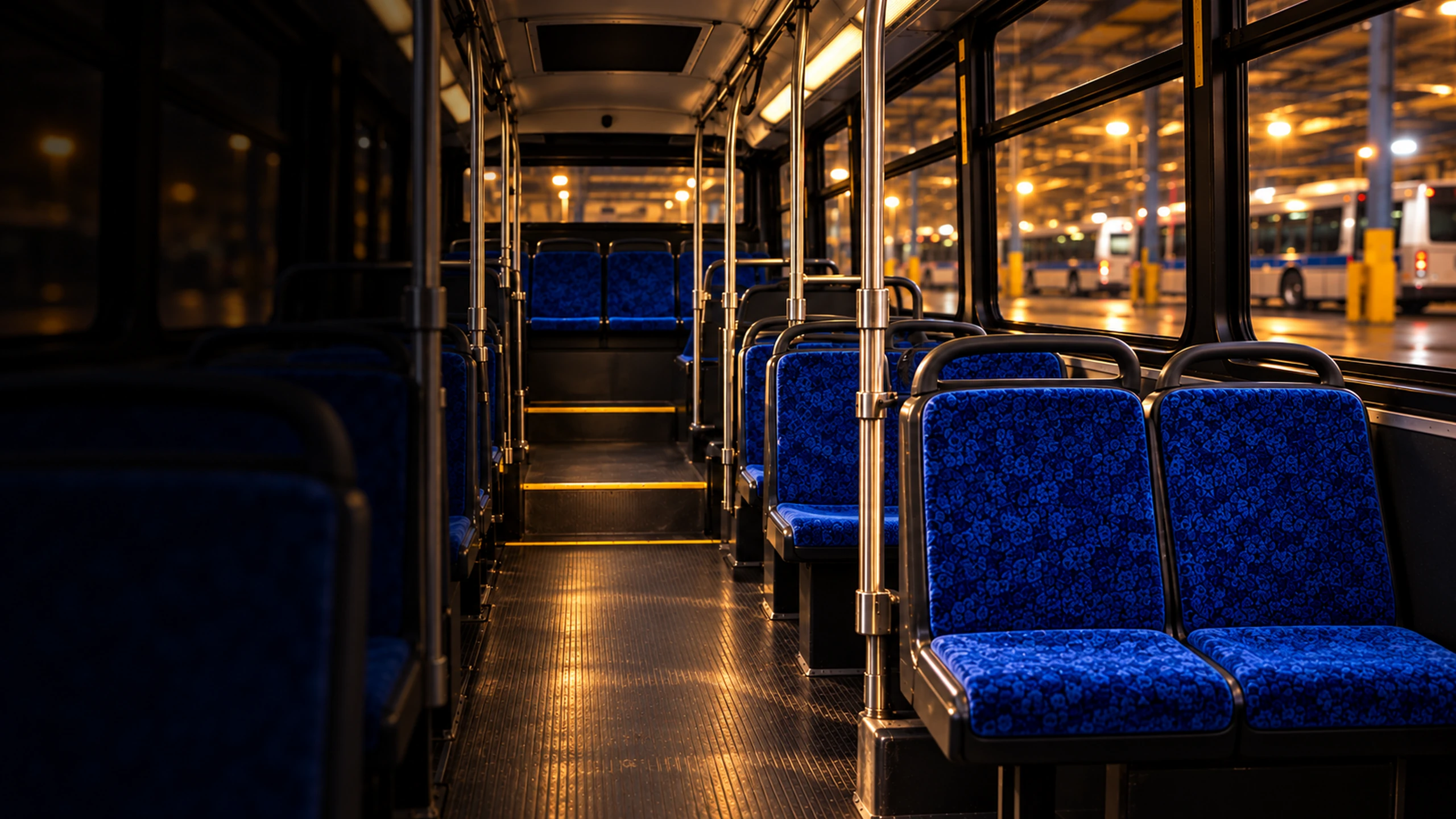
Photograph the worst row and one that is still good. That pair tells us how many pads the fleet actually needs.
Call 347-310-7483