
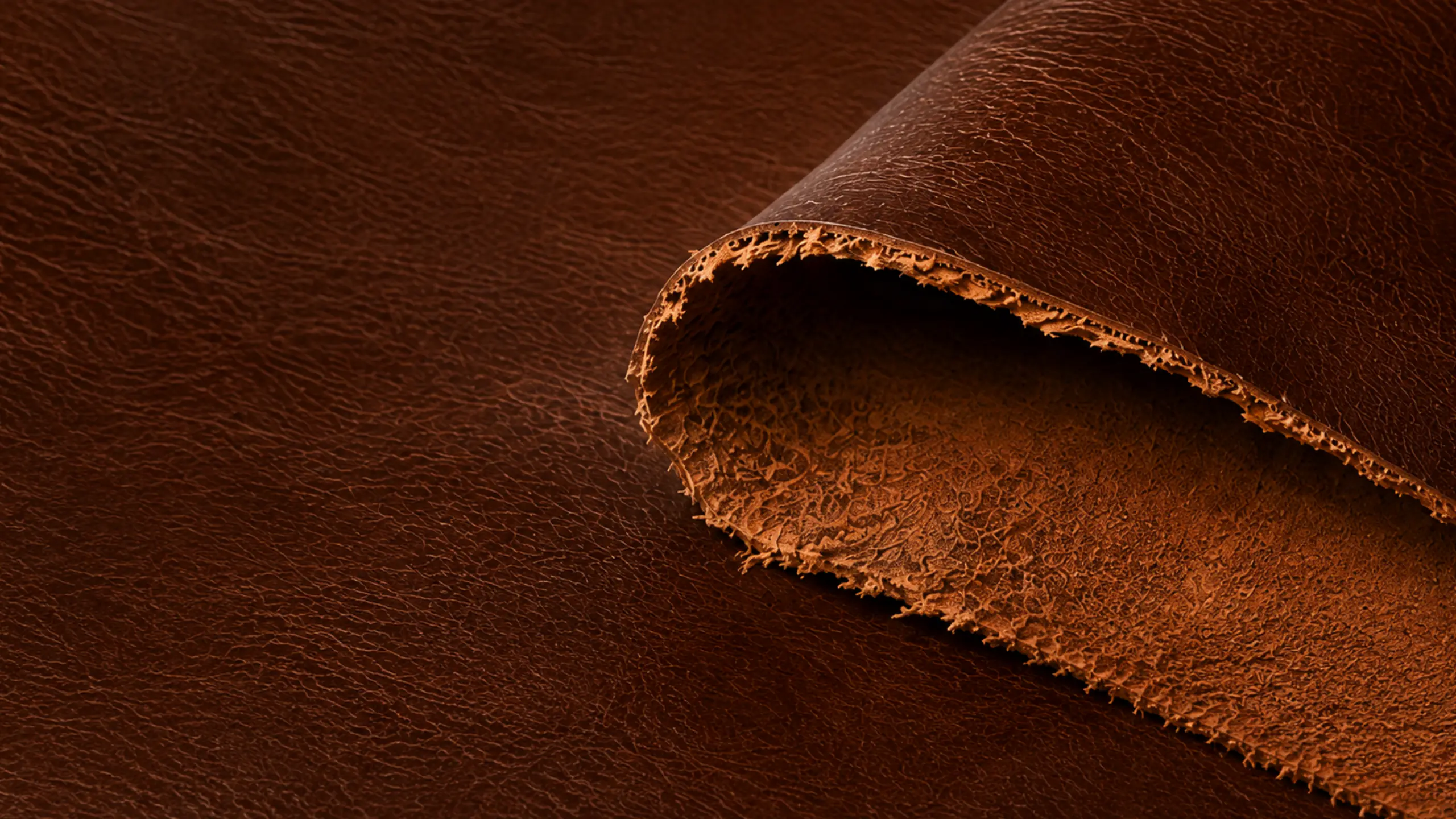
Split Leather: The Layer Left When the Grain Is Taken Away
It never reaches you as itself. Something is always added first.
Split Leather at a Glance
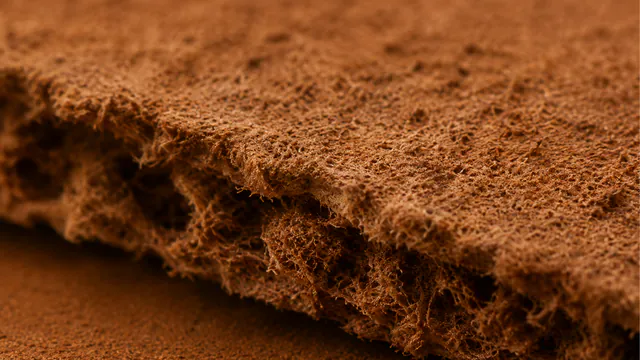
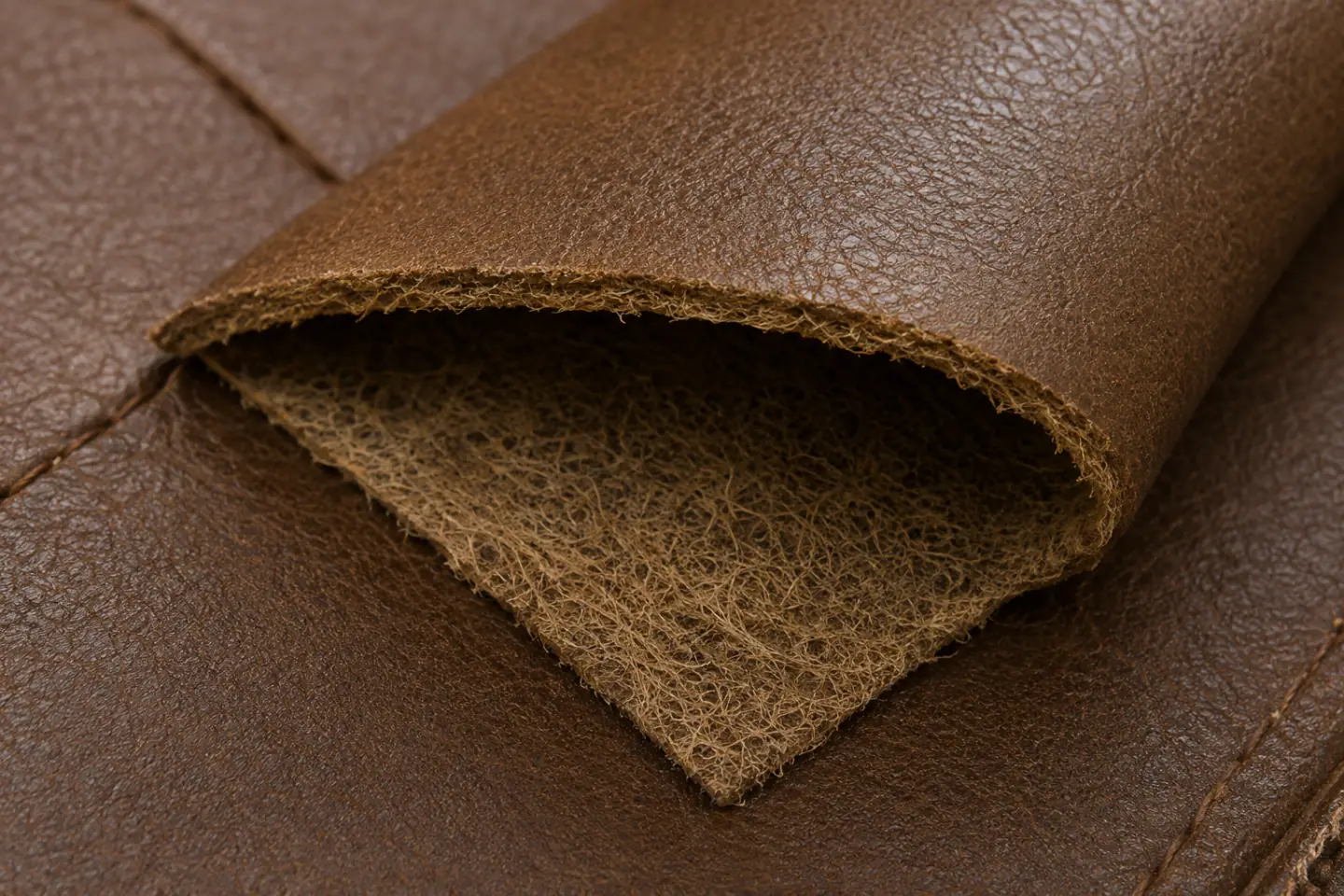
A hide is thicker than any sofa needs, so the tannery splits it into layers. The top keeps the grain and becomes full-grain or top-grain leather. Split leather is the layer underneath — real hide, no grain surface at all.
What you meet in a showroom is never a split — it is whatever was done to one.
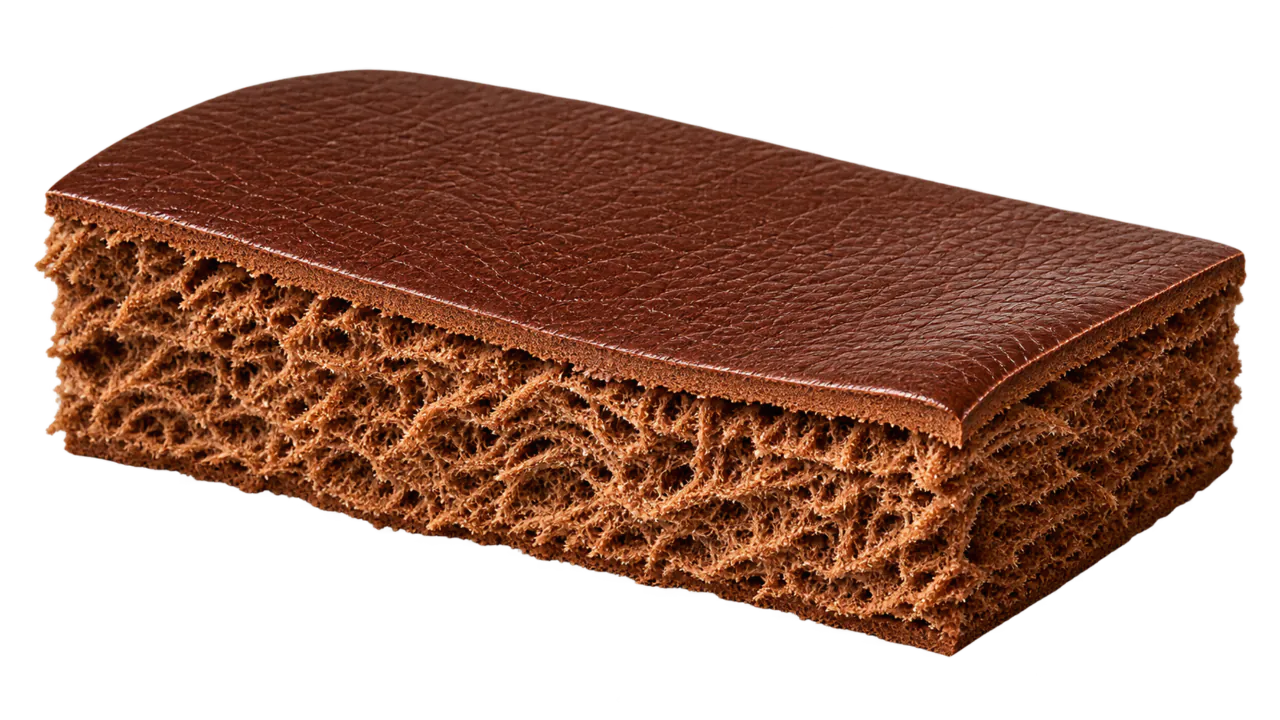
The Grain Layer Had Four Jobs. Something Else Does Each One.
Every job the grain used to do has been handed to a layer added later. Trade terms: Leather Naturally.
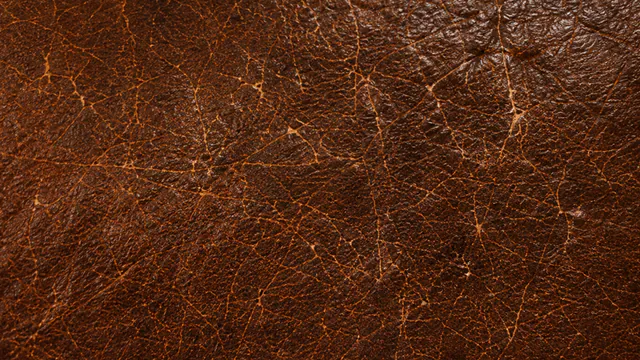
Standing up to abrasion
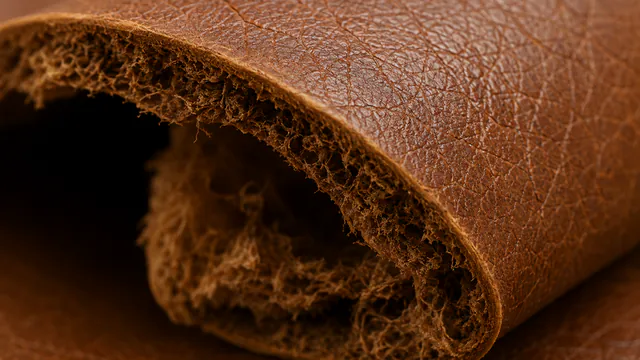
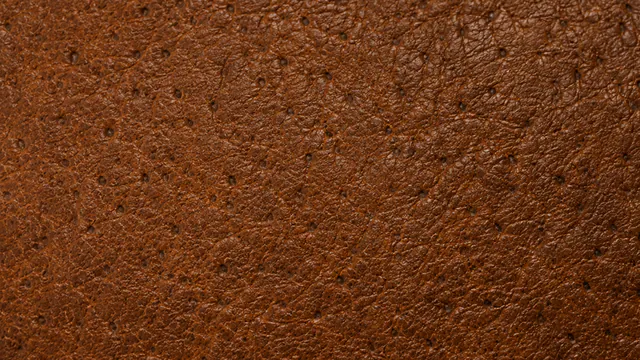
Carrying the pores and markings
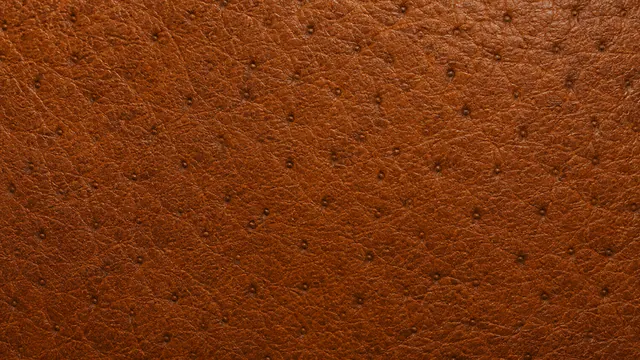
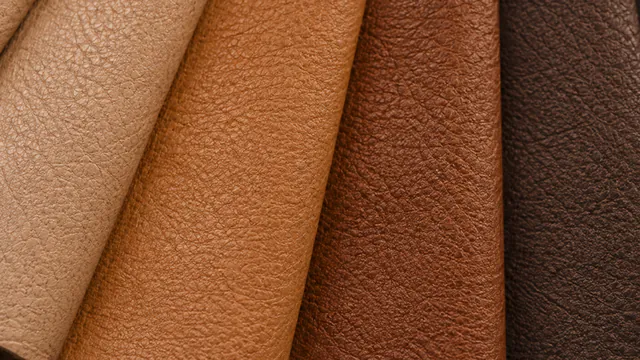
Holding the colour
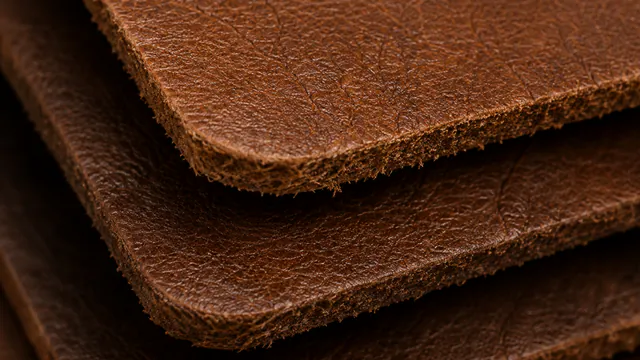
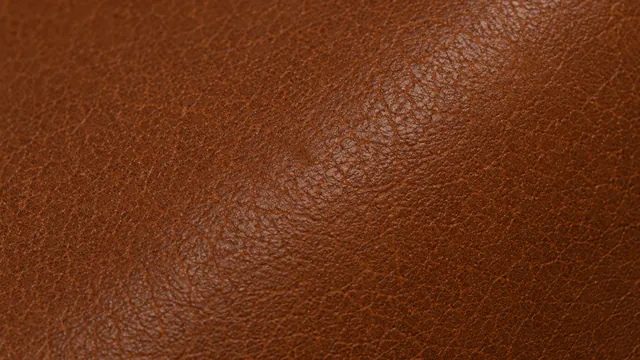
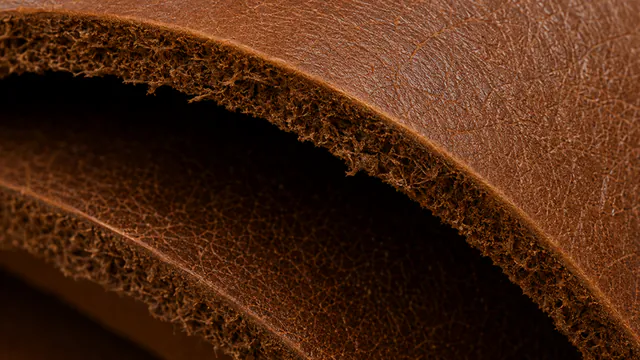
Staying whole under flex
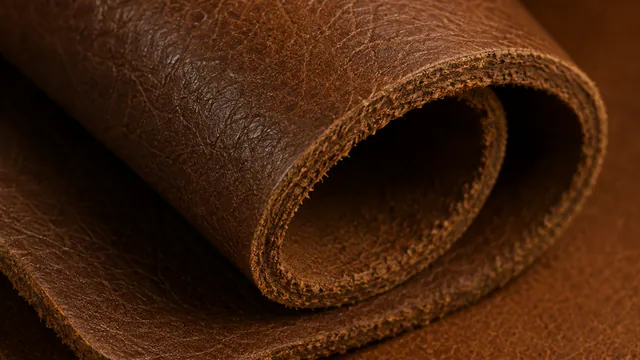
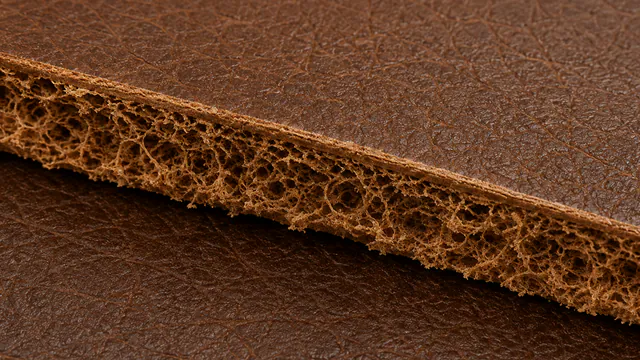
One Split, Four Destinations
A split goes down one of four roads, each with its own name and way of failing.
Straight off the machine
Real hide. Open fibre both faces. No grain, no finish.
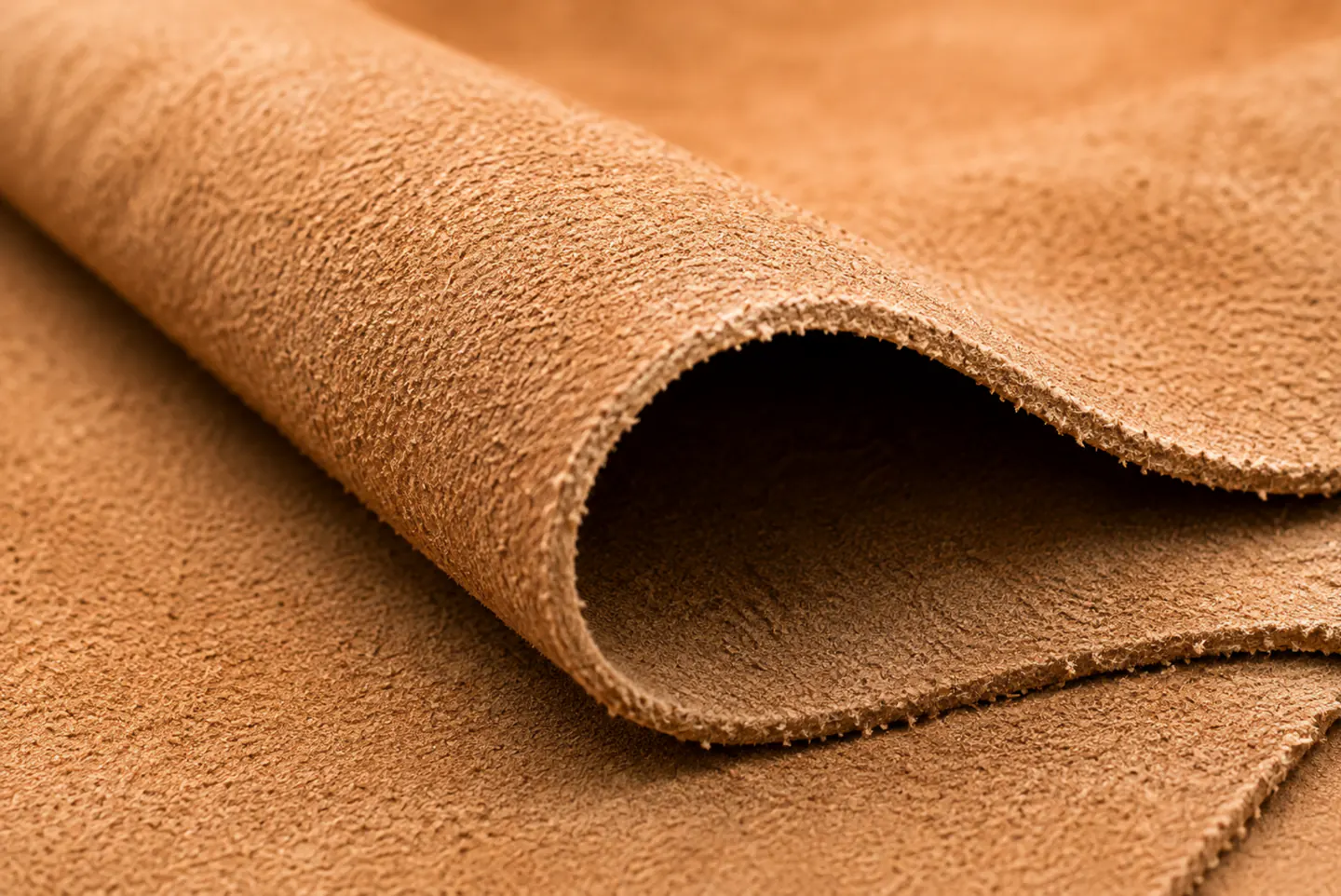
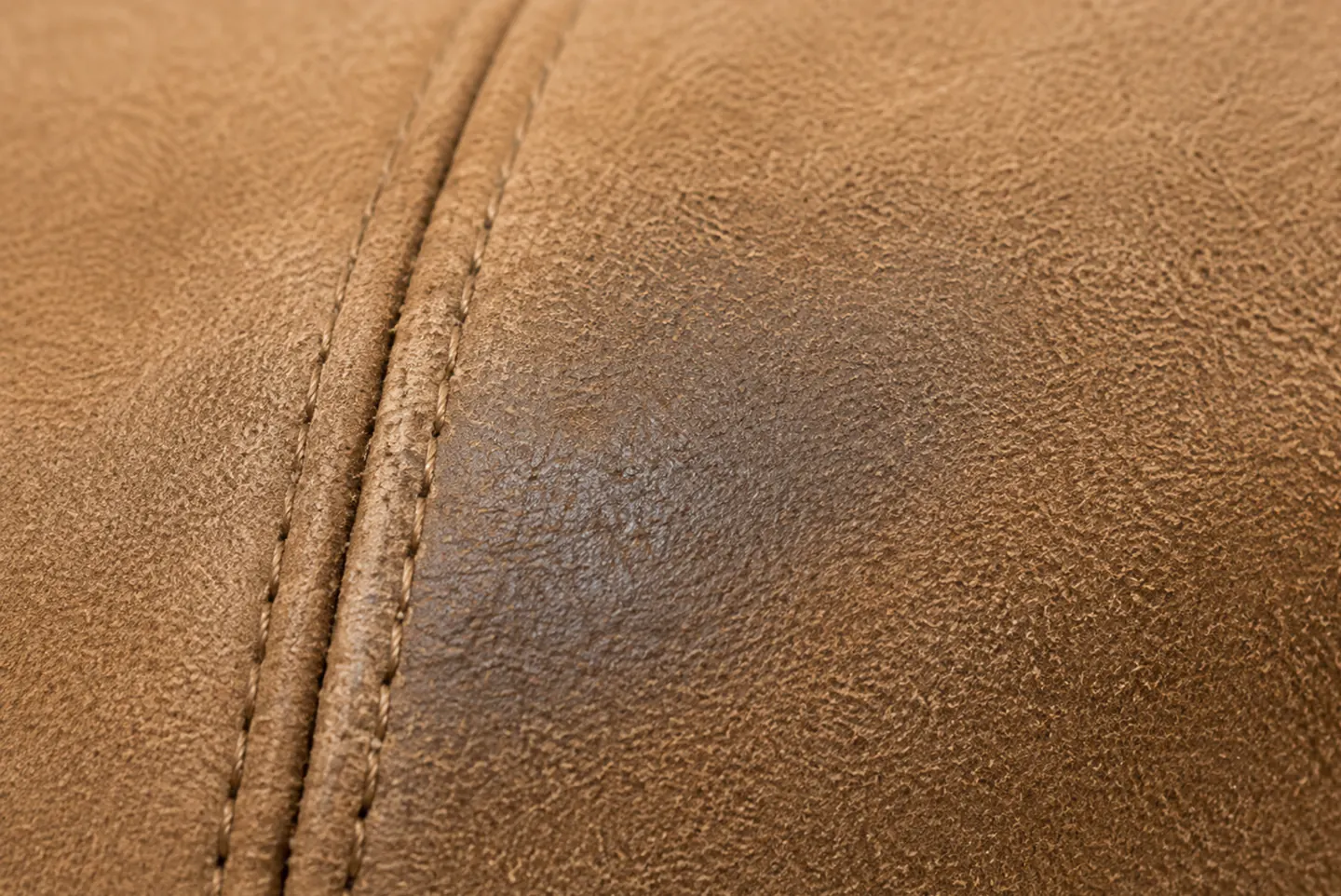
Buffed into a nap
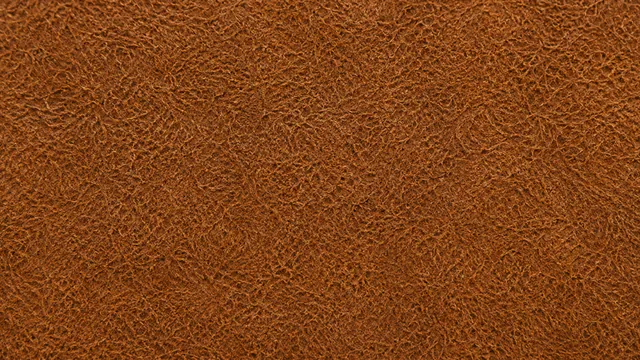
Open fibre worked into a soft pile. Nothing pretends to be grain.
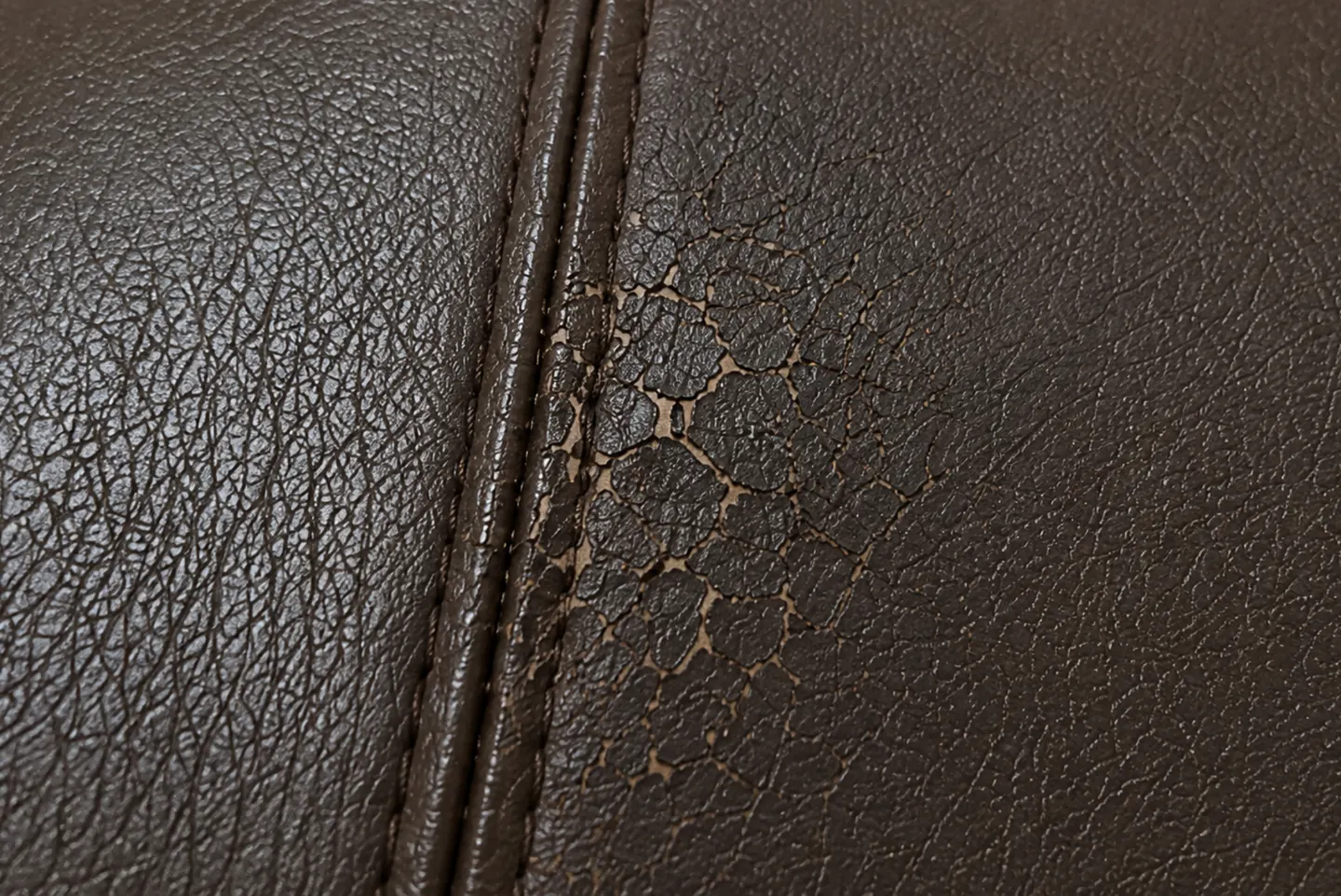
Coated with a polyurethane film
A film over the split, usually embossed. The hide is real; the surface is not.
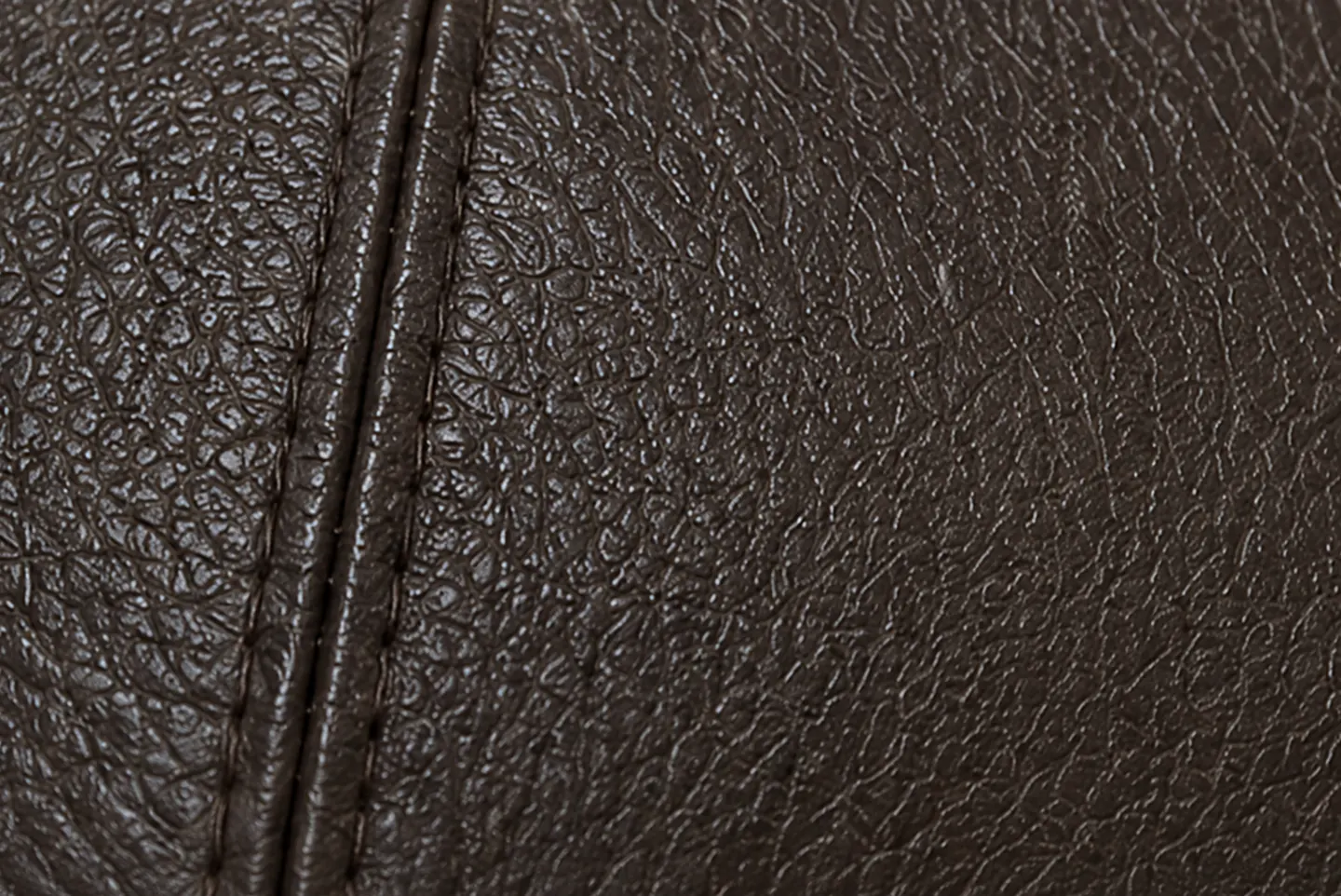
Filled, embossed and pigmented
Fibre filled, grain pressed in, pigment on top. Durable and uniform.
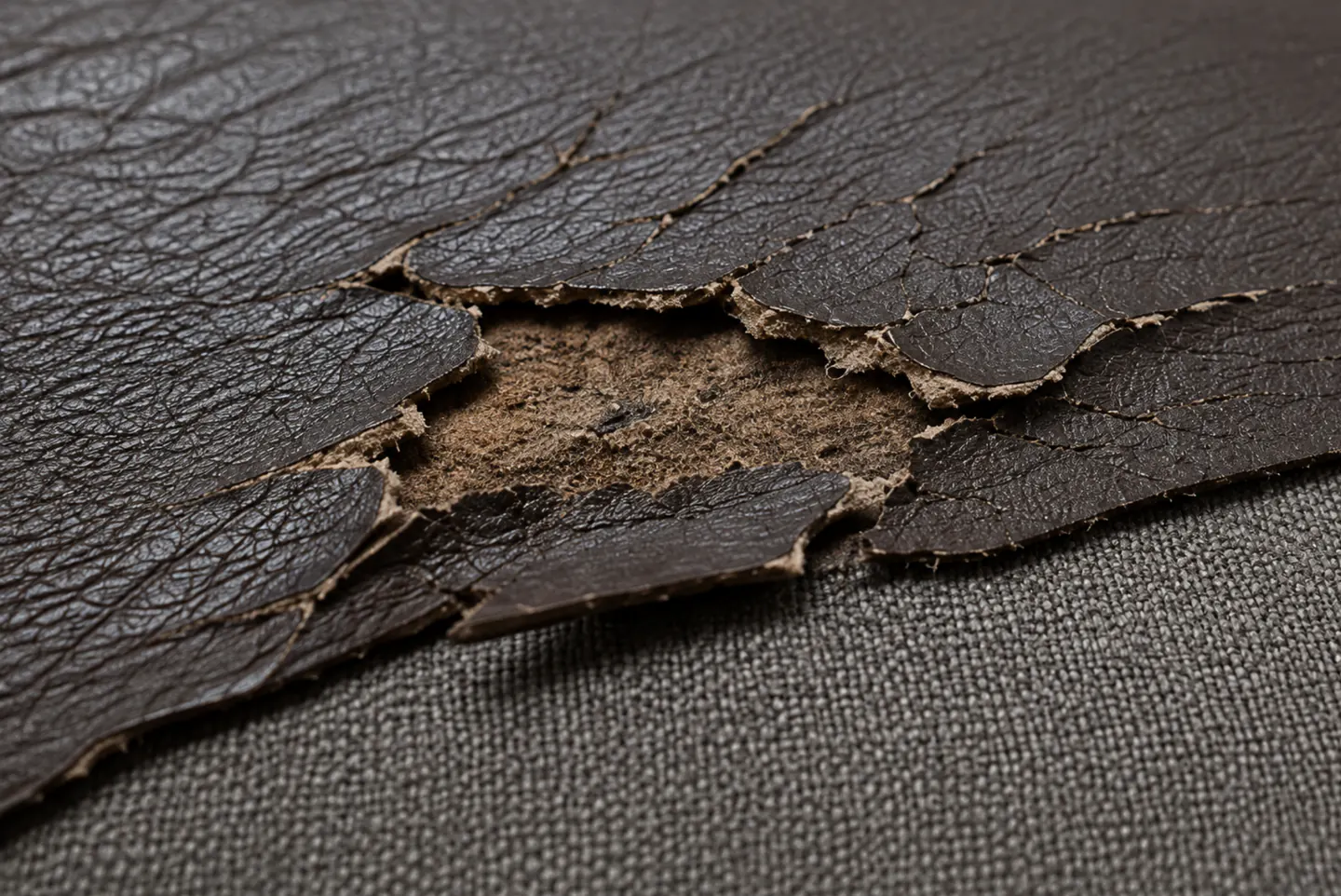
Ground up and bonded to a backing
Shredded offcuts, a binder, a fabric backing. Hide as filler.
Split Leather Is Not a Bad Material. It Is a Badly Placed One.
Almost every complaint about split leather is a complaint about placement. It fails where it flexes daily under a body.
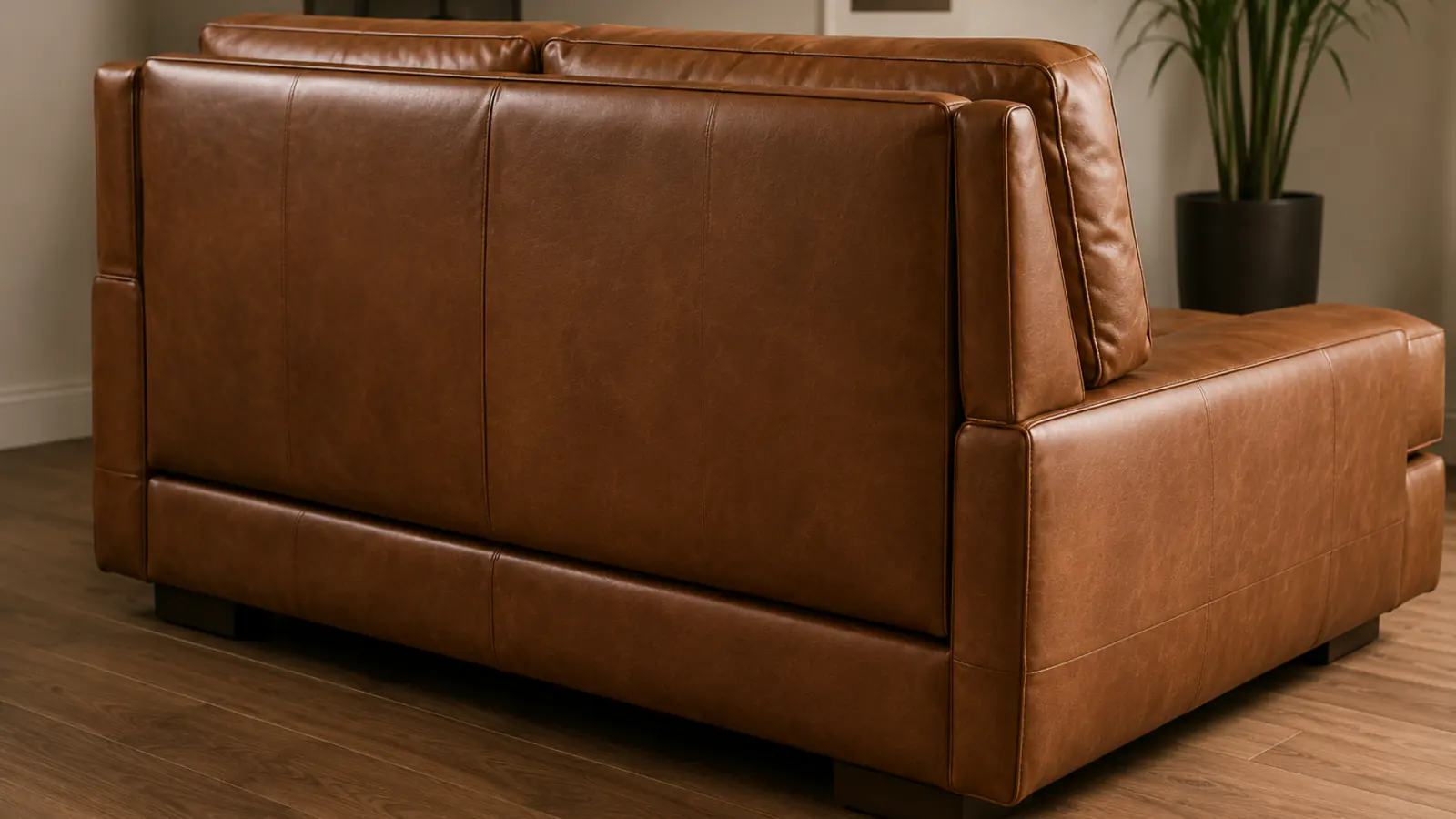
Fine
No contact, no flexOutside backs and arms, sofa bases, sectional sides facing a wall, headboard backs. A coated split here outlasts the frame. Grain leather here is money nobody sees — which is why leather match exists.
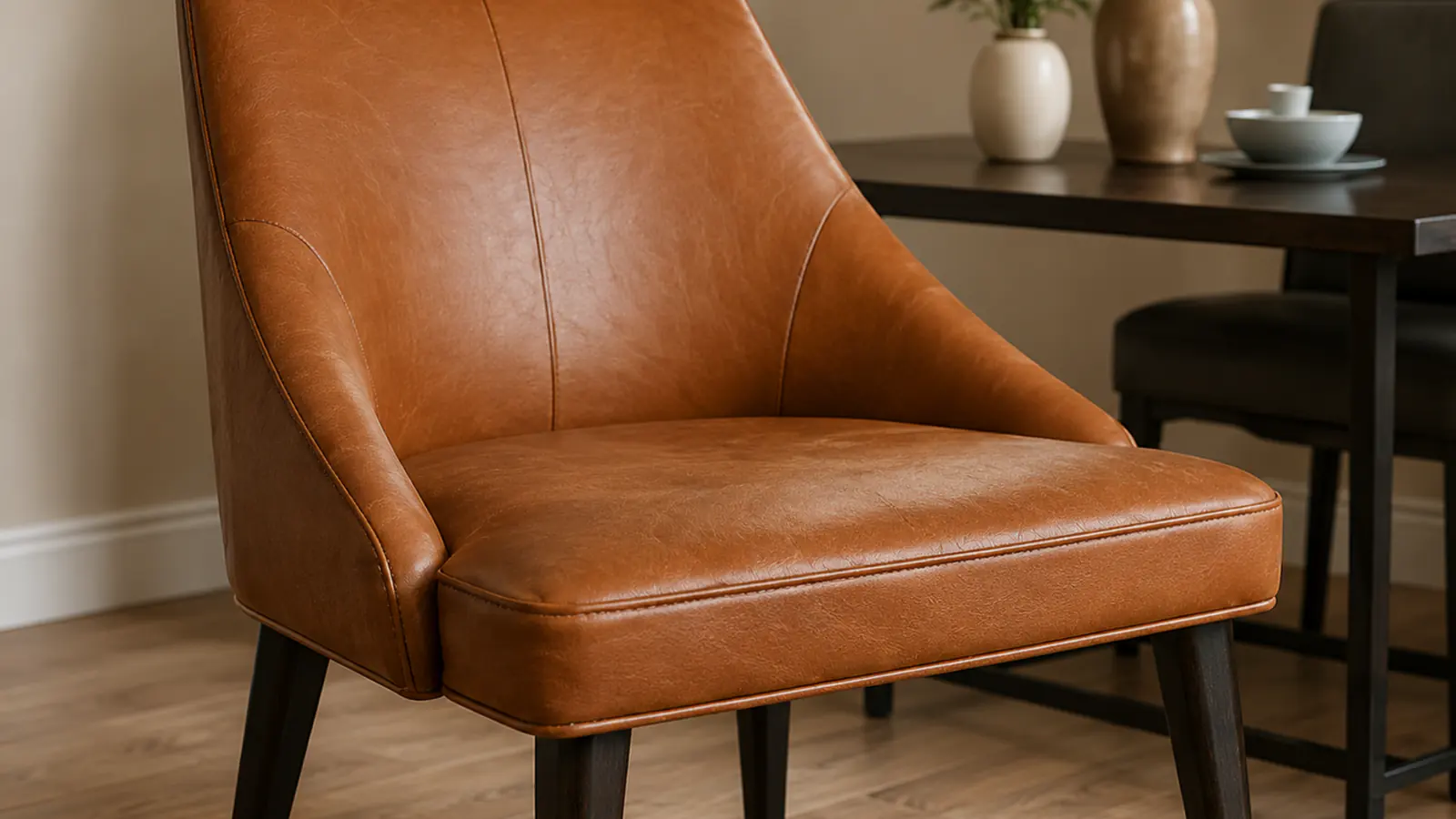
Fine with care
Contact, but occasionalDining chairs, an occasional armchair, ottomans, guest-room furniture. Keep it out of sun and off a radiator — heat and UV stiffen a polyurethane film long before use does. See conditioning and cleaning.
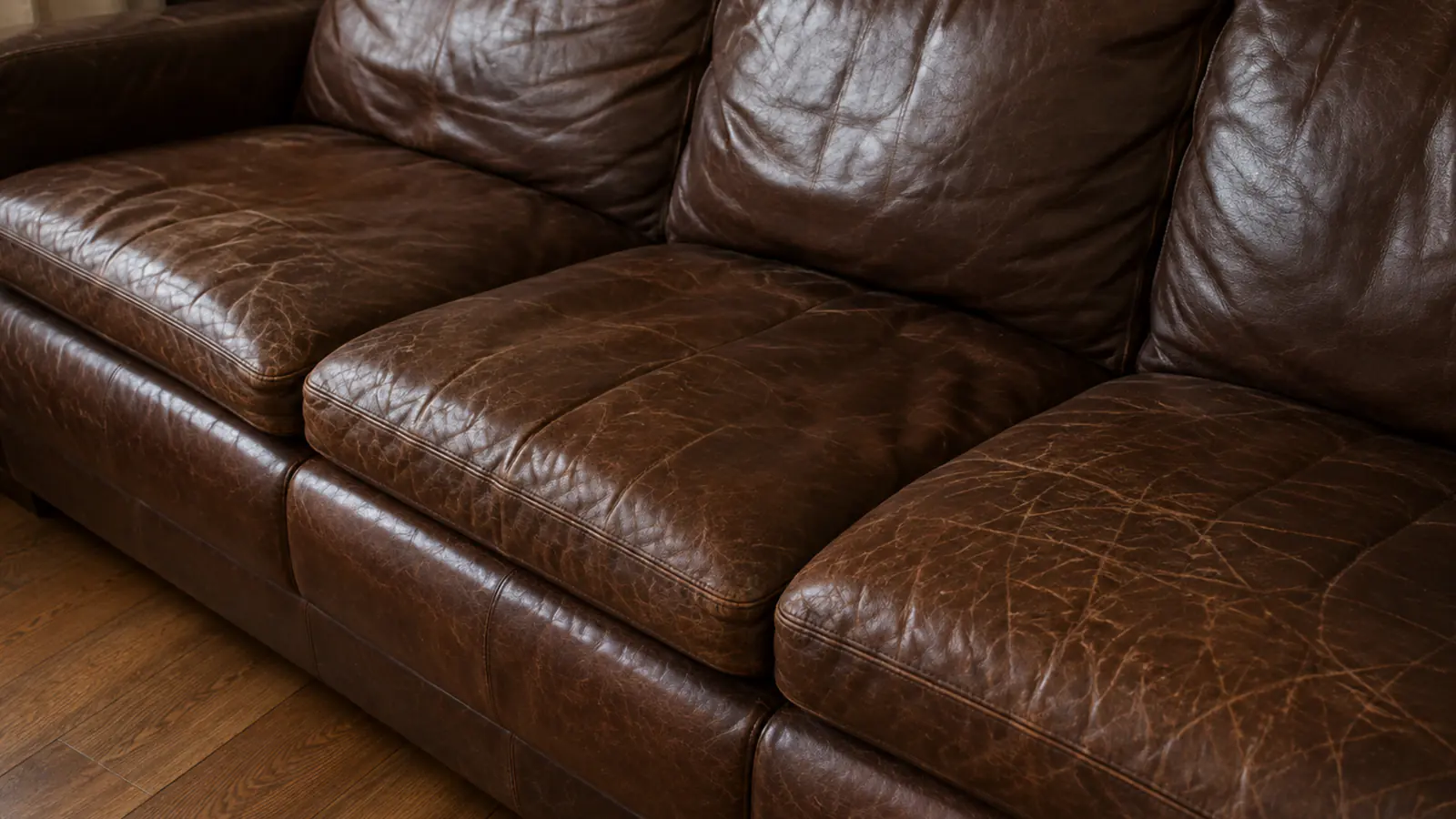
Avoid
Daily flex under loadSeat cushions and inside backs in daily use, recliner panels, banquettes, bar stools, hotel lobby seating. These flex under weight several times an hour, and no bonded film survives that. A better split does not fix it. See commercial leather repair, restaurants, hotels, offices.
Three Sentences We Hear, and Three Different Answers
Repairing split leather turns on one thing: whether the added layer is still bonded. That is a hand on the panel, not a phone call.
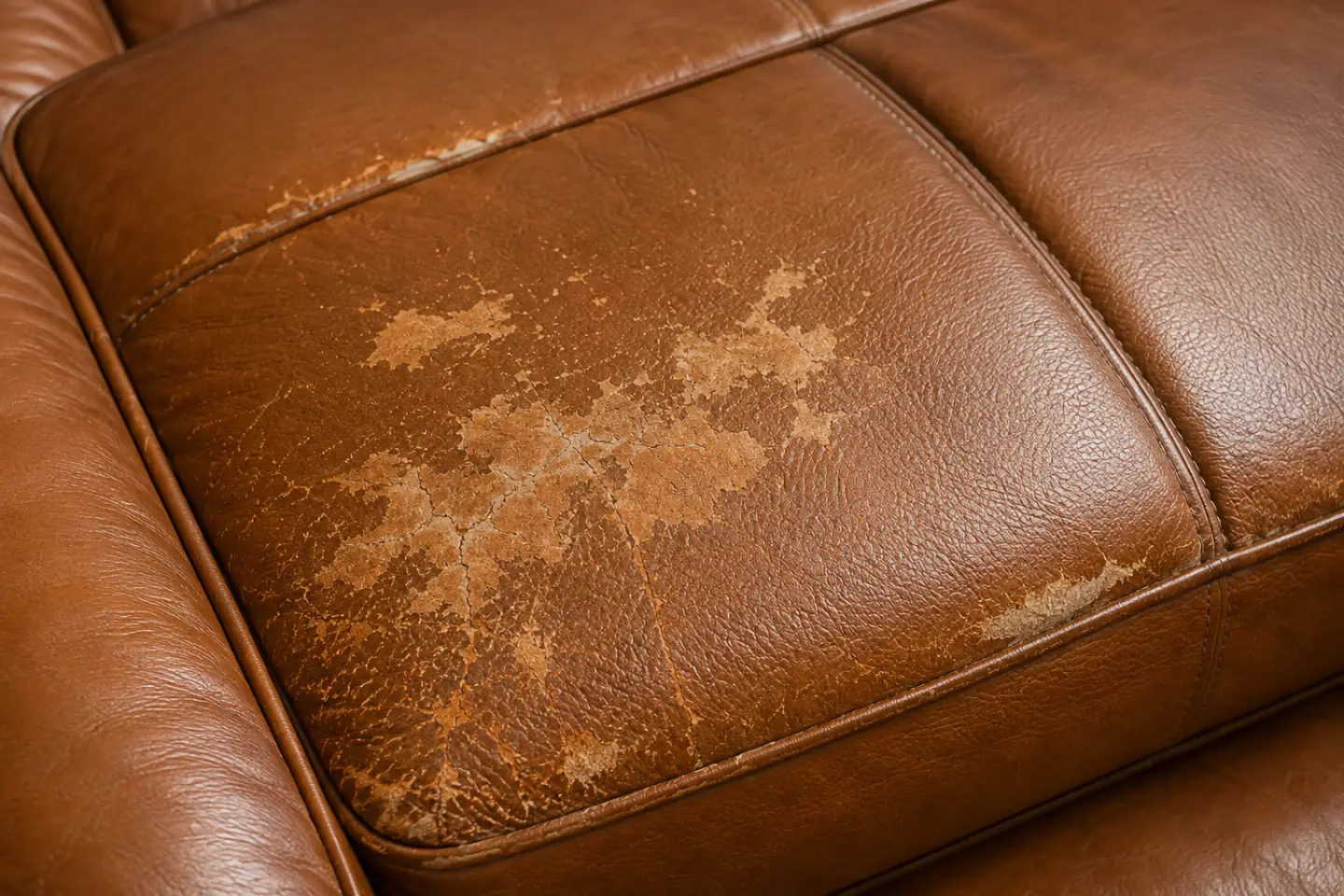
"The side panels have gone patchy and they don't match the seats any more."What we do
The coating has faded or scuffed but is still firmly attached. We clean it back, correct colour across every affected panel — grain included — and reseal.
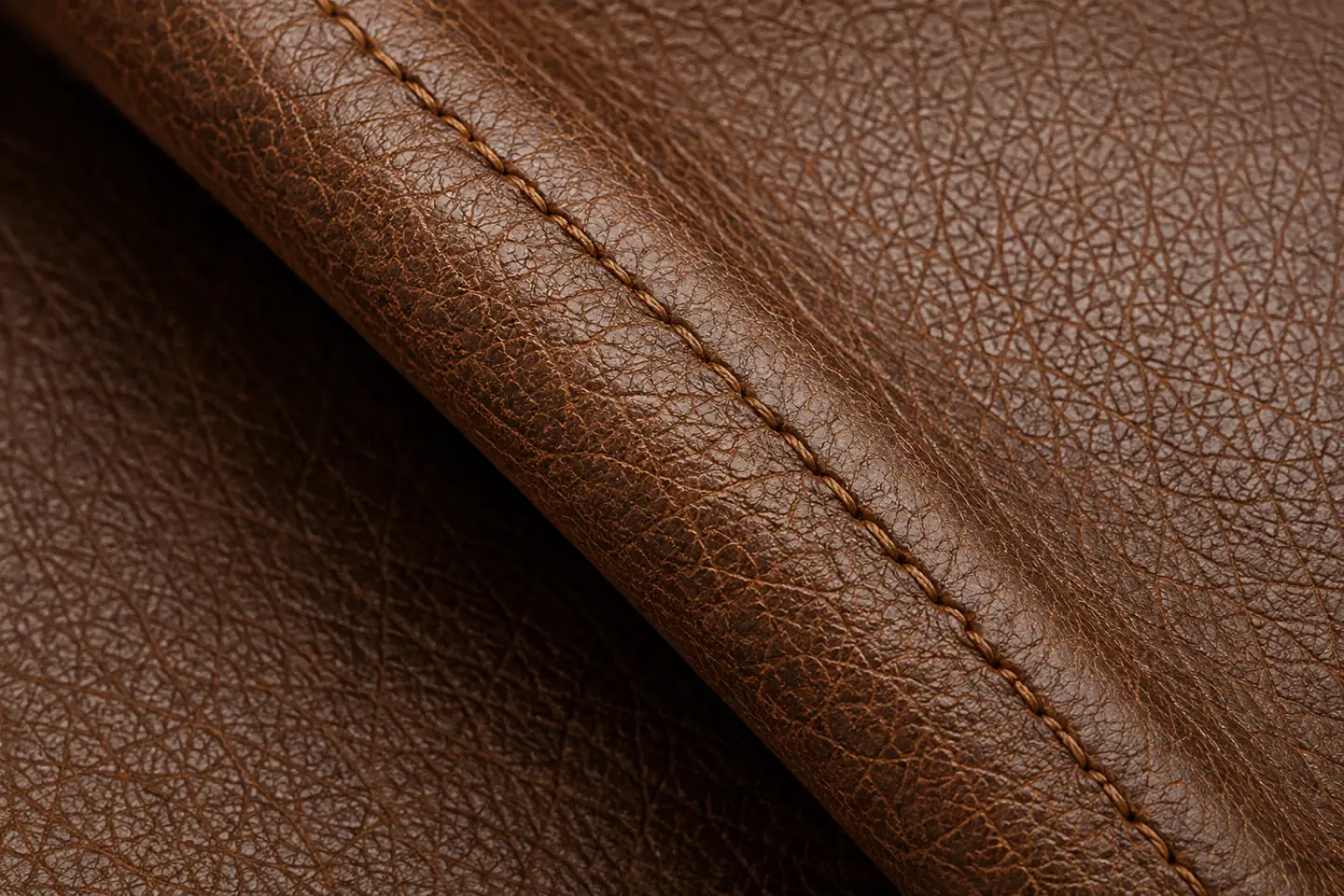
"There's a crack along the fold and it's starting to look rough."What decides it
A crack is not automatically a failure. What matters is whether the film either side still grips the fibre. If it does, the crack fills and recolours. If not, filling postpones it.
"It's coming off in sheets and there's something pale underneath."Why not, and what instead
Nothing reattaches a layer that has let go — colour over it comes away the next time somebody sits down. The routes are a new hide panel or reupholstery. We source hide in person from Global Leathers and District Leather Supply, matched against the piece.
Split Leather: Common Questions
What is split leather?
Split leather is the lower layer of a hide, left after the outer grain layer is split away. The top layer becomes full-grain or top-grain leather. The split underneath is real hide, but open and fibrous, with no grain surface.
Is split leather real leather?
Yes. A split is hide, from the same animal and tannery process as the grain layer above it. It is not bonded leather, which is ground-up waste on a backing, and not vinyl. What it lacks is a grain surface.
Does "genuine leather" on a label mean split leather?
Often, though not always. "Genuine leather" states only that the material contains hide — not which layer, and not what was added on top. Full-grain and top-grain pieces are labelled as such, so "genuine leather" alone is frequently a coated split.
What is the difference between split leather and top-grain leather?
Opposite halves of the same hide. Top grain is the outer layer, keeping the grain where fibre is densest. A split is what is left underneath. A top-grain panel resists abrasion with its own surface; a split relies on whatever was added.
Is bycast leather the same as split leather?
Bycast is a split with a polyurethane film laid over it, usually embossed with a grain. The hide underneath is a split; the surface is not hide. A bycast panel fails as a film cracking and lifting, not as leather wearing thin.
Does split leather peel?
The hide does not peel, but the layer on top of it can, and on a coated split that is the usual failure. The film cracks at flex lines, lifts and comes away, leaving pale fibre. Nothing re-adheres a film that has let go.
What does "leather match" mean on a sofa?
Leather match means grain leather where a body touches the piece and a coated split everywhere else. Seat cushions, inside back and arm tops are grain; outside back, arms and base are split. The two age differently, so the sofa looks mismatched early.
Can split leather be repaired or restored?
Sometimes, depending on which layer failed. A faded coating still attached to the hide will clean, recolour and reseal. A crack depends on whether the film still grips either side. Coating lifting in sheets cannot be reattached — that is replacement or reupholstery.
Not Sure Which Layer You Have?
A coated split and a grain hide with a failing finish look alike and need completely different work. We will tell you which you have — including when it cannot be rebuilt. New York City and New Jersey.