
The seat, specified
Nobody ever chose how your couch feels.
You picked the leather, the size and the shape. The firmness arrived attached to them — one foam grade, set by a factory, for every buyer of that model. Couch cushion foam replacement is the first time anyone in your house gets a say in it.

The firmness came with the couch. Nobody picked it.
A sofa is sold on how it looks from across a showroom and how it feels for the ninety seconds you sit on it. What is inside the seat was specified by the manufacturer: one foam grade, one height, one answer for everyone who bought that model. It suited some of them.
Years later the fill is finished and the frame is not. That is the moment the specification opens back up. Couch cushion foam replacement cuts new cores to the covers you already own, and how they feel becomes a question you get asked rather than one you inherit.
If the covers are sound, this is the whole of the job — the method is on sofa cushion replacement. If the leather has gone as well as the fill, it becomes leather sofa reupholstery instead.
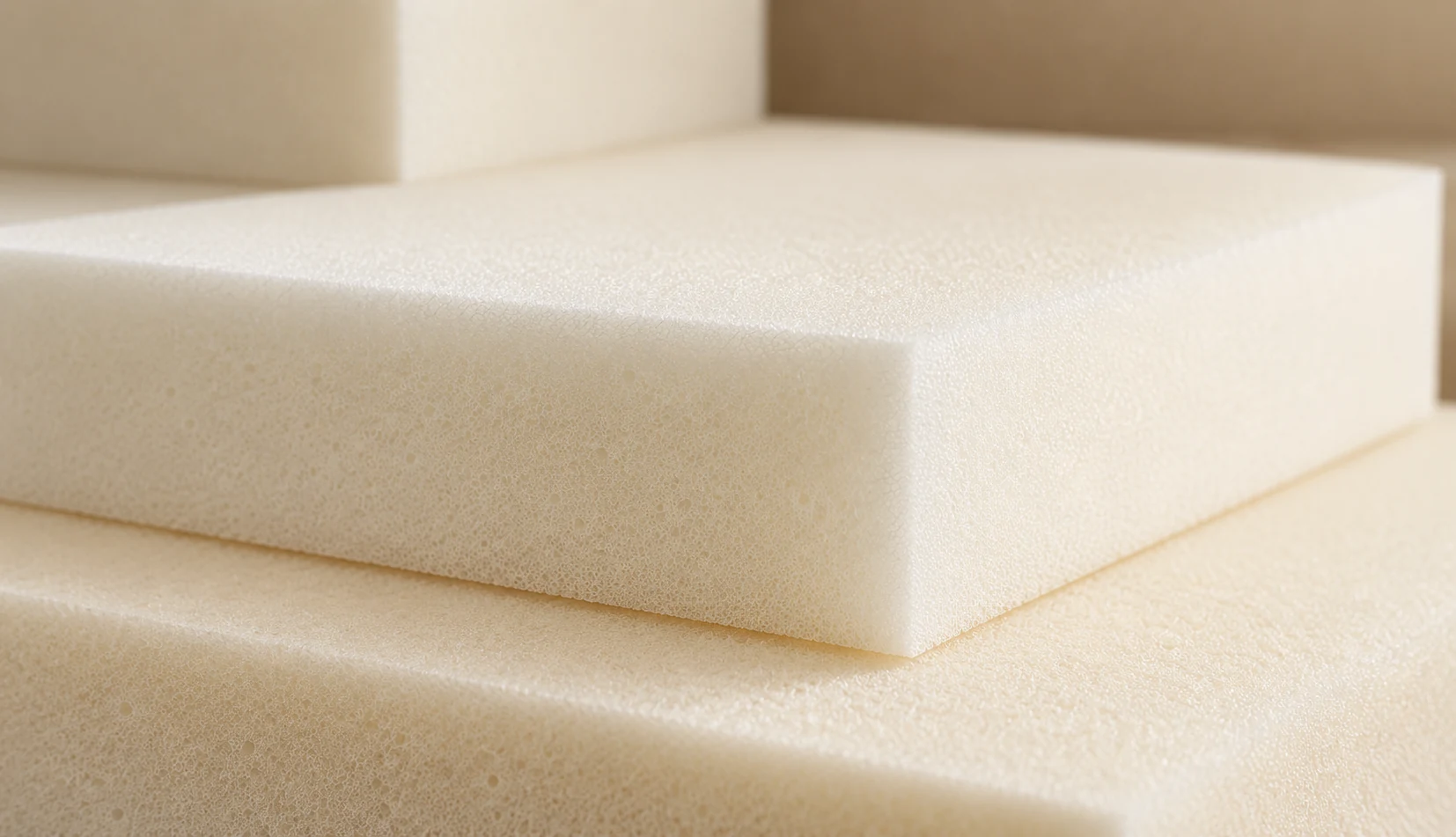
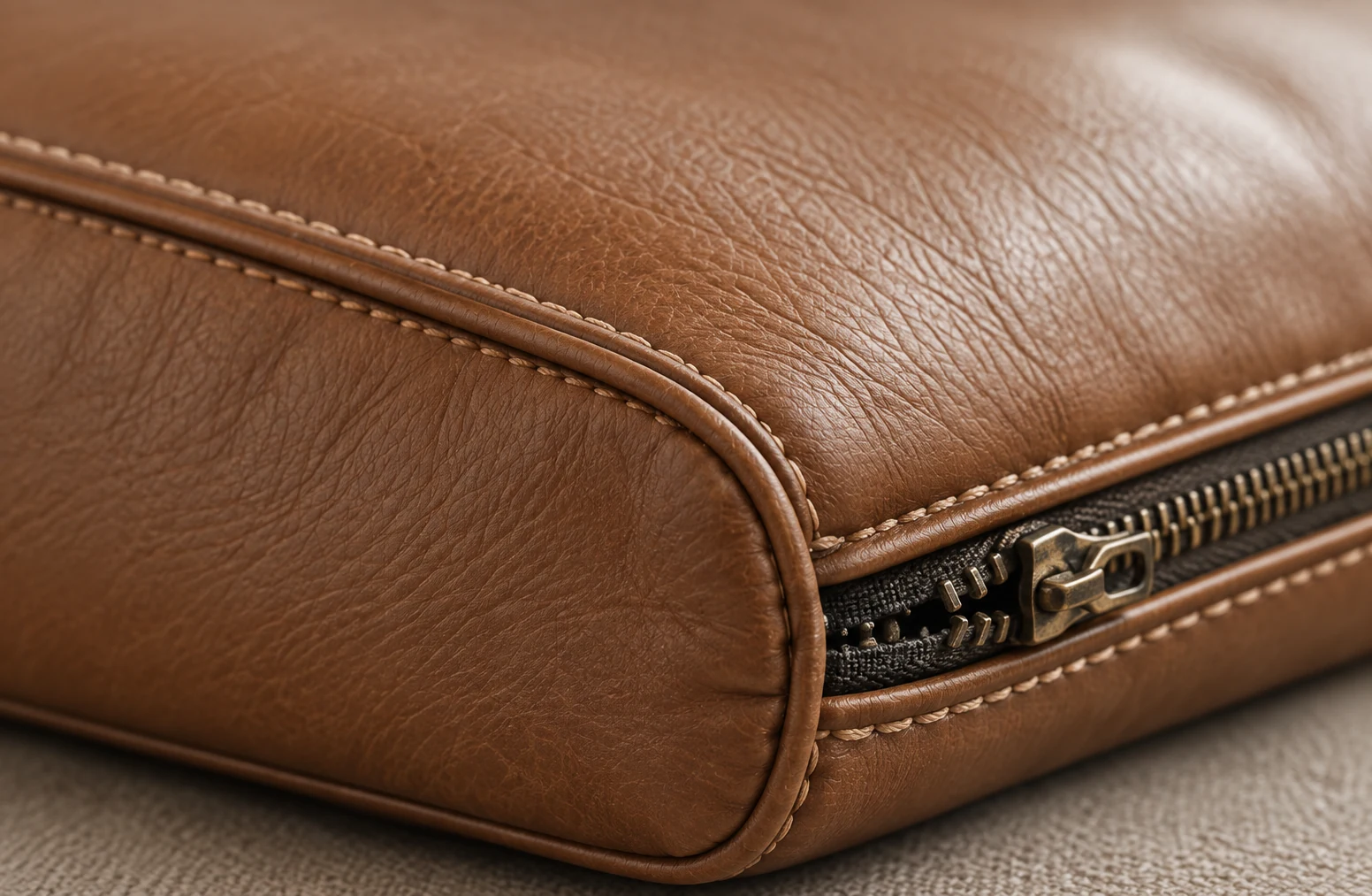
Signs your couch cushions need replacement
None of these are about the leather. They are all about what is underneath it.
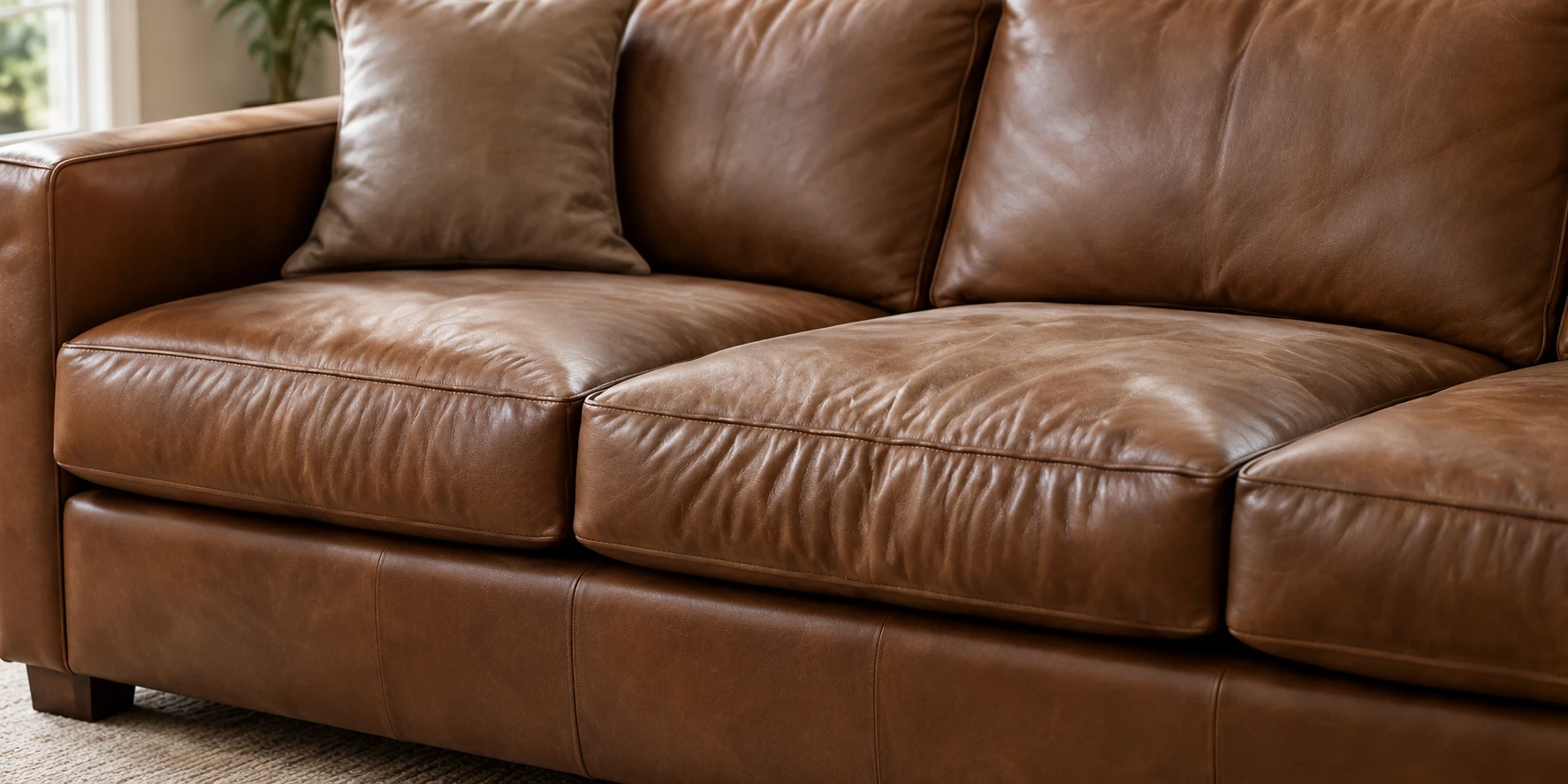
Sagging seats
The cushion you use most gives up first. Side by side, the drop reads from across the room.
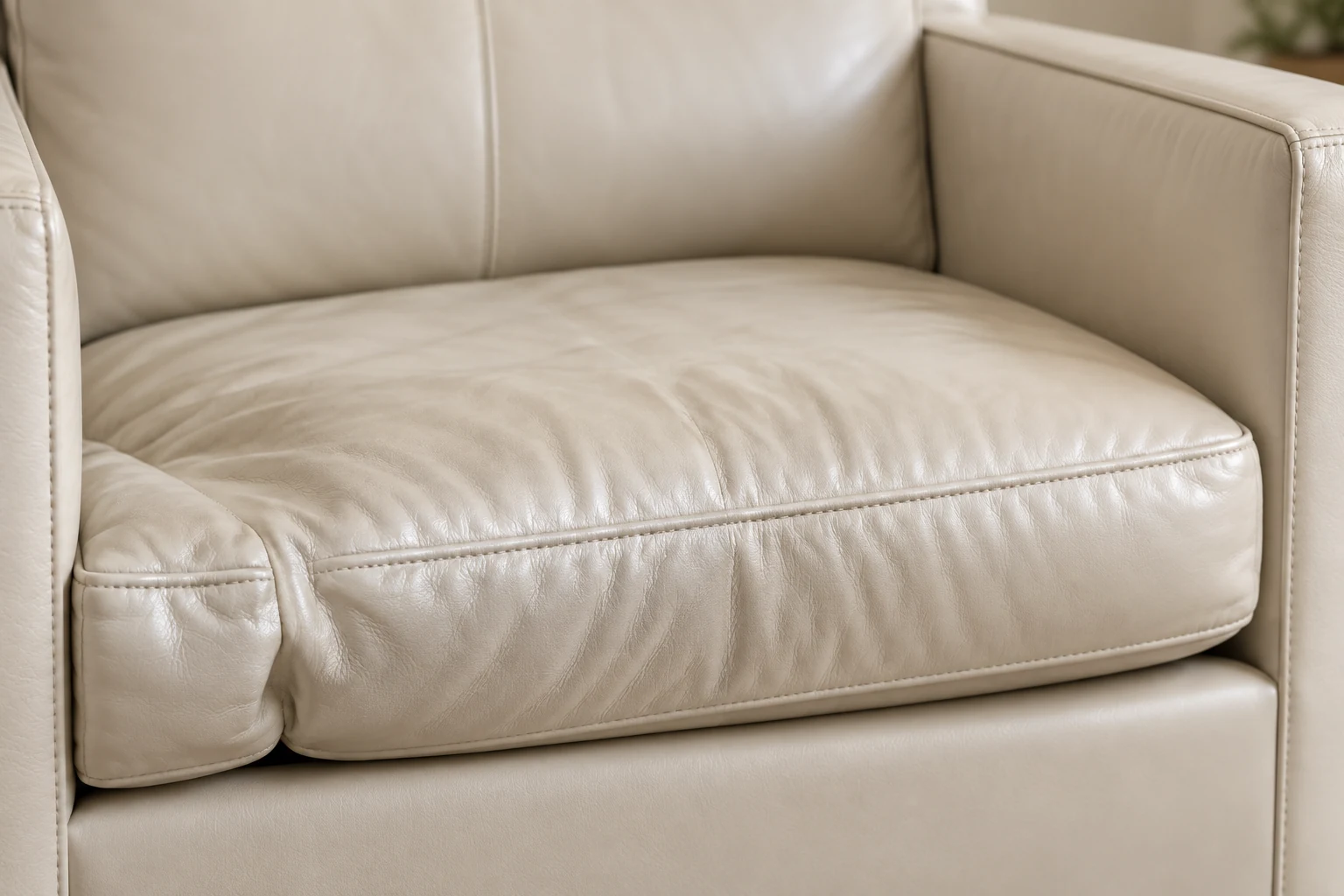
Flattened foam
A seat that stays dented after you stand up has lost the foam's ability to recover.
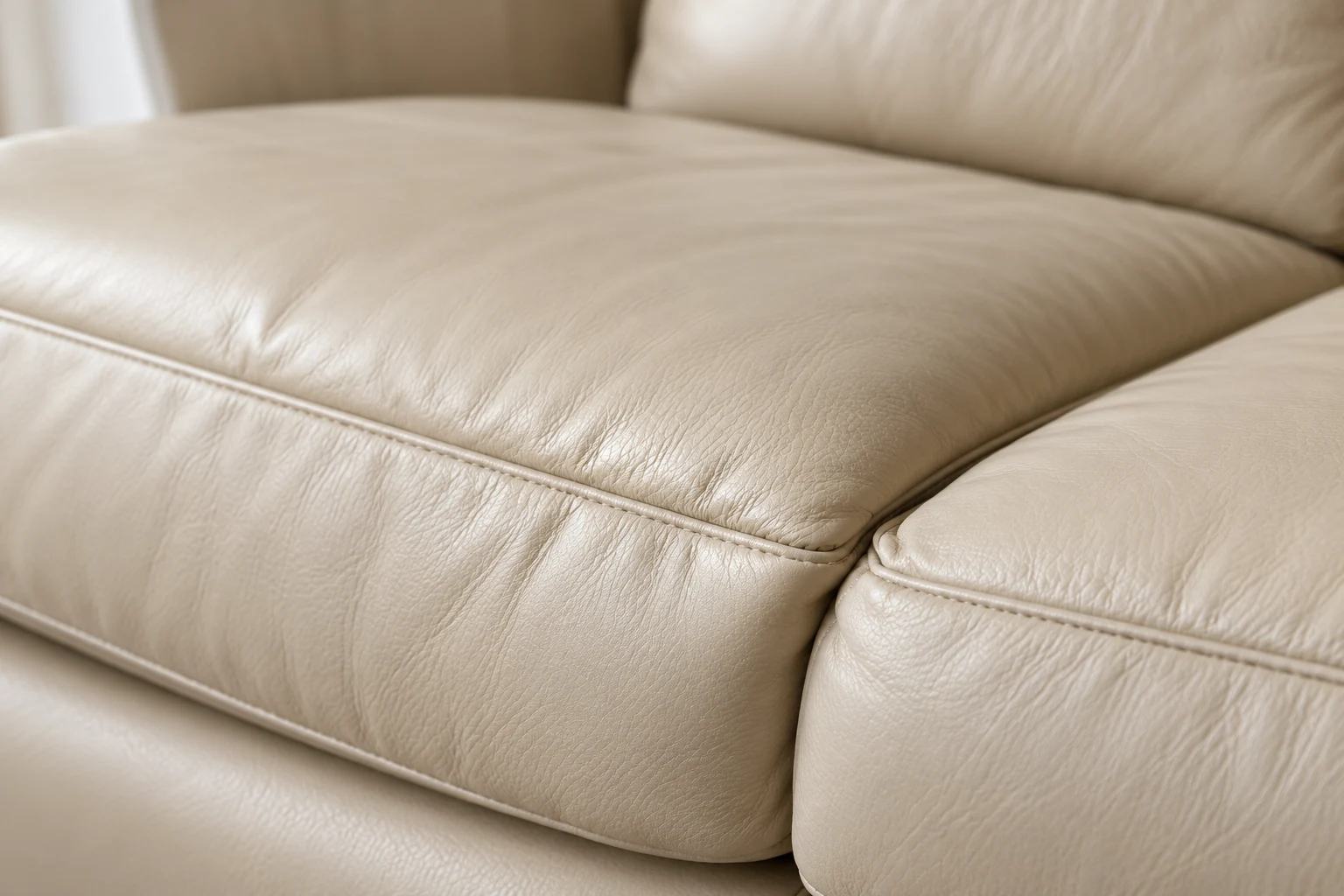
Uneven support
One cushion has less left in it than its neighbour, so the seam between them stops sitting level.
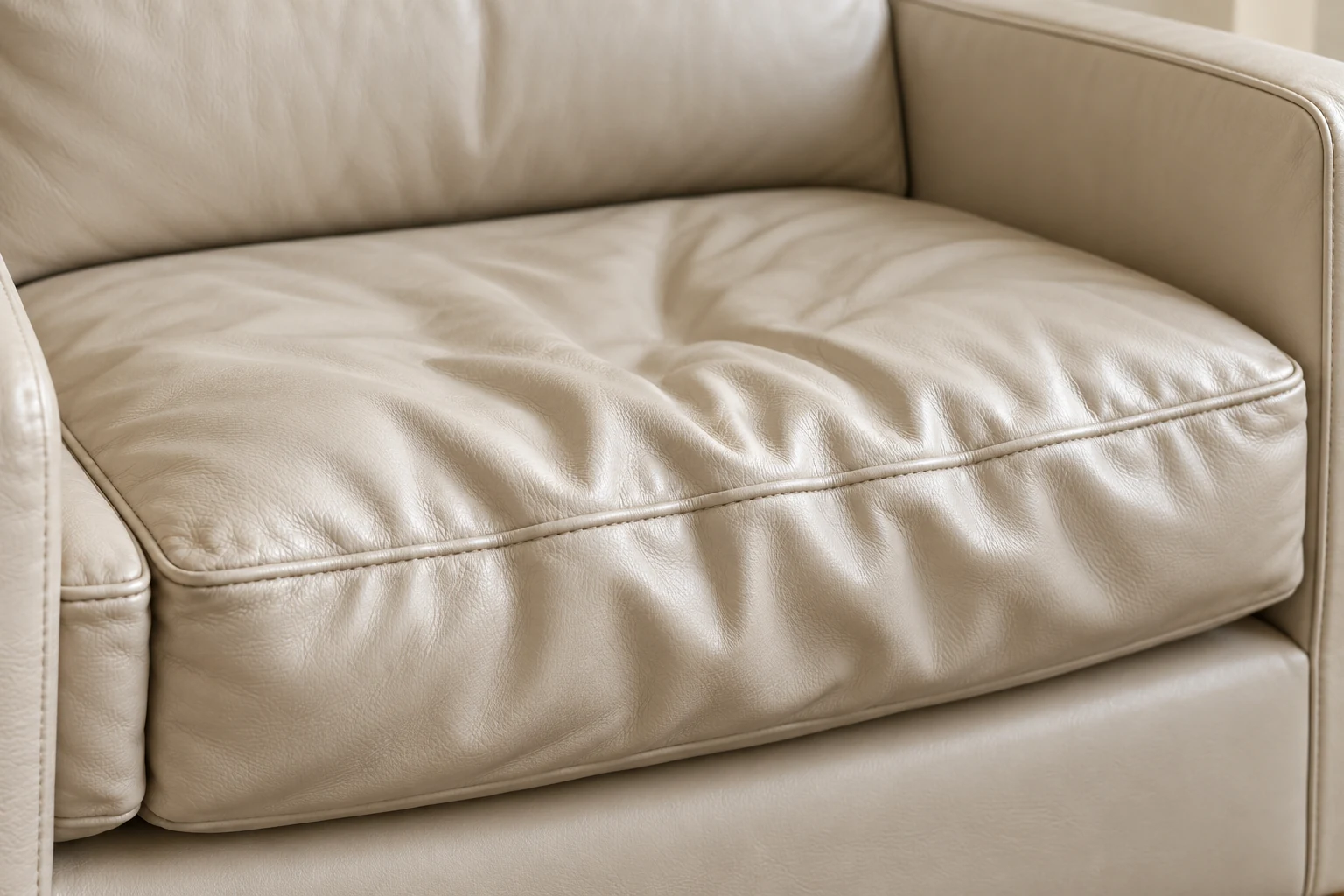
Wrinkled covers
Fill shrinks before leather does. The cover ripples because there is less inside holding it out.
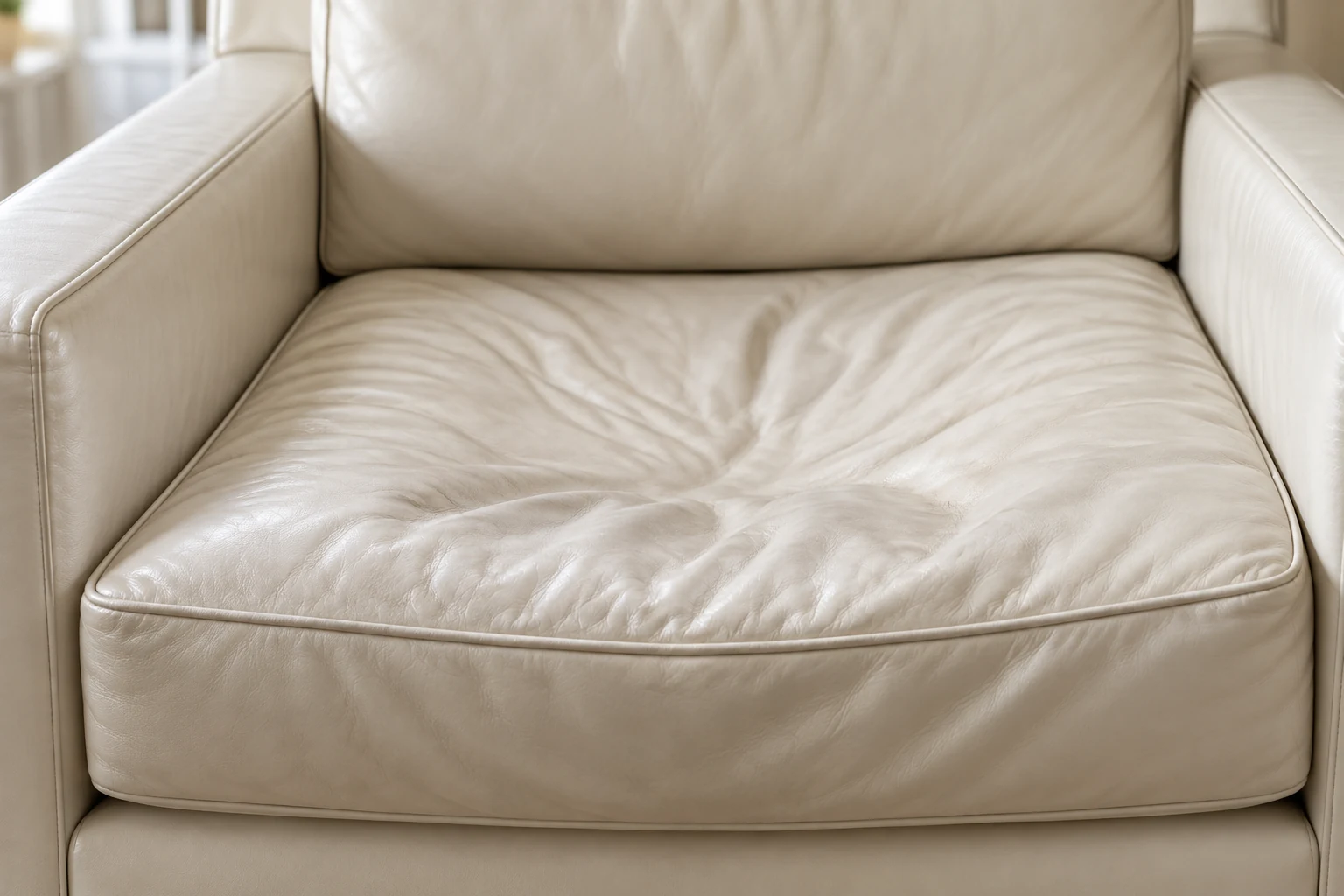
Collapsed center
You can feel the deck through the seat. The core has broken down where the weight goes.
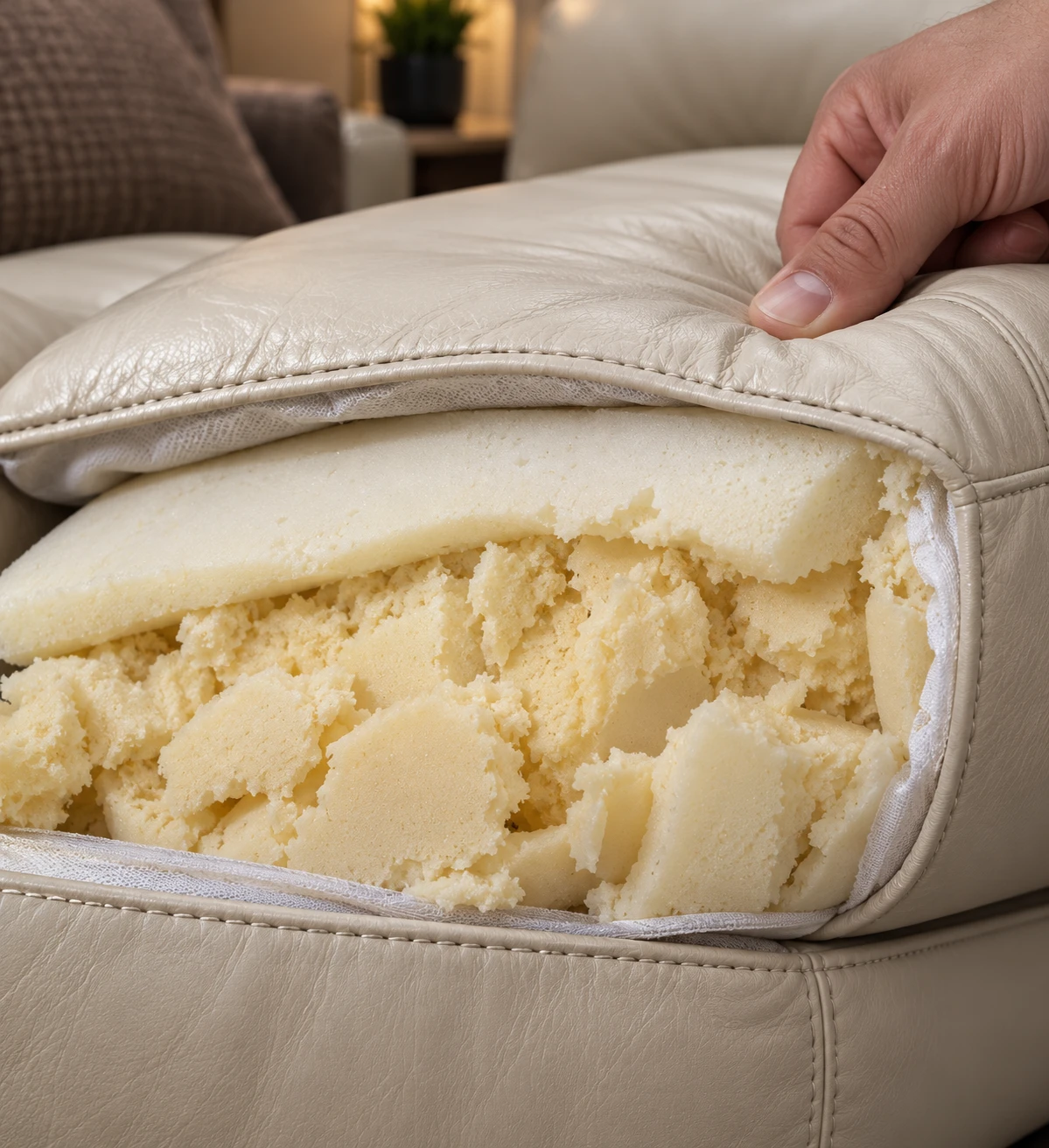
Crumbled core
Open the zip and it comes out in pieces. Nothing added on top will fix this one.
Nothing here was replaced except the fill.
Same frame, same leather, same covers, same room. The only new material on this sofa is inside the seats. That is the whole of a couch cushion foam replacement, and it is the only thing anyone notices.
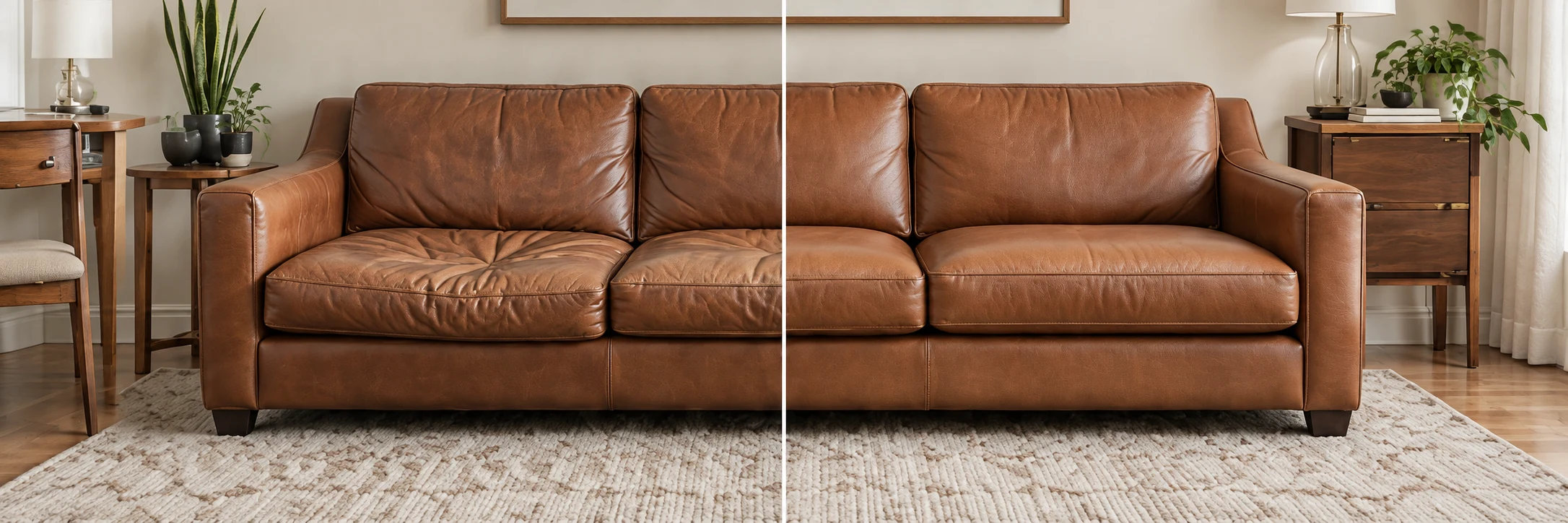 Before
After
Before
AfterWhat a Couch Cushion Foam Replacement Can Include
Eight ways into the same seat. Most couch cushion foam replacement jobs are one or two of these, not all eight.
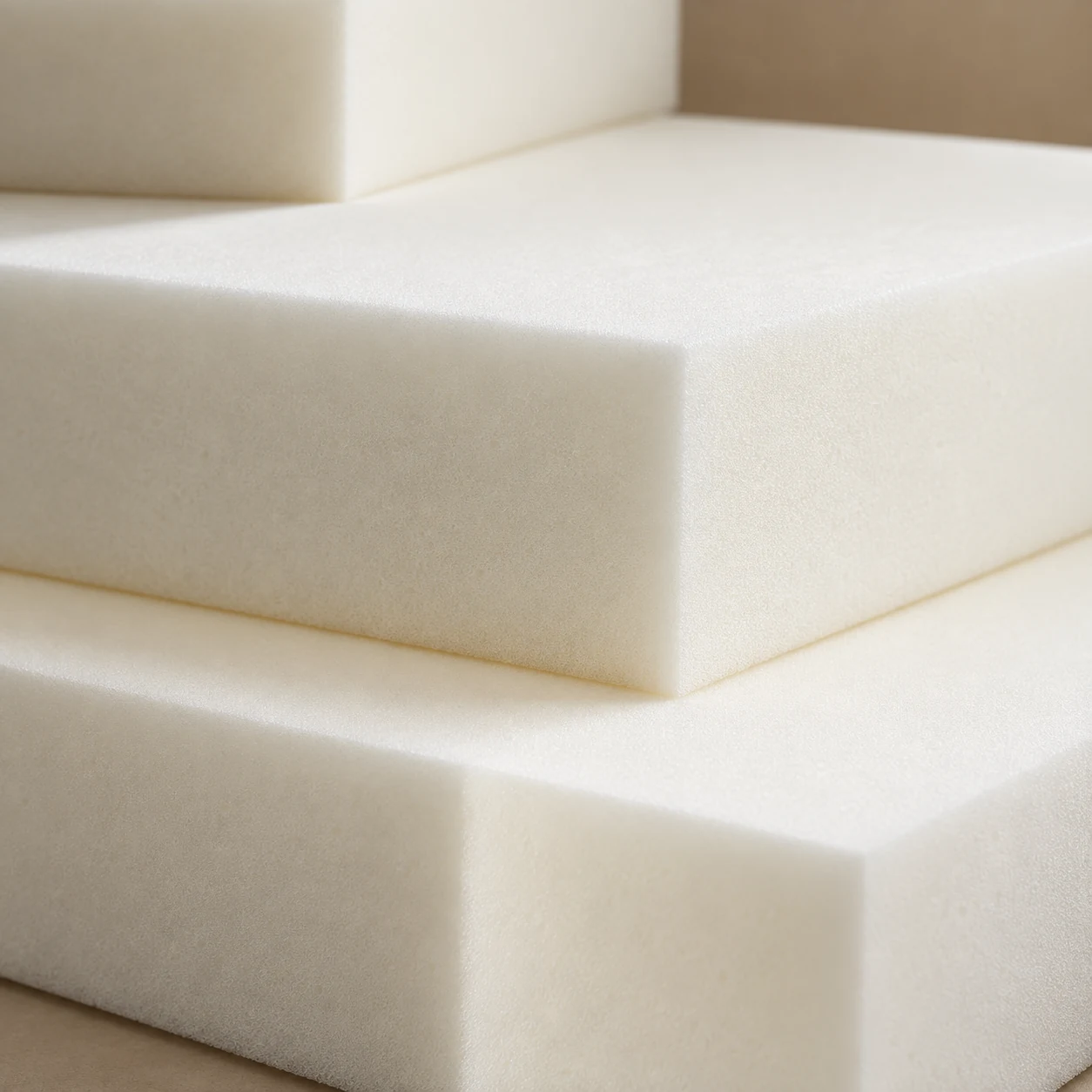
Foam insert replacement
New cores cut to your covers.
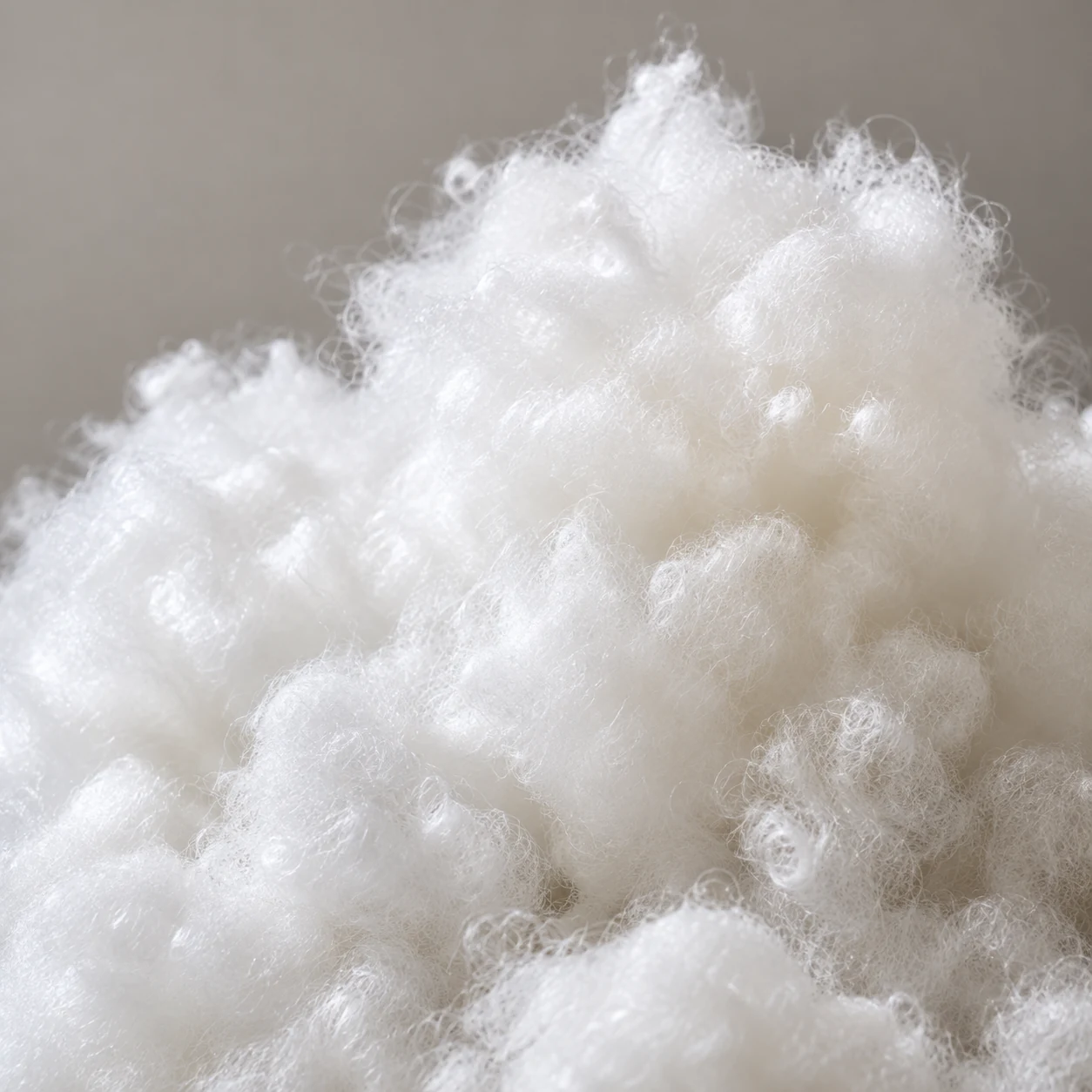
Cushion refilling
Fiber and wrap topped back up.
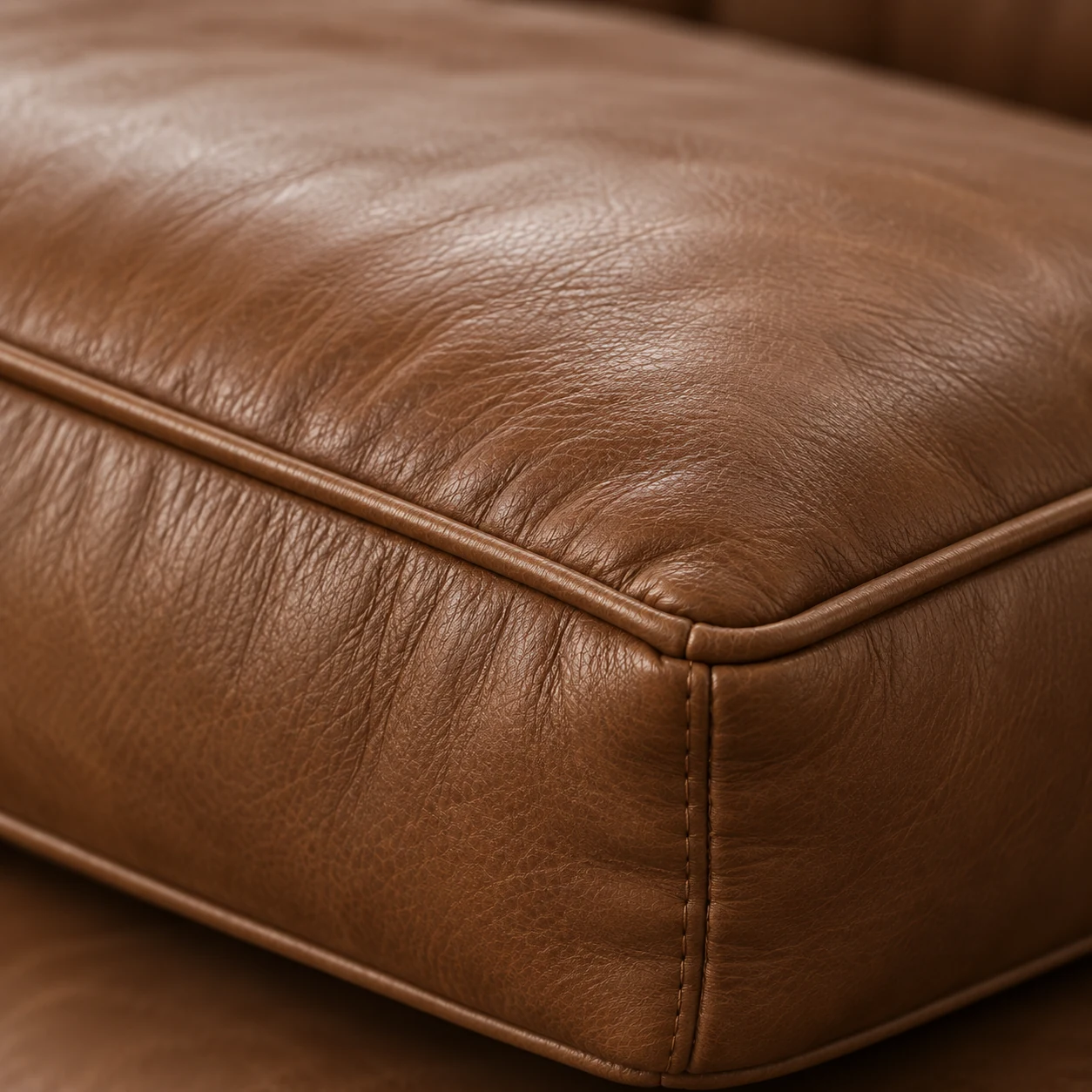
Leather cover repair
Cracking and wear on the cover itself.
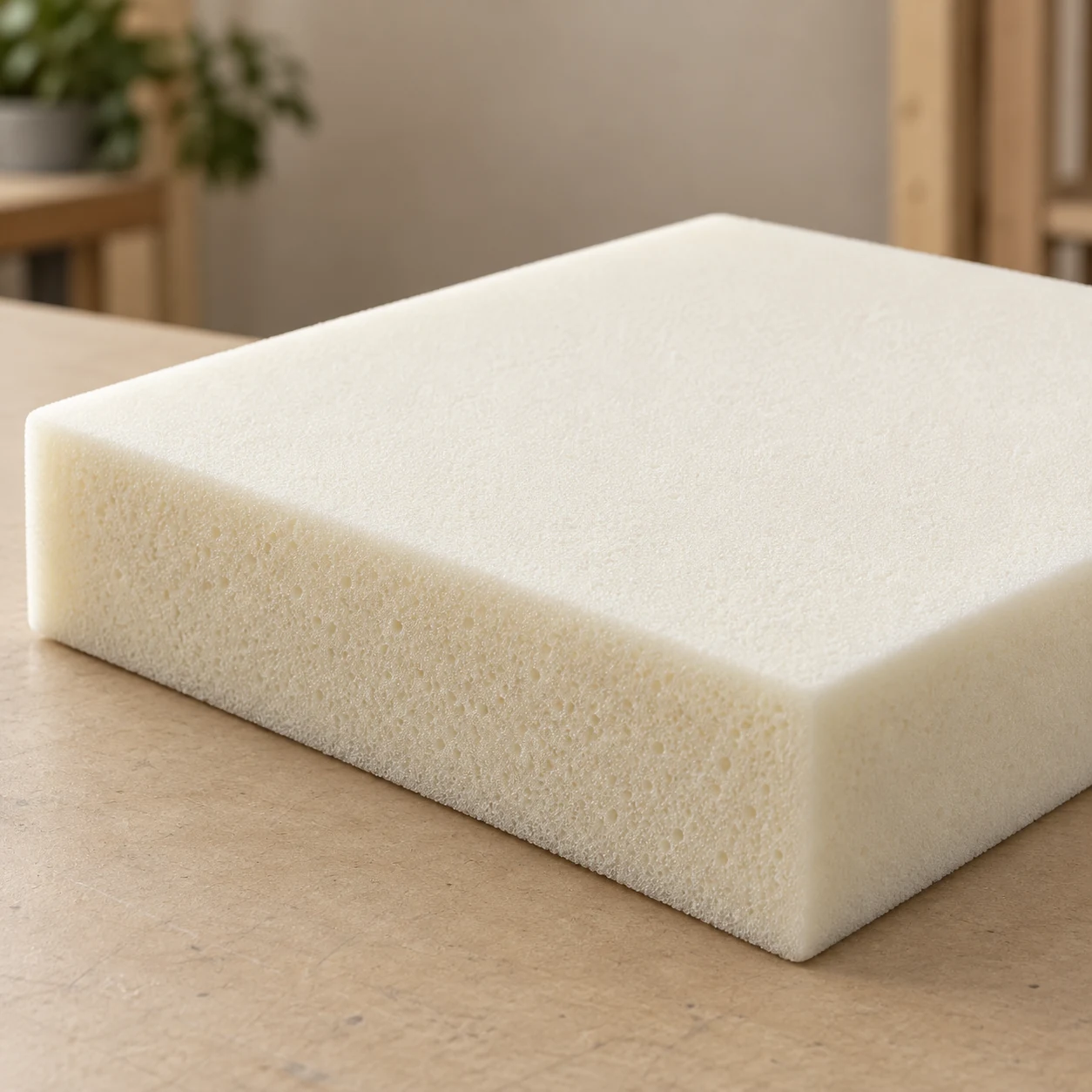
Custom fabrication
Built from scratch when nothing survives.
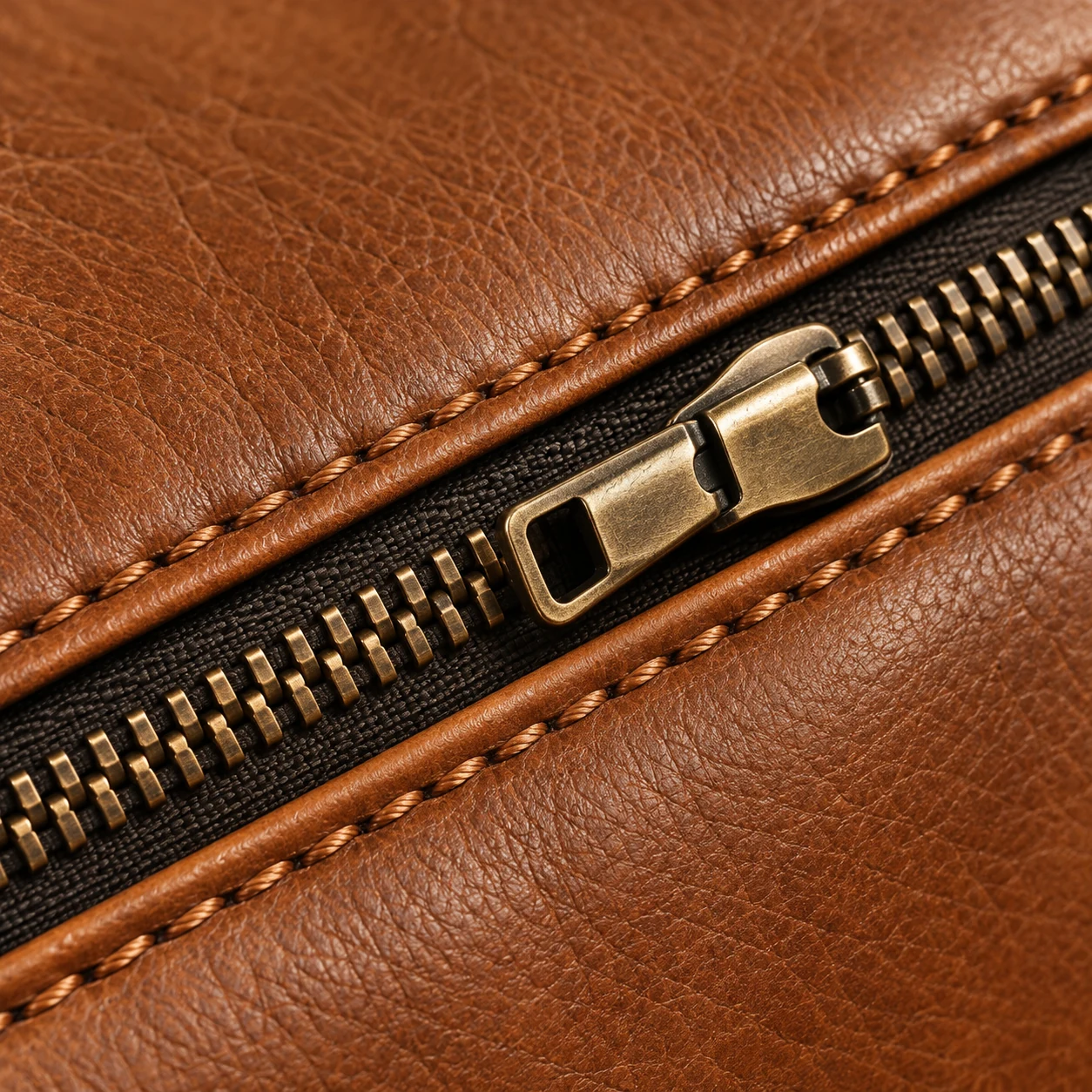
Zipper replacement
A new zip so the cushion opens again.
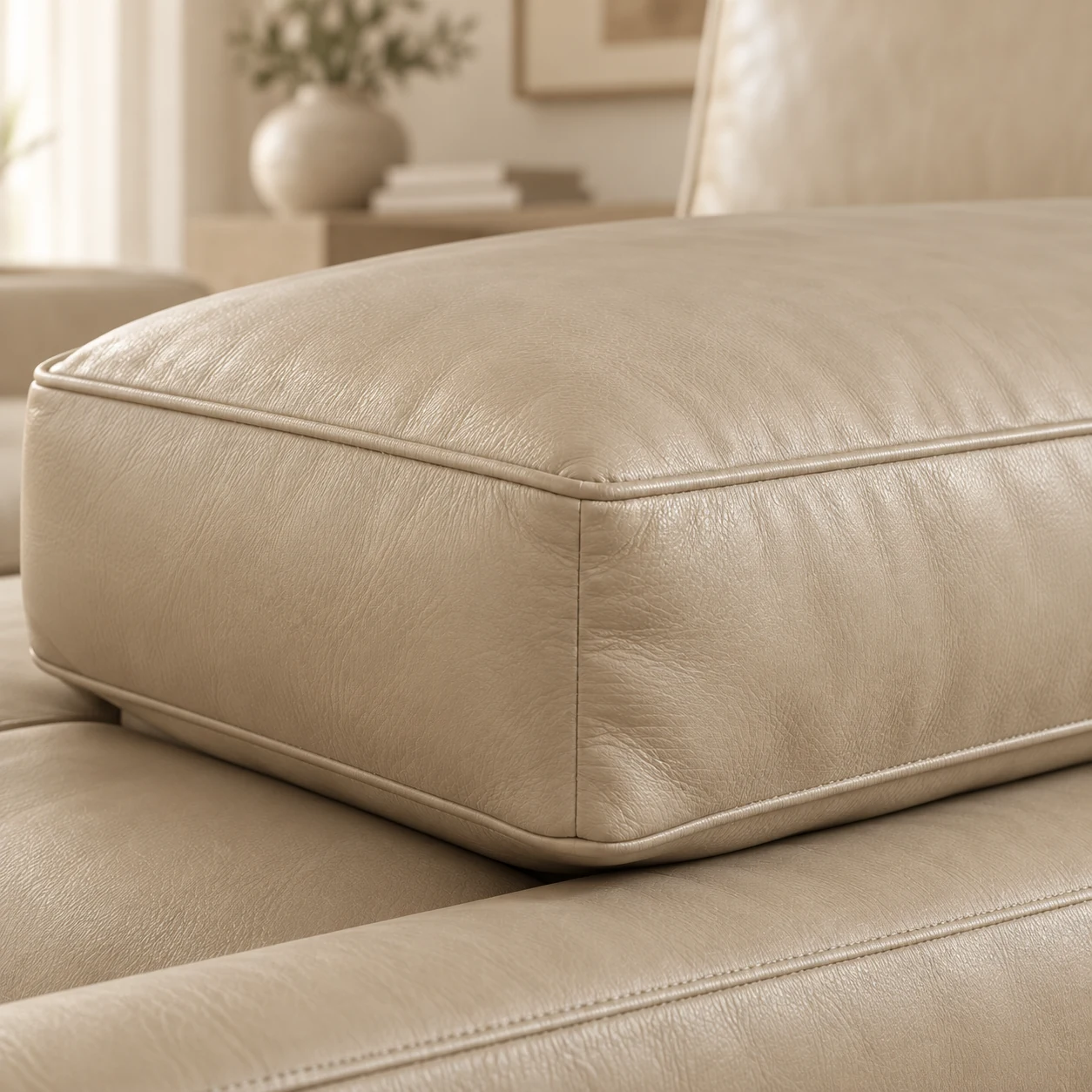
Full reupholstery
New covers cut from your old ones.
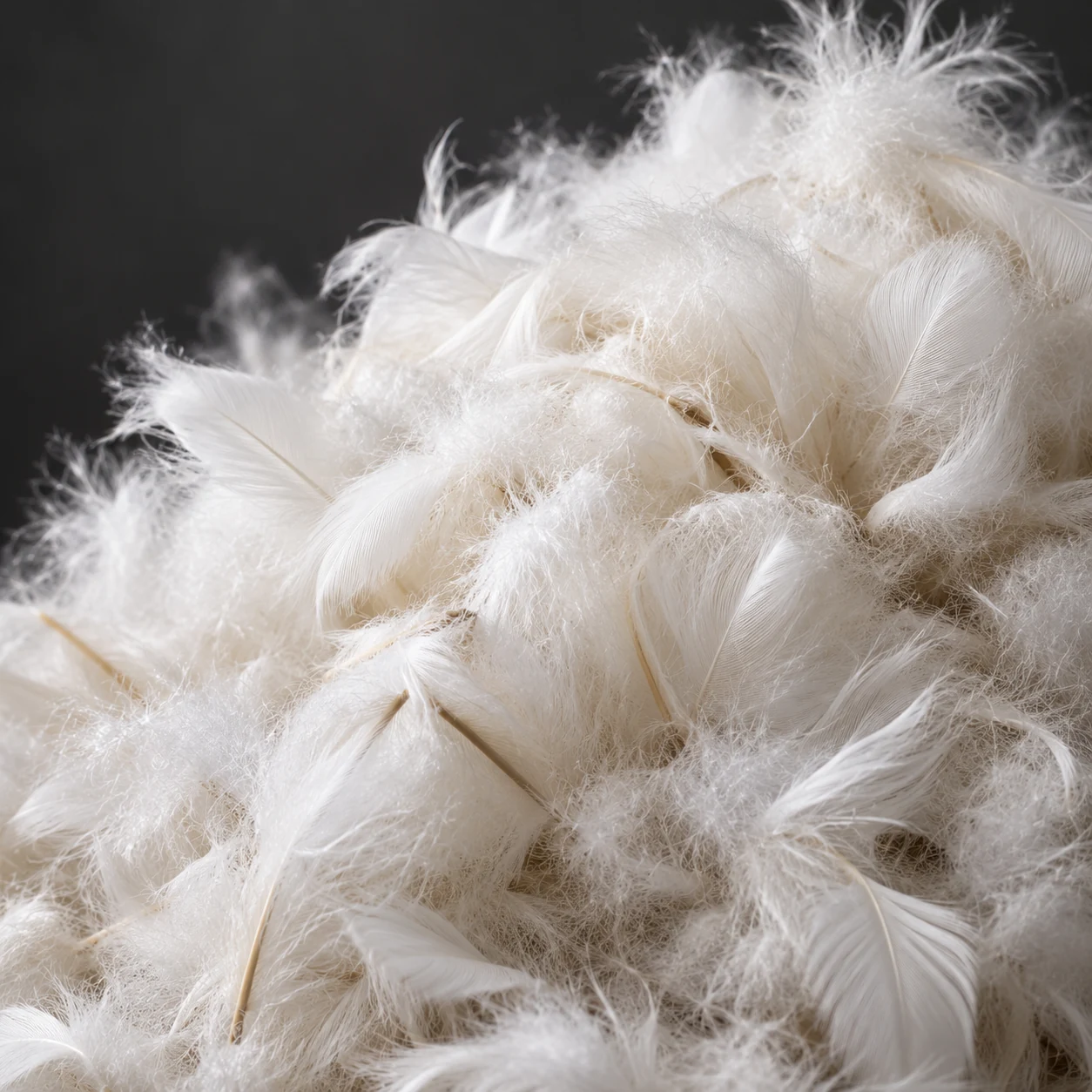
Feather & down refresh
Cleaned, topped up, re-chambered.
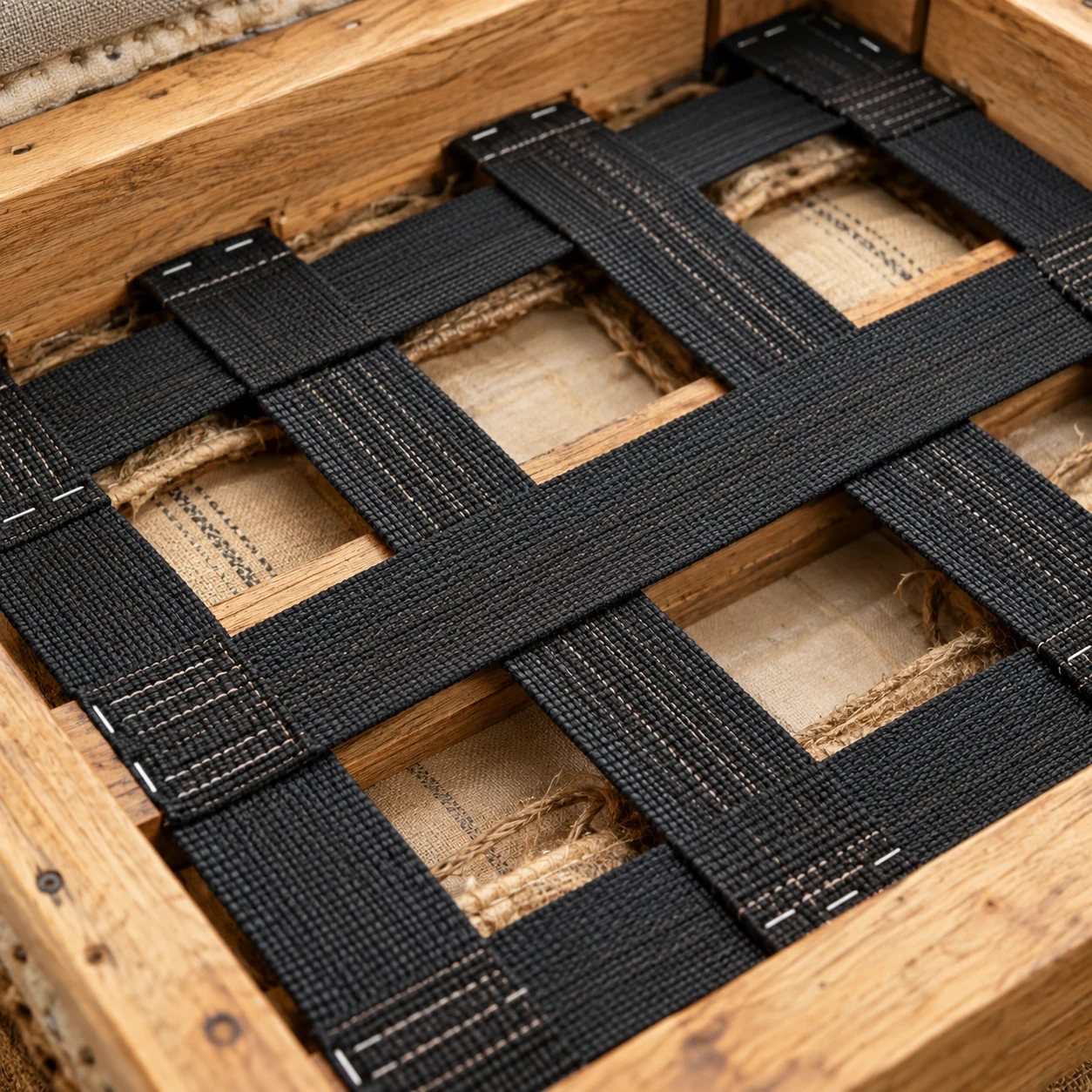
Seat support repair
Webbing and deck under the cushions.
This is the part you get to choose.
Six fills, and they do not sit the same. A couch cushion foam replacement is the one moment this is an open question. Seat firmness is something researchers measure under load rather than describe, so the difference between these is real and not a matter of taste.
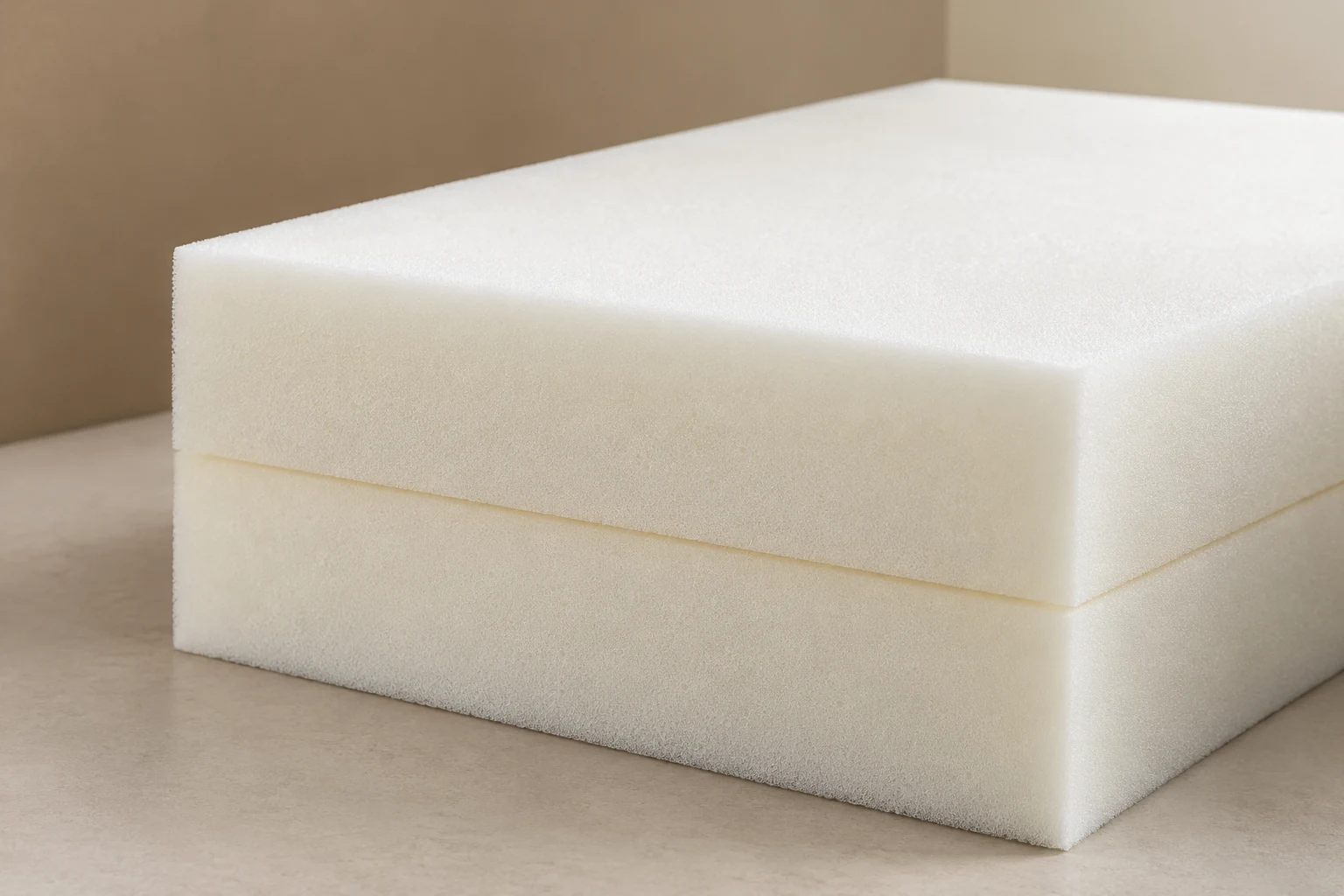
High-density foam
Firm, holds its edge, the longest-lasting of the six.
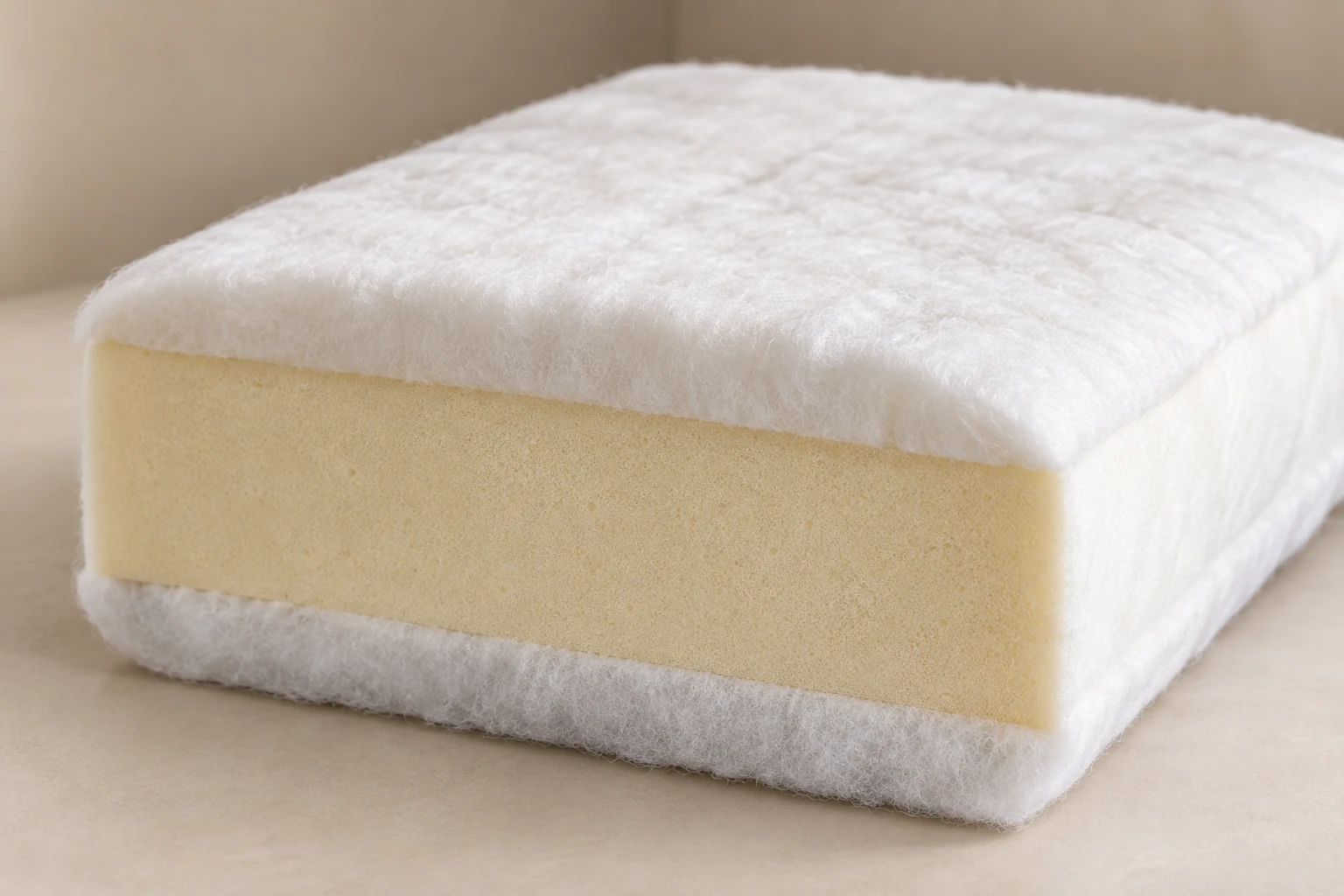
Foam with fiber wrap
A firm core under a soft top. The usual answer for a sofa.
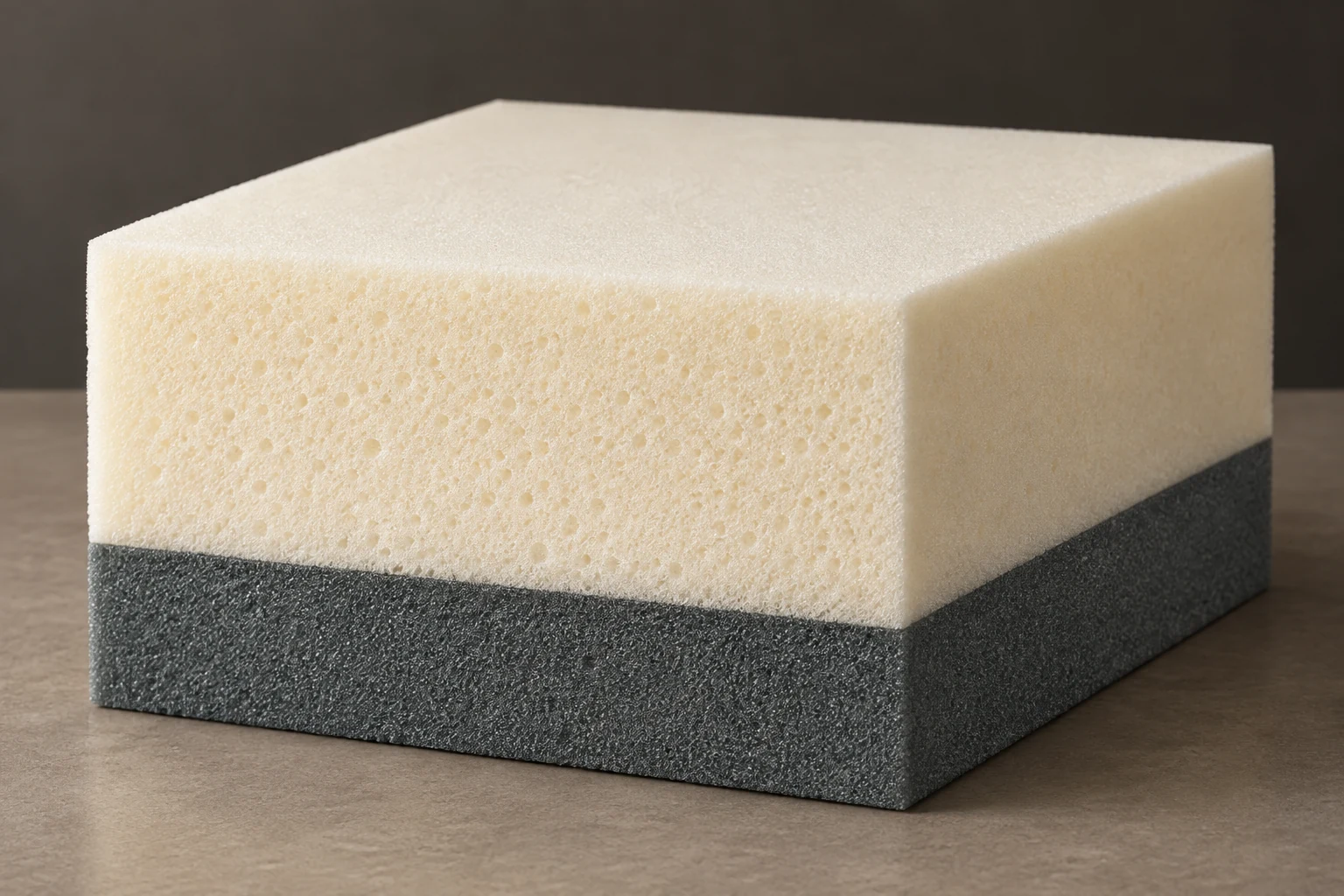
Memory foam blend
Slower to respond. Takes the shape of whoever is sitting.
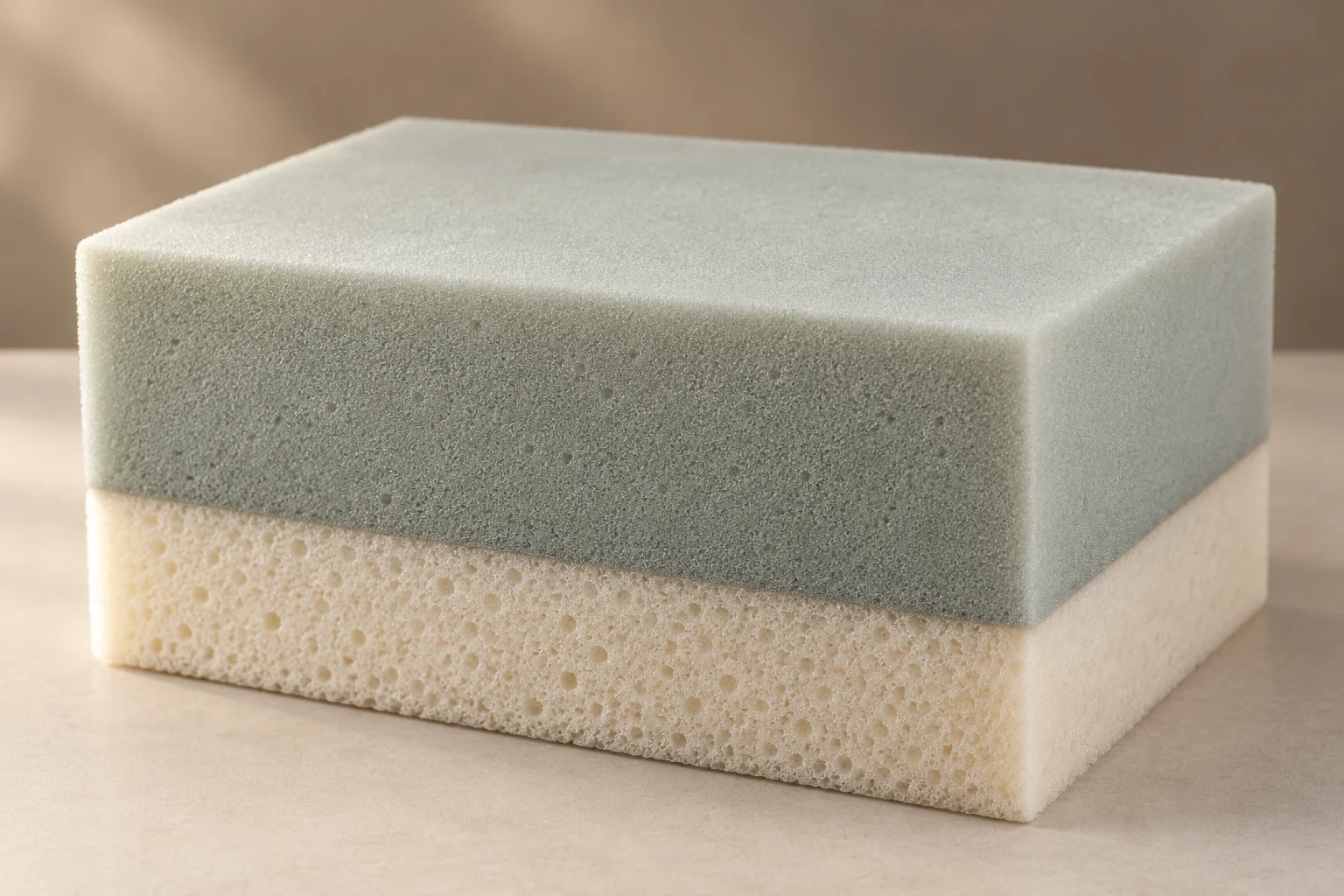
High-resilience foam
Springs back fastest. Good where people get up often.

Feather & down
Soft and loose. Needs plumping, rewards lying down.
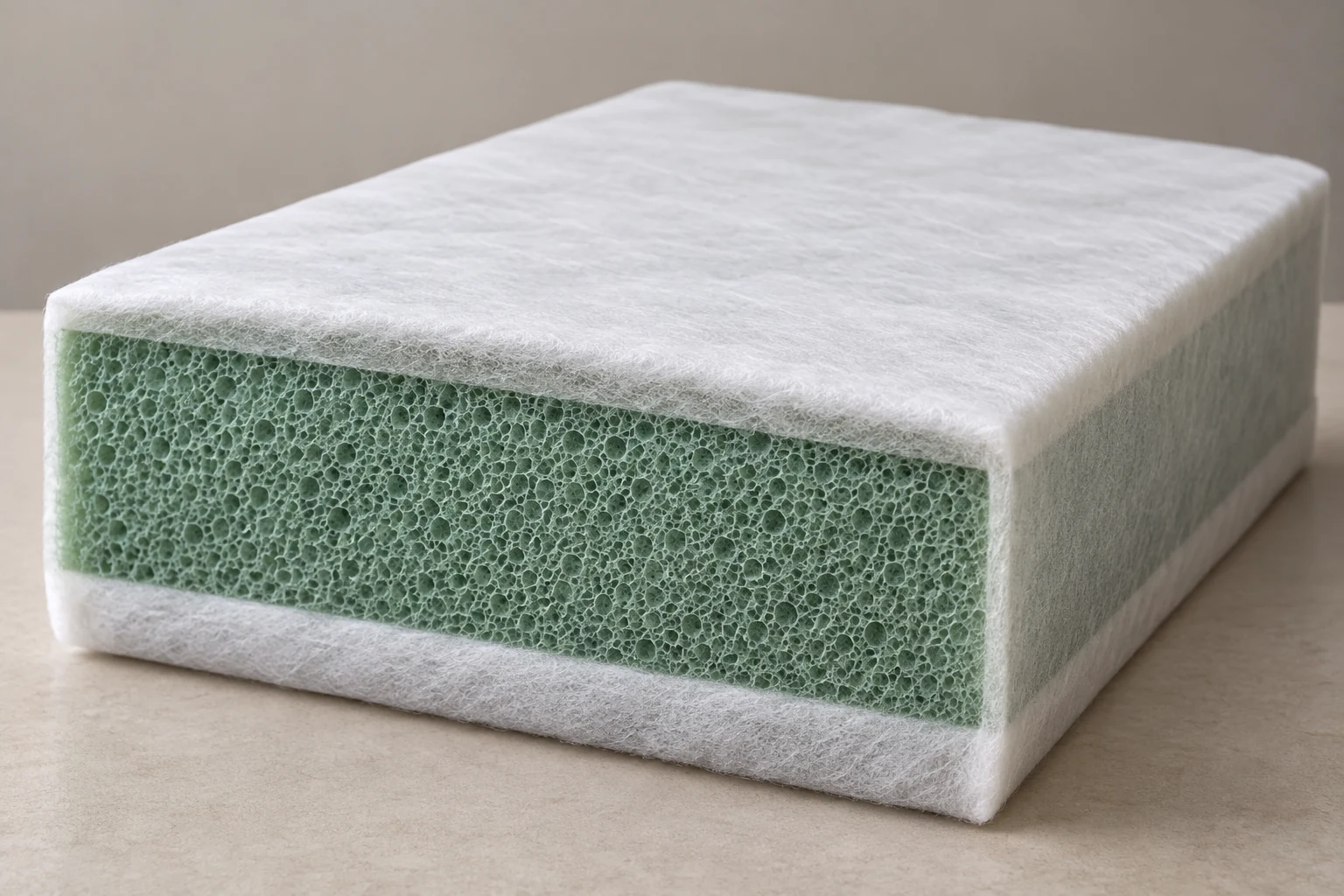
Outdoor grade
Drains and dries. For sunrooms, terraces and damp rooms.
Refill, replace, or rebuild
Couch cushion foam replacement runs to three depths. Which one you need is settled by what is left inside the cover, not by how bad the seat looks.
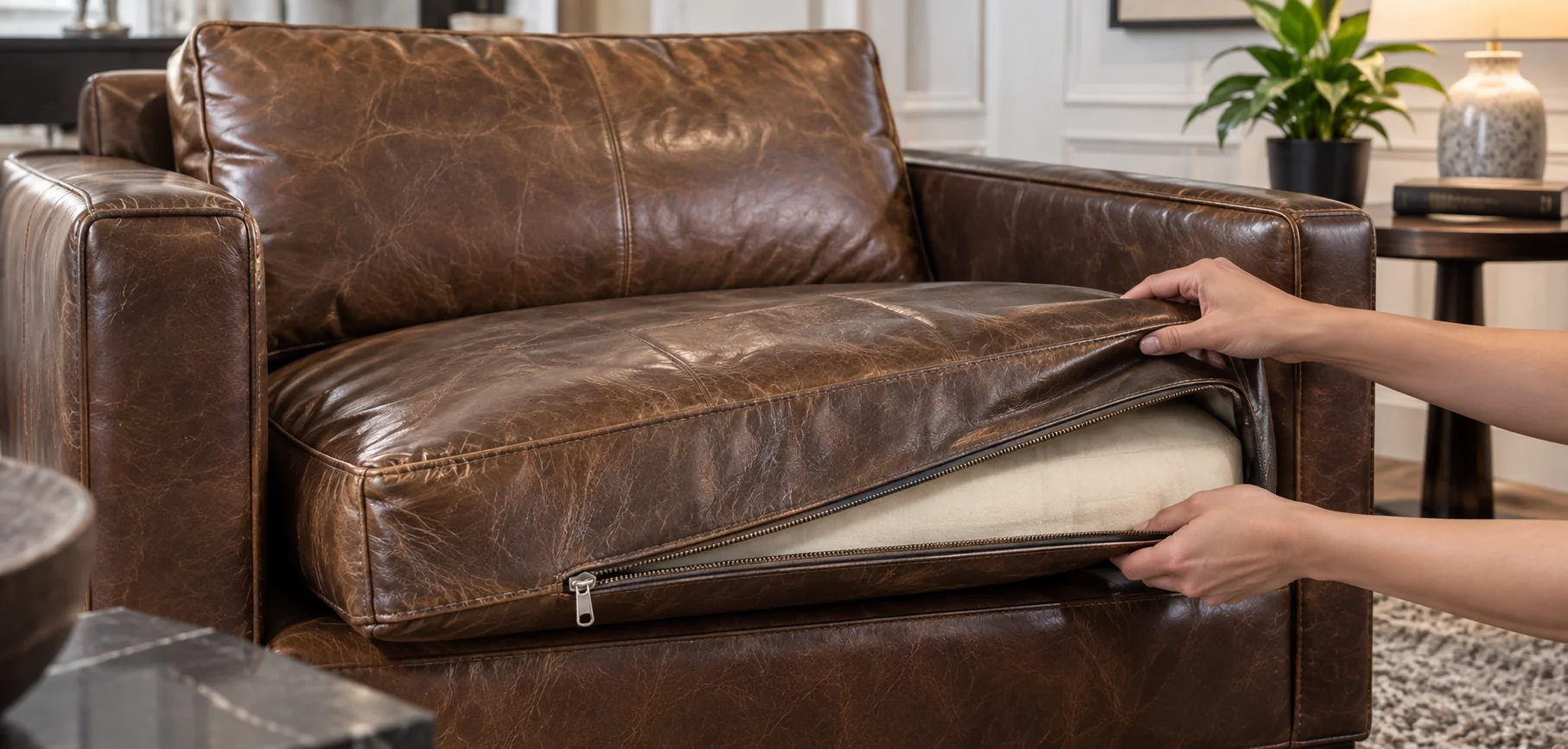
Refill
The cover and the core are both sound and the seat has simply gone soft. The zip is opened, the wrap renewed or added to, and the same cover closed over it.
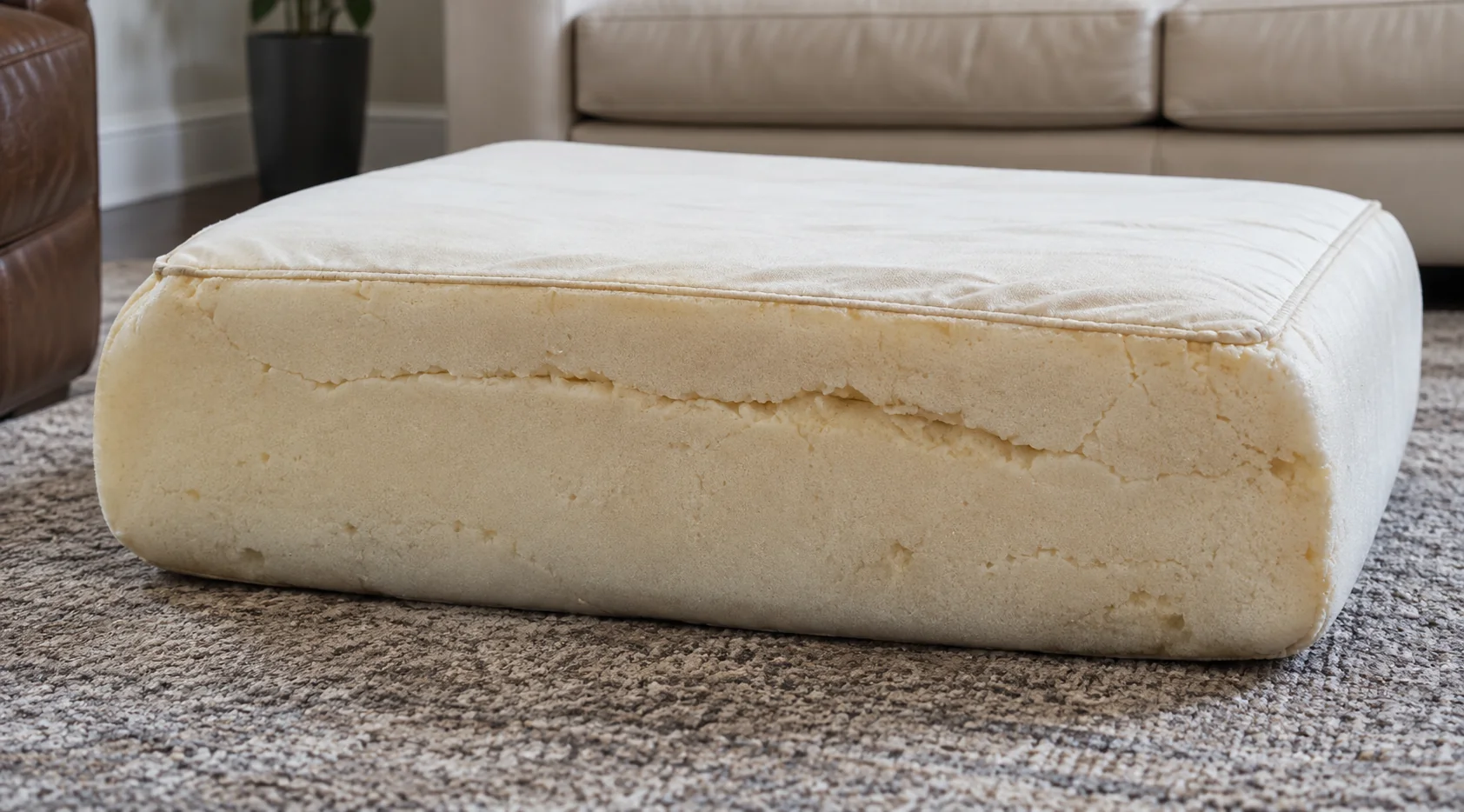
Replace
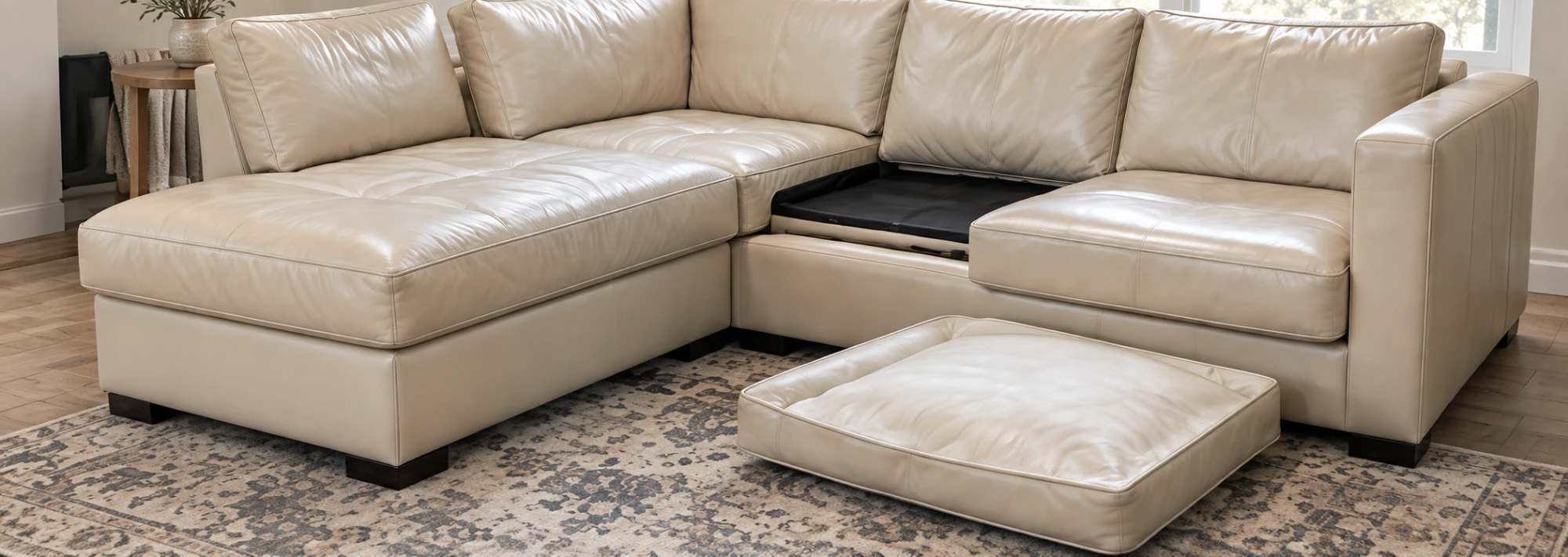
The cover is good, the core is not. A new core is cut to the cover you already own, in the grade you choose rather than the one it shipped with.
Rebuild
Nothing inside is worth keeping and the cover has stretched past closing. New core, new wrap, and the cover re-cut so it sits tight again.
Measurements and the perfect fit
Every couch cushion foam replacement is measured on the piece it belongs to. Width, depth and height come first, then the details that decide whether a finished cushion looks like it was always there.
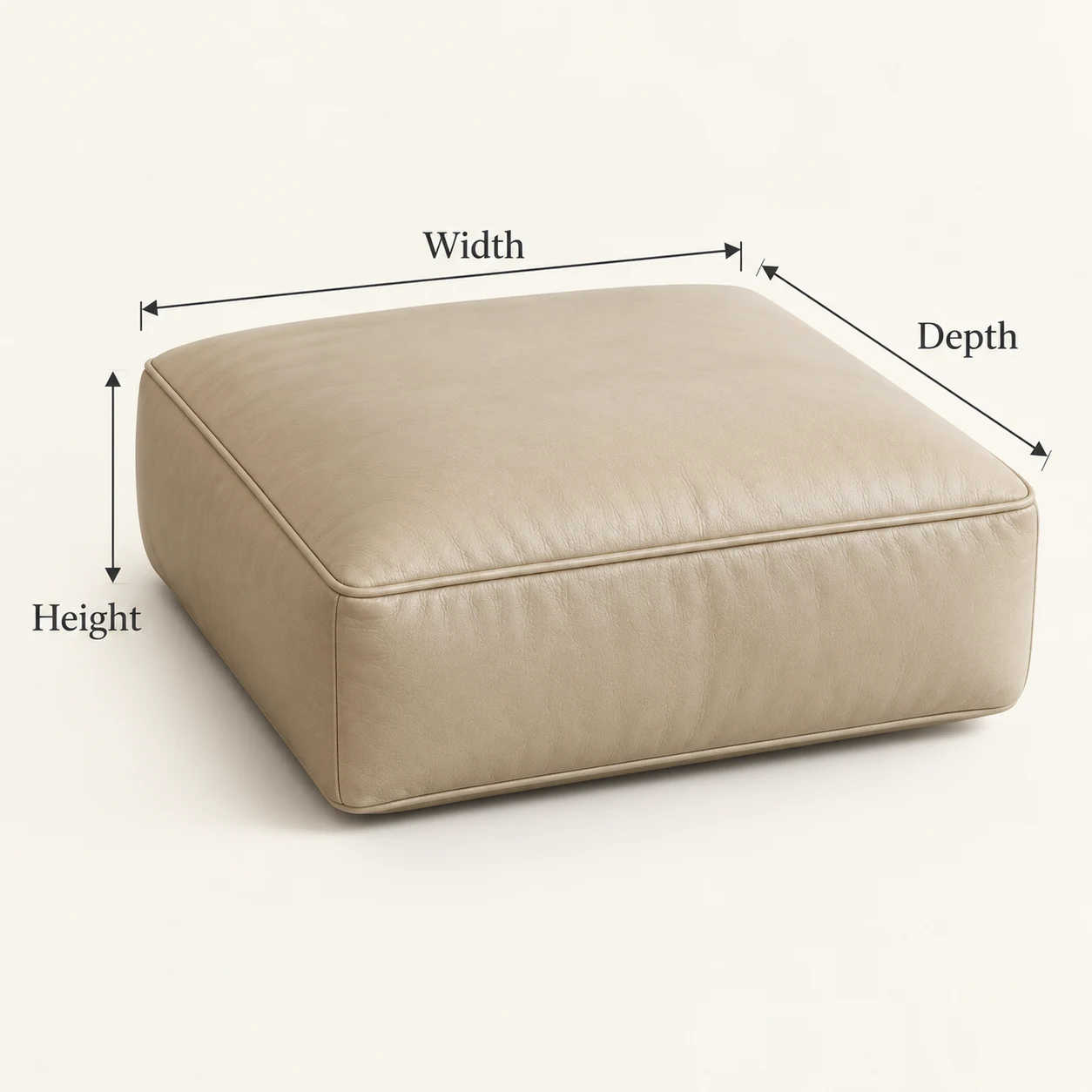
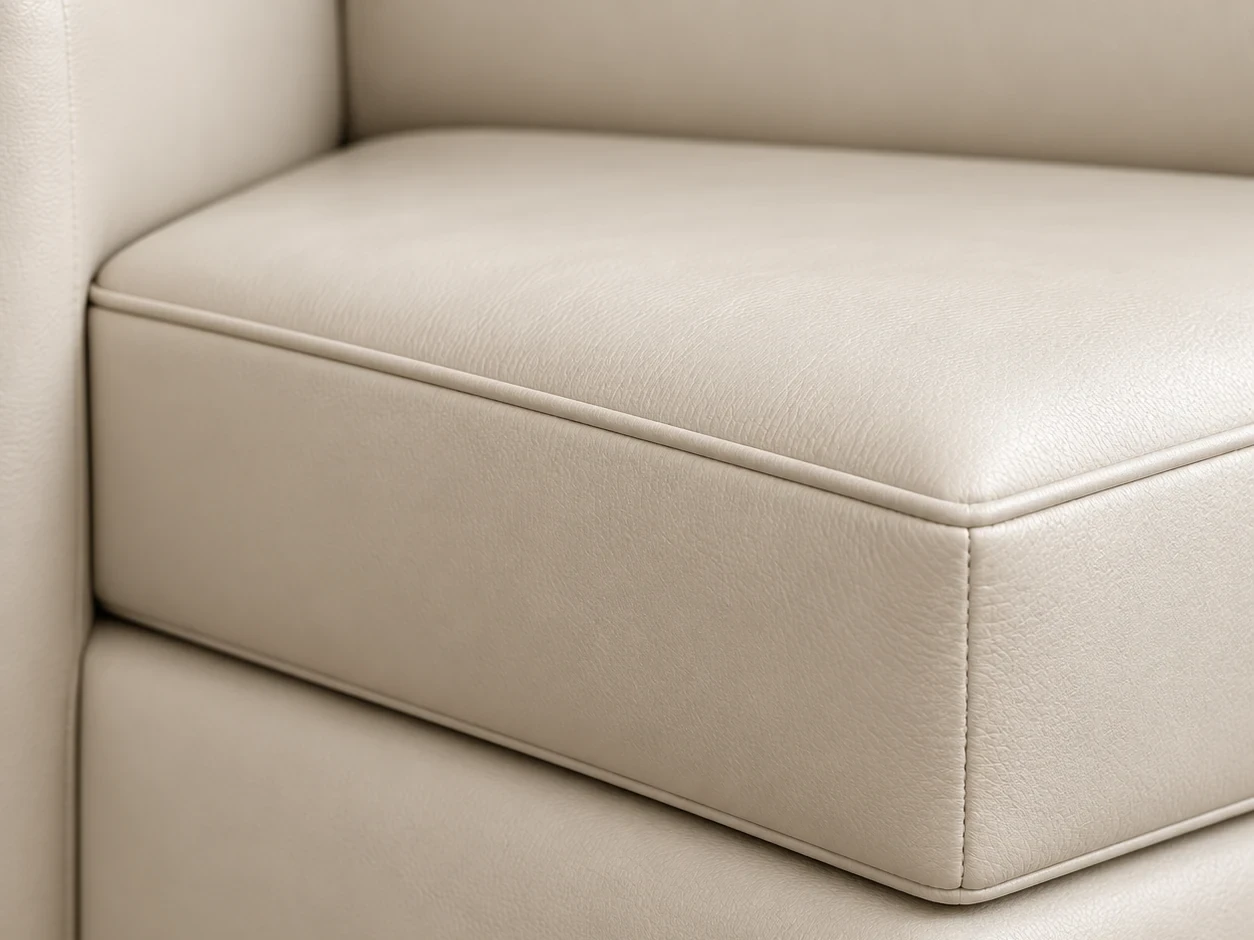
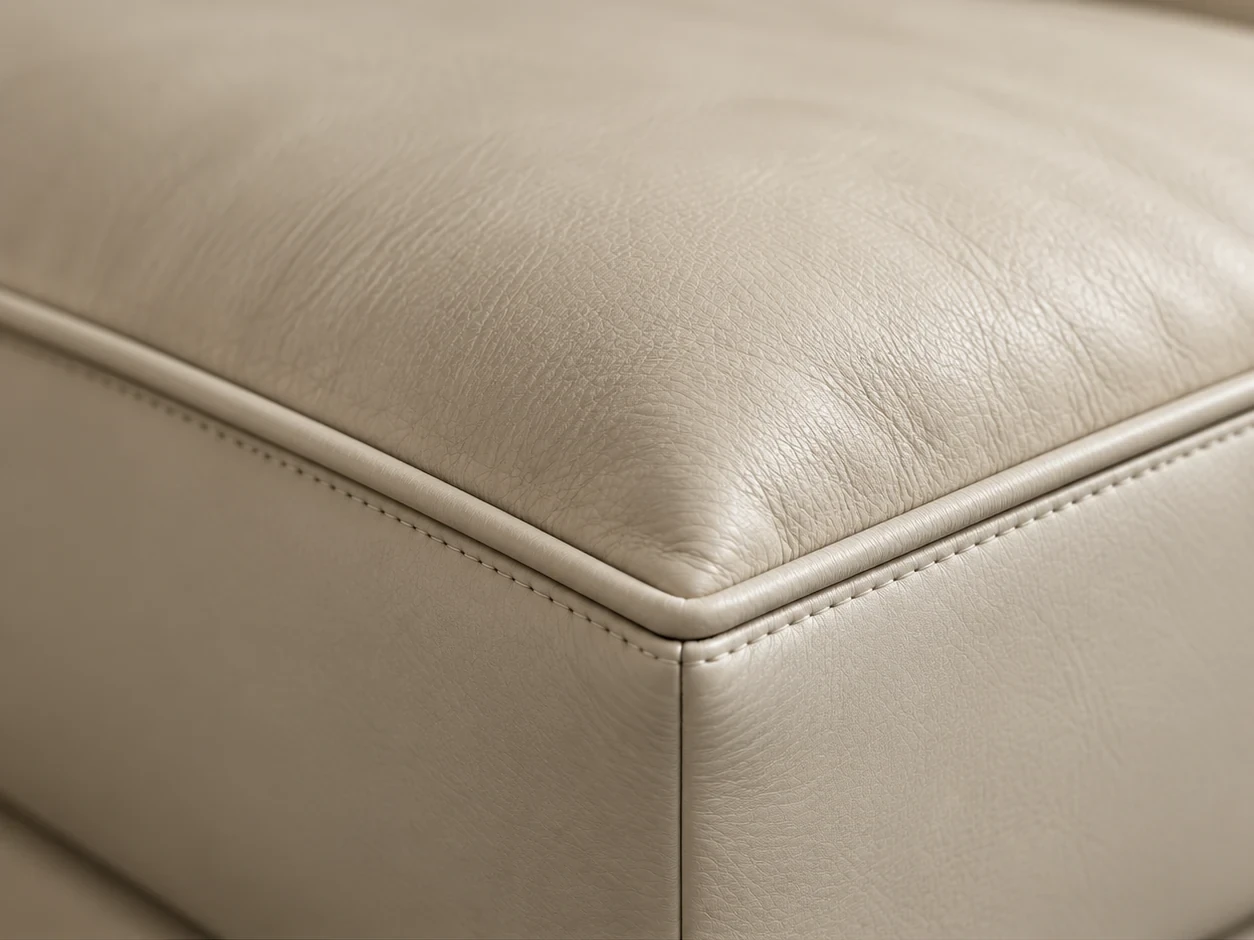
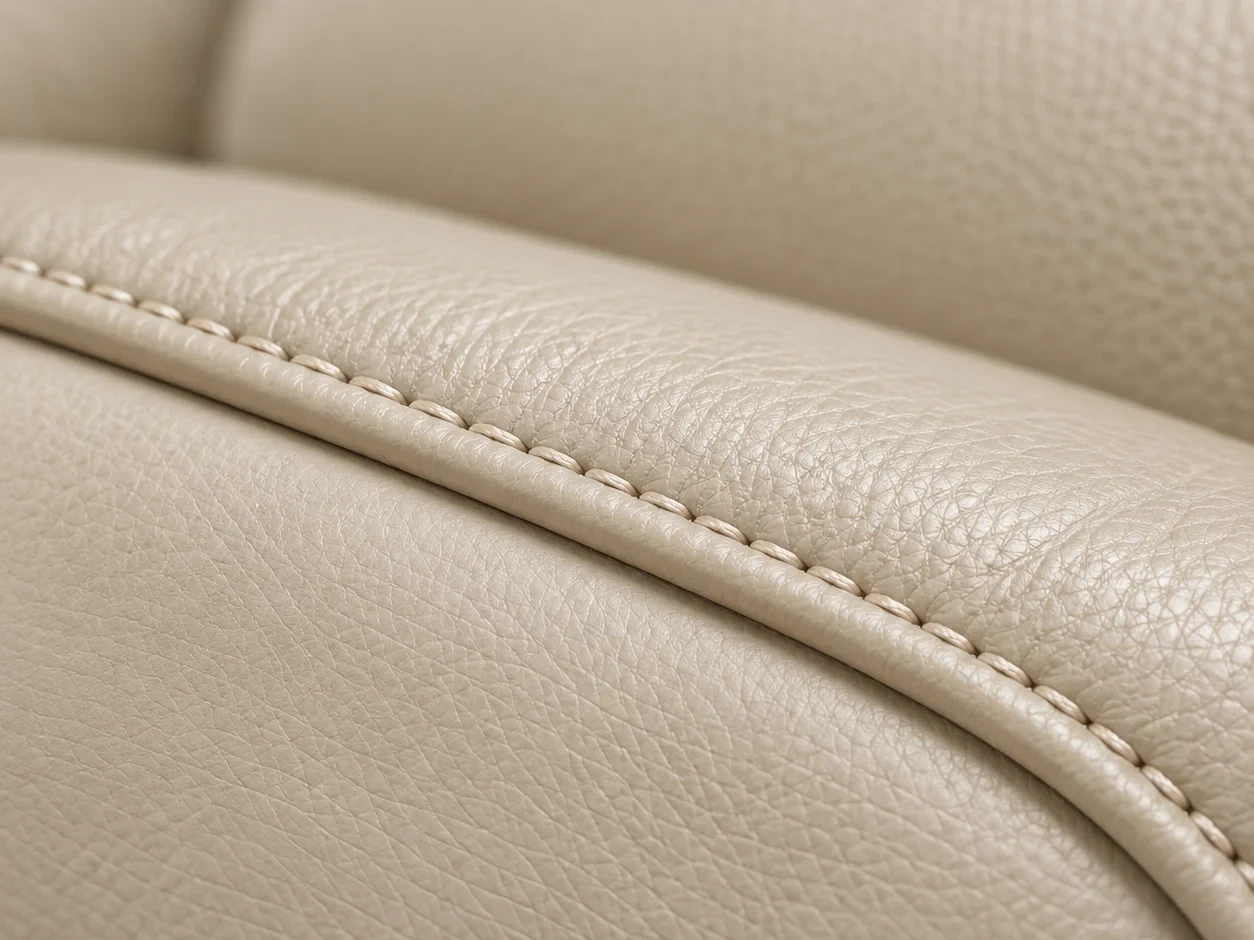
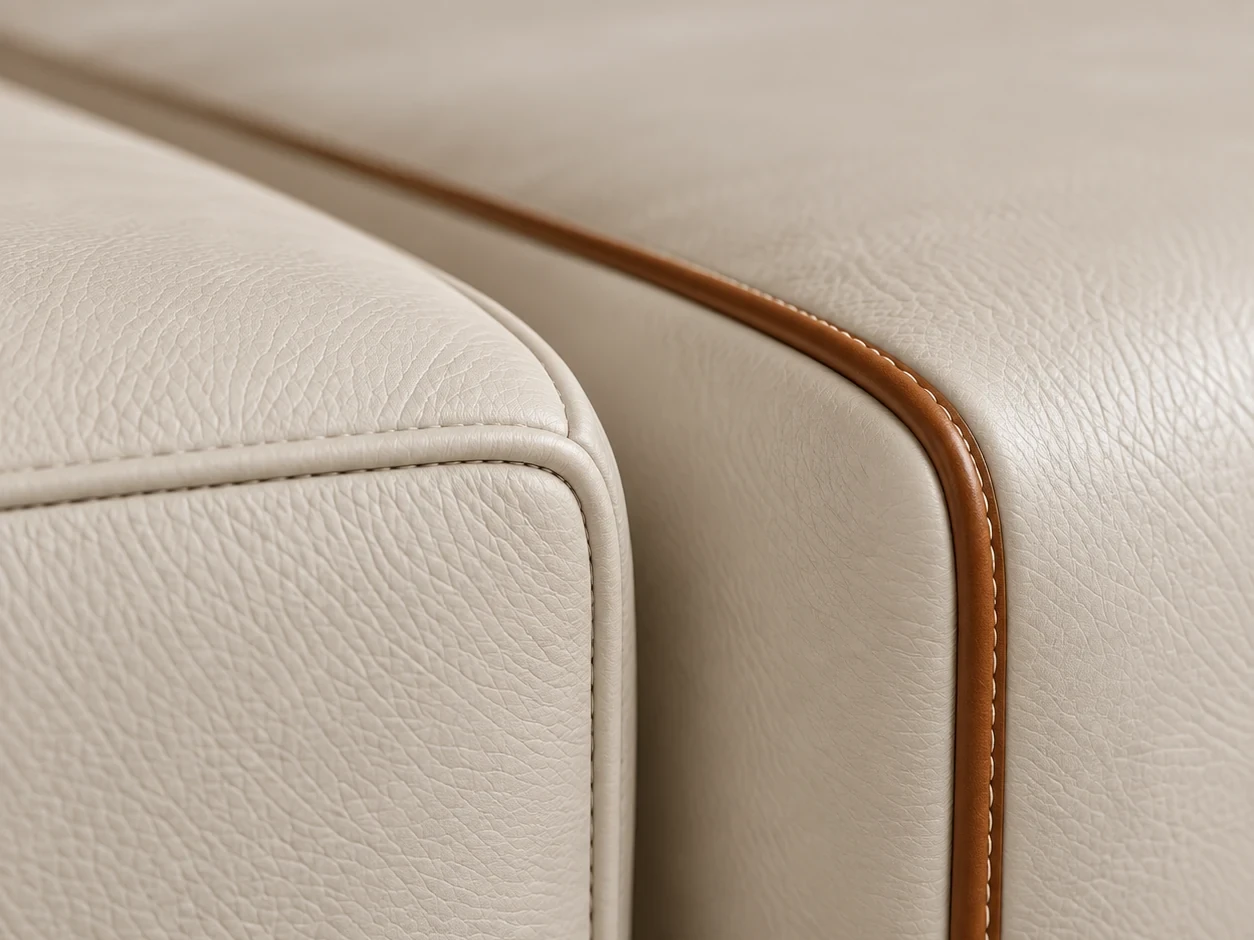
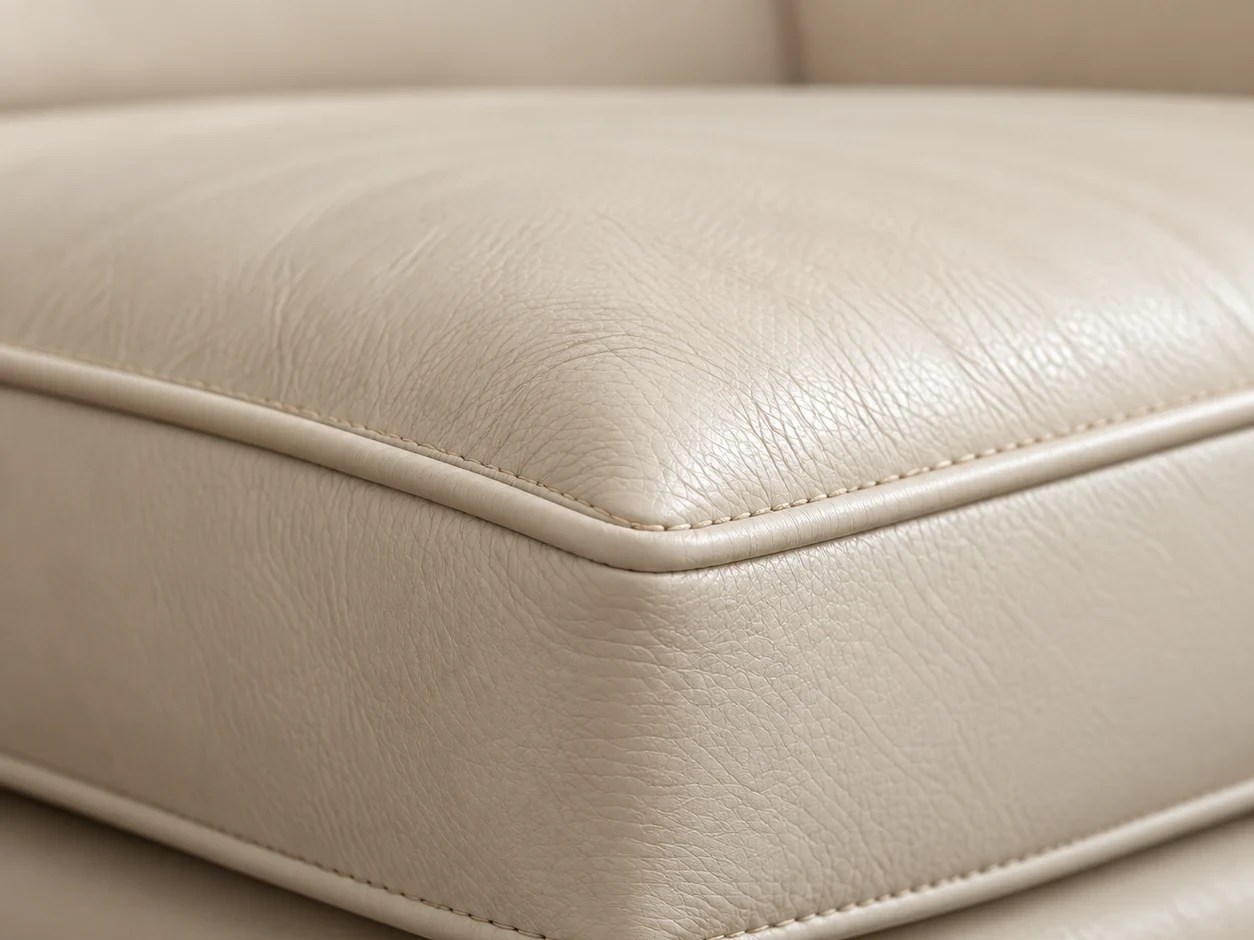
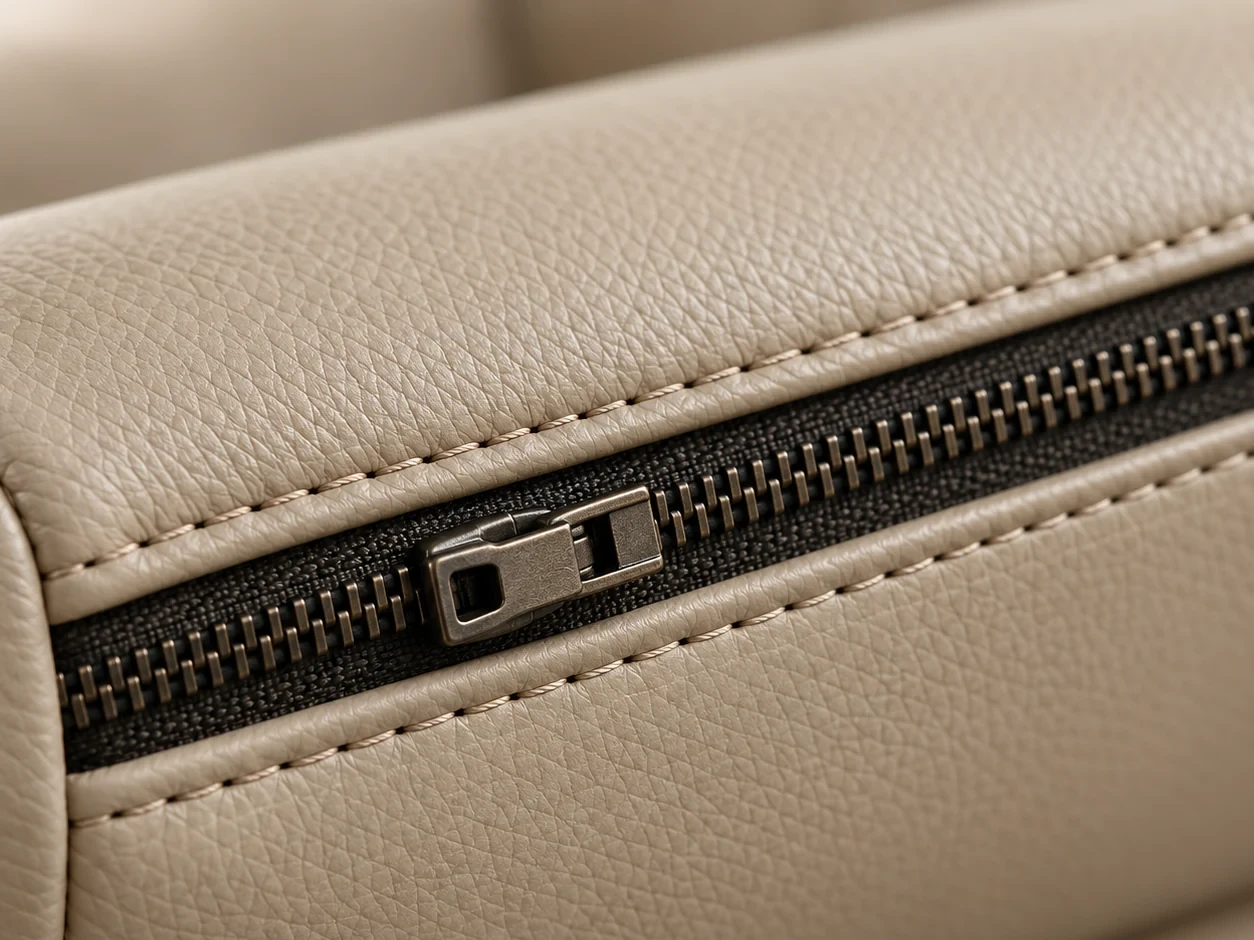
Boxing depth, corner profile, piping, seam allowance and where the zip sits are all copied from the cushion you hand over. A new core in an old cover only looks right if those six things go back unchanged — which is why the old cover is measured before it is opened.
Shapes that are not rectangles — wedges, chaise pads, curved returns on a sectional — are templated rather than measured. More on that under custom cushions.
Four couches that kept their leather
Four different problems underneath. In each one the leather on the outside is the leather the owner already had.
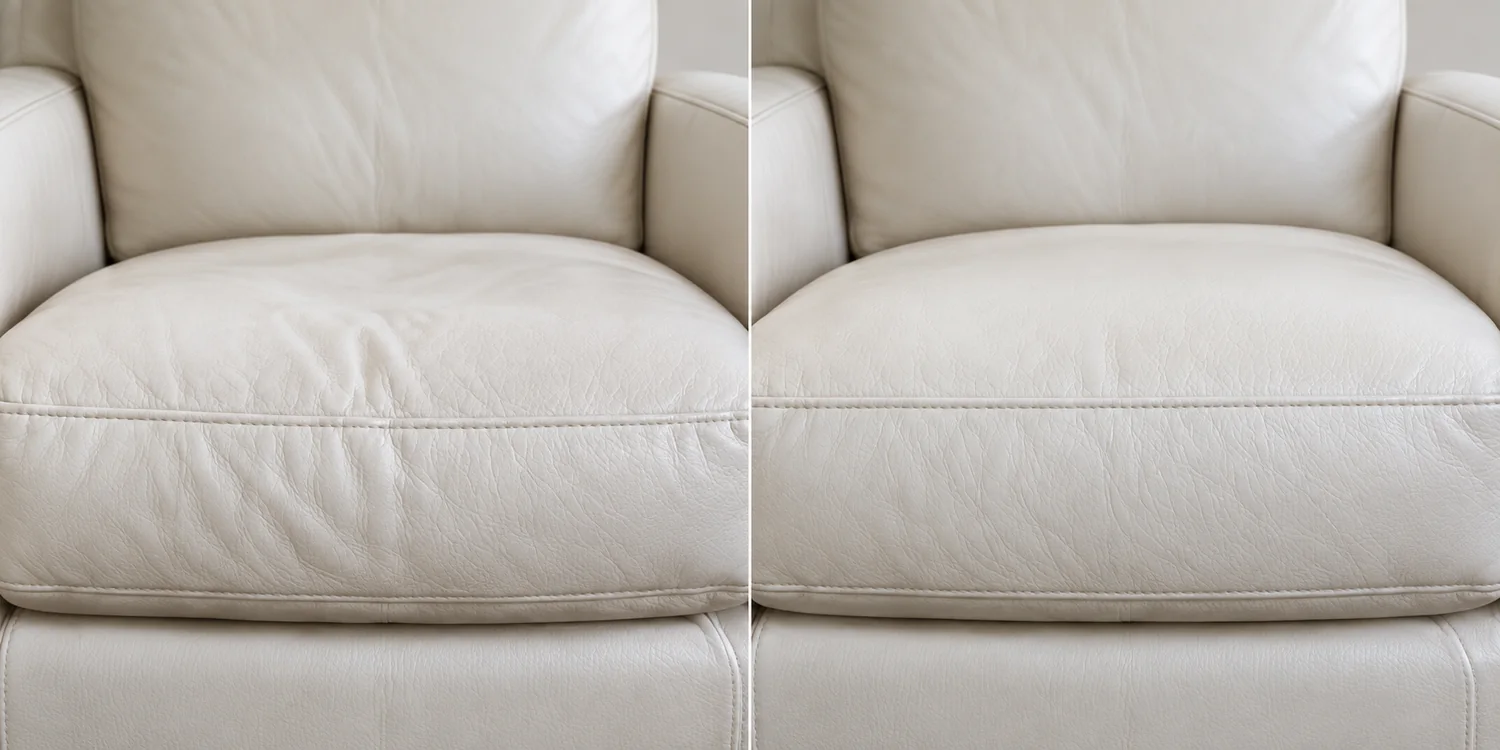
Cream seat, refilled
Wrap renewed, original cover closed back over it.
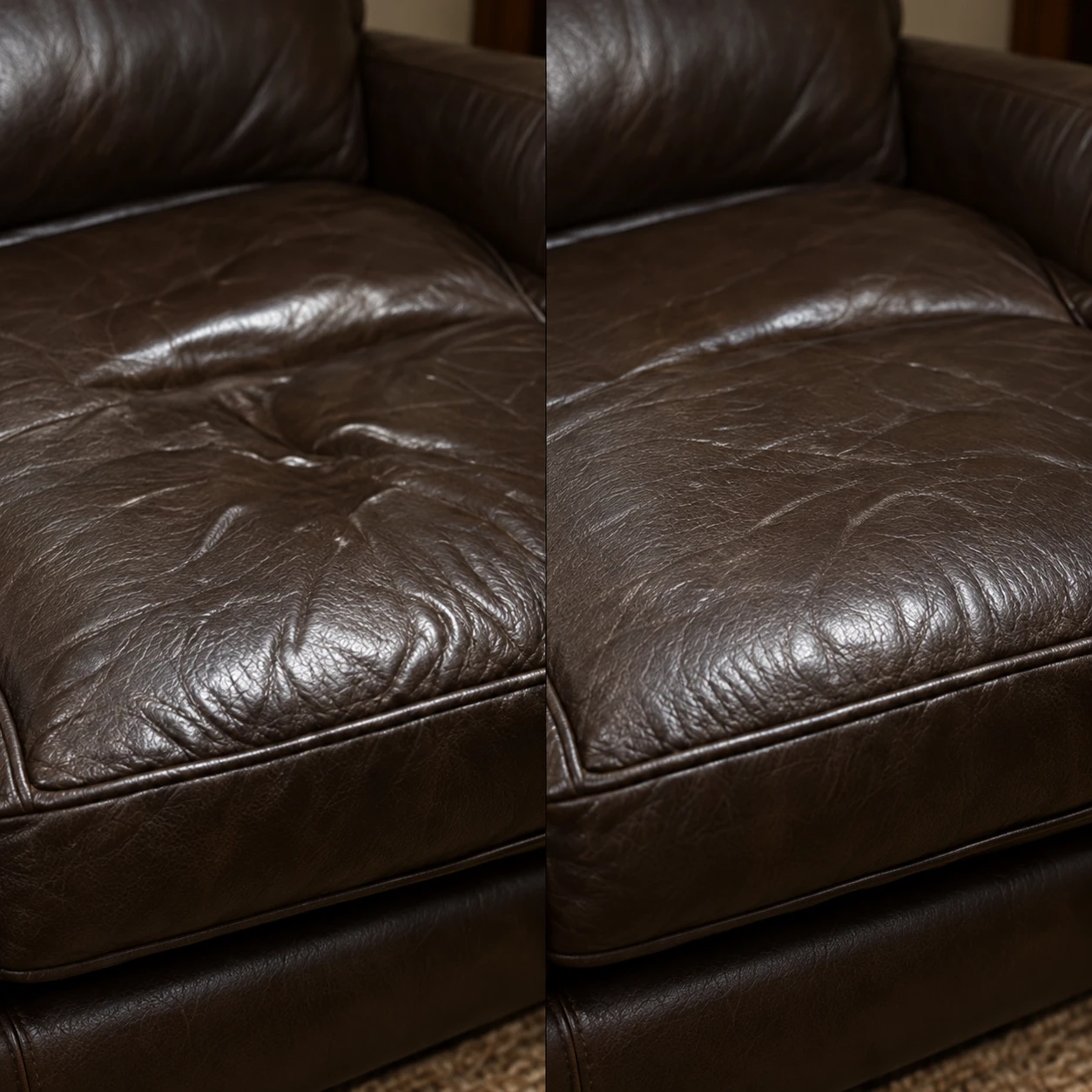
Dark brown seat, new core
Dented through the middle, replaced in a firmer grade.
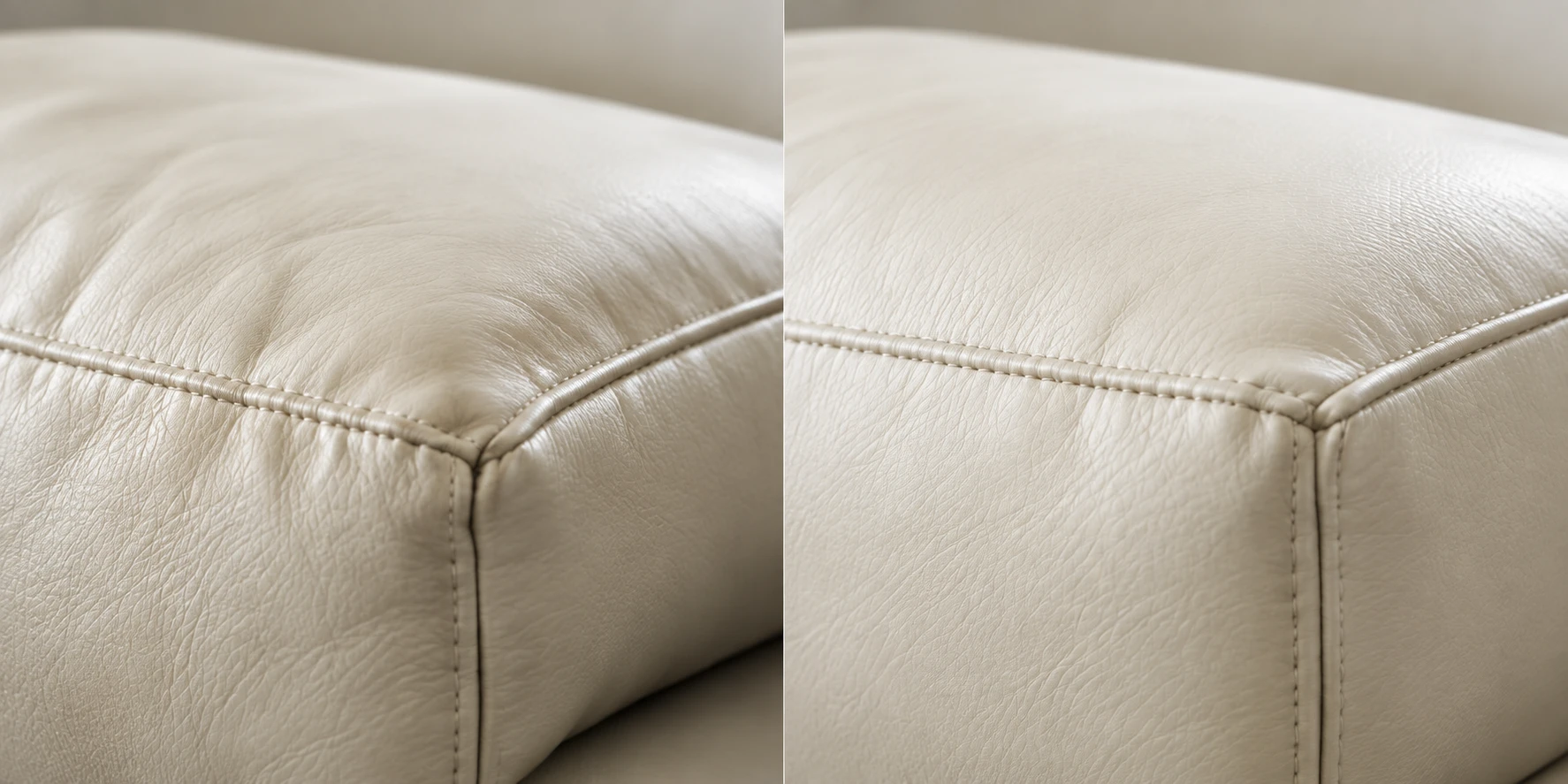
Ivory box cushion, corner rebuilt
The front corner had collapsed inward; new core, squared again.
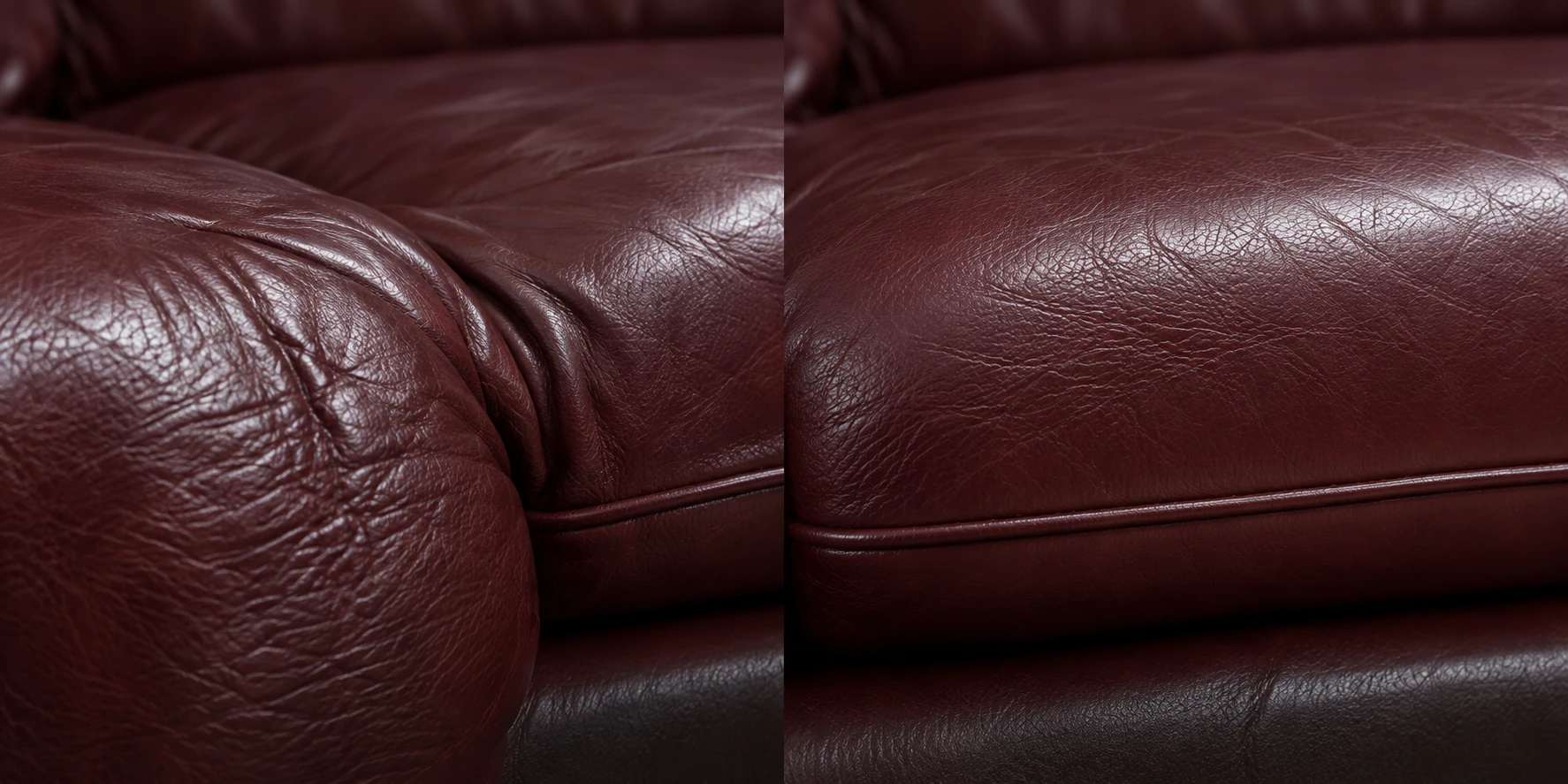
Burgundy sofa, front edge
The folded-over front roll built back up to height.
Cushions travel. Couches do not.
In your home
Refills, zip changes and cover repairs are done on site where the cushions come off the piece. Nothing is dismantled and the sofa stays usable that evening.
Attached cushions and fixed seats are always worked in place, because taking them off is the reupholstery job rather than this one.
In the workshop
New cores, re-cut covers and anything templated go to the bench in Brooklyn. In a workshop couch cushion foam replacement only the cushions travel — the couch stays where it is.
Collection and return are ours to arrange: see pickup and delivery. We cover New York City, Brooklyn and nearby New Jersey.
Other pieces in the room
The same seats fail on leather sofas, sectionals, loveseats, chairs and ottomans.
More than one piece
Lobbies, lounges and staff rooms are quoted as a run rather than per cushion — see bulk projects.
Asked Before Every Couch Cushion Foam Replacement
If I only redo the seat I actually use, will it stand out?
It will if it is built to the original specification, because the cushions either side of it are years further on. A single replacement is made slightly softer than factory so it settles level with its neighbours rather than standing proud of them. That is a judgement made with the other cushions in front of us.
Can I have it firmer than it was originally?
Yes, and this is the most common request we get. Firmer is easier to stand up out of and holds its shape longer; softer suits a couch people lie along. You can also go firmer on one end and softer on the other if that is how the room is used.
What if my couch is a sectional, or has a chaise?
Wedges, chaise pads and curved returns are templated from the existing cushion rather than measured off a tape, because the angles rarely repeat. It adds a step at the start and nothing after that.
Is this worth doing, or should I just buy a new couch?
Look at the frame and the leather. If the frame is solid and the hide still has color and flex, the couch has years left and only the fill has expired. If the frame creaks or the leather is cracking through, you are buying a new sofa either way and the fill is not the question.
Can you match the leather if one cover has to be replaced?
Matching a new hide to a cover that has aged in your light is the hard part of couch cushion foam replacement, and it is judged in the room rather than under a workshop lamp. Where a match cannot be made honestly we say so and recommend recovering the seats as a set.

Send a photo of the seat, straight on.
One picture of the couch and one of the cushion on its own tells us whether this is a refill, a new core or a rebuild — and what it costs. Call (347) 310-7483 or send them over.