
Fix The Cover, Keep The Cushion
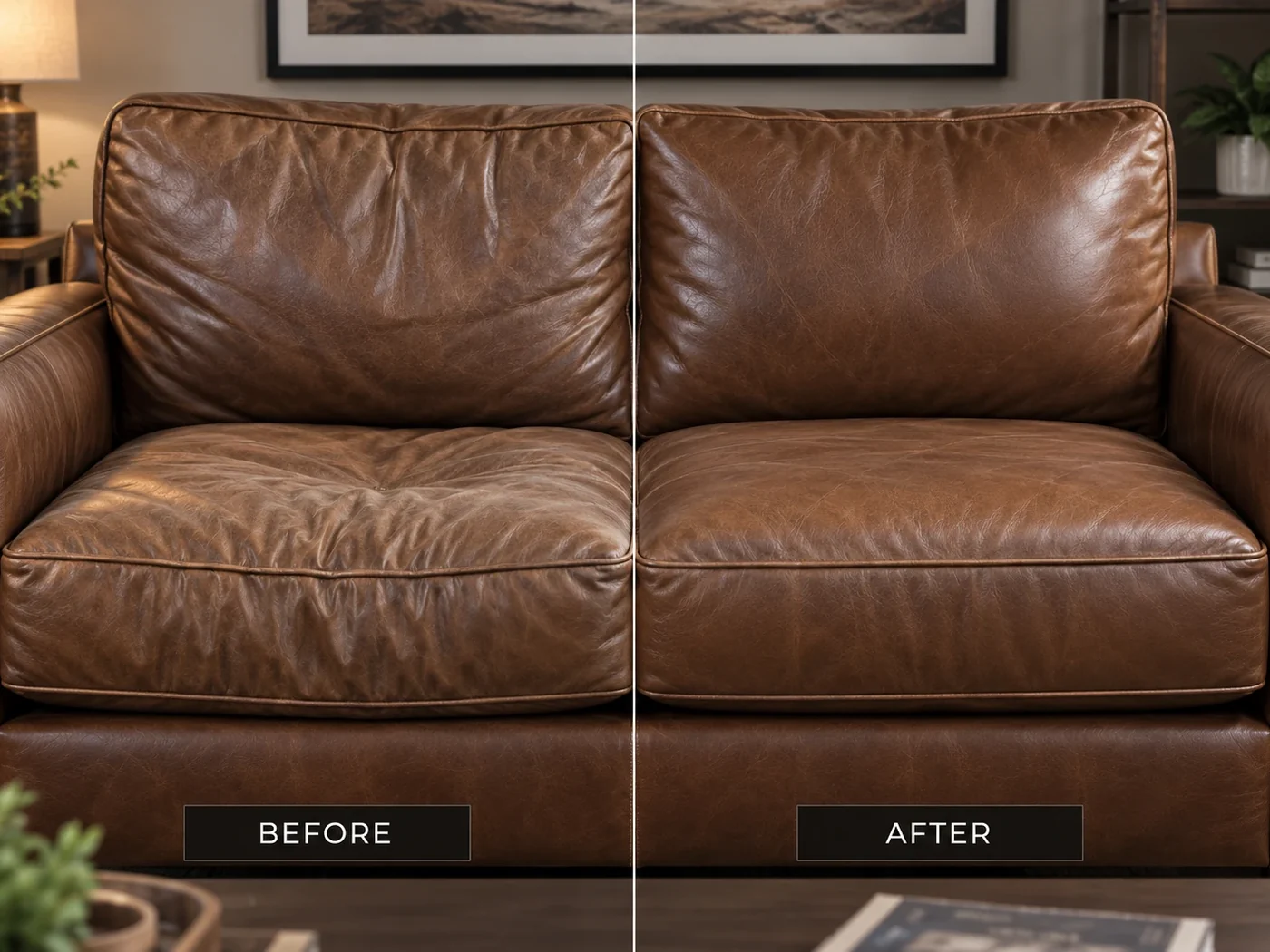
The cushions took the damage and the rest of the sofa is untouched. Leather cushion repair works on the outside of the cover — torn, scuffed, cracked, flaking or faded — and leaves the insert sealed inside where it is.
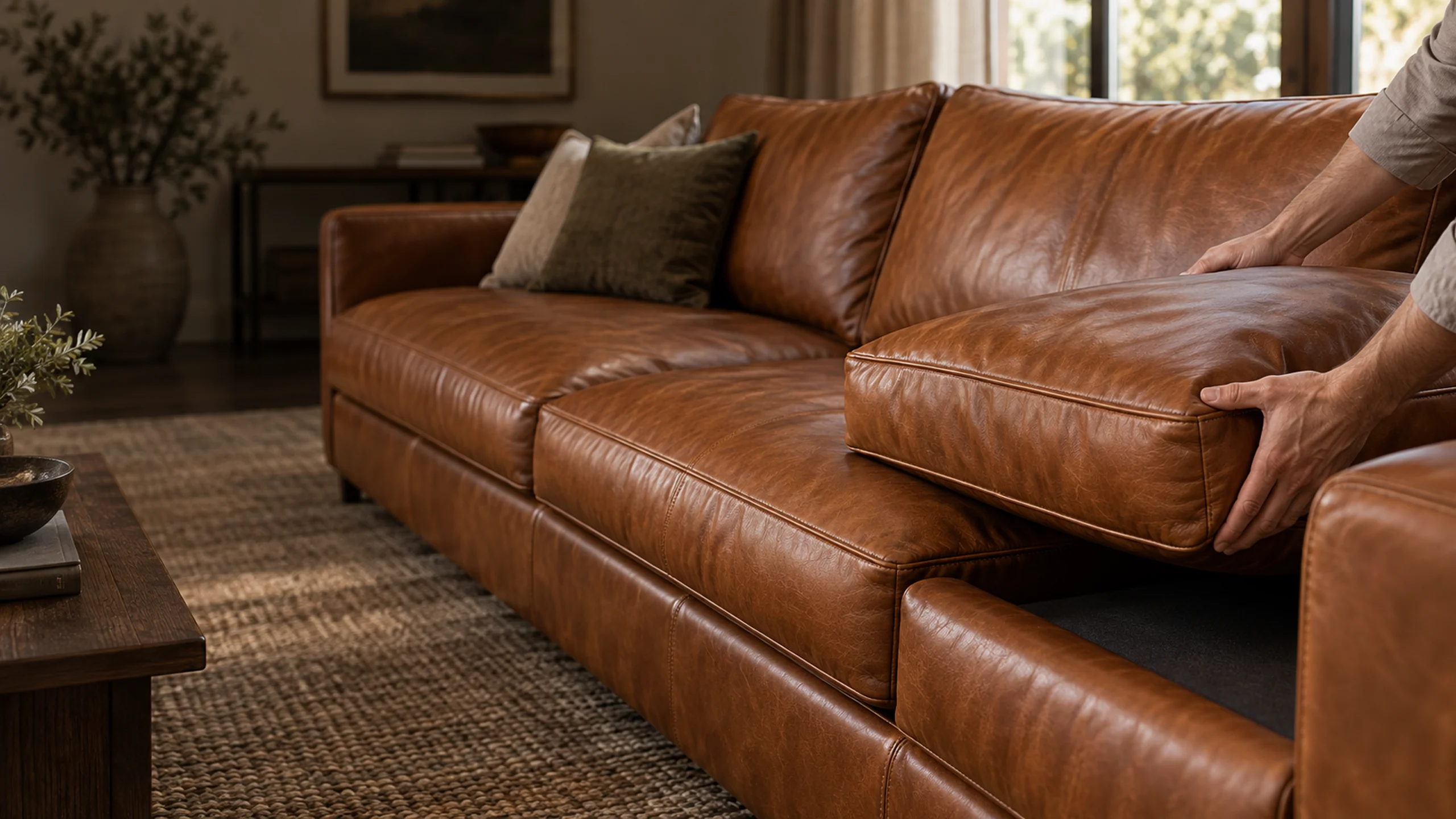
Press The Cushion Before You Call Anyone
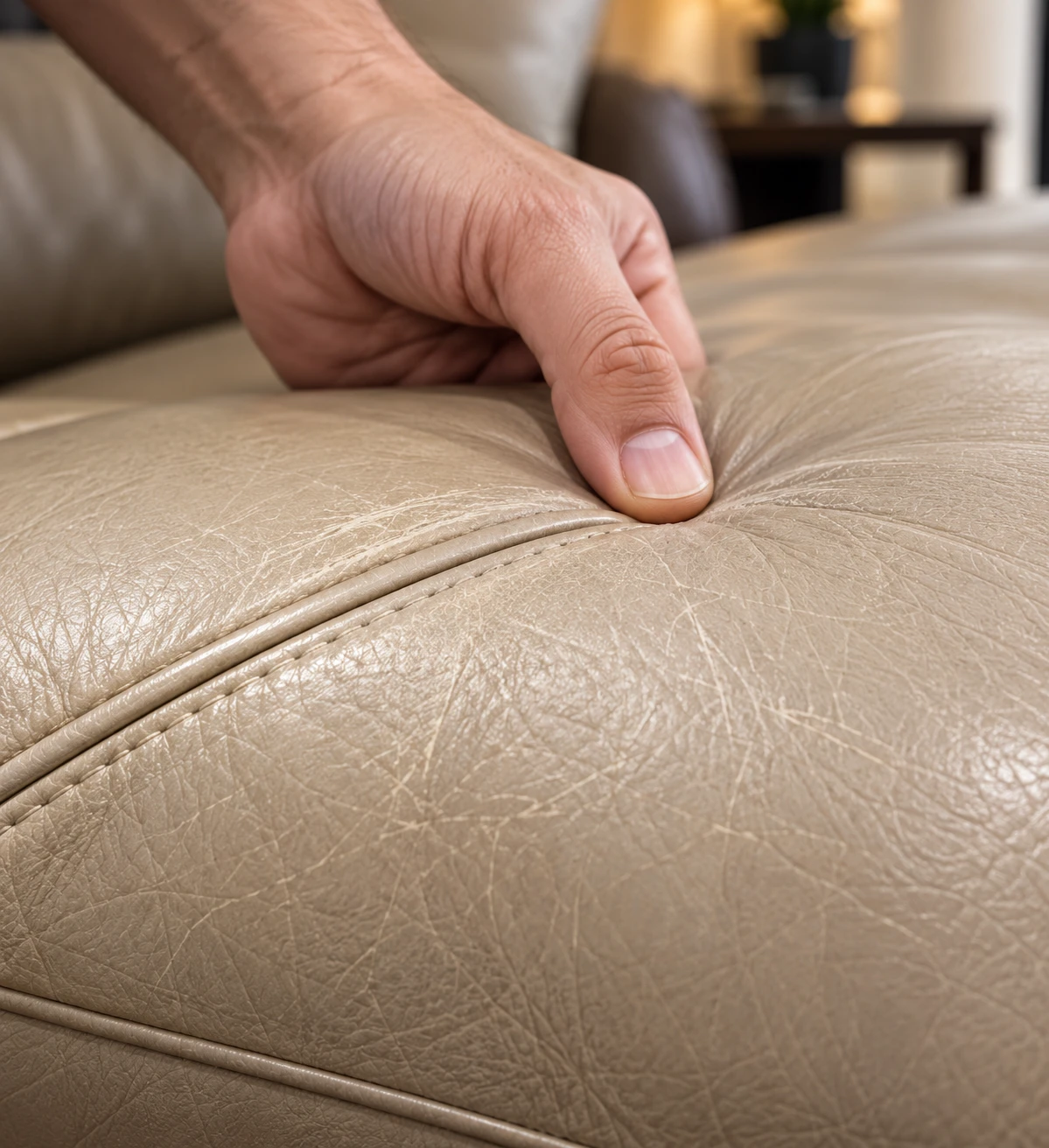
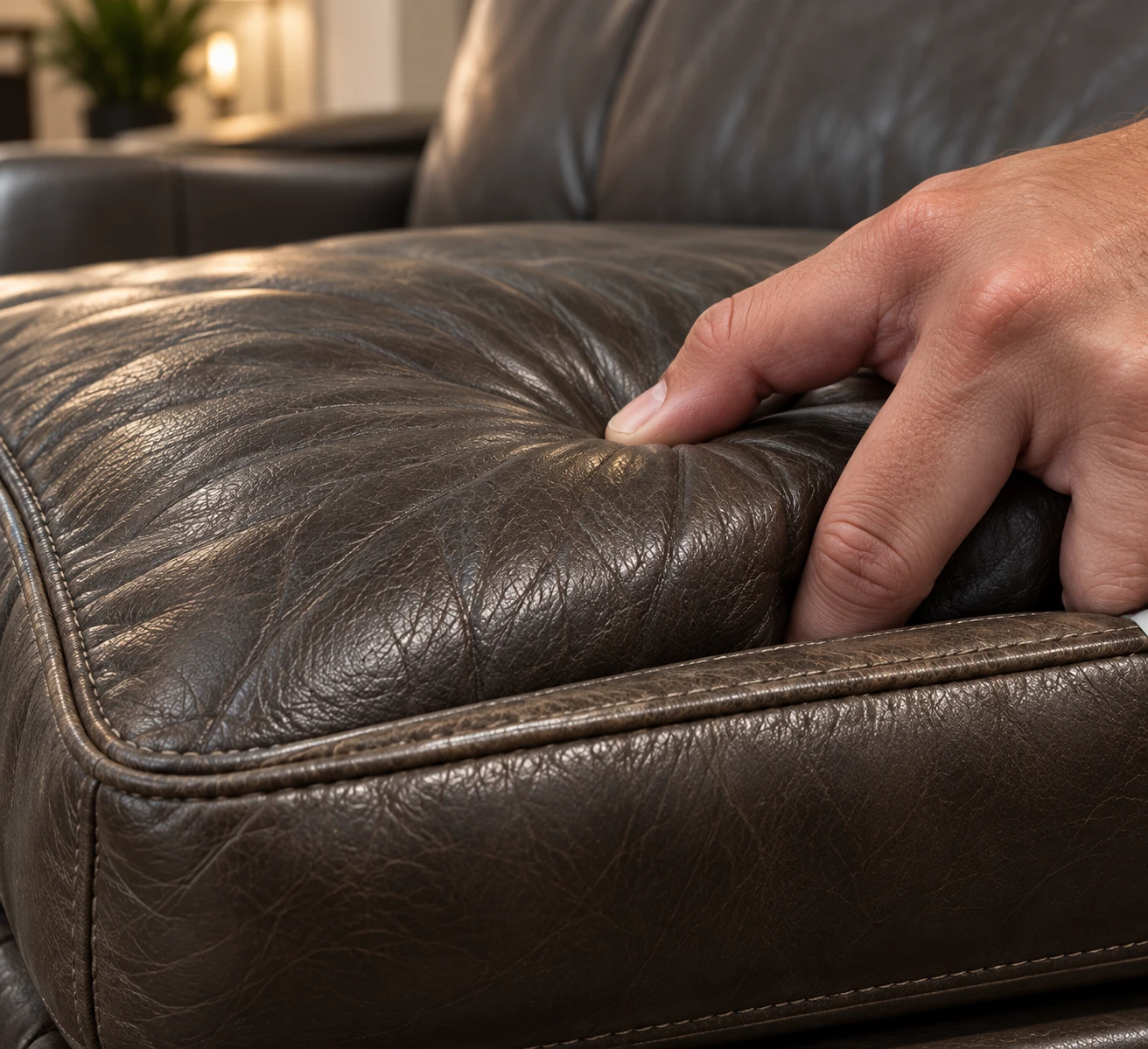
Push a flat palm into the middle of the seat, hold it for a second and lift off. What the cushion does next decides the whole job. Every leather cushion repair quote we write starts from that one answer, and you can get it yourself in the time it takes to read this.
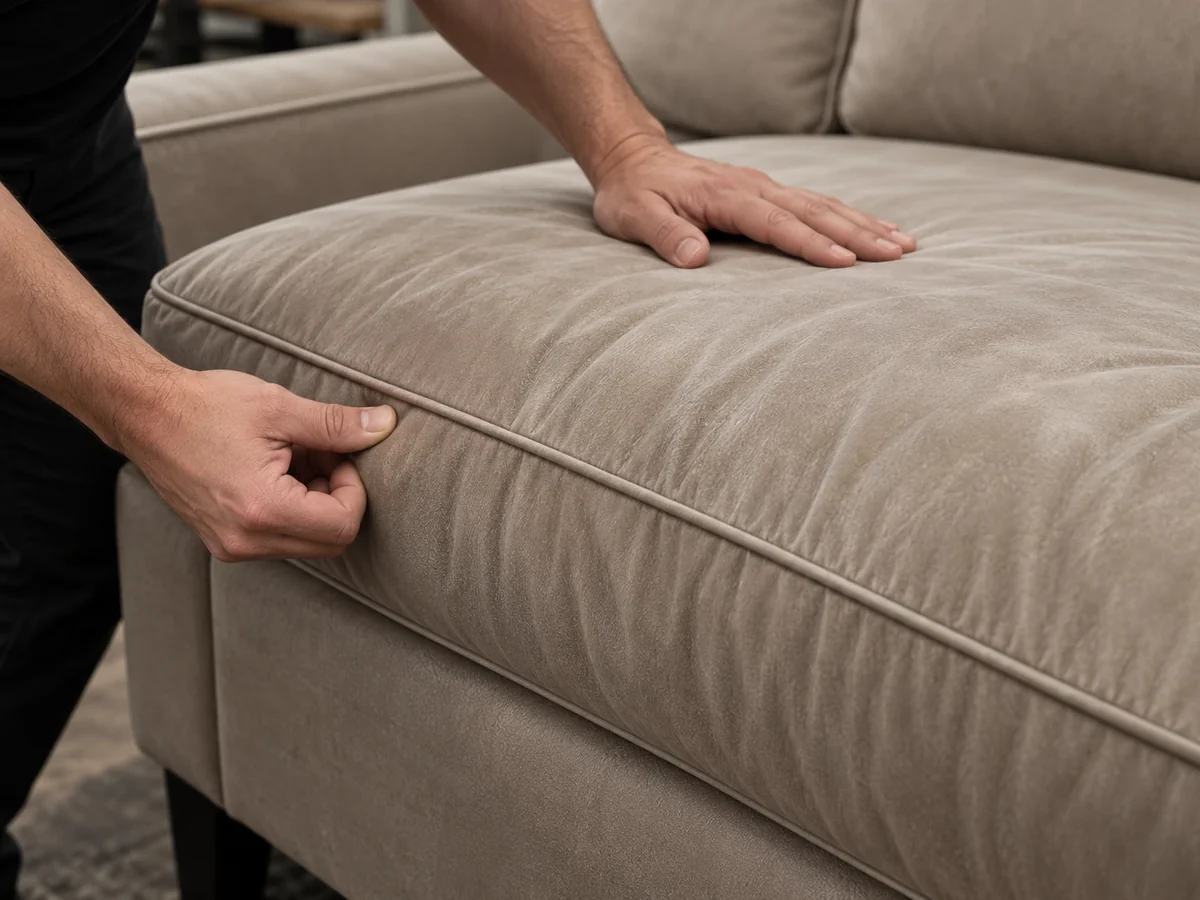
The core is alive. Everything you can see is on the surface of the cover, and that is a repair — the cushion never gets opened.
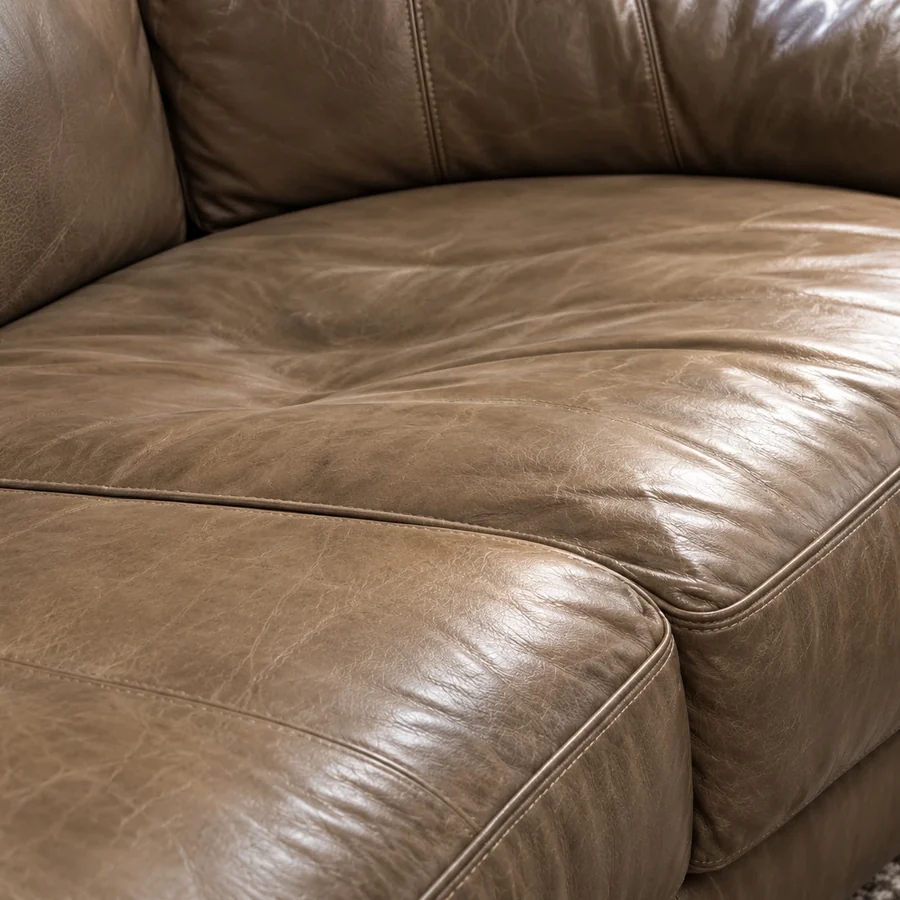
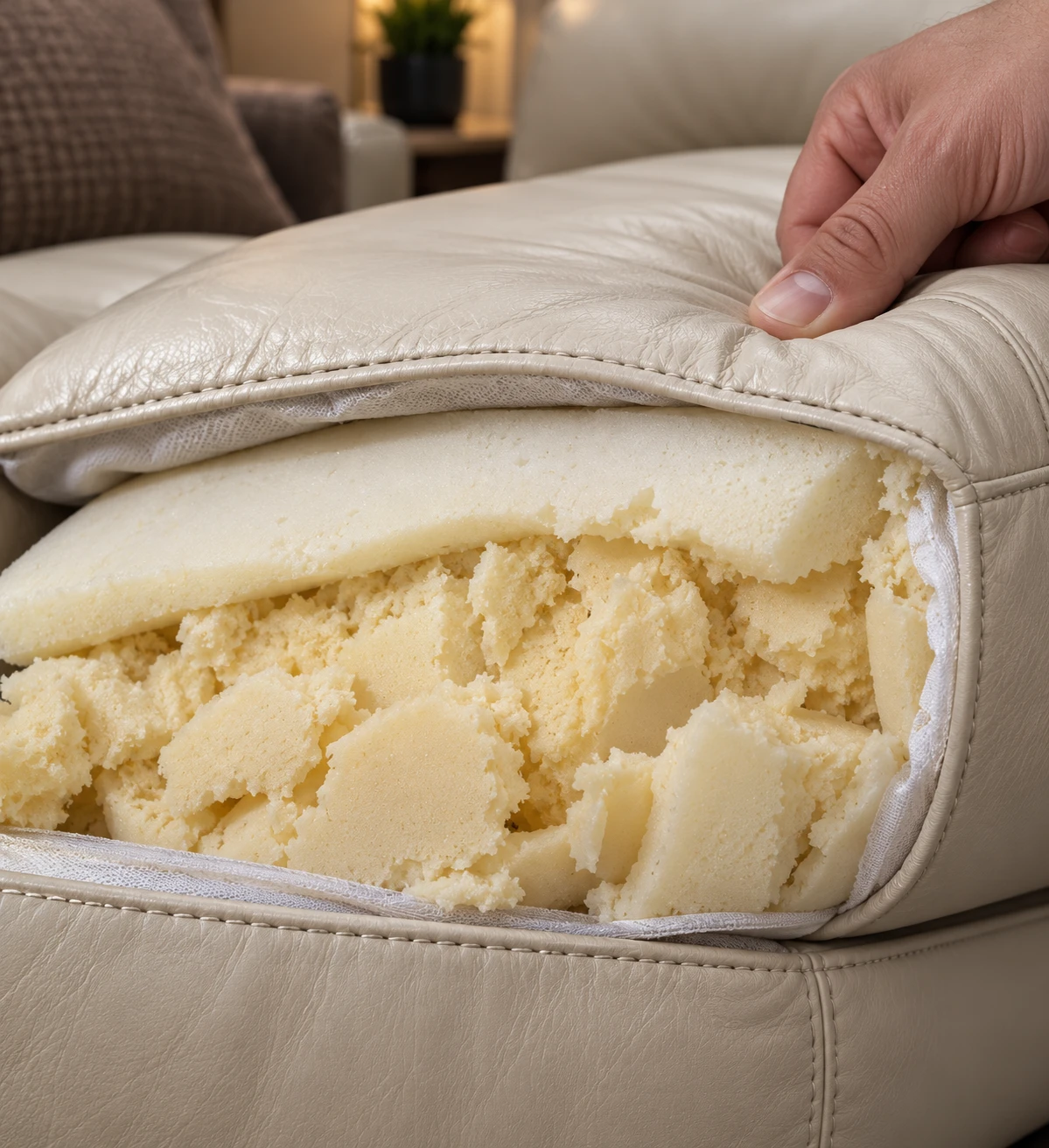
The filling is finished. New leather over dead foam still sits flat, so the honest answer is a new cushion insert instead.
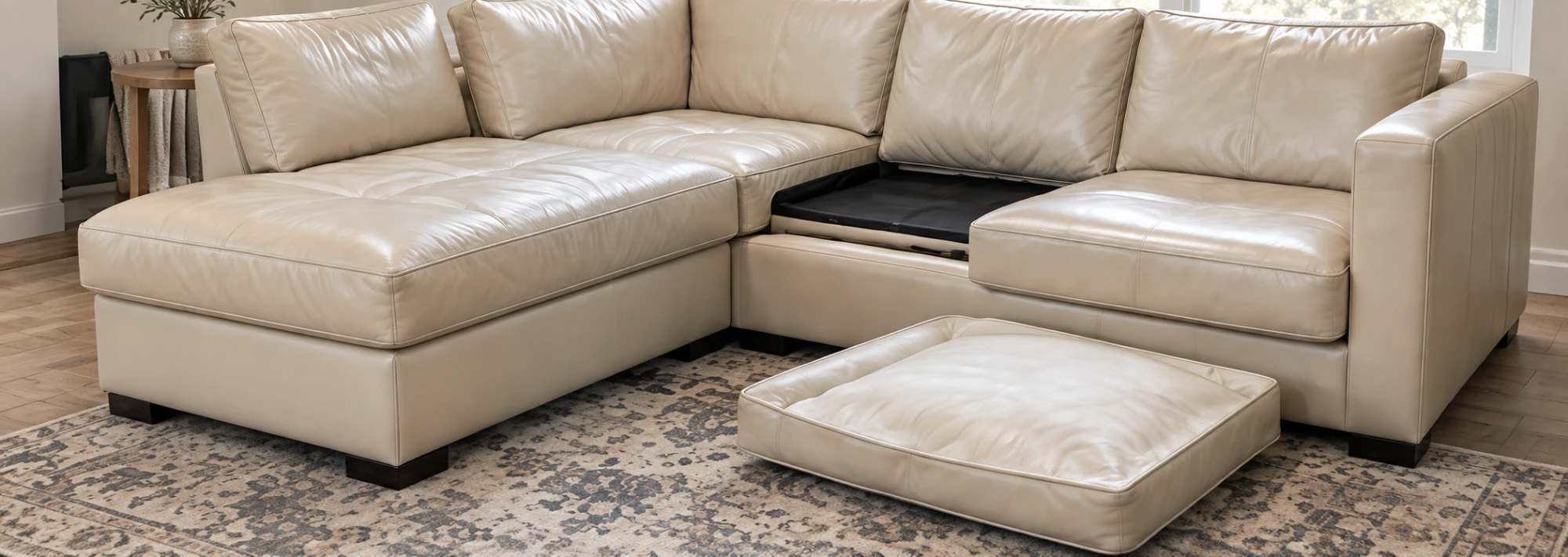
Repair One Cushion.
Keep The Furniture You Love.
A damaged cushion does not always mean replacing the whole sofa.
Choose The Repair Your Cushion Needs
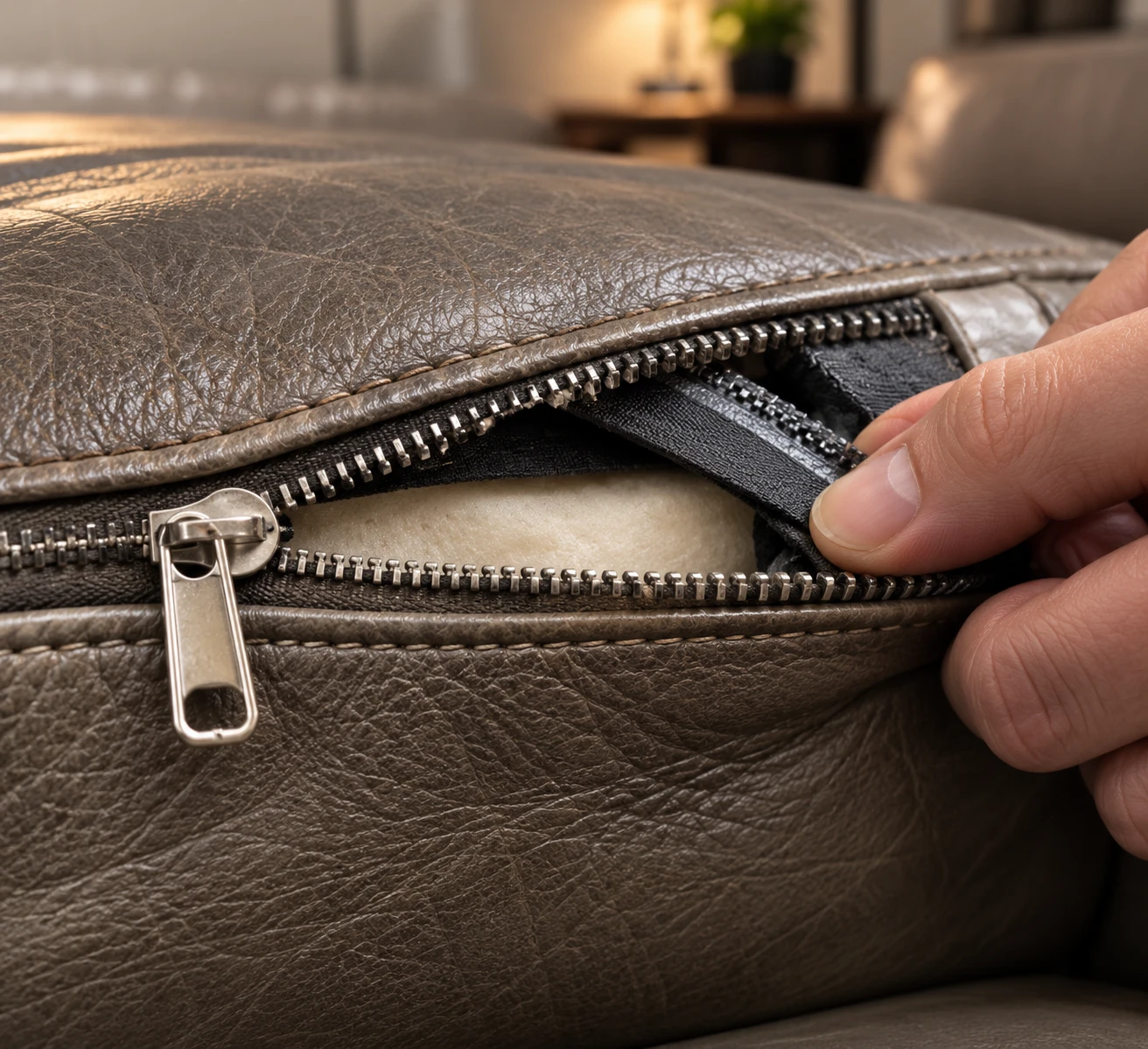
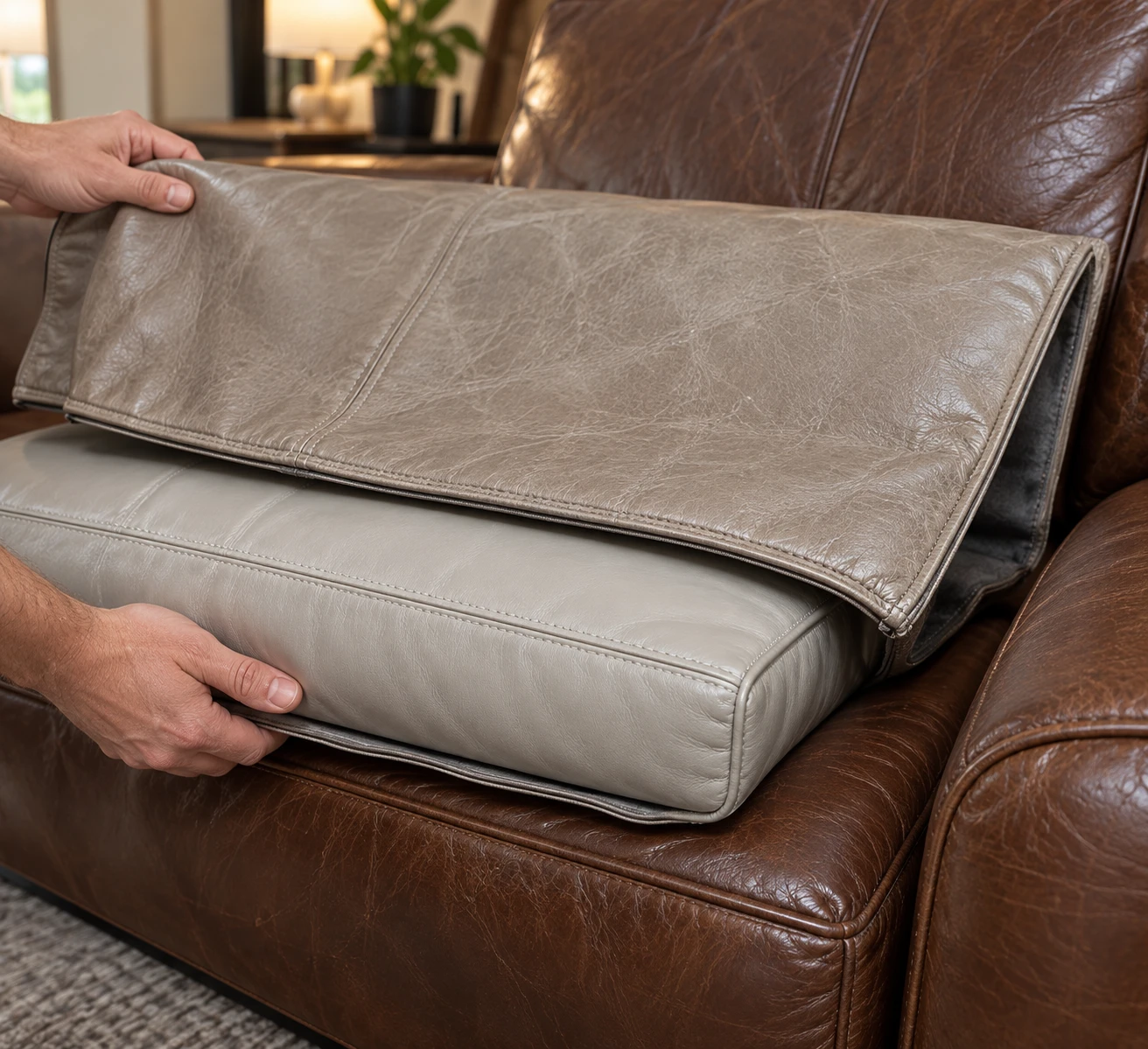
Four Moves On A Cushion That Never Gets Opened
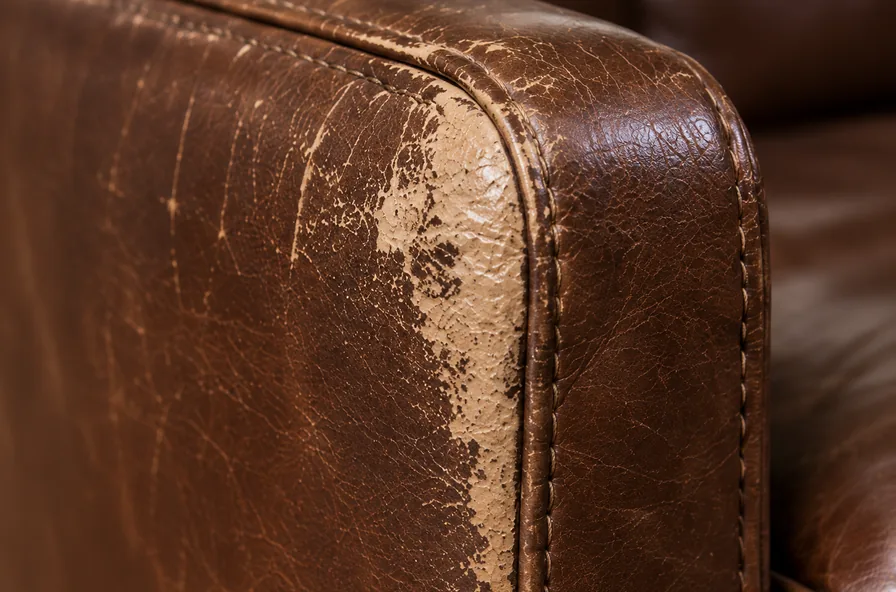
Every leather cushion repair runs these four moves. How much of each one a cushion needs depends on its finish. A pigmented hide takes colour readily; a semi-aniline needs a lighter hand, and a true aniline has almost no coating to work into at all. If the cushion is sound and only the colour has gone, move three is the whole job and it is booked as colour restoration.
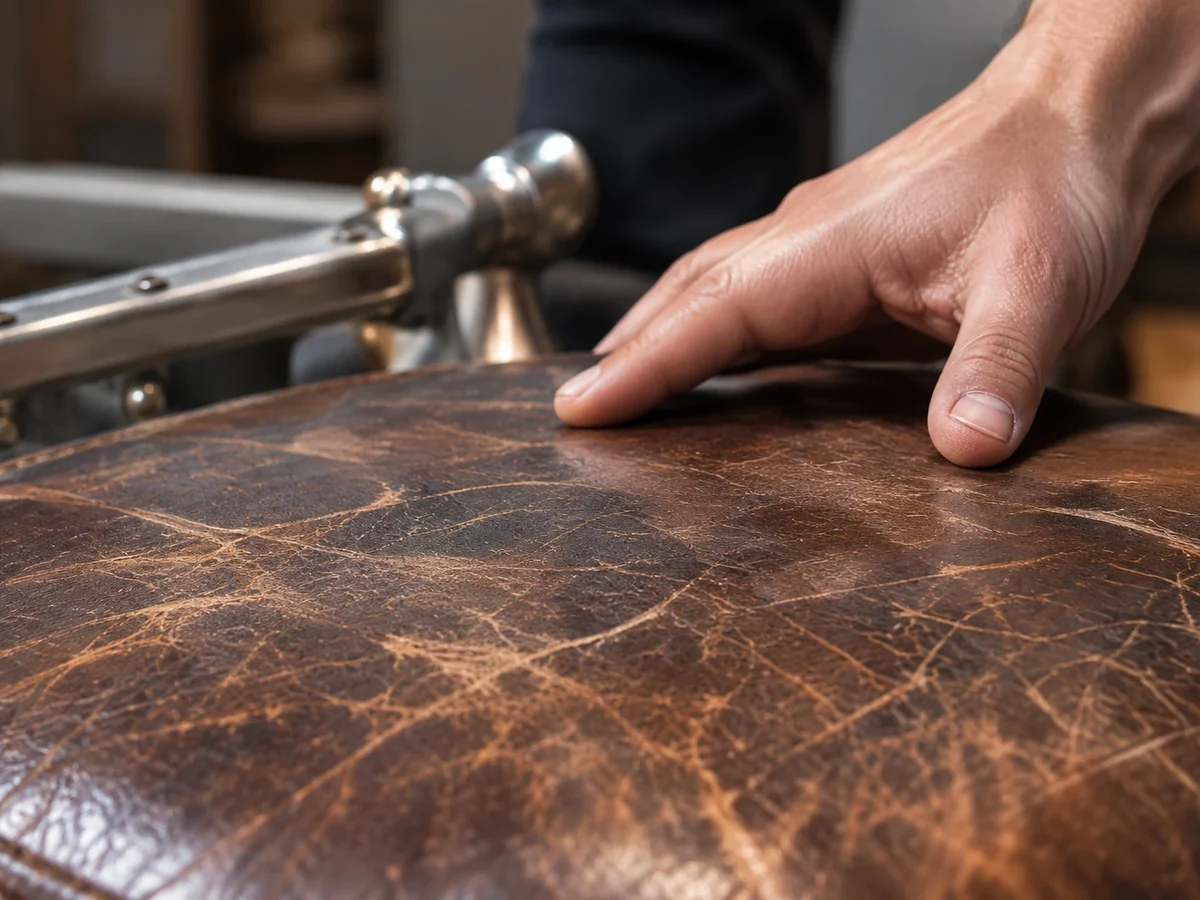
Press it, flex it and find where the damage stops. This is where a repair gets ruled out, not halfway through.
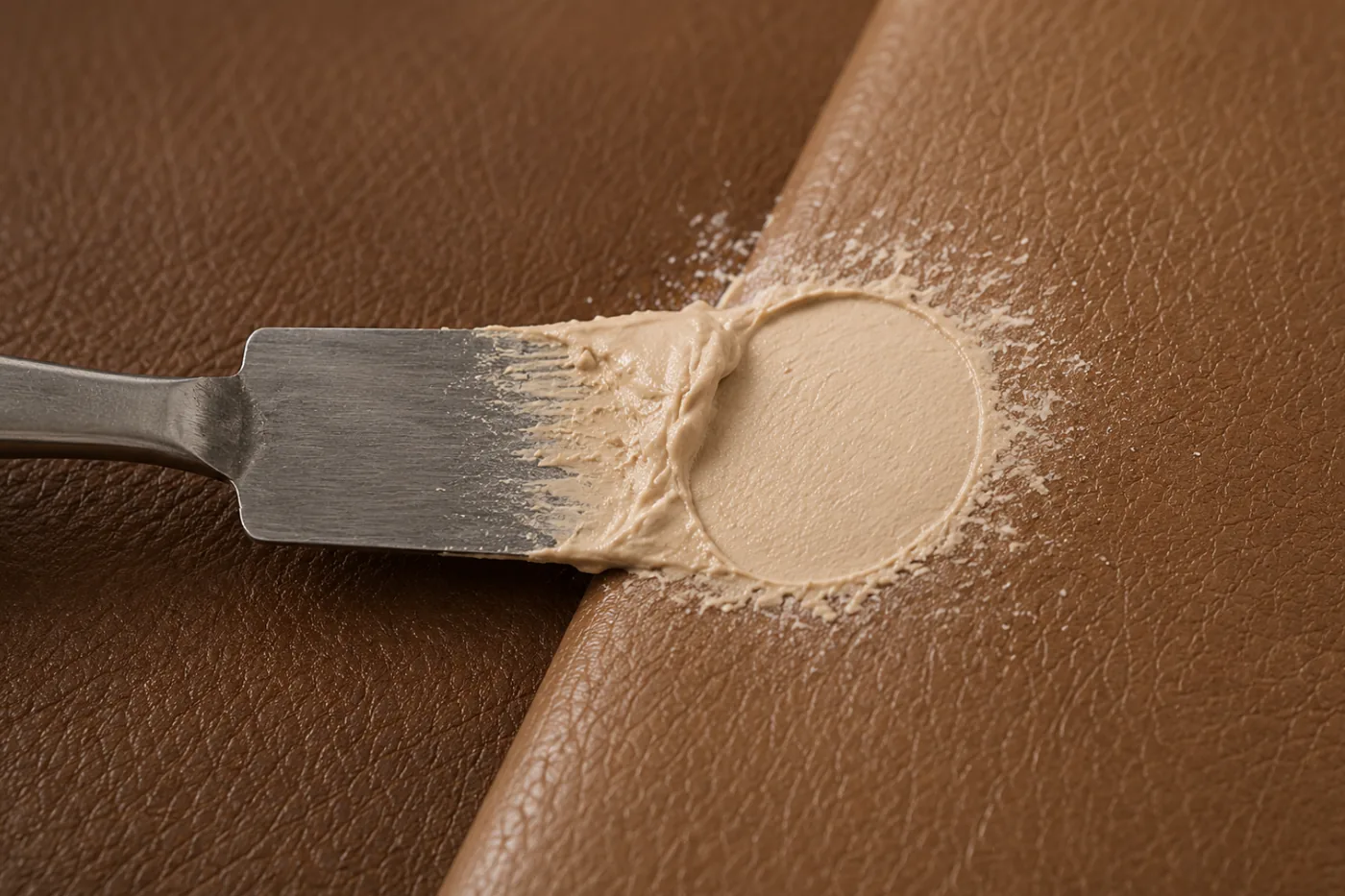
Flexible filler goes in thin and builds up until it sits flush, then the grain is pressed back into it.
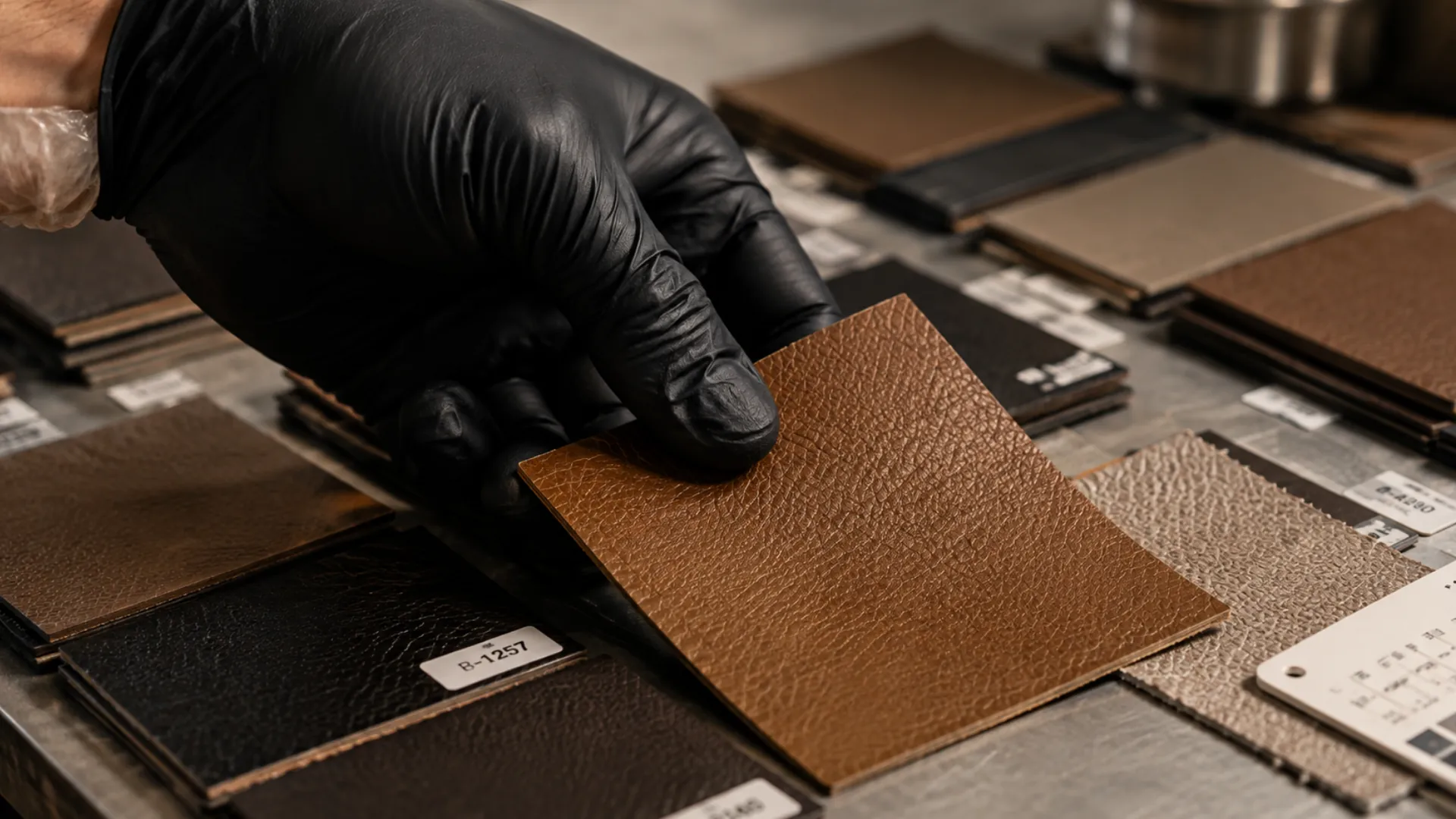
Matched against the cushion beside it under the room's own light, not against a chart, then blended outward.
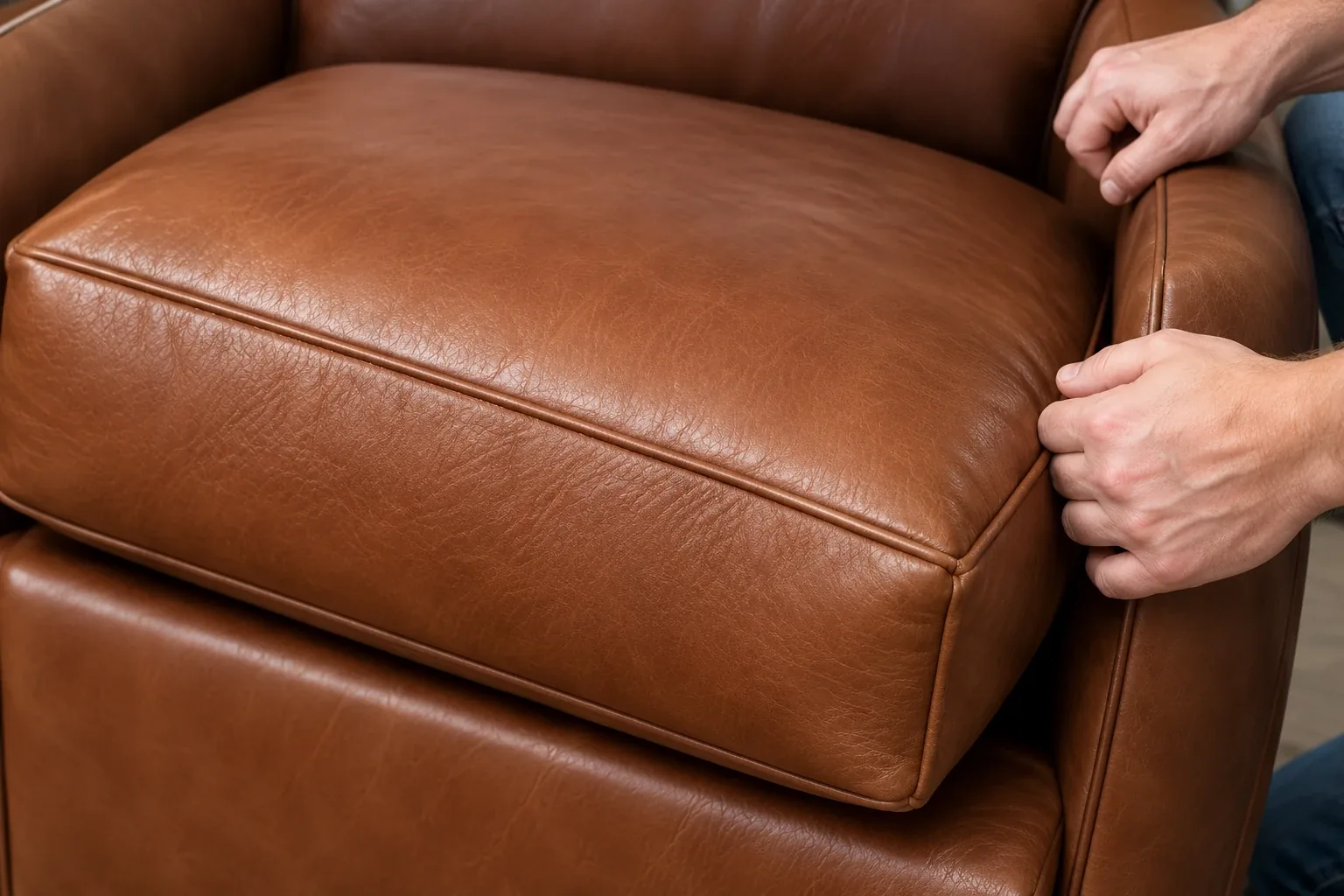
A topcoat matched to the sheen of the rest of the piece, cured, and the cushion goes back on the frame.
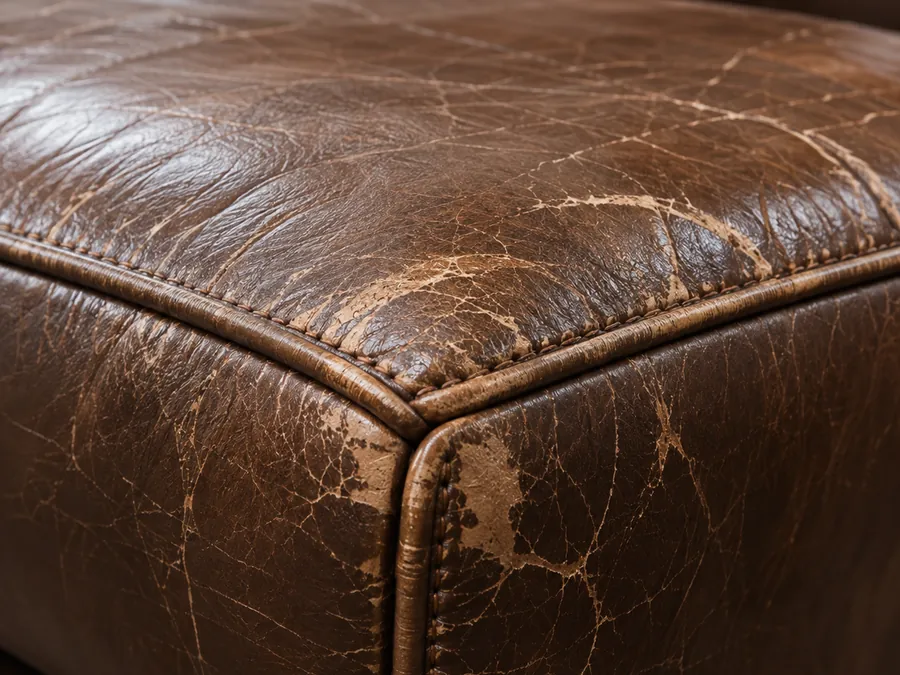
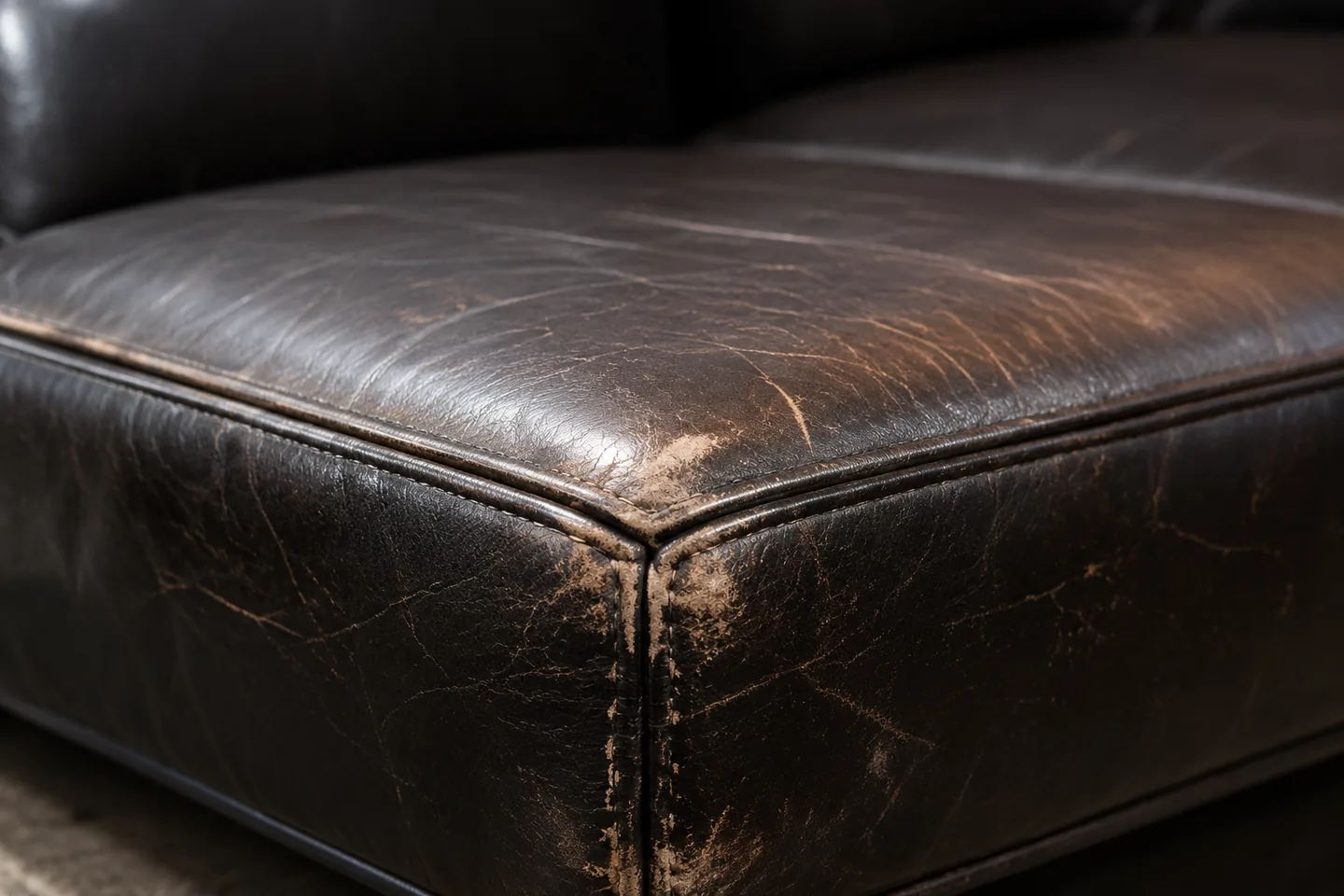
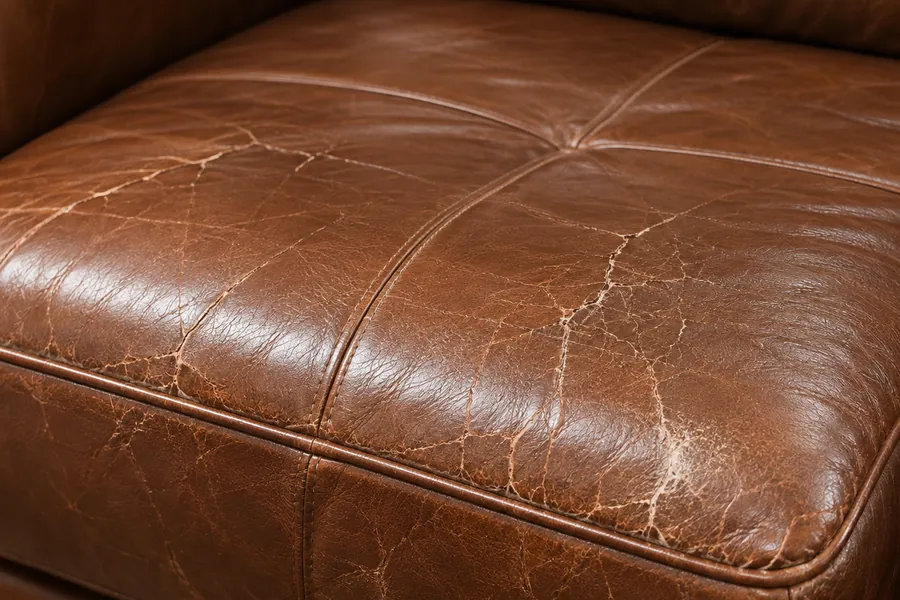
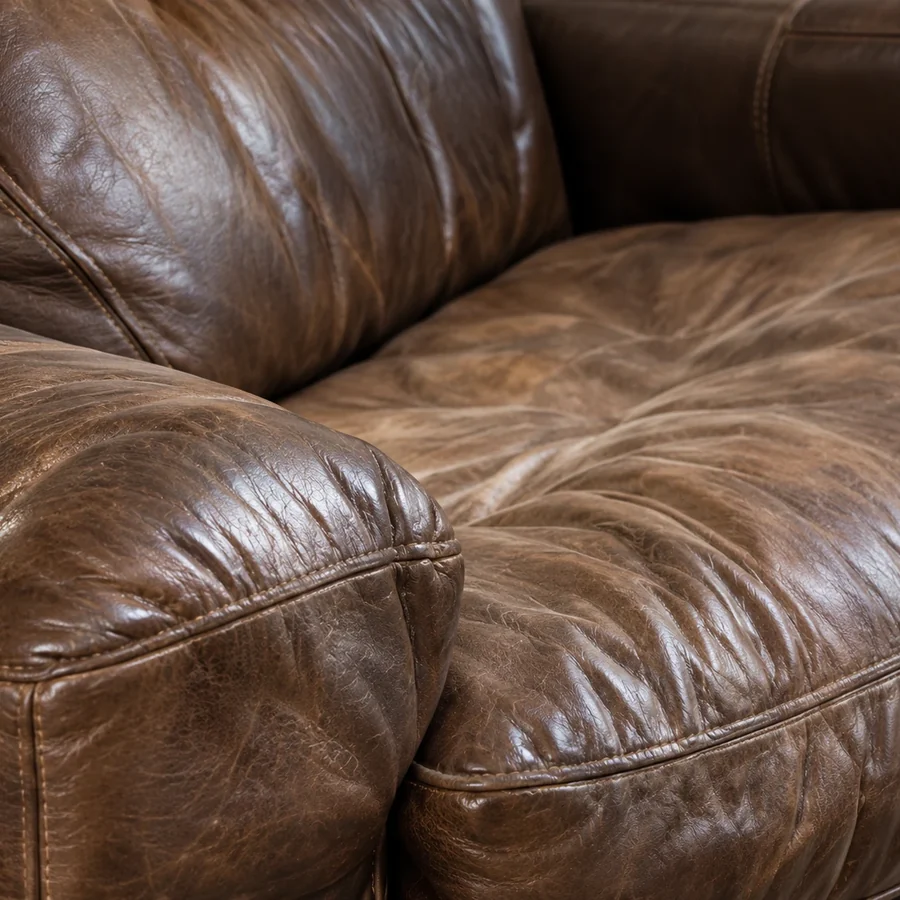
Leather Cushion Problems We Repair
Real problems. Real solutions.
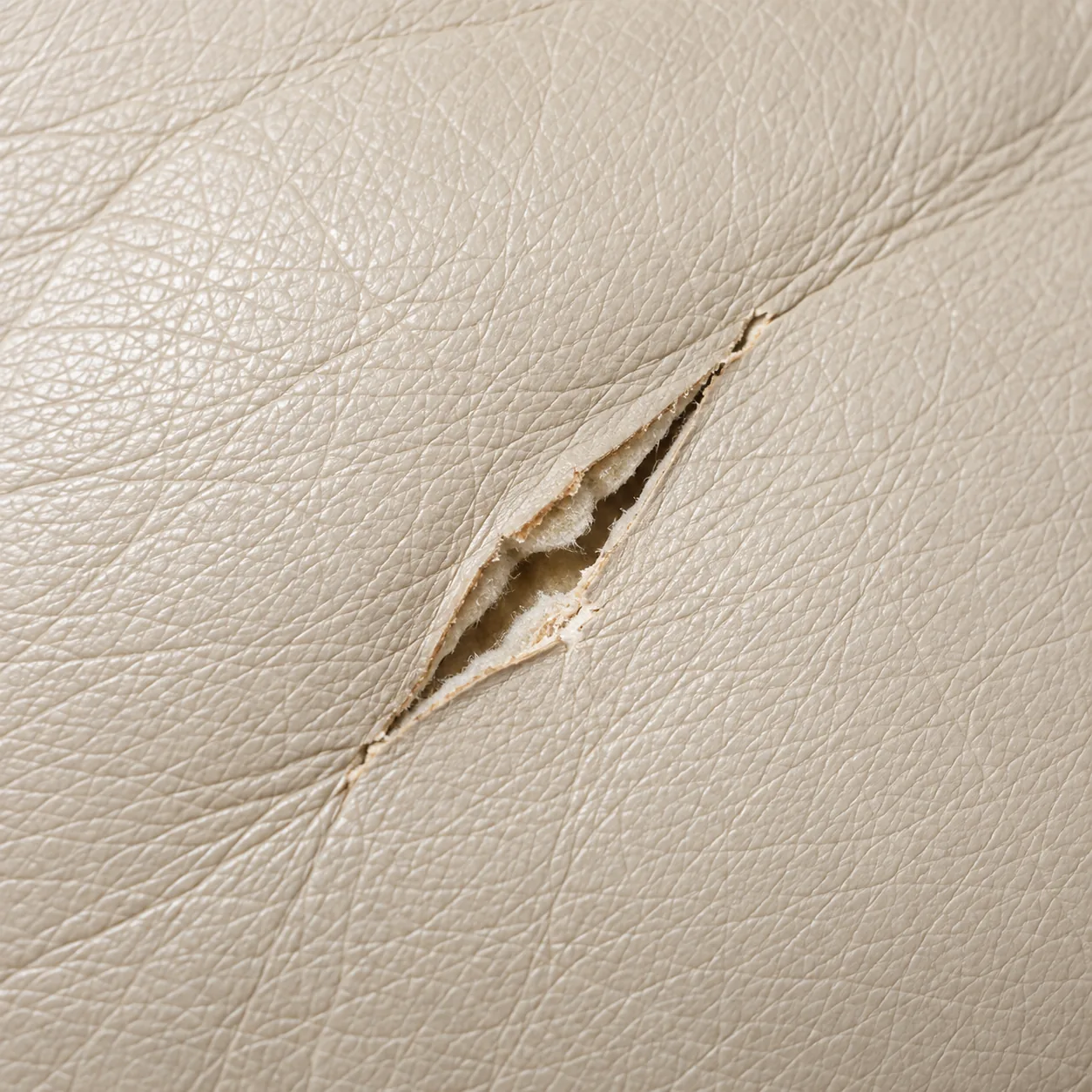
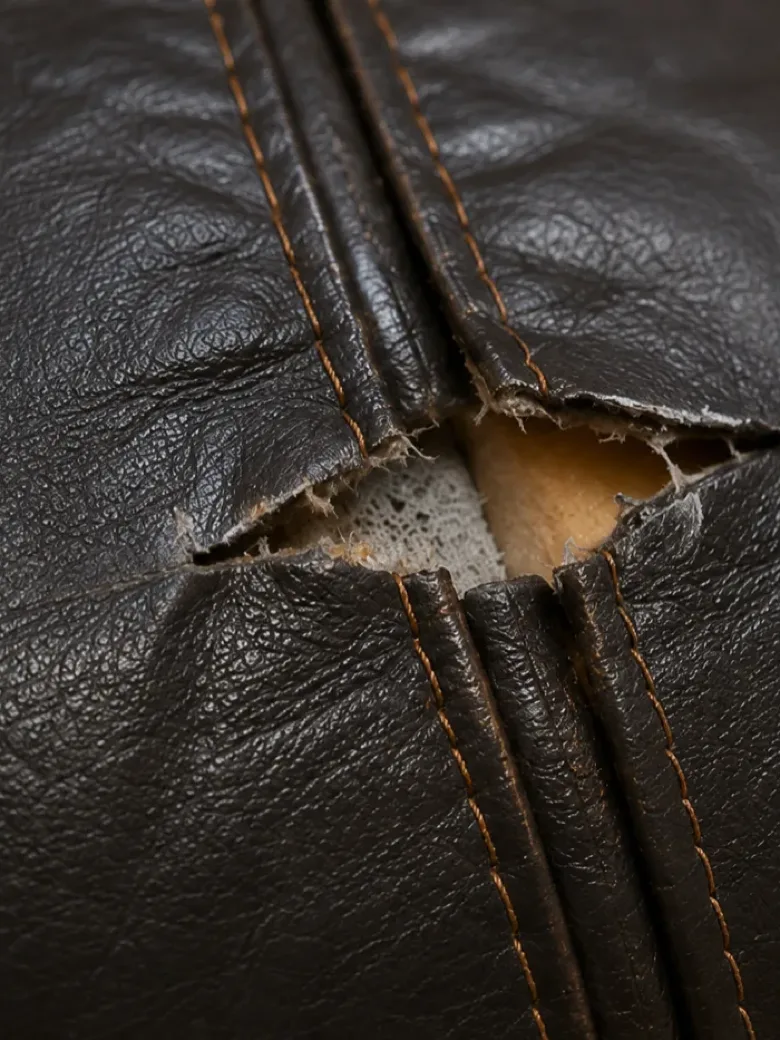
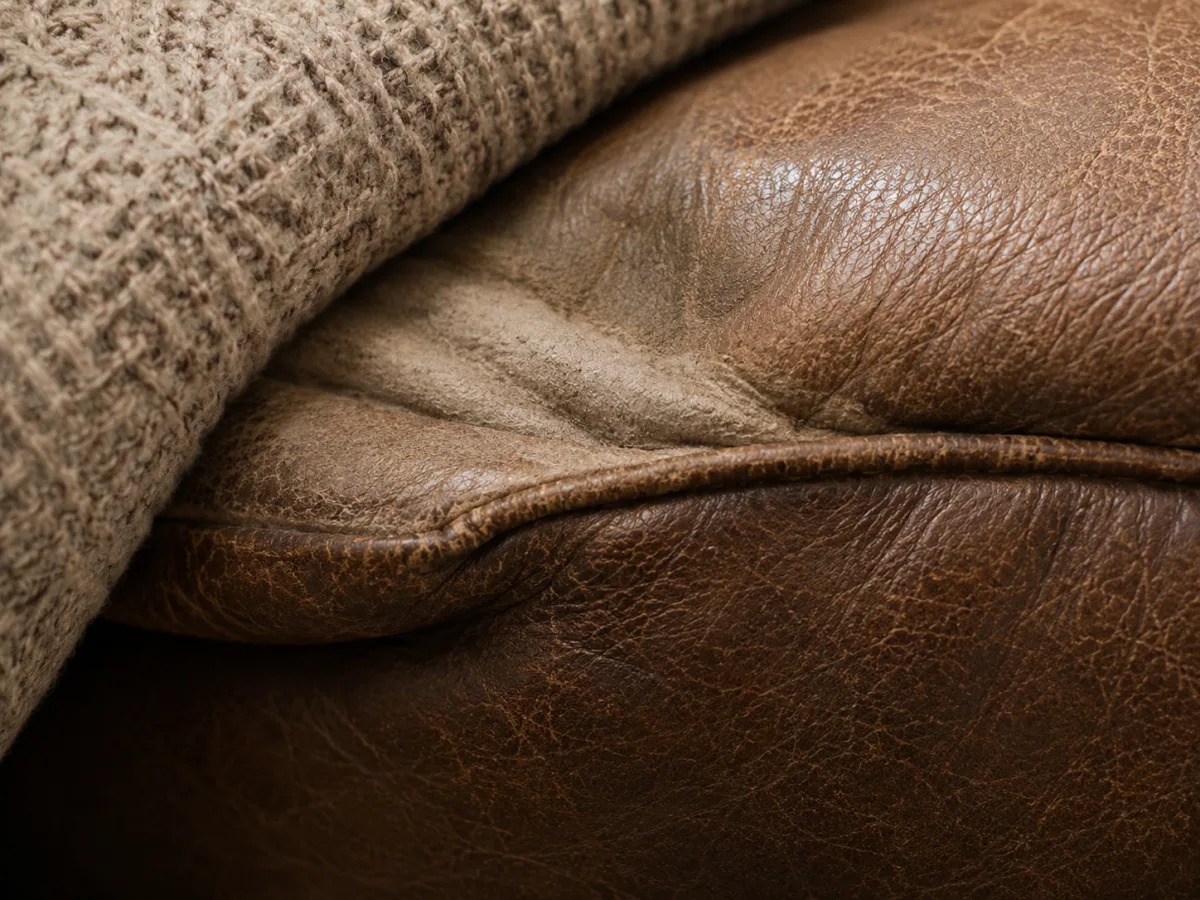
Is It The Cover, The Filling — Or The Support Underneath?
Similar symptoms can need different repairs. We assess each layer.
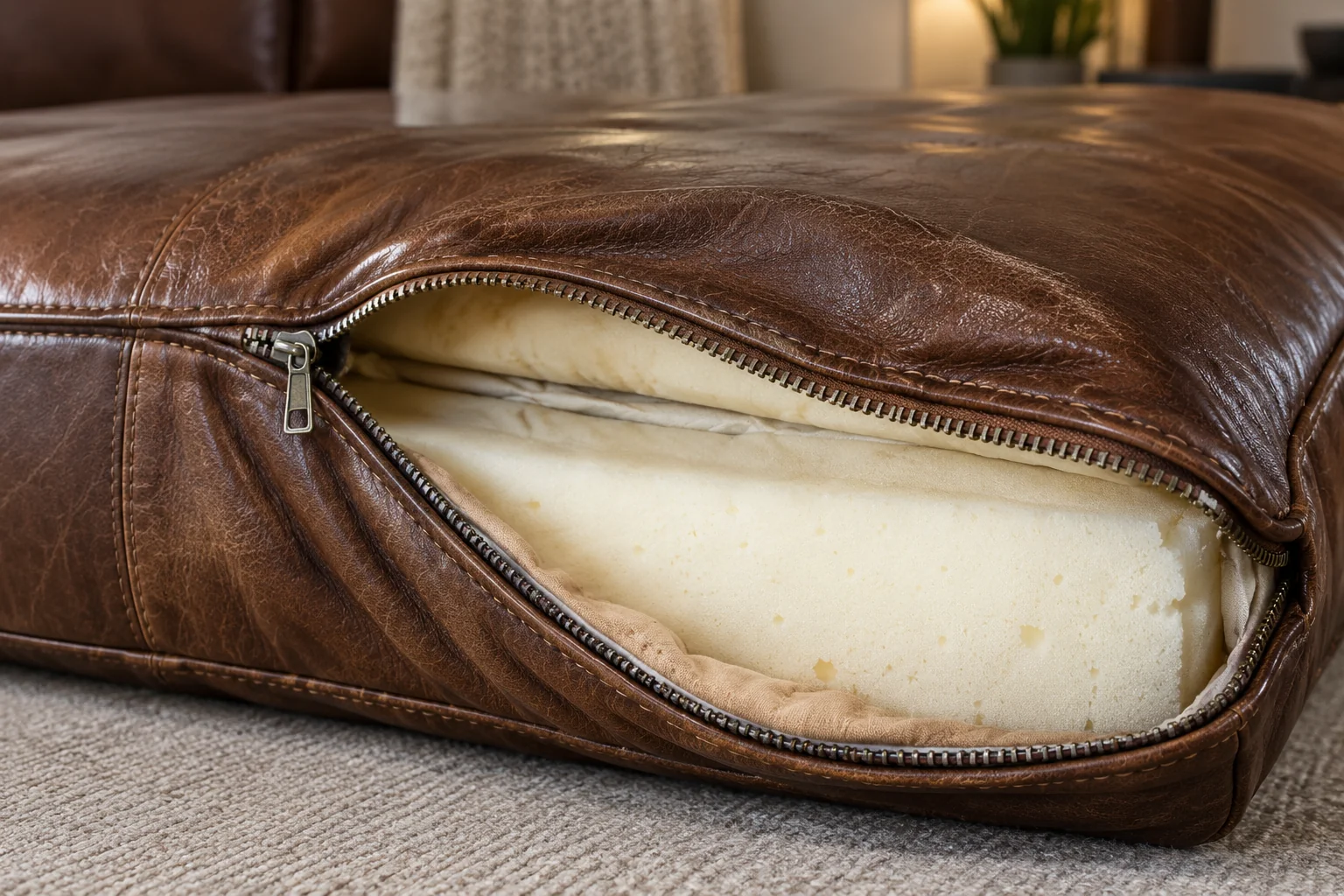
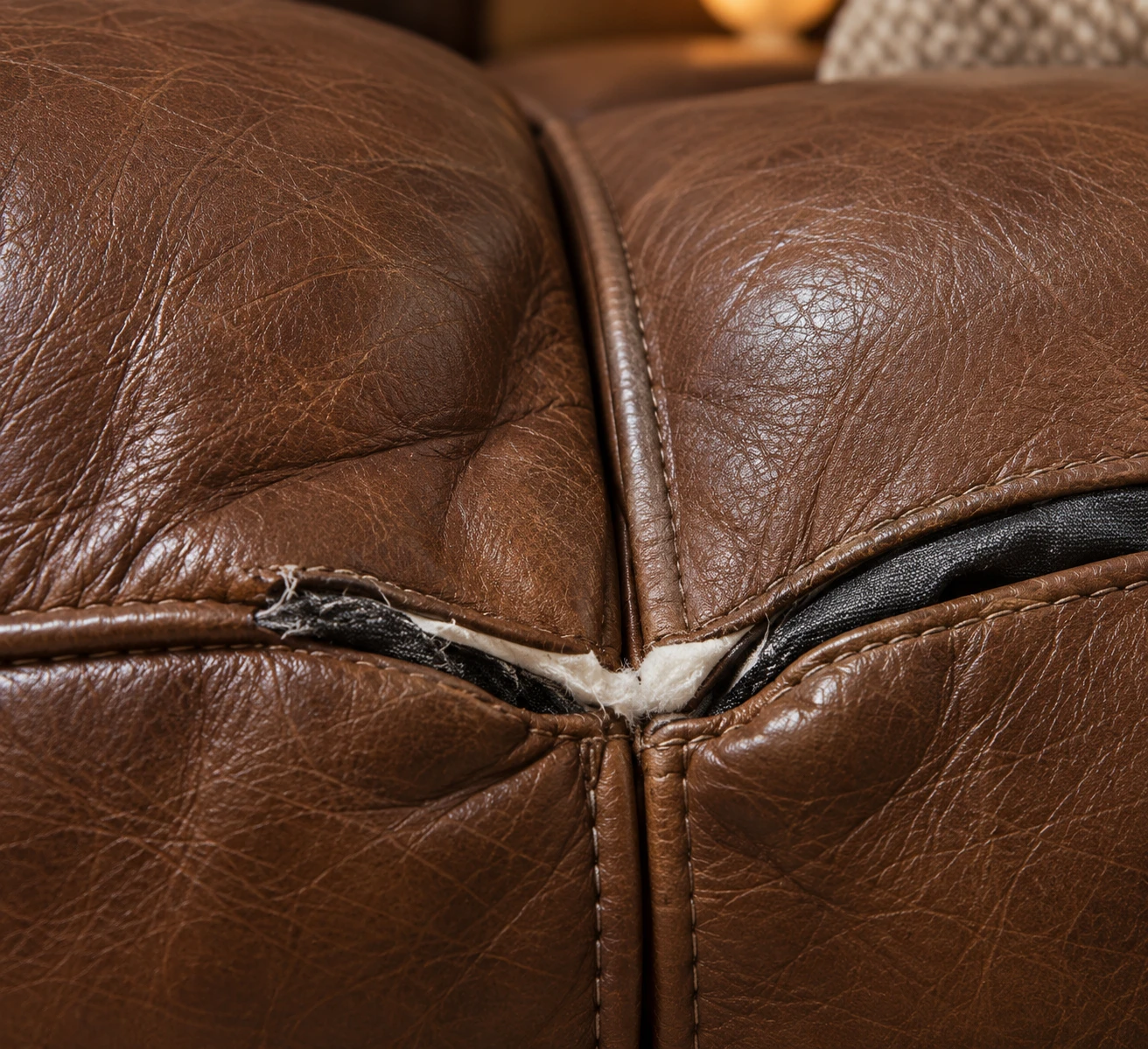
Tears, seams, panels, zippers and piping.
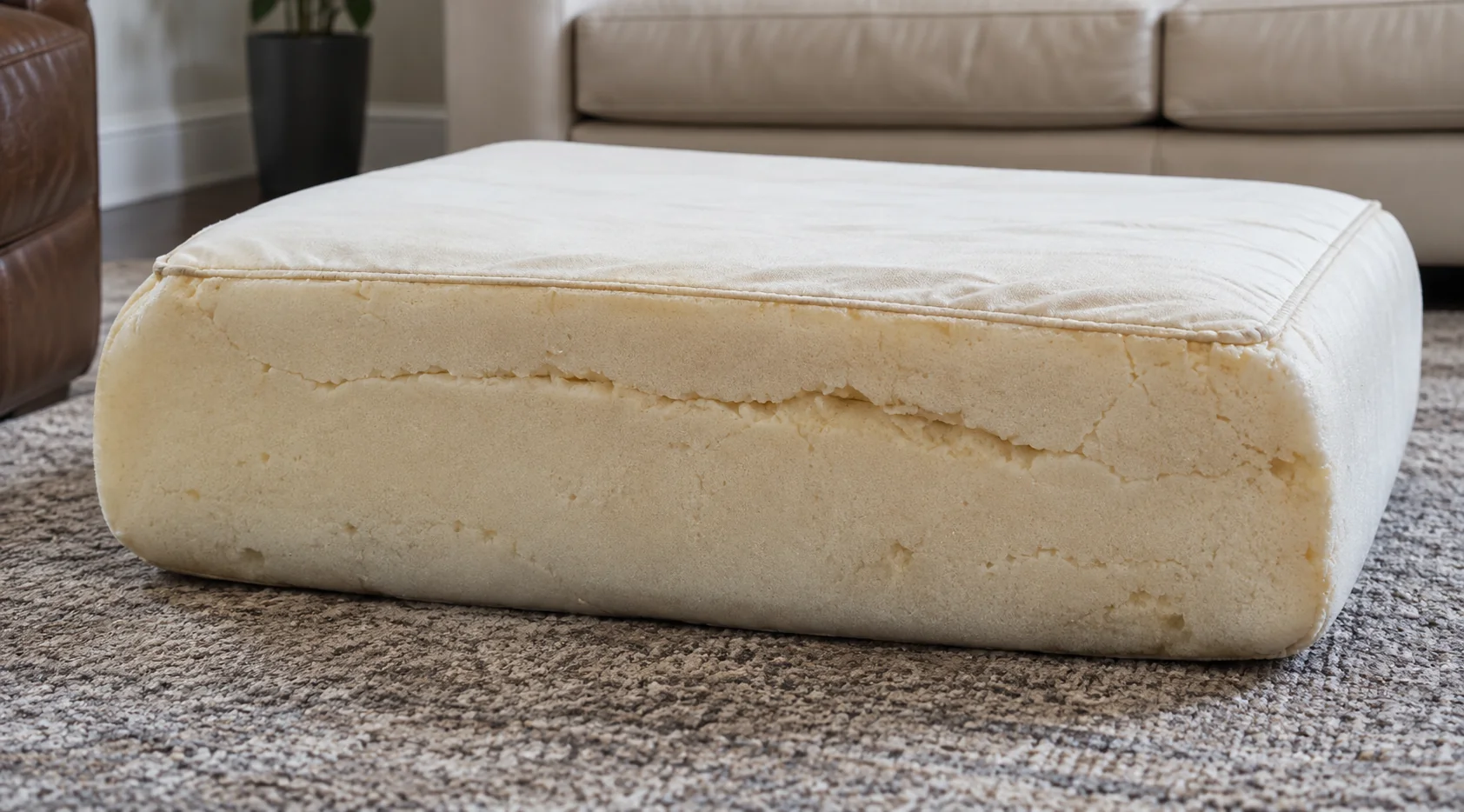
Foam or fibre can lose shape or break down.
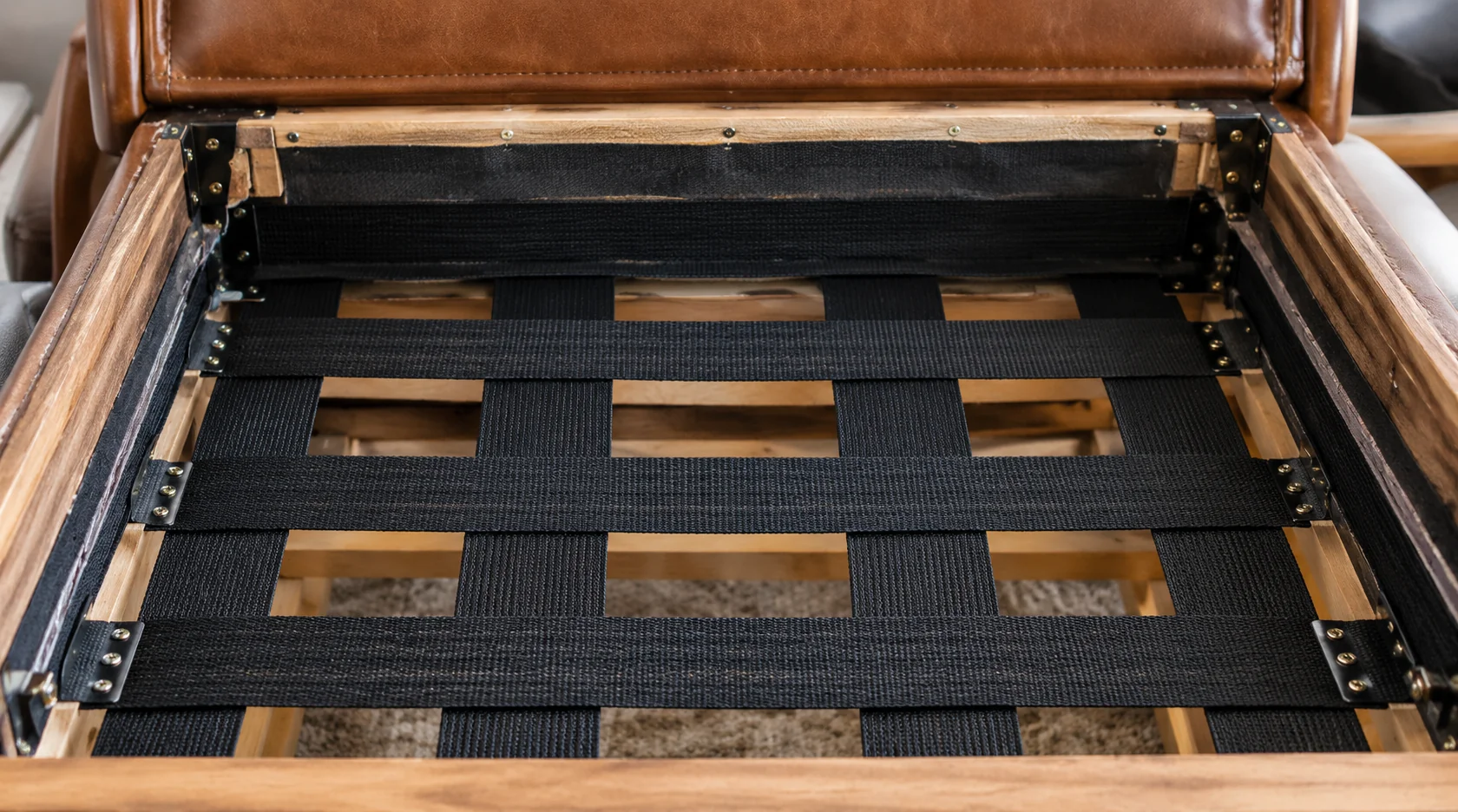
Webbing, springs and structure can affect comfort.
Removable Or Attached?
Construction affects access, repair options and whether workshop work is needed.
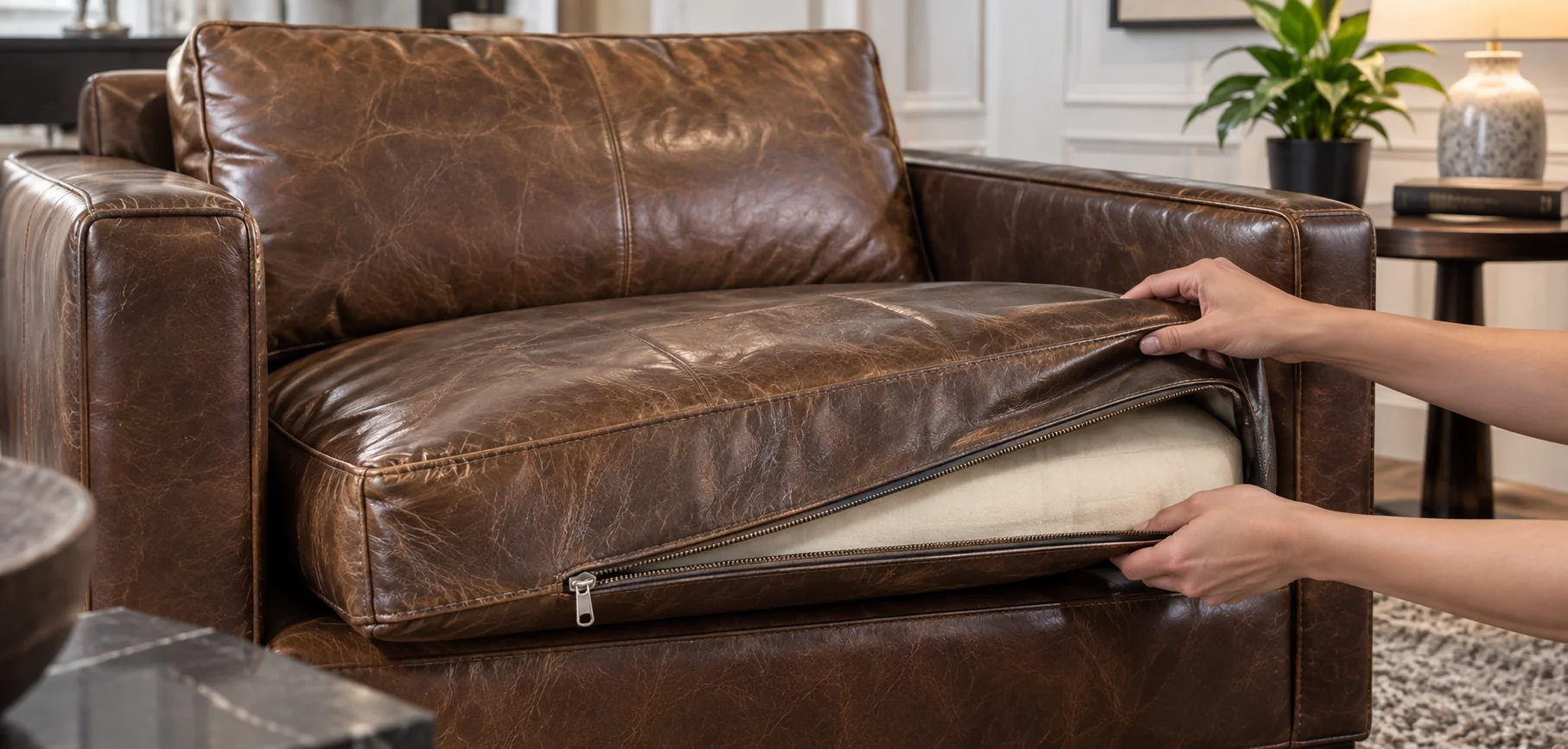
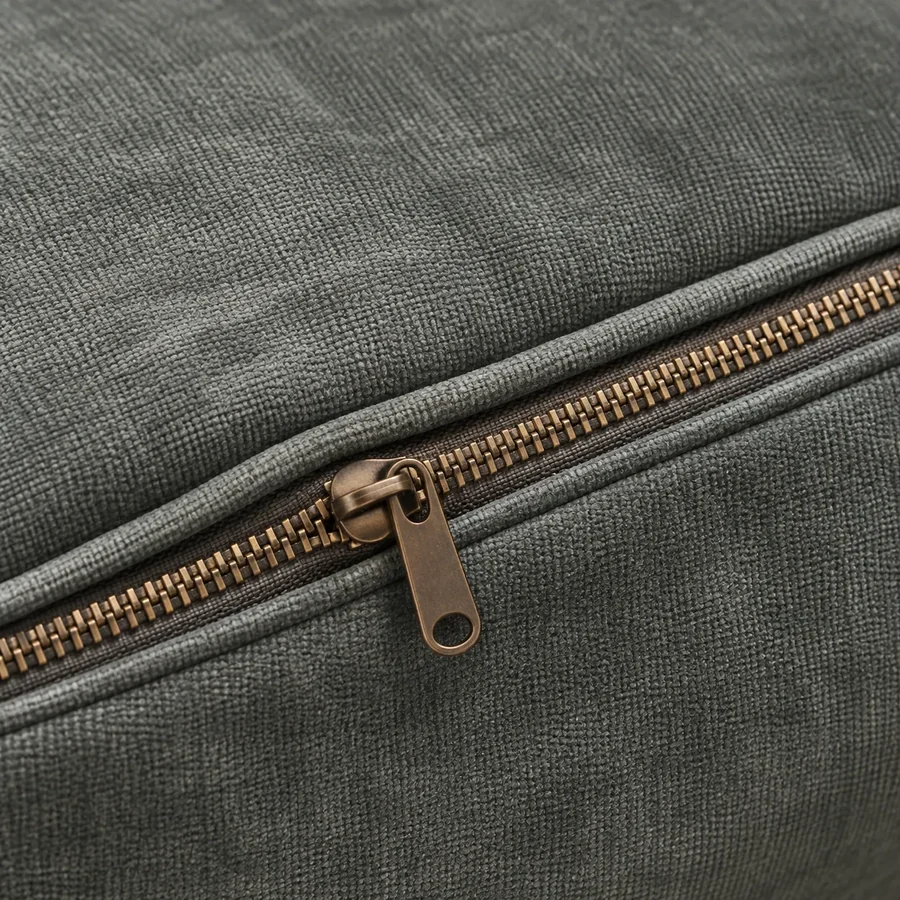
Zippers or fasteners allow the cushion to be removed.
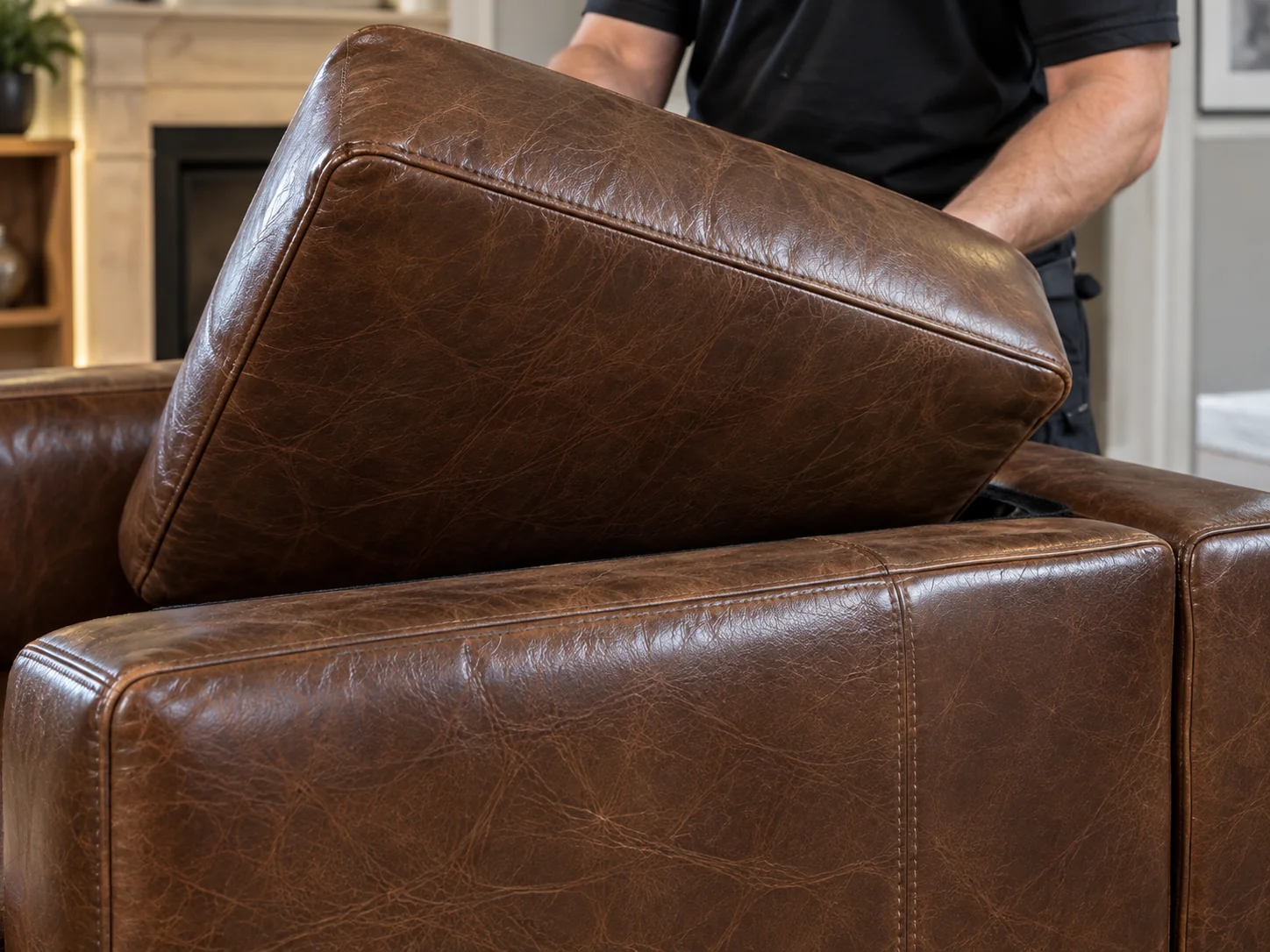
May require on-site or workshop repair.
Different Cushion Shapes
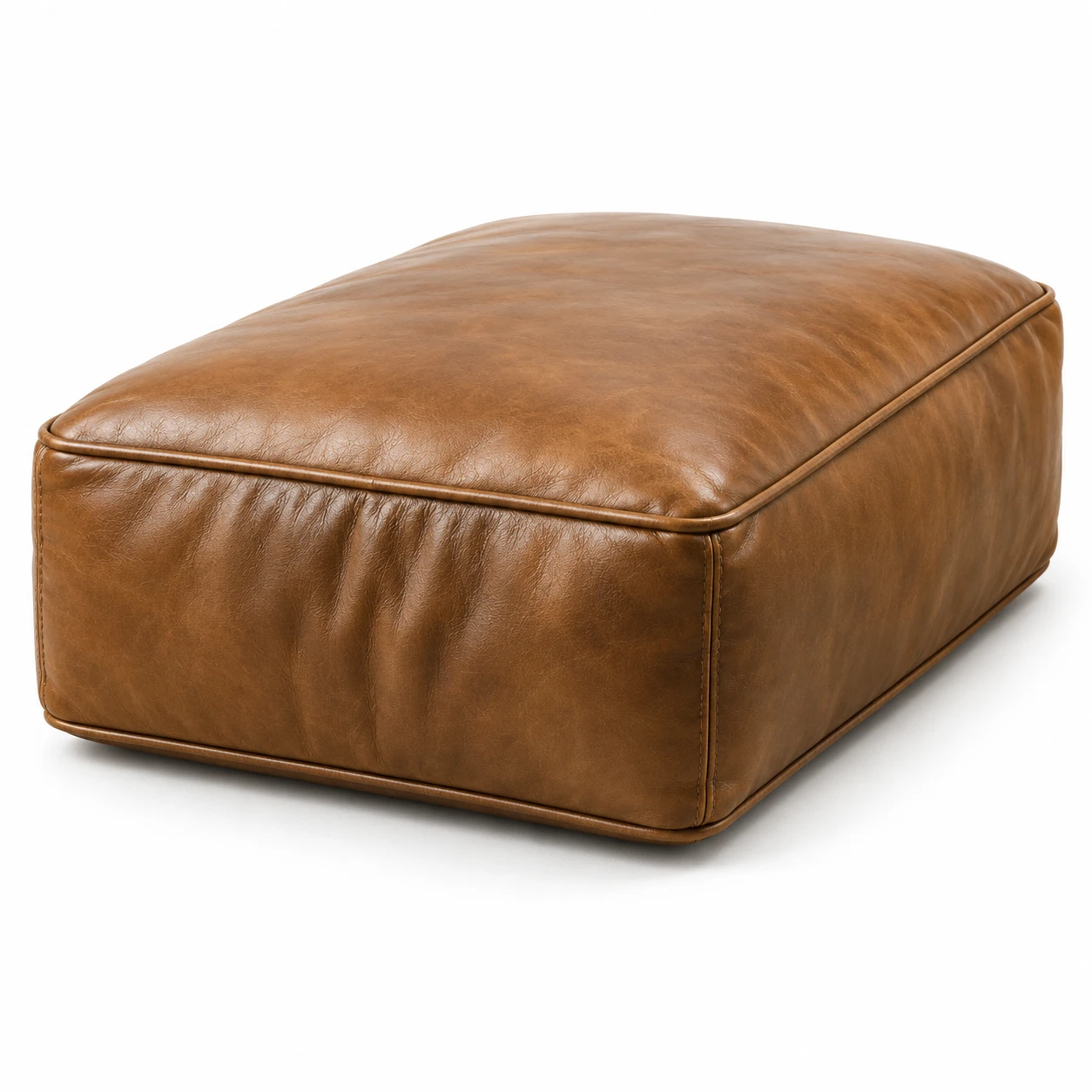
Cushion
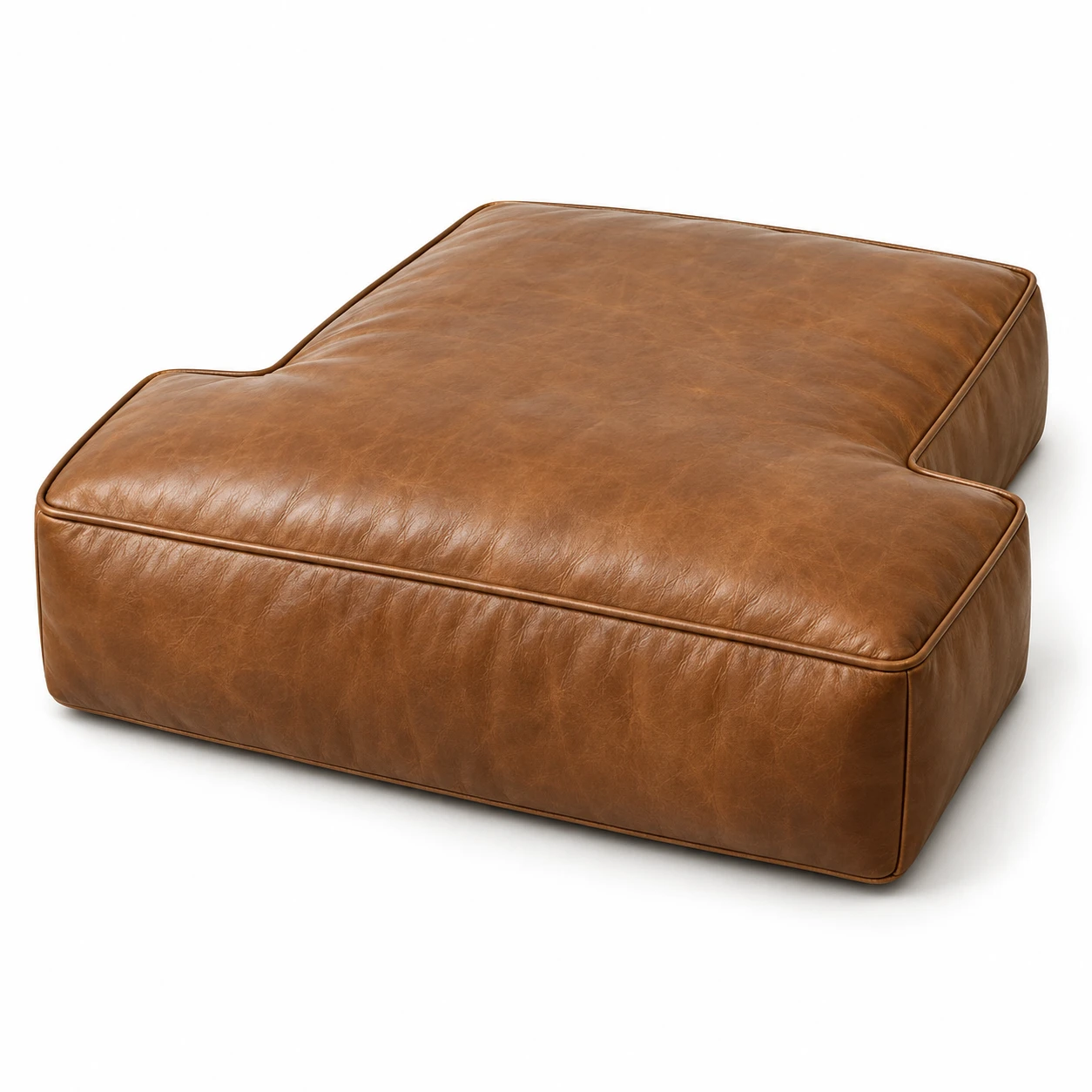
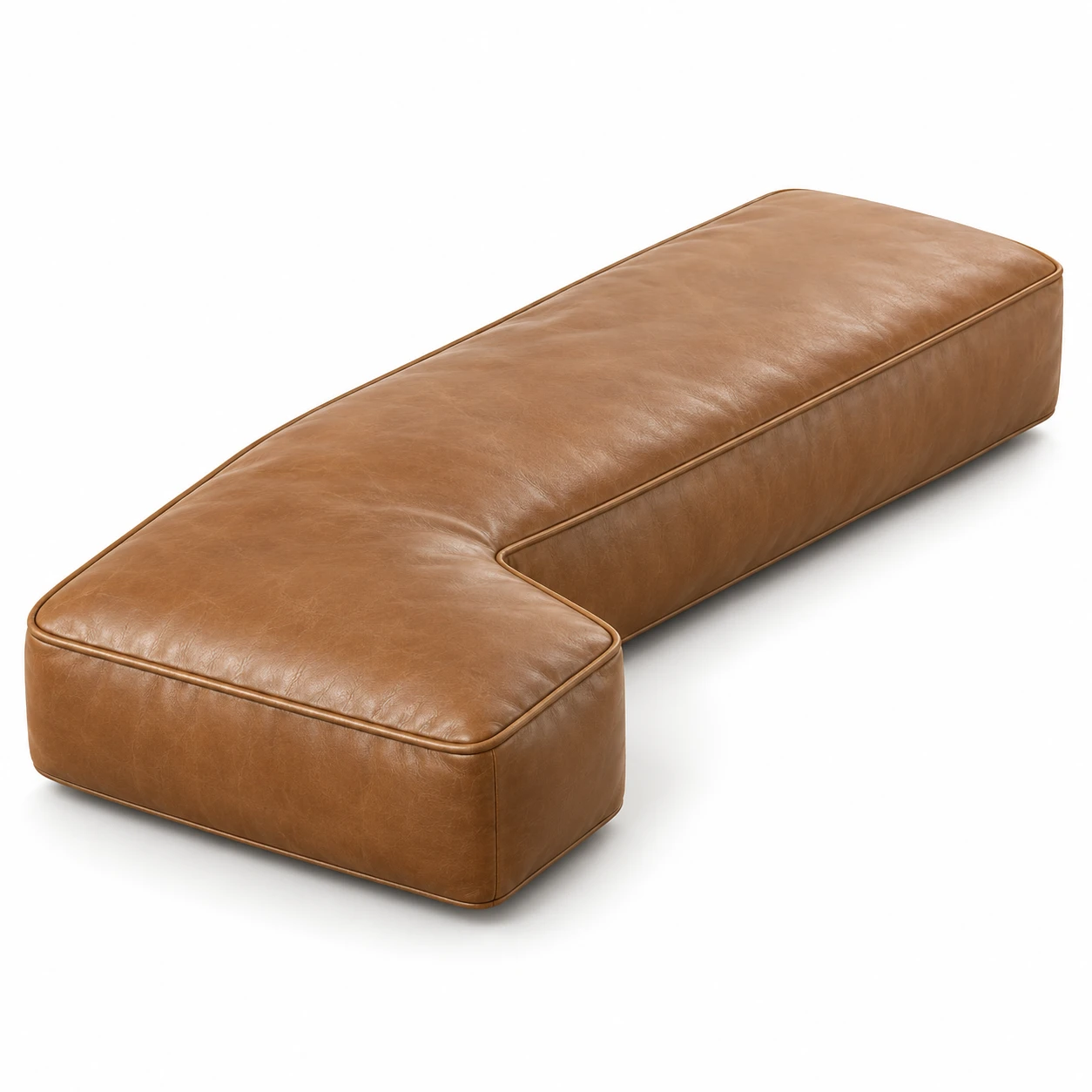
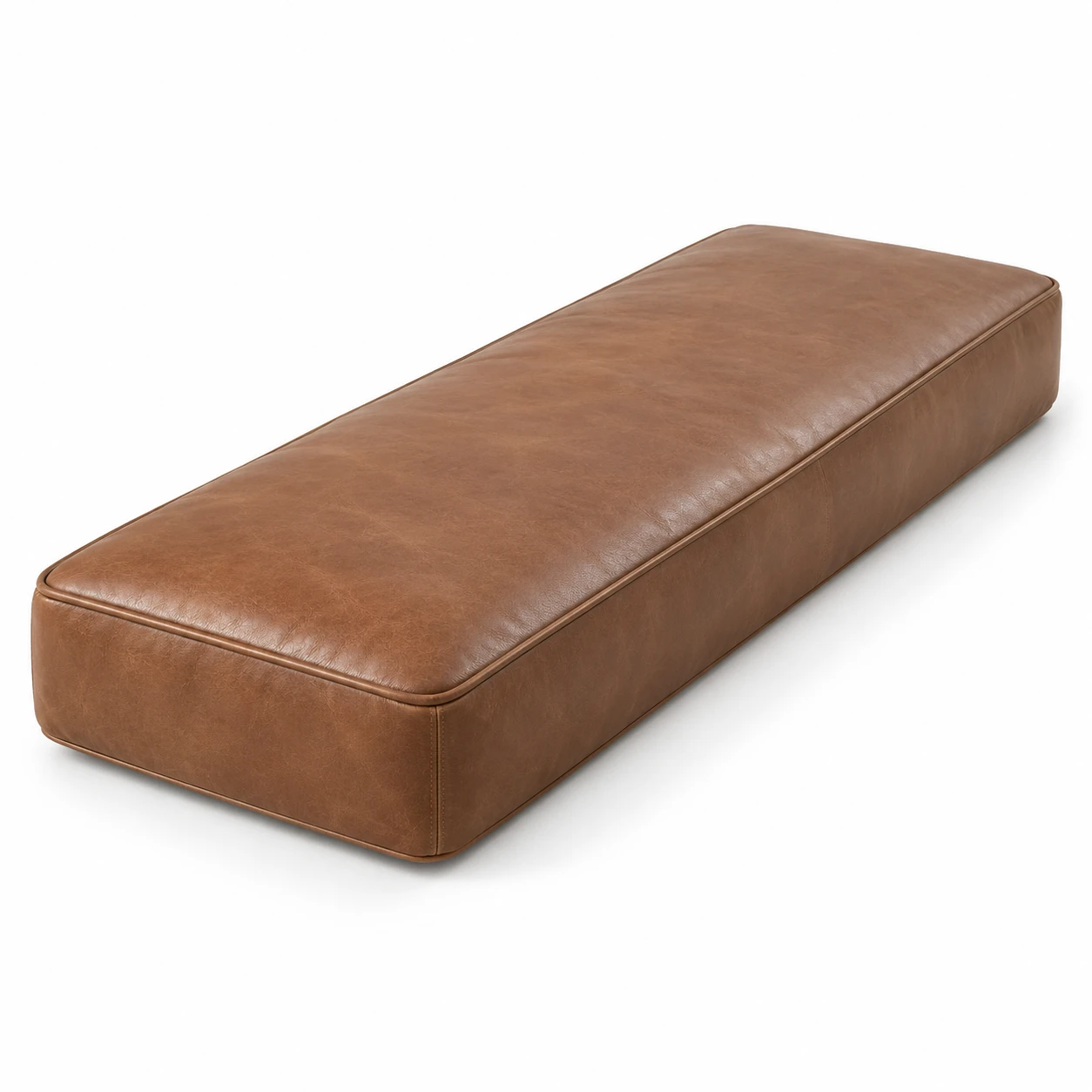
Cushion
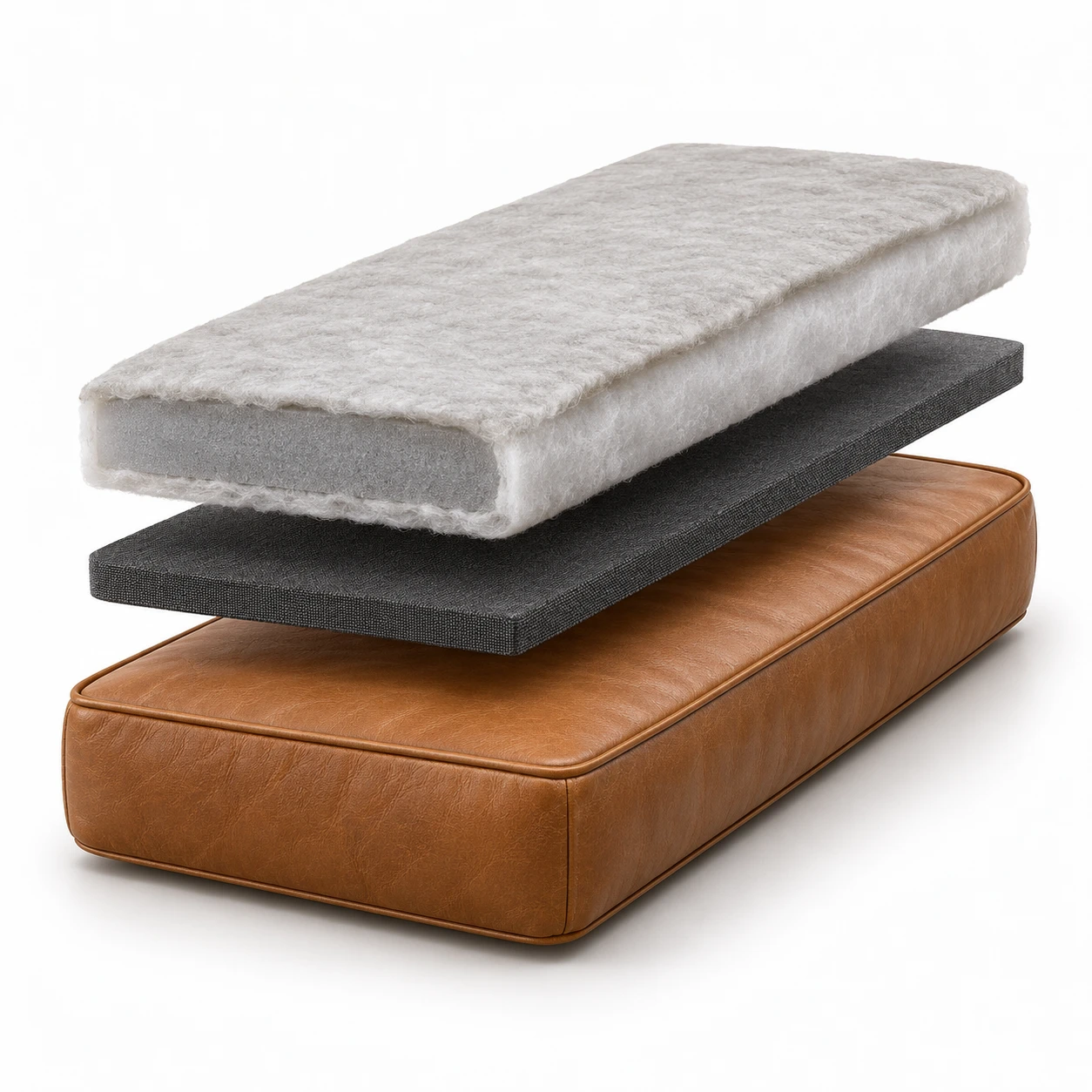
Cushion
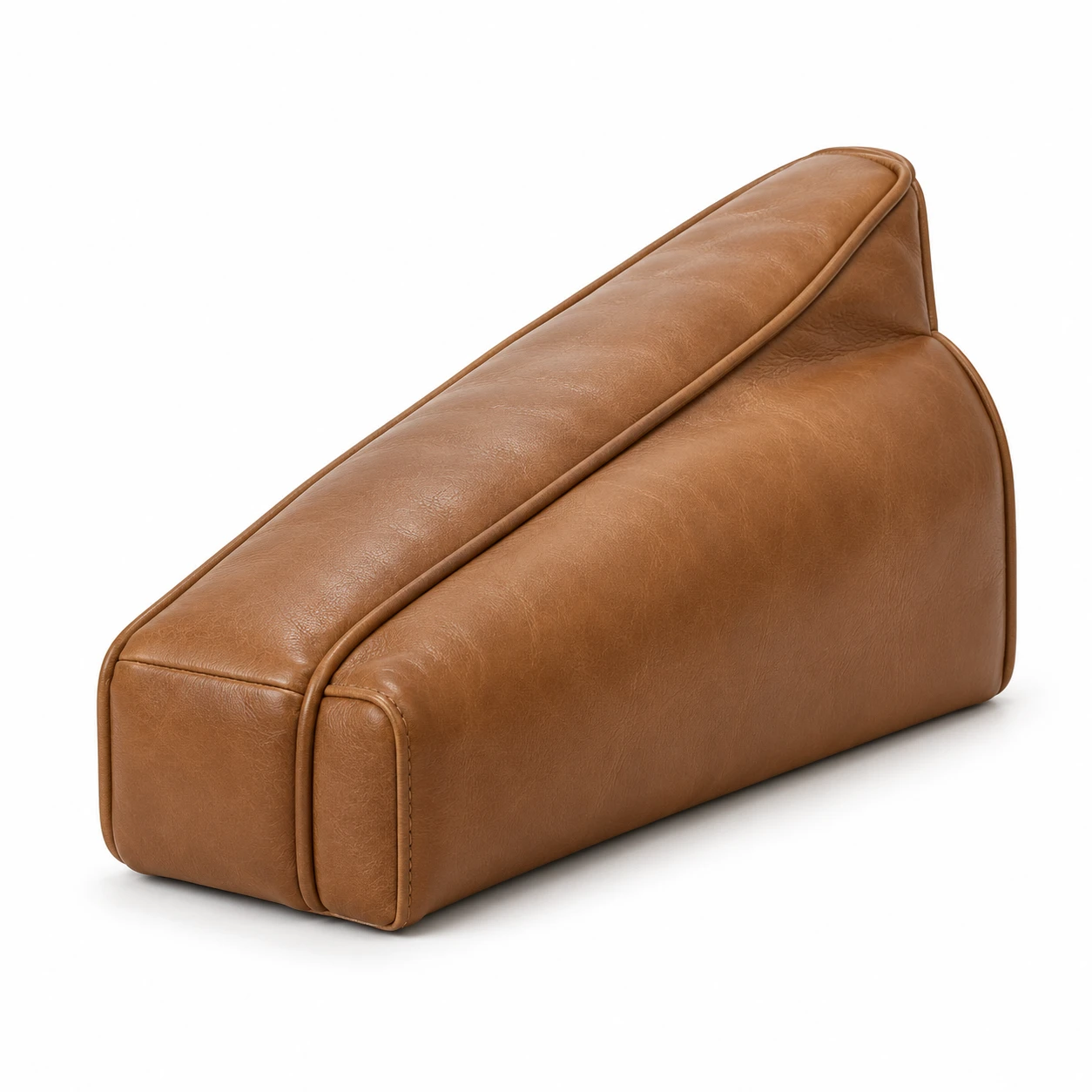
Cushion
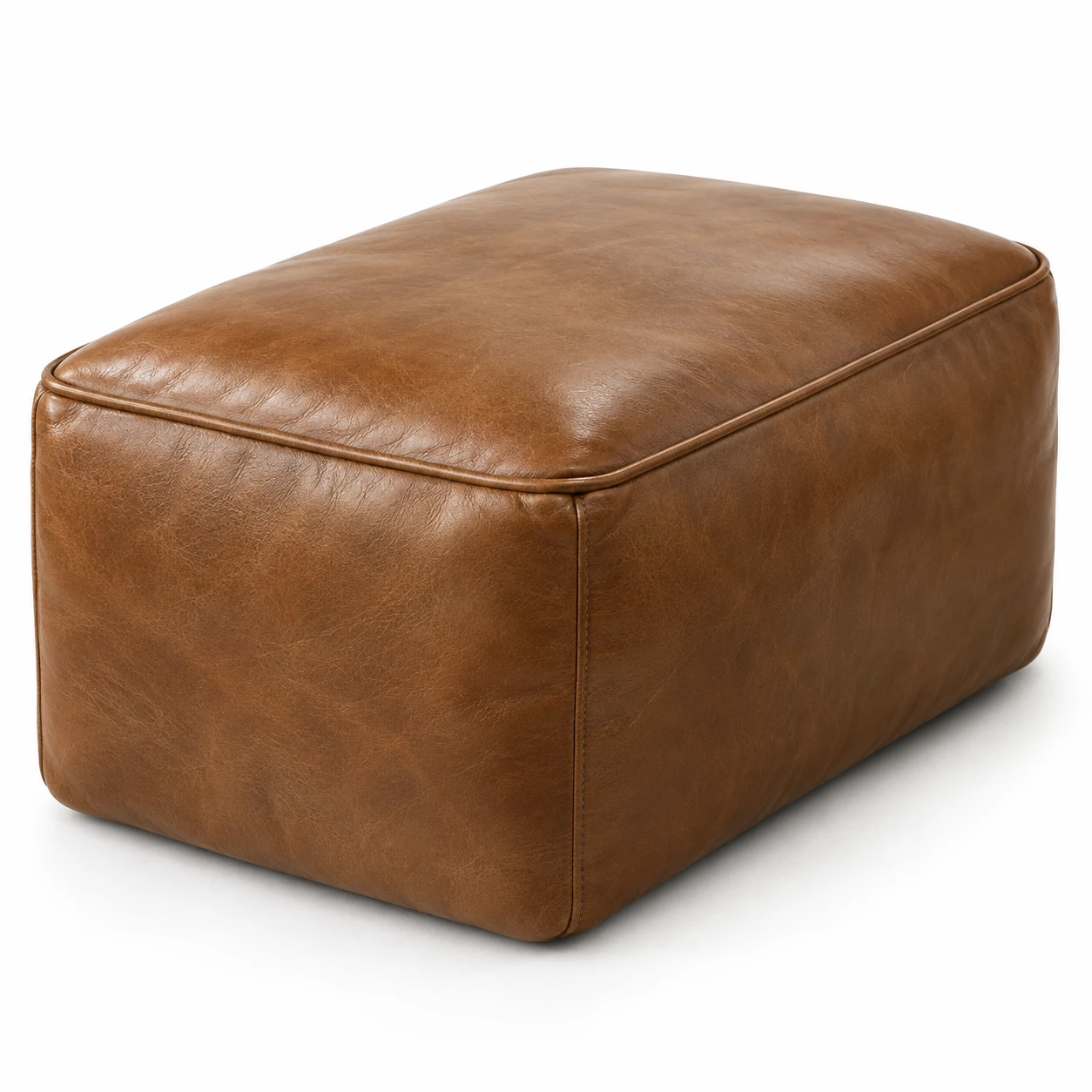
Cushion
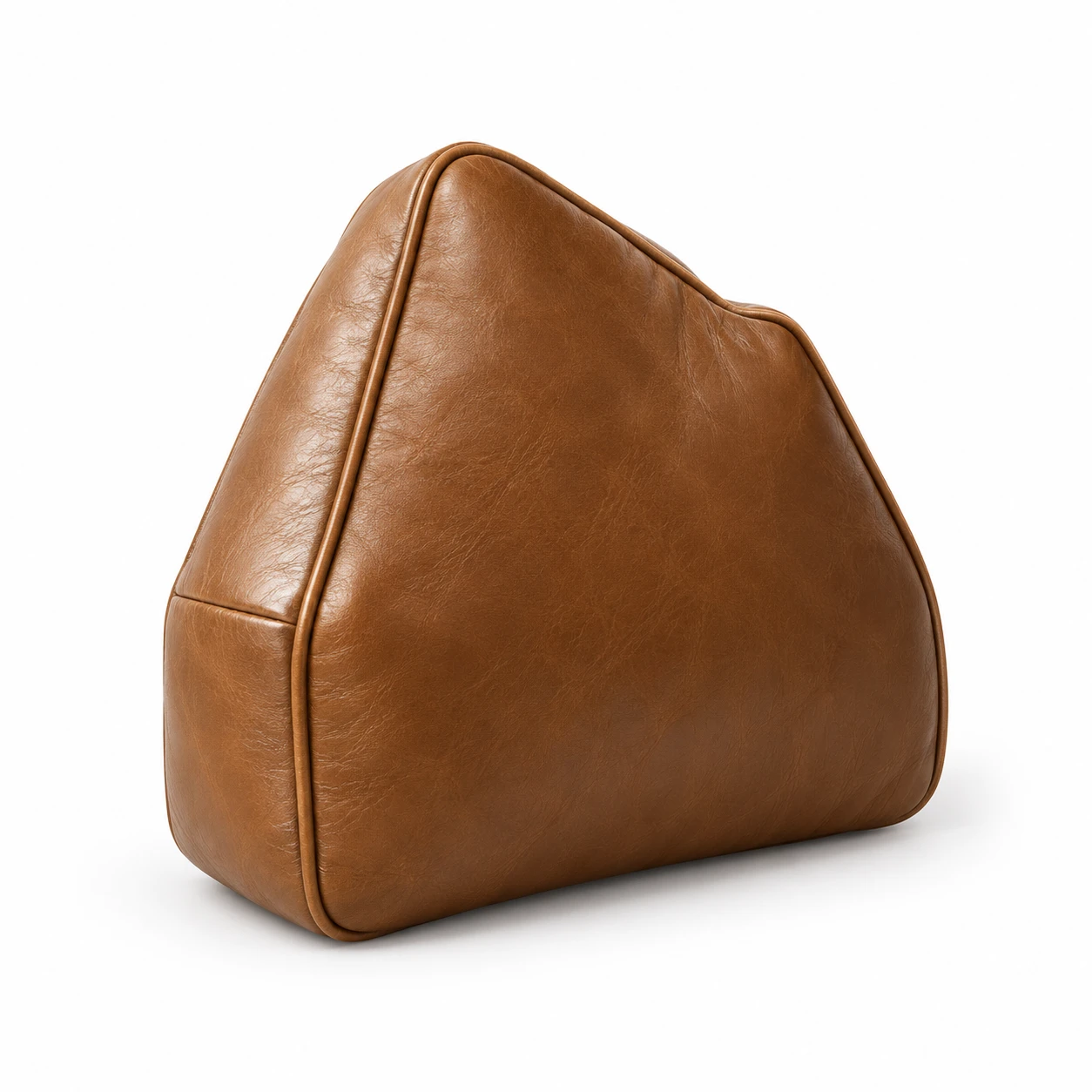
Shape
Cushion Surface Repair
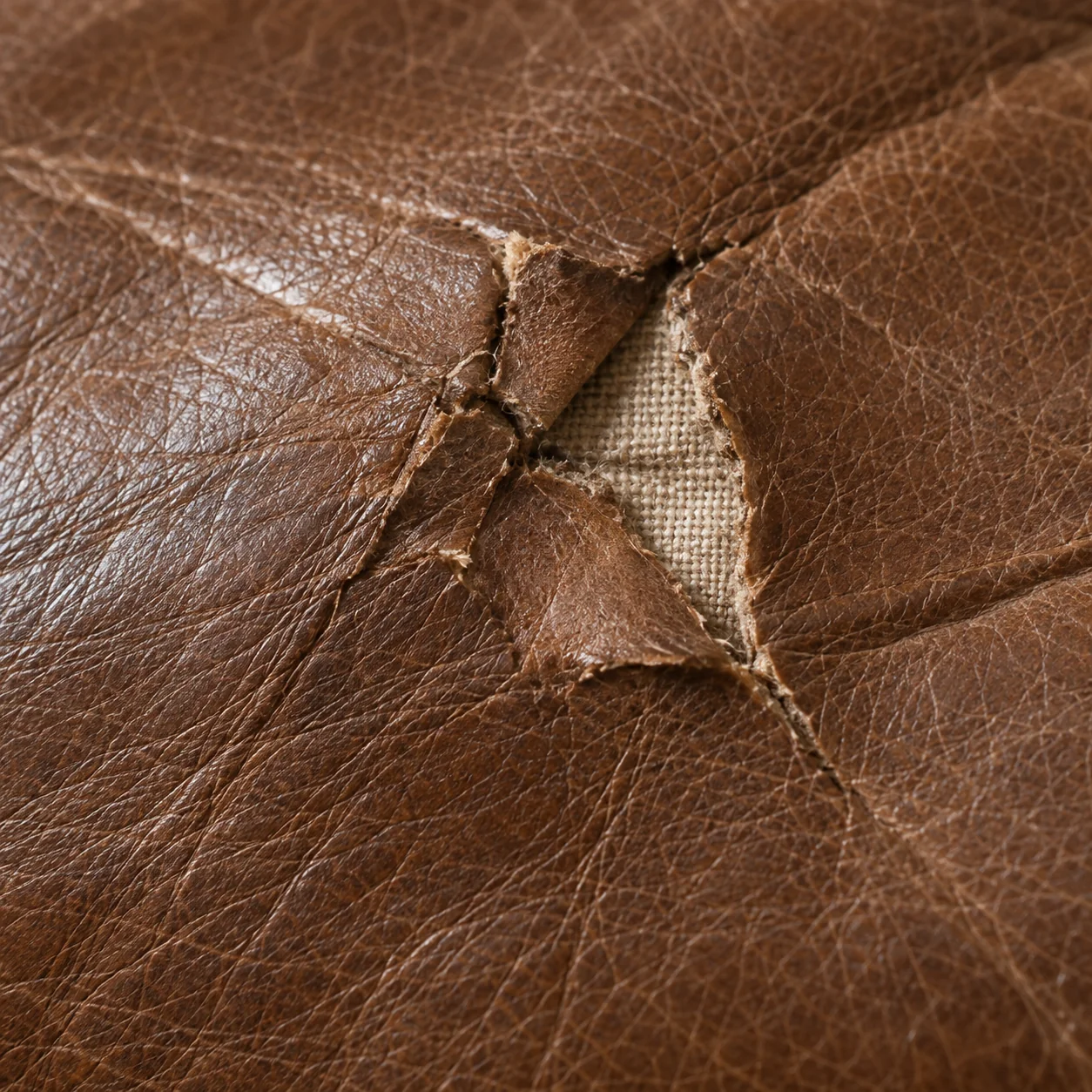
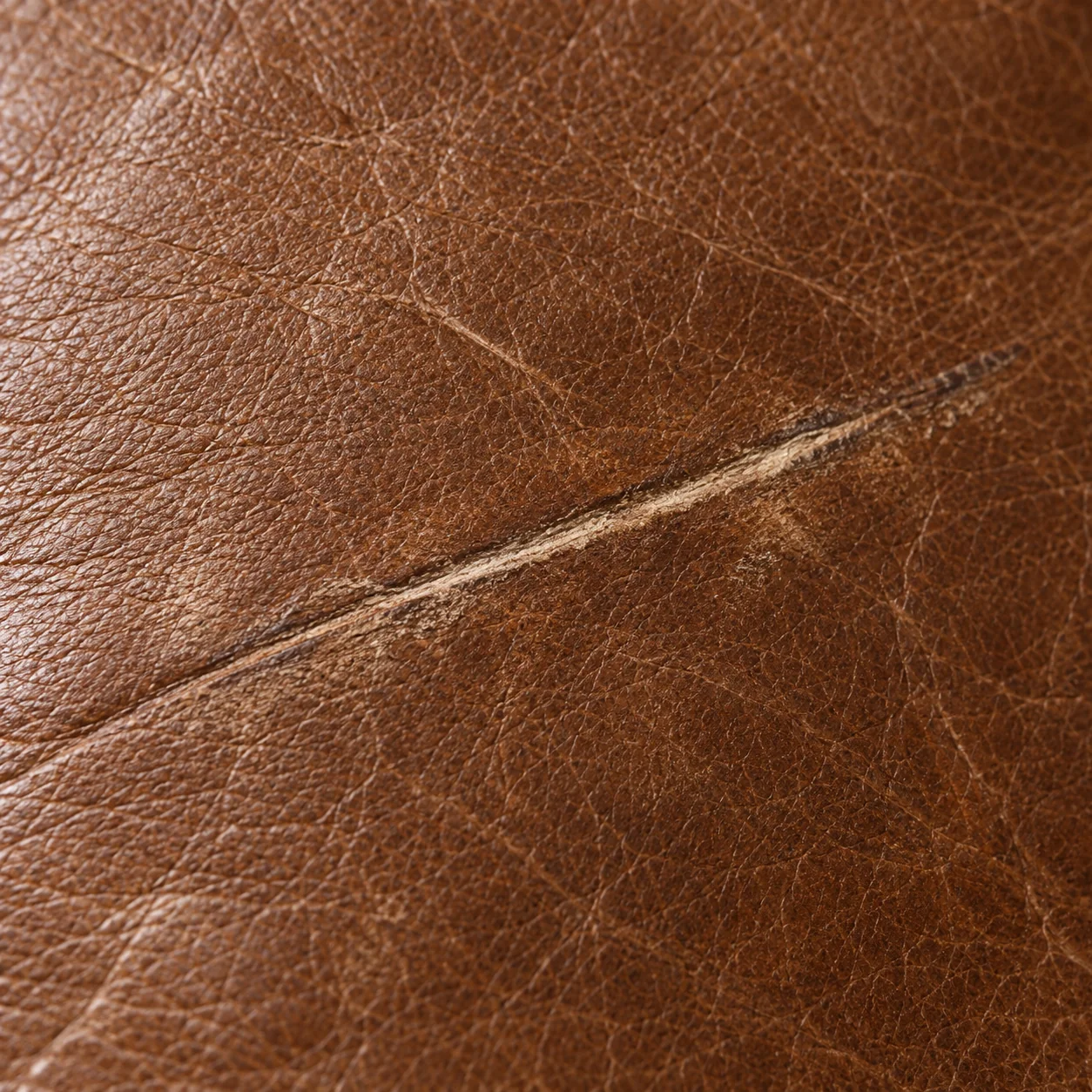
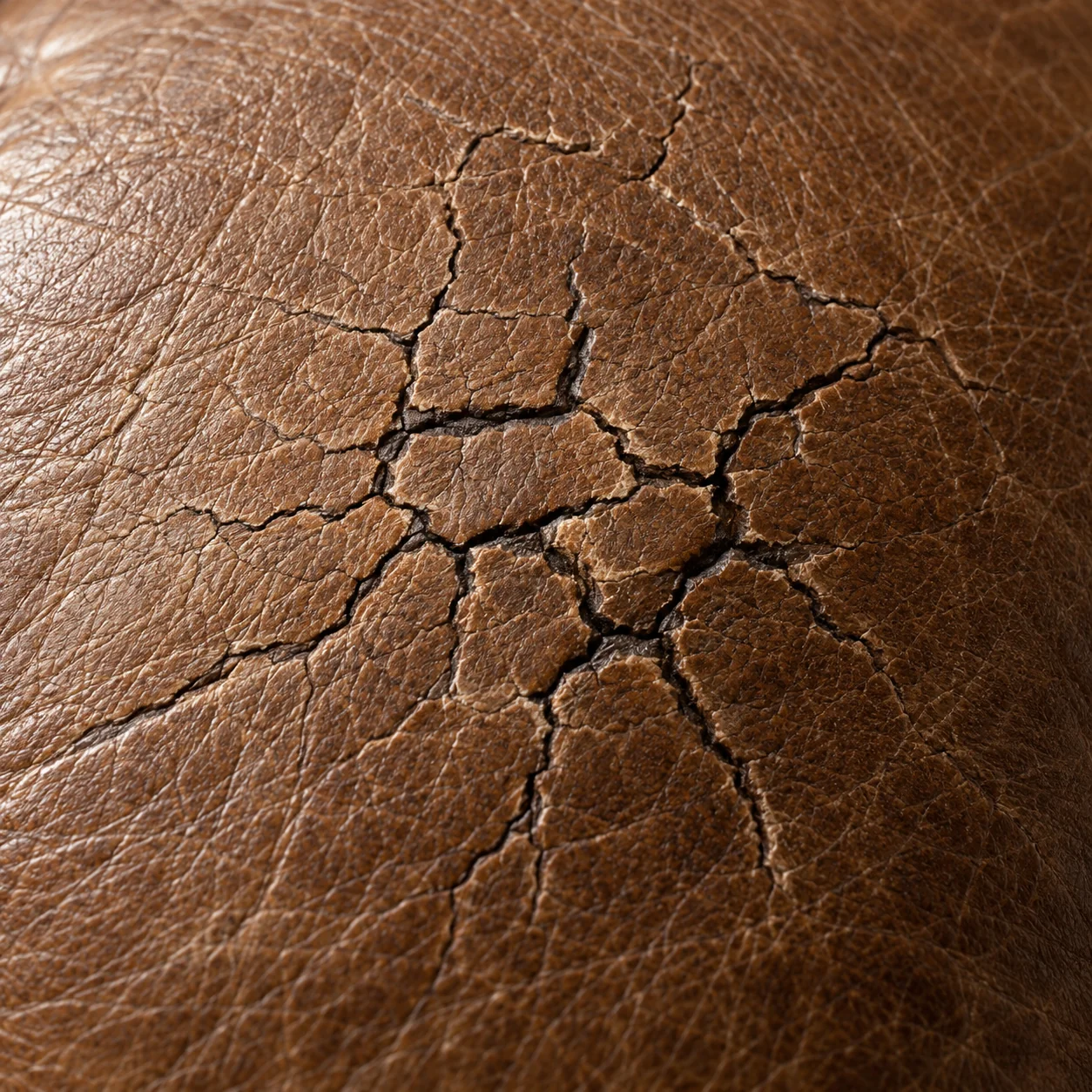
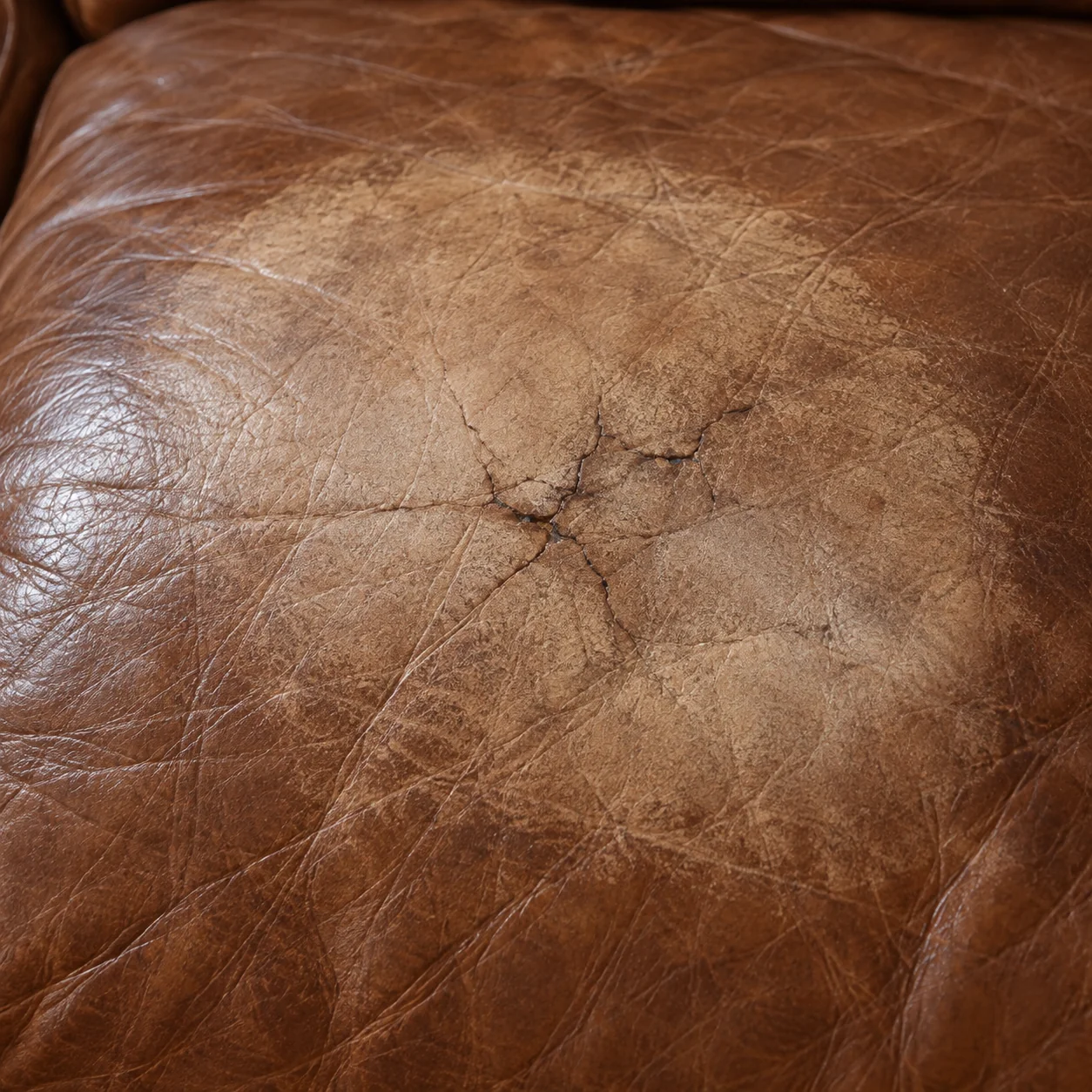
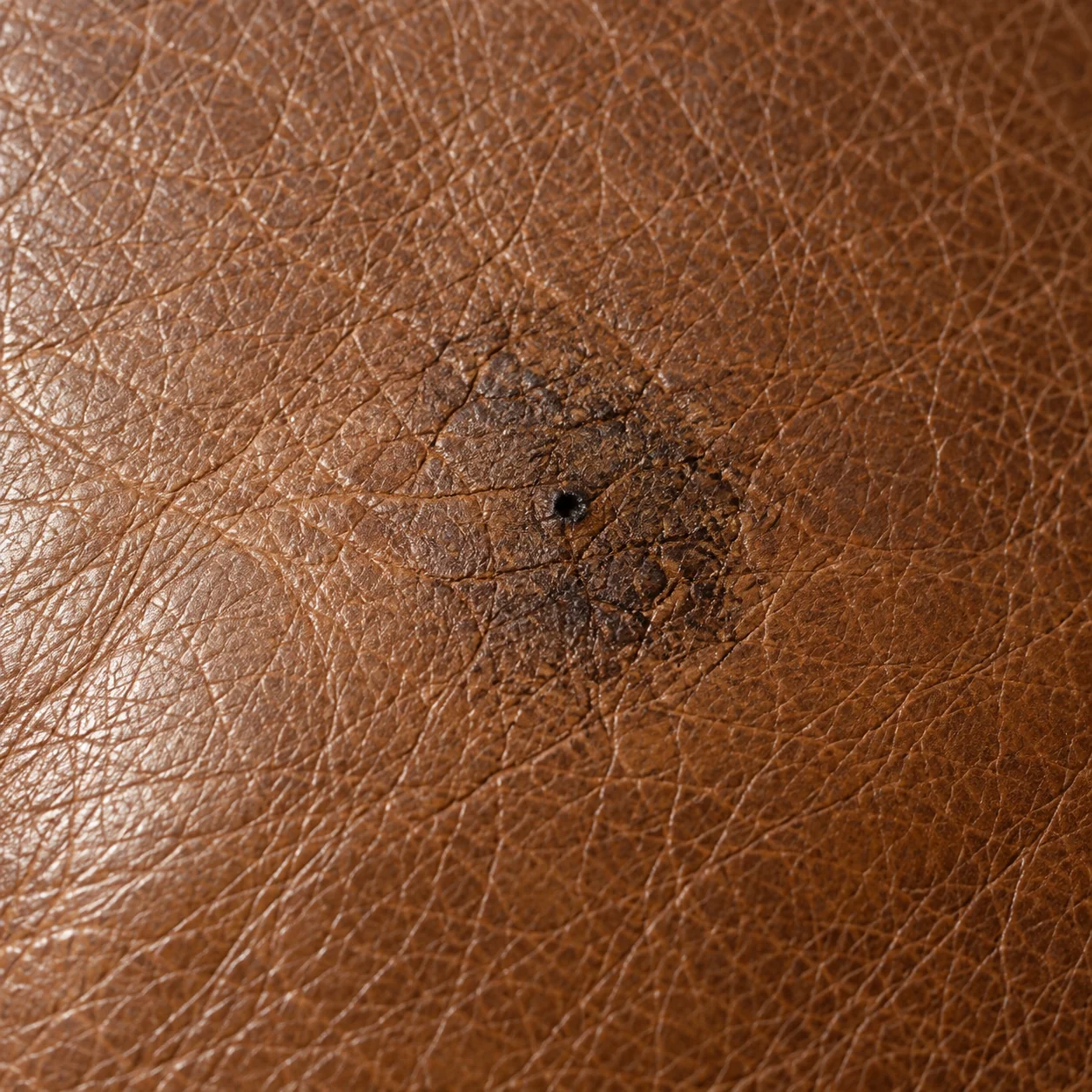
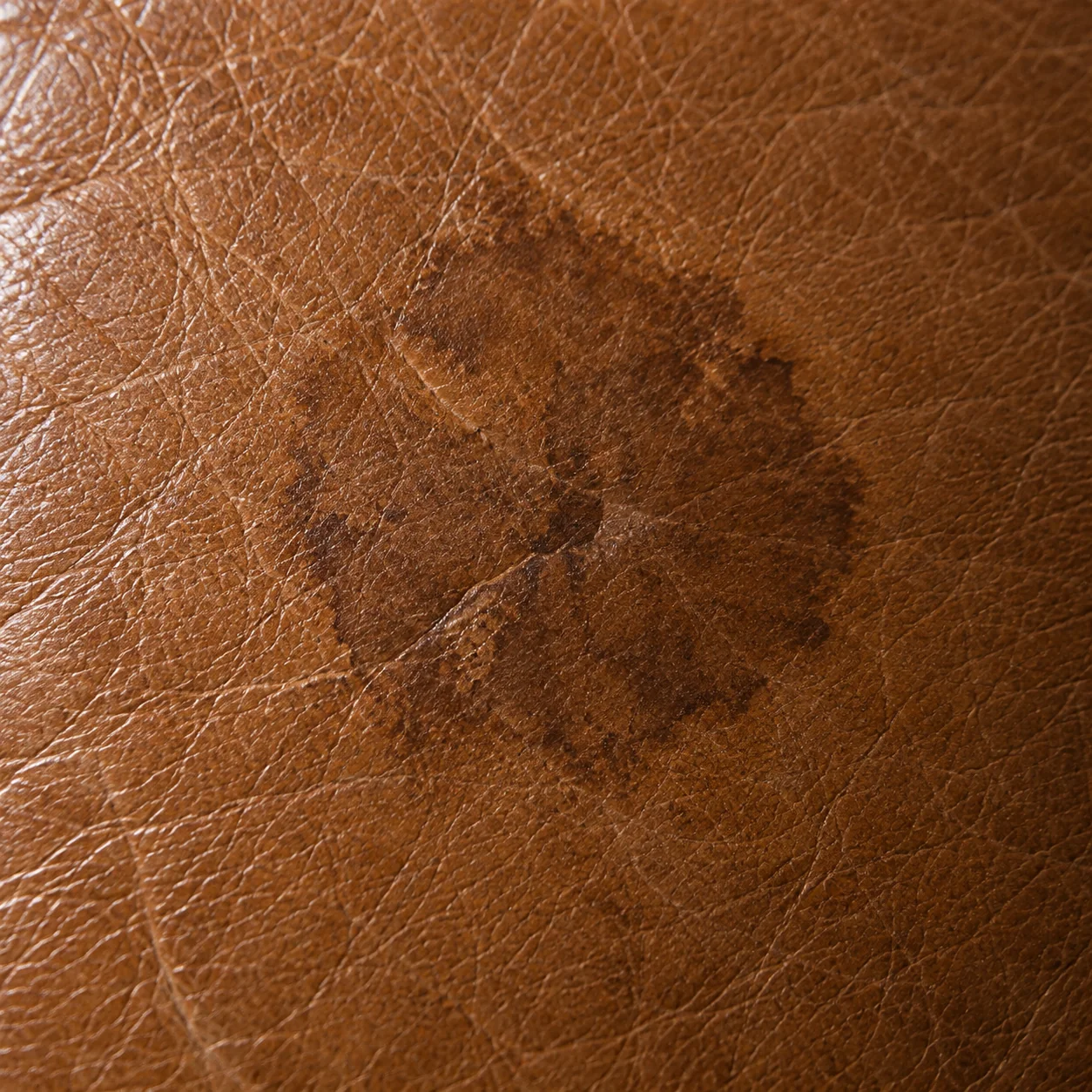
Comfort Is Personal
Discuss your preferred feel and the support your furniture needs. Where the foam is past reviving, we build a new cushion insert to the feel you choose.
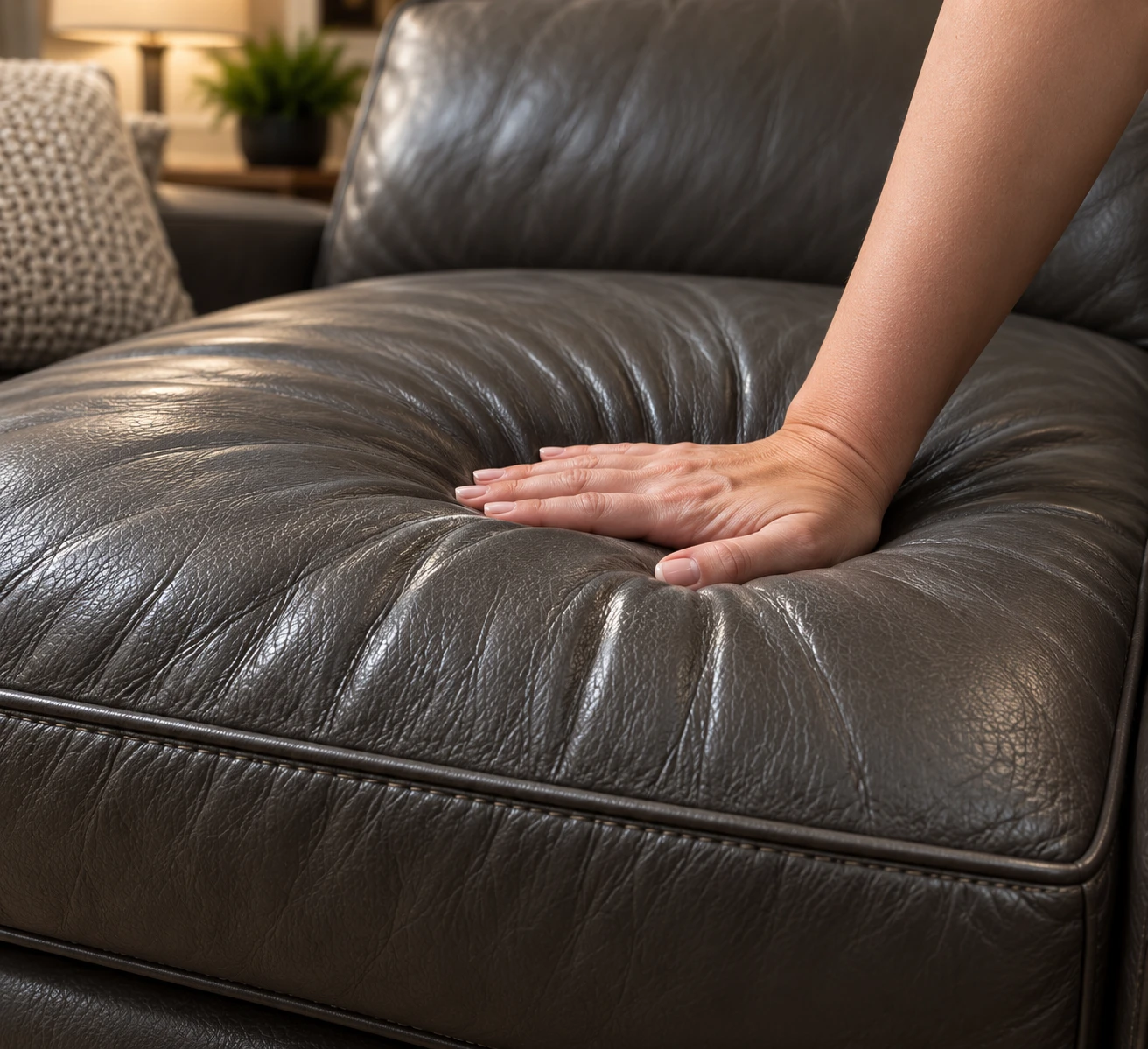
A plusher, relaxed feel.
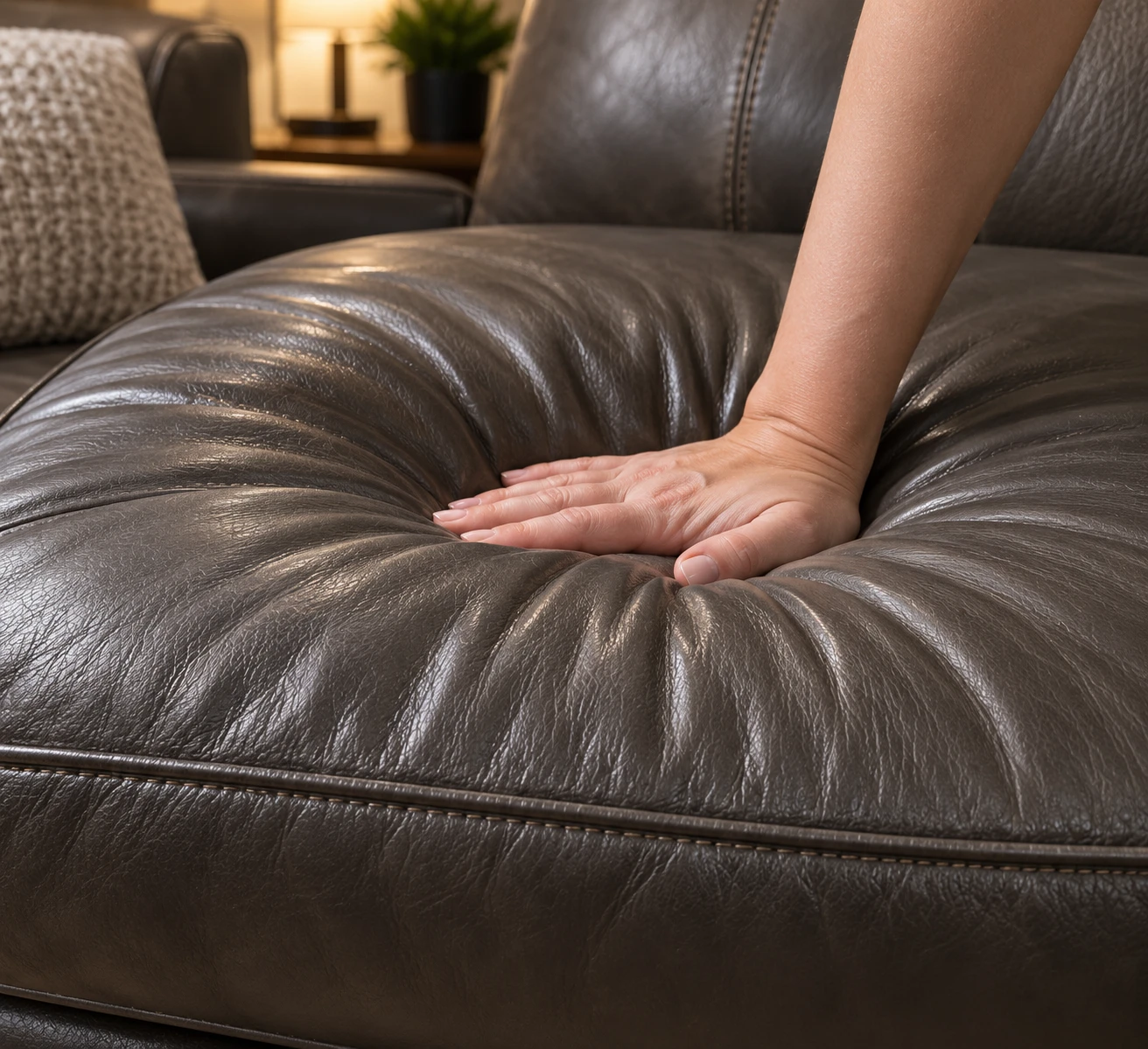
A blend of comfort and support.
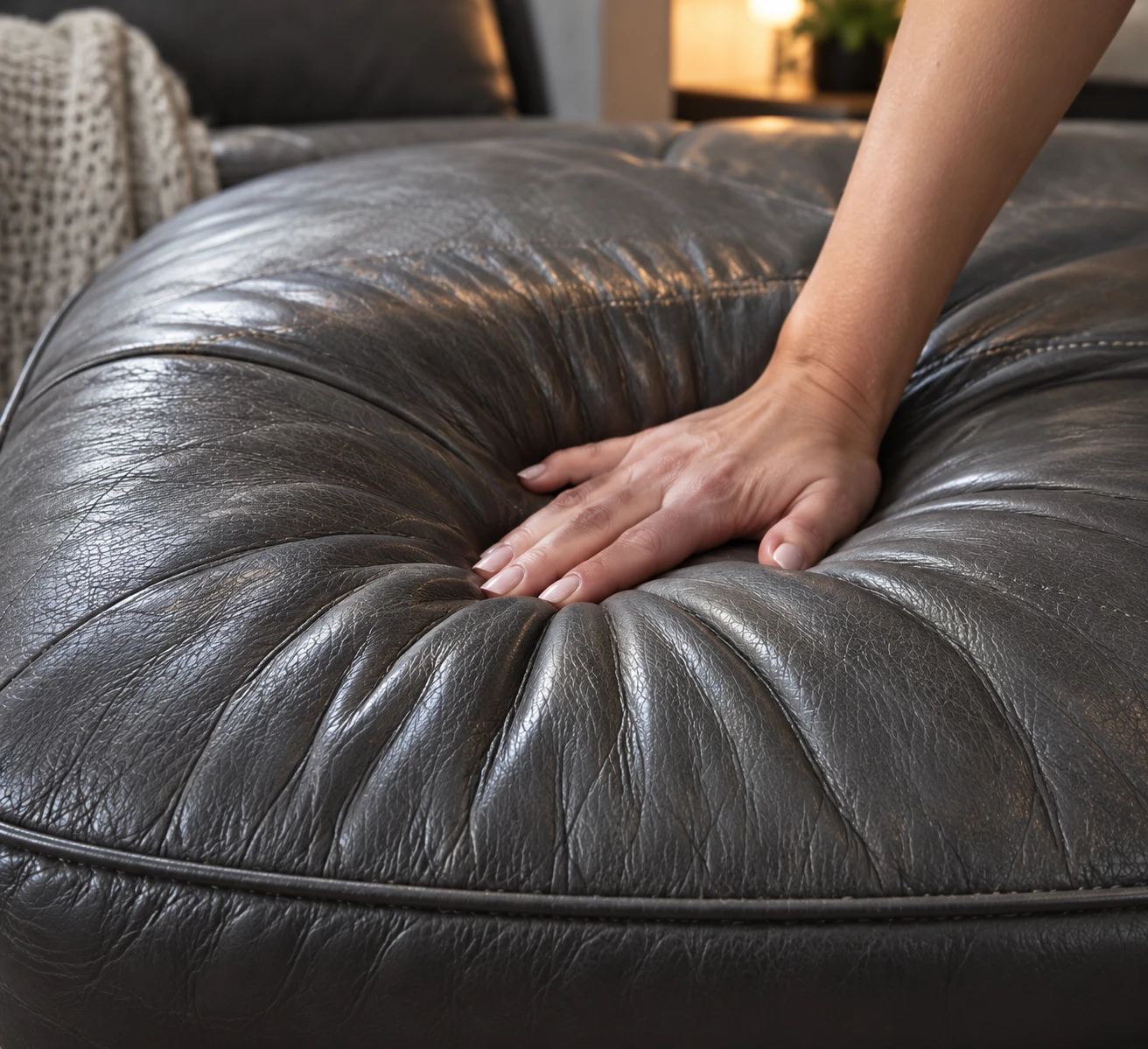
A more supportive feel.
Cushions Wear Out Years Before The Frame Does
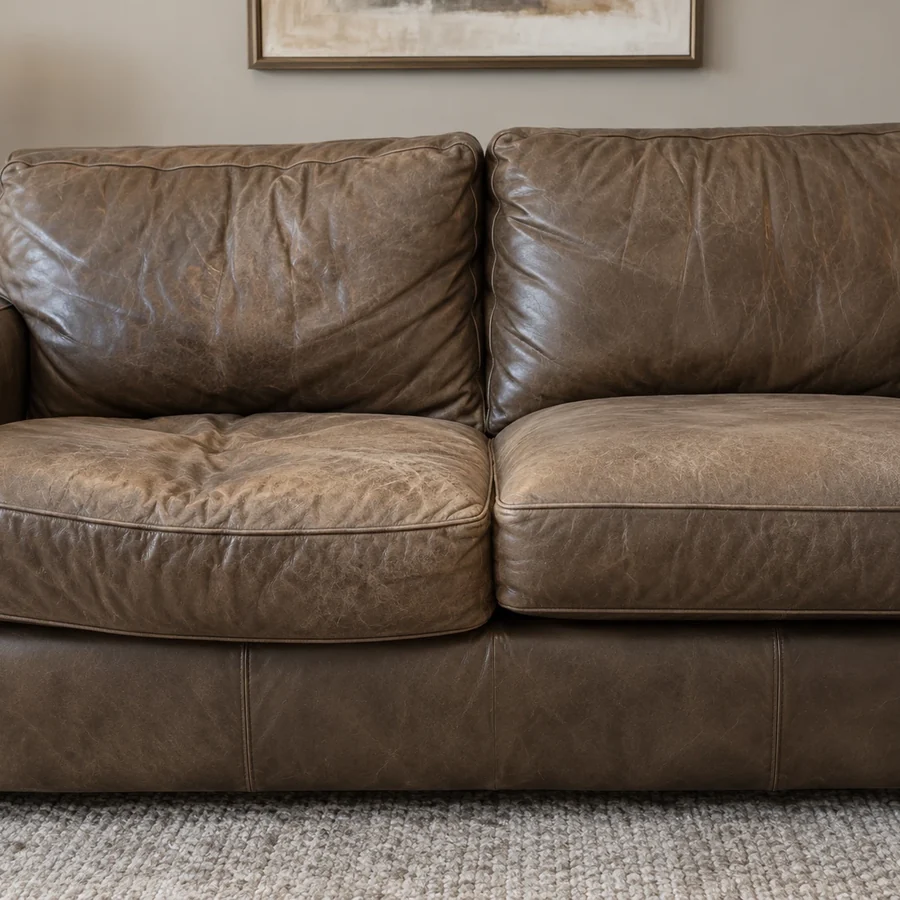
A sofa is not worn evenly. Two or three cushions carry almost every hour of use, flexing under weight thousands of times a year, while the back and the outside arms are barely touched. That is why a piece can look tired from the front and be perfectly sound everywhere else — and why leather cushion repair is usually a far smaller job than the sofa looks like it needs.
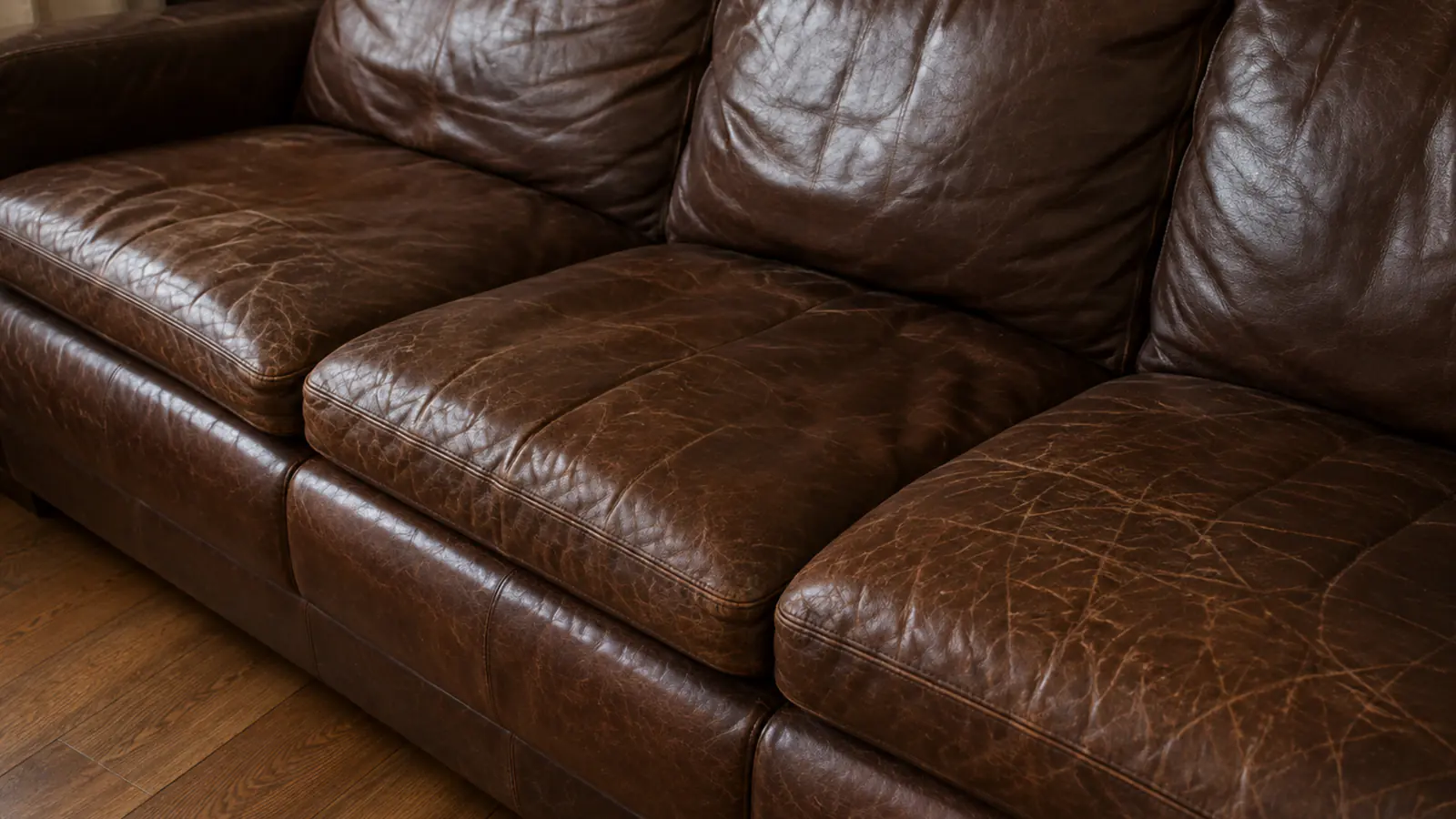
The same sofa, told two ways: the seat cushions are crazed through the crown while the arms, back and base still hold their colour and grain.
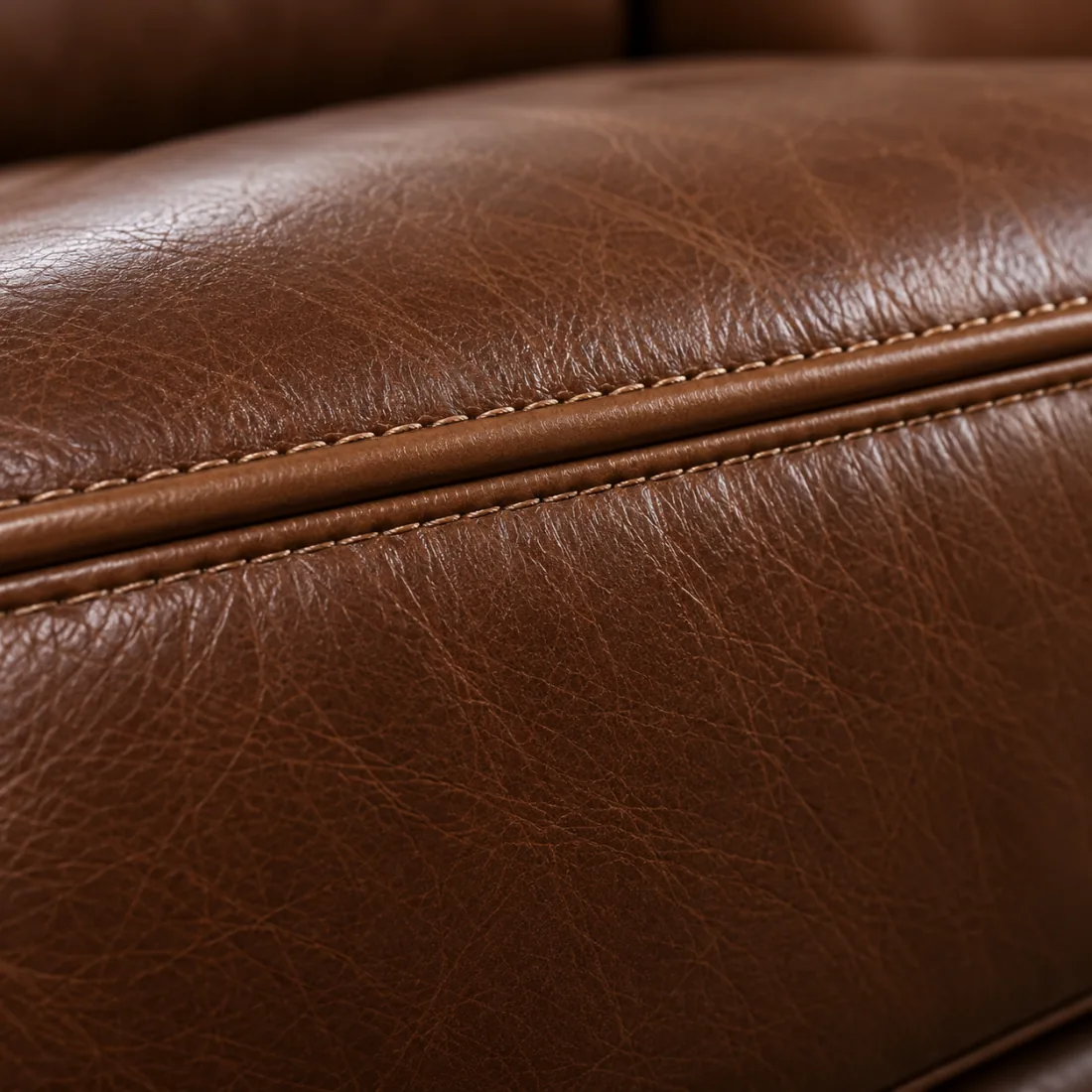
The middle of the seat, where weight lands and the hide stretches and releases every time.
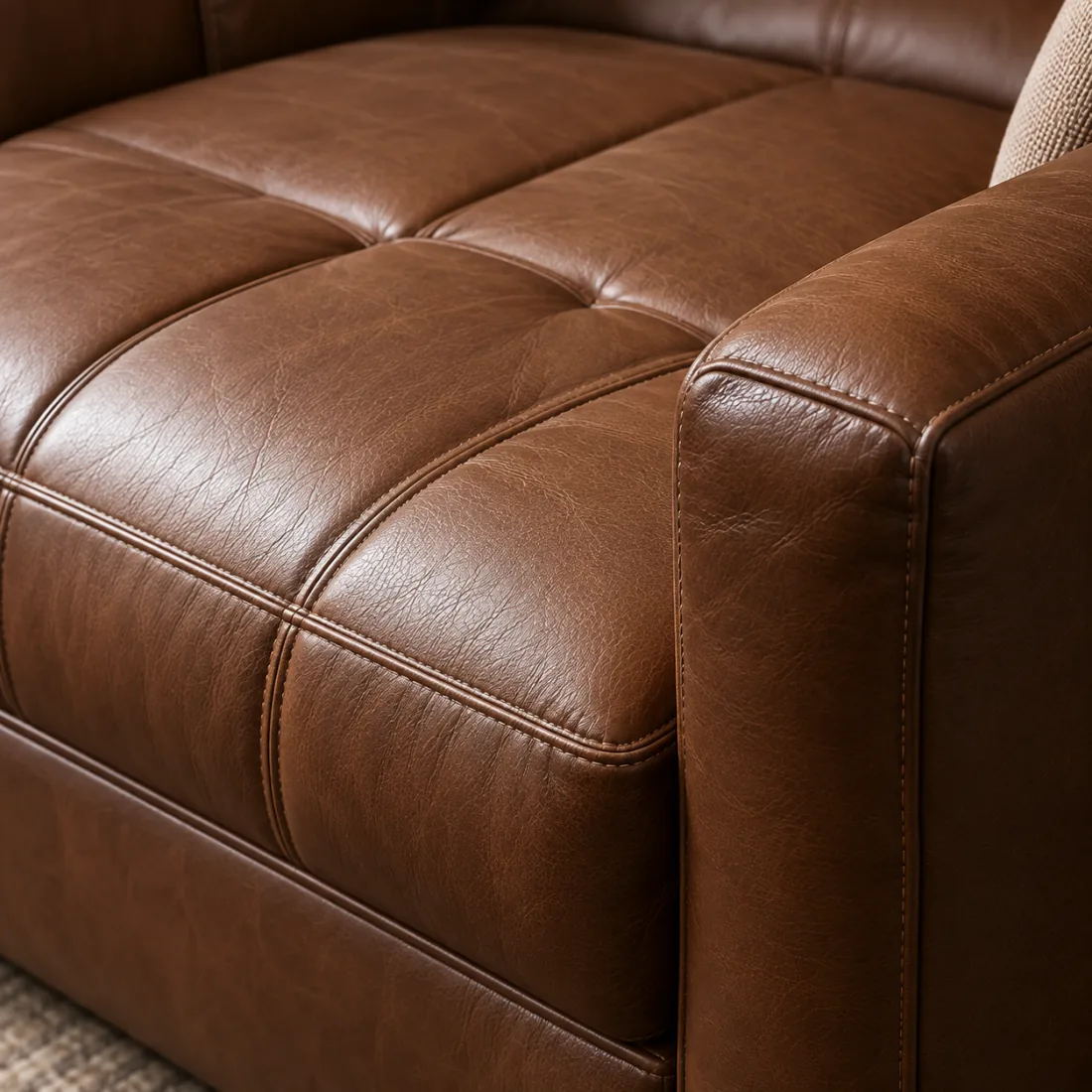
Where the cushion rubs the inside arm on the way in and out. Wear here is friction, not weight.
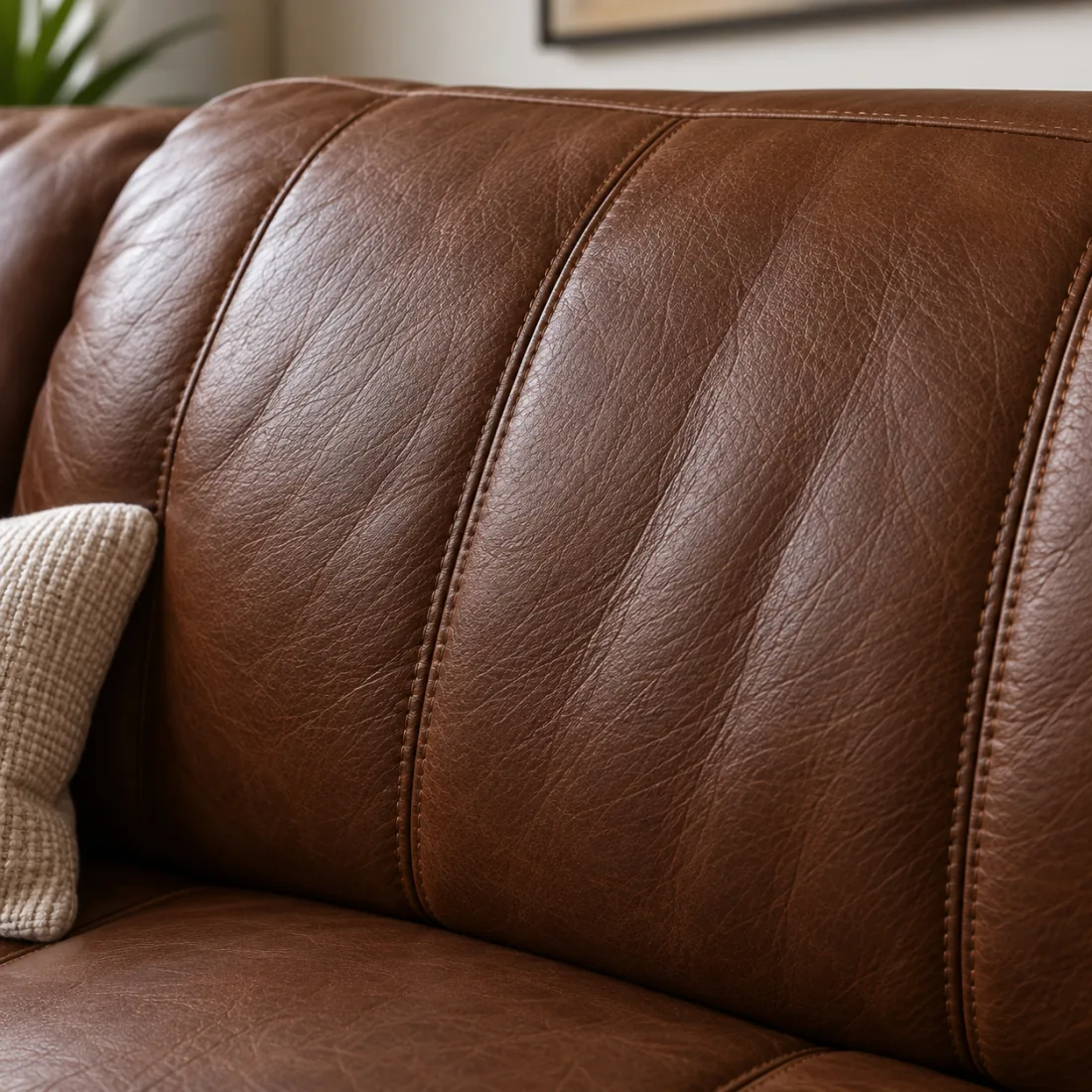
Creases in a back cushion crack along the fold line long before the flat panel around them does.
Matching The Details
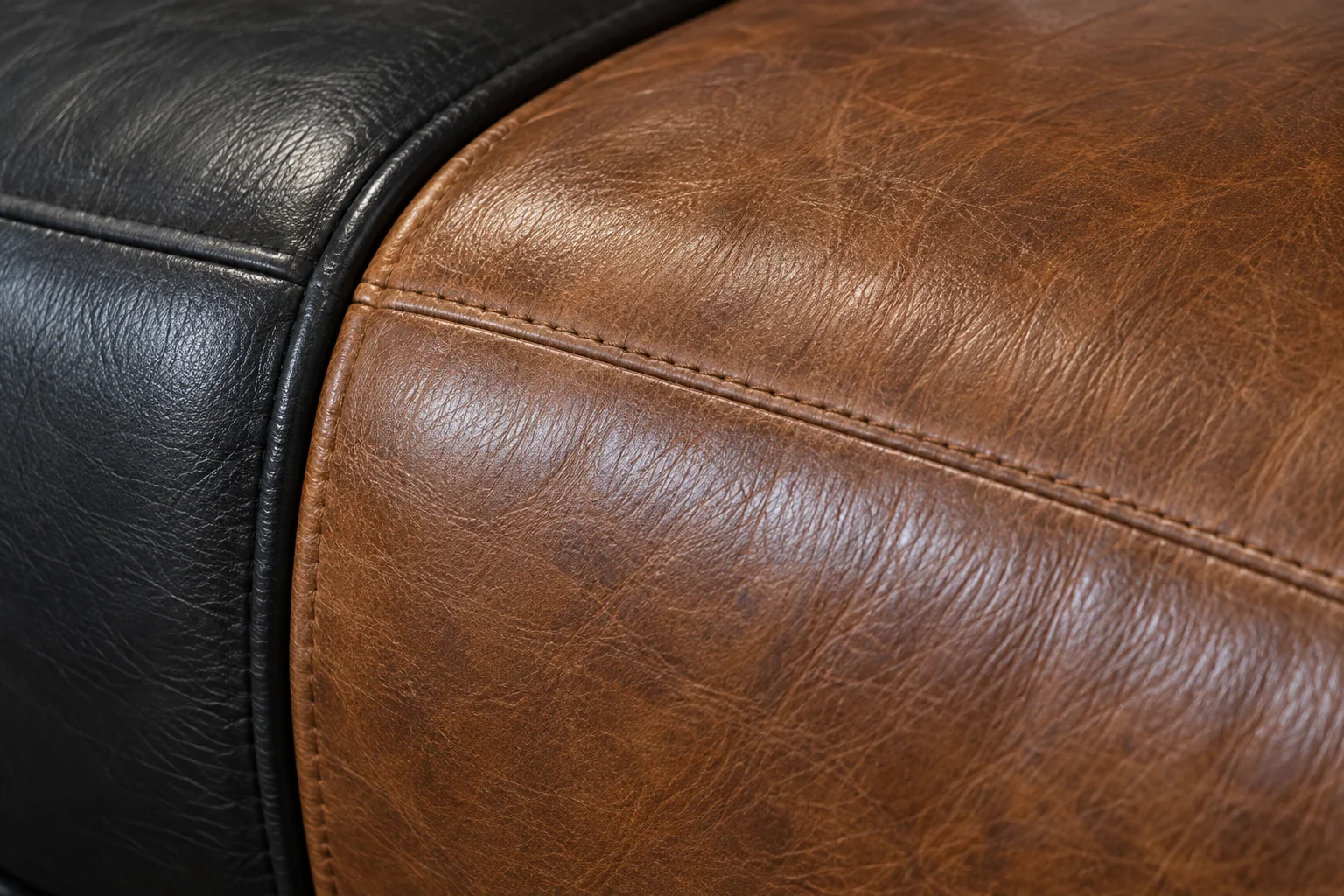
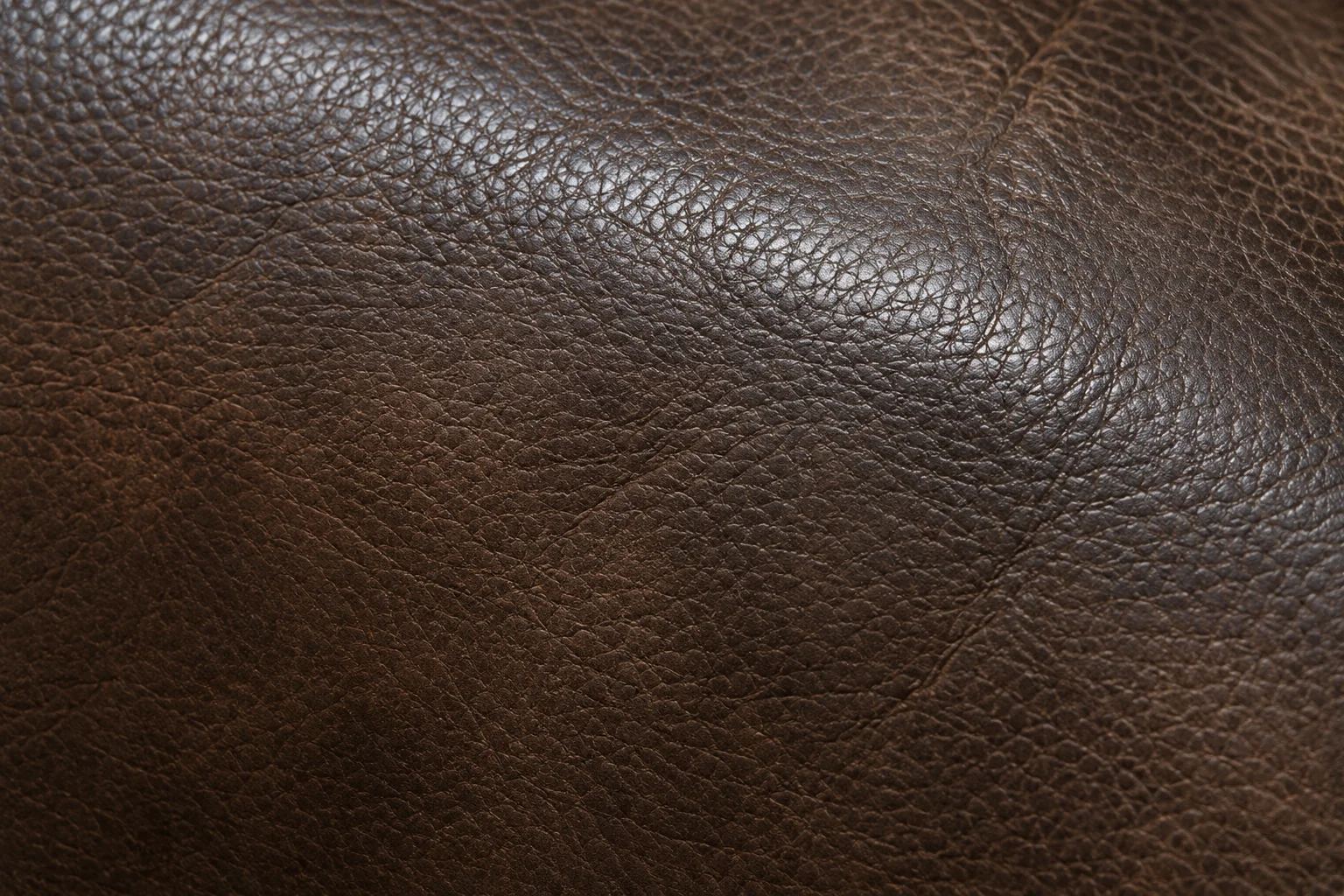
Available materials and the surrounding leather affect the match.
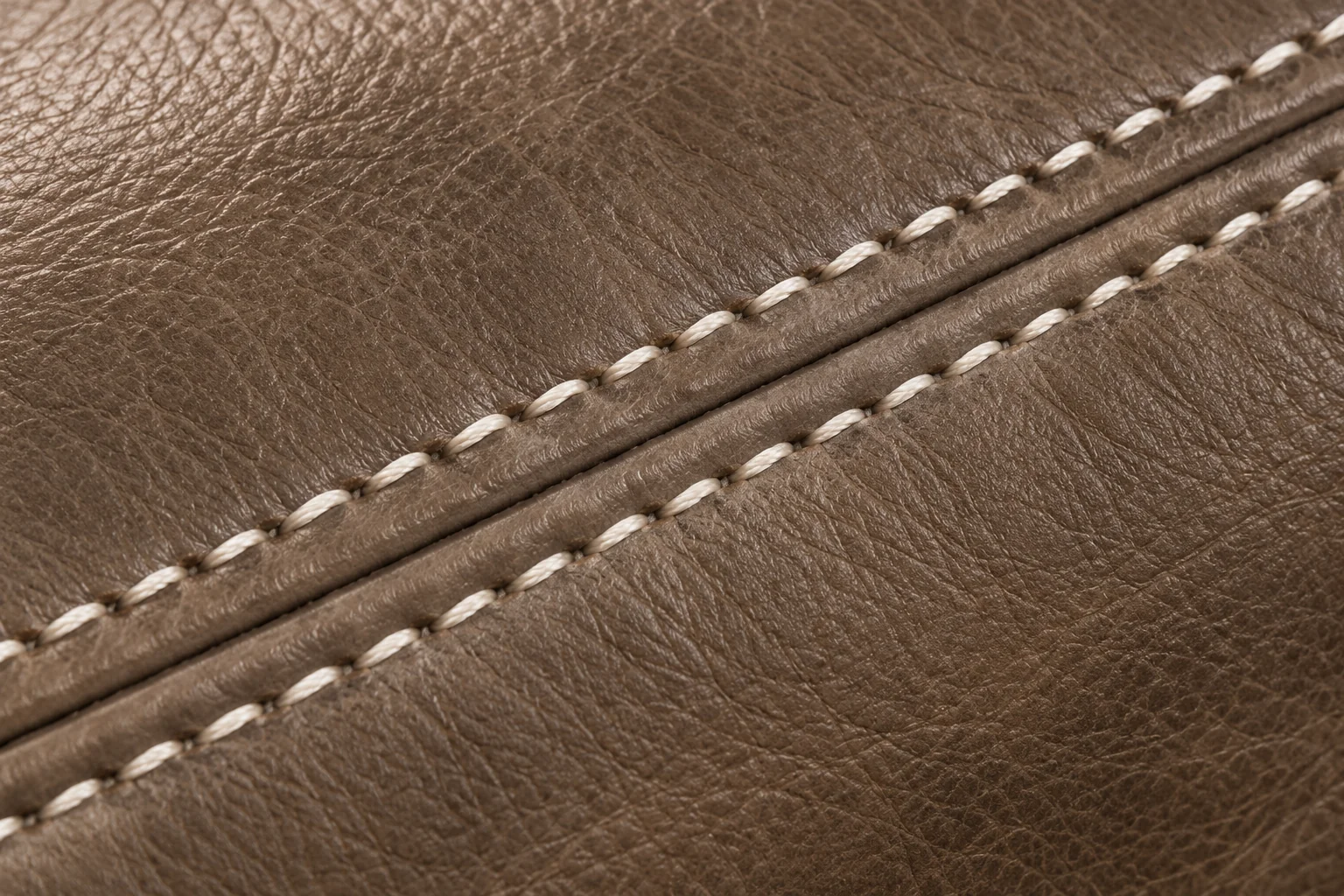
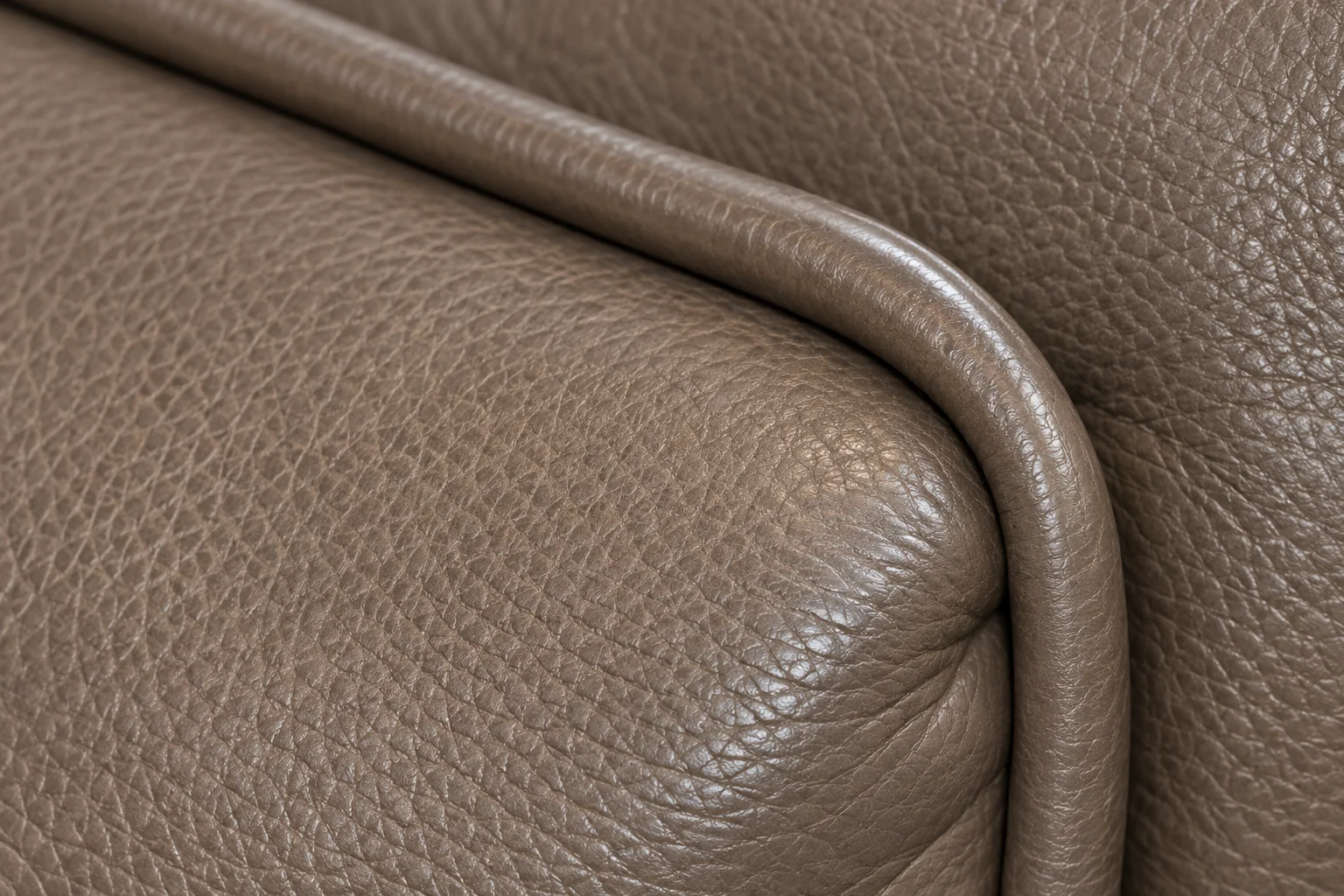
Three Times We Say No To A Cover Repair
Leather cushion repair is the cheapest good answer, so we look for it first. These are the cases where it is the wrong thing to buy and we will tell you so from your photos.
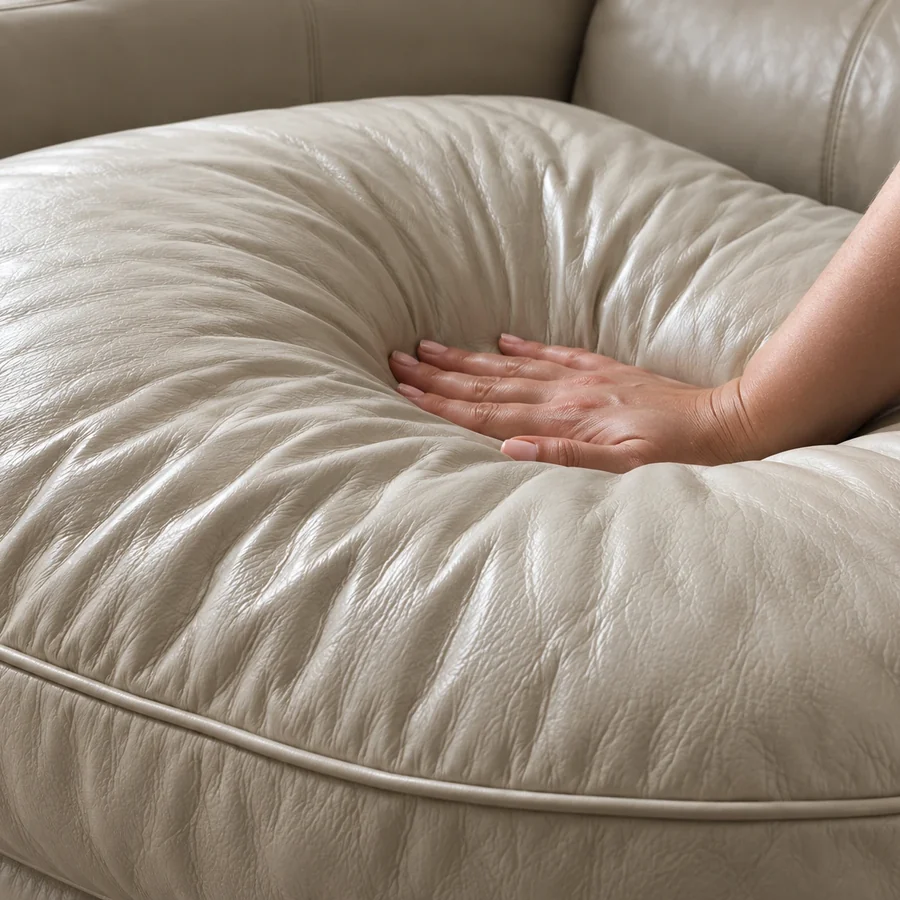
The cover has years left and the cushion sits flat anyway. Nothing done to the outside changes that, so the work belongs in a cushion replacement and the existing cover often goes straight back on.

Once a face is cracked edge to edge, filler is holding hide that has no strength left. A cushion built new to your template — cover and core together — is the durable answer, and that is custom cushion work.
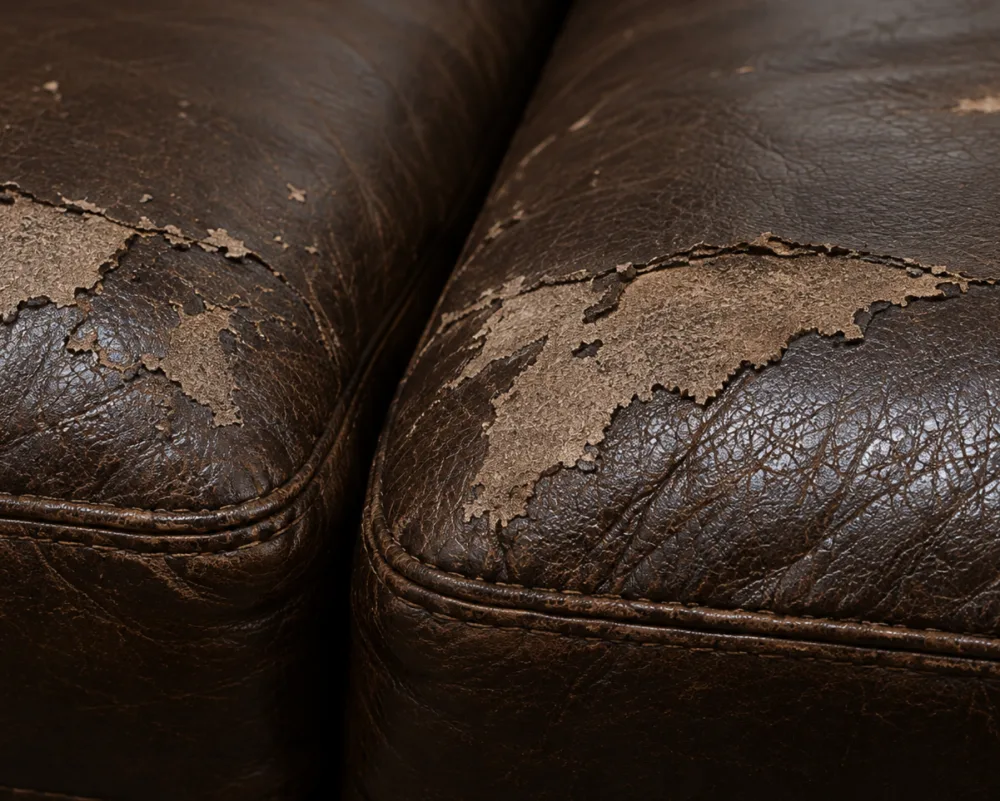
If the arms and back are peeling the same way as the seats, you are not looking at cushion damage, you are looking at a hide at the end of its life. That is a reupholstery conversation.
Cushions We Have Already Put Back
Eight leather cushion repair jobs, each photographed in the same light before and after. The seat is the hardest place to hide a correction, which is why they are all shot there.
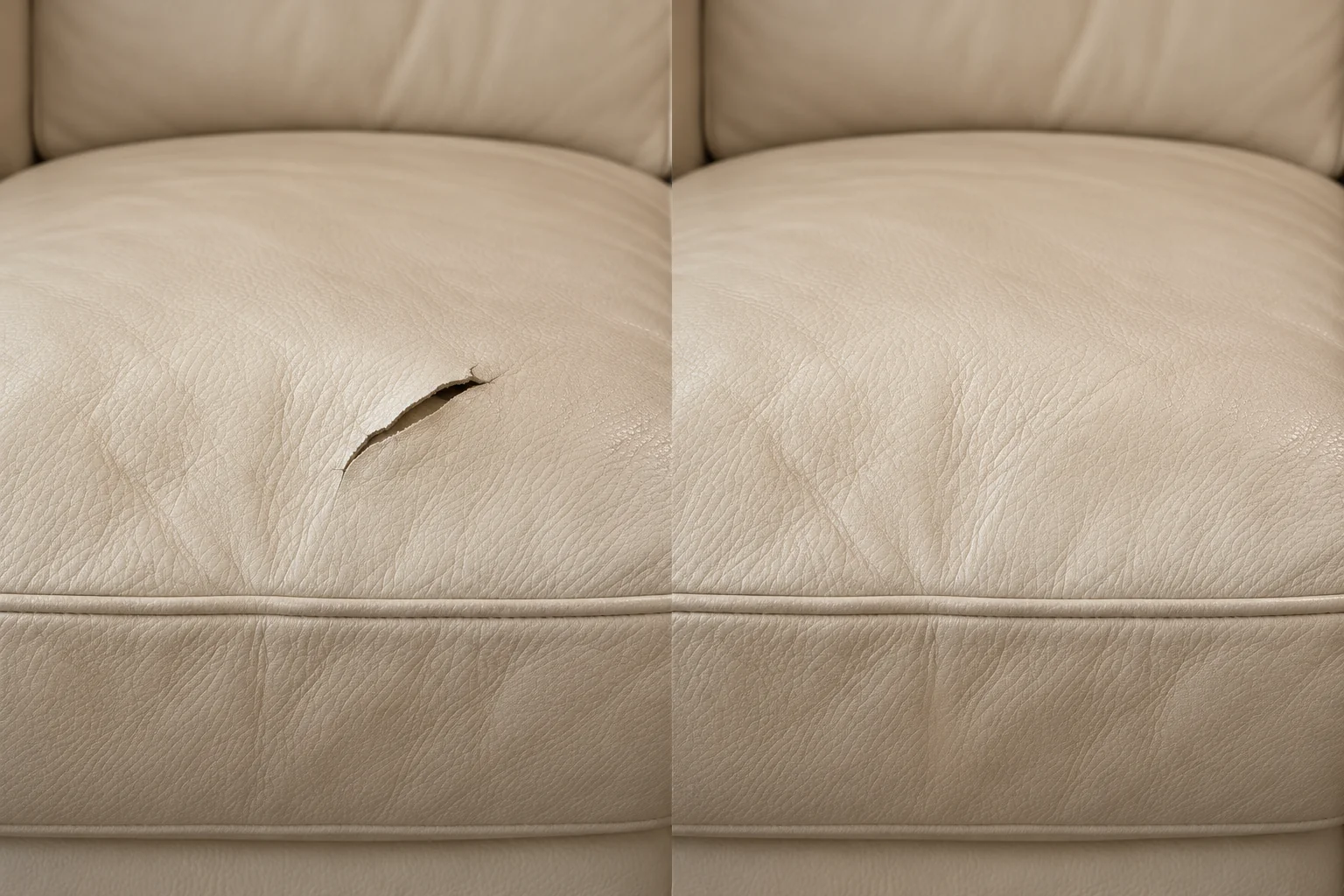
Tear through a cream seat, backed from behind, filled level and grained.
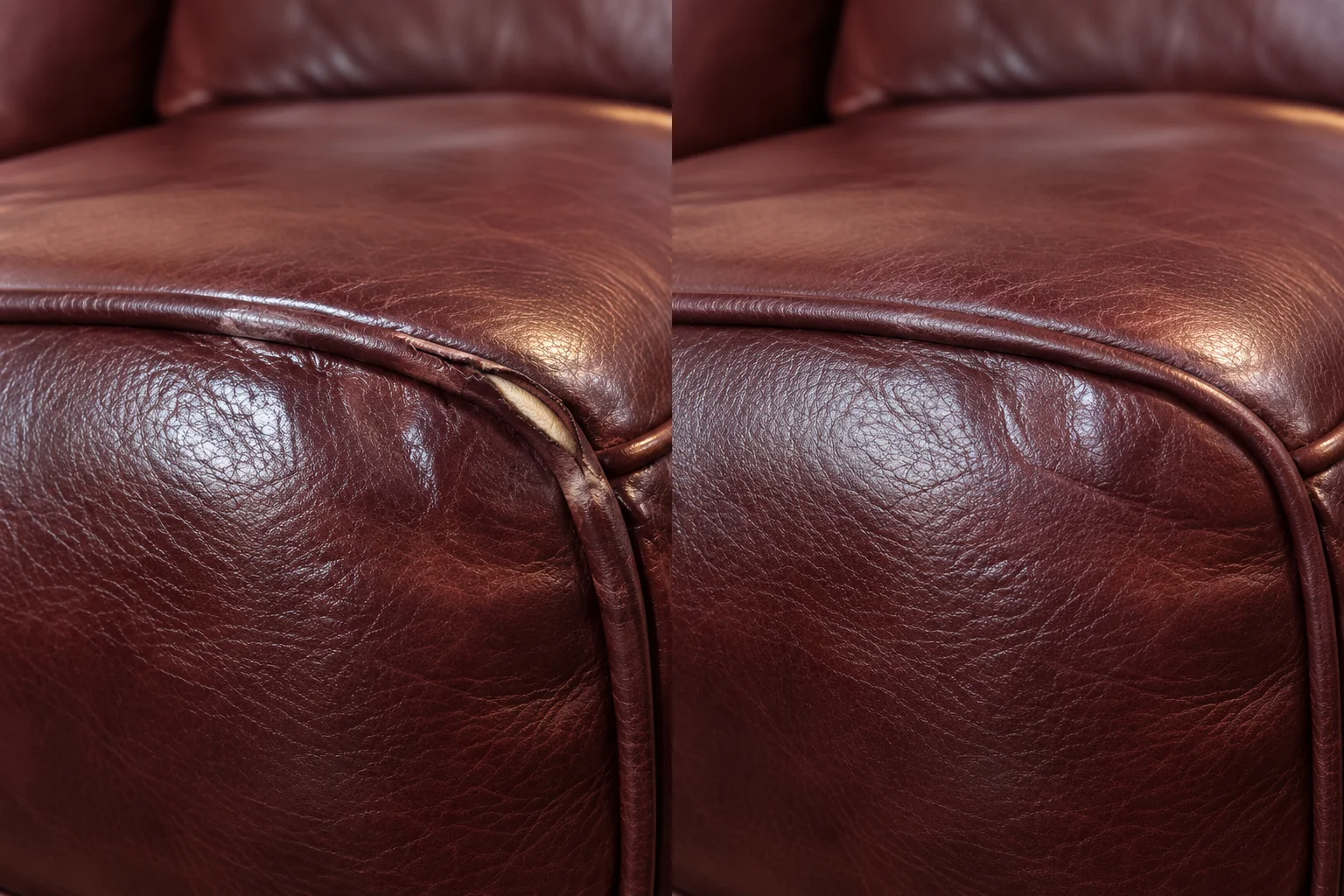
Split piping on a burgundy chair, rebuilt along the welt line.
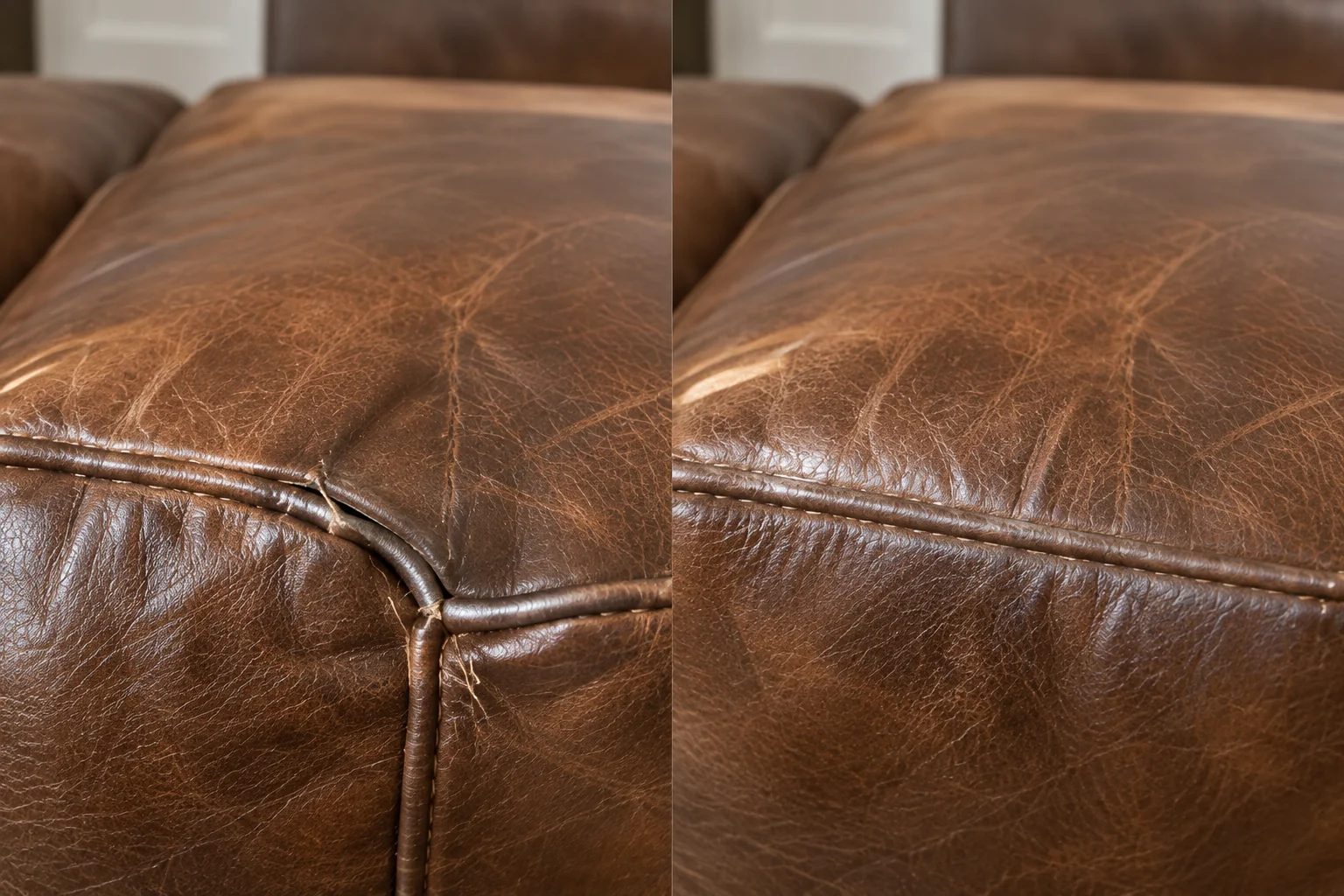
Frayed corner where two seams meet, closed and re-grained.
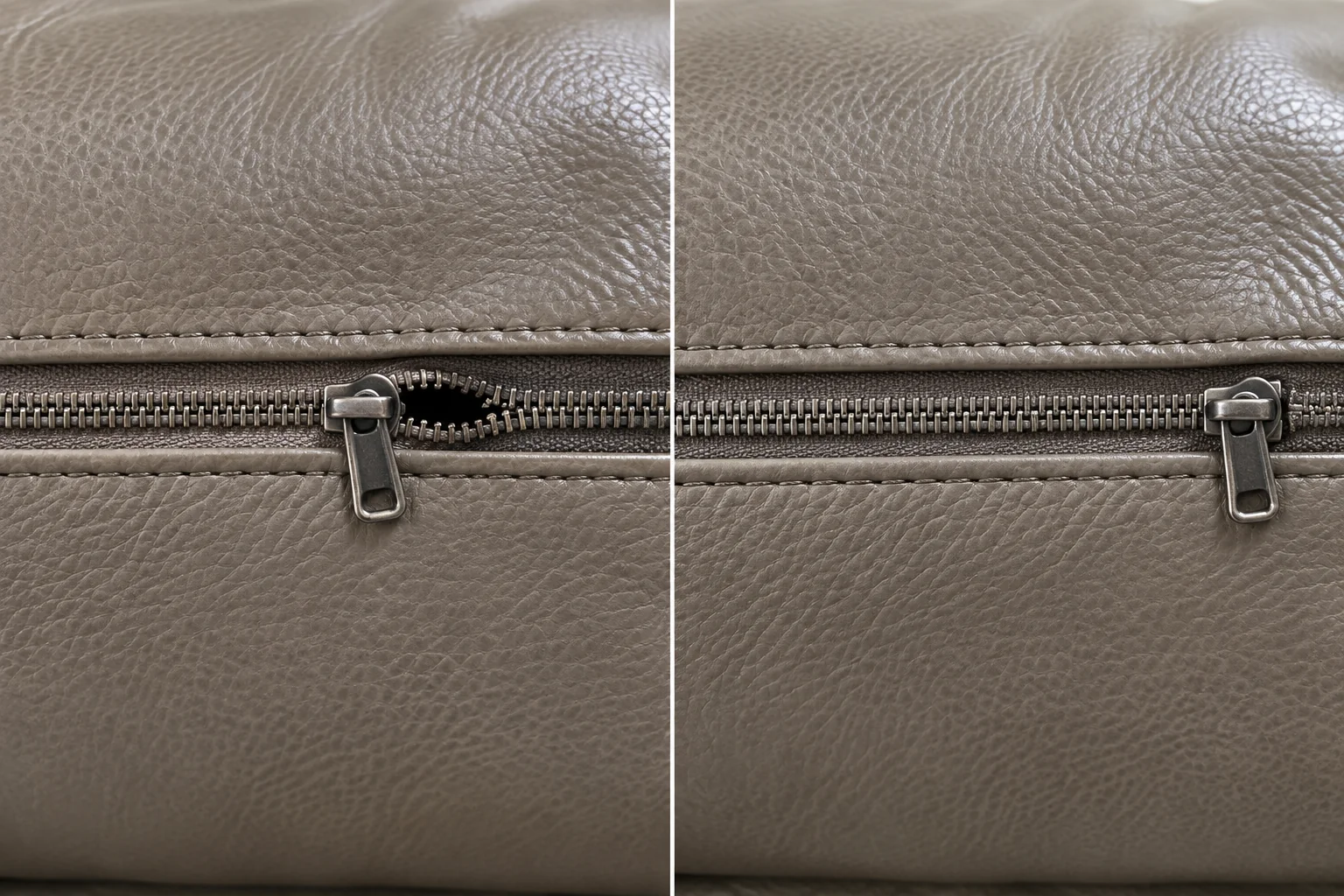
Zipper split open mid-run. New slider fitted, cover left on the insert.
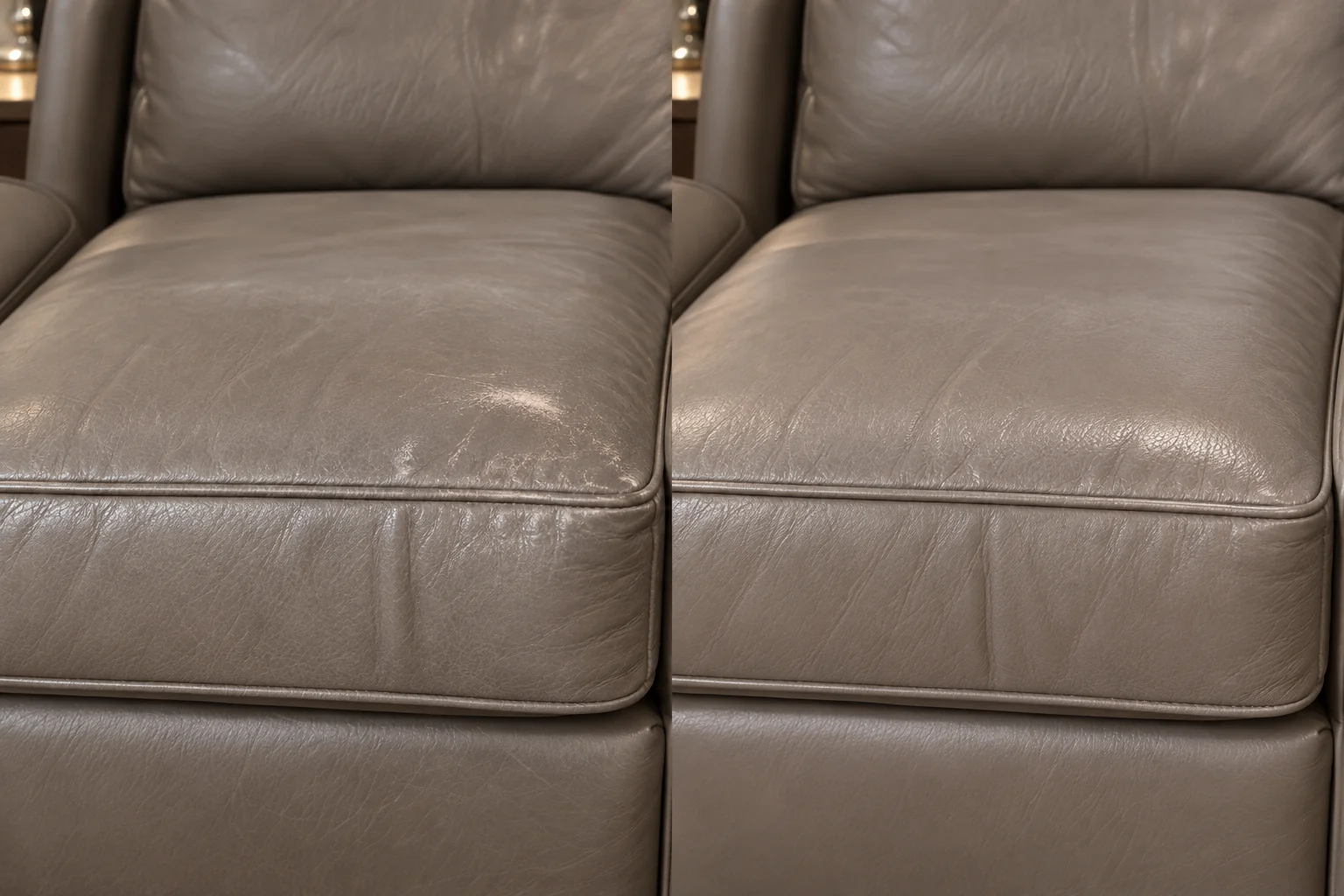
Polished scuff on a grey seat. Finish taken back, then recoloured.
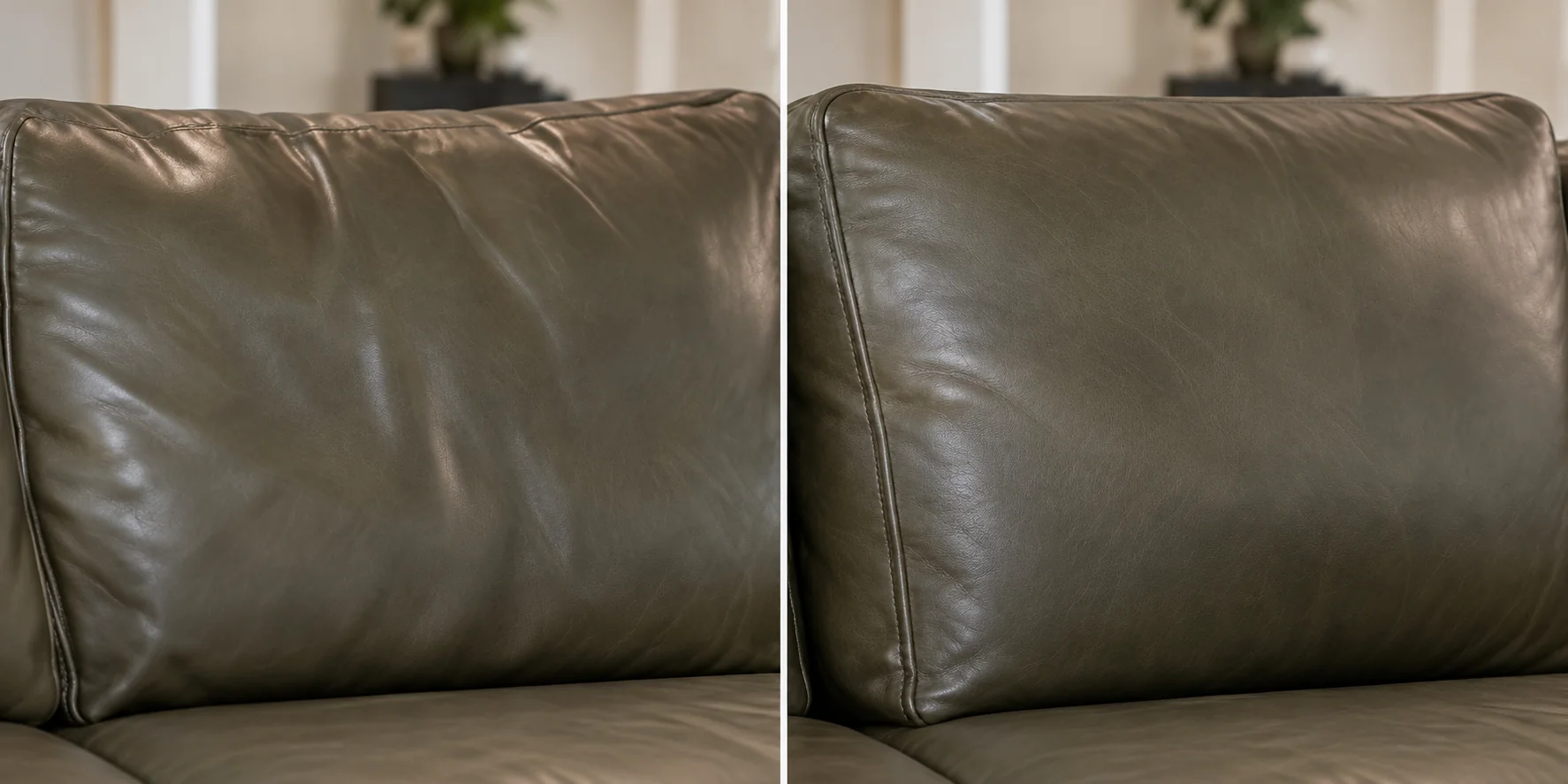
Olive back cushion, set creases. Refilled so the face sits flat again.
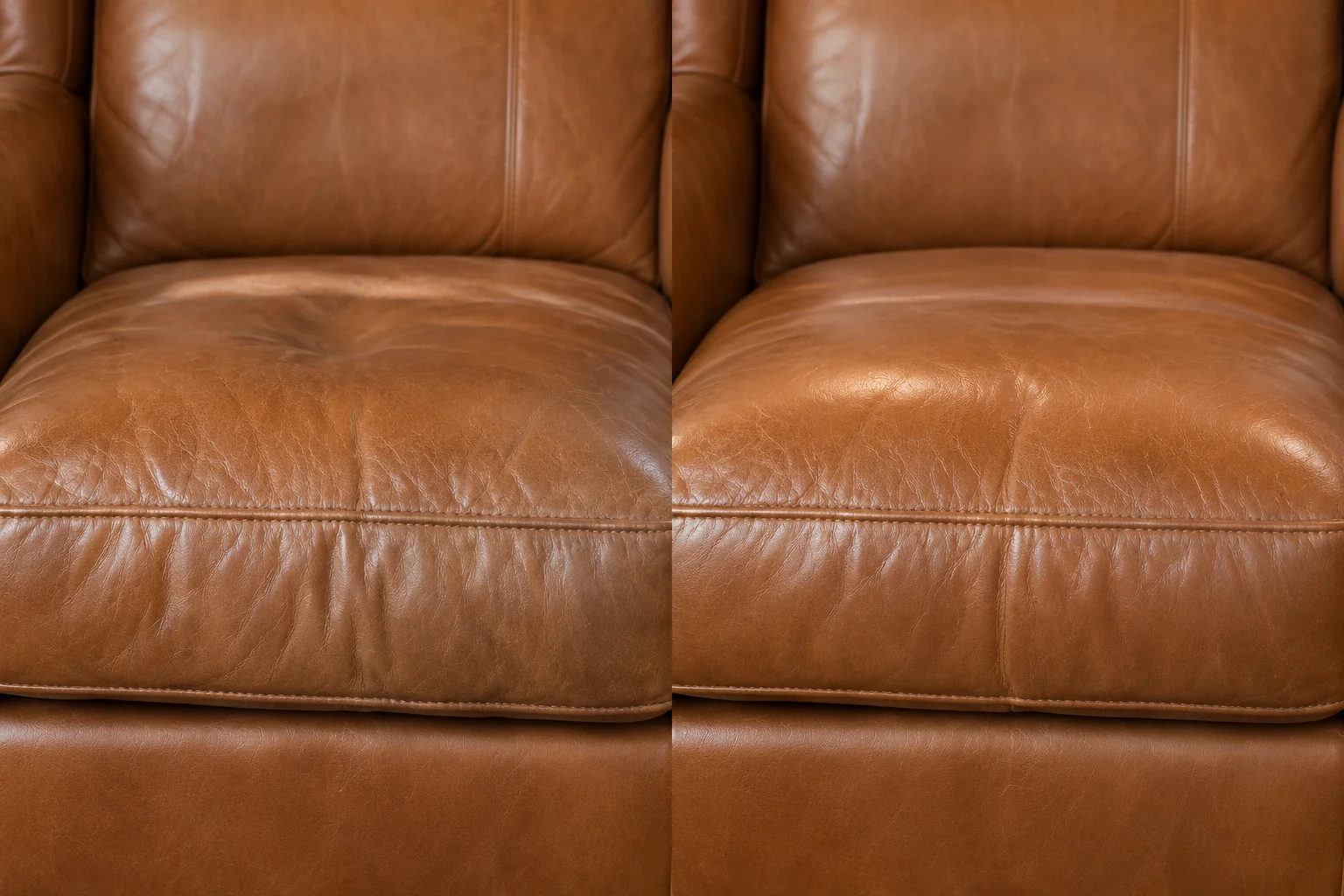
Tan seat sunk in the middle. Insert rebuilt to the original height.
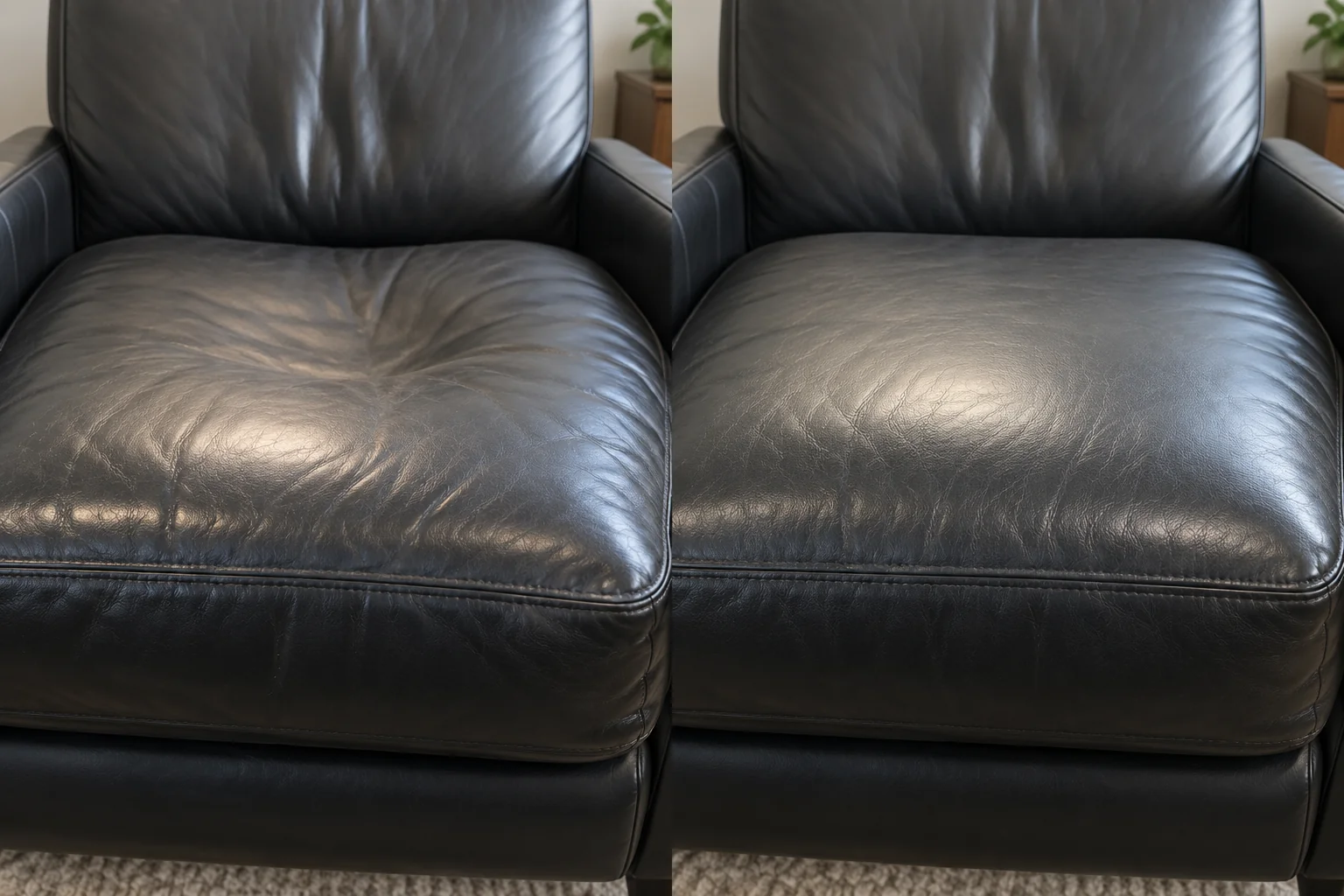
Black seat sagging under the crown. Foam replaced, cover reused.
What People Ask Before Booking
Do you open the cushion to repair the leather?
No. Cover work happens on the outside of a sealed cushion. The zip stays closed and the foam or feather insert never leaves the cover, which is what keeps this job short and keeps the cushion feeling exactly as it did before.
How do I know if I need a repair or a new insert?
Press a palm into the middle of the cushion and lift it off. If the surface rises back to its old shape, the core is sound and the damage you can see is on the cover. If the dent stays, the filling has collapsed and no amount of work on the leather will bring the shape back.
Can one cushion be fixed without touching the others?
Yes, and it is the most common request we get. The risk is not the repair, it is the match: one cushion has been sat on for years and its neighbours have not, so the colour and sheen have drifted apart. We blend the finish across the adjacent panels so the repaired cushion does not read as the new one.
Will the repaired area feel different to sit on?
Slightly, on close inspection. A filled and recoloured area is marginally firmer under a fingertip than untouched hide because the flexible filler sits where the grain used to be. Across a seat you are sitting on, nobody notices. The insert is untouched, so the cushion itself feels the same.
How long does the work take?
Most single-cushion jobs are done on site in one visit of two to four hours, including cure time between coats. Several cushions across a sectional, or a job that needs colour blended over a whole seat run, is usually a longer visit or a second day.
Does leather cushion repair work on bonded leather?
Rarely, and we will say so from the photos. Bonded leather is a thin polyurethane skin over a fibre backing. Once that skin lifts it keeps lifting, because the failure is in the bond and not on the surface. Recovering the cushion in real hide is the honest answer there.
My cushion covers are removable. Should I bring them to you?
Send photos first. Cover work is normally done in your home with the cushion on the frame, because matching colour against the rest of the piece under its own light is far more accurate than matching it on a workshop bench and hoping.
How long will the repair hold?
Years on a seat in normal use, because the filler flexes with the hide rather than sitting on it as a hard plug. What shortens it is the thing that caused the damage in the first place: a dry cushion that never gets conditioned, or a seat that gets the same corner loaded every day.
We work on sofas, sectionals, armchairs and recliners across the five boroughs and northern New Jersey, and the full list of what we do is on the services page. Leather cushion repair holds longest on a hide that is kept fed, so regular conditioning is what buys it the next few years. Museum conservators publish the same reasoning on handling and storage and on wider care standards for collections.
Two Photos Answer Most Of This
For a leather cushion repair quote we need one wide shot of the whole piece and one close shot of the worst cushion. That is enough to tell you whether this is cover work, a new insert, or neither — before anybody comes out. If you would rather talk it through, get in touch or read more about what we do.