
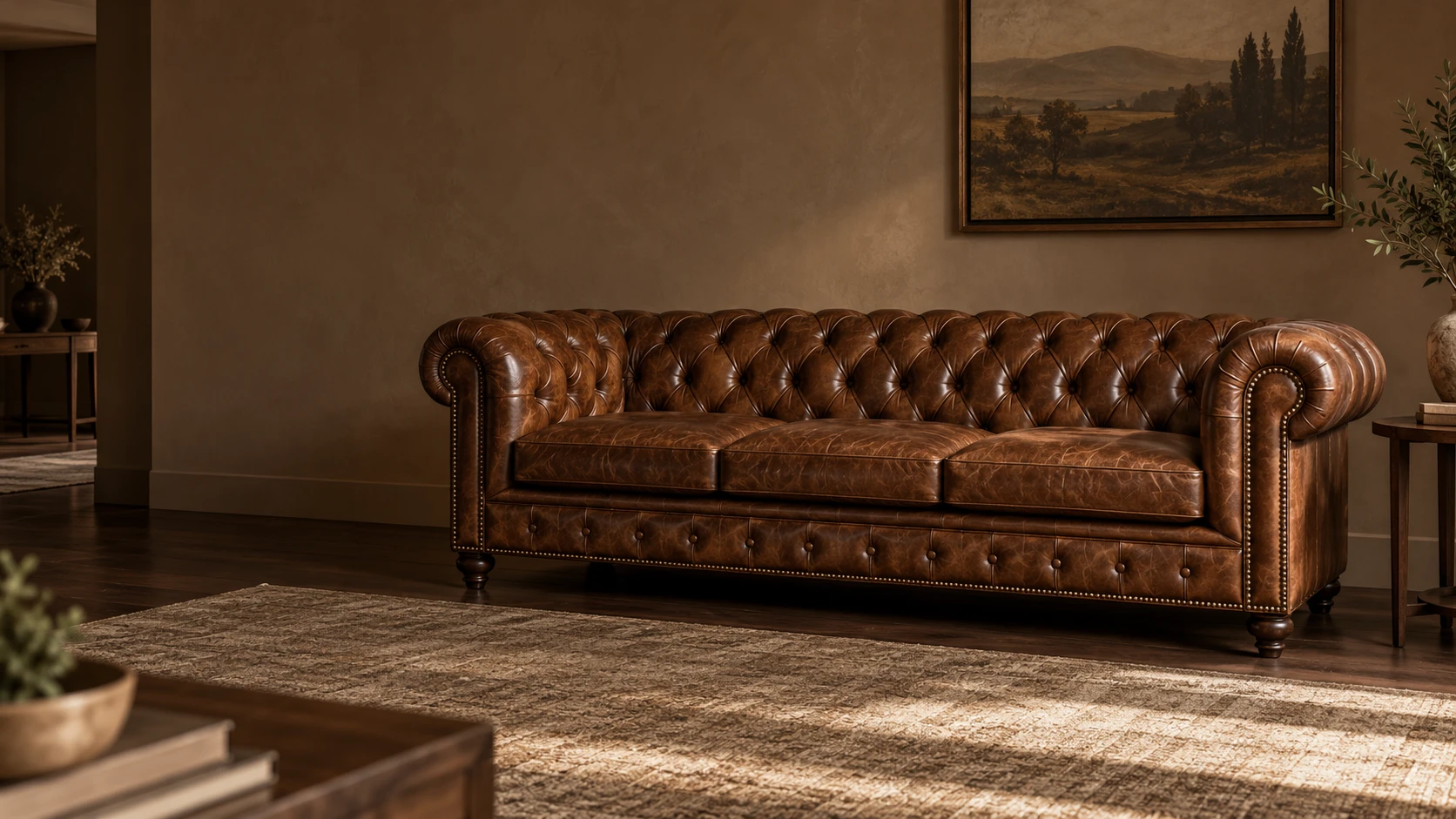
The Cover Is the Last Decision
A sofa is the longest unsupported span in the room. By the time the leather looks tired, the webbing under it has stretched and the foam has stopped pushing back — so sofa reupholstery NYC-wide starts at the frame and finishes with the hide, never the other way round.
Keep the Shape You Love. Choose a New Finish.
The frame sets arm height, back height and the line of the piece, and none of that moves. Everything you can see is the cover — which is why sofa reupholstery NYC-wide can change a sofa completely without changing the sofa.
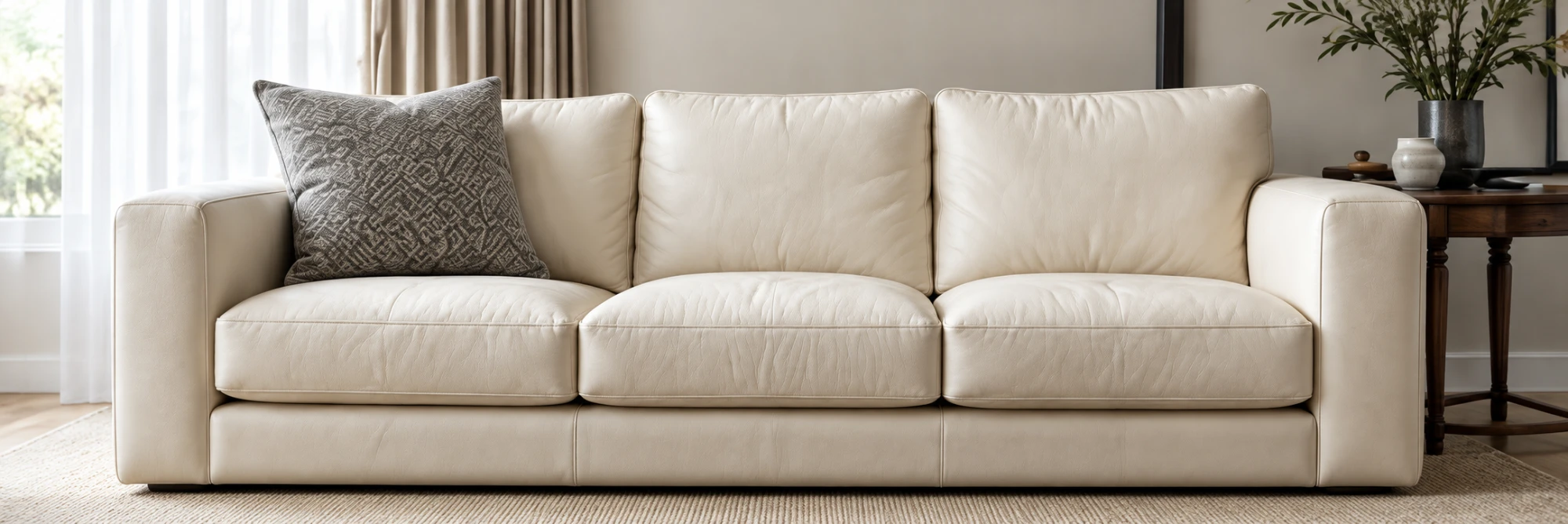 A recovered sofa reads as new because the cover is new. The frame underneath it is the one that was always there.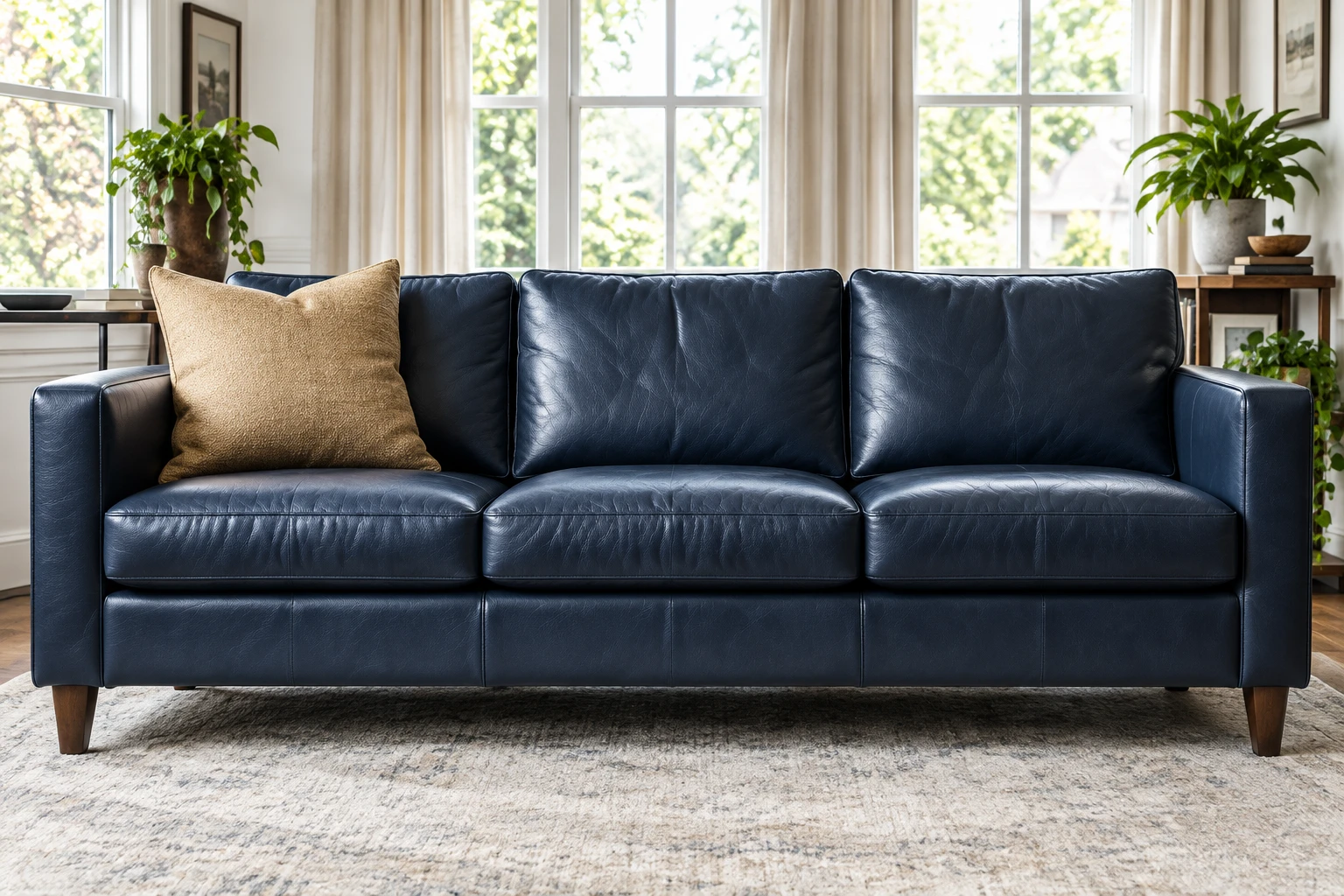
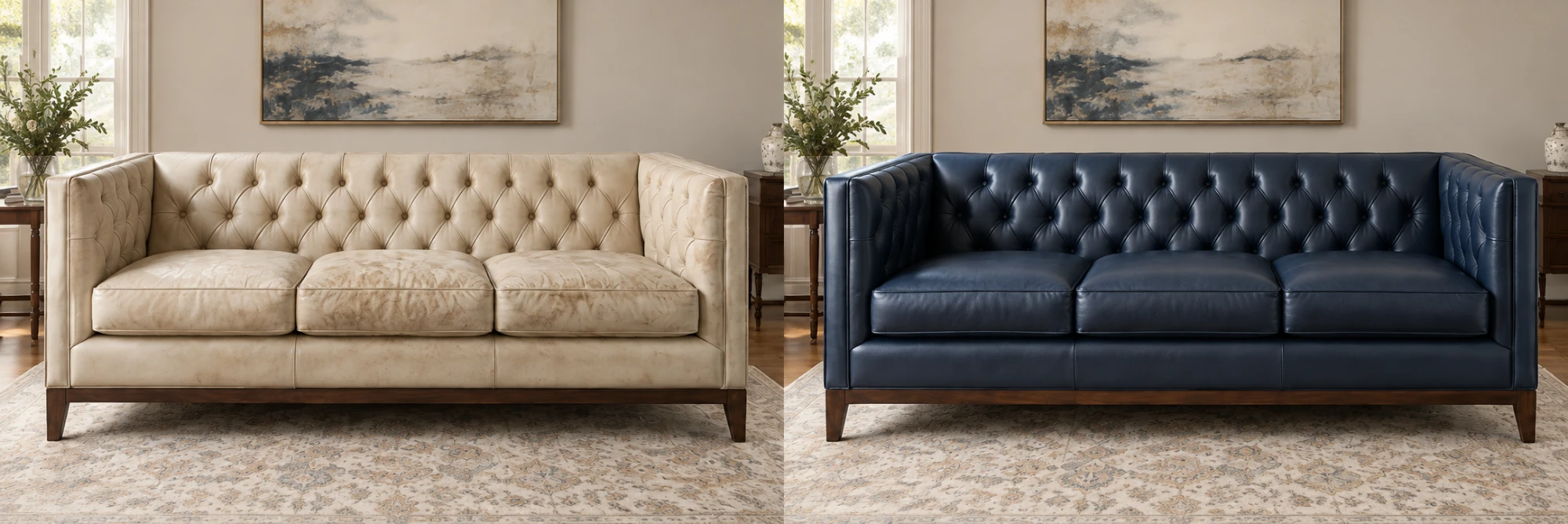
Contemporary and refined
A clean modern line in navy pigmented hide.
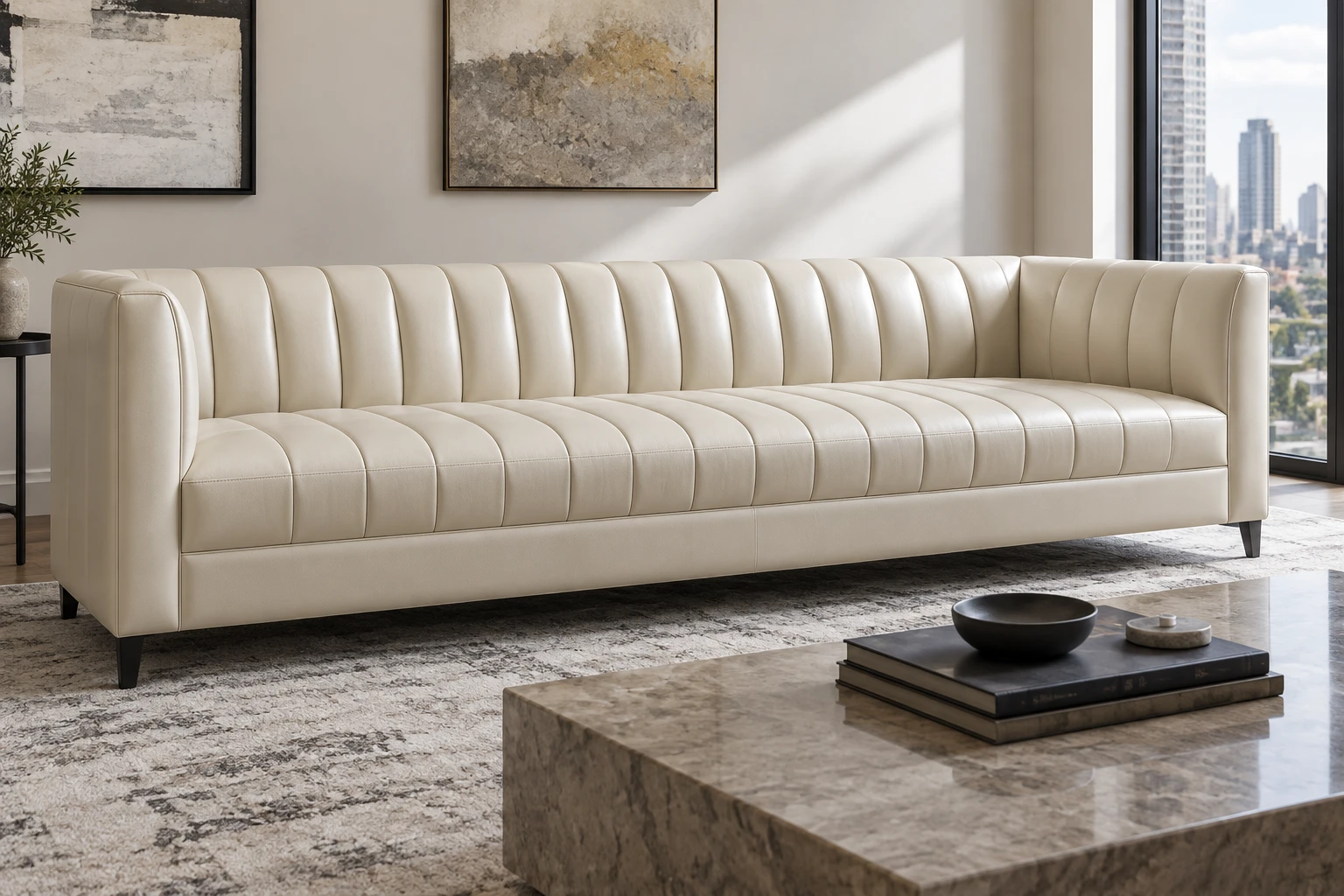
Channelled and low
Vertical channels stitched into a cream cover.
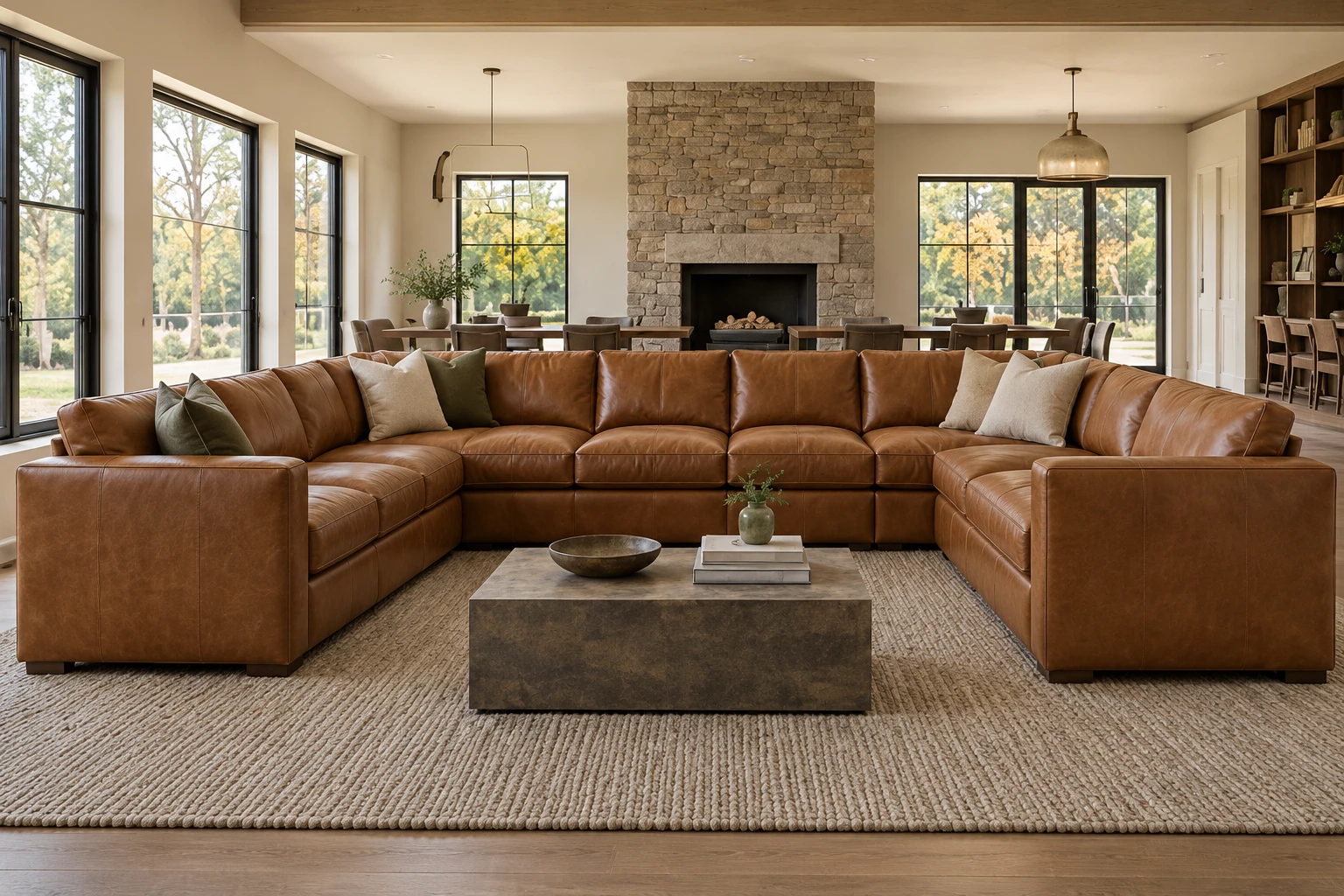
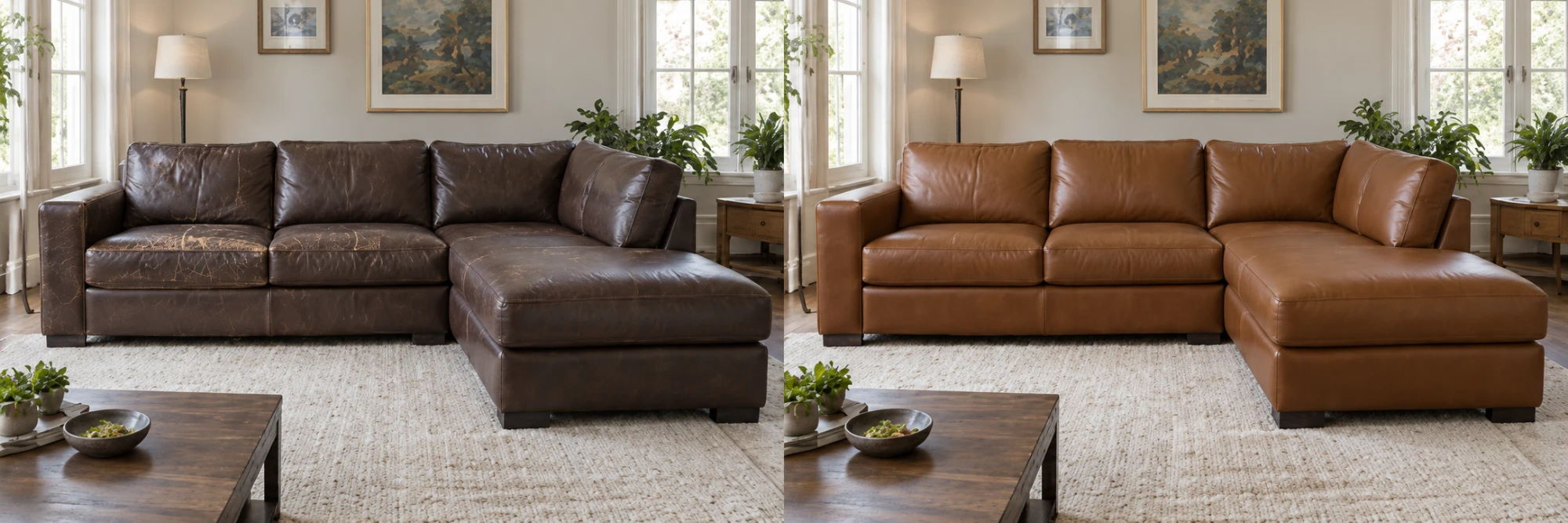
Recovered as one piece
Every module cut from a single cognac batch.
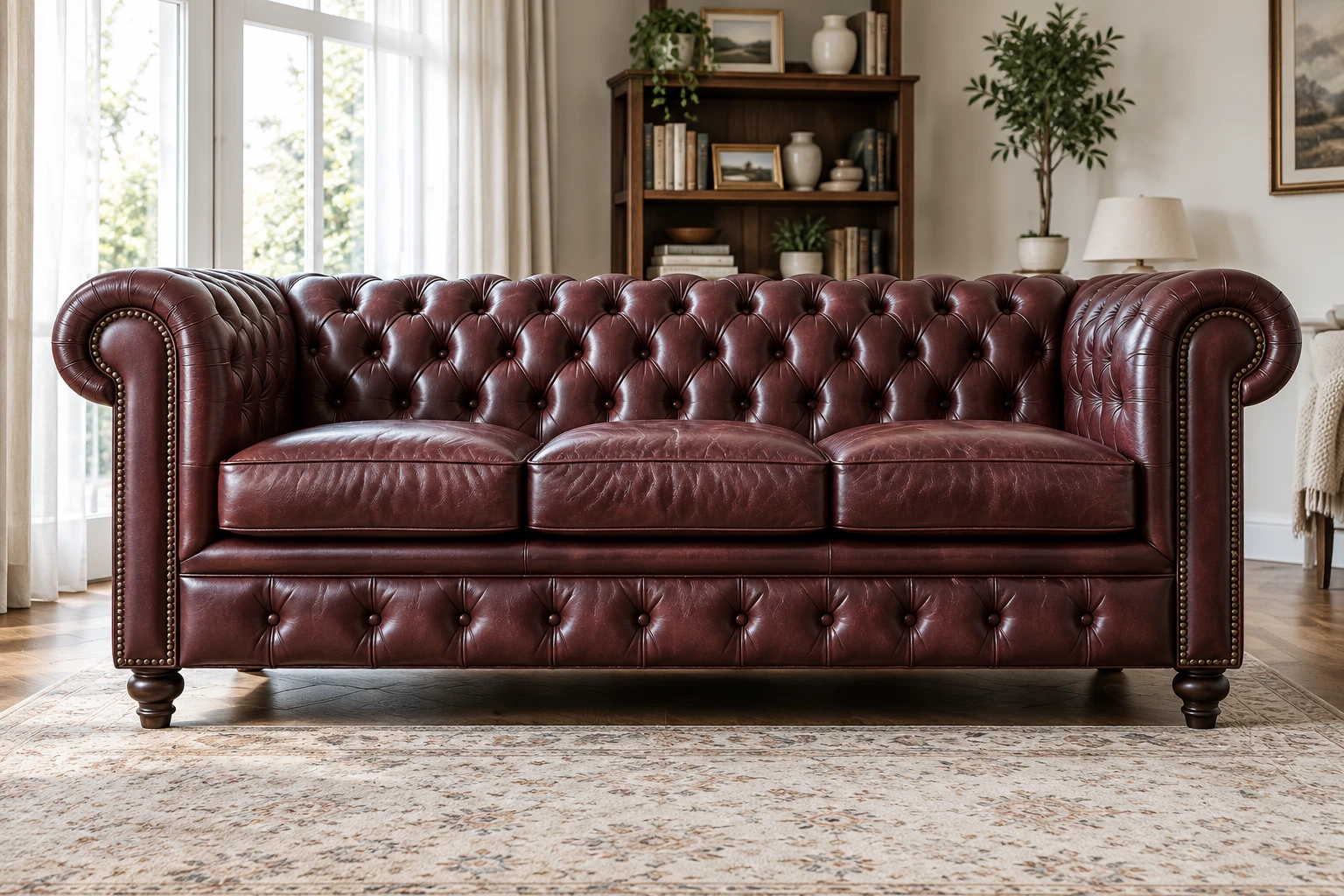
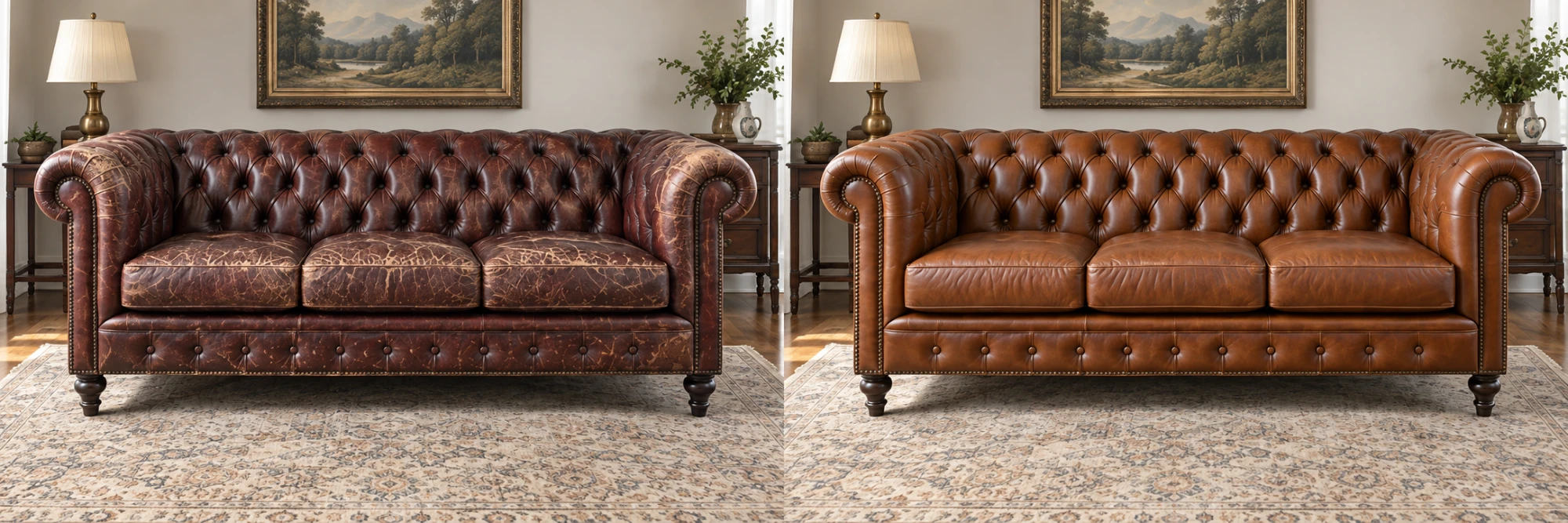
Timeless character
Deep buttoning re-tied by hand in oxblood.
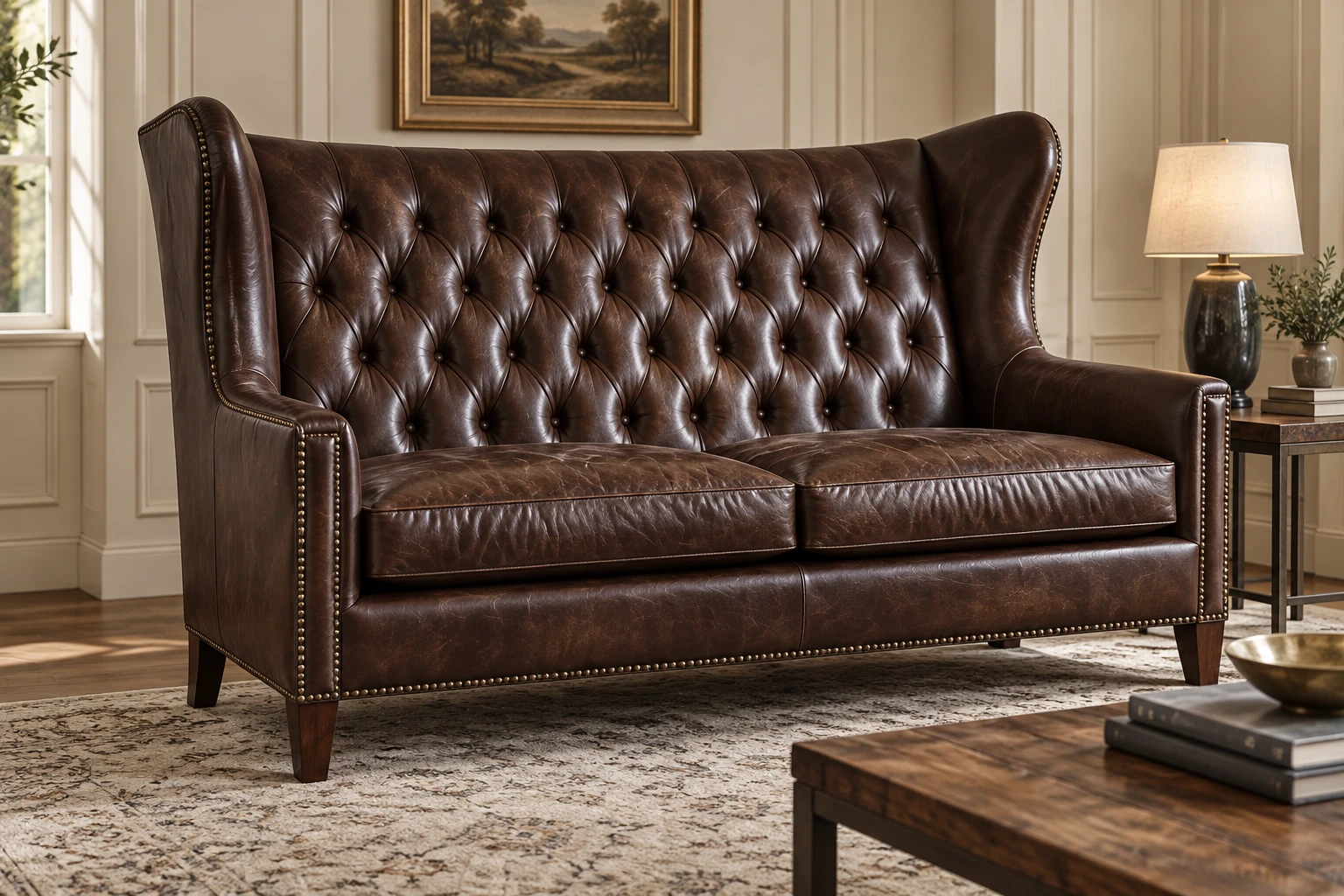
Buttoned and braced
A wing back with nailhead trim reset along the arms.
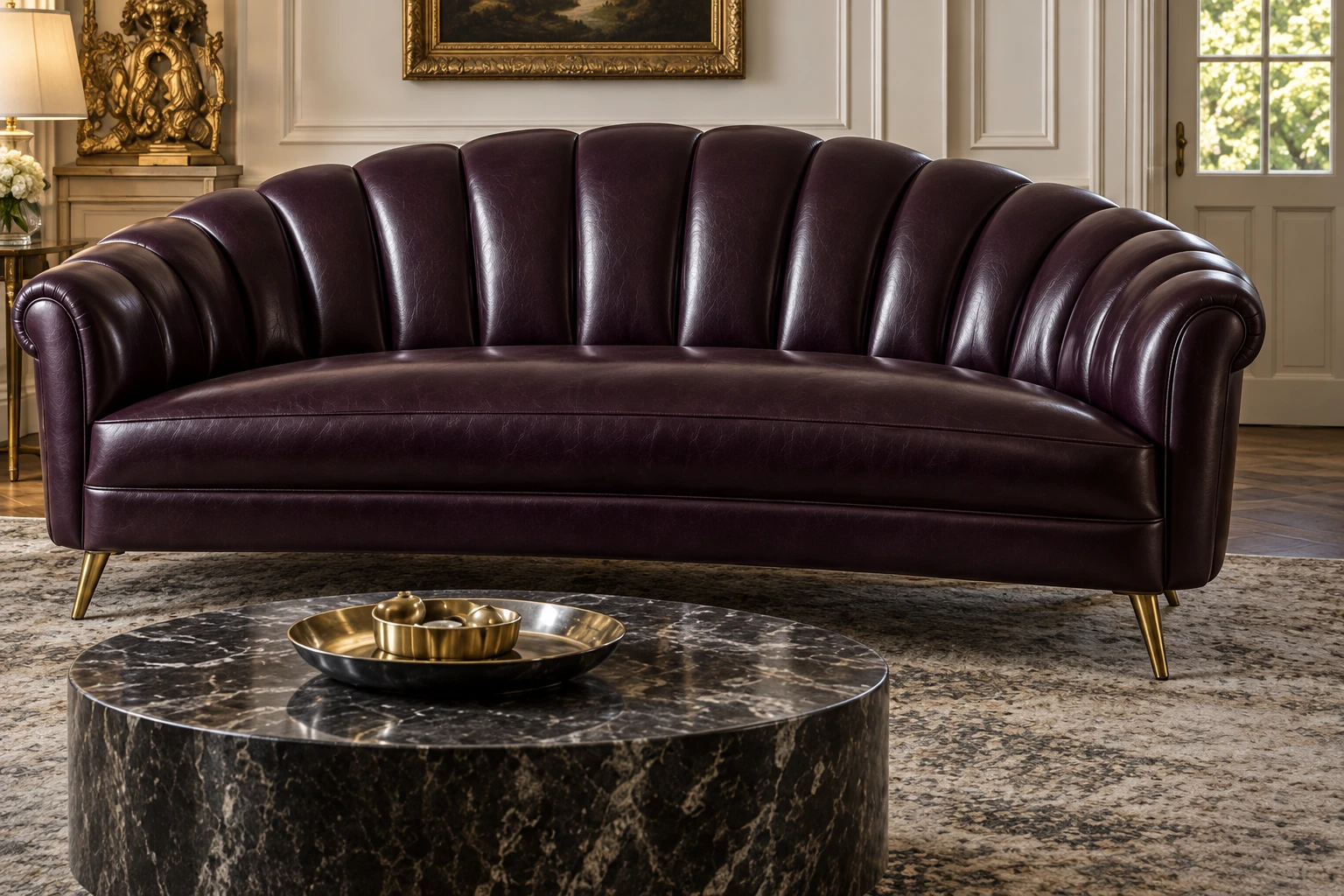
A colour off no showroom floor
Channelled plum on a curved back frame.
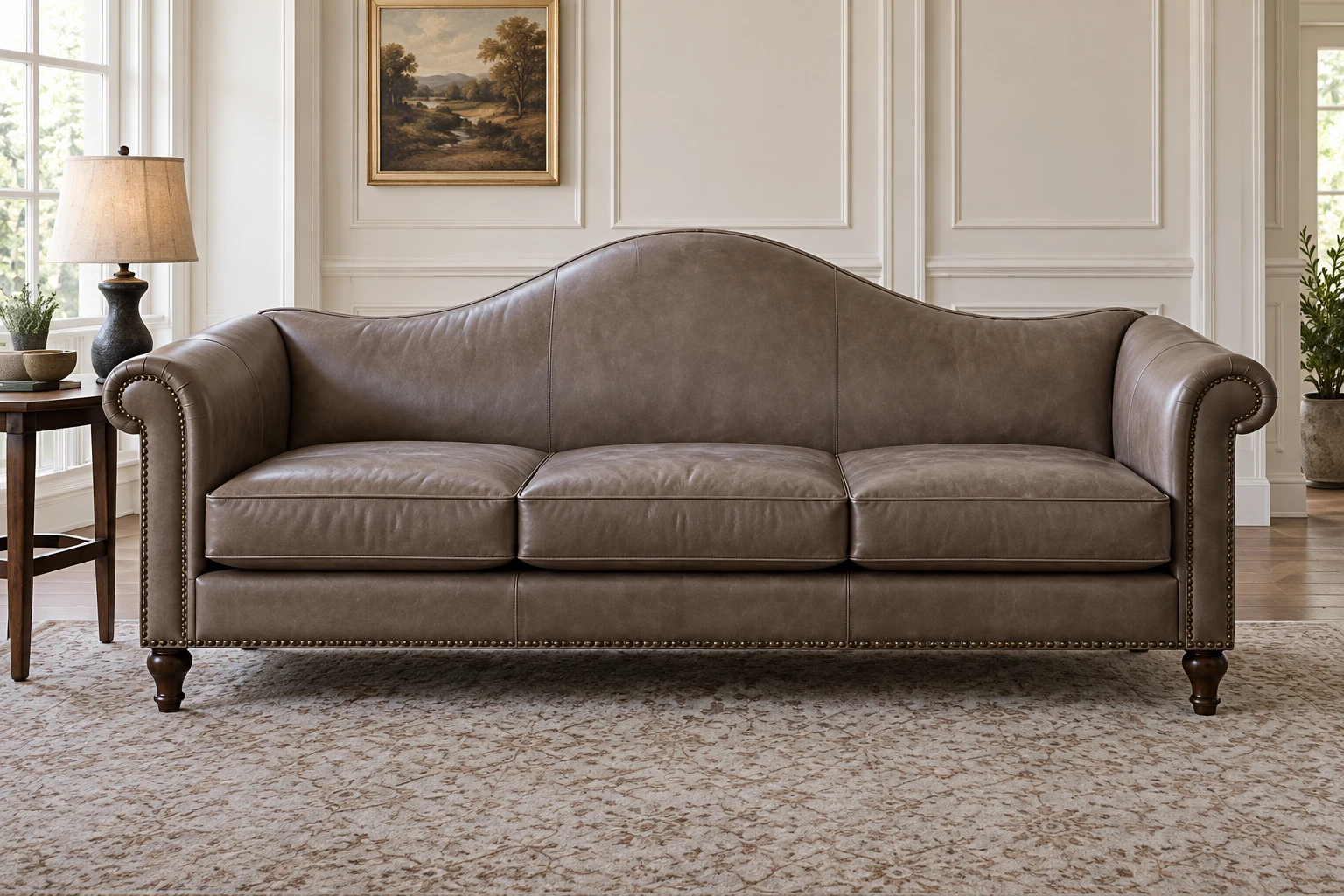
Traditional, made yours
The camelback shape kept exactly as it was, with the hide changed to a soft taupe.
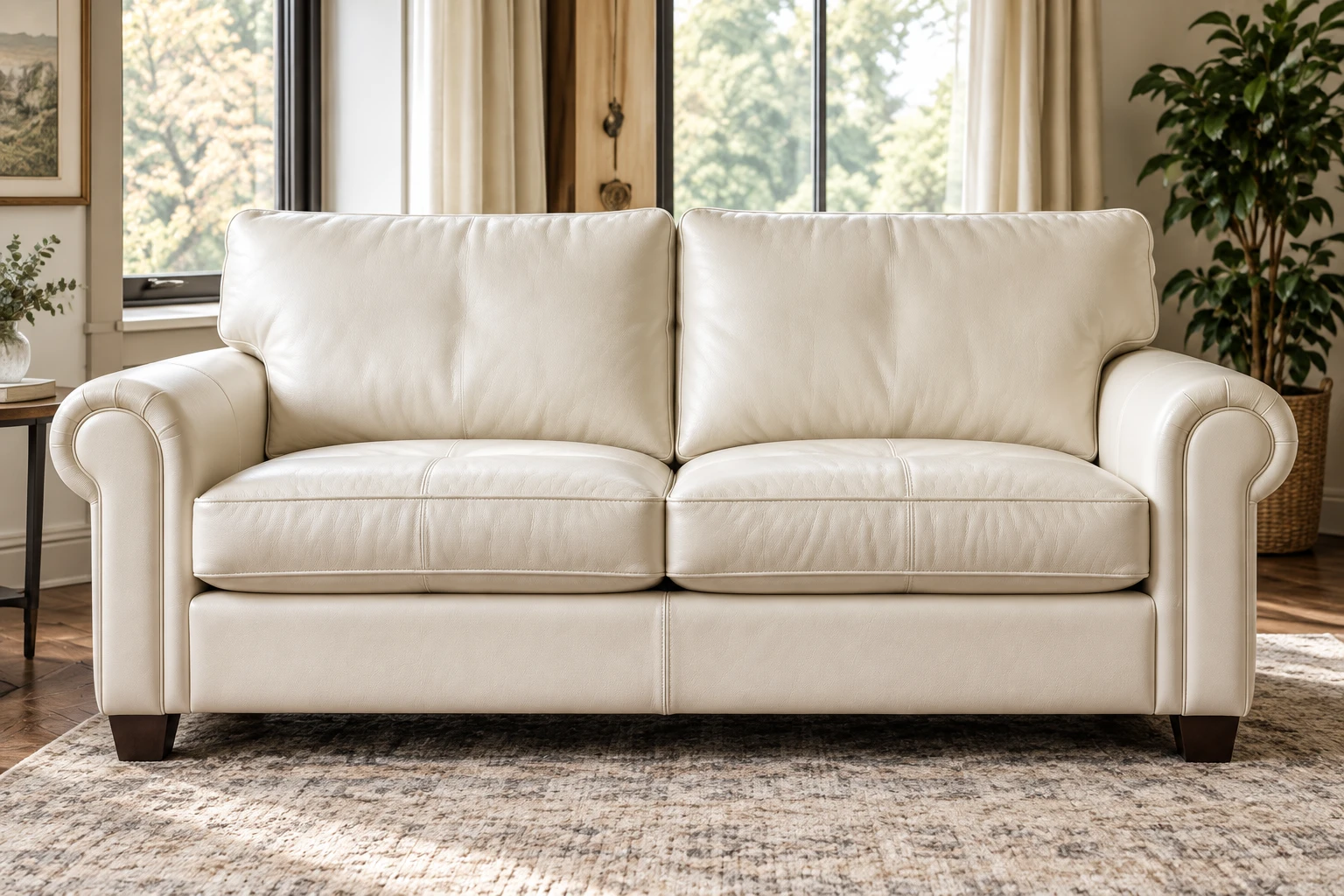
Rolled arms, softened
An ivory cover on a classic rolled-arm frame, with the fill cut a little softer than it was.
New Leather on a Tired Frame Sags in a Season
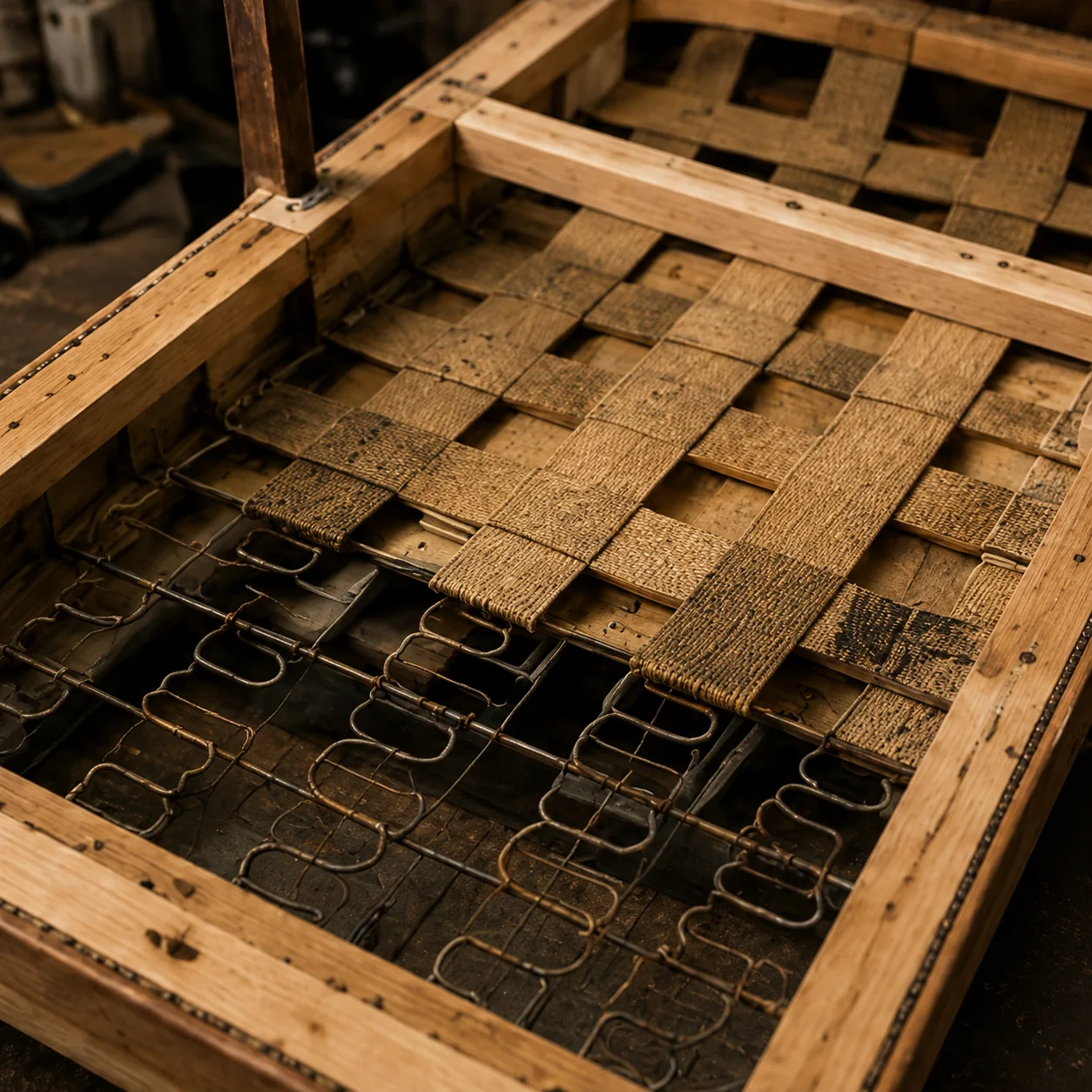
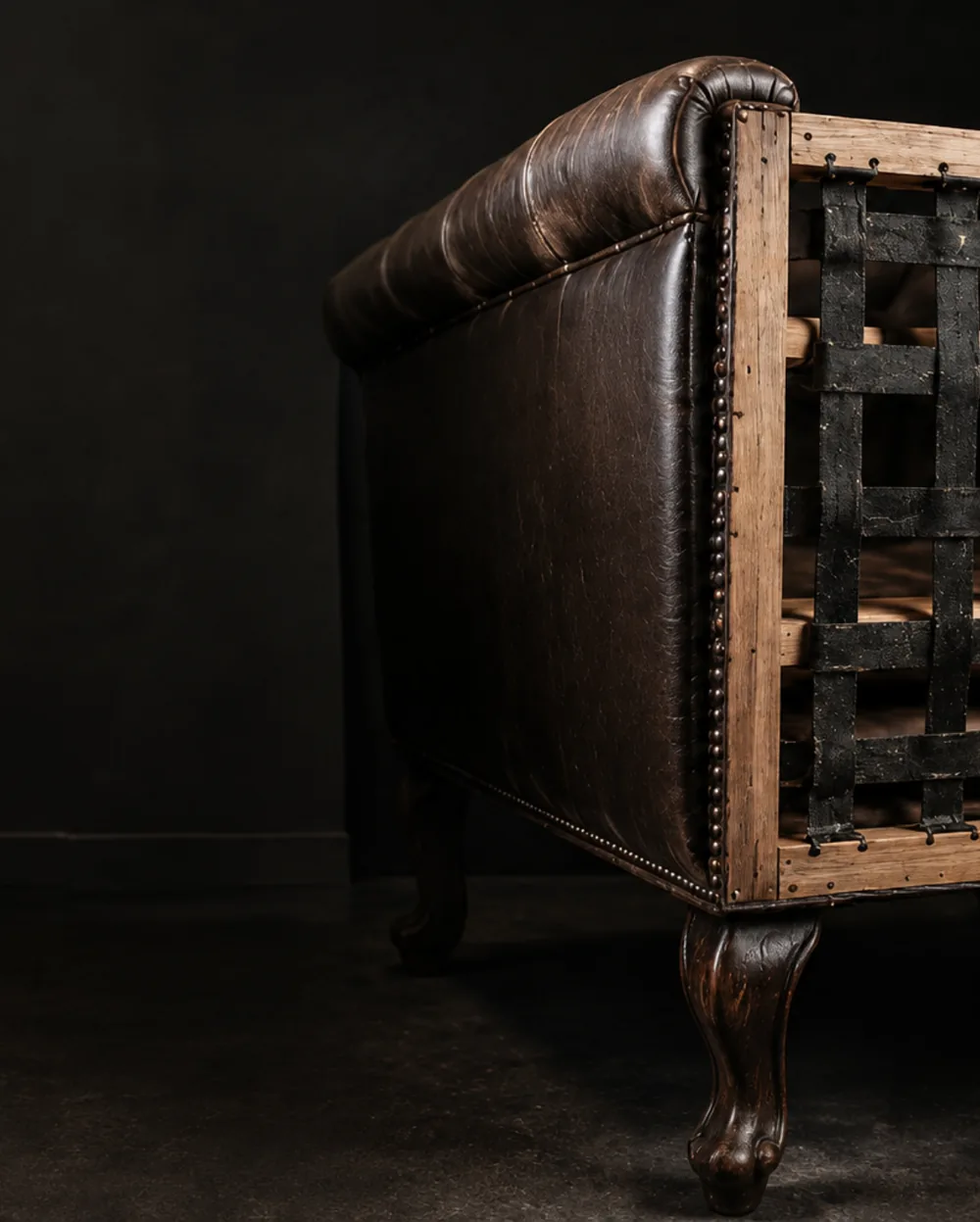
Recovering is the visible half. The half that decides how the sofa feels in three years sits underneath it: the webbing carrying the seat, the springs clipped across it, and the corner joints that take the load every time somebody drops into the end cushion.
So a sofa reupholstery NYC quote is written after the cover comes off, not before. Stripping takes an hour and settles the three questions that change the price — whether the webbing is replaced, whether the frame needs re-setting, and whether the fill can be reused. A figure quoted from photographs alone is a guess about the parts nobody can see. The reupholstery cost guide sets out what moves the number.
If the frame is sound and only the seats have gone soft, this is the wrong page: that is sofa cushion replacement, and it costs a fraction of a recover.
Sofas, Sectionals and Sofa Beds
The three pieces we recover most, and what each one changes about the job.
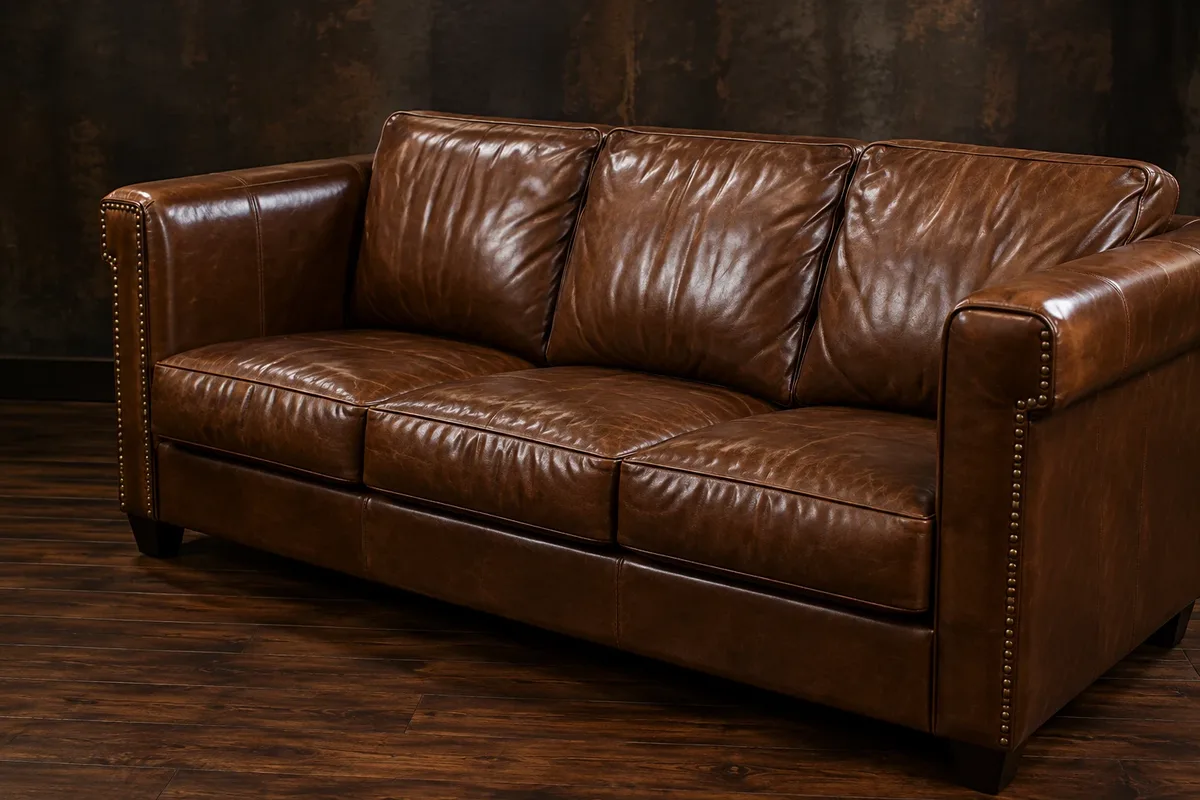
Sofas
One long span across two or three seats. The middle cushion always goes first, and matching one new panel to five weathered ones is why sofas are recovered whole rather than patched.
Leather sofas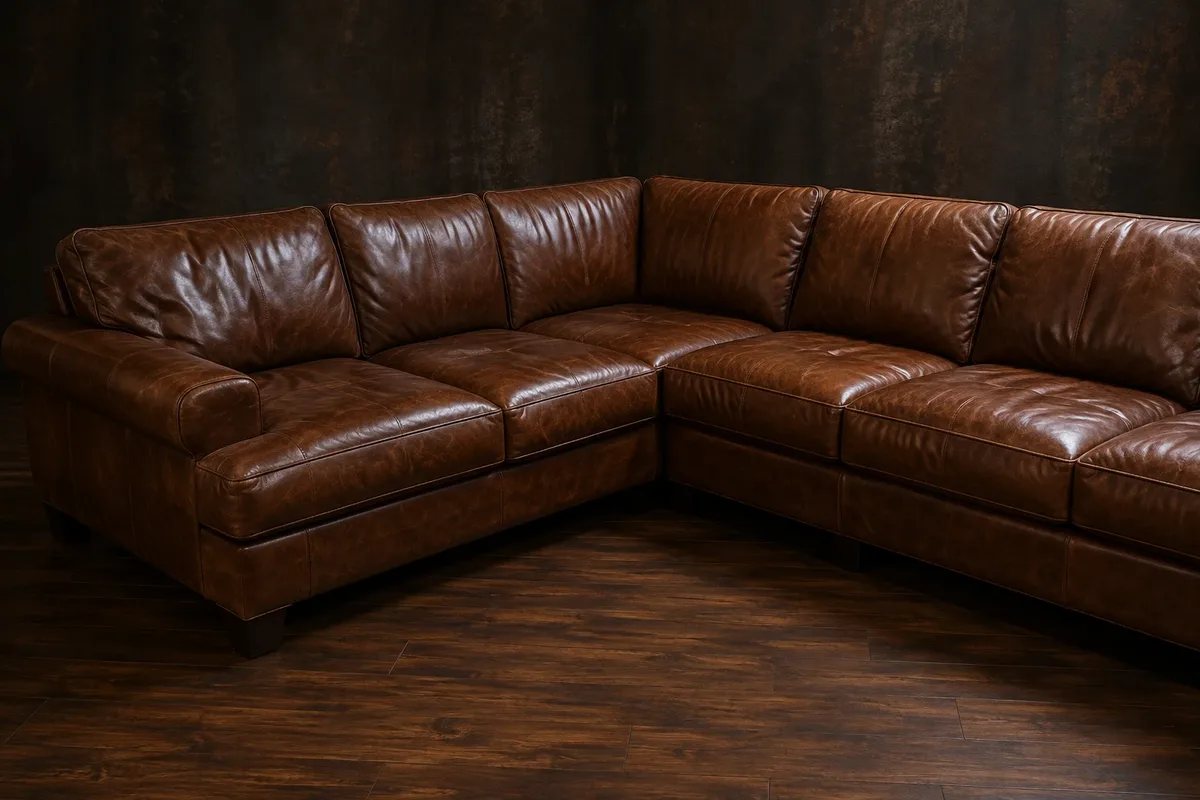
Sectionals
Recovered as one piece even though it arrives as three or four. Modules are cut from a single batch and numbered, because two hides tanned weeks apart read as two different sofas once they are back in the room.
Leather sectionals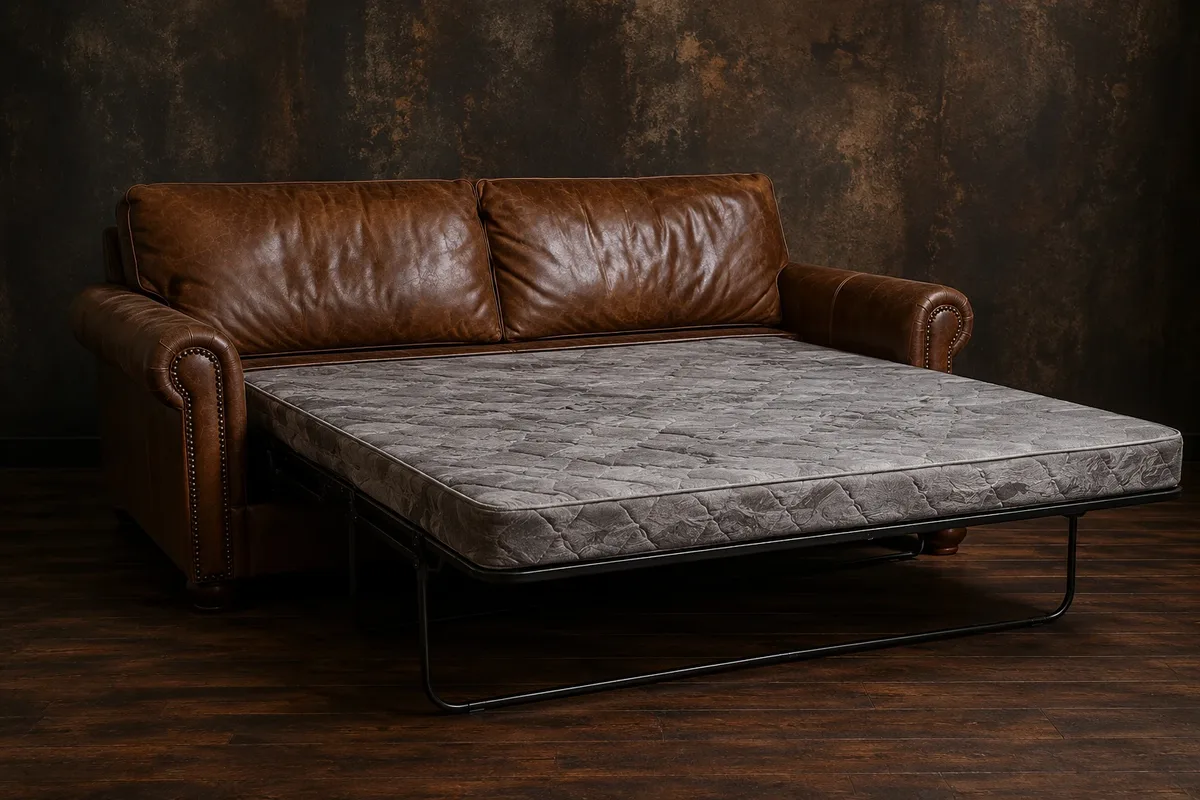
Sofa beds
The mechanism sets the rules. Seams have to sit clear of the folding frame so the metal never rubs them, and the fill has to compress flat rather than fight the bed closed.
Sofa bedsThe same bench recovers the rest of the room — loveseats, chairs, recliners and ottomans. Browse every piece we work on.
Reupholster, Restore or Replace a Panel?
Three different jobs at three different prices. What has actually failed decides which one you are buying, and sofa reupholstery NYC-wide is only the right answer for one of them.
Full reupholstery
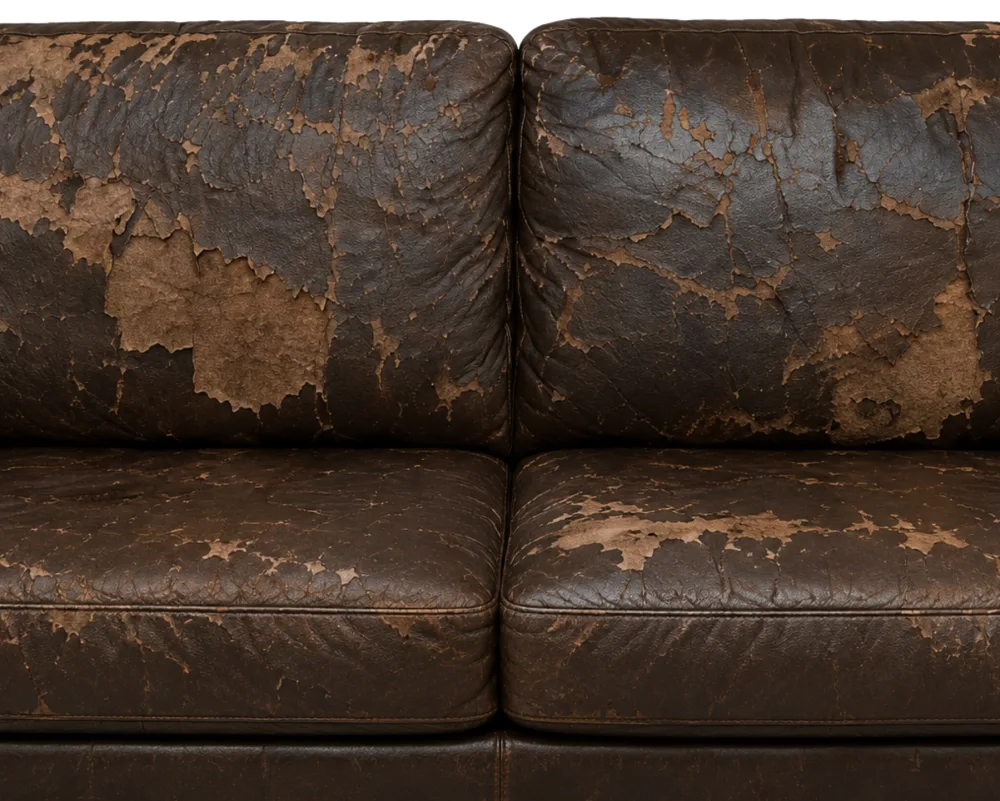
Every panel has gone at once. With the finish flaking off the seats, the backs and the arms together there is no sound leather left to blend a repair into, so the cover is replaced whole.
Reupholstery hub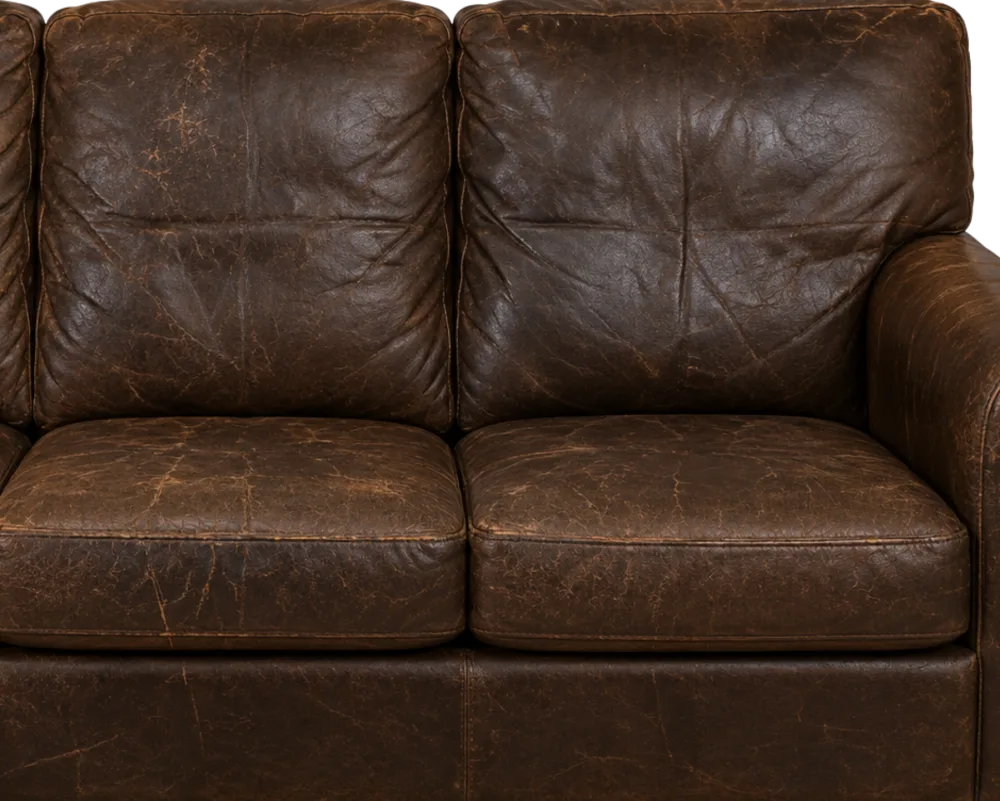
Restoration
The hide is intact, the colour is not. Crazing and colour rubbed thin across the whole piece is a finish problem rather than a structural one, and it is recoloured where the sofa stands.
Colour restoration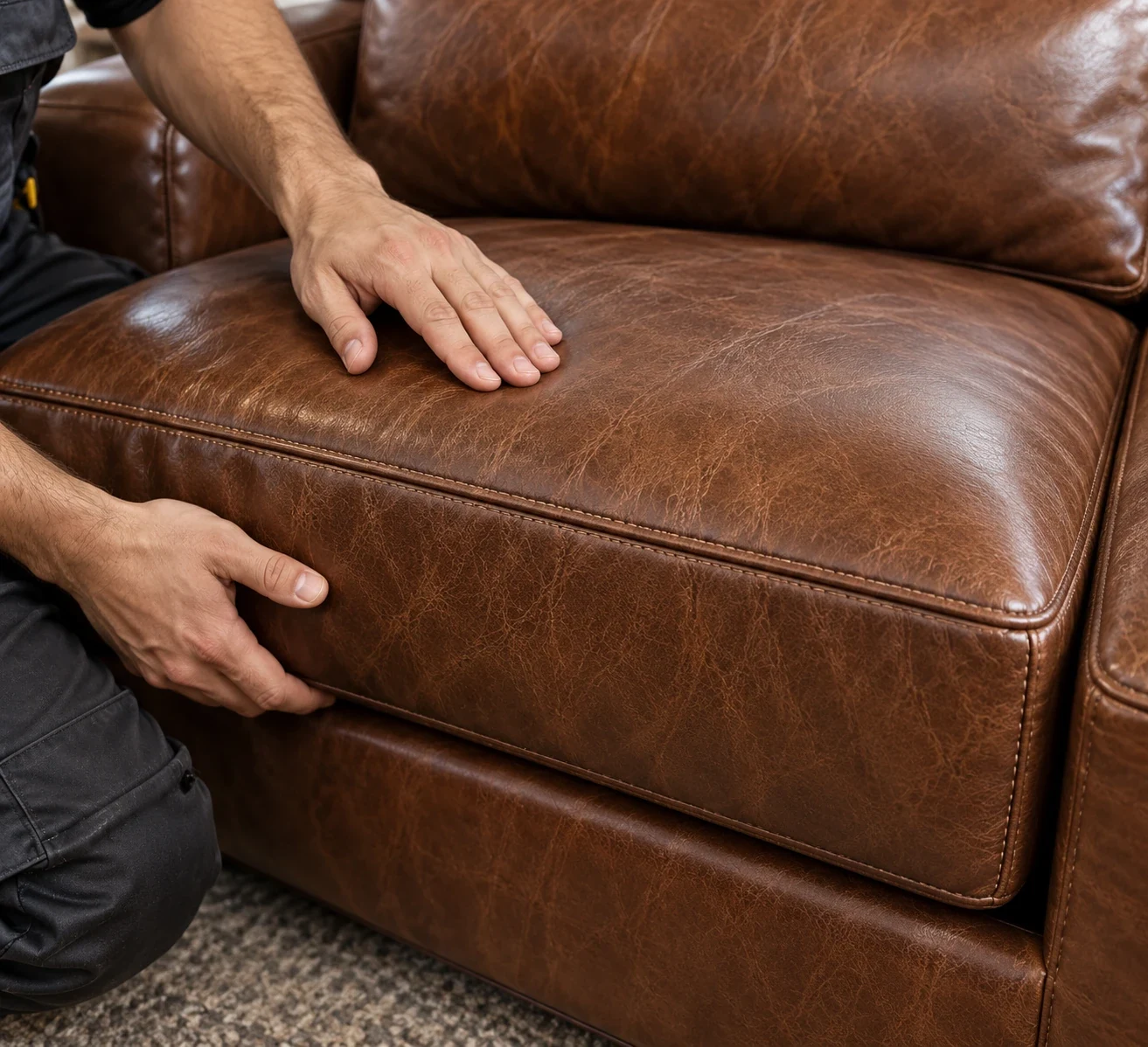
Panel replacement
One panel failed and the rest is sound. A single seat or arm is unpicked and a new panel cut to the same template — which only works while the surrounding leather still matches it.
Panel replacementThe Two Things That Fail Before the Leather Does
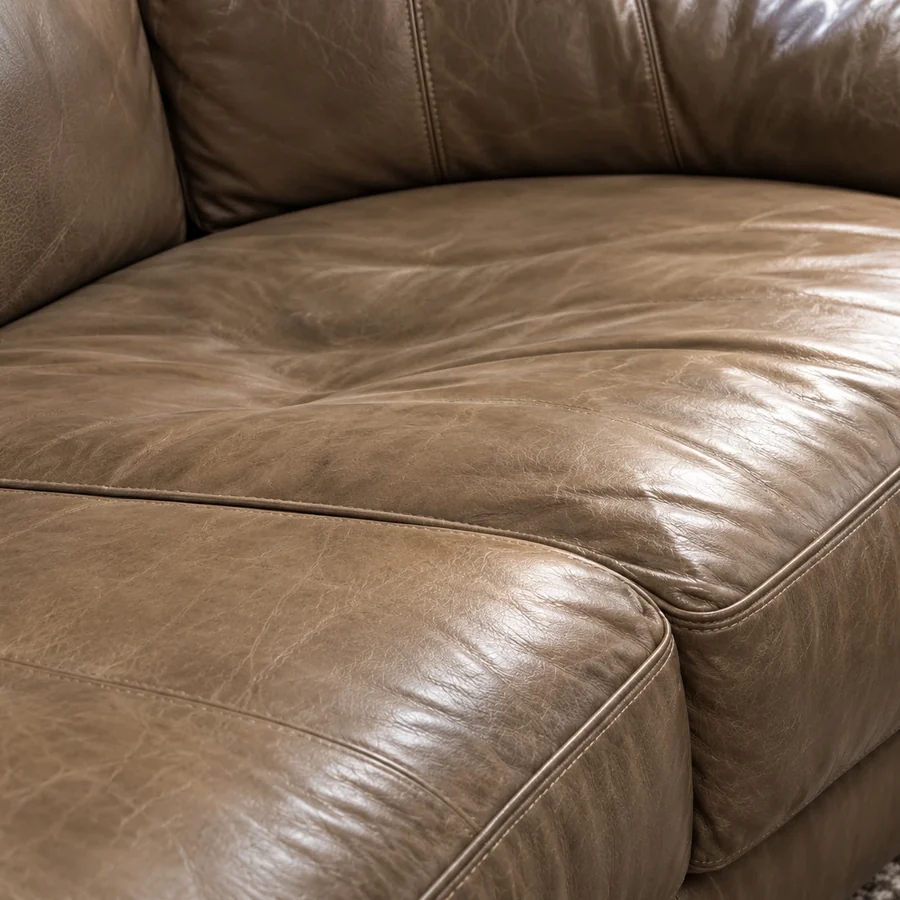
Both are invisible from the outside. Both make a brand-new hide look wrong within a month.
Sofa Reupholstery NYC, Done Where the Sofa Already Is
A three-seater that came up a pre-war stairwell in pieces is not going back down it in one, and a fifth-floor walk-up has no service lift to make that easier.
So the split we work to: cushions and loose covers travel to the workshop, where they can be cut and sewn properly. The carcass is stripped, re-webbed and recovered in the room, on dust sheets, with the old cover bagged as it comes off.
Bench work is the exception. A racked frame that has to be clamped square, or a corner joint that has come apart, has to leave the building. When it does we take the frame and leave the cushions behind, so the room is not standing empty while it is away.
It is the doorway, not the sofa, that decides how a sofa reupholstery NYC job is scheduled — which is also why several pieces in one building are quoted together as a bulk project rather than one at a time.
What the Cover Is Made Of Decides How It Wears
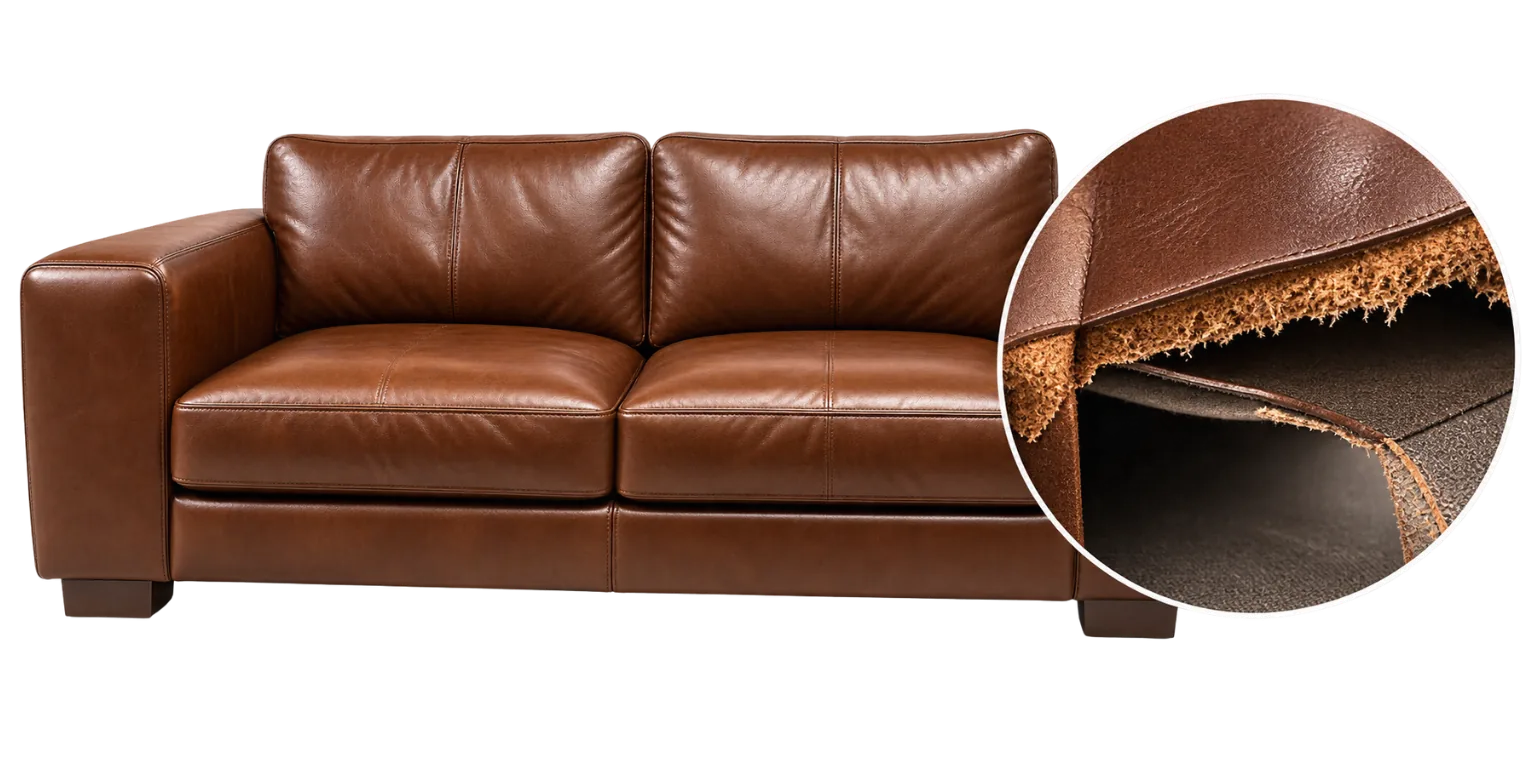 A sofa cover is layered: the grain you touch, the fibrous corium that gives it strength, and whatever the maker bonded beneath. How deep the finish sits in those layers is what decides whether a scuff polishes out or stays.
Sofa reupholstery NYC-wide is specified panel by panel, because seat panels take several times the abrasion of the outside arms and one hide for the whole piece is usually the wrong instinct. Pigmented leather belongs on the seats and arm tops, where the coating takes the wear. Aniline can go on the back and outside arms, where it keeps its depth and never meets a dog.
Weights, grades, colour ranges and the tufting and piping options live on the reupholstery hub. We bring samples to the flat and lay them on the sofa in its own light before anything is cut, because a swatch chosen under a showroom lamp rarely survives a north-facing room.
Choose Leather That Suits Your Home
A sofa reupholstery NYC job asks you to choose two things at once. The finish decides how a hide ages; the grain decides how it looks while it does it.
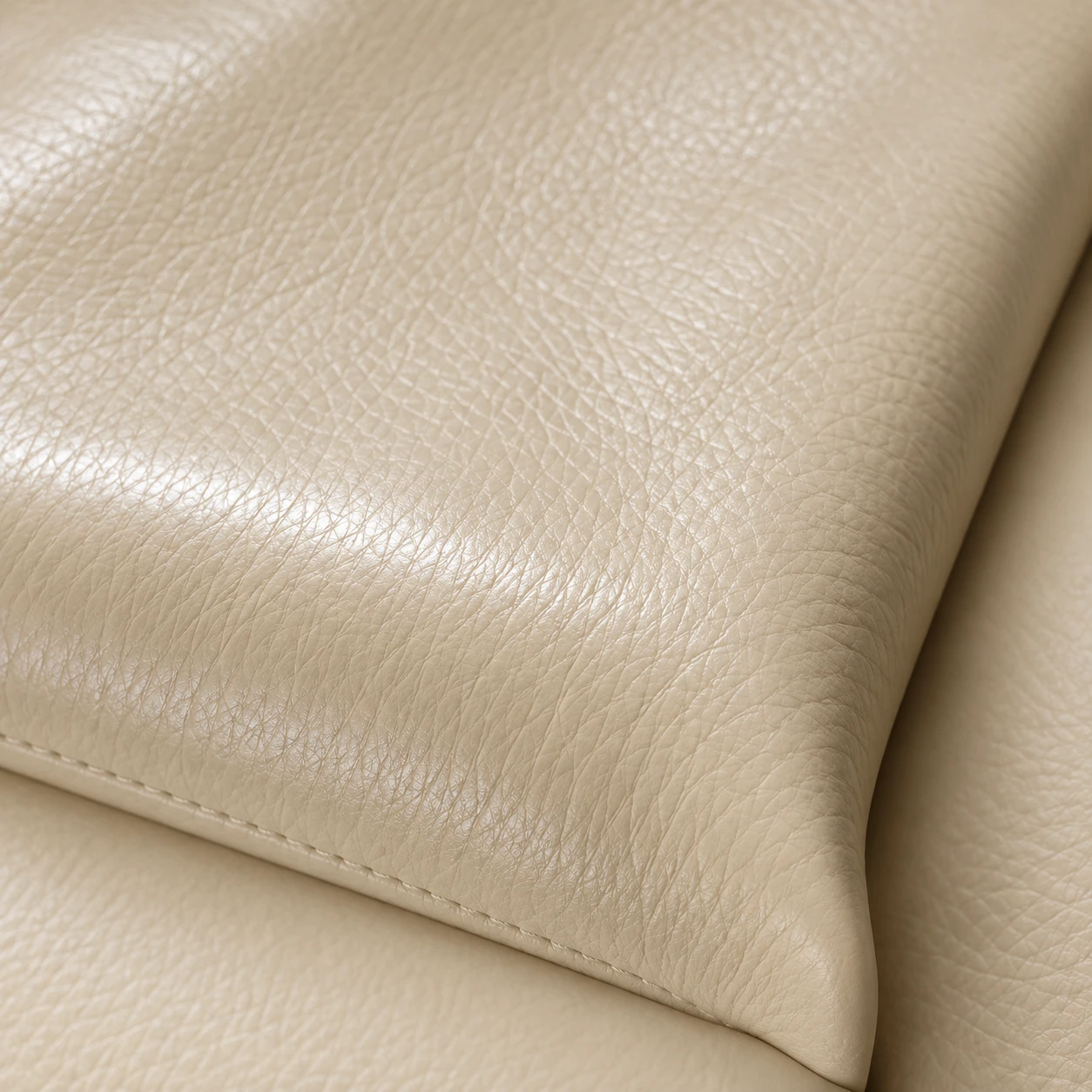
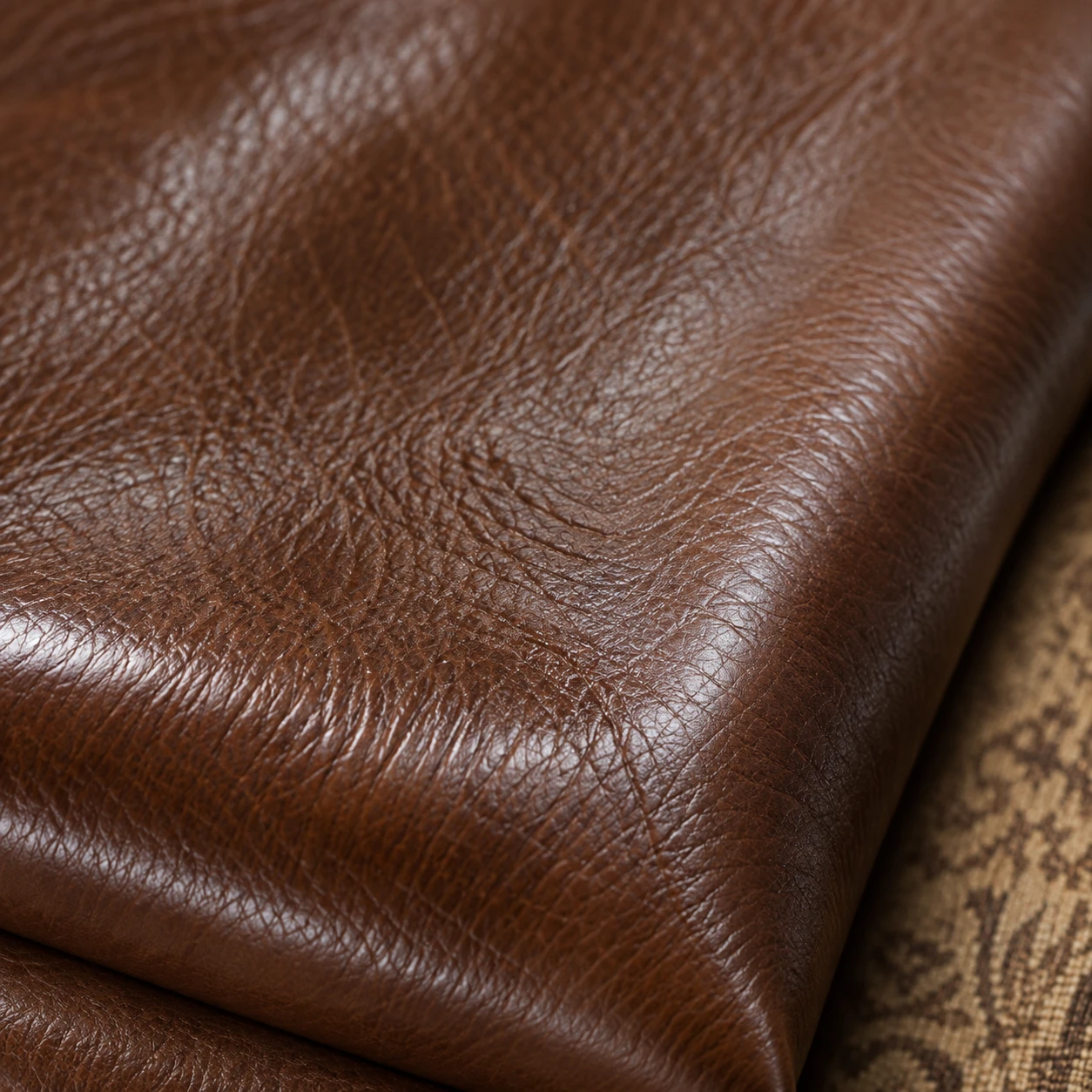
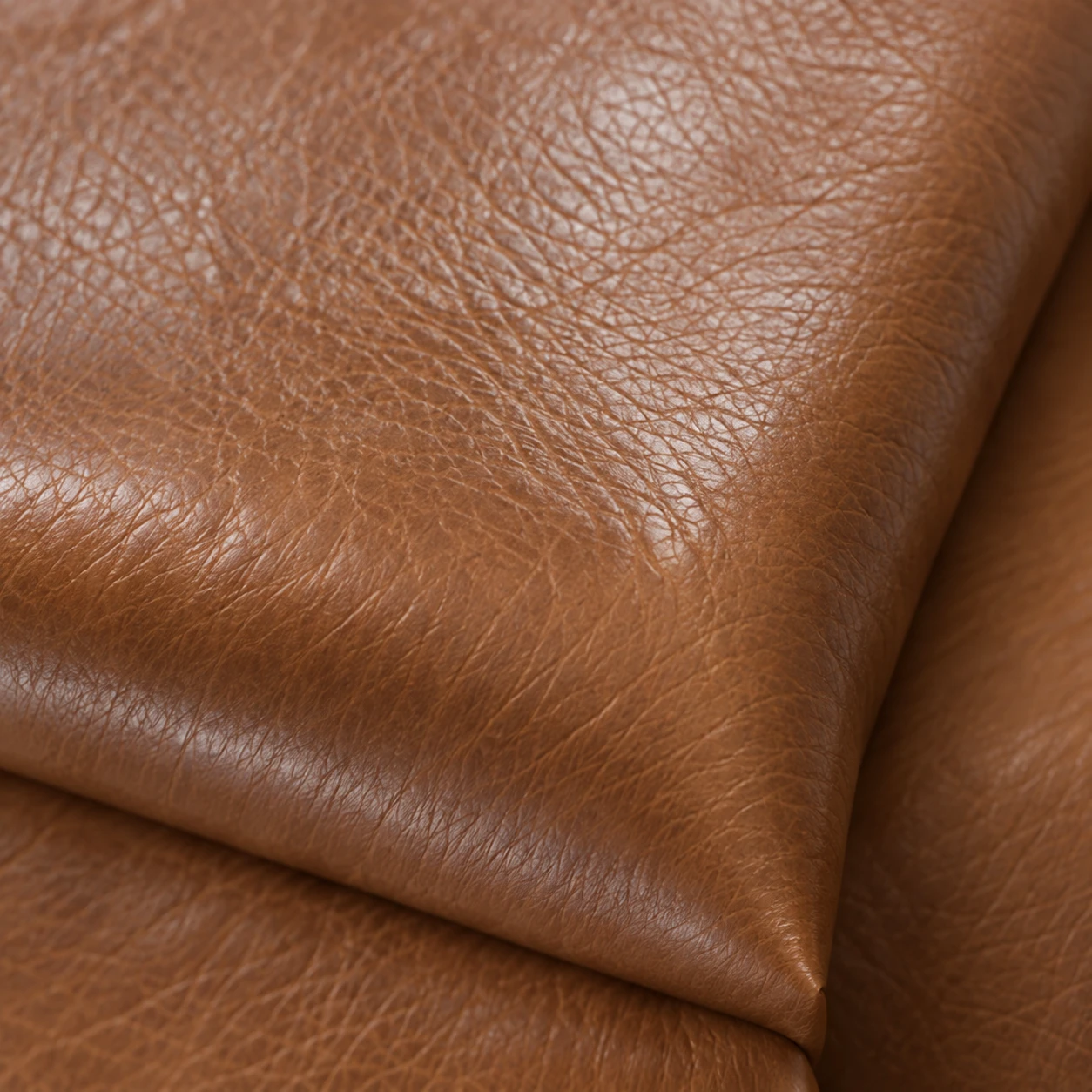
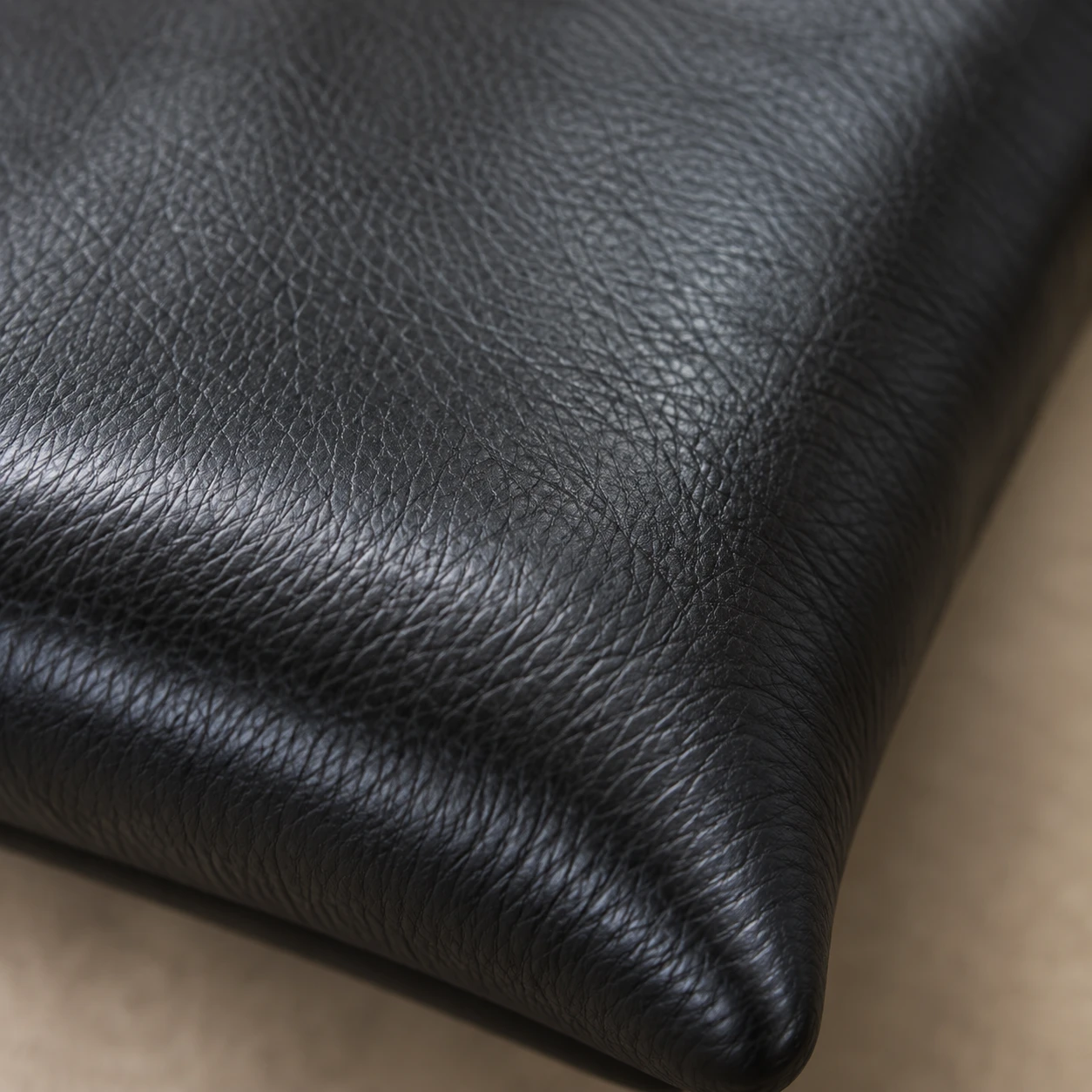
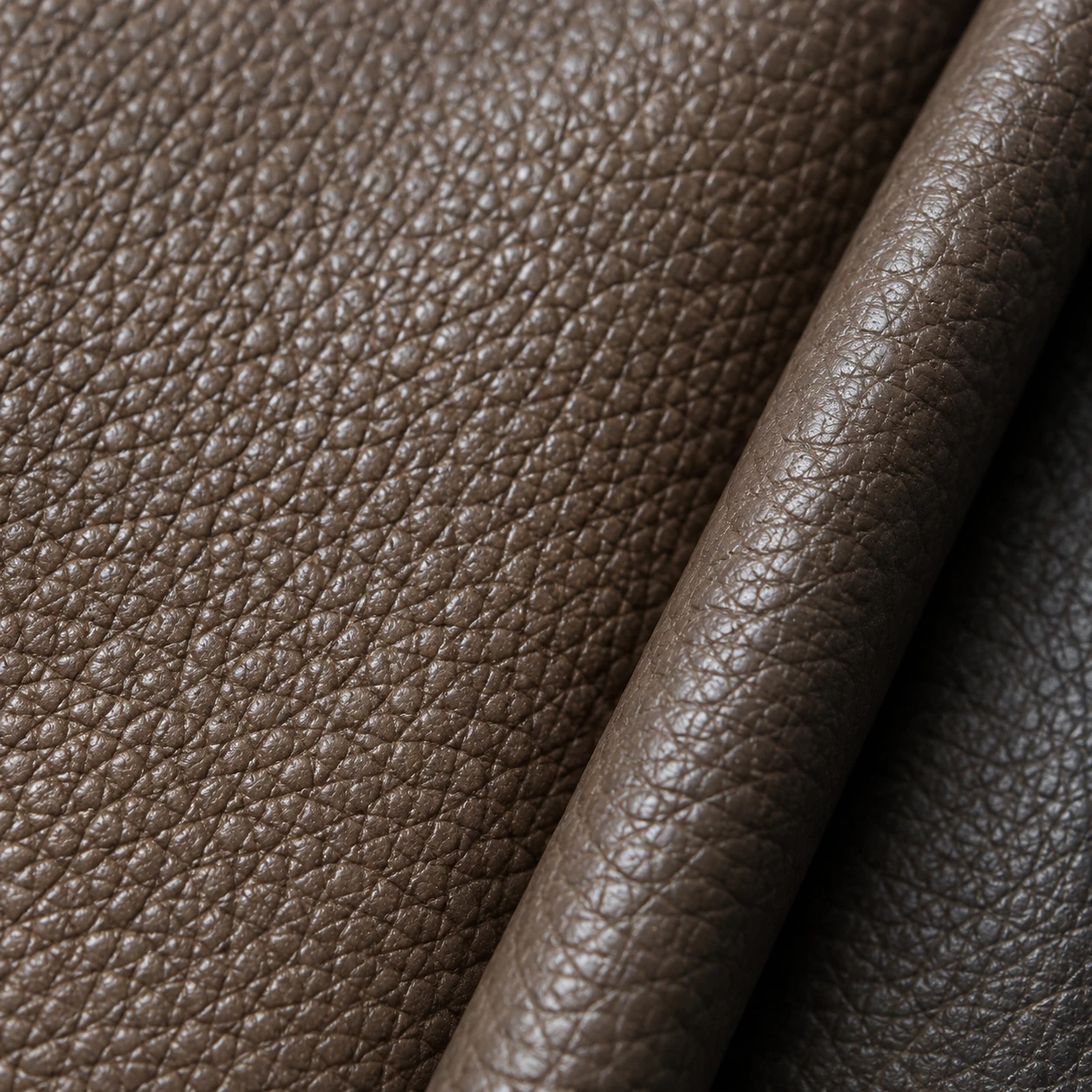
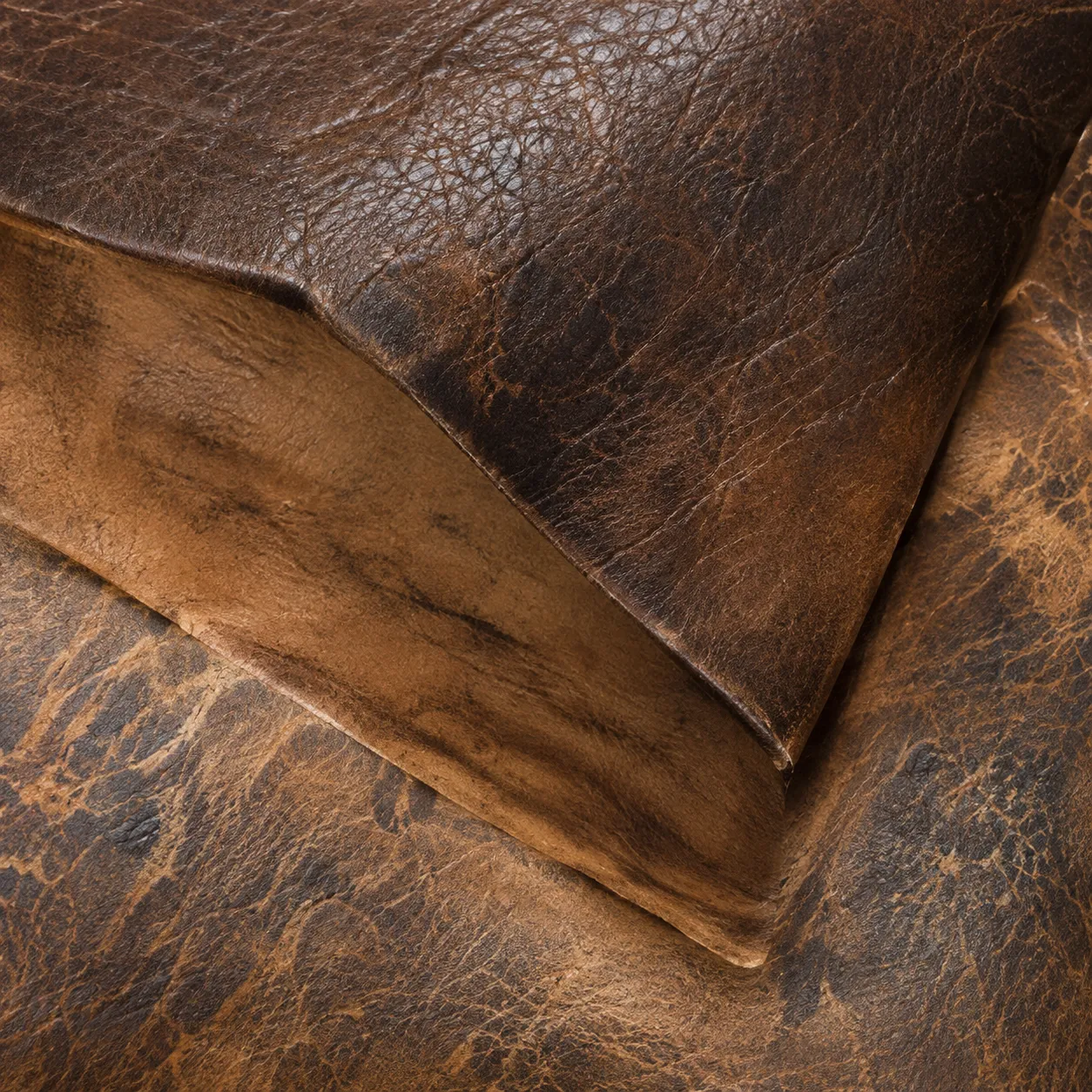
Find Your Color Direction
Warm hides read softer in a north-facing room. Dark ones hold their depth under a lamp and swallow it by a window.
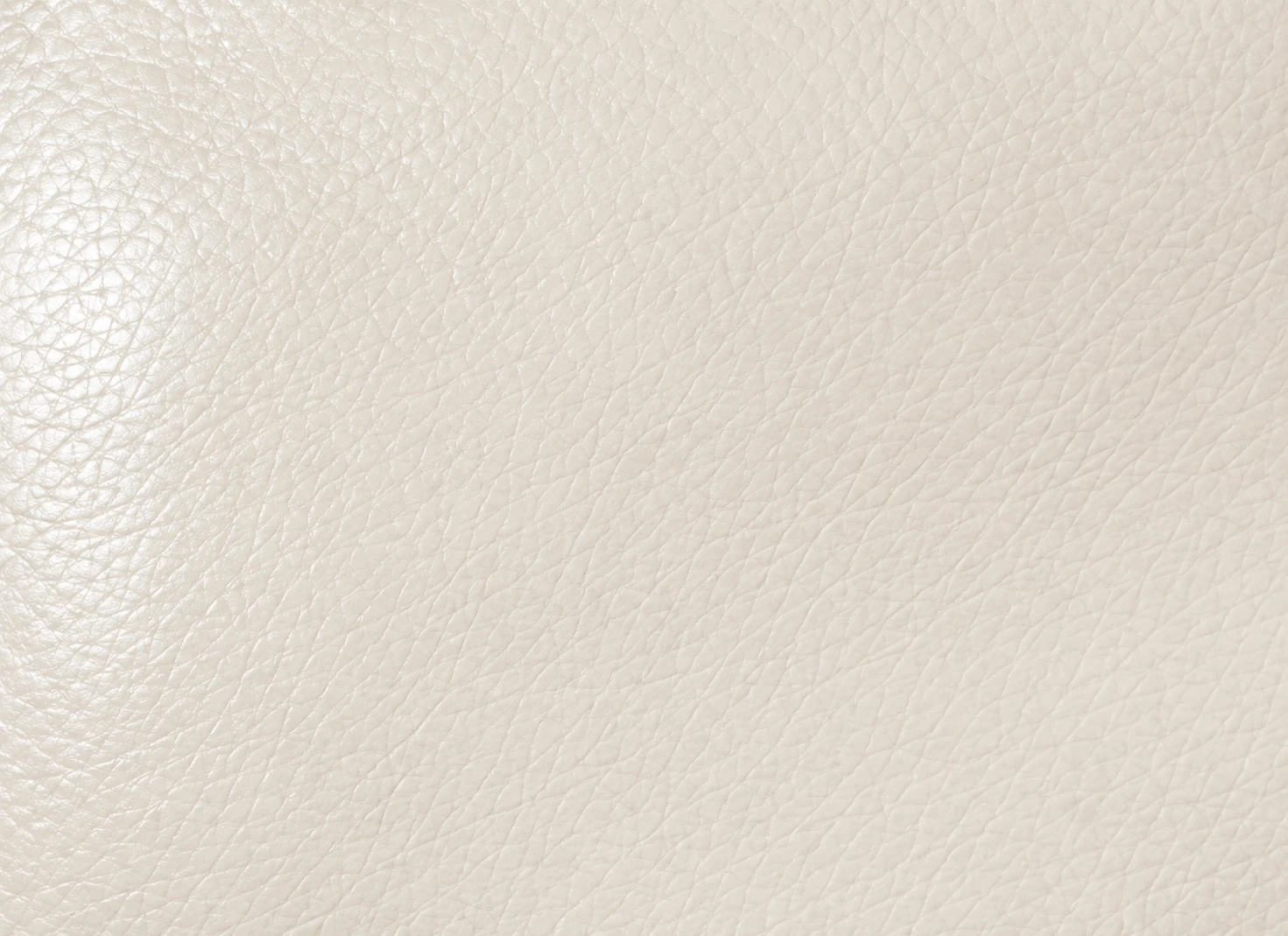
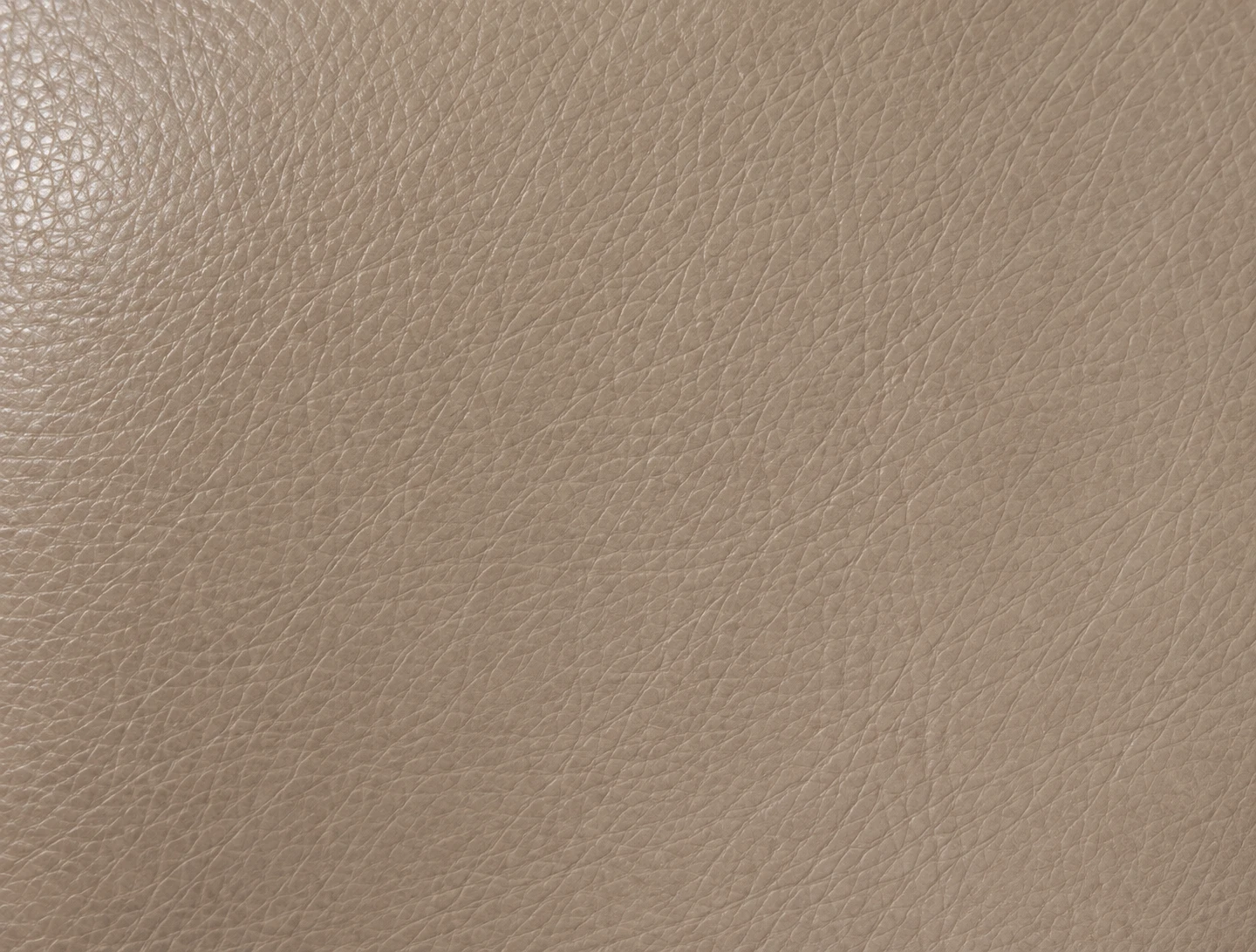
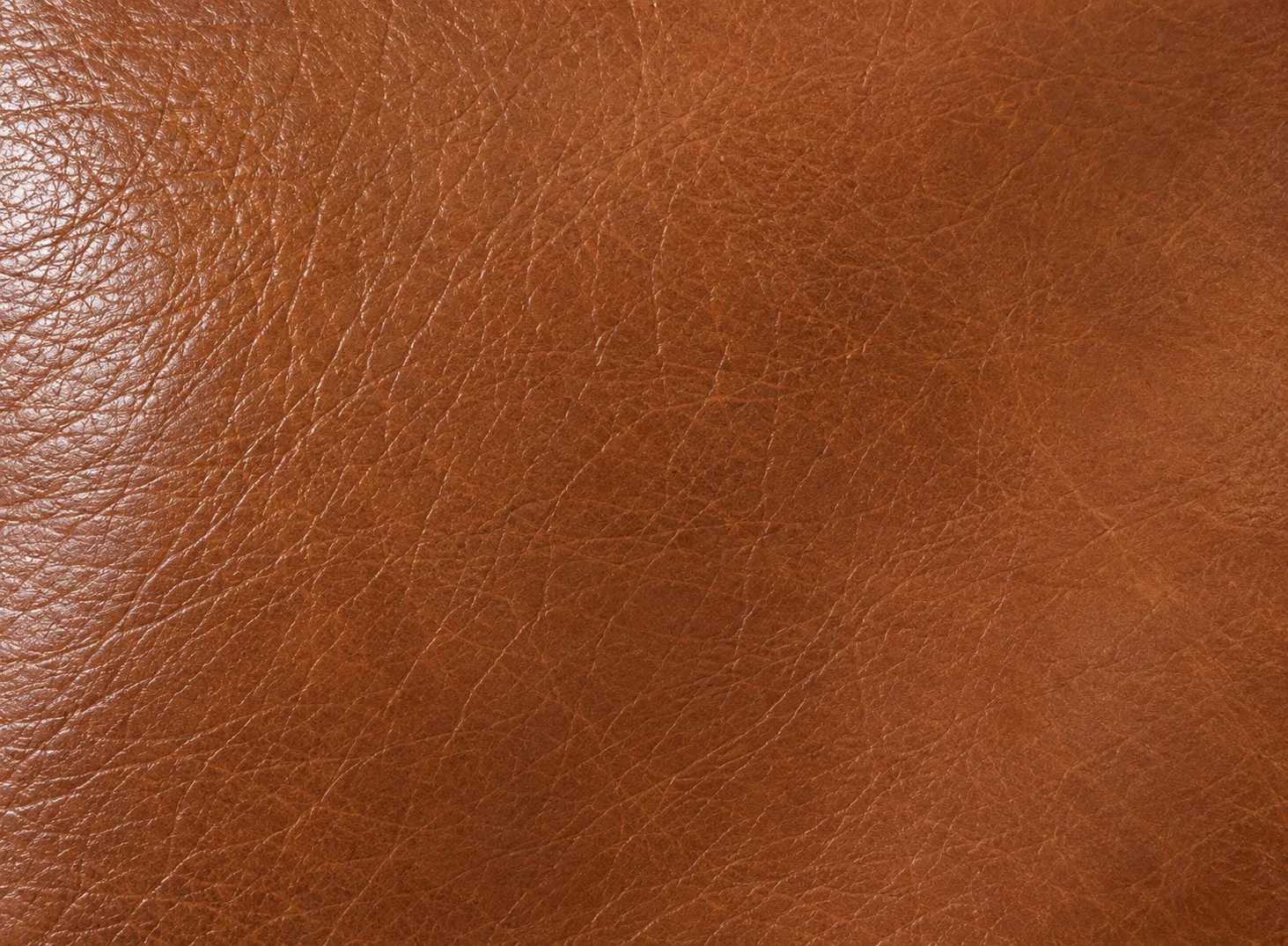
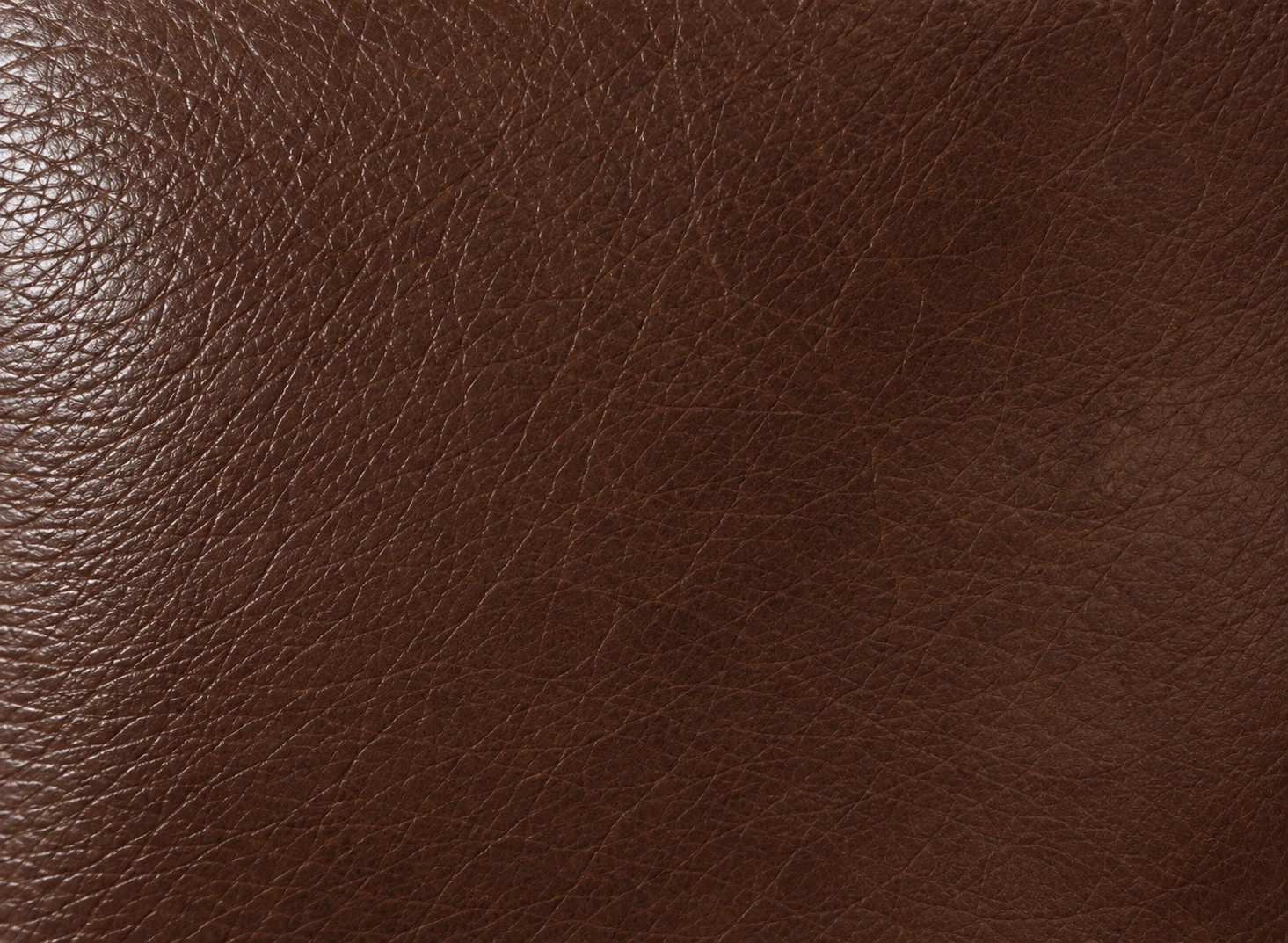
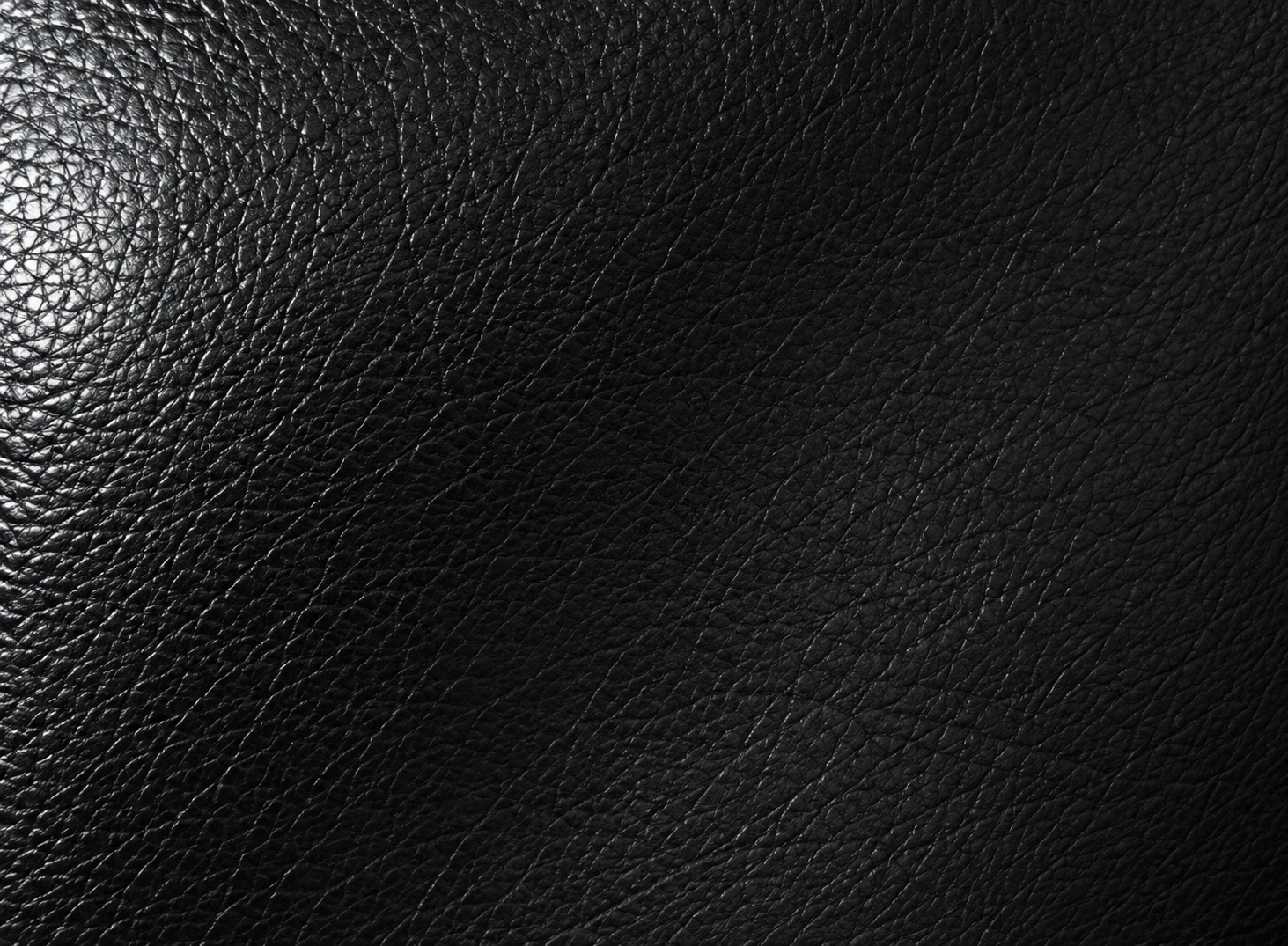
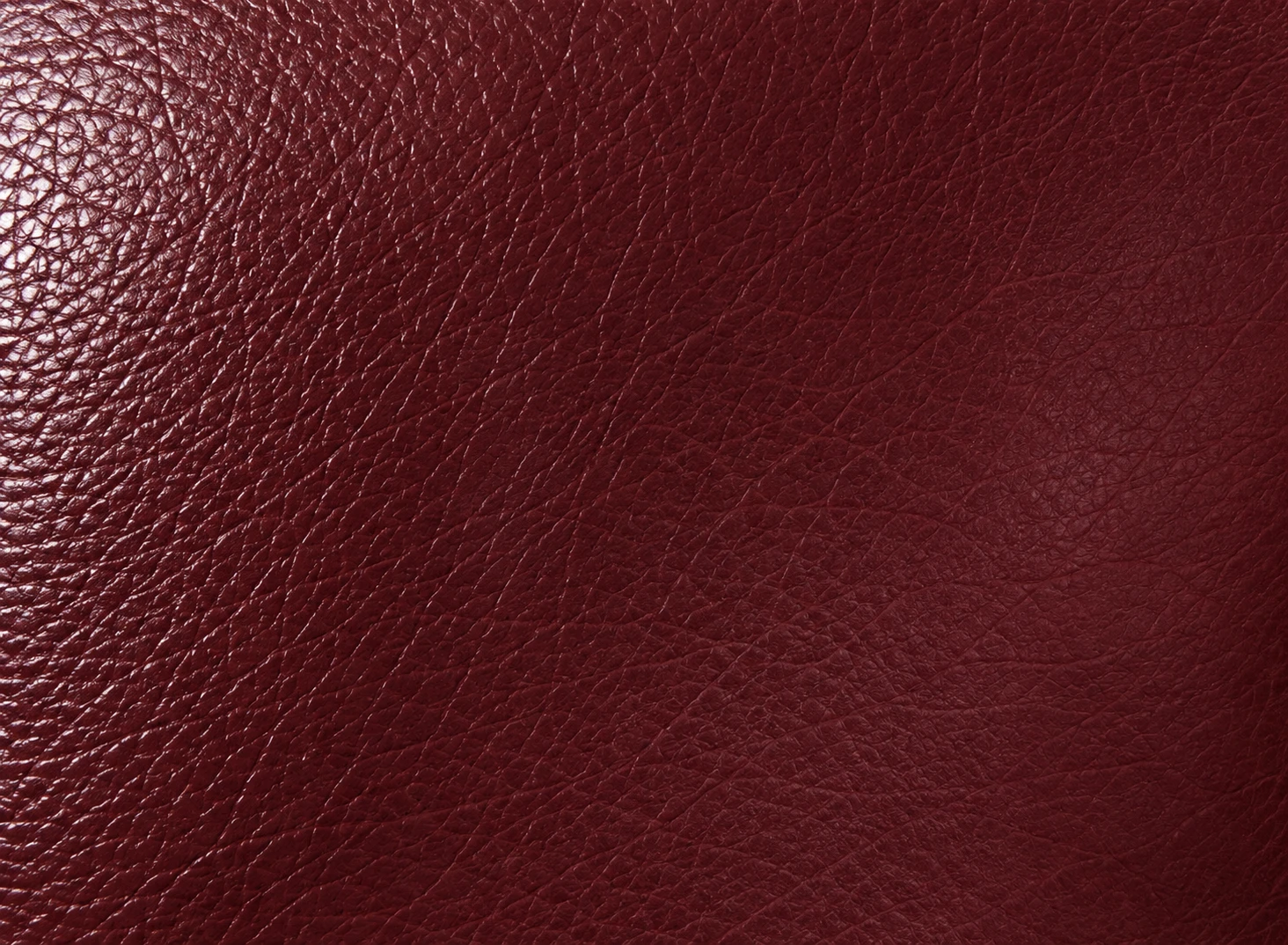
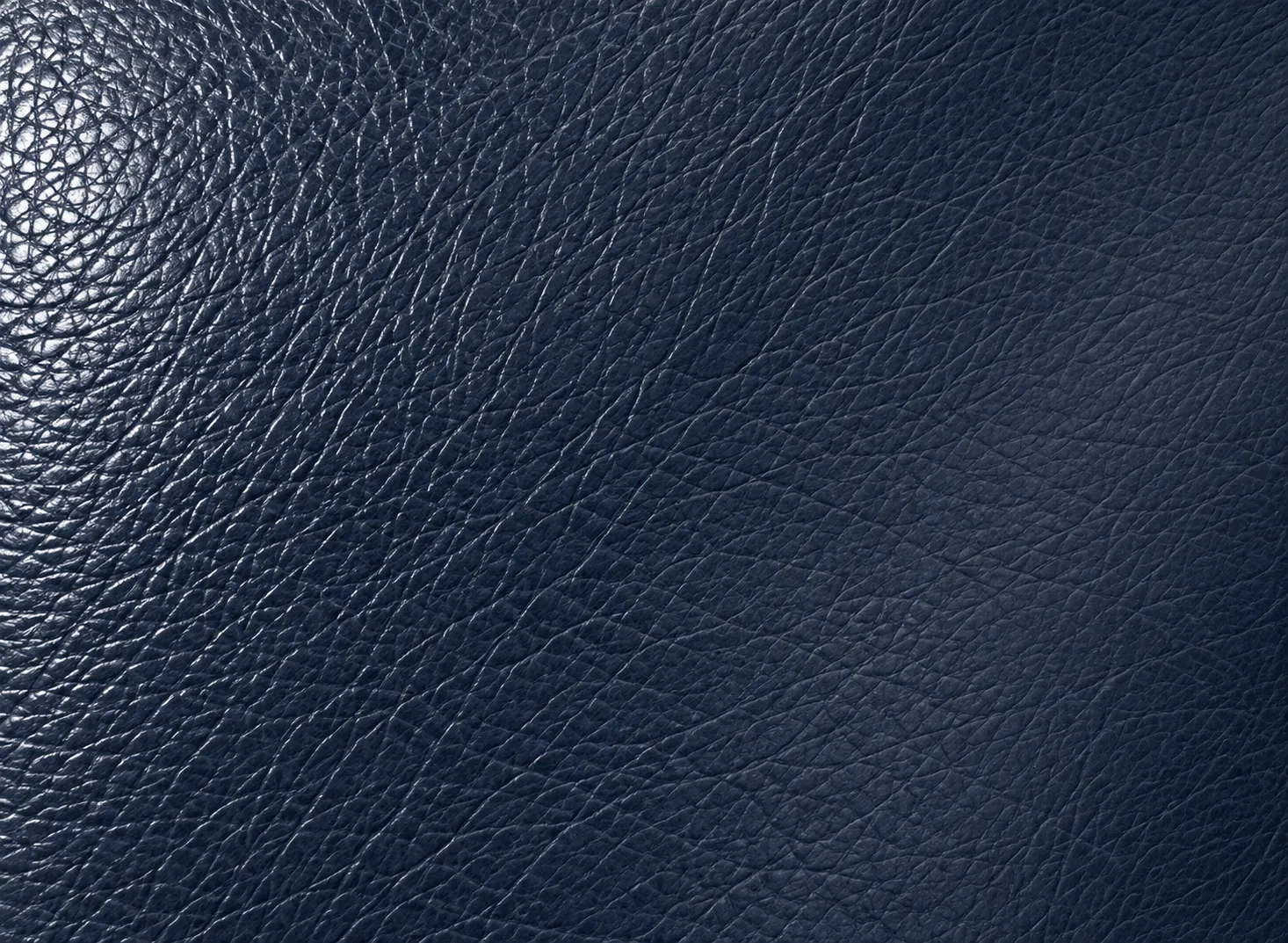
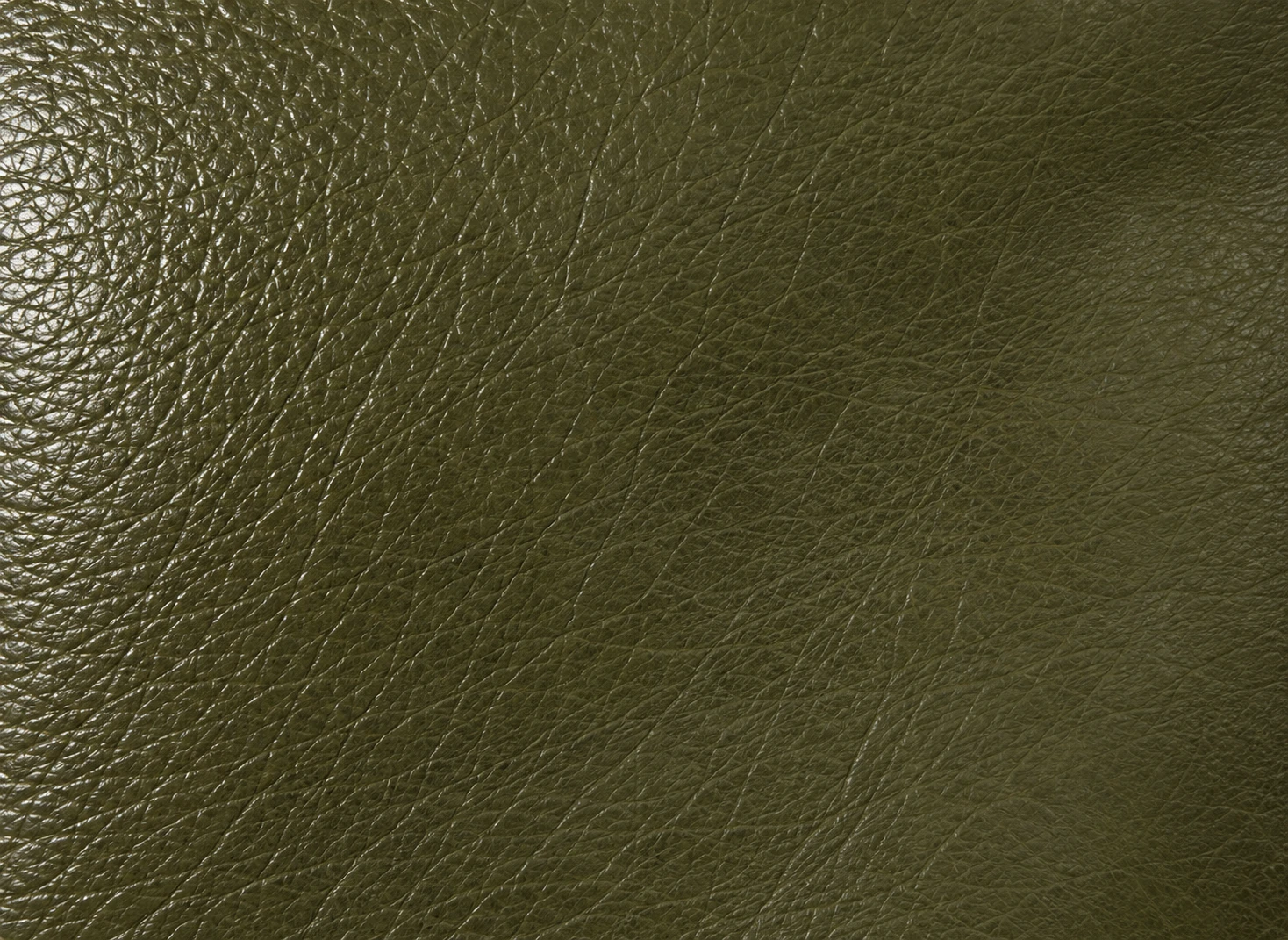
These are the eight we cut from most often, not the whole range. Samples come to the flat and get laid on the sofa in its own light before anything is ordered, because a colour chosen under a showroom lamp rarely survives the move home. It is the one sofa reupholstery NYC decision that is expensive to change your mind about.
Details That Make It Yours
Four choices made at the cutting table rather than in a showroom. They add little to a sofa reupholstery NYC job, and they are the four anybody notices.
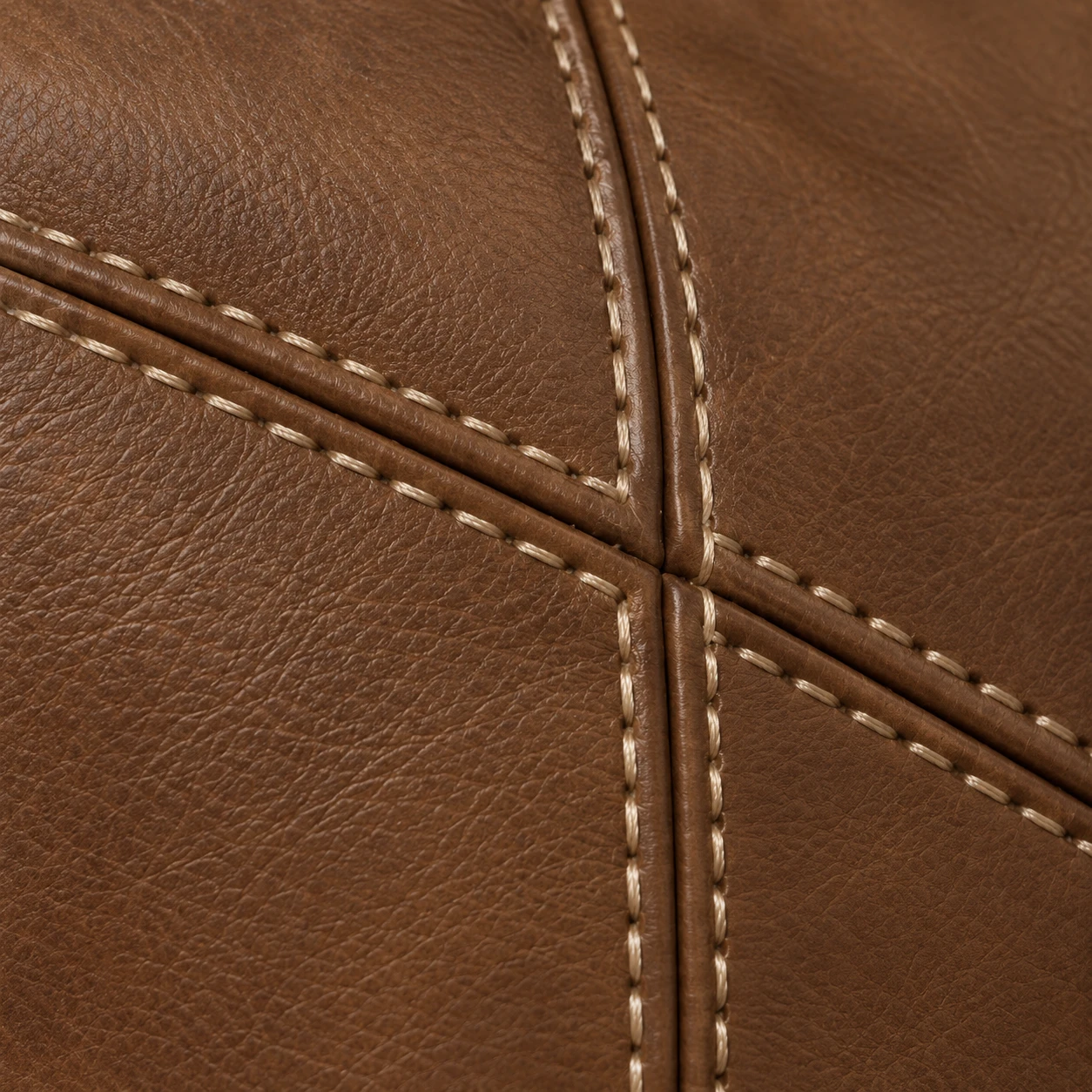
Contrast stitching
Thread a few shades lighter than the hide, so the seam lines read as a decision.
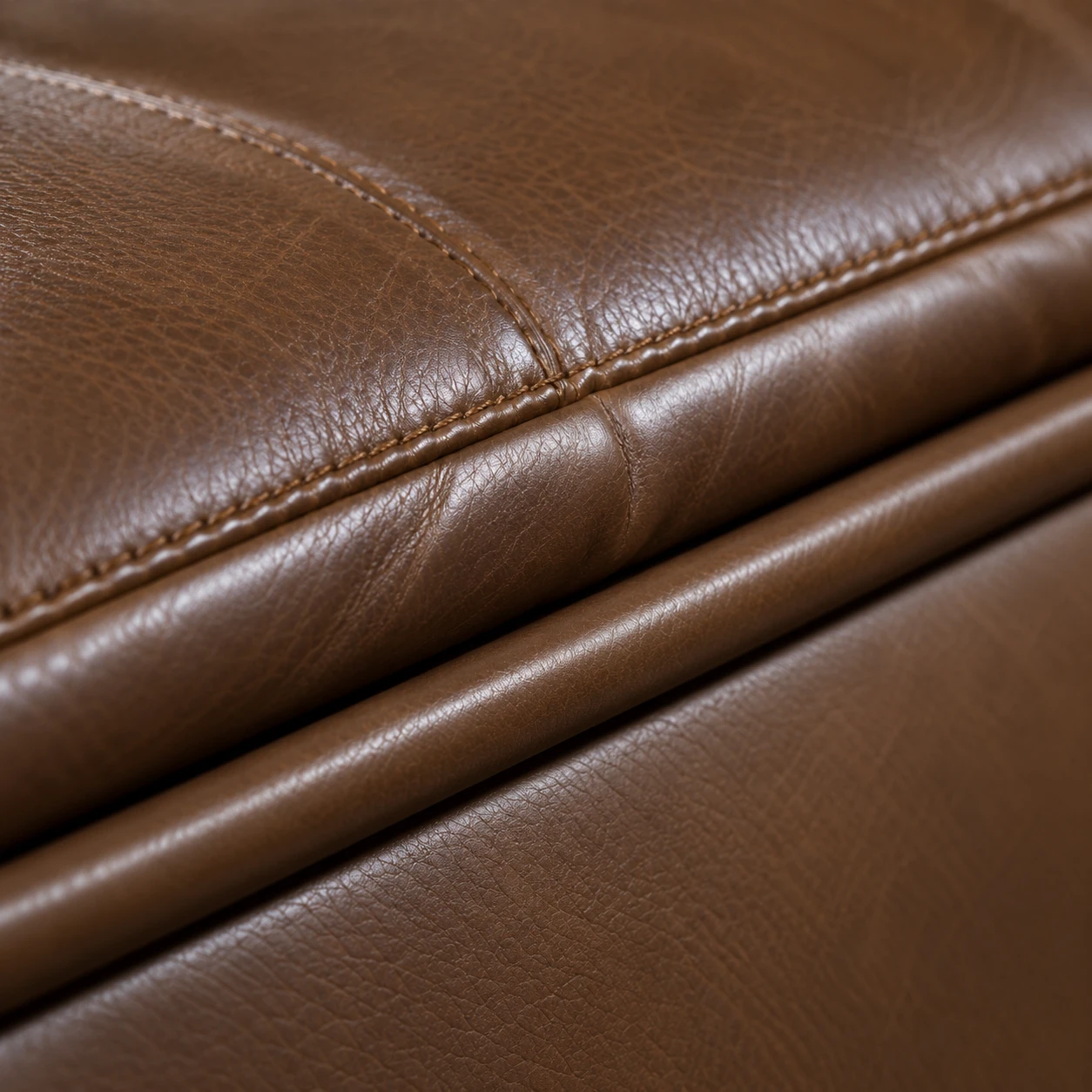
Matching welt
Piping cut from the same hide, which keeps the edges quiet and the shape crisp.
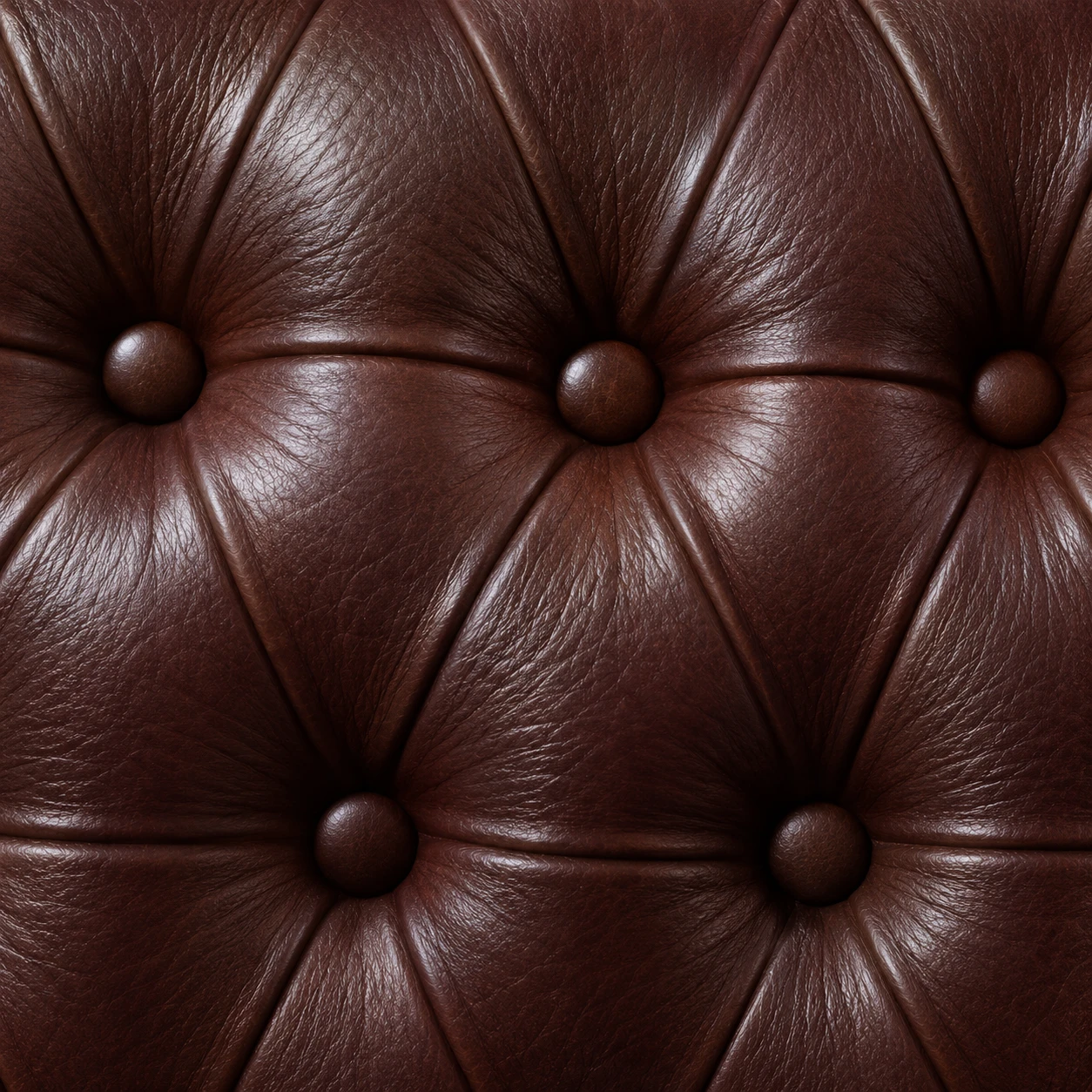
Tufted buttons
Buttons pulled right through and tied off at the frame, never glued to the surface.
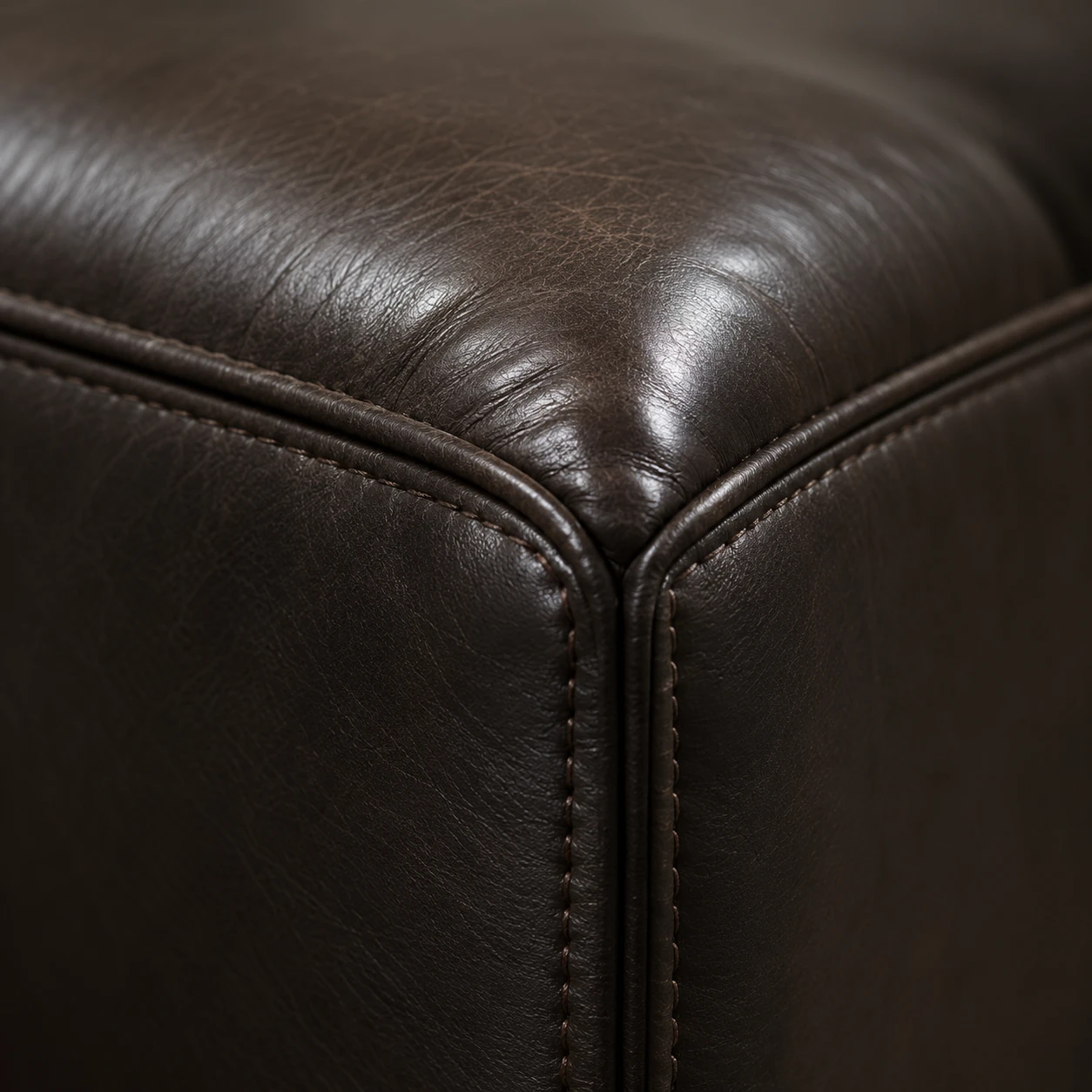
Tailored corners
Corners folded and stitched so the arm holds its square instead of rounding off.
A Sofa That Had Started to Lean
Four moves, from a seat that rocked when you sat down to a sofa signed off in the room it lives in.
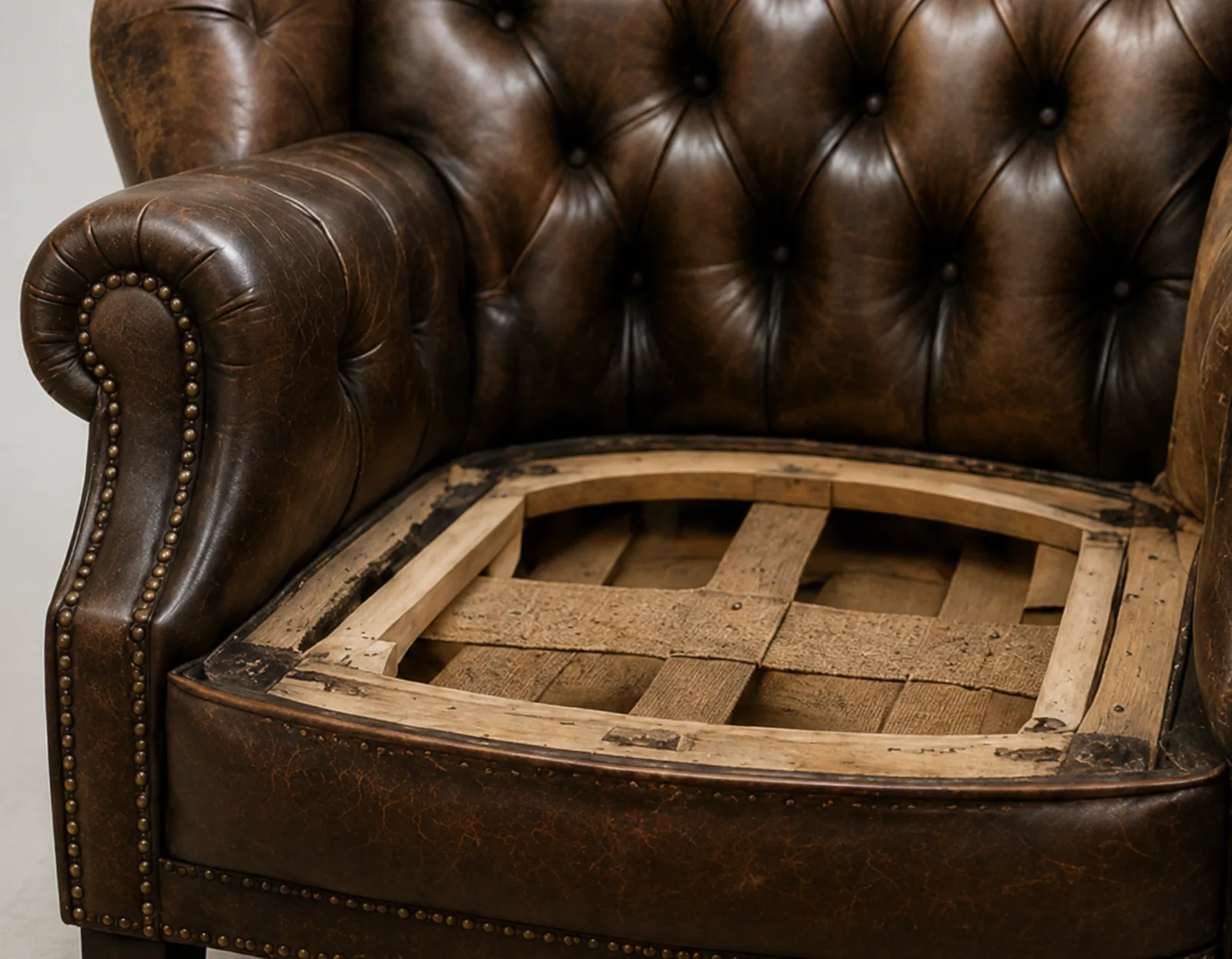
Cushions out, seat opened
The old webbing had gone slack and dropped away from the rails. The lean was the seat sinking on one side, not the leg.
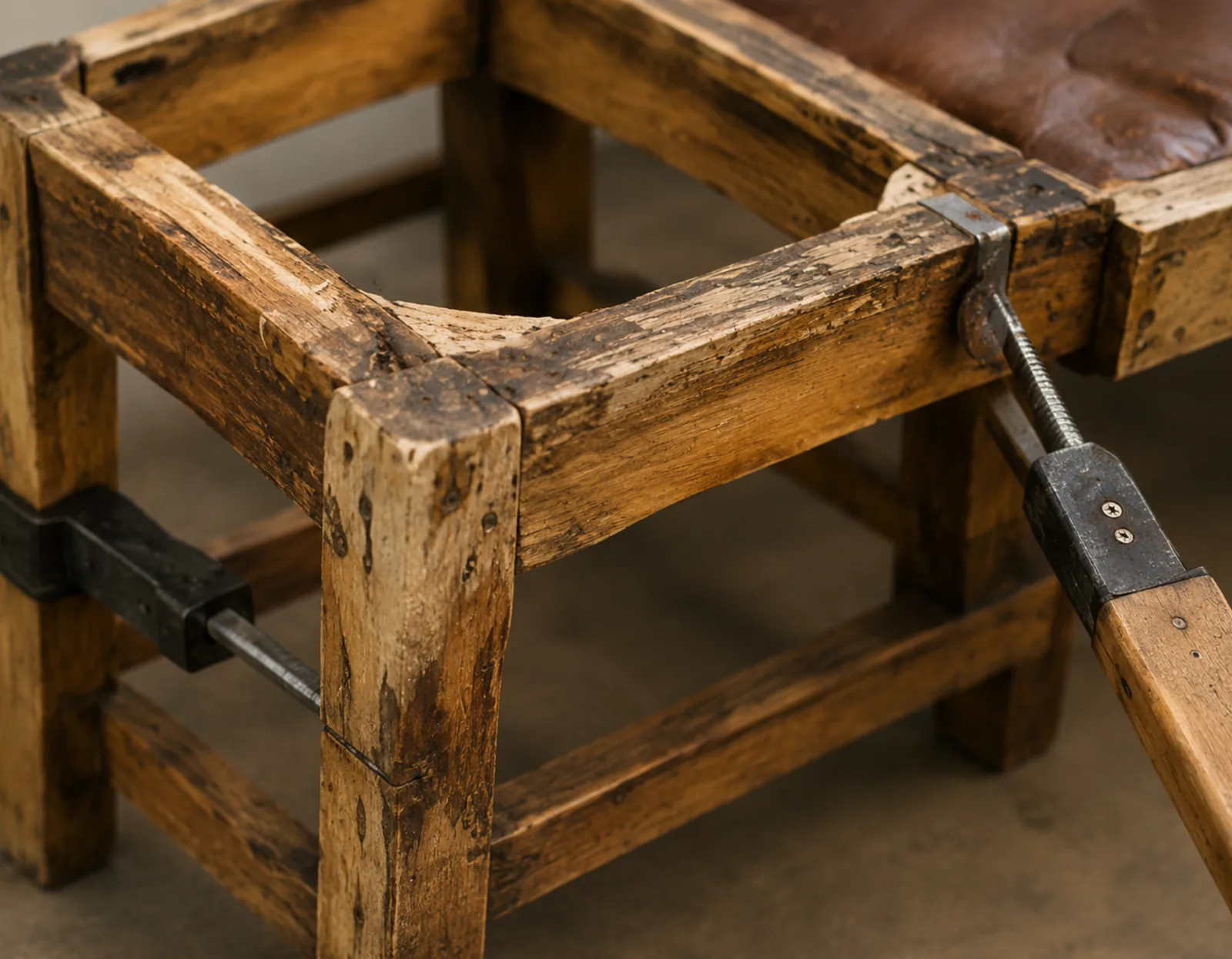
Frame pulled square
Corner joints cleaned back, re-glued and clamped. This is the one stage that goes to the bench, and it sets everything measured afterwards.
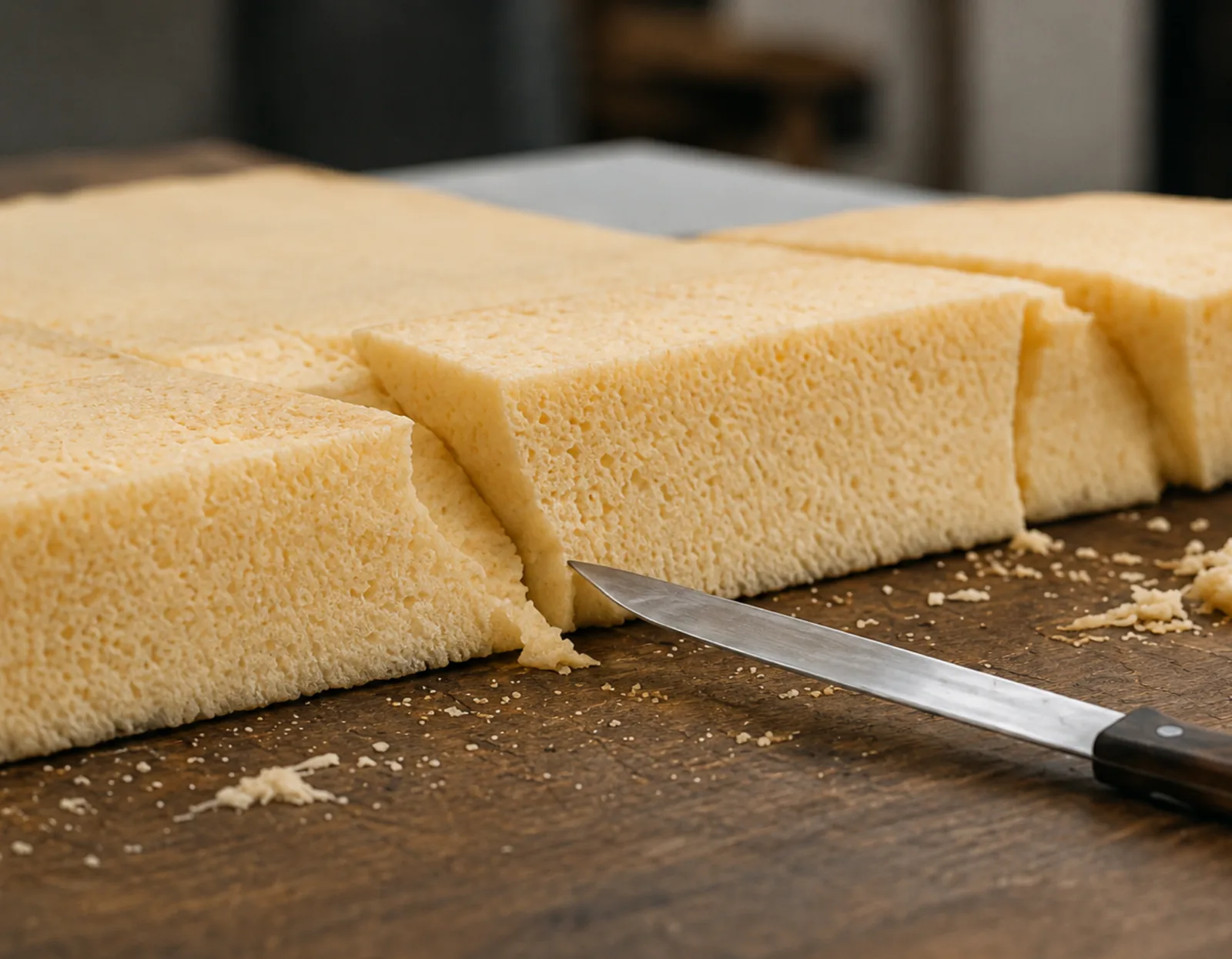
Fill cut to the square frame
New foam cut to the frame as re-set, not to the shape the old cushions had worn into. The owner asked for firmer, so the seat came up a grade.
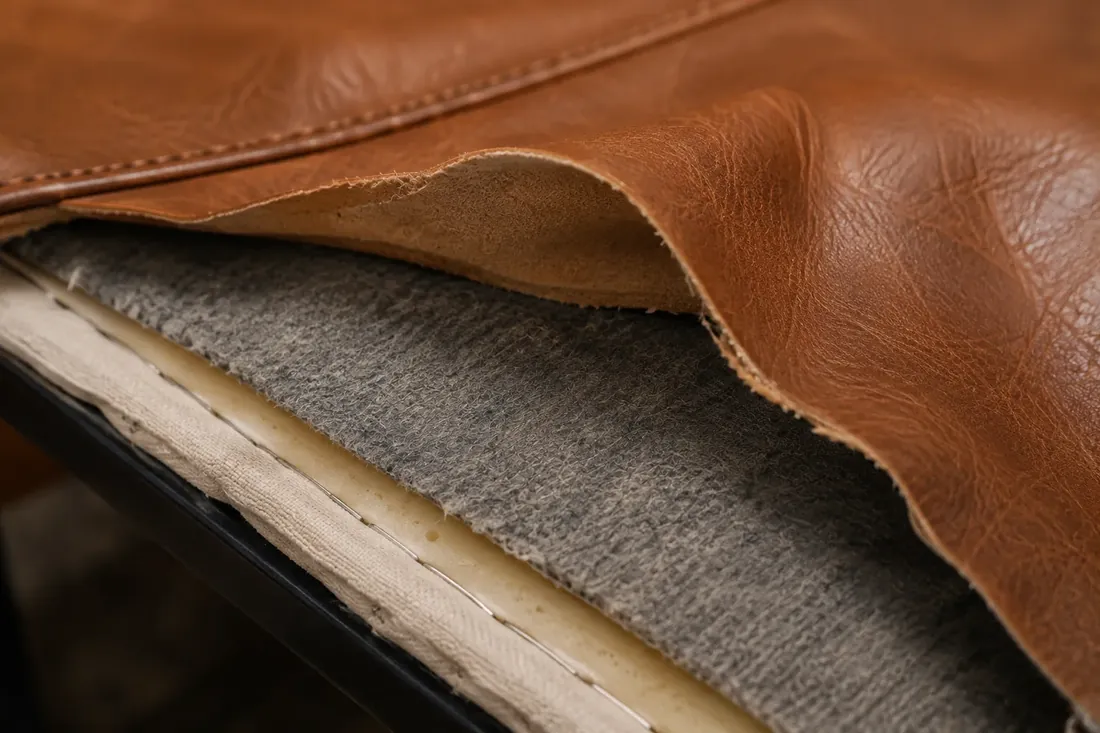
Cover fitted over fresh wadding
Wadding over the foam softens the edge so the seam sits flat, then the hide is pulled on and fixed. The last panel goes on in the room.
Same Frames, New Hides
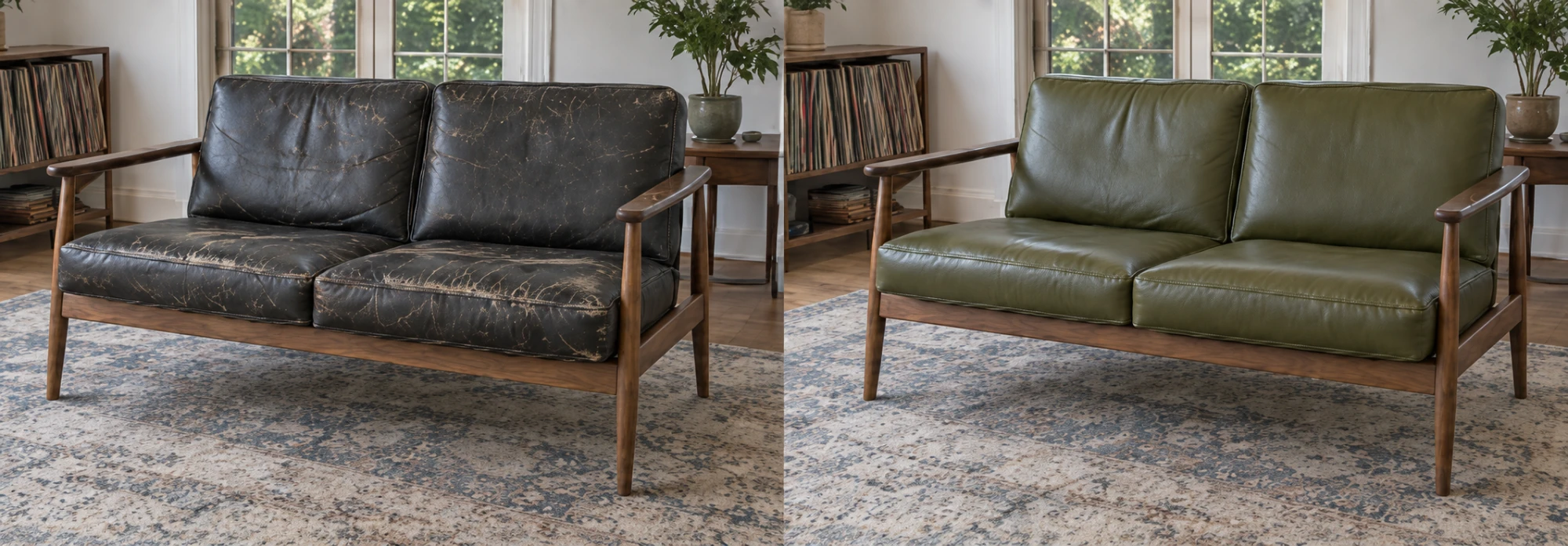
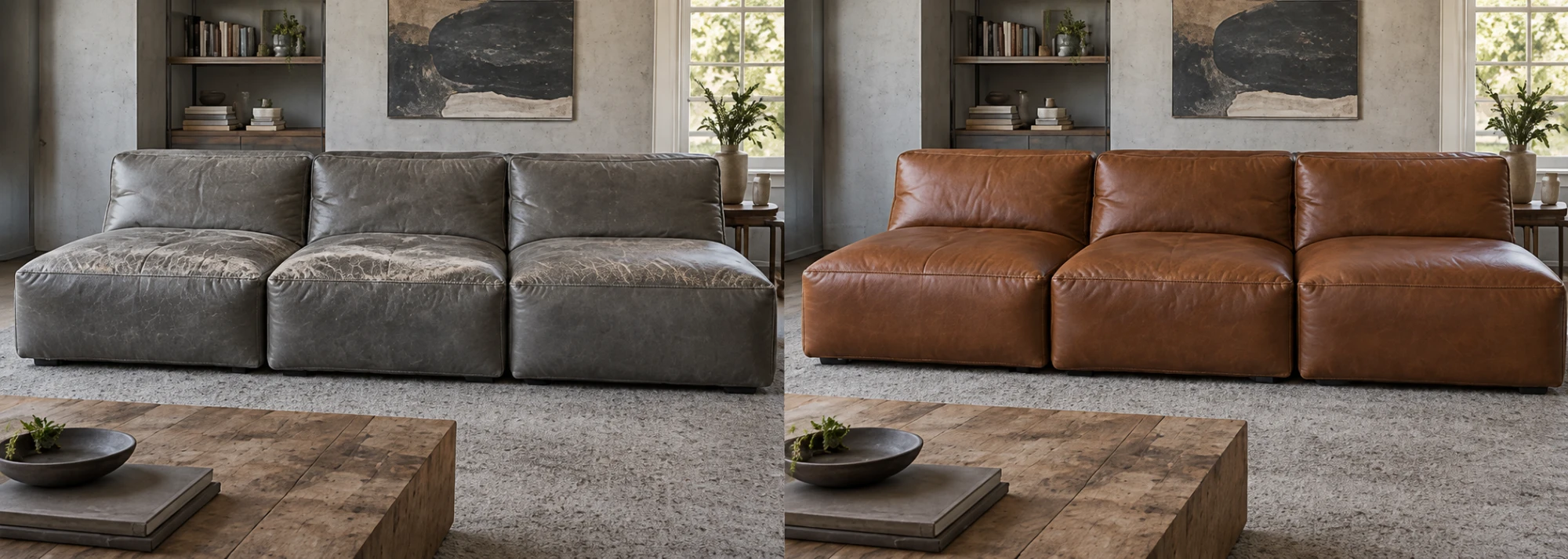
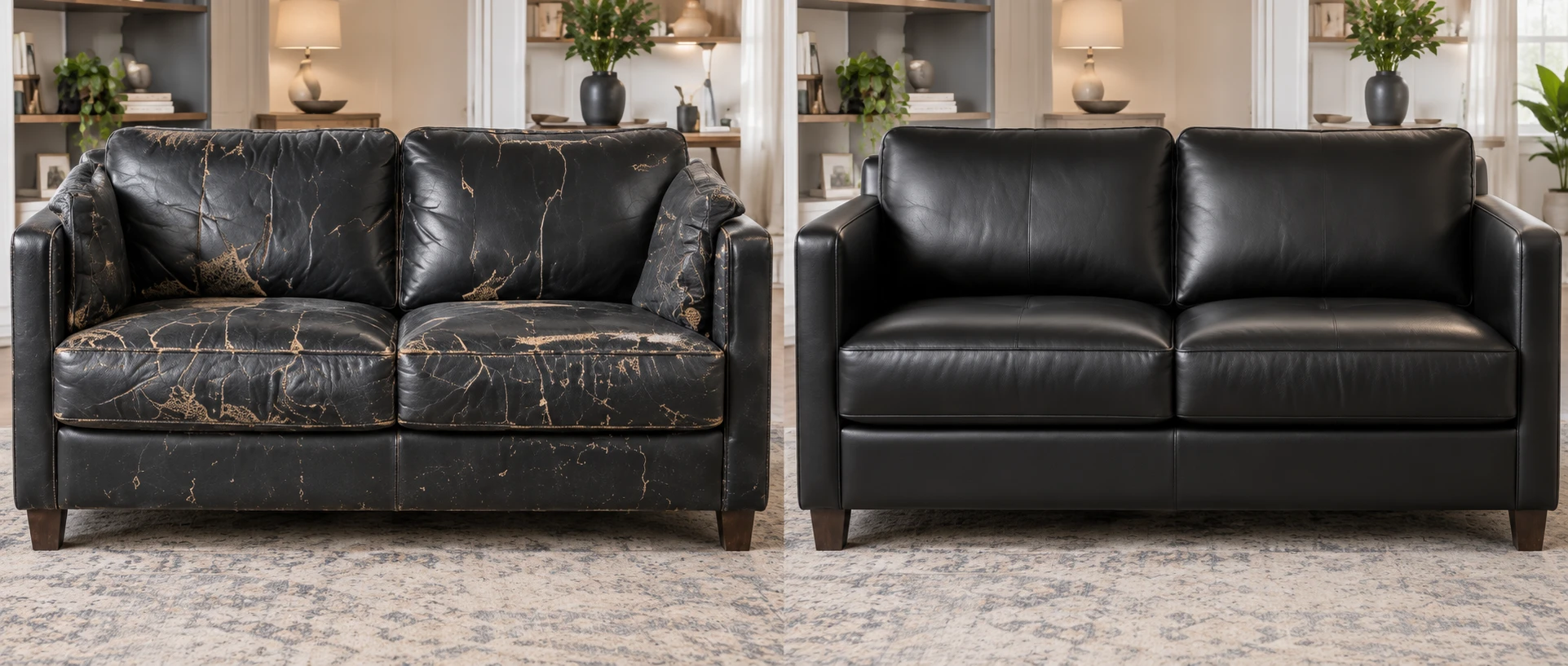
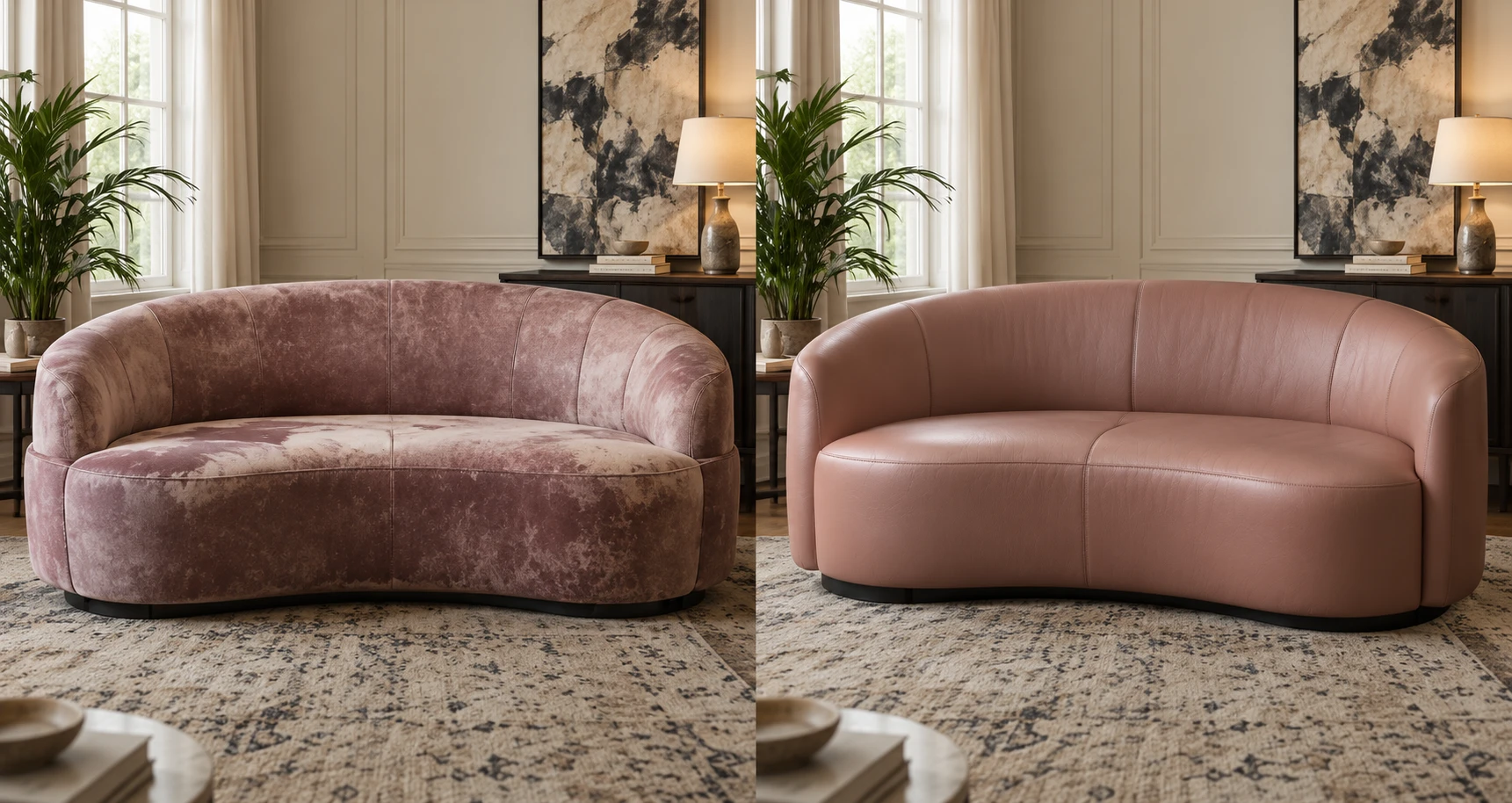
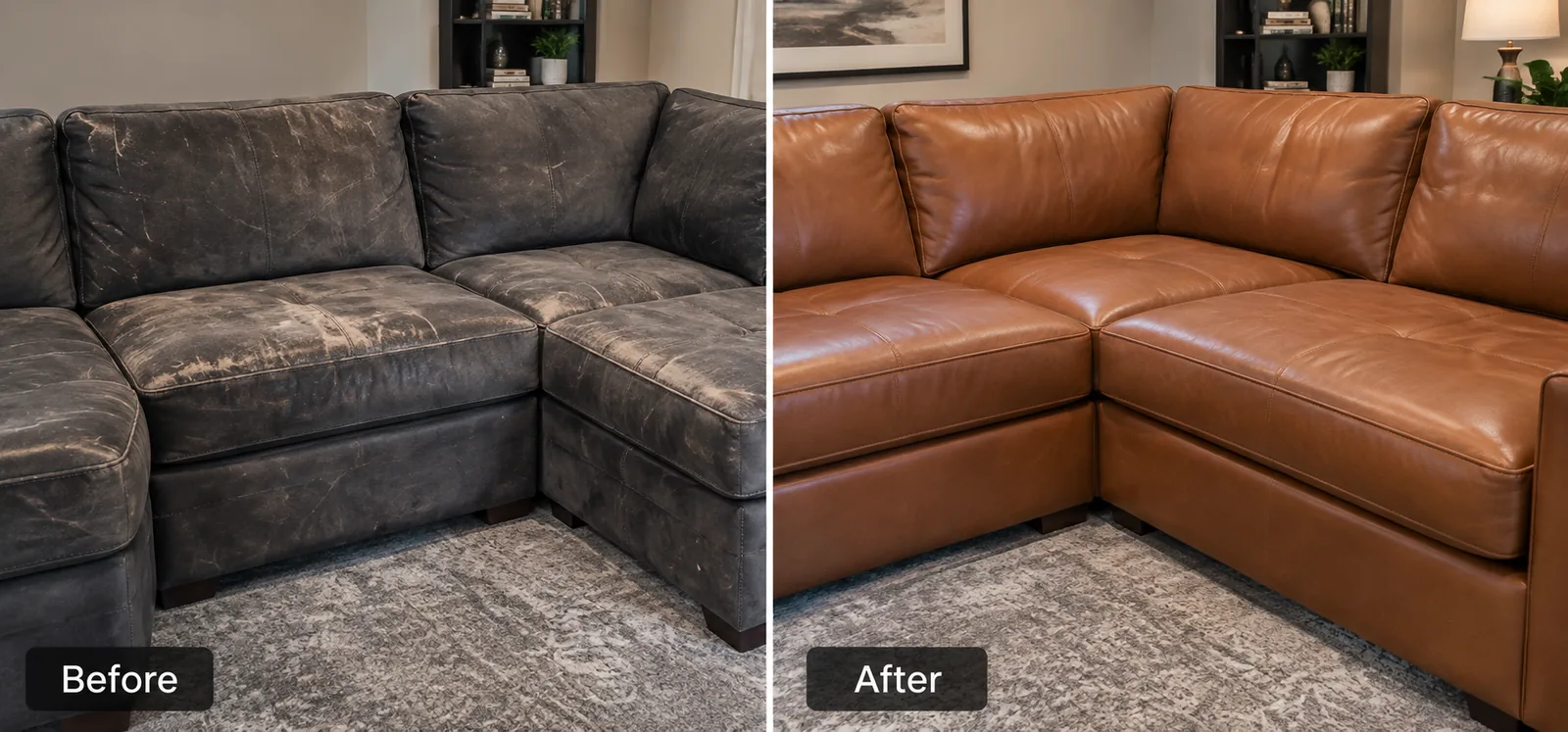 Grey-black to cognac, same frame. A colour change is the cheapest decision in a sofa reupholstery NYC job, because the hide is being cut new either way — the cost sits in the frame and the fill, not the shade.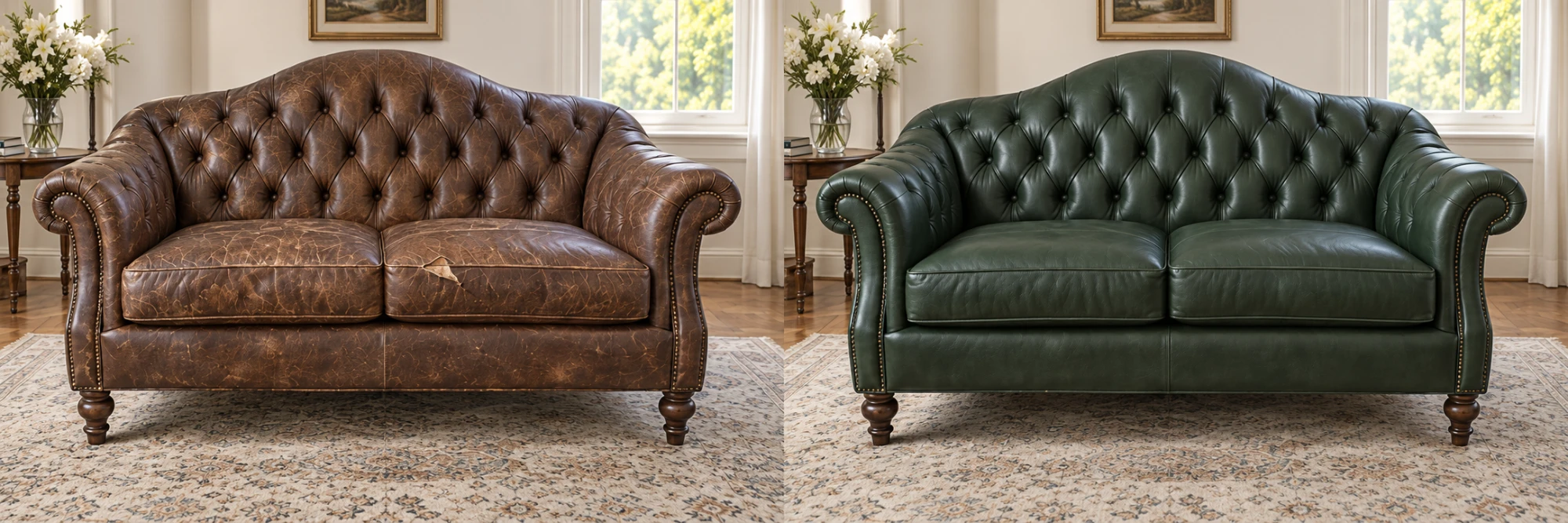

Questions We Get on Every Sofa
Is reupholstering a leather sofa worth it?
Do you have to take the sofa away?
Can you match the leather on one panel instead of recovering the whole sofa?
How long does a sofa take?
Can you keep the frame and change the shape?
Send the Sofa and the Doorway
One photograph of the whole piece and one of the way in. That is enough to tell you what a sofa reupholstery NYC job on it looks like, and whether it is a recover, a cushion job or a repair.