
Home/Services/Leather Cleaning
Leather cleaning serviceThe dull look is dirt, not age
Body oils, ingrained grime and a film of everyday dust flatten a hide long before the leather itself wears out. Most of it comes off. What a leather cleaning service can take back depends entirely on the finish you have.
Care for the furniture you use every day.
 Sofas
Sofas Sectionals
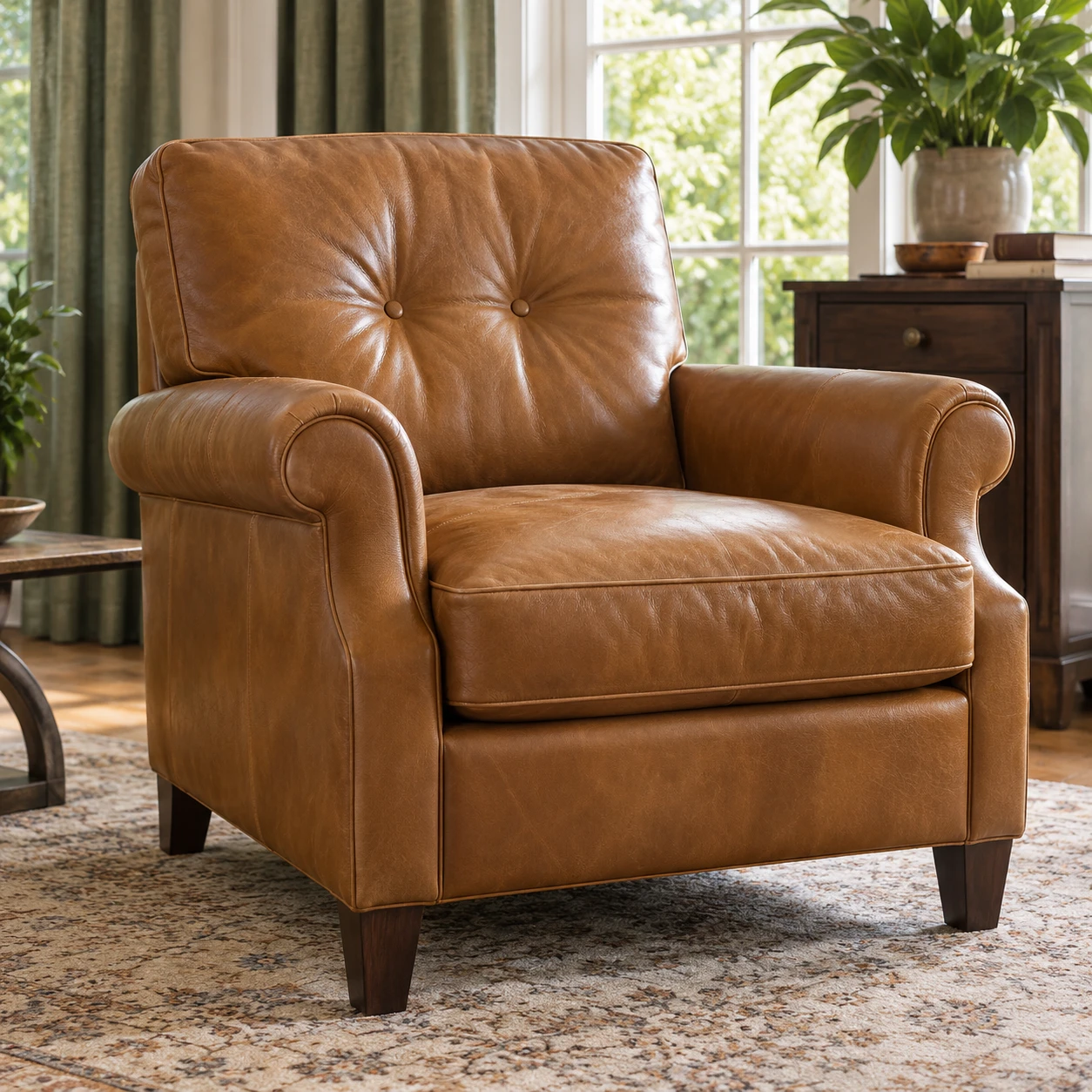 Armchairs
 Recliners
 Dining chairs
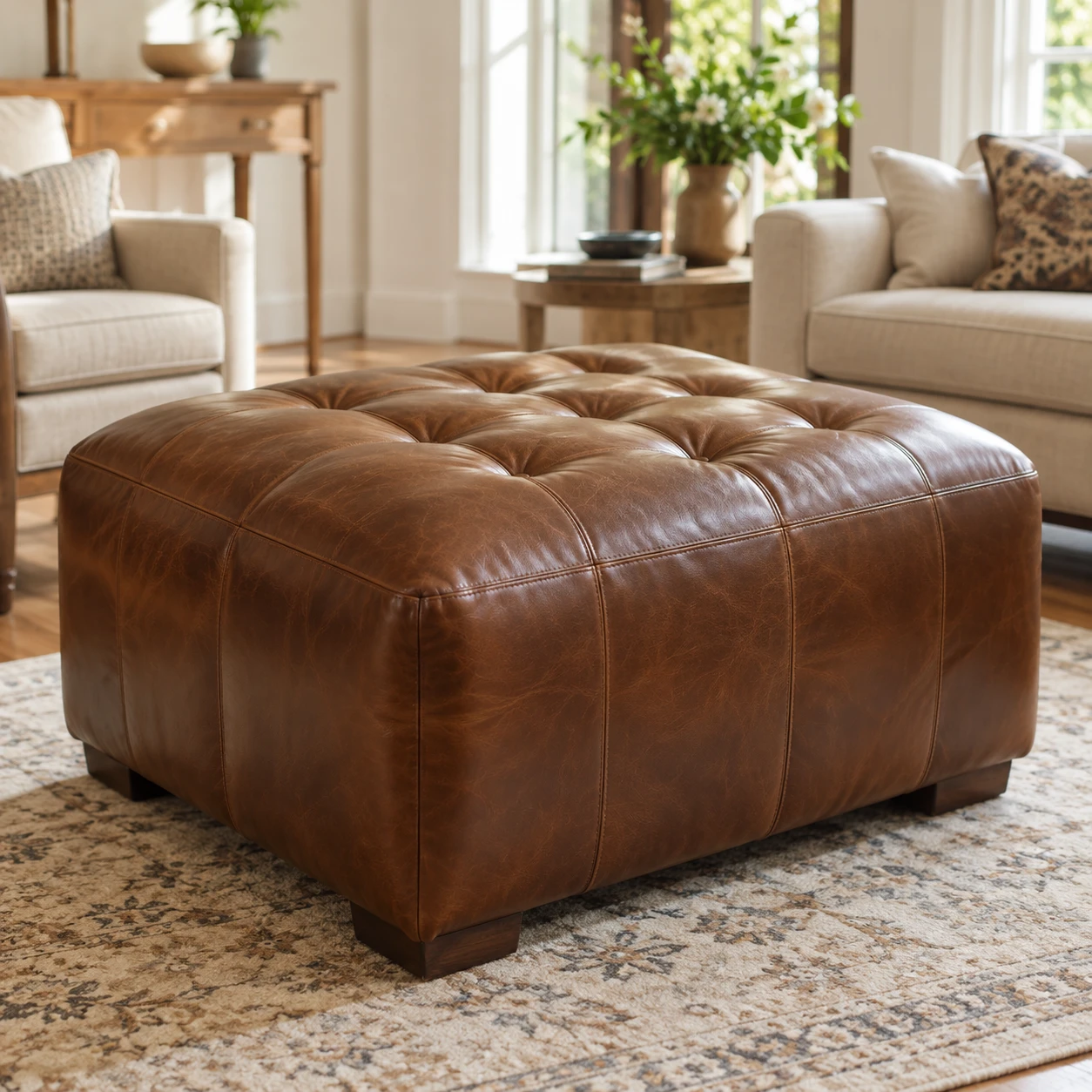 Ottomans
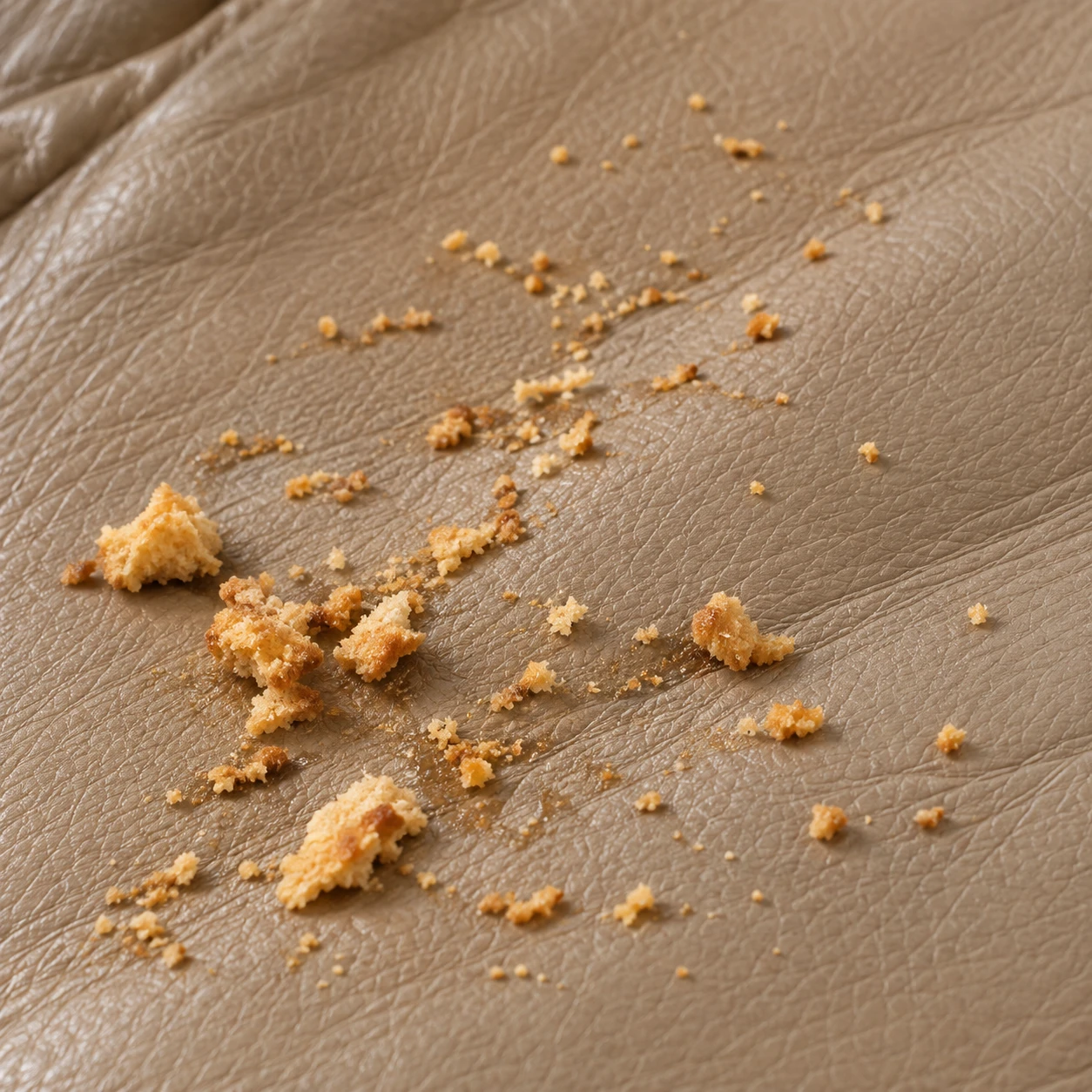
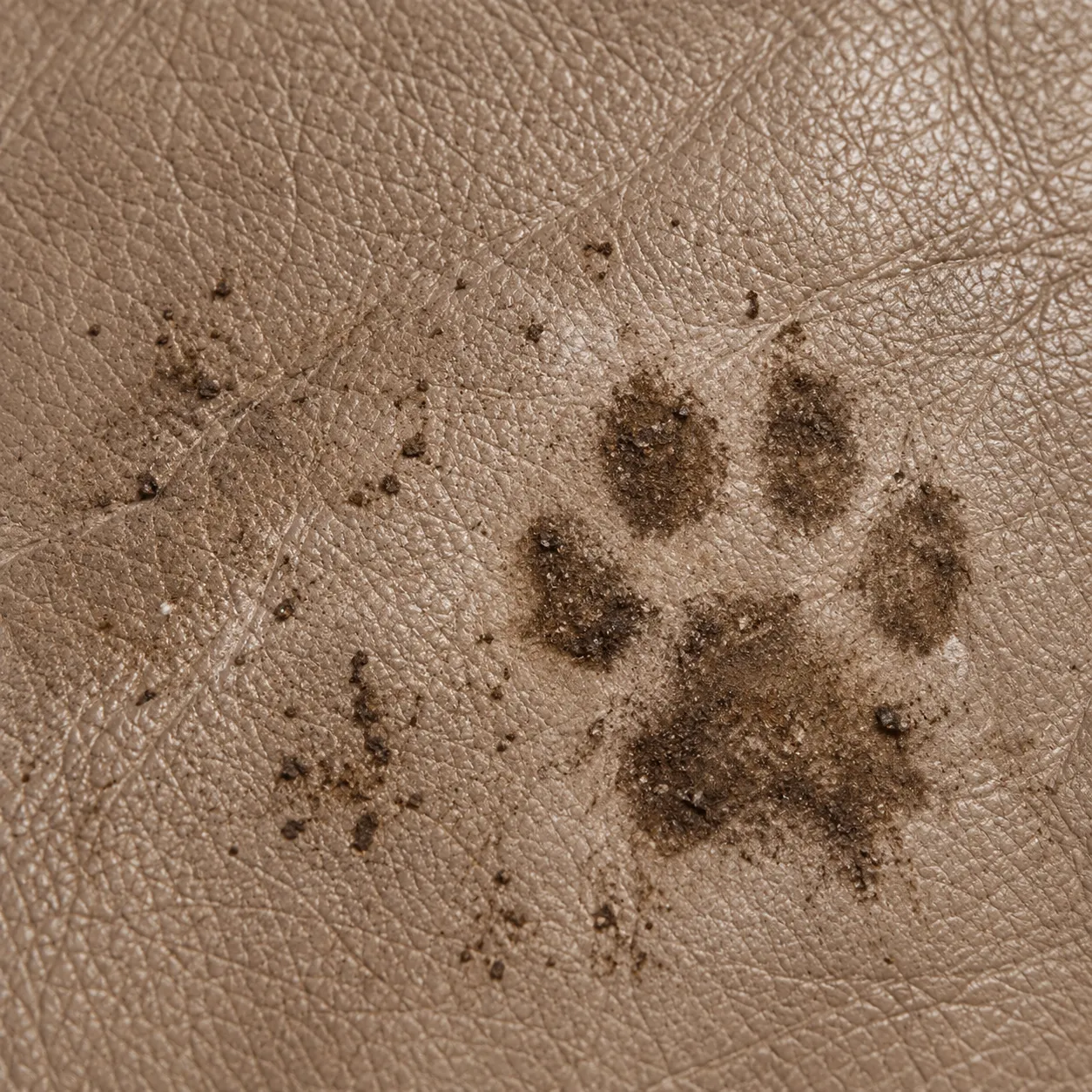
Everyday use leaves its mark.
Dirt, oils and dust build up over time, even when your leather looks fine from a distance. Here are common signs we see:
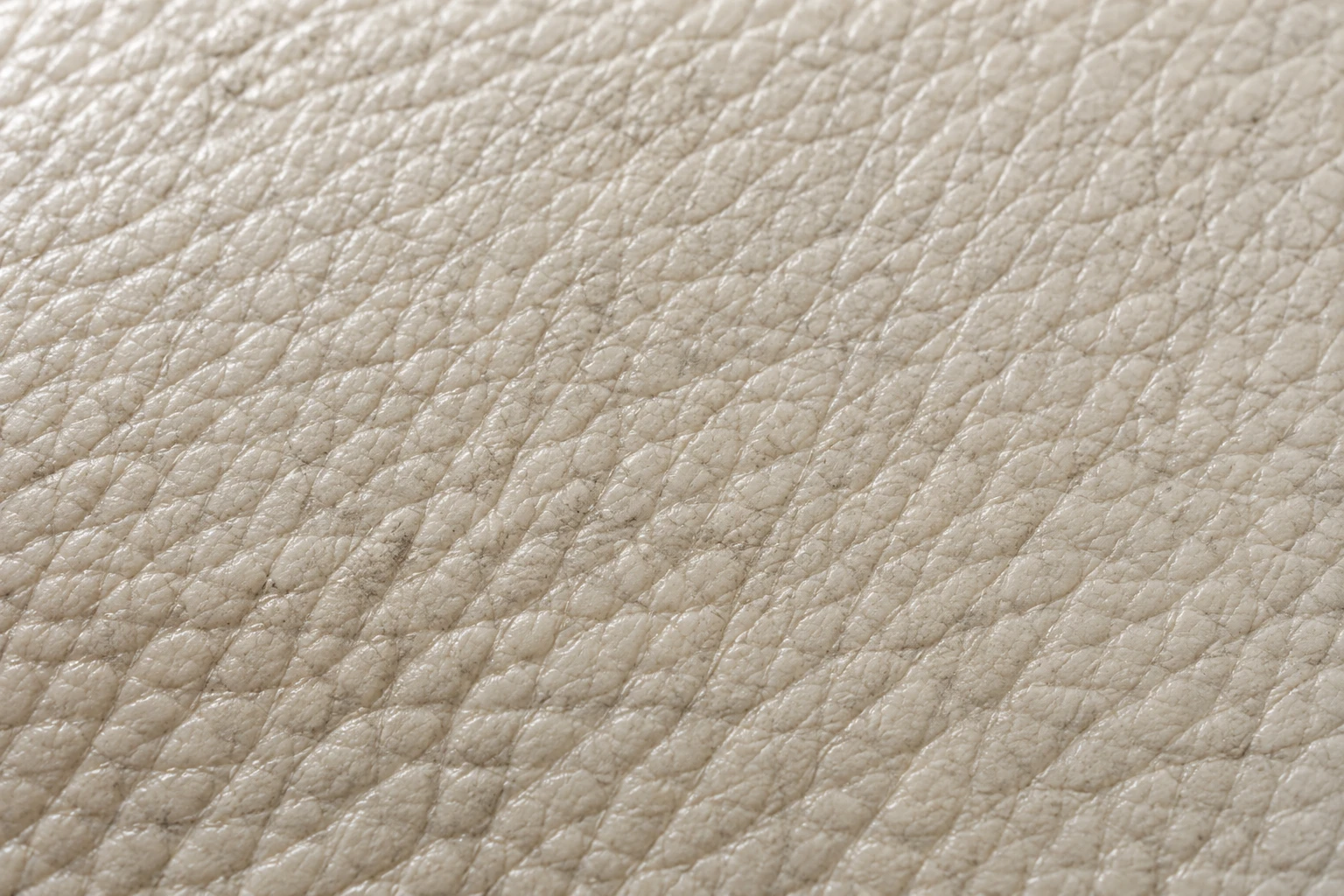 Grime in the grain
Everyday dirt can settle into the grain, leaving a dull appearance.
Grime in the grain
Everyday dirt can settle into the grain, leaving a dull appearance.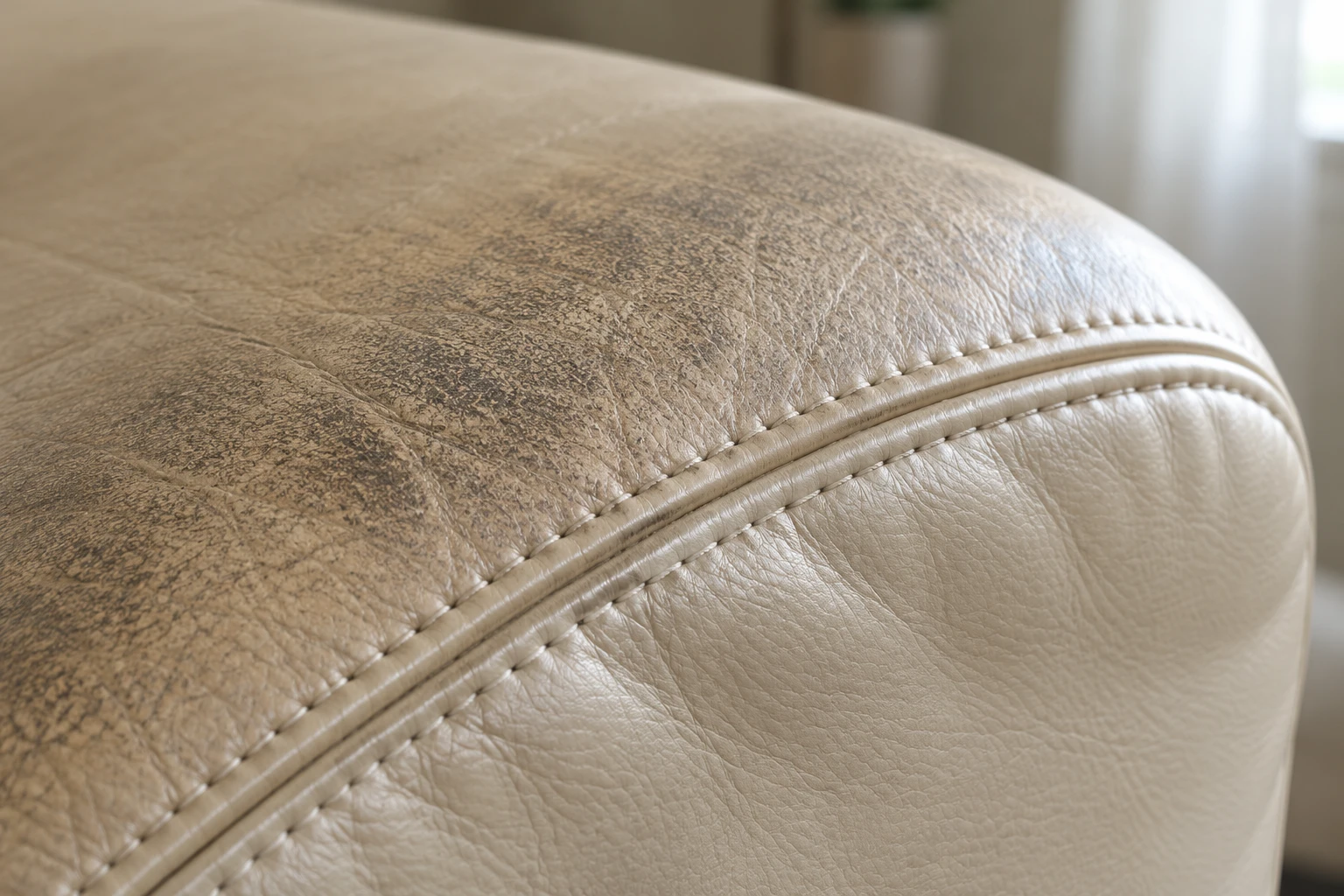 Dull armrests
Frequent contact can leave armrests looking dark and shiny.
Dull armrests
Frequent contact can leave armrests looking dark and shiny.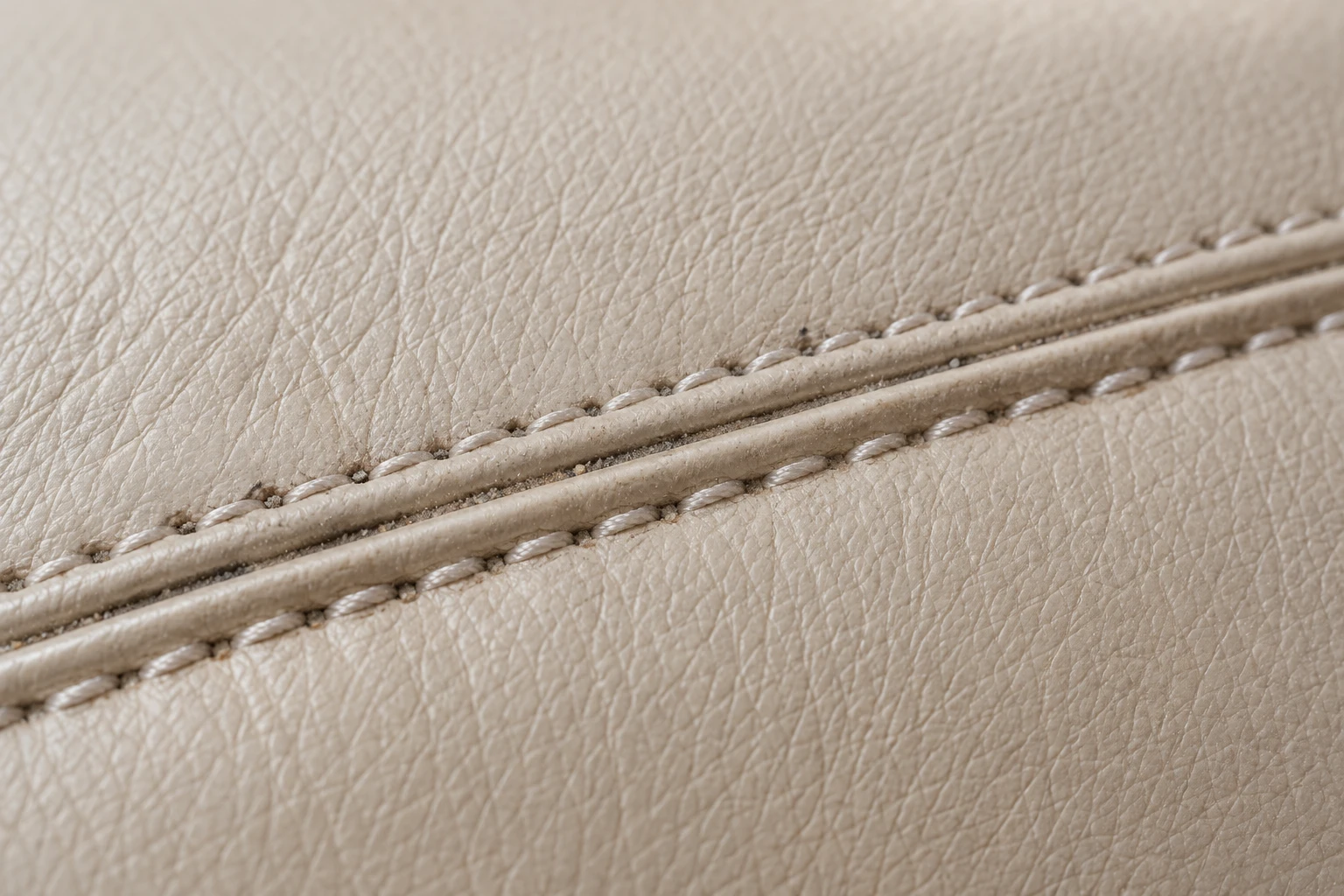 Dust along seams
Dust and debris collect in seams and stitching.
Dust along seams
Dust and debris collect in seams and stitching.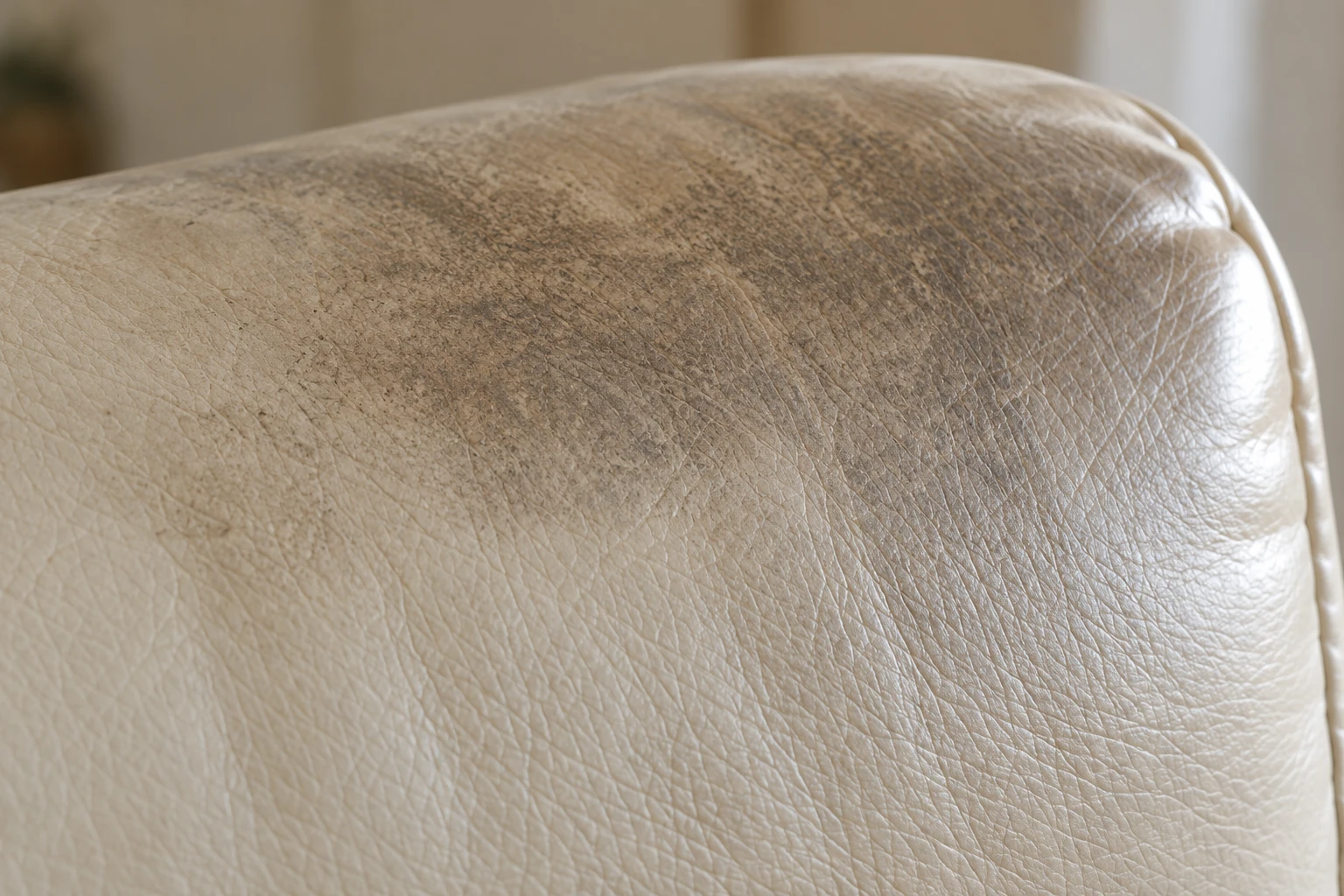 Dirty headrests
Oils from hair and skin can build up over time.
Dirty headrests
Oils from hair and skin can build up over time.What we remove
Cleaner leather, a healthier home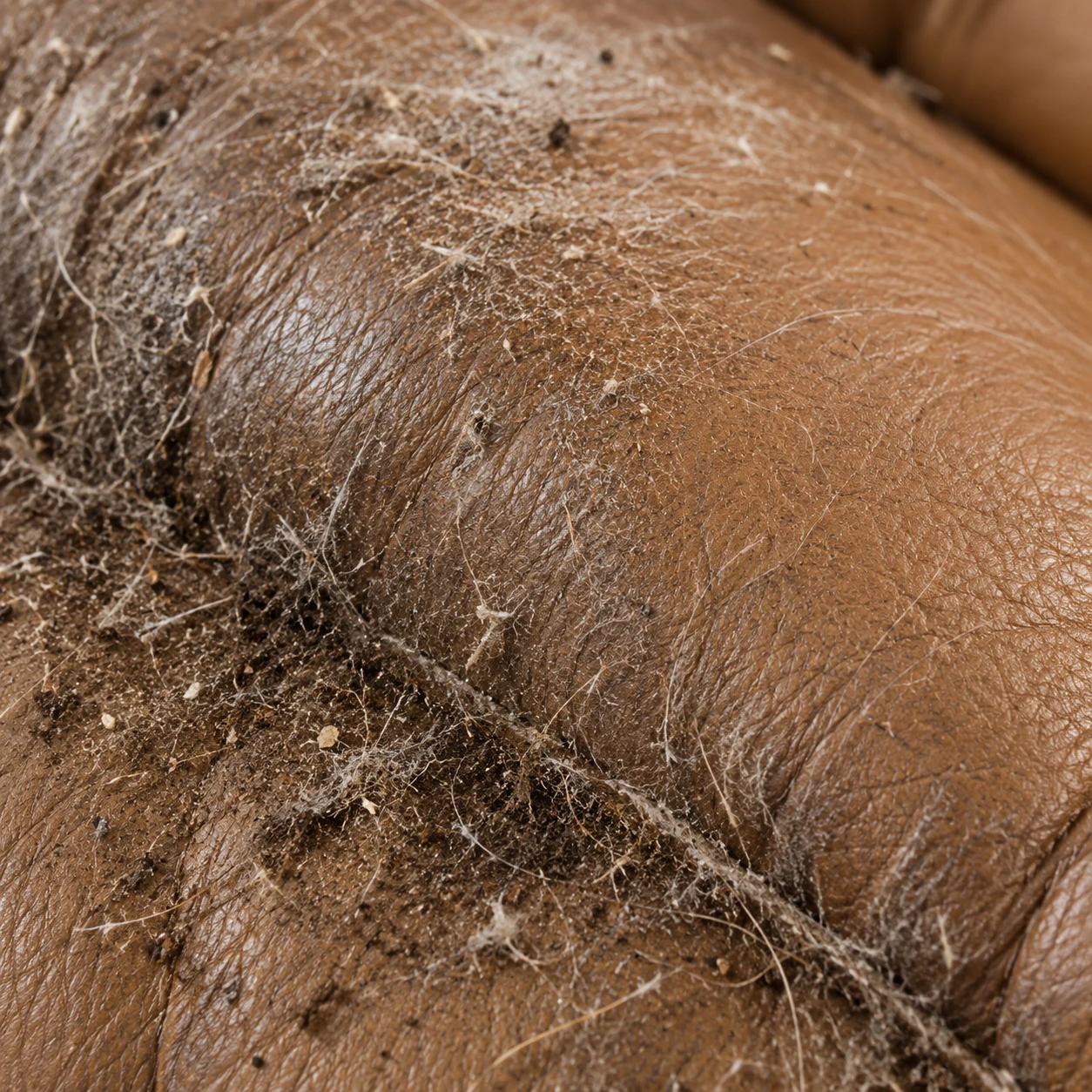
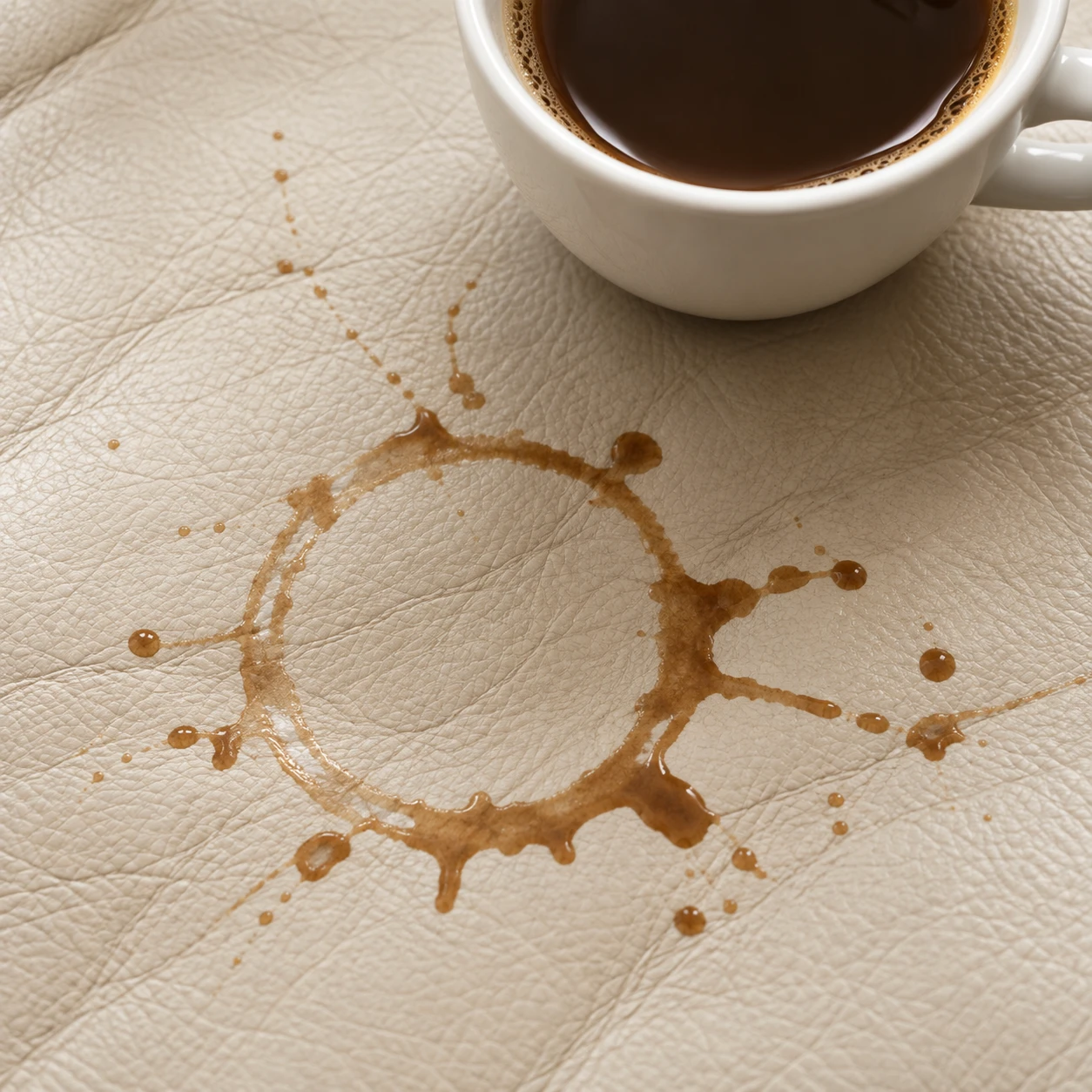
What about stains and body oils?
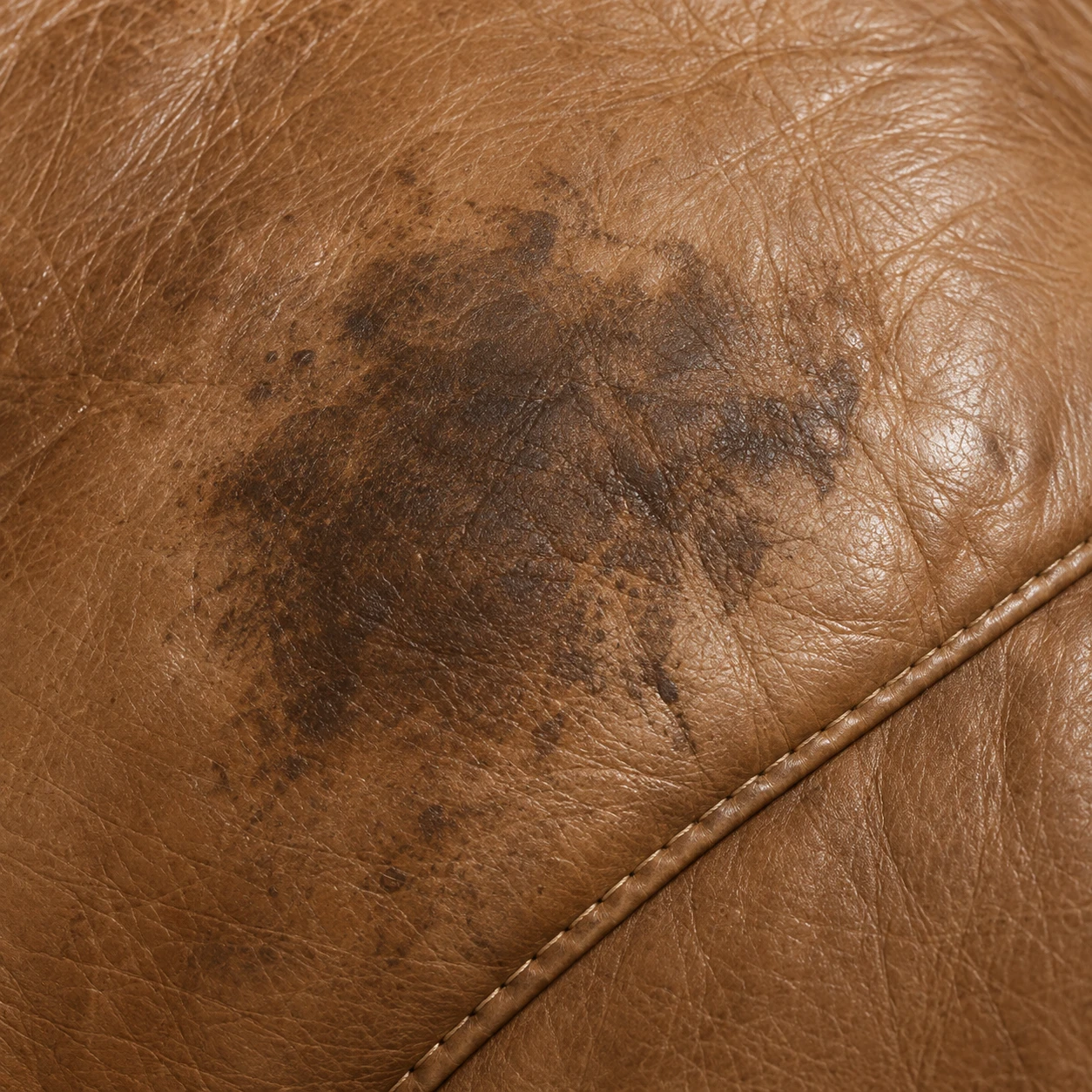
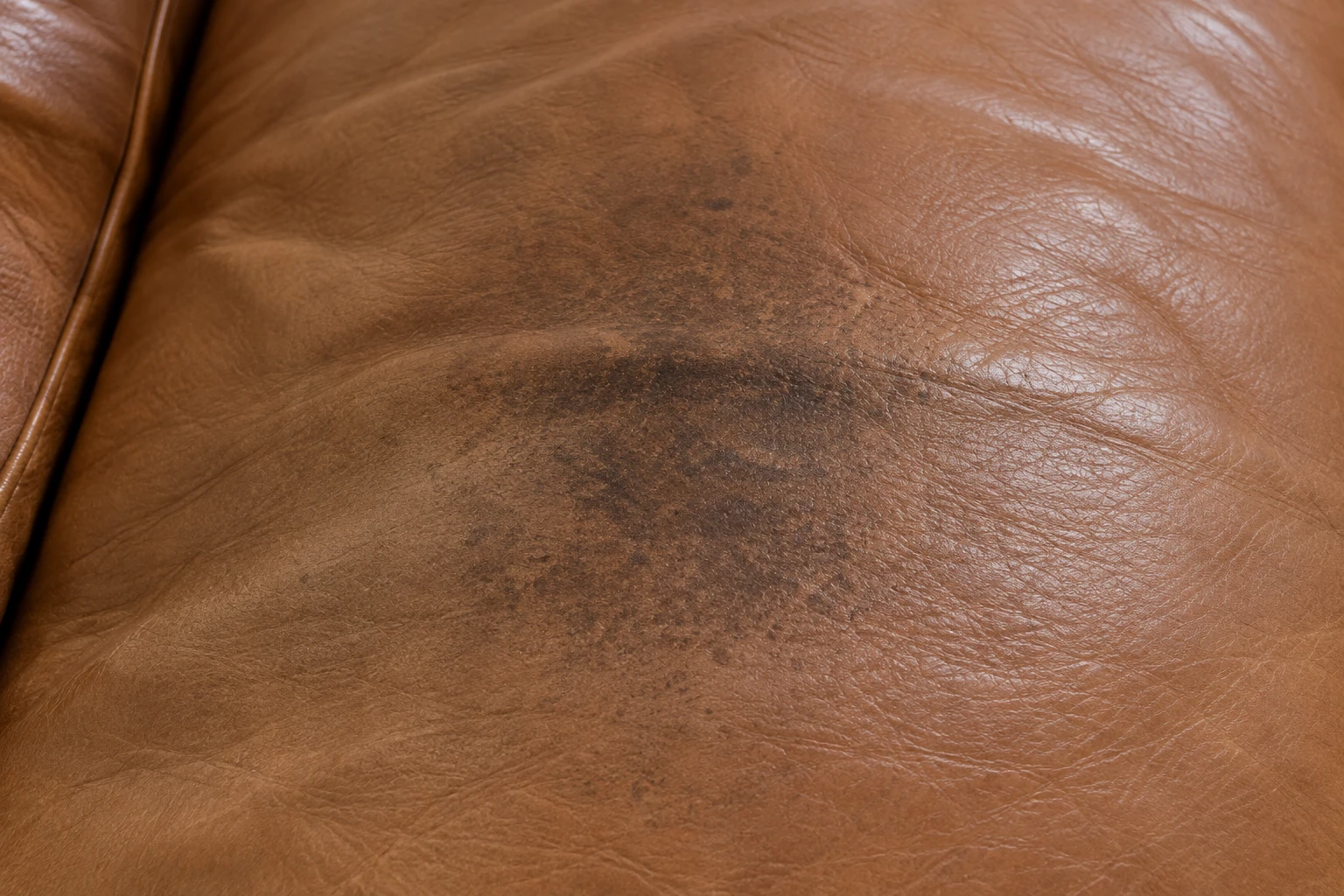 Absorbed body oils
Oils can soak into aniline leather and be difficult to remove completely.
Absorbed body oils
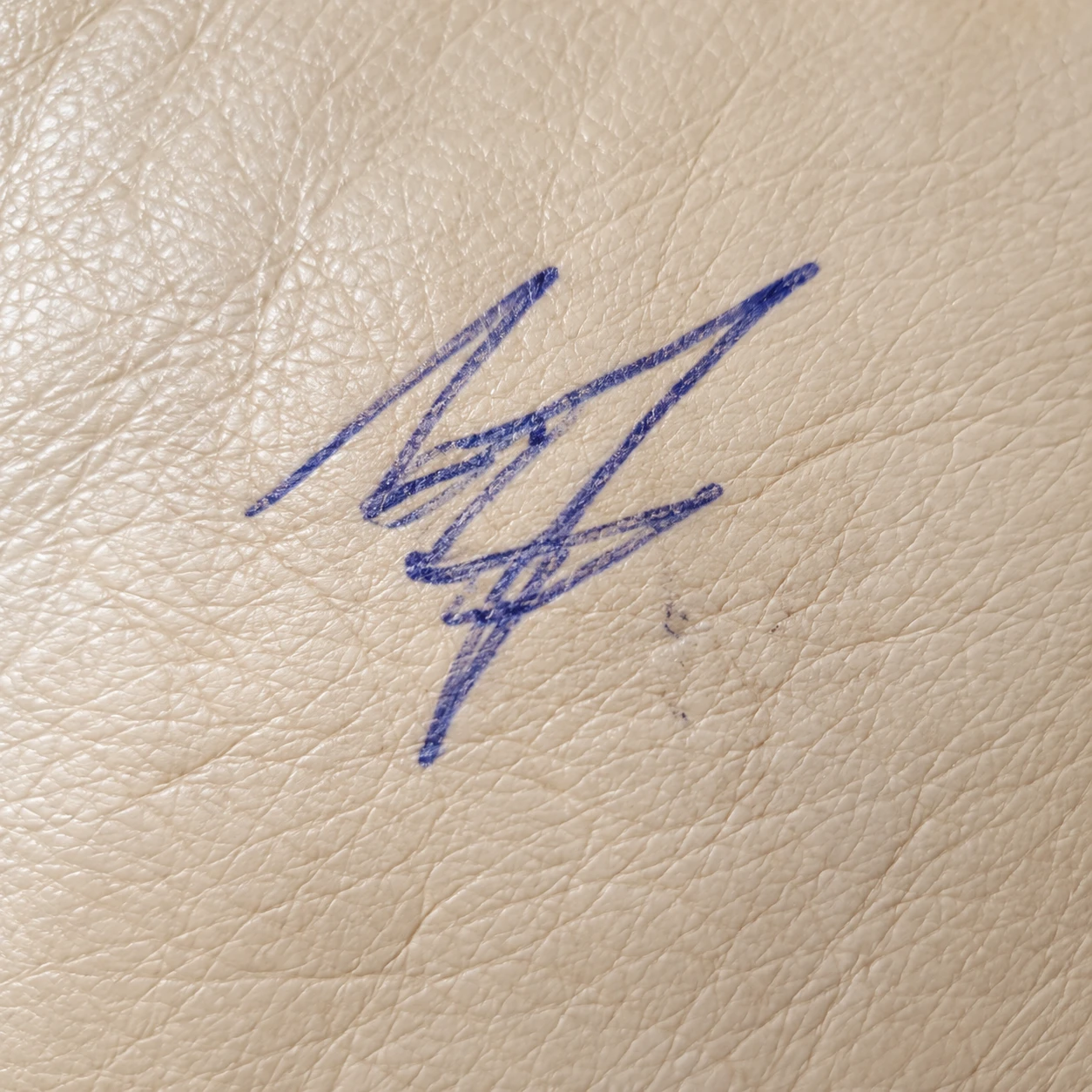
Oils can soak into aniline leather and be difficult to remove completely.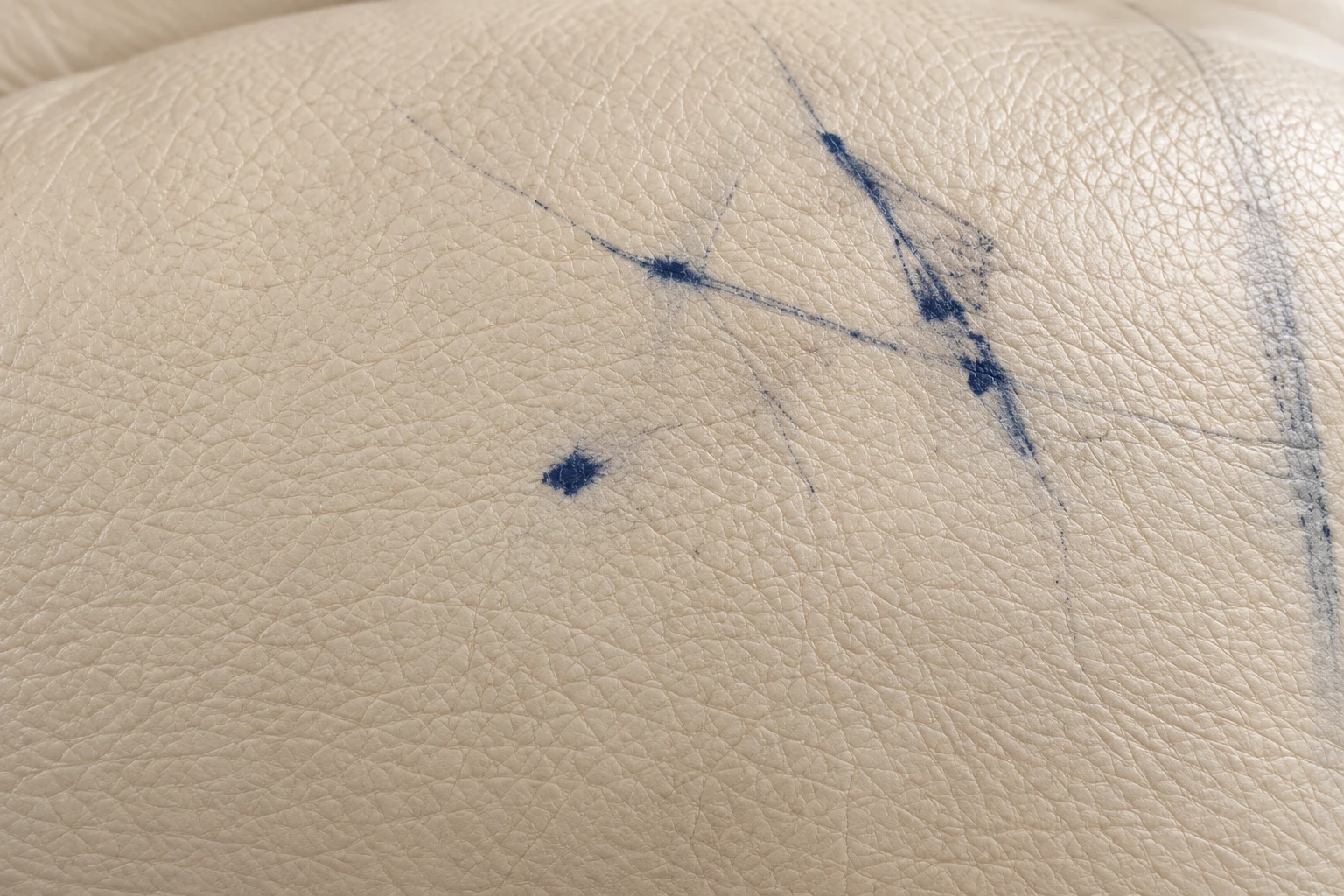 Ink marks
Ink can penetrate the finish and may need specialist treatment.
Ink marks
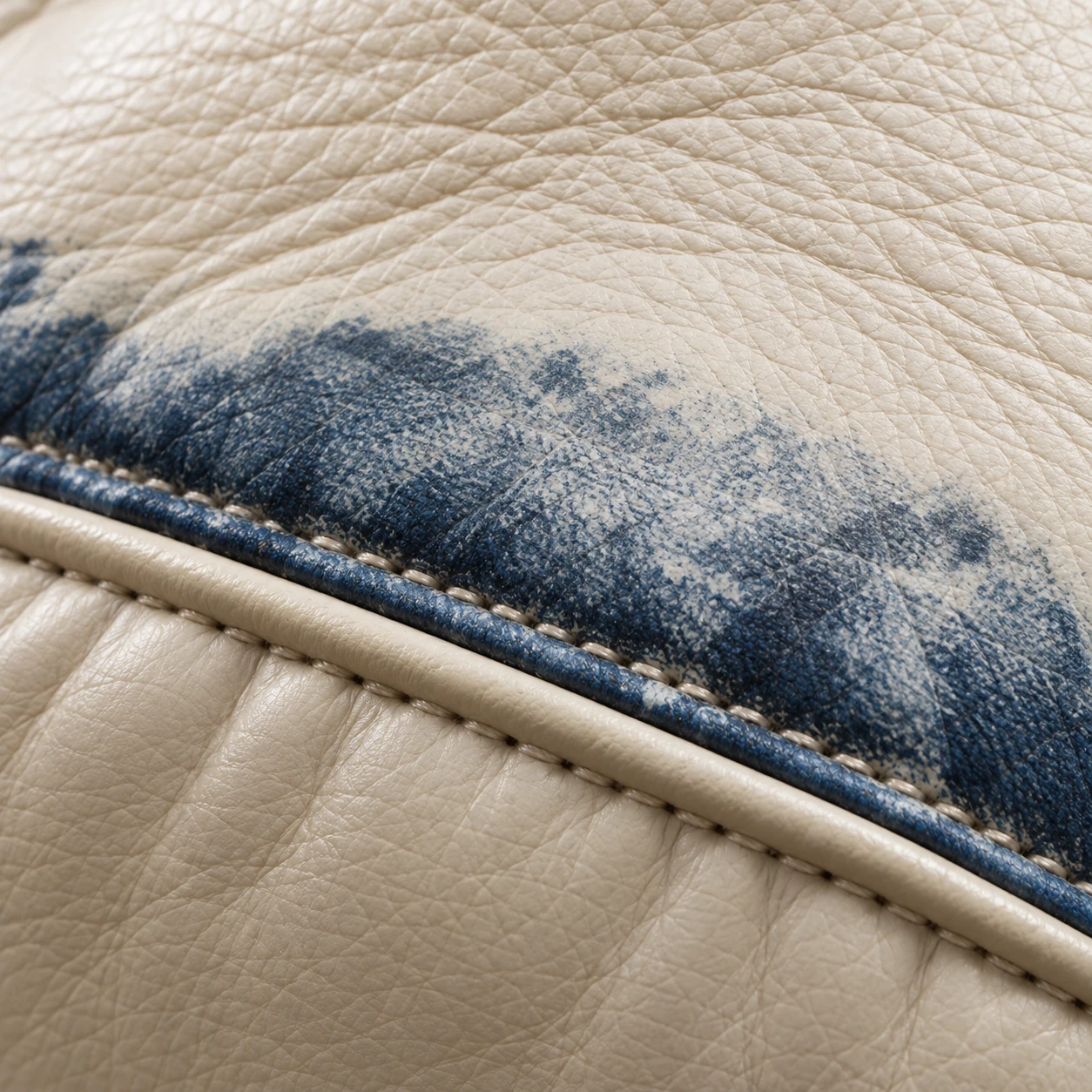
Ink can penetrate the finish and may need specialist treatment.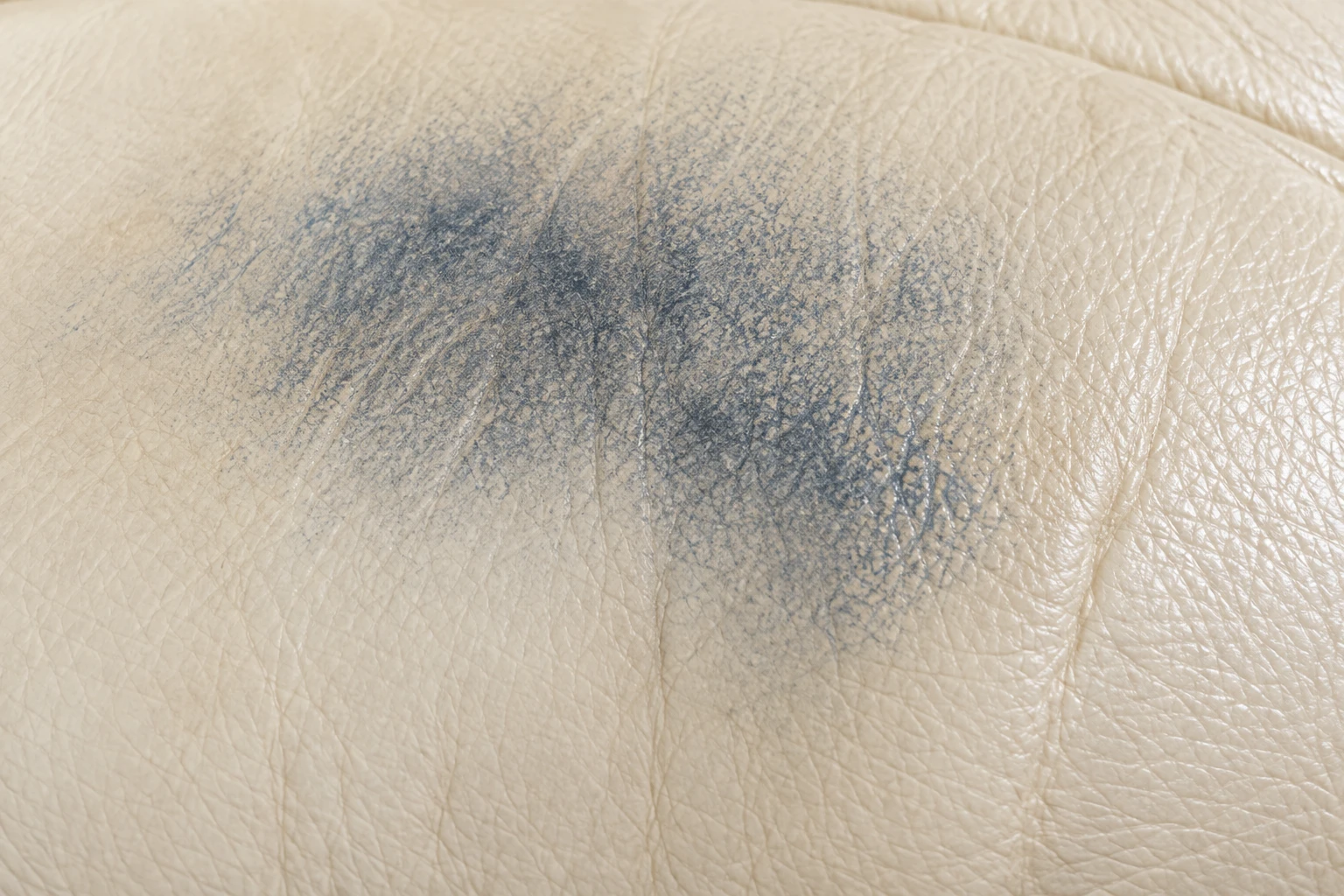 Dye transfer
Color transfer from clothing (like denim) can be difficult to remove.
Dye transfer
Color transfer from clothing (like denim) can be difficult to remove.Absorbed oils, ink and dye transfer may need specialist treatment.
Share close-ups so we can assess them separately.
The cleaner does more harm than the dirt
Three products are behind most of the ruined finishes we get called out to. All three are sitting under someone's sink right now, and none of them meets the pH guidance the Restoration Industry Association publishes for upholstery.
The finish decides the method
A sealed hide and an open one need opposite treatment, and the difference is invisible until a drop of water goes on. A leather cleaning service that skips this test is guessing.
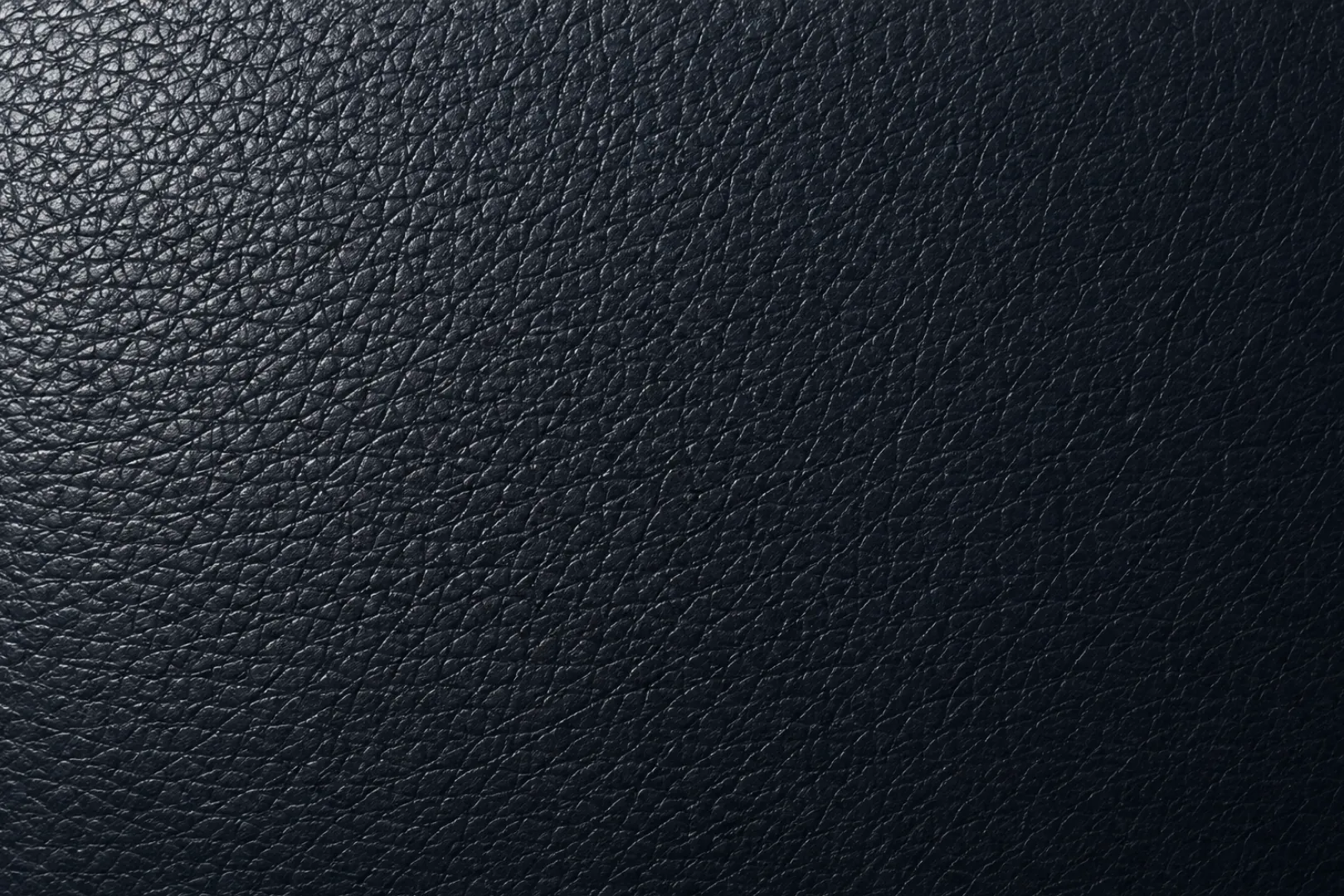 Pigmented
A sealed surface. Takes a foam clean and rinses without marking.
Pigmented
A sealed surface. Takes a foam clean and rinses without marking.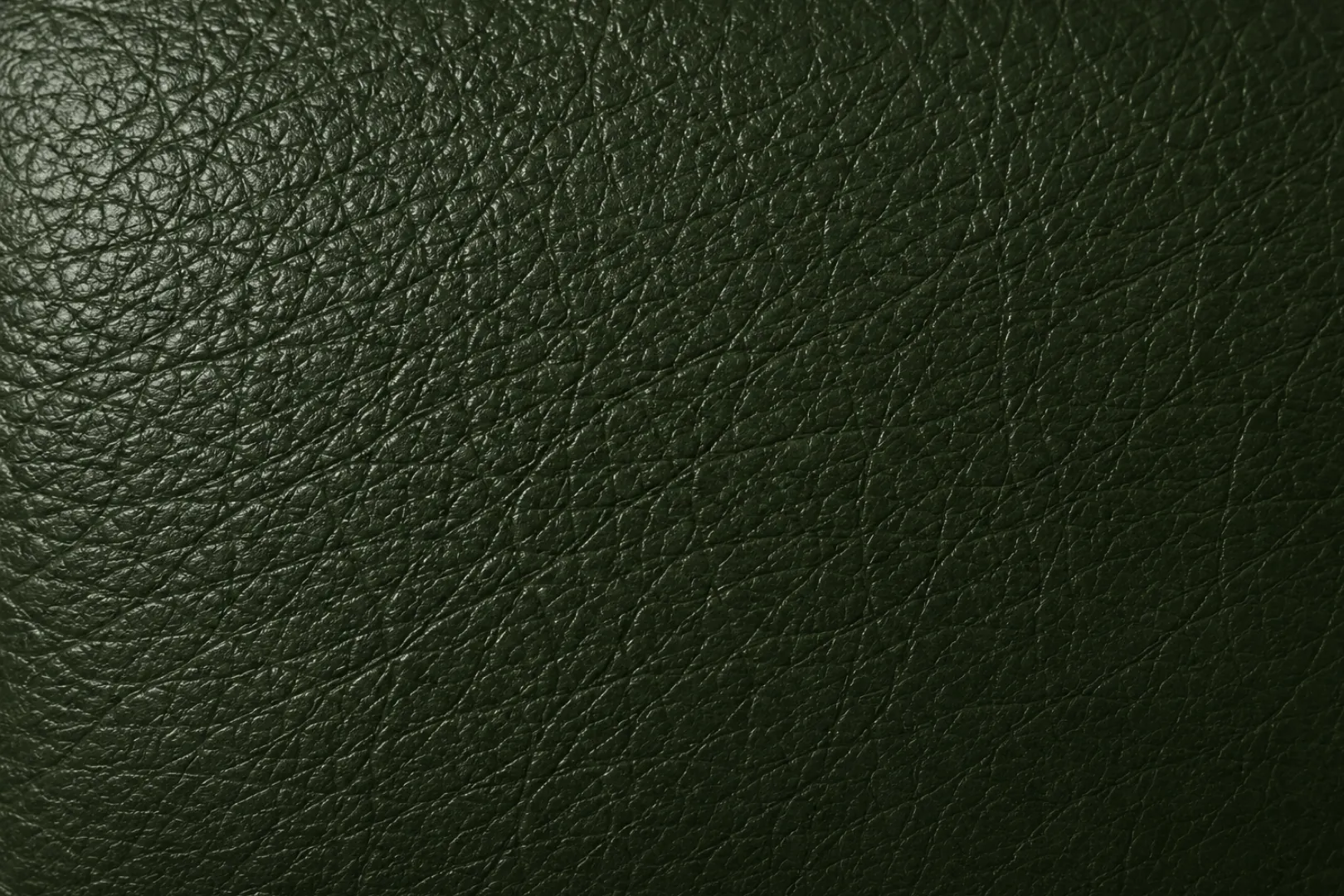 Semi-aniline
Thin protection over open grain. Less water, worked in smaller sections.
Semi-aniline
Thin protection over open grain. Less water, worked in smaller sections.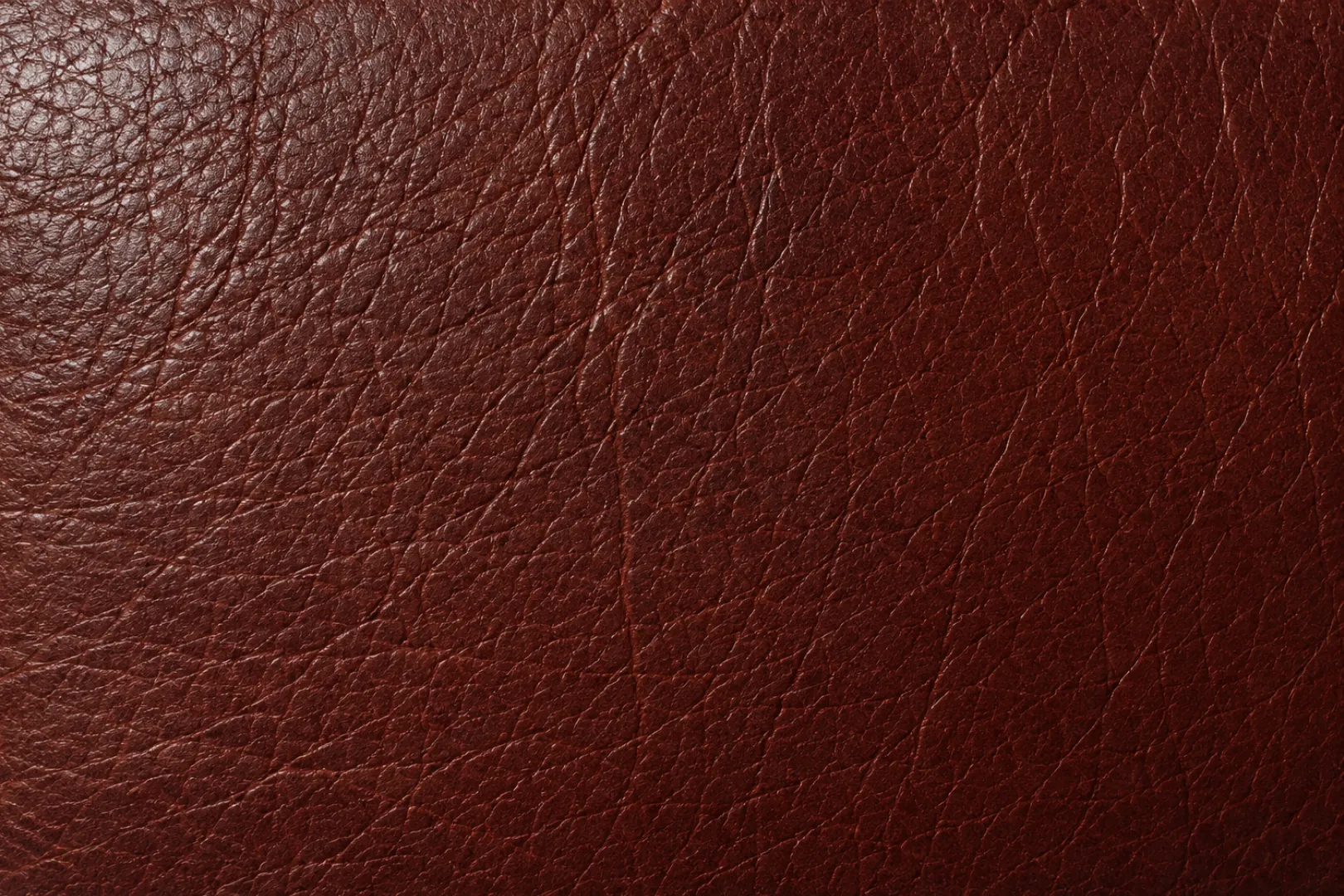 Aniline
No topcoat at all. It absorbs anything wet, plain water included.
Aniline
No topcoat at all. It absorbs anything wet, plain water included. Nubuck and suede
Cleaned dry. Abrasion lifts the soil, liquid mats the nap.
Nubuck and suede
Cleaned dry. Abrasion lifts the soil, liquid mats the nap. Vinyl and faux
Tolerates far more, but printed grain and seams still trap it.
Vinyl and faux
Tolerates far more, but printed grain and seams still trap it.A careful clean, step by step.
 1
1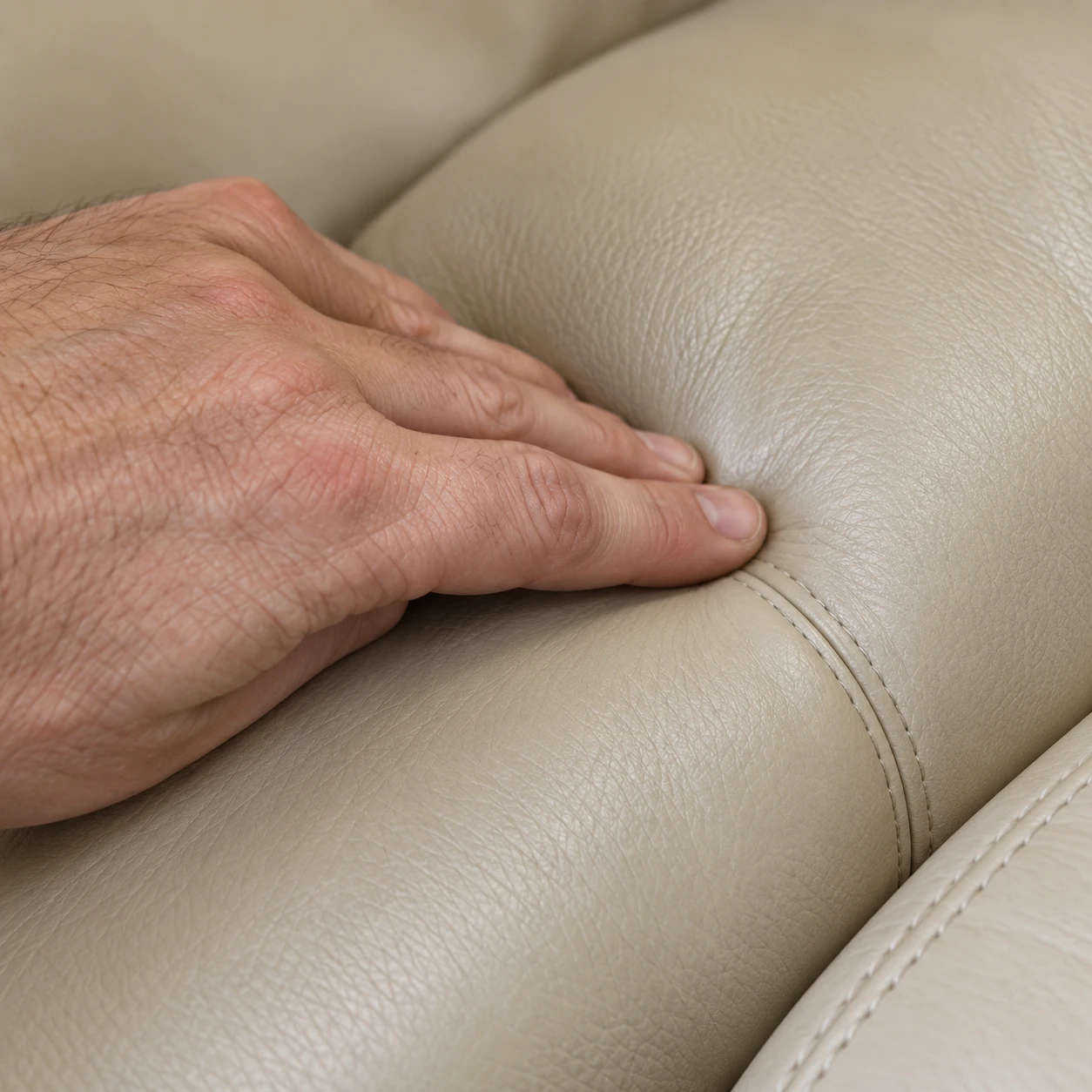 2
2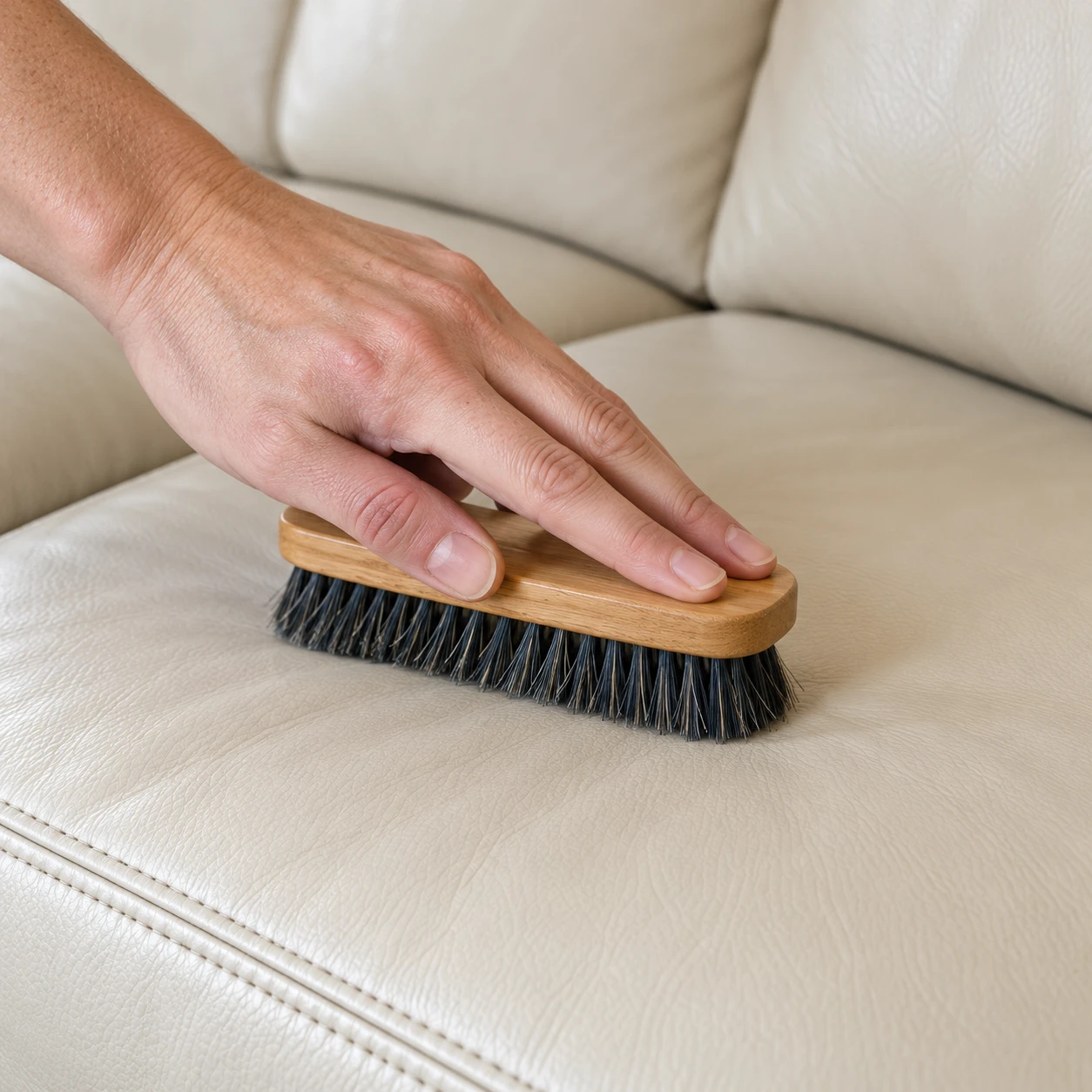 3
3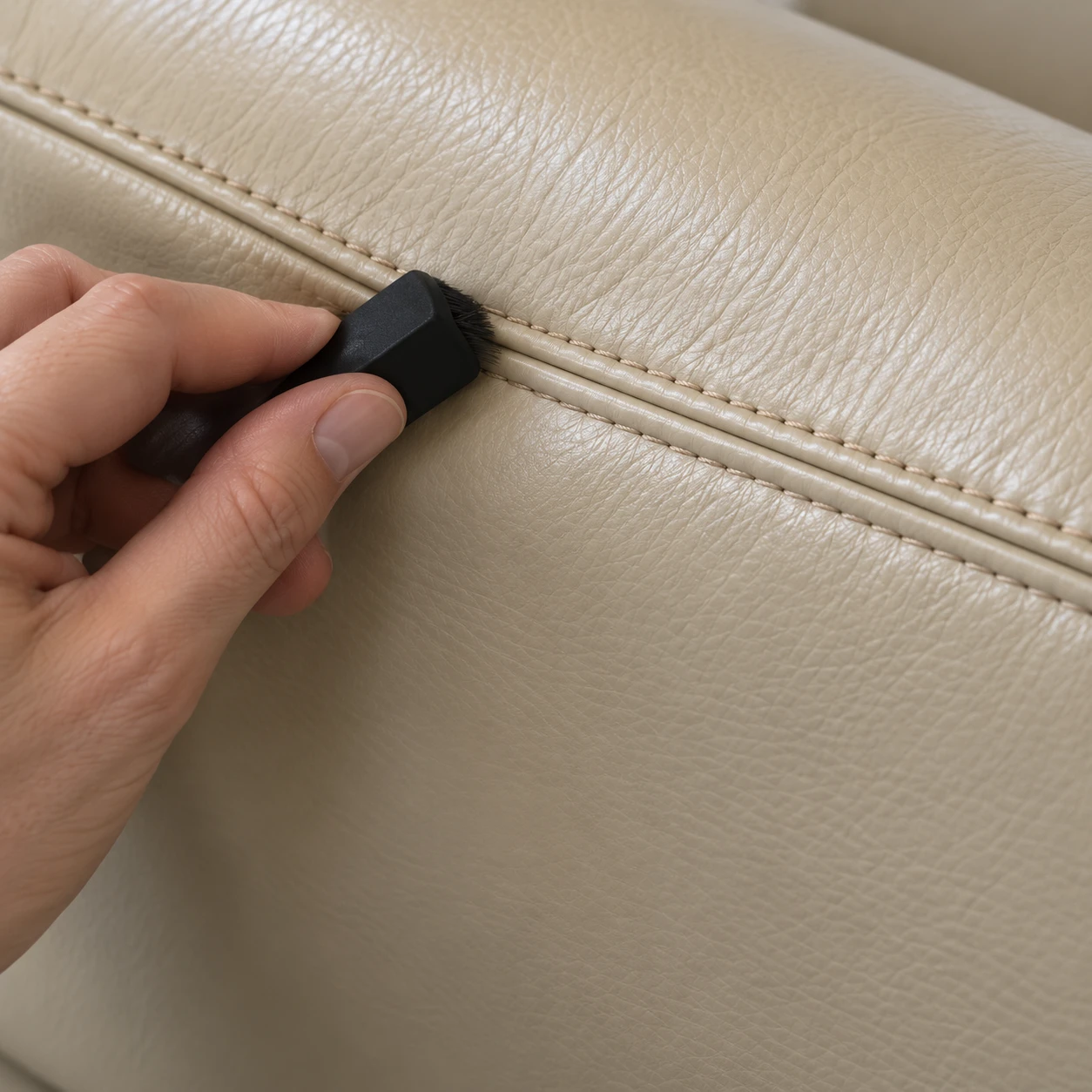 4
4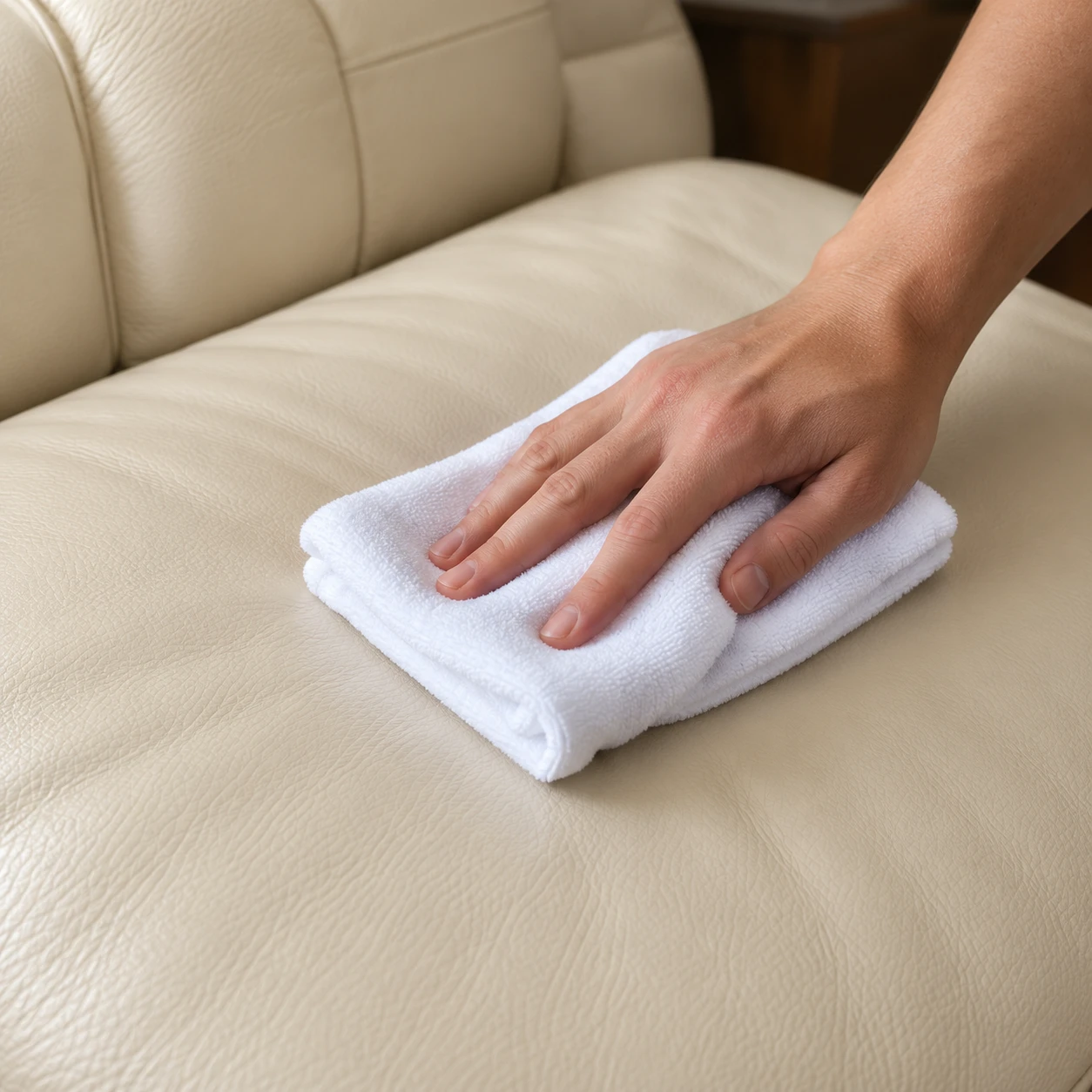 5
5The same clean, seen up close.
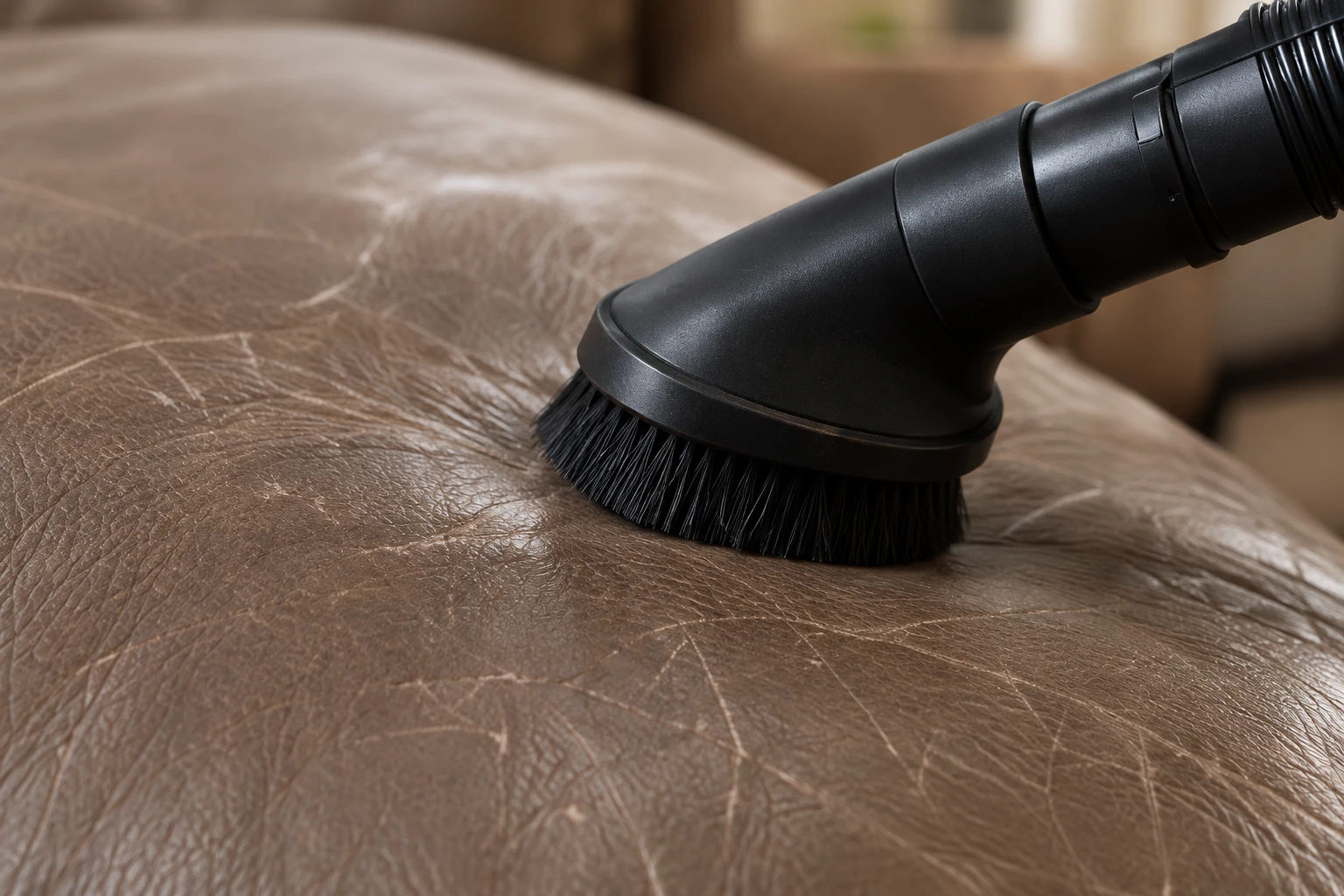 Soft brush and vacuum
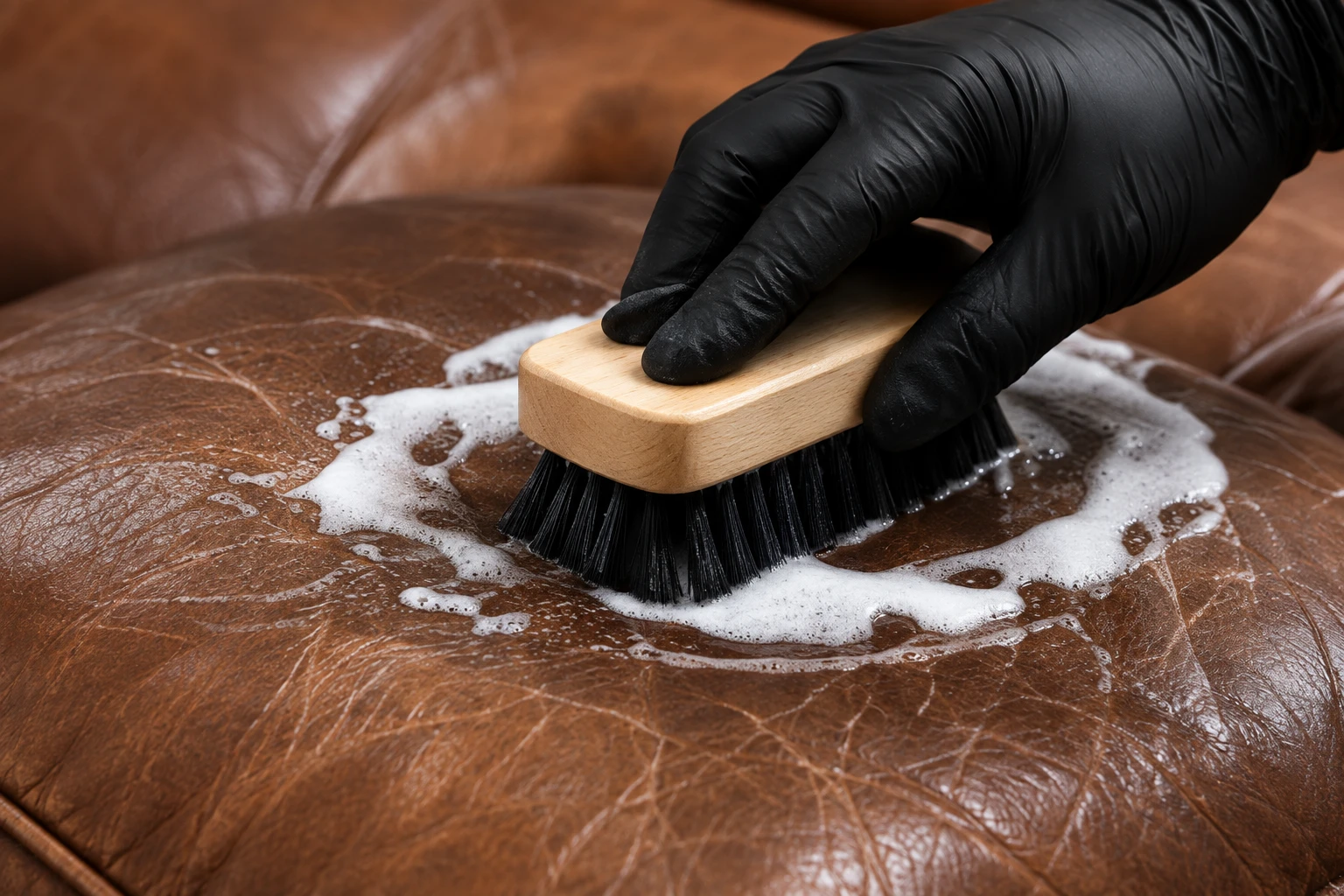 Foam, worked gently
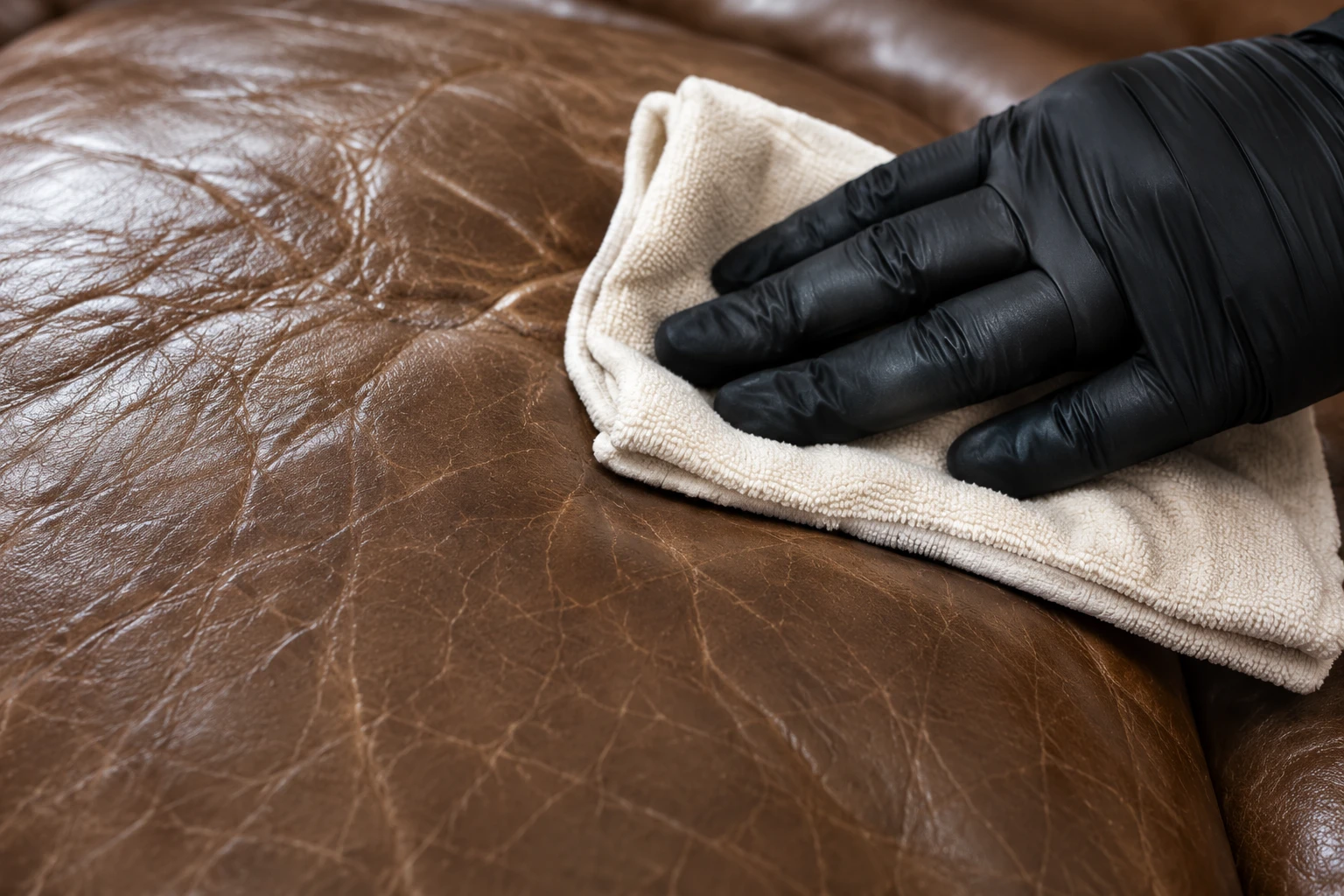 Targeted stain work
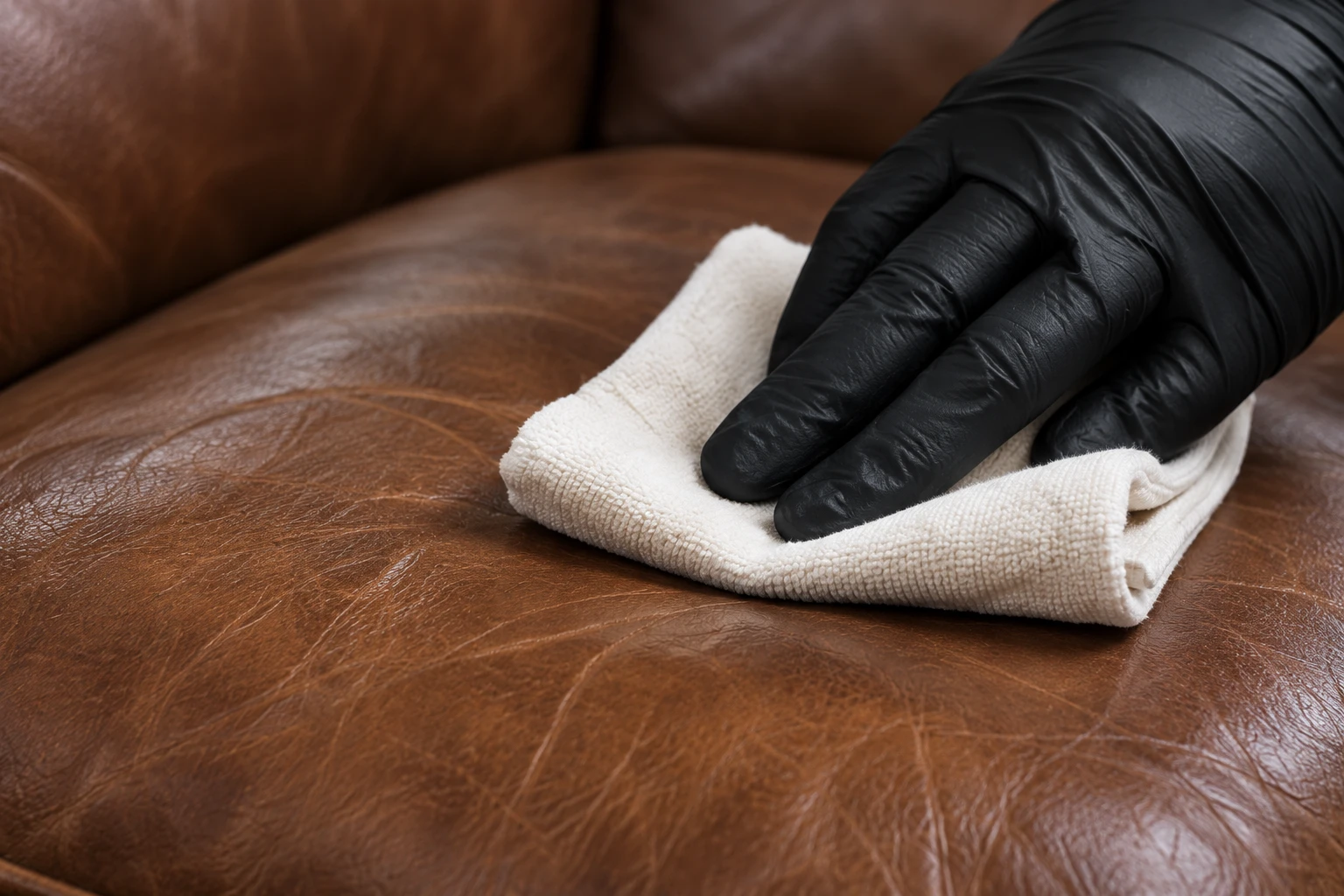 Final wipe down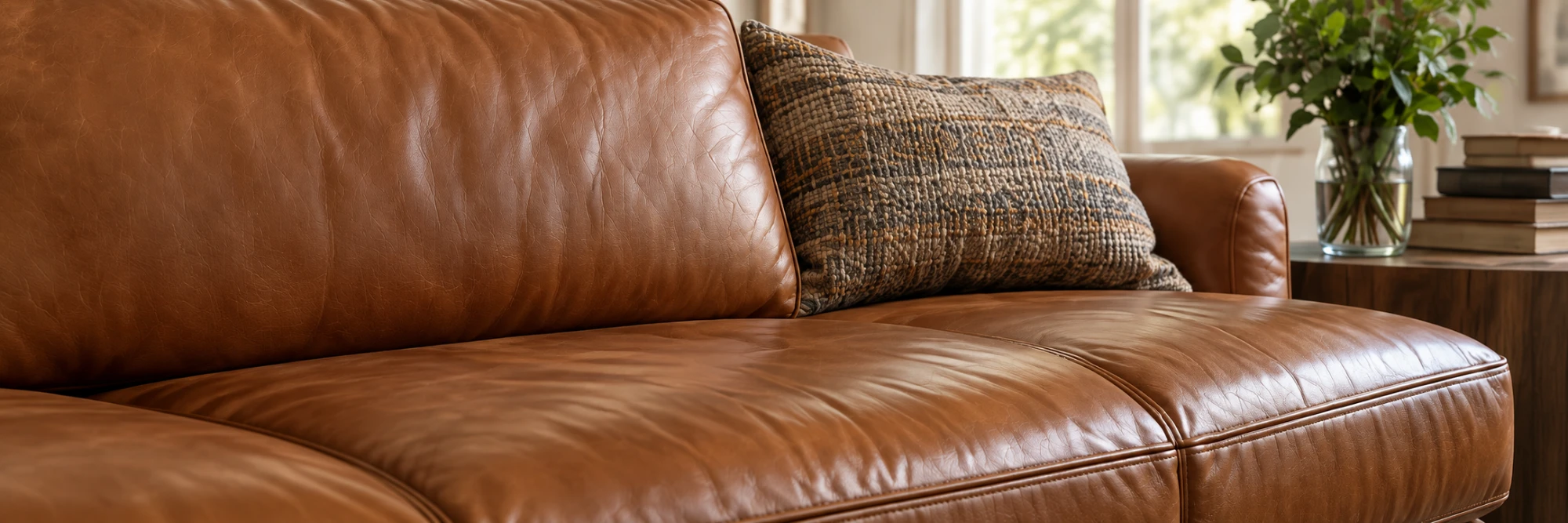
A natural finish—not an artificial shine.
The goal is clean leather with its appropriate feel and finish.
Natural
Timeless
See what cleaning can change.
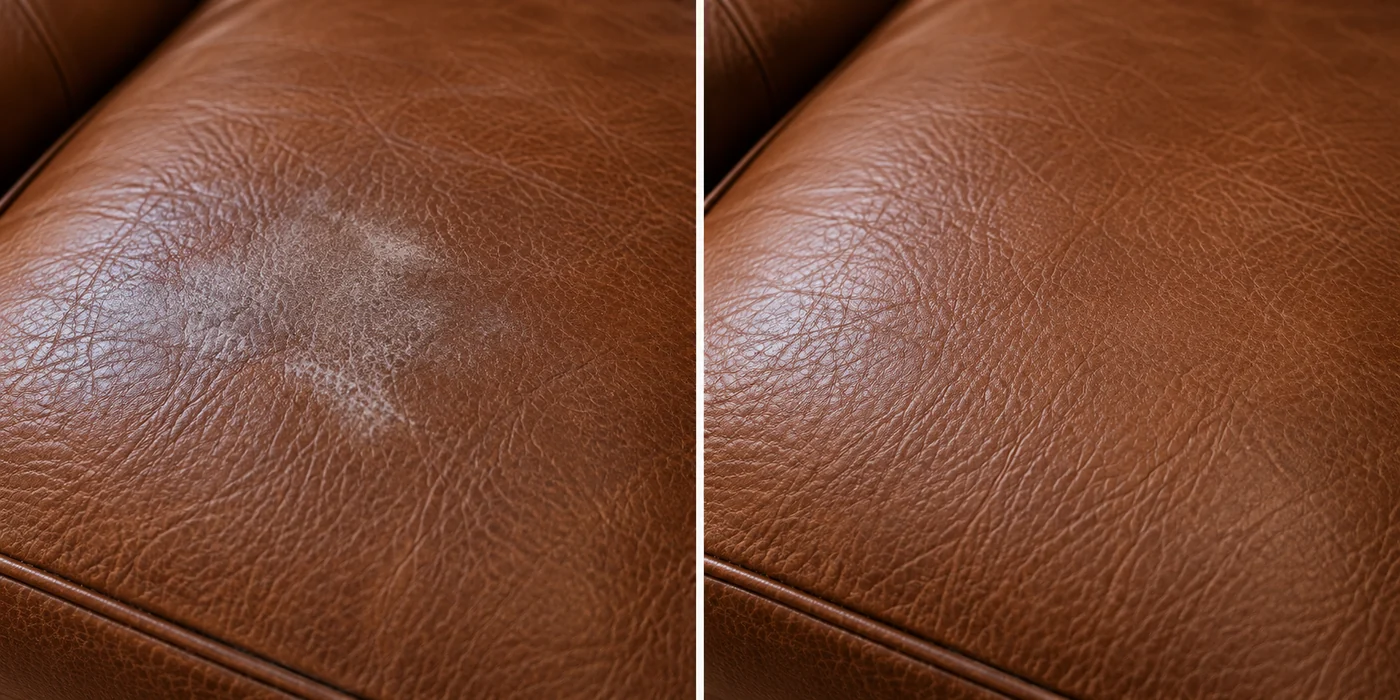
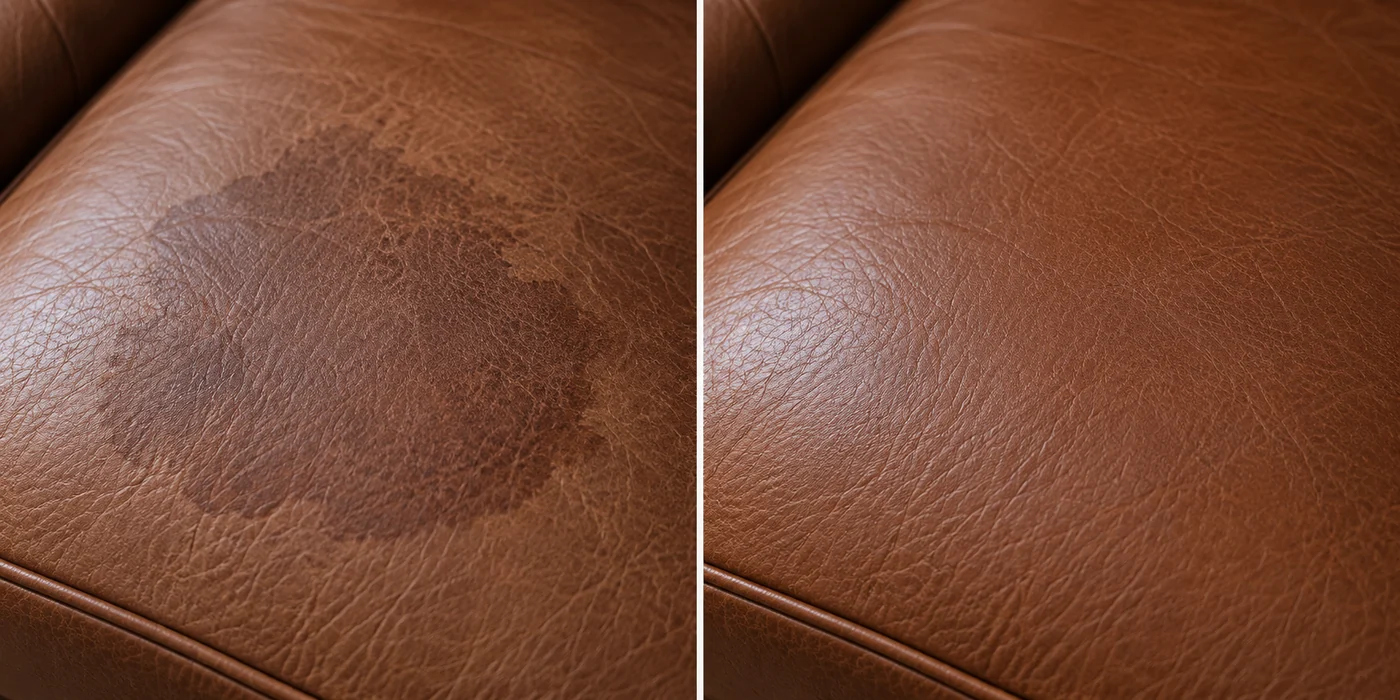
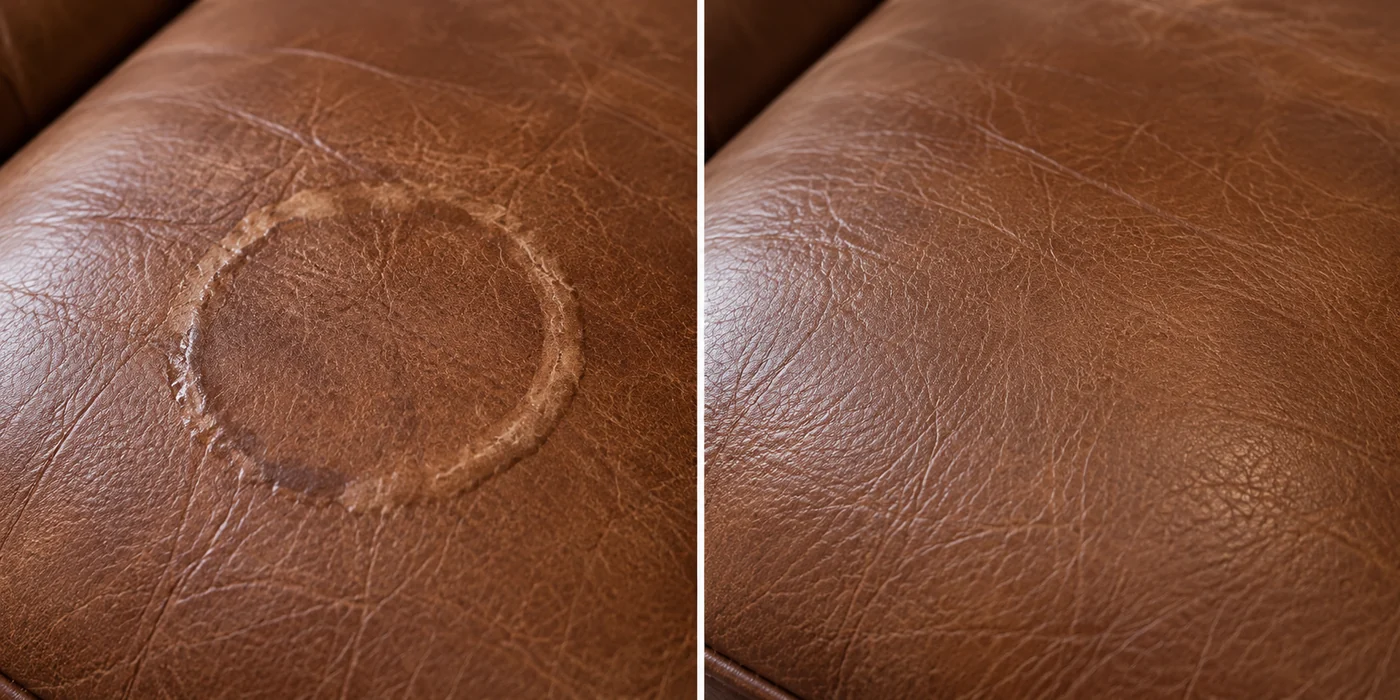
Real cleans, before and after. What lifts depends on the leather and how deep the soil has gone.
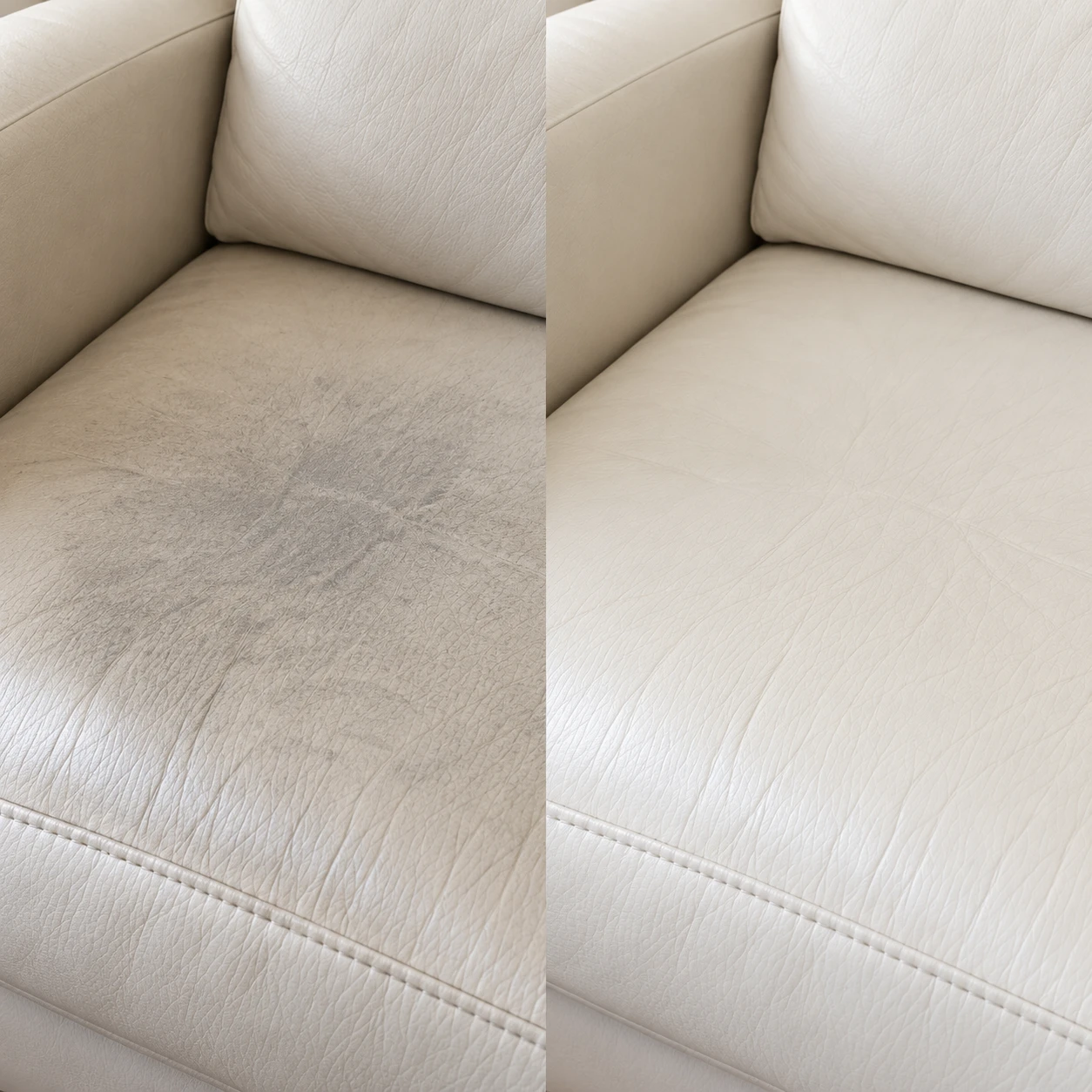 BeforeAfter
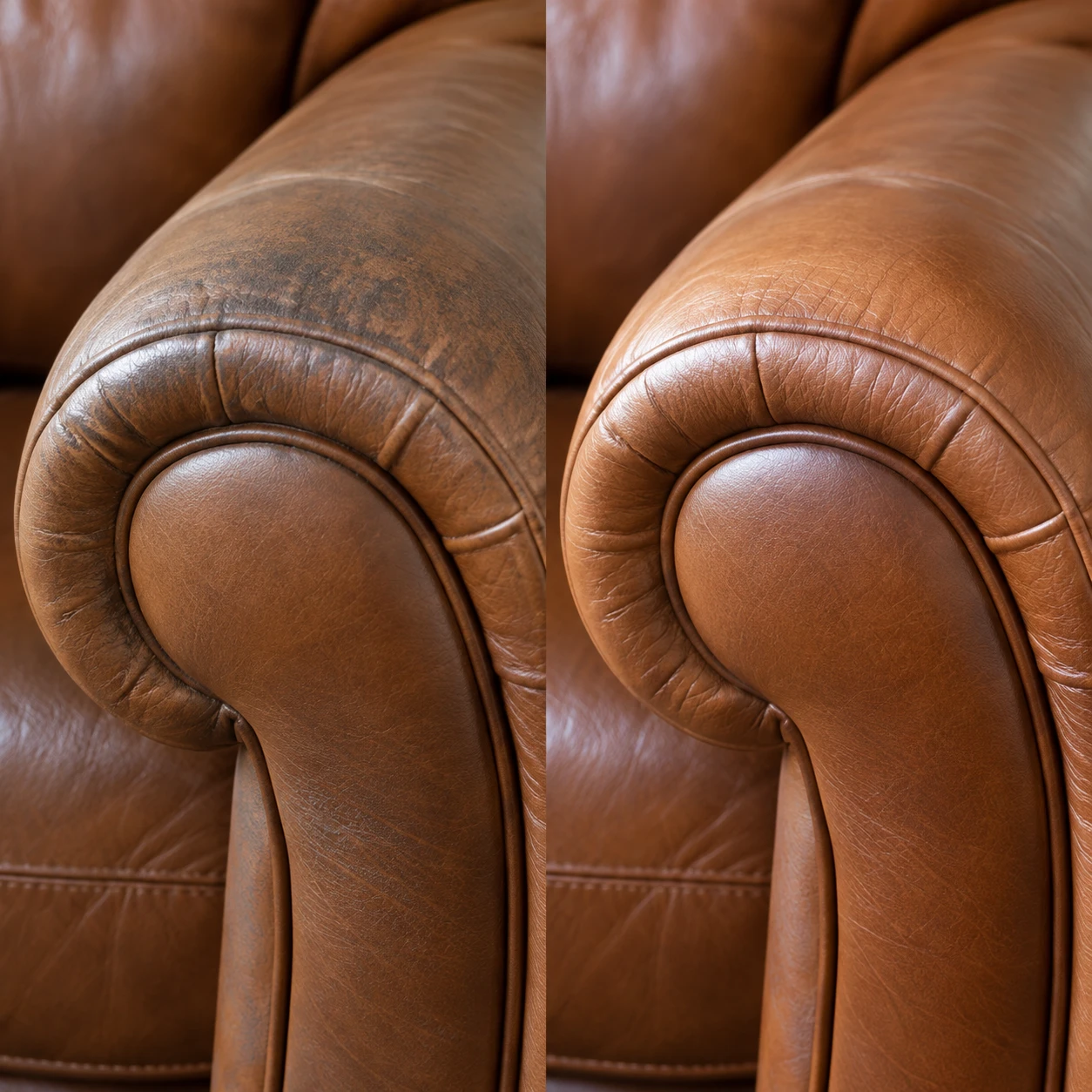 BeforeAfter
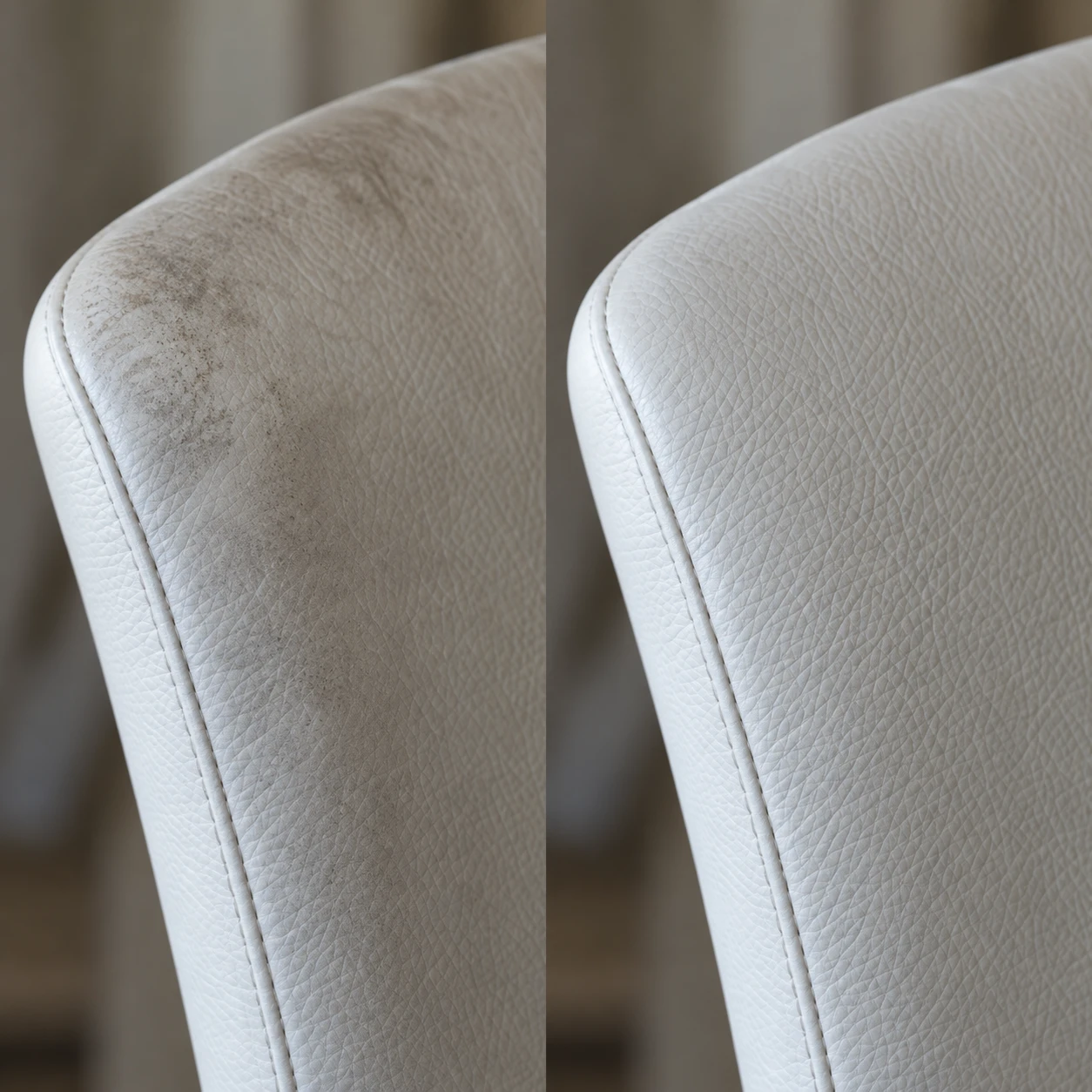 BeforeAfter
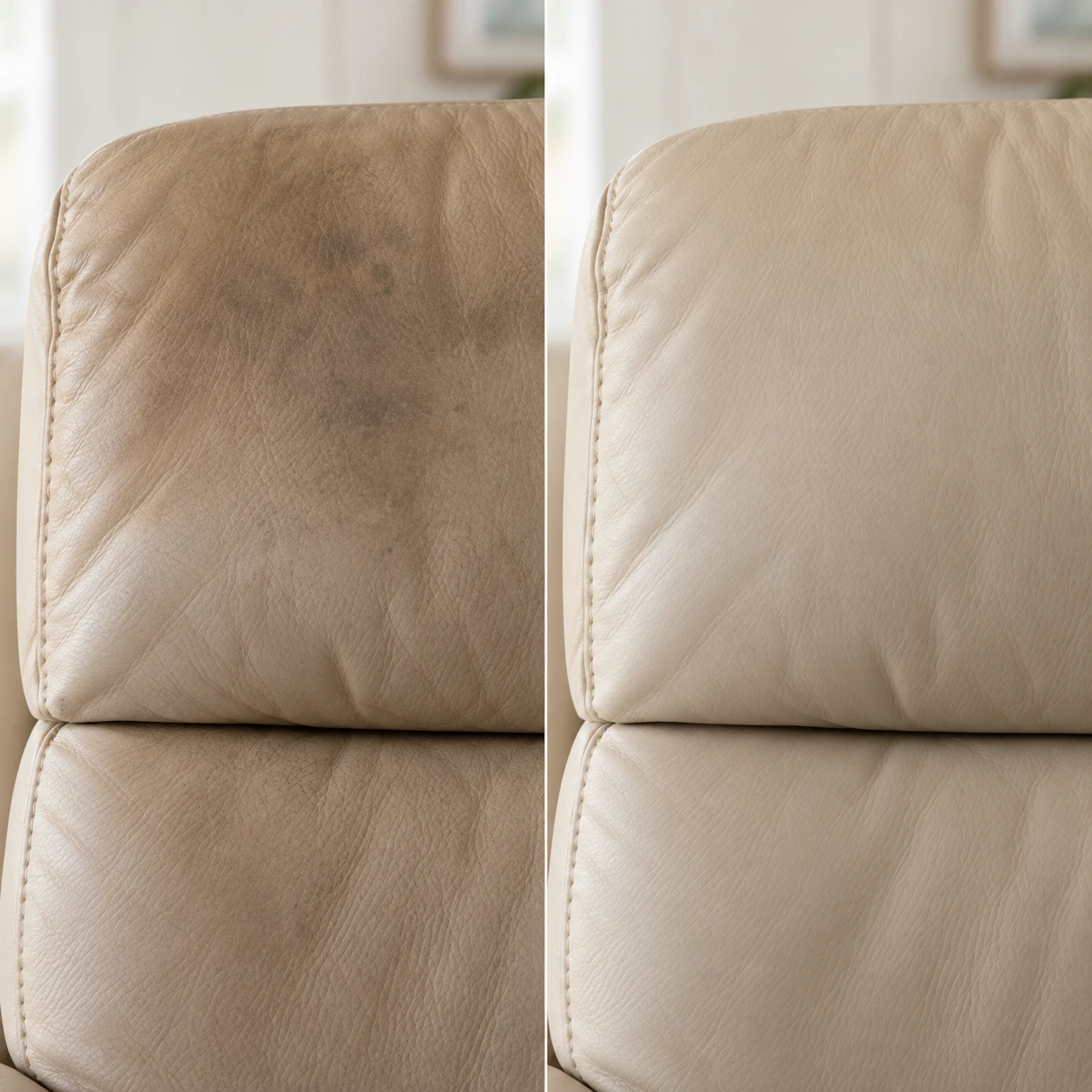 BeforeAfter
Cleaning or restoration?
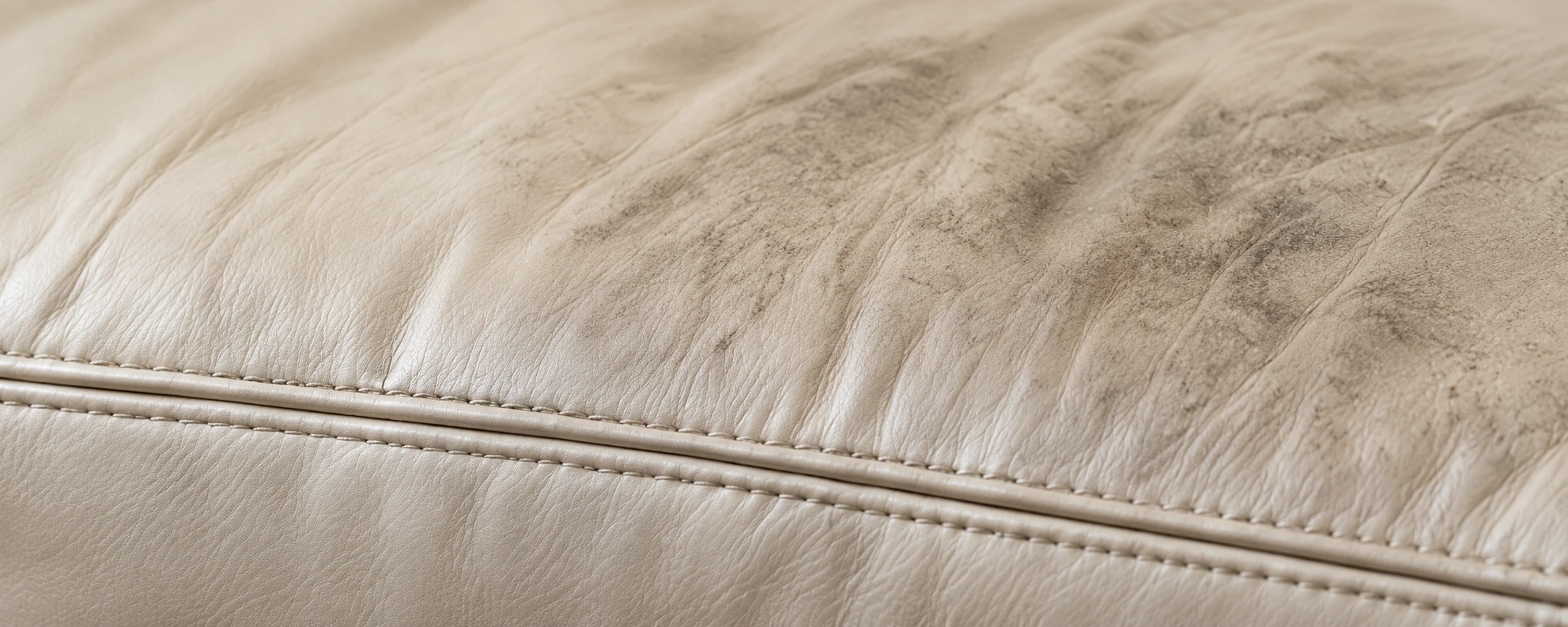 Surface dirt: cleaning may help
Dull, dirty leather can often be improved with professional cleaning.
Surface dirt: cleaning may help
Dull, dirty leather can often be improved with professional cleaning.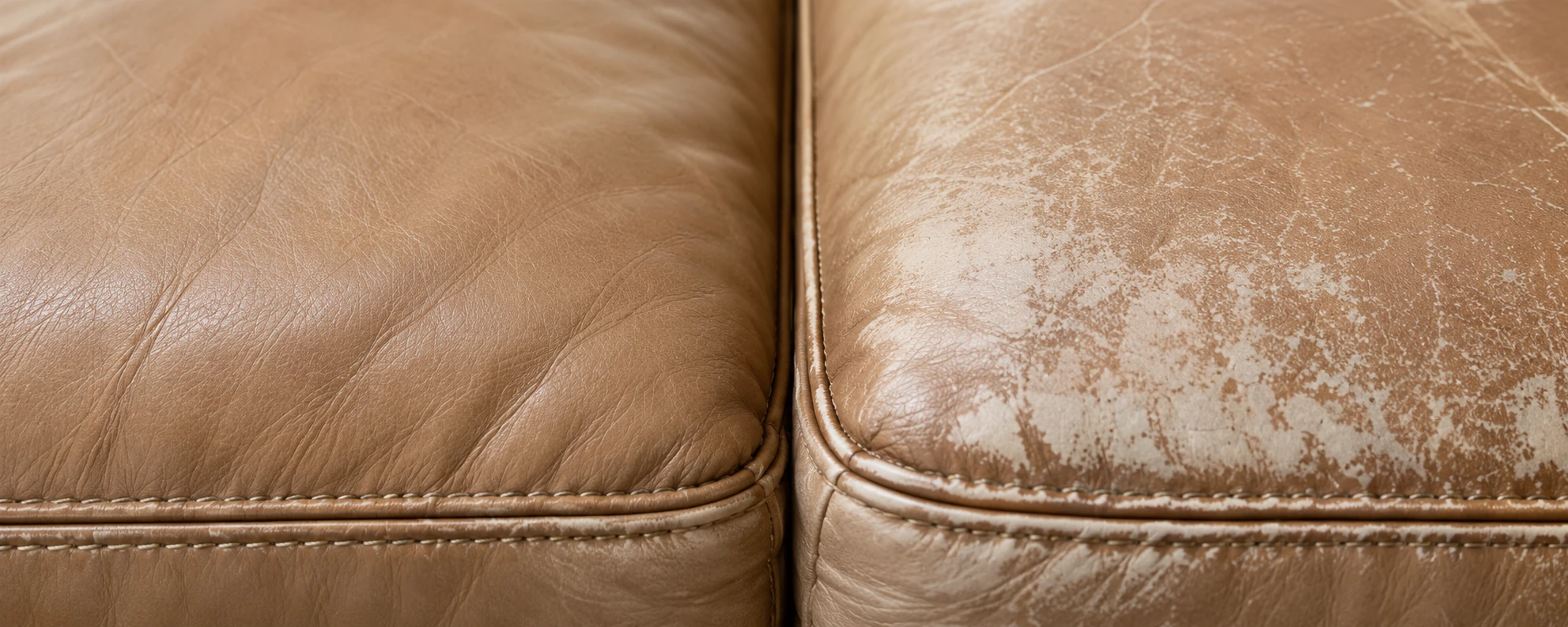 Color loss: may need restoration
Faded or worn color is not removed by cleaning.
Color loss: may need restoration
Faded or worn color is not removed by cleaning.Cleaning removes soil. It does not replace missing color or repair damaged leather.
If your leather has lost its color or shows signs of wear, it may need restoration rather than cleaning.
What people ask before booking
Can I just clean it myself?
Surface dust, yes. A dry cloth every week is the single most useful thing you can do. The problems start with anything wet or foaming, because the same product that is safe on a sealed pigmented hide will stain an aniline one on contact. If you do not know which you have, that is the part worth asking about first.
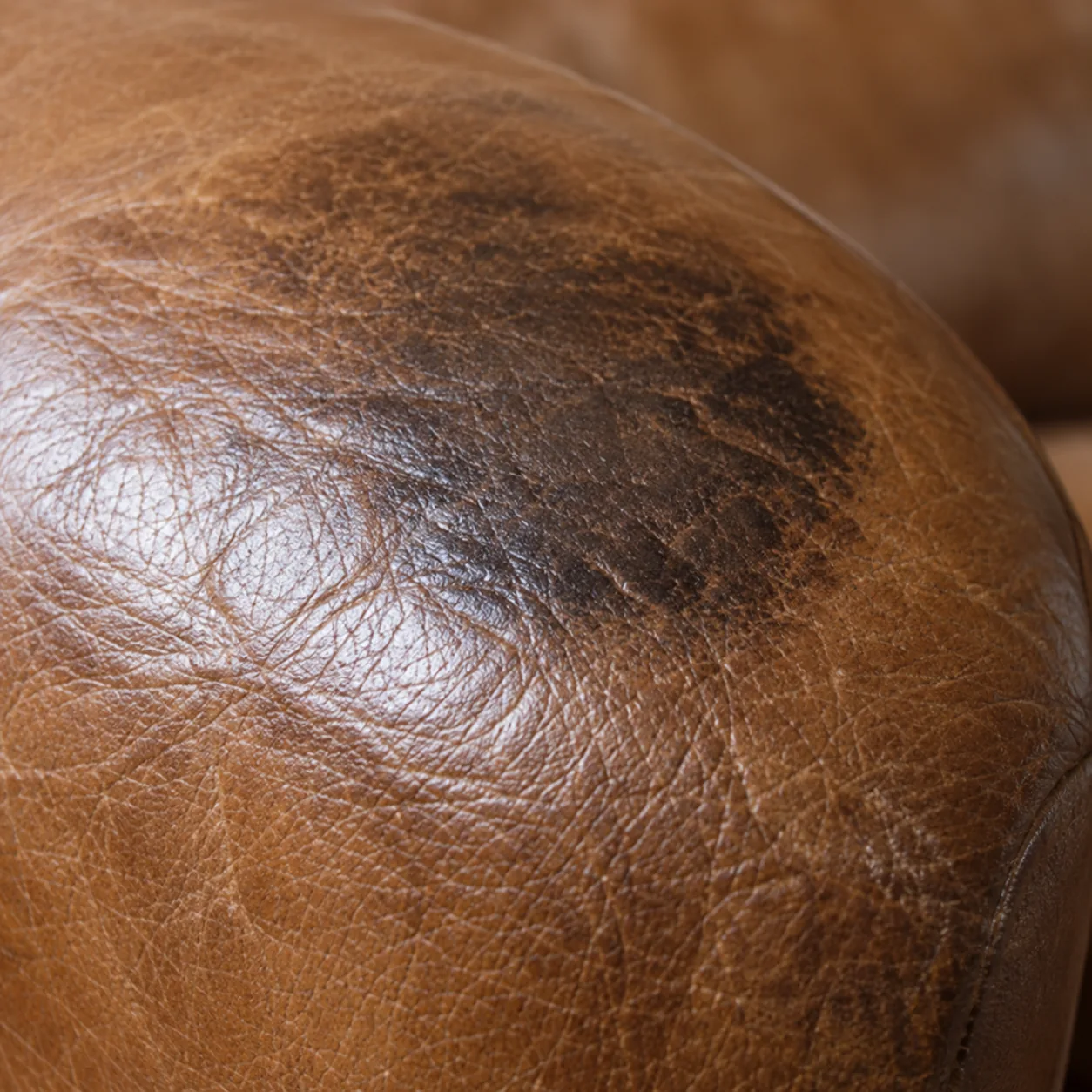
Will cleaning remove the dark patches on the headrest and arms?
Usually a large part of it. Body oil sits in the finish and in the top of the grain, and a proper leather cleaning service lifts most of that out. What stays is oil that has gone into the hide itself, which is a color job rather than a cleaning one.
Do you clean in my home or take the furniture away?
In your home. A leather cleaning service needs no machinery that cannot be carried, and nothing has to come apart, so the piece stays where it is and is usable the same day.
How often should leather be cleaned?
For a sofa in daily use, once a year is a sensible rhythm, and more often on the seats and arms of restaurant or office seating. Cleaning is also the step that has to come before conditioning or protection, because anything applied over grime seals the grime in.
My sofa looks faded. Is that dirt or lost color?
Often both, and cleaning is how you find out. A grey film reads exactly like fading until it comes off. If the color is genuinely gone once the piece is clean, that is color restoration, and we will tell you which one you are looking at before quoting anything.

When cleaning is not the whole answer
A leather cleaning service is the first step and sometimes the only one. These three are what it turns into when the hide needs more than soil taken off it.
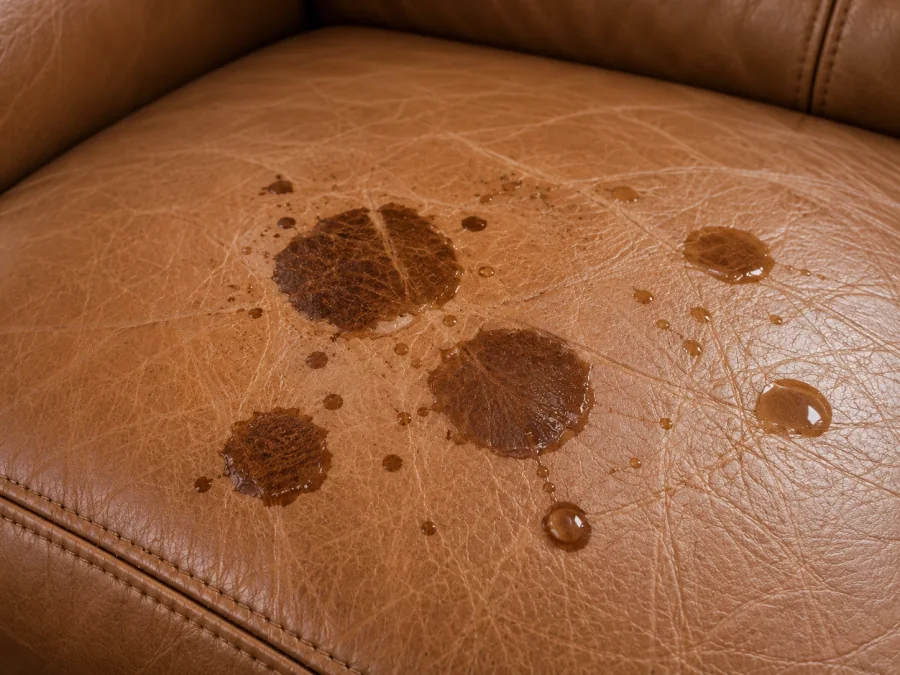 Marks that survive the clean
Ink, dye and anything that soaked in are treated individually, not washed off.
Marks that survive the clean
Ink, dye and anything that soaked in are treated individually, not washed off.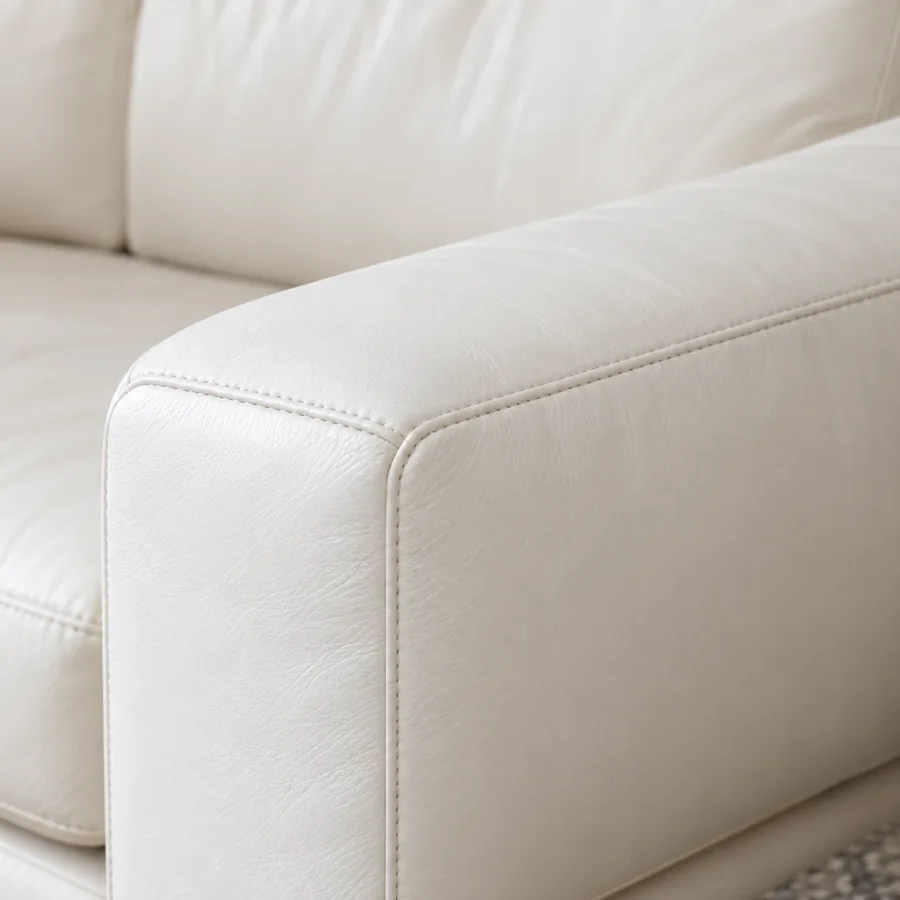 Leather that has dried out
Only works once the hide is clean, and only if it can still absorb.
Leather that has dried out
Only works once the hide is clean, and only if it can still absorb.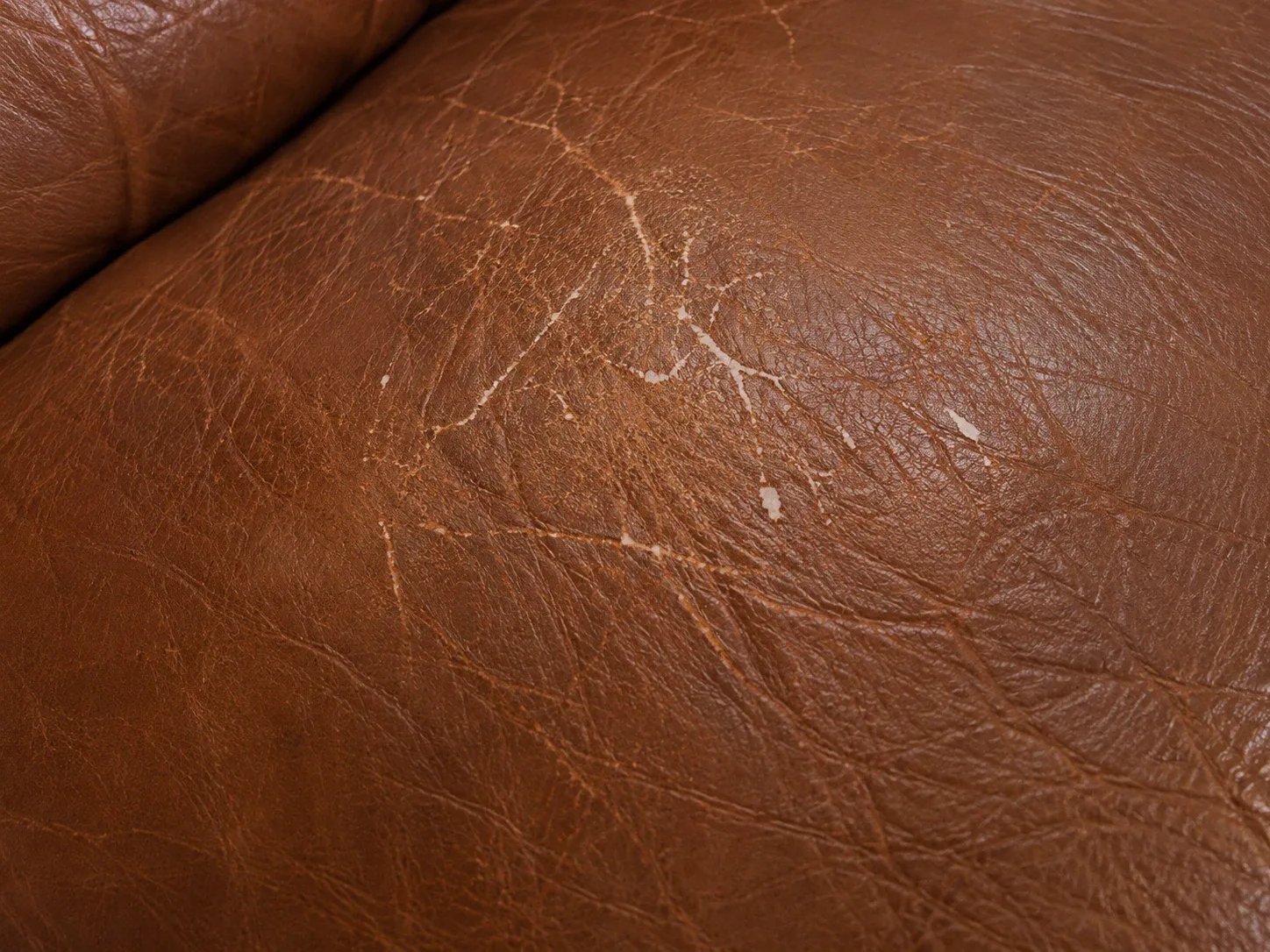 Color that has gone
When the piece is clean and still looks wrong, the pigment is what is missing.
Color that has gone
When the piece is clean and still looks wrong, the pigment is what is missing.A wide shot and one close up
The wide shot shows us the piece, the close-up shows us the finish. That is enough to say what will come off and what will not, and our before and after gallery shows the range. Our leather cleaning service covers New York City, Long Island and New Jersey, and you can contact us directly.