

A Seat Is a Shape
Seat foam replacement for NYC fleets. We cut the new bun to the old one, rebuild the crown, and the row sits level again.
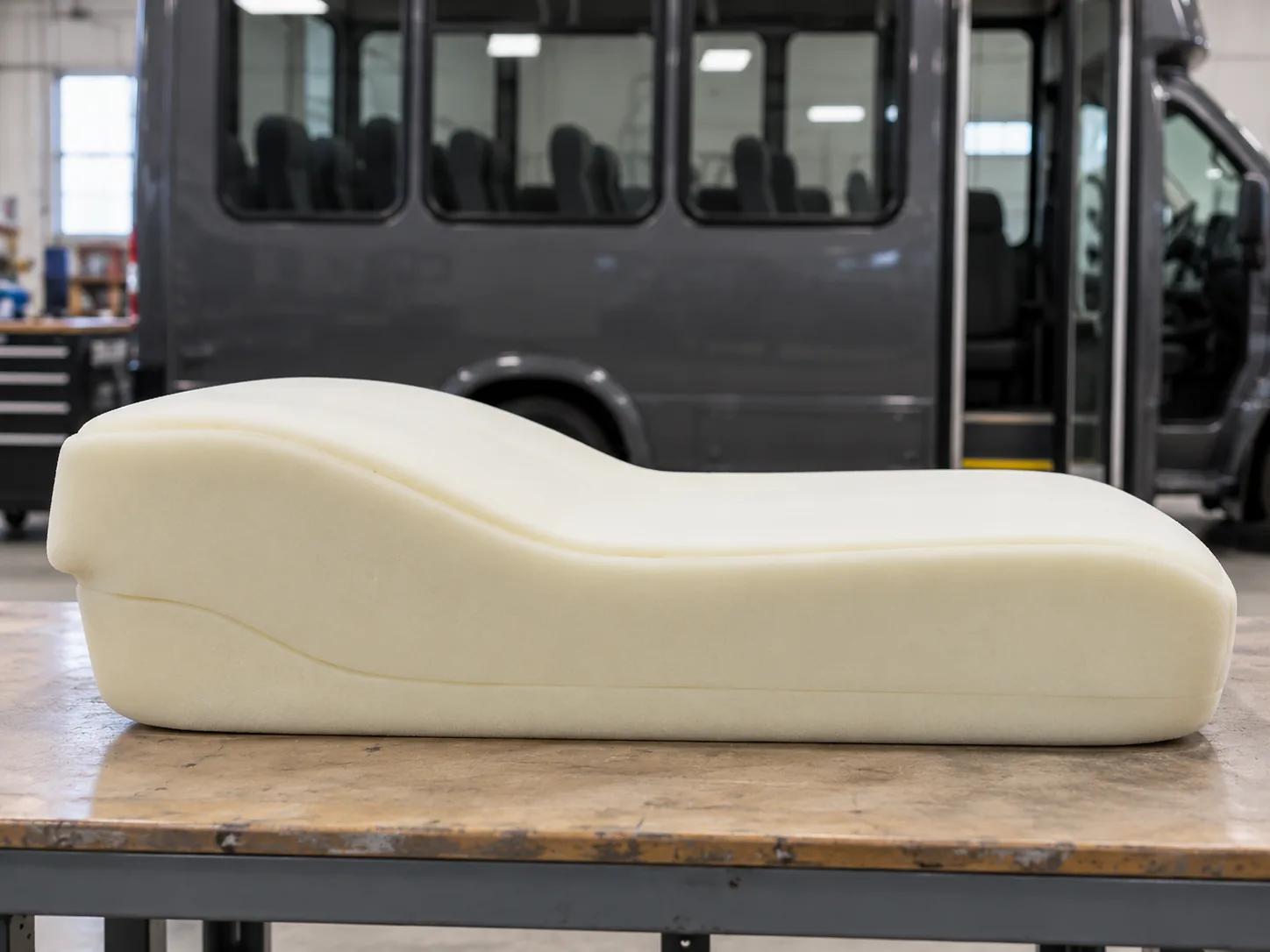
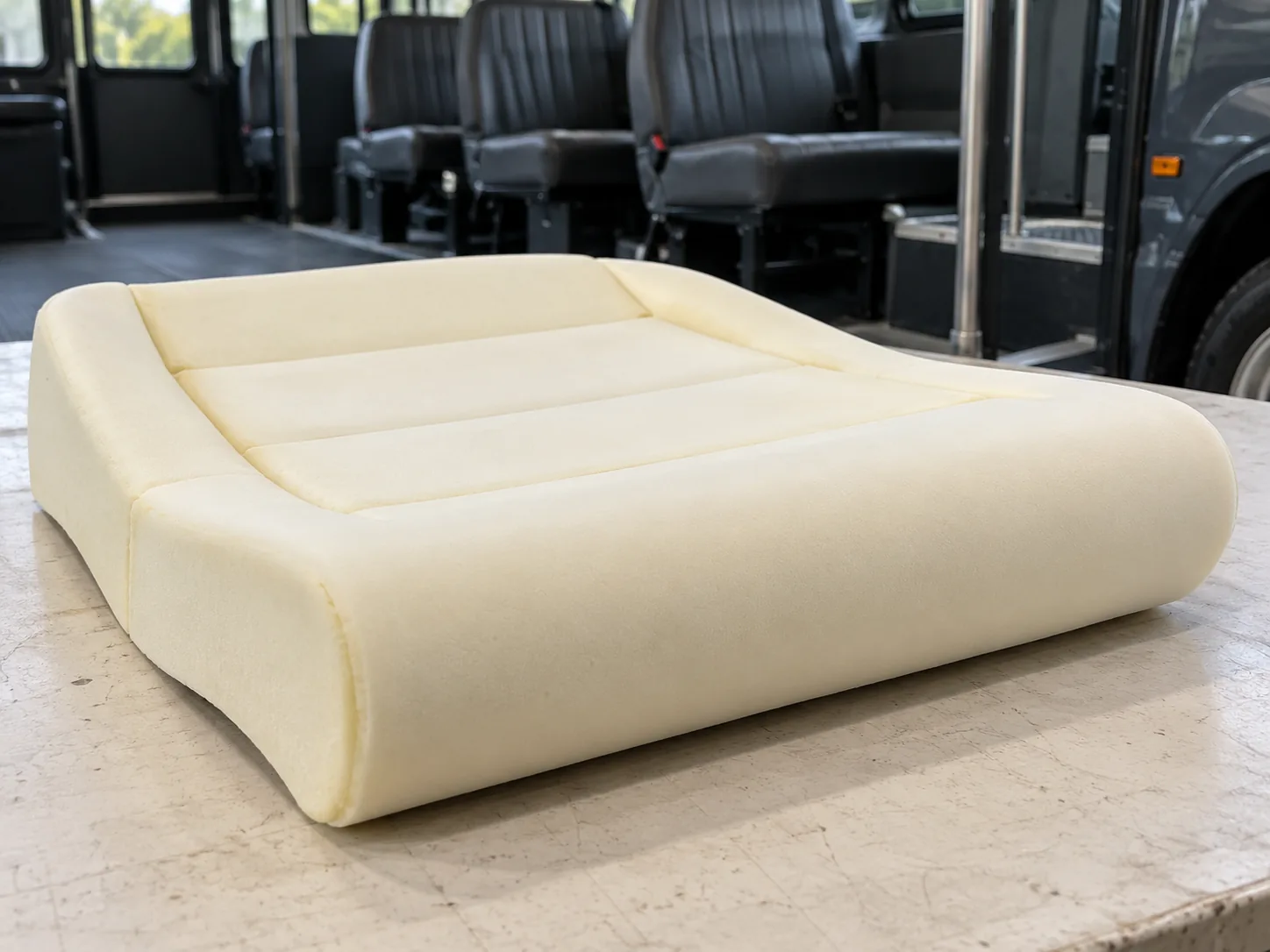
Three Parts of the Shape
A seat is not a slab of padding. Seat foam replacement is really the job of putting a shape back.

Four Ways to Tell
Operators usually report a seat as torn. Half the time the cover is fine and the foam under it has gone.
 01
01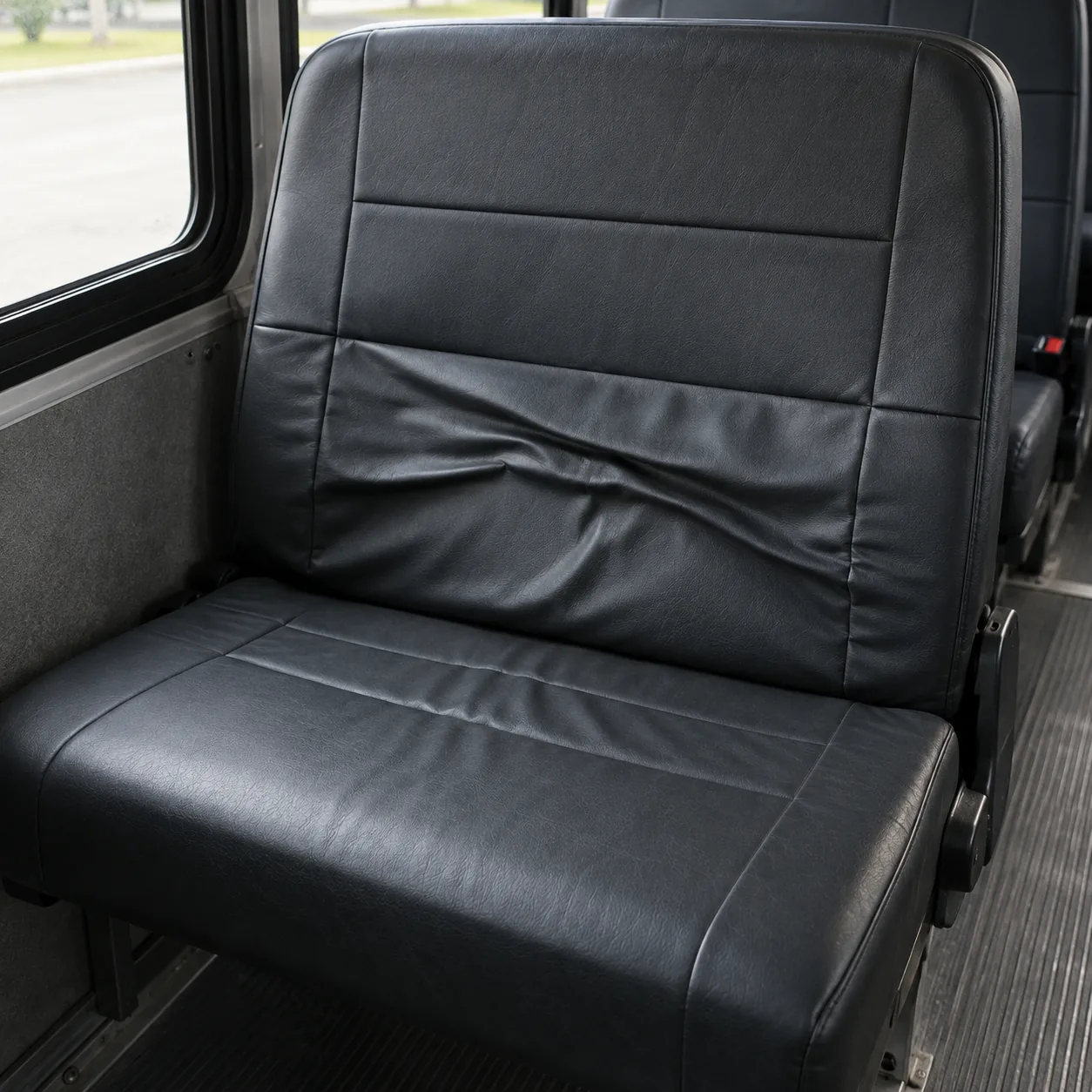 02
02 03
03 04
04Five Moves, Cover Kept
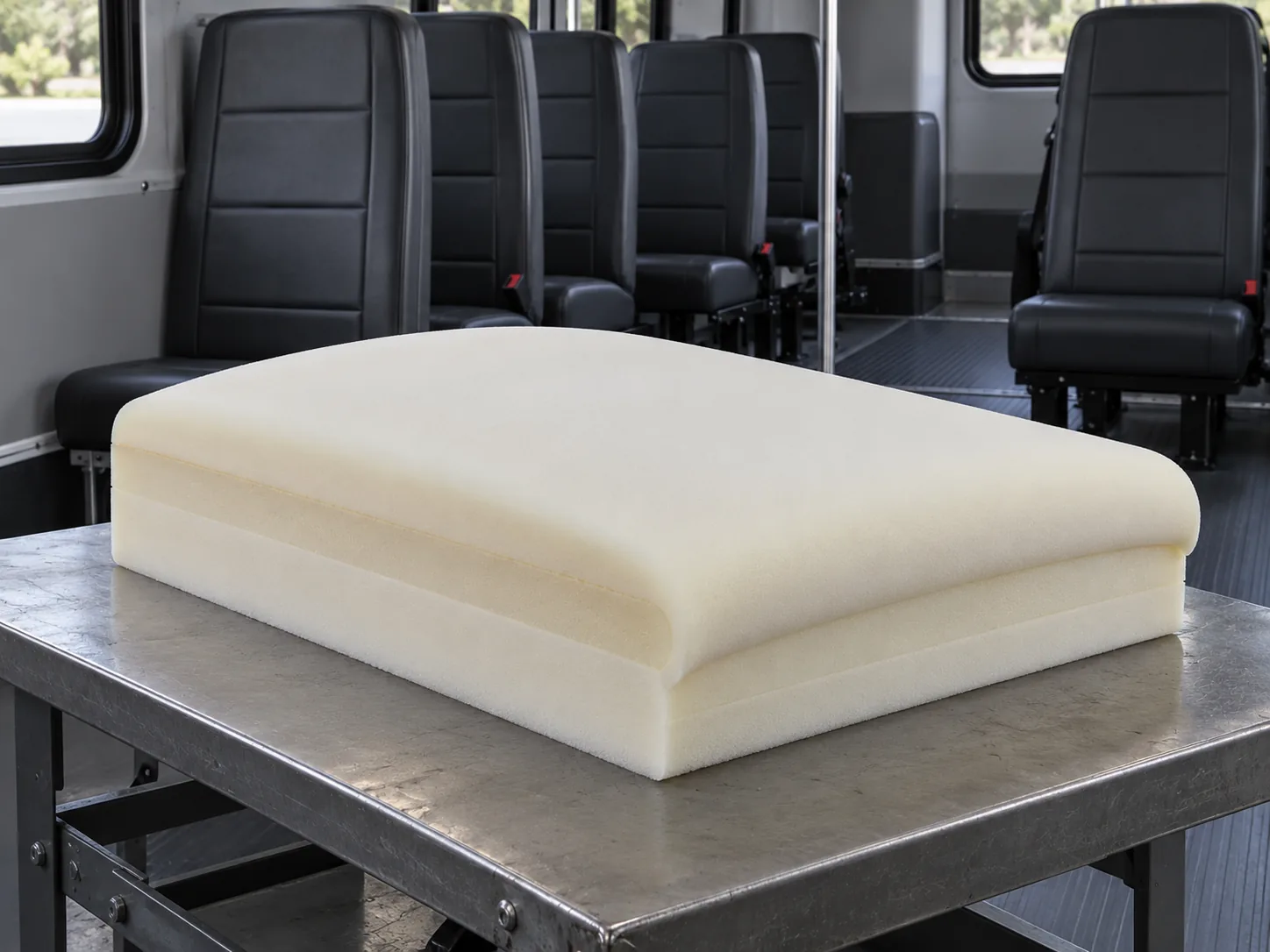
The order is what protects the cover. Everything here happens with the seat out of the row and back in the same visit.


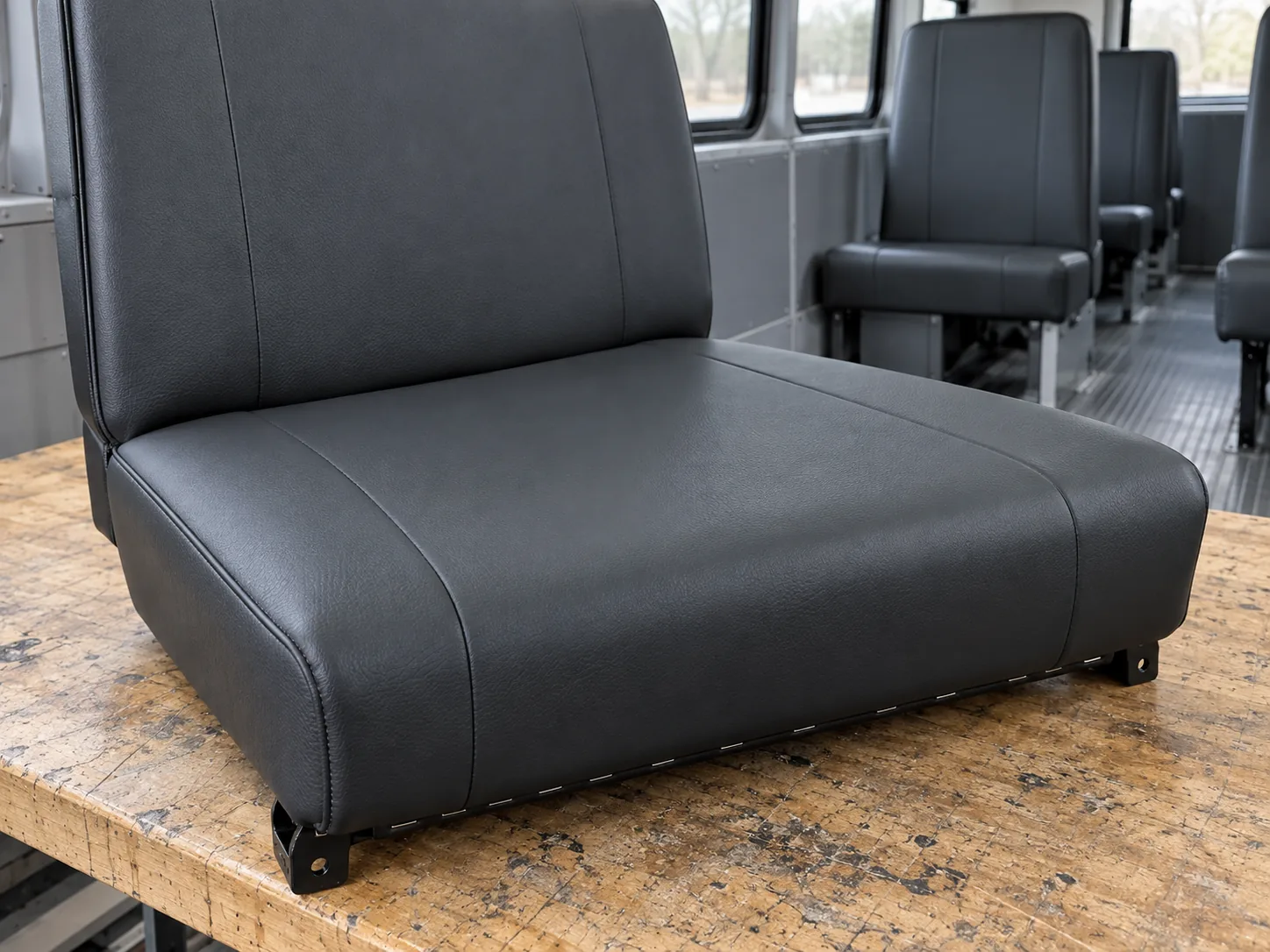
Five Seats That Flatten
Every vehicle has a seat that goes before the others. It is usually the one nearest the door.
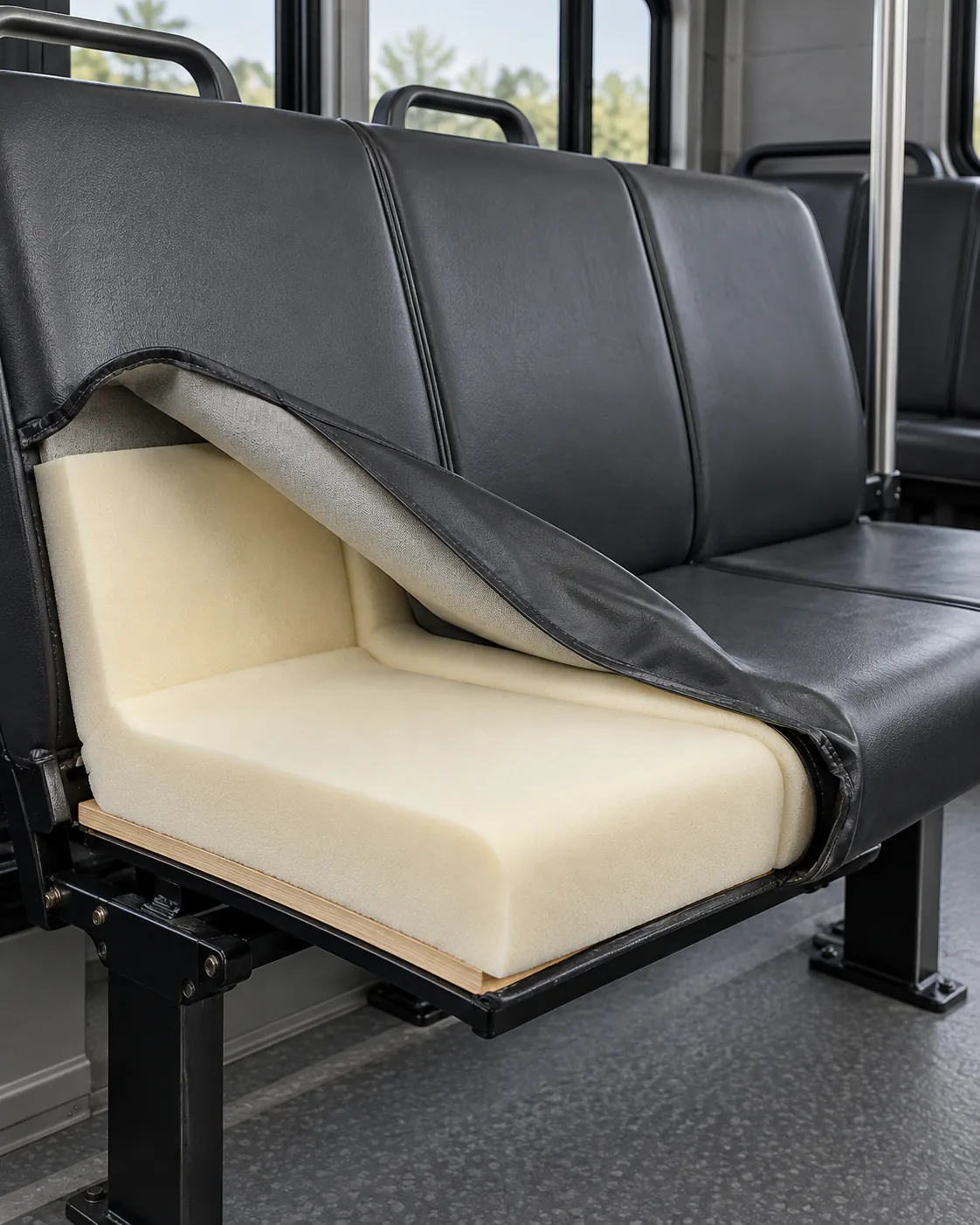

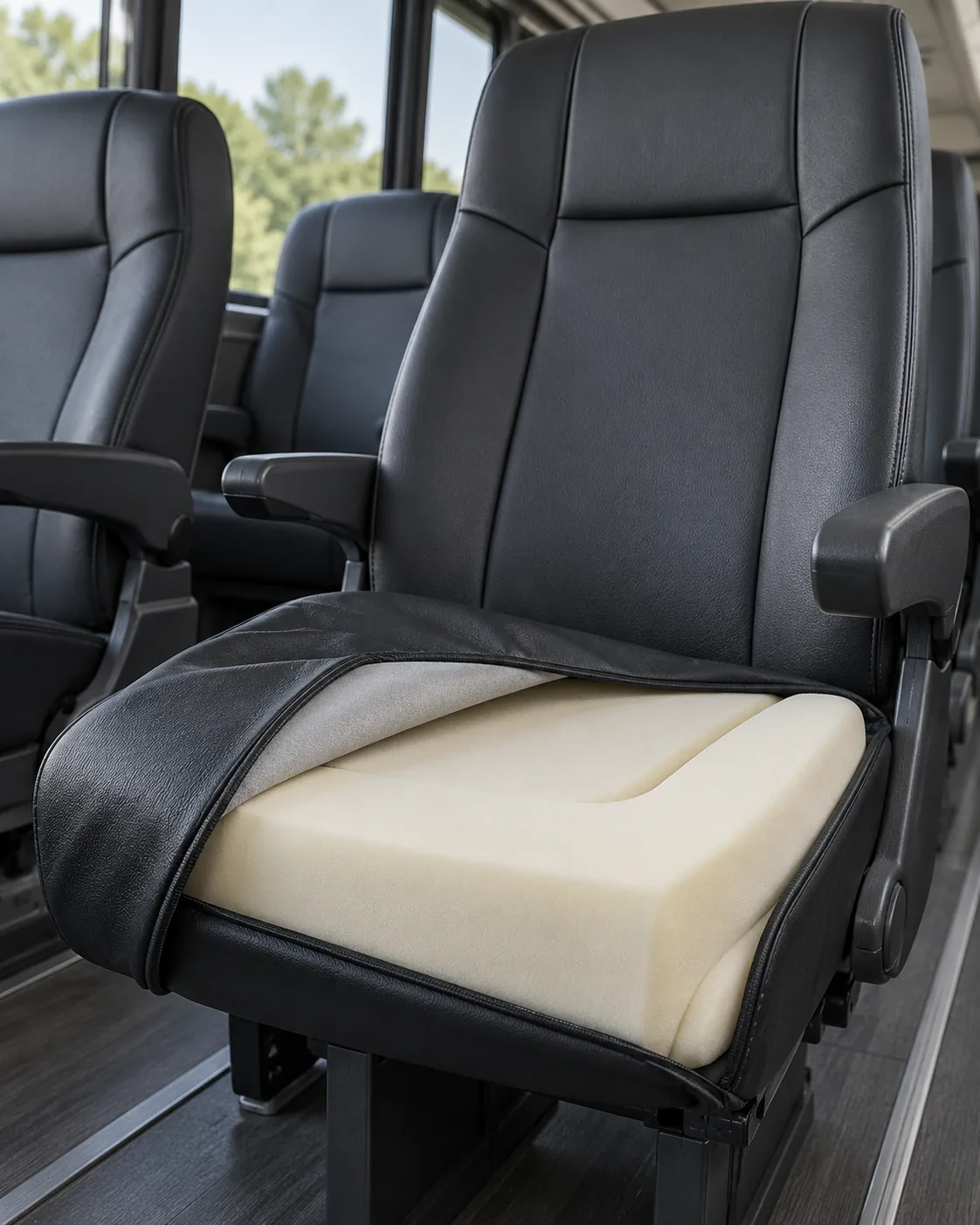

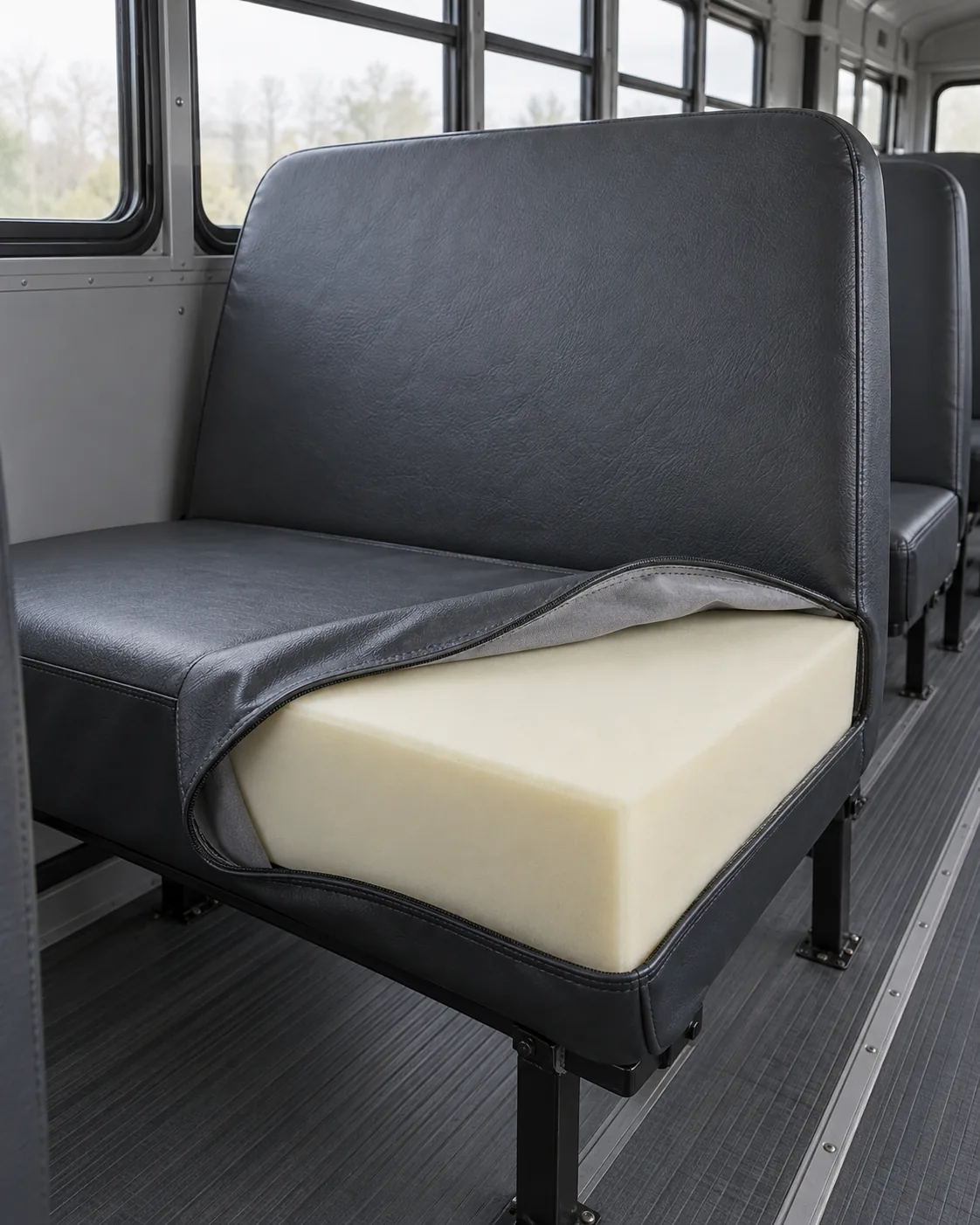
Same Cover, Shape Back
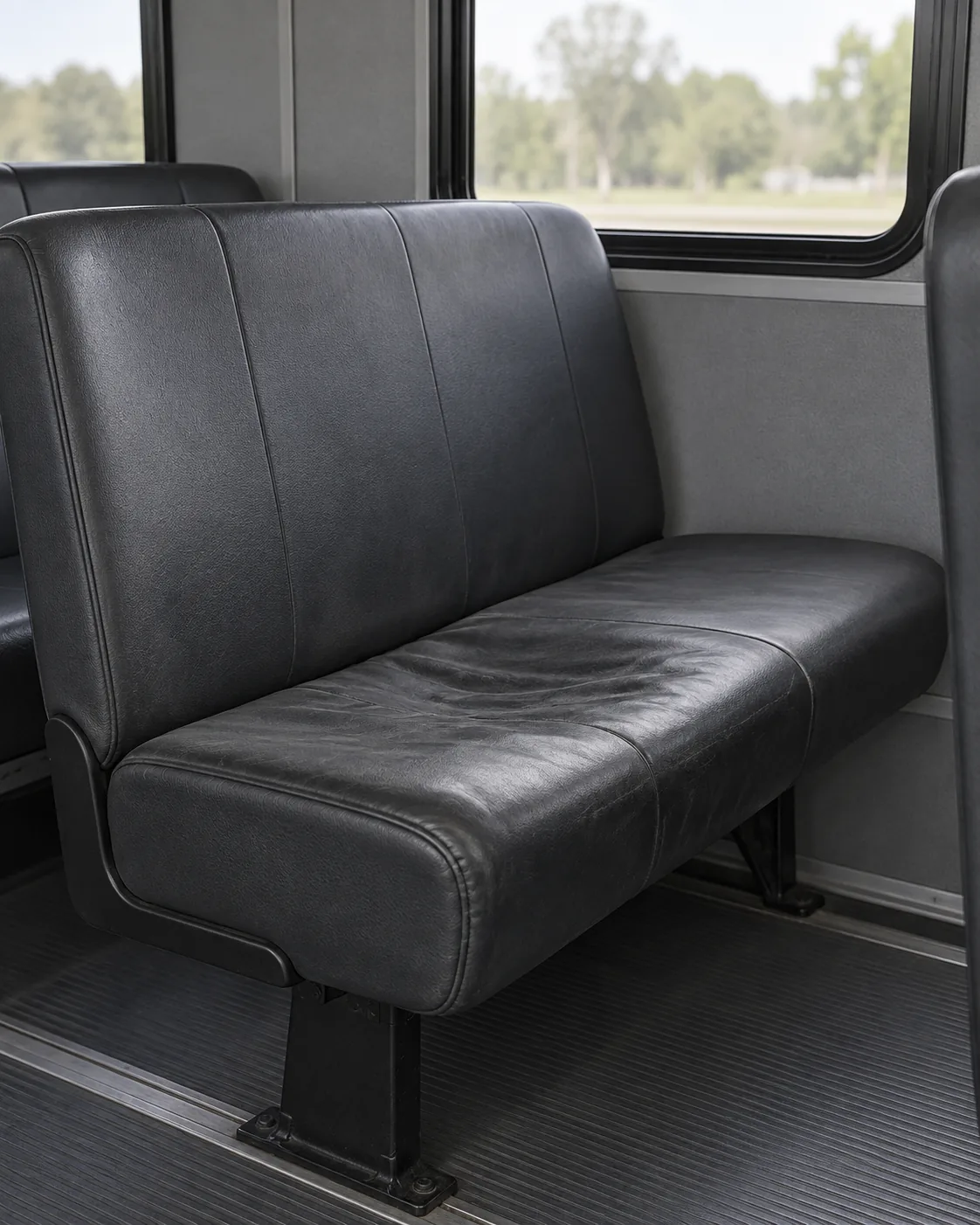
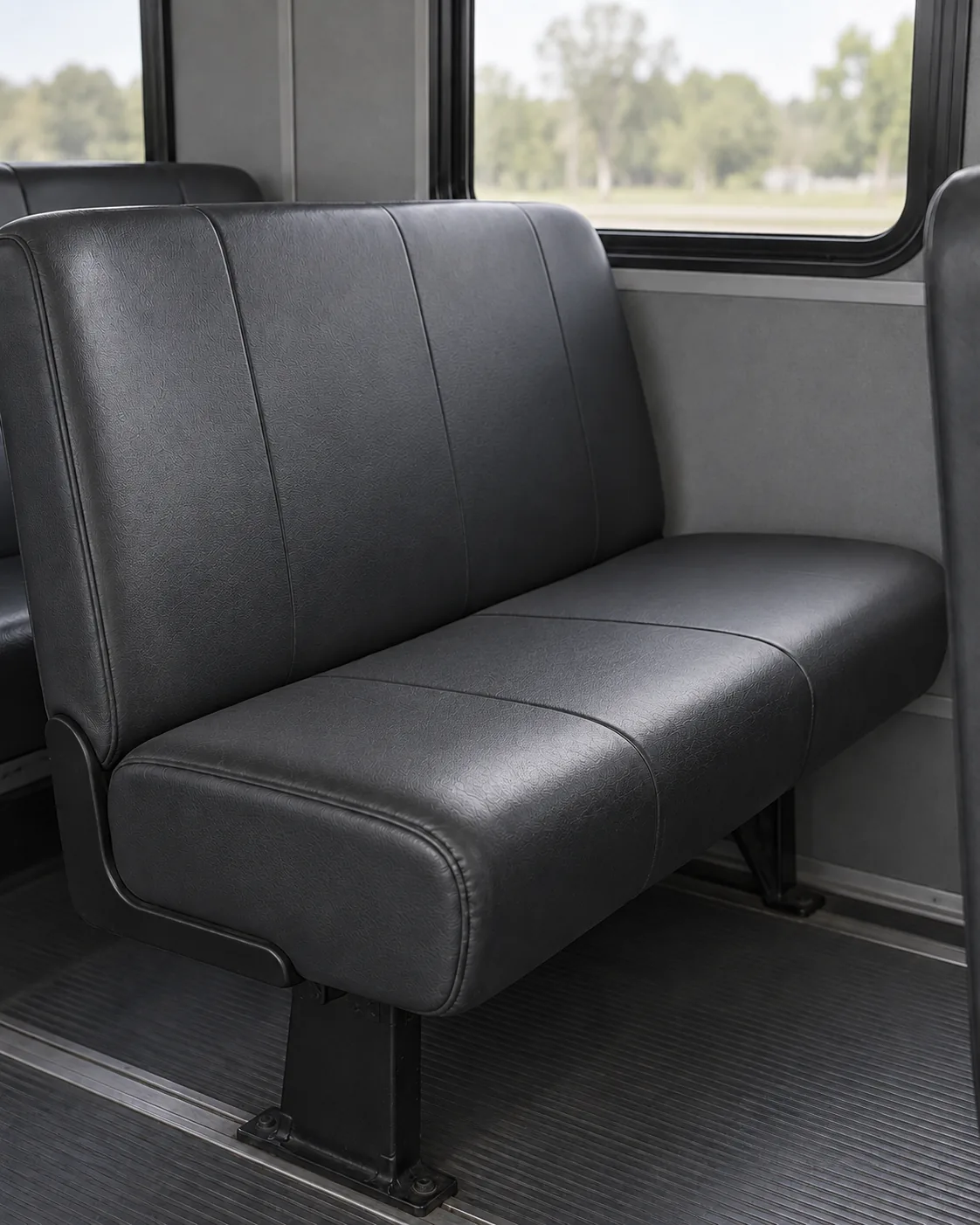
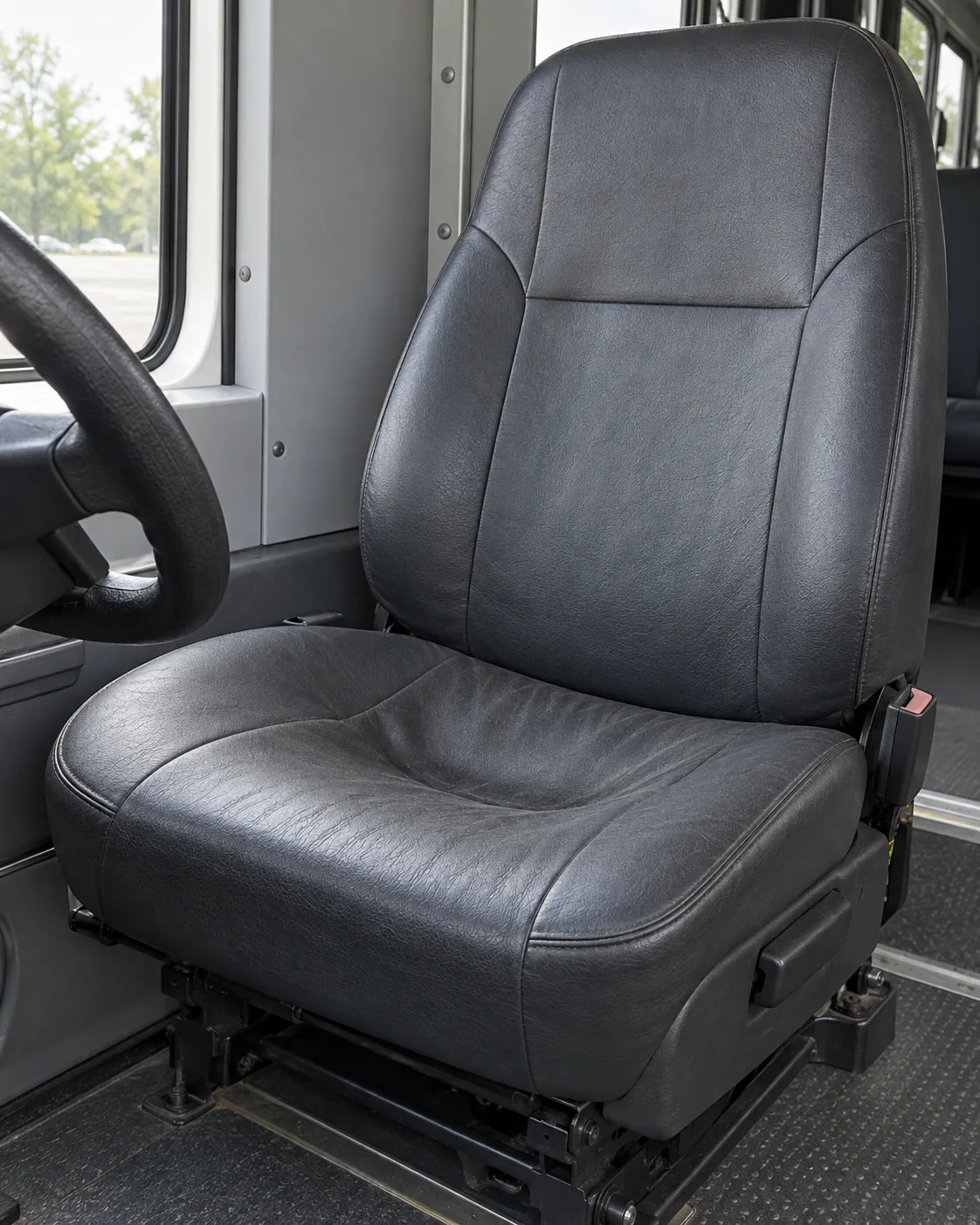
Two seats rebuilt under their own covers. More in the before and after gallery.
 Before
 After
AfterTransit bench. Sunk flat and sitting low in the row. Rebuilt to the original crown, cover re-stretched.
 Before
 After
AfterDriver seat. Dished in the middle from one shift pattern. New bun, new edge roll, same cover.
Four Things on the Bench
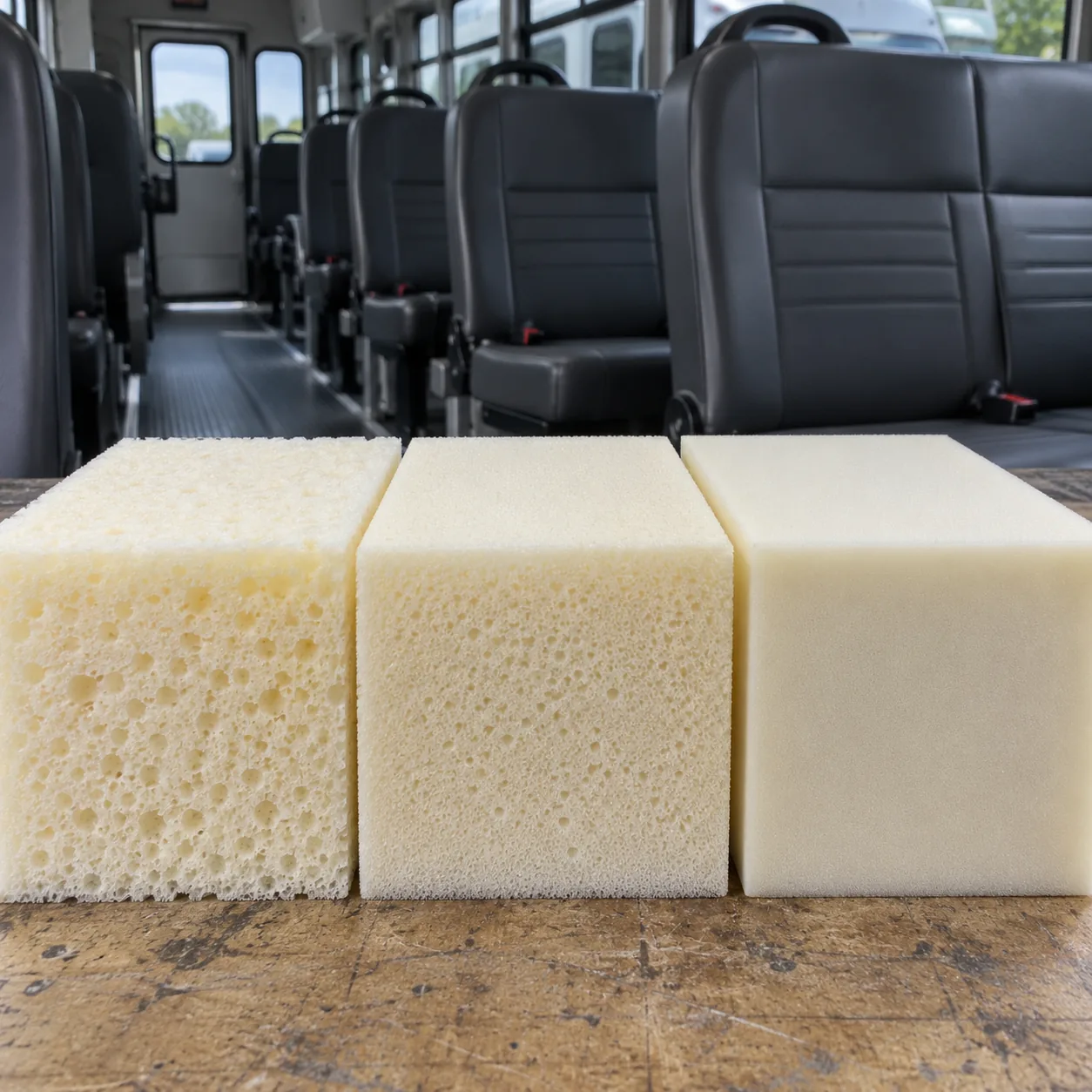
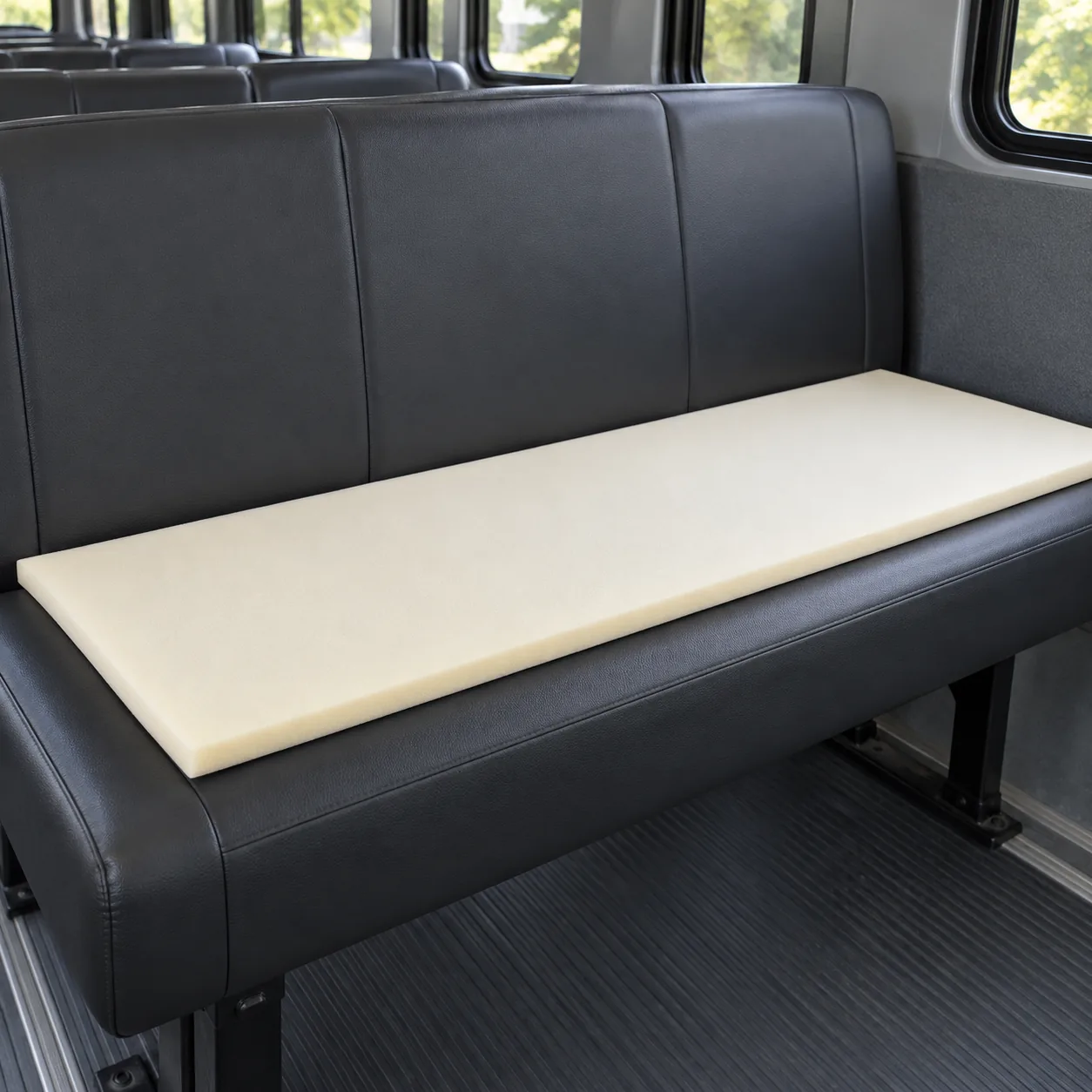
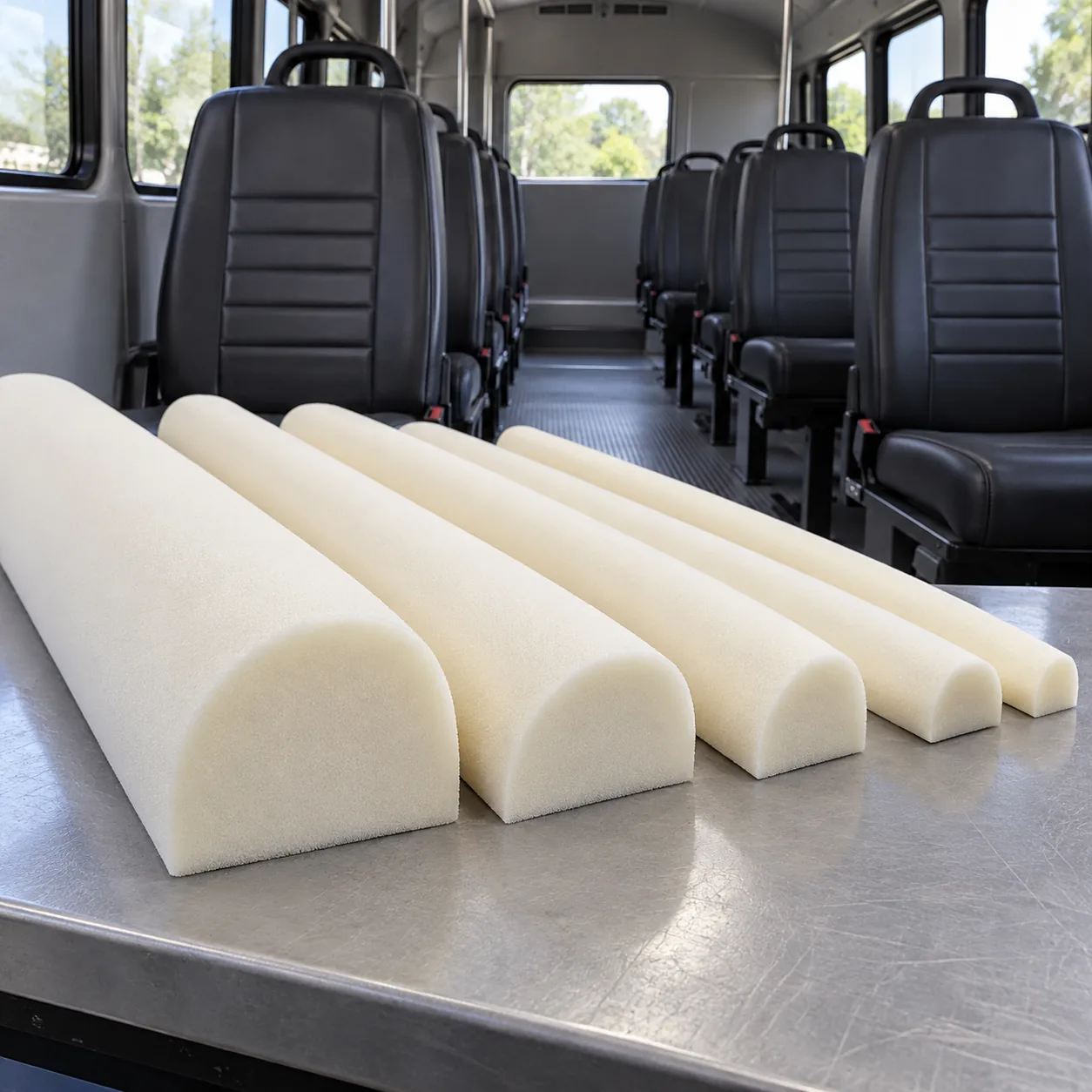

When New Foam Is Wasted
Both of these are visible at the walkthrough, and both change the job. We would rather move you to the right one than fit foam twice.


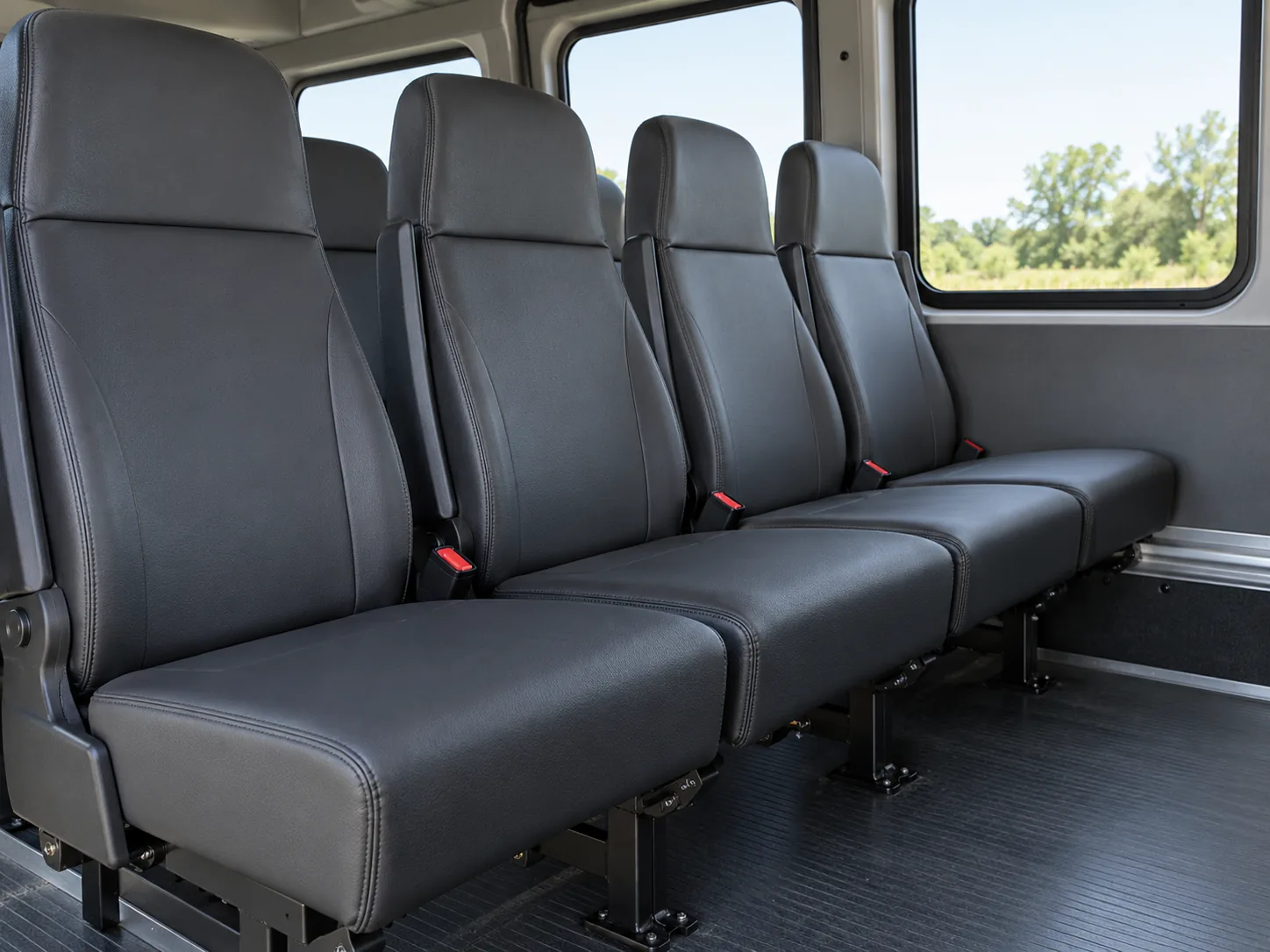
Look Down the Row
Stand at the front and sight along the seat tops. When they line up, the foam work is right. That is the check we do before leaving.
Seat foam replacement questions
What does seat foam replacement cost?
Seat foam replacement is quoted per seat once we see it, in person or from photos. A bench, a driver cushion and a coach back are different jobs. We do not quote off a list. Start with a free estimate.
Can you keep our existing covers?
Usually. The cover comes off whole and goes back over the new foam, as long as it is still able to stretch.
Will the rebuilt seat match the row?
Yes. The old bun is the template, so the new seat sits at the same height as the ones beside it.
Do the seats have to leave the vehicle?
Cushions come out and go back the same visit. Heavier sewing goes to our shop through pickup and delivery.
Is this the same as reupholstery?
No. Seat foam replacement rebuilds what is under the cover. Reupholstery replaces the cover itself. See bus seat reupholstery.
How soon can the vehicle go back out?
The same shift. There is nothing to cure, so a rebuilt seat is ready as soon as the cover is back on.

Photograph the Row
Shoot along the seat tops so we can see which ones have dropped. That tells us how many buns to cut.
Call 347-310-7483