
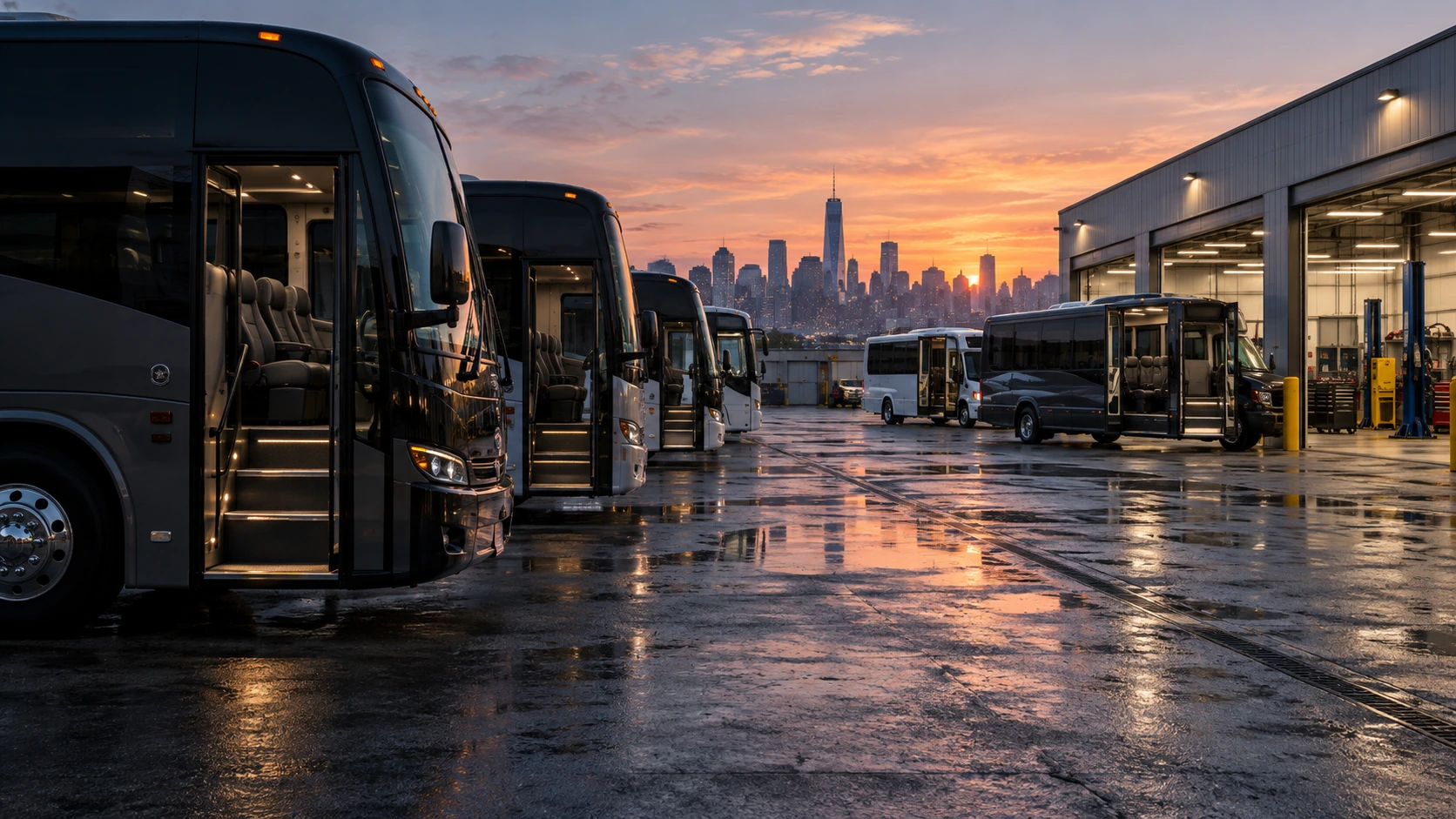
Fleet Seat Reupholstery
Fleet seat reupholstery graded vehicle by vehicle: the roster is surveyed first, then recovered in waves to one spec, so only part of it is ever off the road.
- Vehicles go in wavesOnly part of the roster is off the road at any point.
- One spec, whole fleetSame vinyl, same thread, same pattern on every vehicle.
- Worked around serviceNights, weekends and layover days rather than service hours.
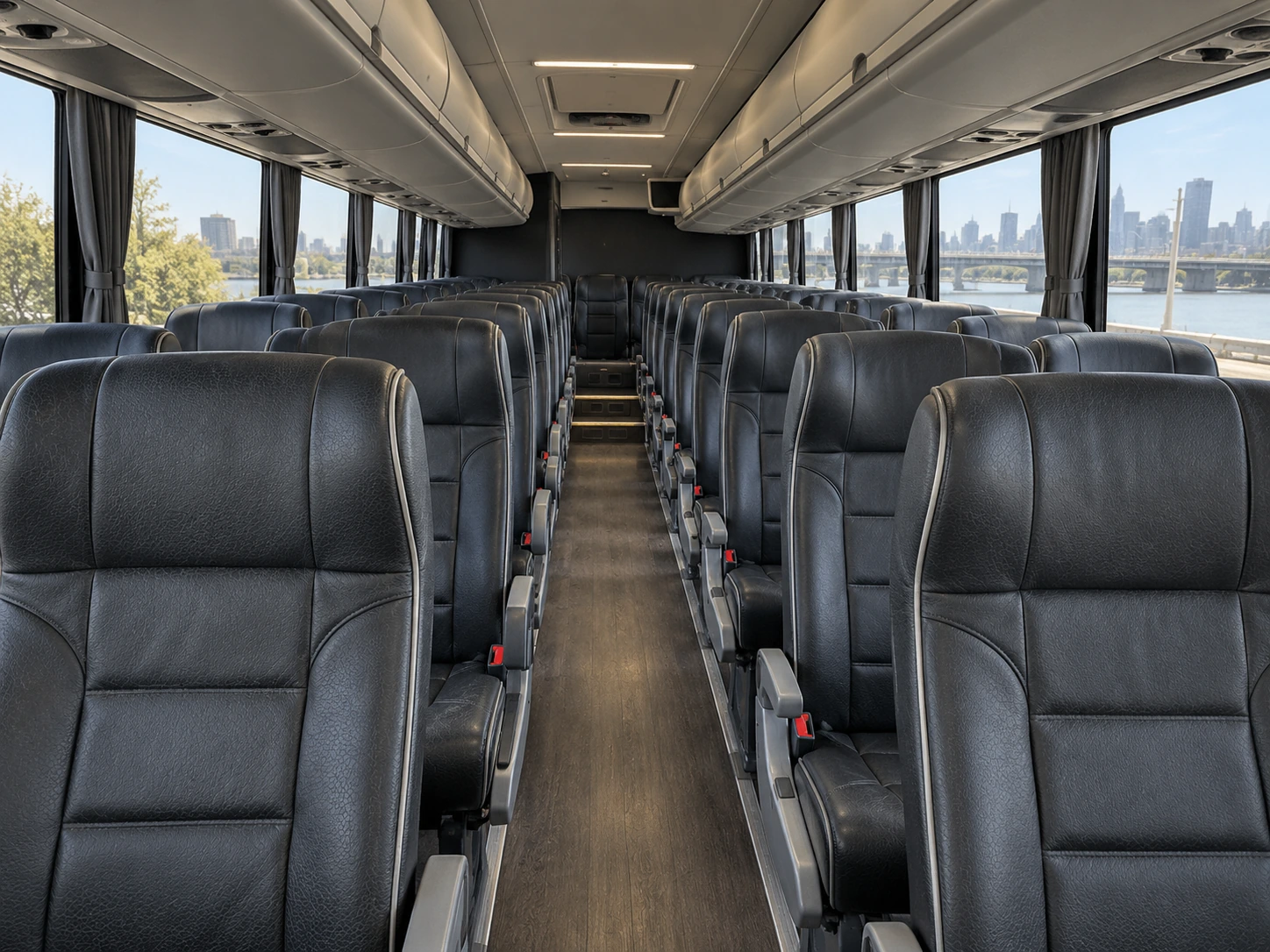
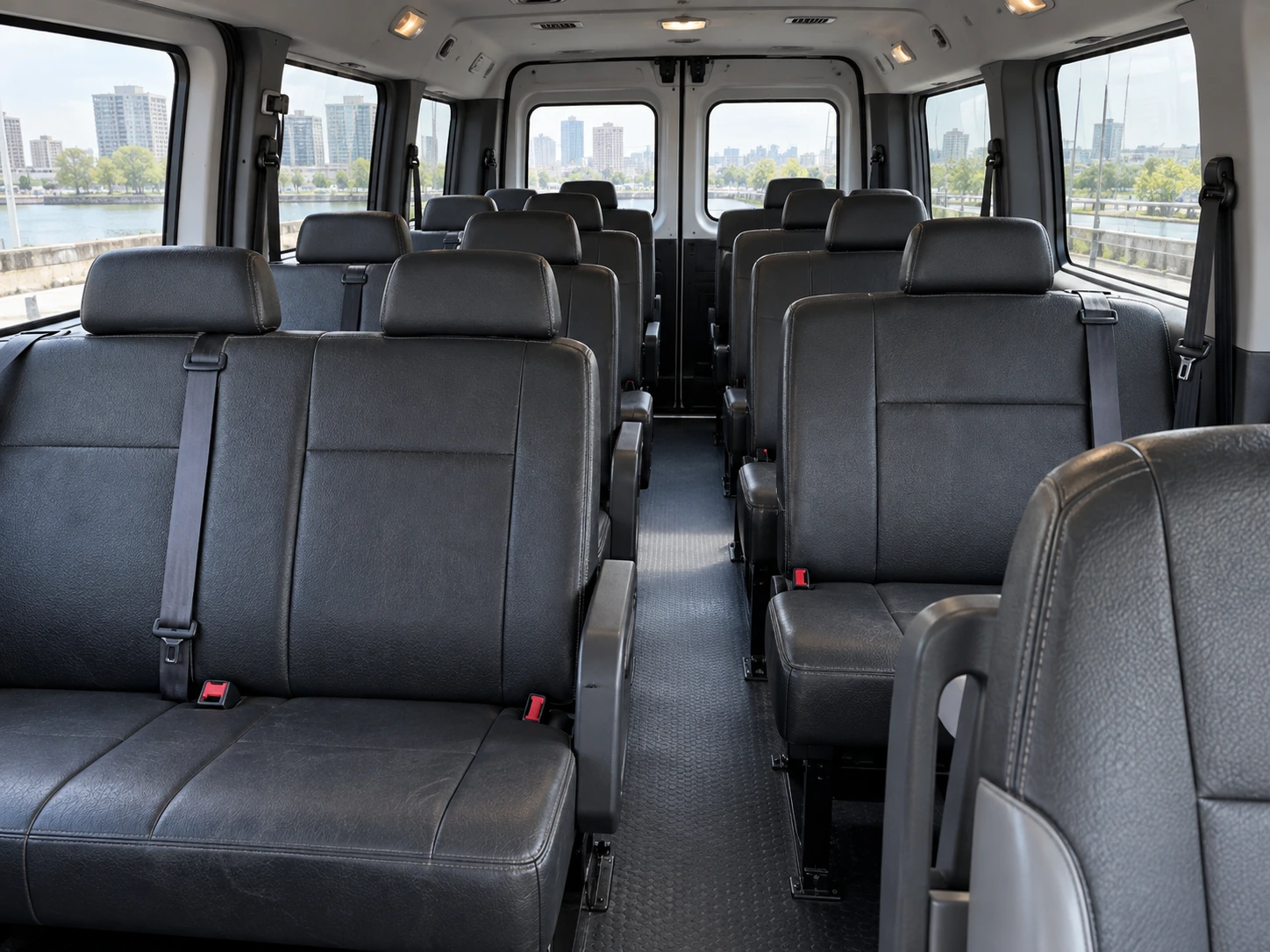
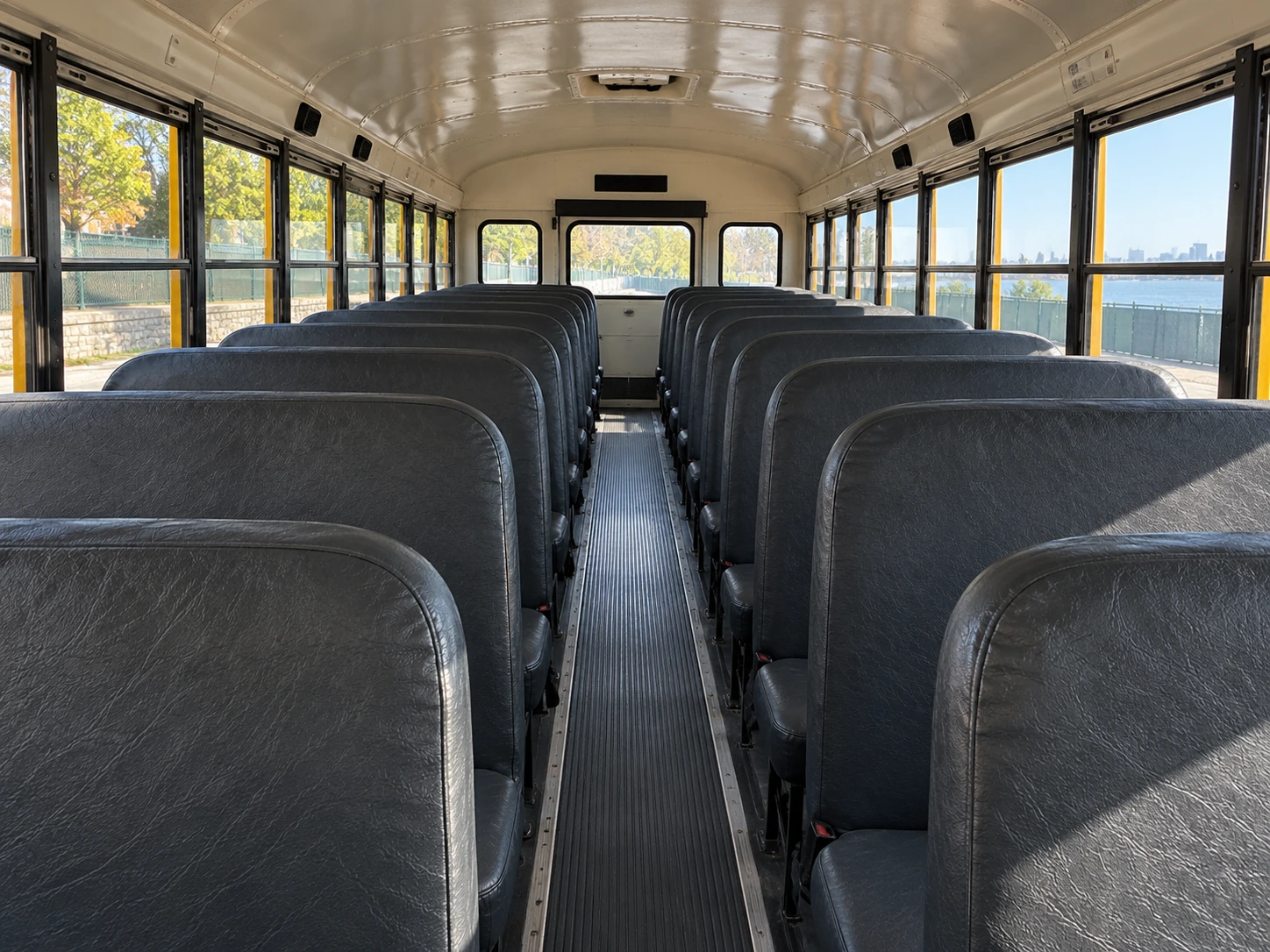
Four Rosters, One Method
Fleet seat reupholstery looks the same in all four: survey the roster, fix the spec, recover in waves.

Every Seat Gets a Grade
A fleet is never in one condition. Grading it is what turns a vague quote into a budget you can stage across quarters.


Everything a Passenger Touches
Under each: what comes out of the vehicle and what stays bolted in.
 Bench cushionsUnbolt from the frame and travel in batches; the frames stay in the vehicle.
 Backs & panelsBack panels take kicks and bag scuffs, and are recovered with the cushion.
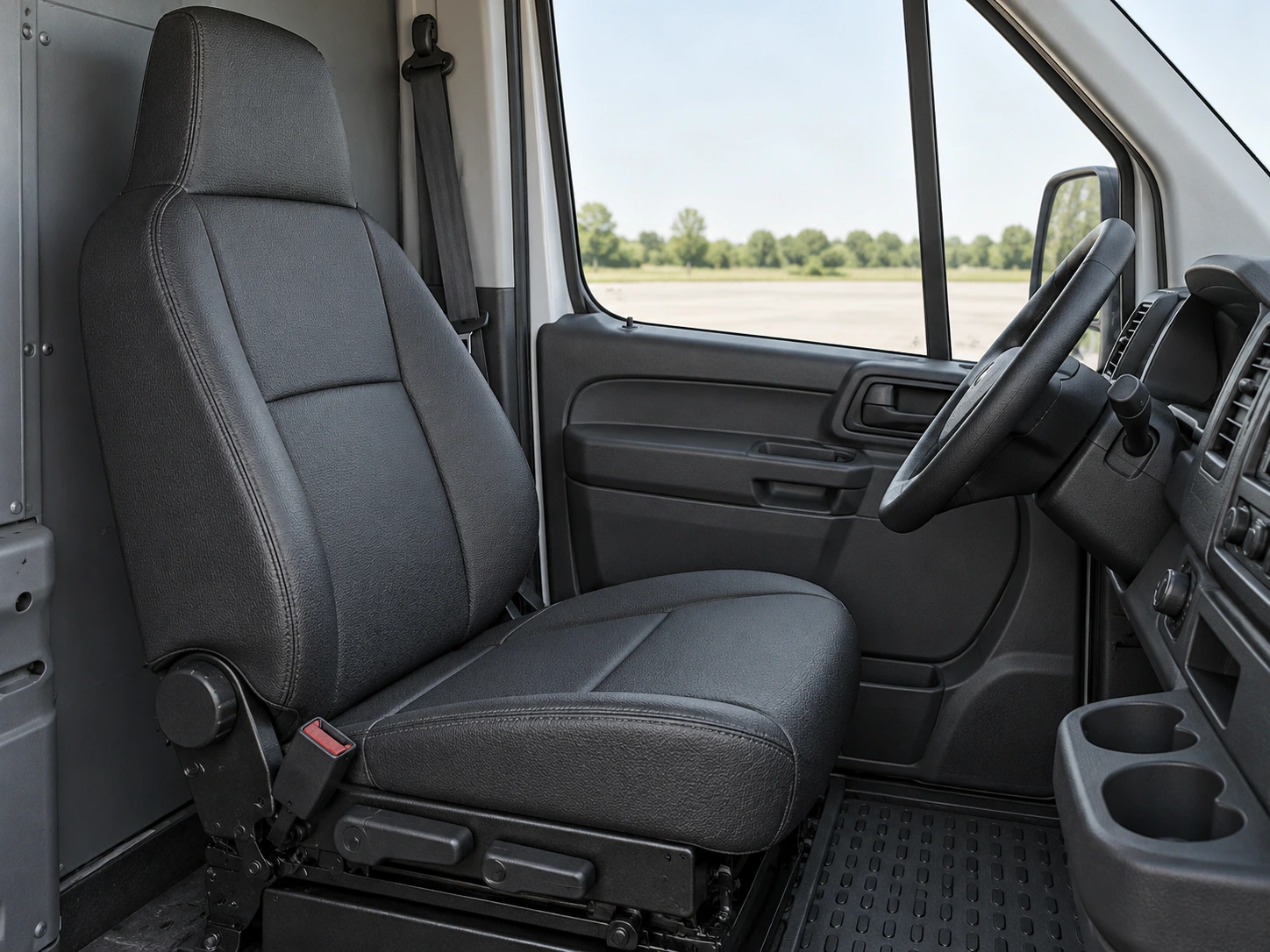 Driver seatsThe highest-hour seat in any vehicle; usually first to need recovering.
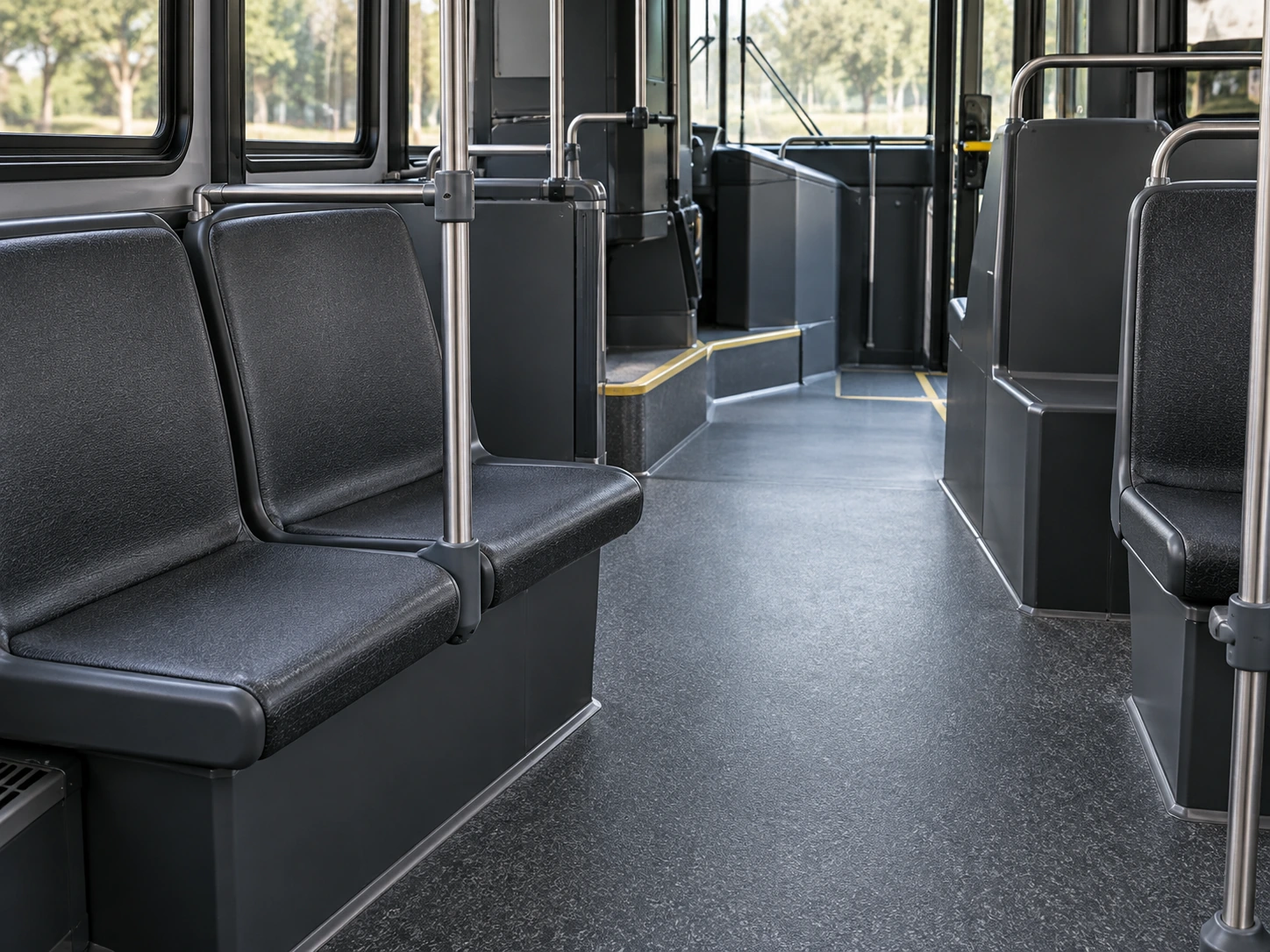 Priority seatingMarked areas are recovered in the same spec so the bay still reads as one.
Six Steps, Roster to Road
A typical fleet seat reupholstery programme: survey in week one, pilot vehicle signed off in week two, then waves until the roster is done.
 01Survey & gradeEvery vehicle is walked and every seat graded A, B or C. You get counts per vehicle before a price.
 02Set the specVinyl, thread and pattern are fixed once, so vehicles done months apart still match. See commercial vinyl.
 03Pilot vehicleOne vehicle is done first and signed off. It becomes the standard the rest are measured against.
 04Shop lineCushions run through the shop in batches, which is what keeps the per-seat cost down. See commercial reupholstery.
 05RefitSeats go back on their own frames in their own vehicle, and the bolts are torqued to spec.
 06Back in serviceThe vehicle returns to the line and the next wave comes out. See how a project runs.
Transit-Grade, Not Furniture-Grade
Vehicle seating takes abrasion, cleaning chemicals and sunlight that indoor furniture never sees, so the cover is specified for transport use and matched to your existing color. More on commercial vinyl, and on restoring vinyl seats that are not yet ready to recover.
Two Seats From One Roster
Both recovered to the fleet spec on their original frames. More in the before and after gallery.
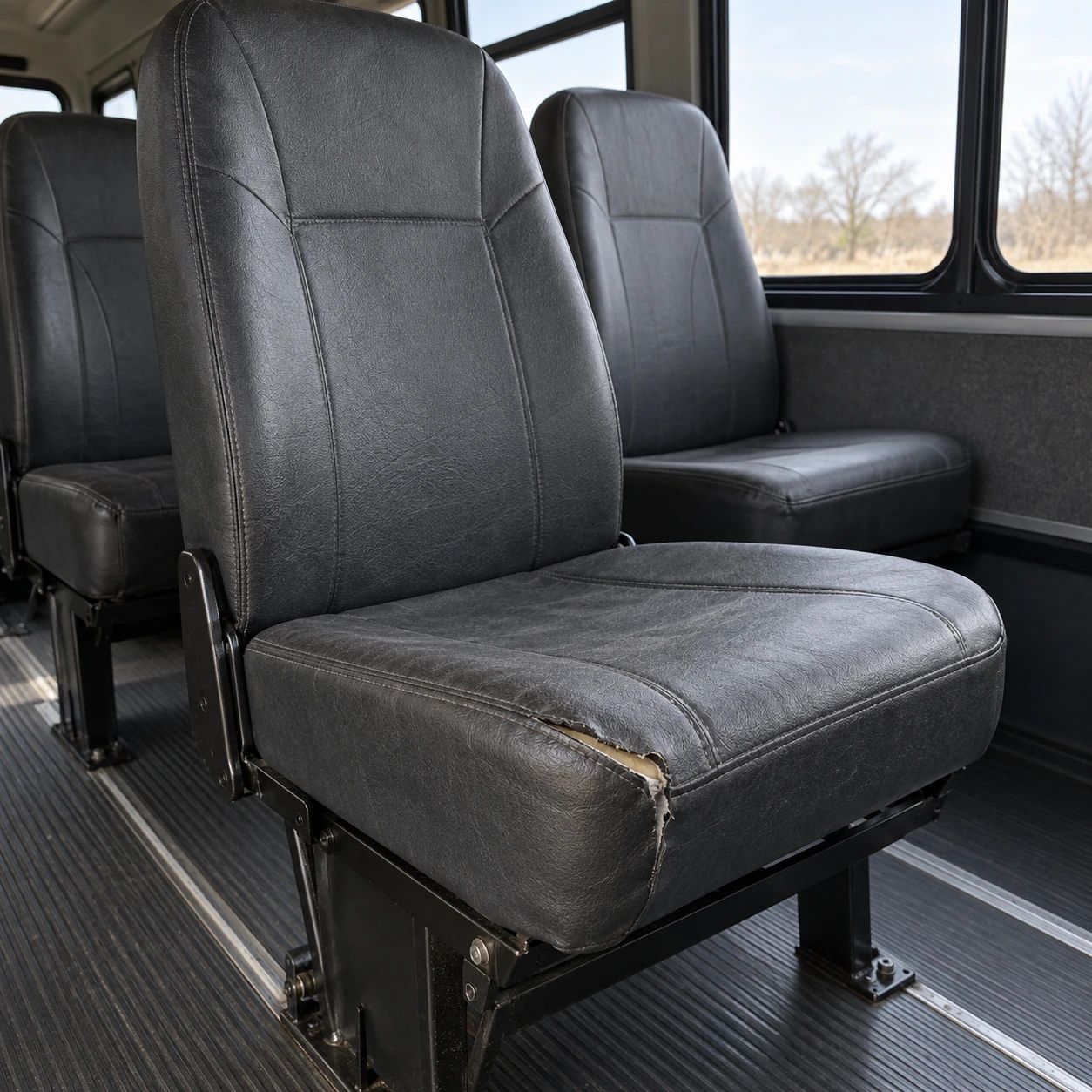 Before
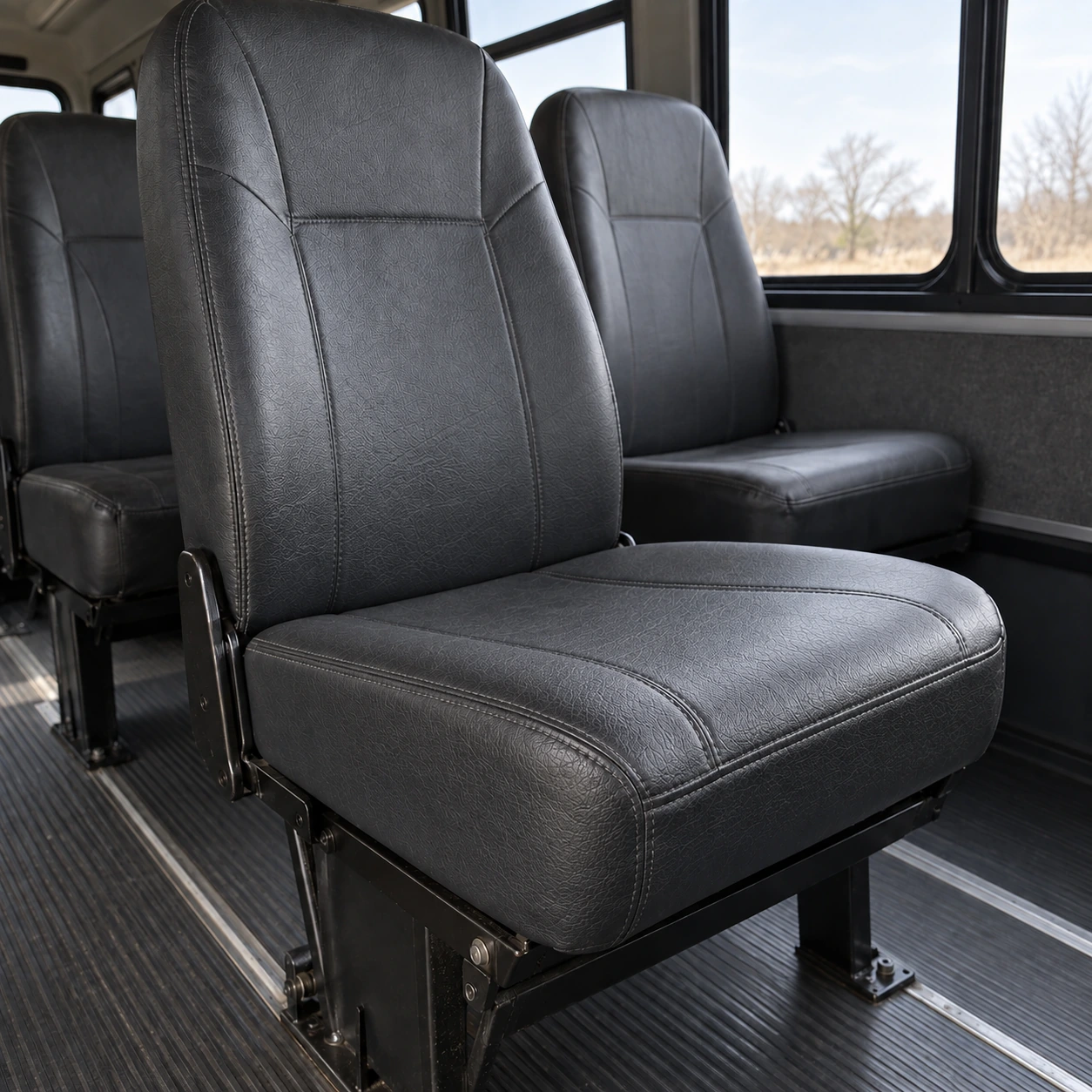 After
After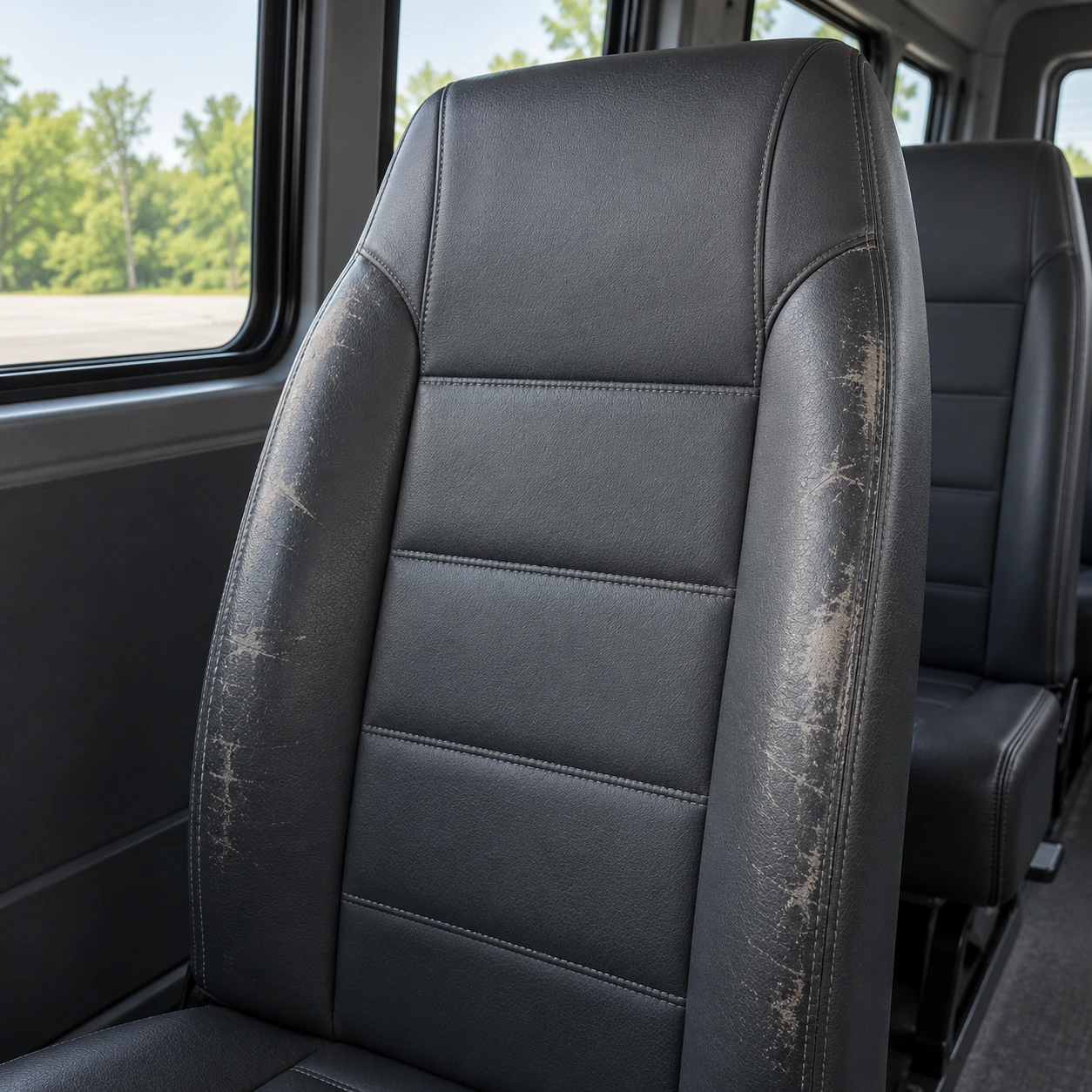 Before
 After
After
The Roster Keeps Running
Waves are sized to your spare vehicles, not to our shop. That is the difference between a fleet programme and a pile of individual jobs.
Fleet seat reupholstery questions
School fleets can compare practice through the National Association for Pupil Transportation. Running a mixed roster? Start at transportation furniture services.
What does fleet seat reupholstery cost?
Fleet seat reupholstery is priced per seat once the roster is graded, not per vehicle off a list. The grade mix decides it: a fleet that is mostly Grade B costs far less than one that is mostly Grade C.
How many vehicles are off the road at once?
As few as you want. We size the wave to your spare capacity — often one or two vehicles at a time, worked overnight or on layover days.
Will vehicles done later still match?
Yes, provided the spec is fixed at the start: one vinyl, one thread, one pattern, recorded against your fleet. That is the point of the pilot vehicle.
Can you repair instead of recovering?
On Grade B seats, yes, and it is cheaper — see bus seat repair. Grade C seats are past it; recovering is the only thing that lasts.
Do you work at our depot?
Survey, grading, removal and refitting happen at your depot. Cushions come to the shop for the covers and go back to the same vehicle.
What material do you use?
Transit-grade vinyl rated for public-transport use, matched to your existing color. Seating standards for vehicle interiors are published by SAE International.
Start With the Survey
We grade the roster seat by seat and quote fleet seat reupholstery in waves your service schedule can absorb.